
New 2026 Commercial Trucks For Sale
Shop new 2026 trucks for sale, including sleeper, vocational, tow, and mixer models with current safety, powertrain, and body specs.
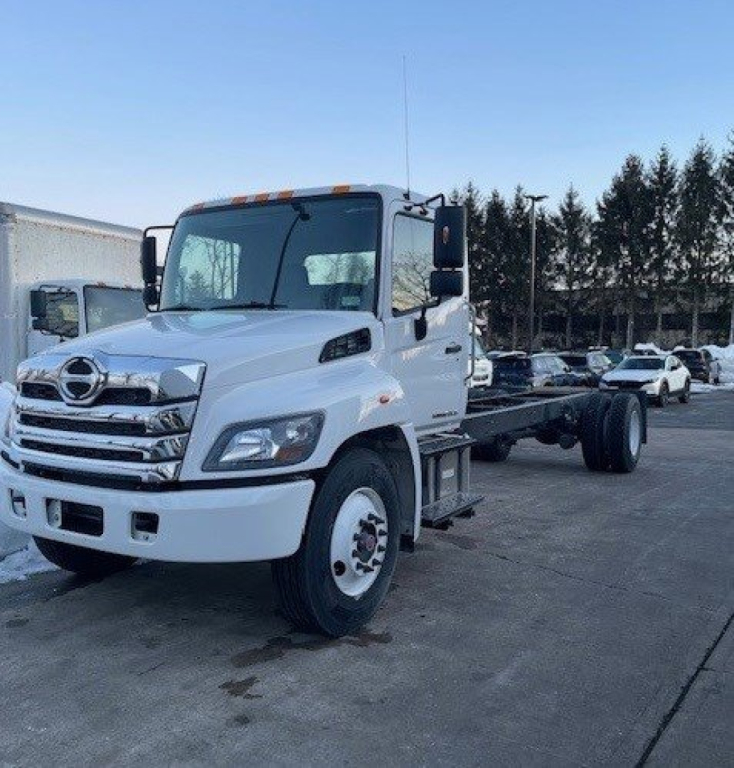
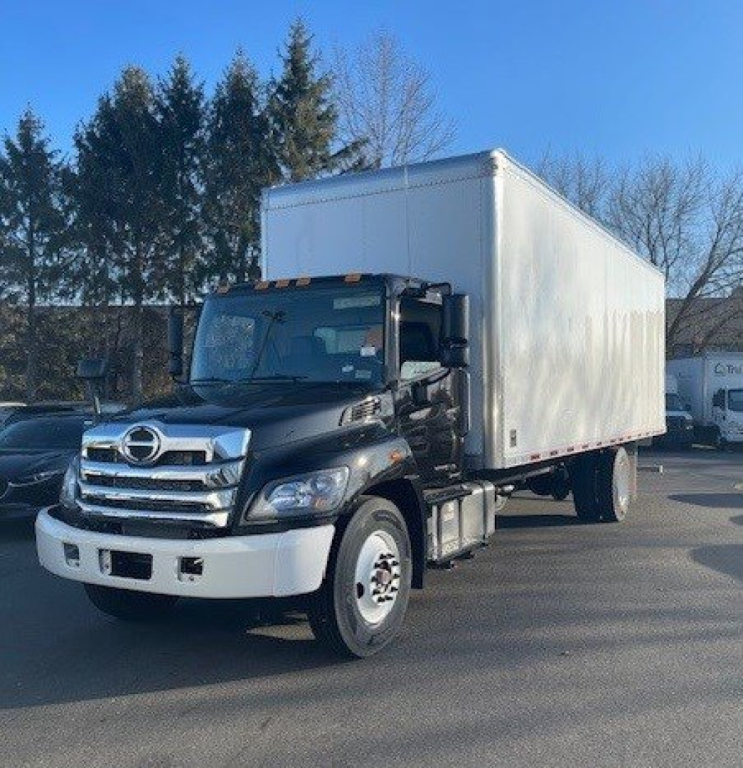
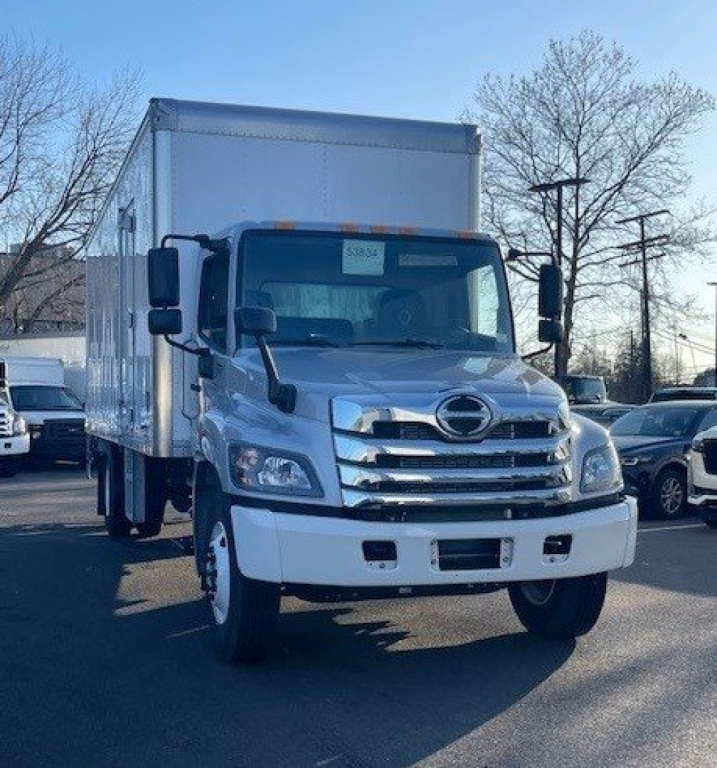
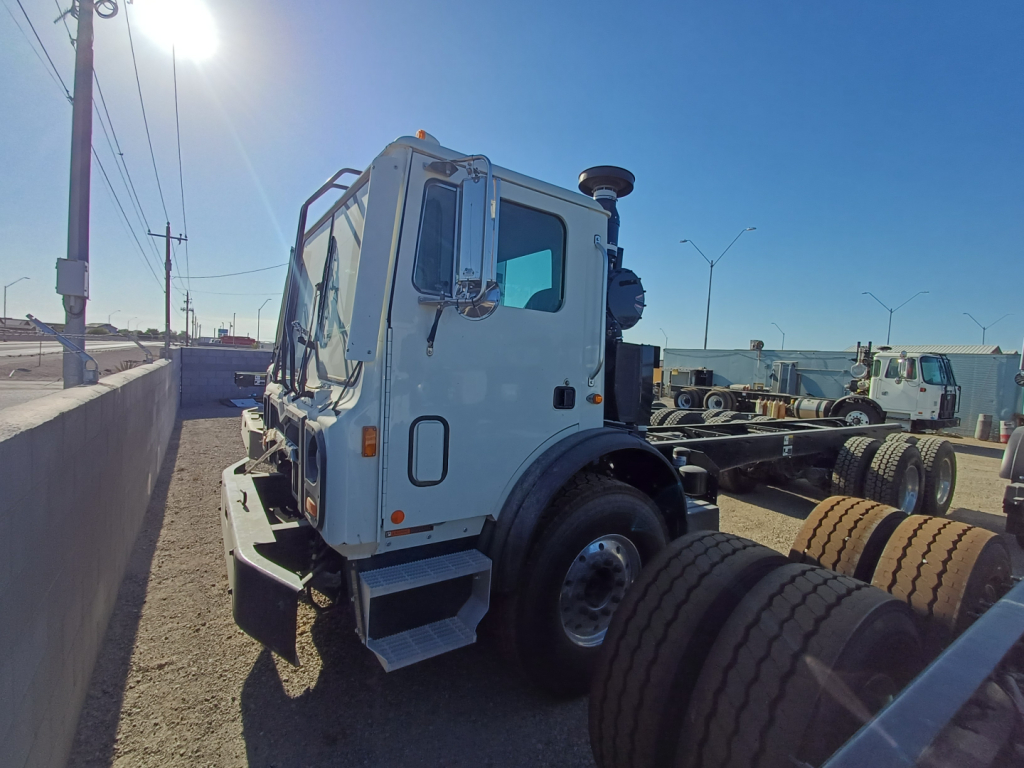
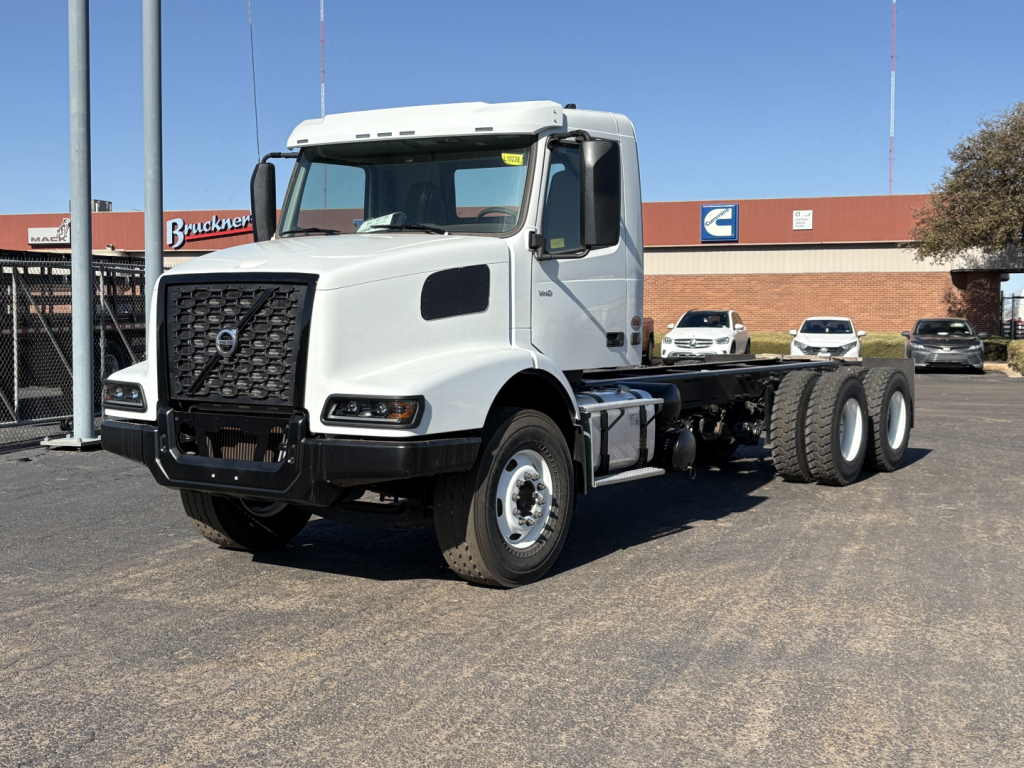
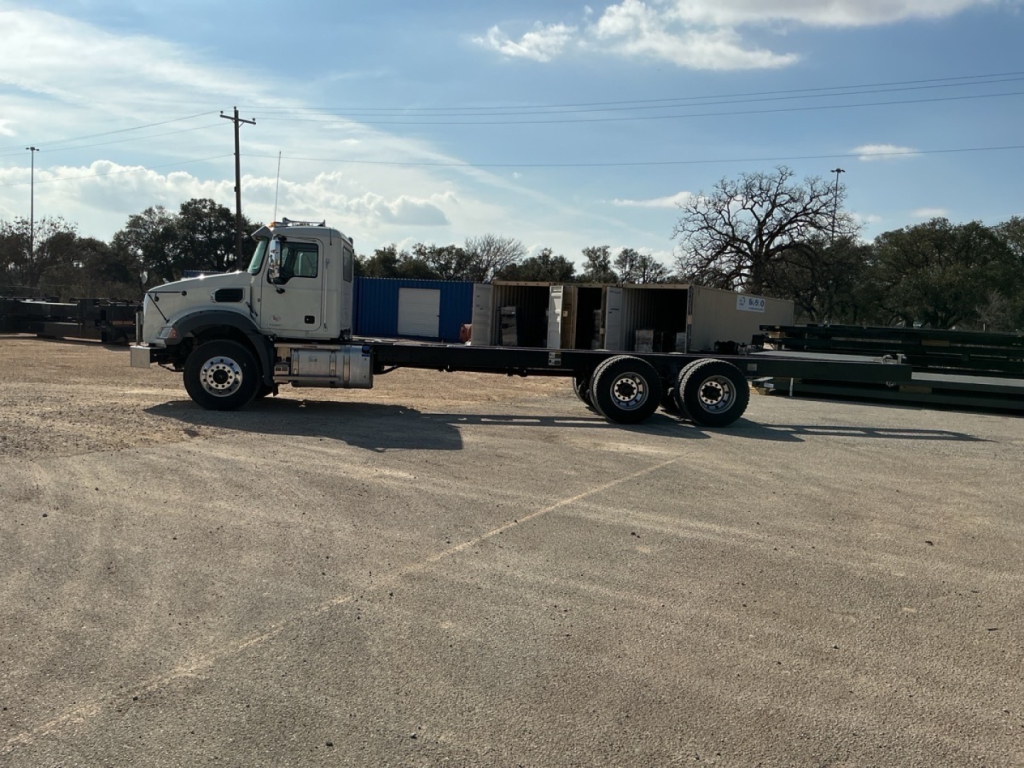
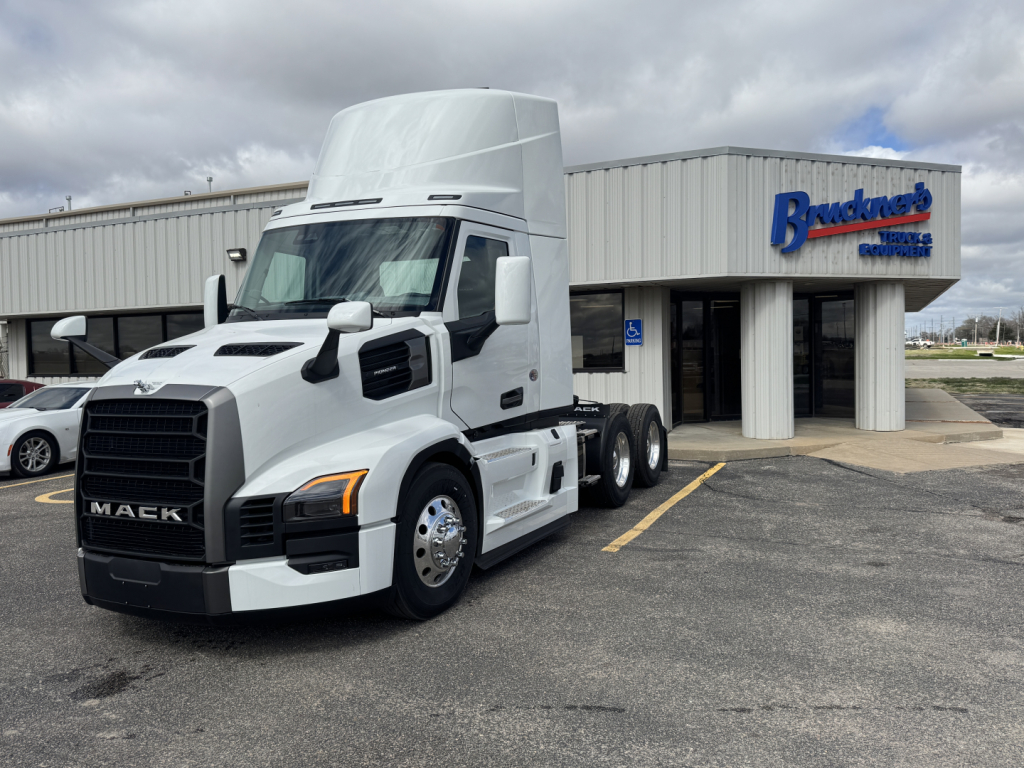
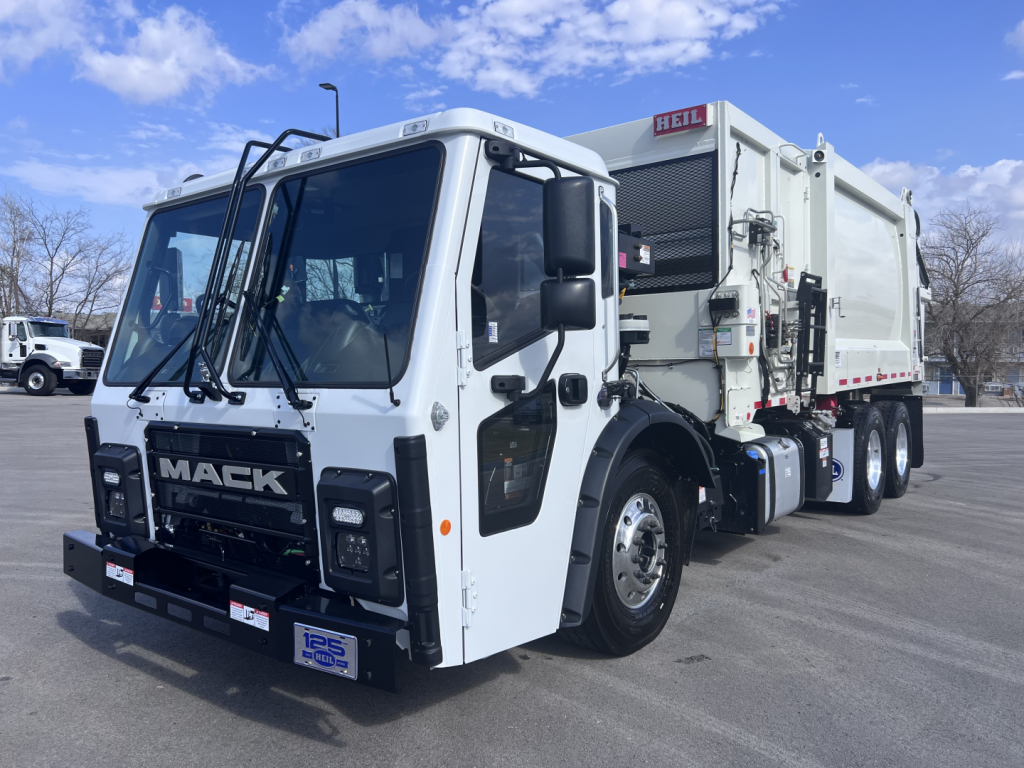
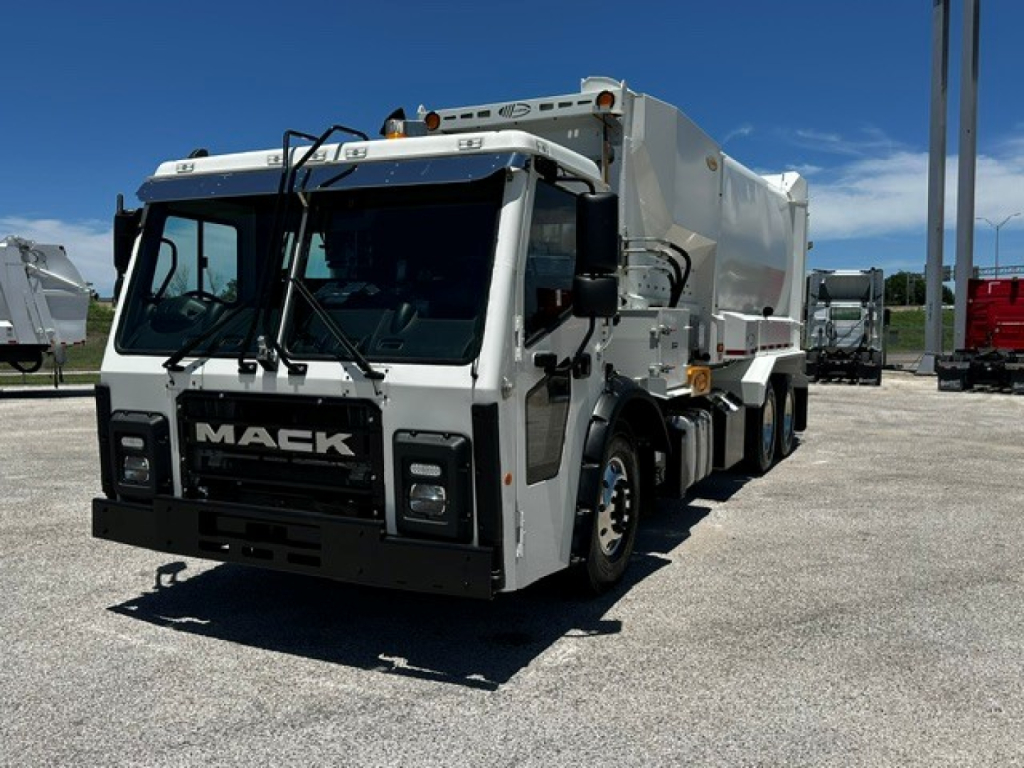
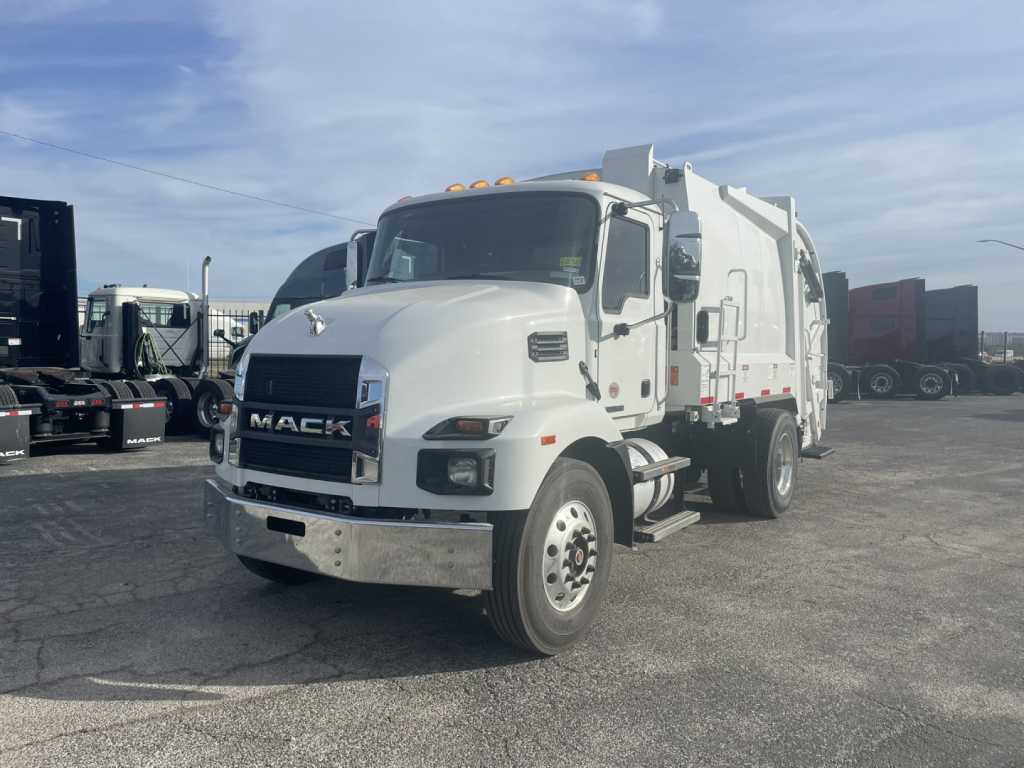
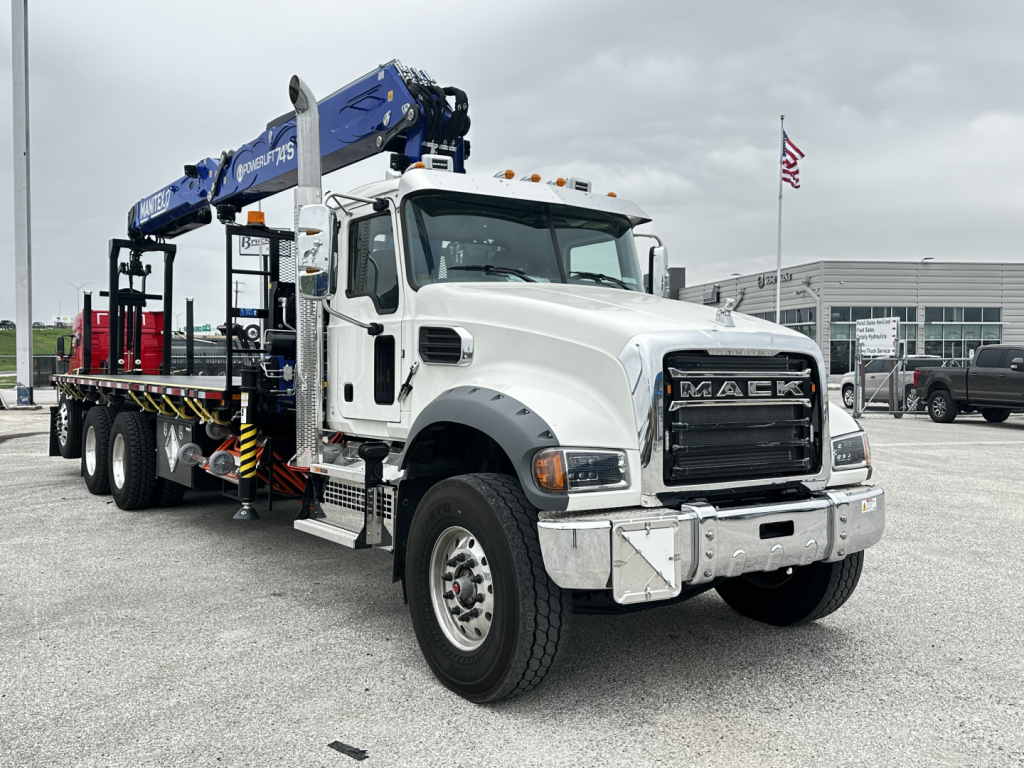
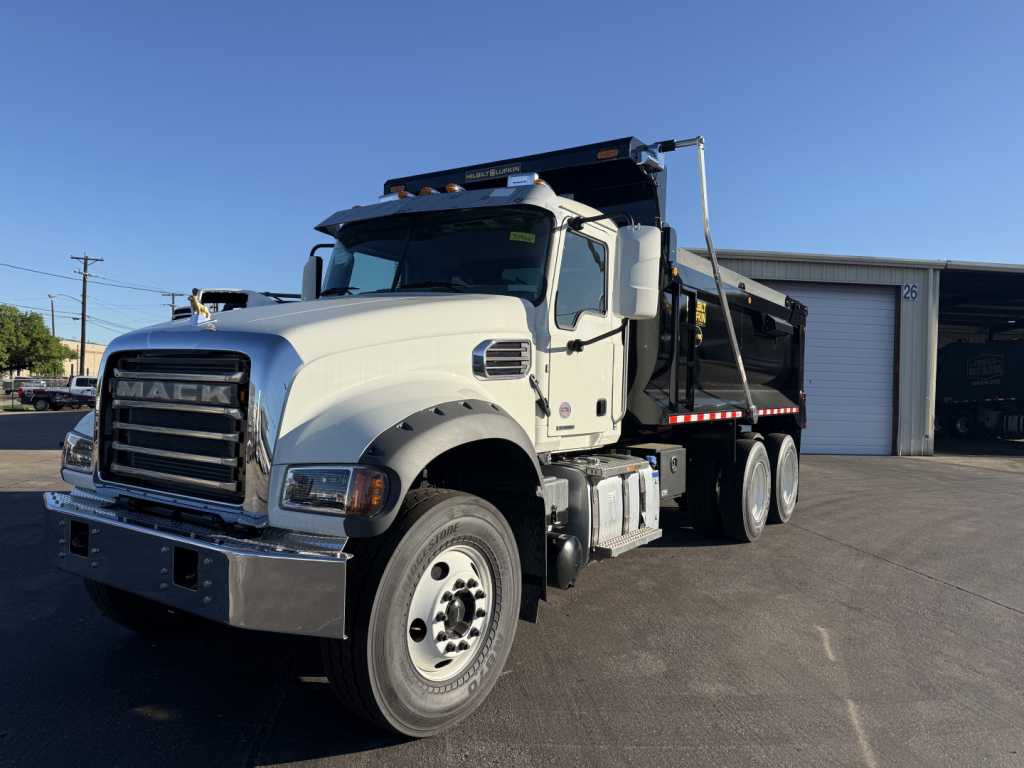
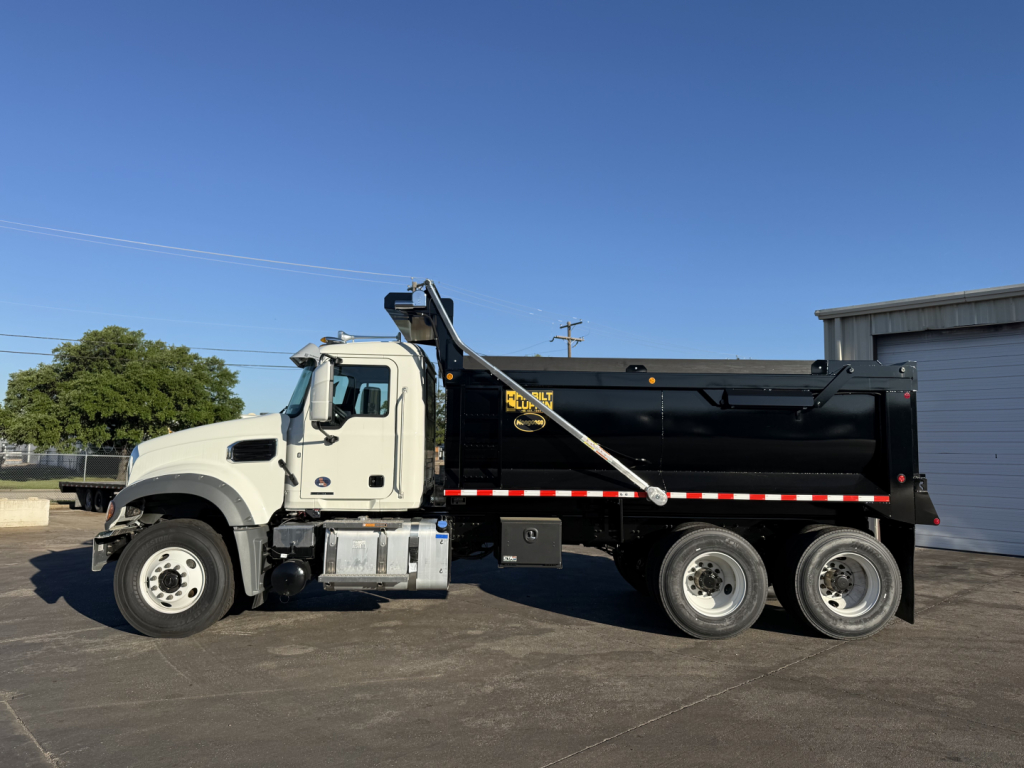
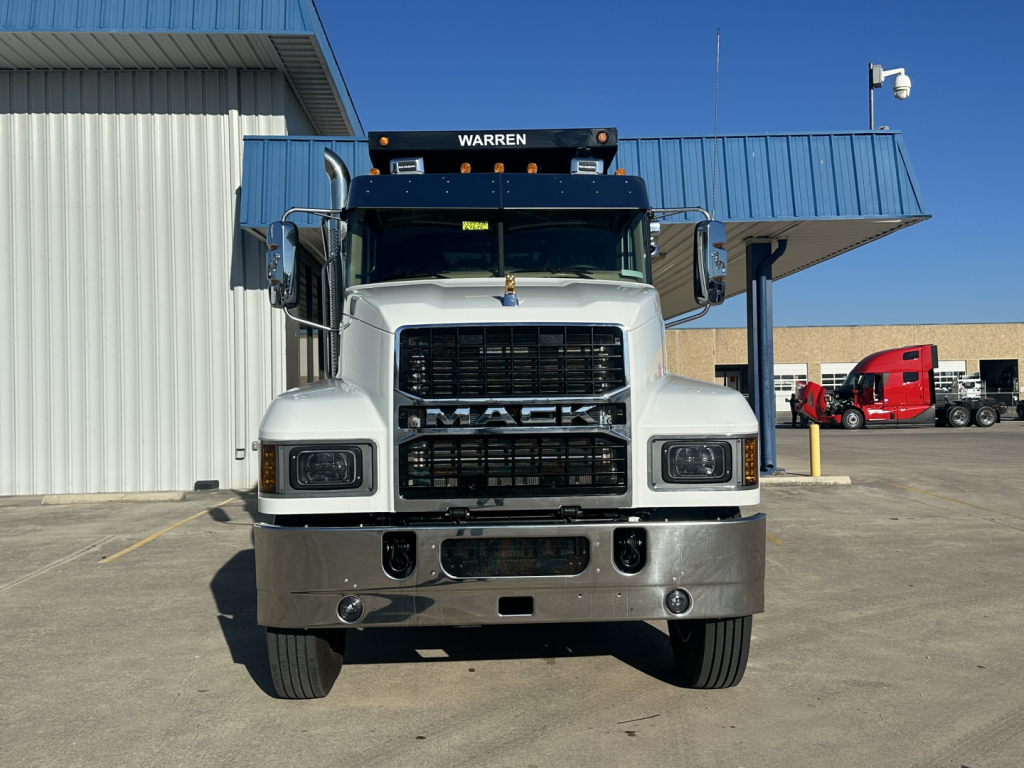
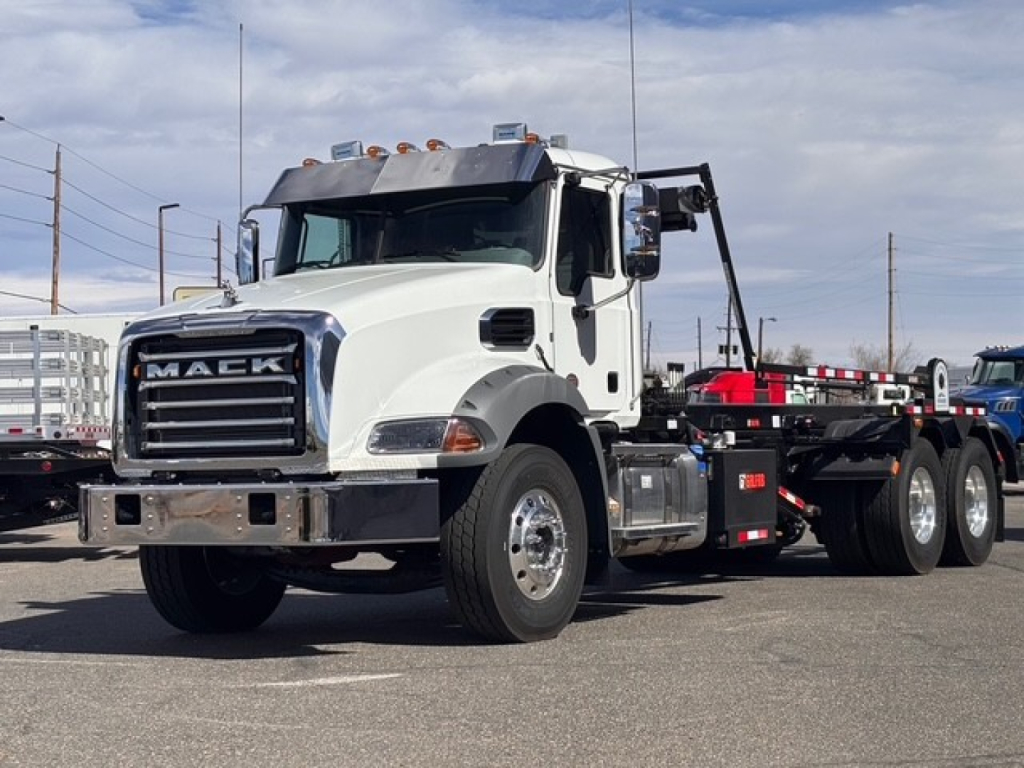
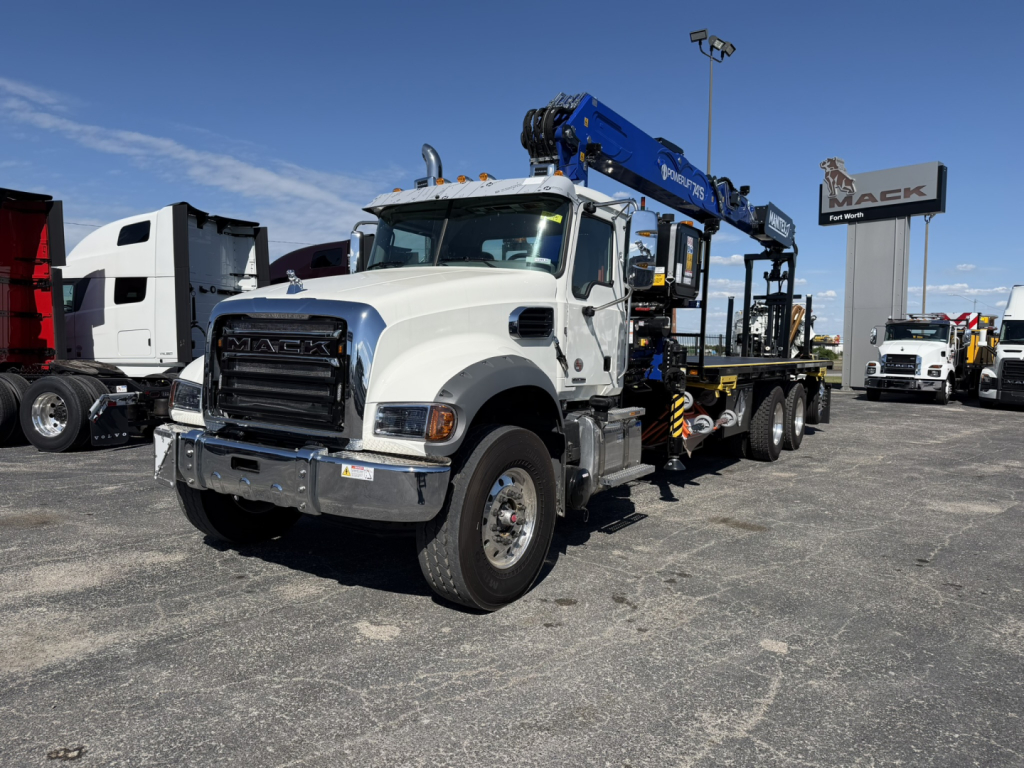
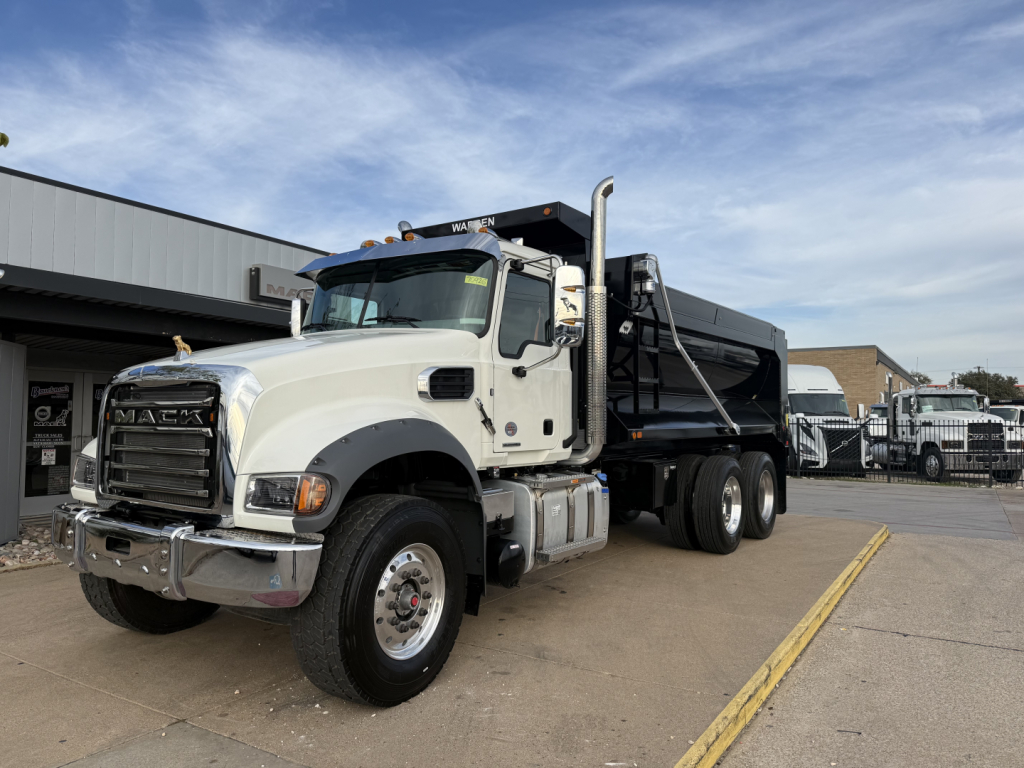
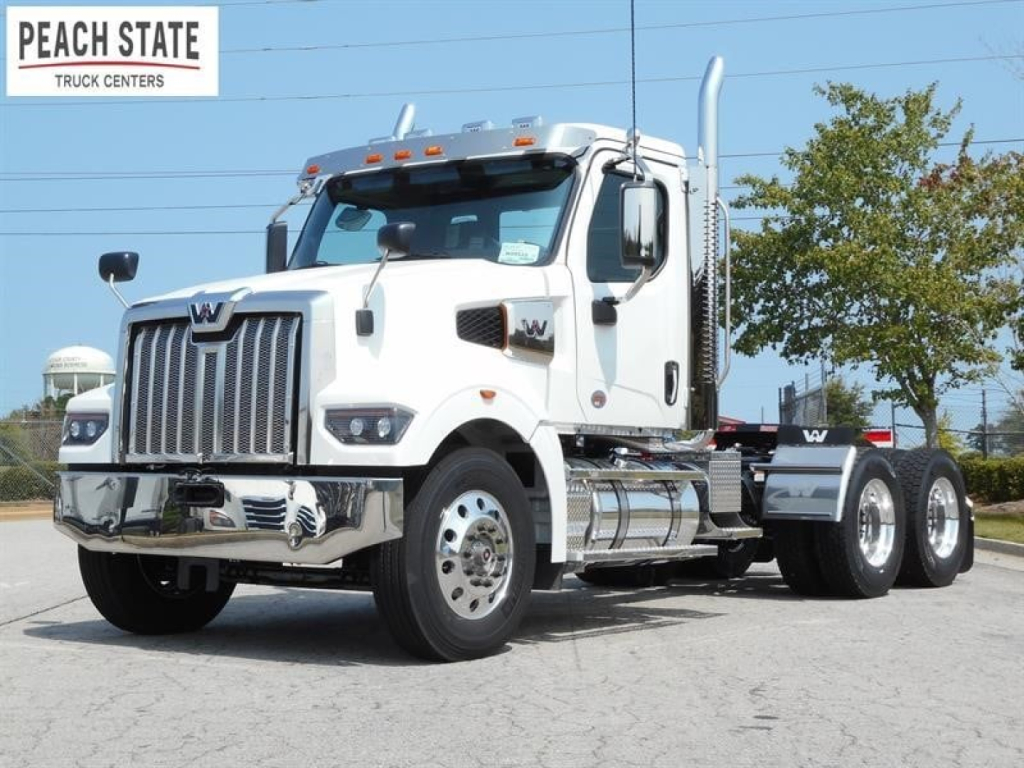
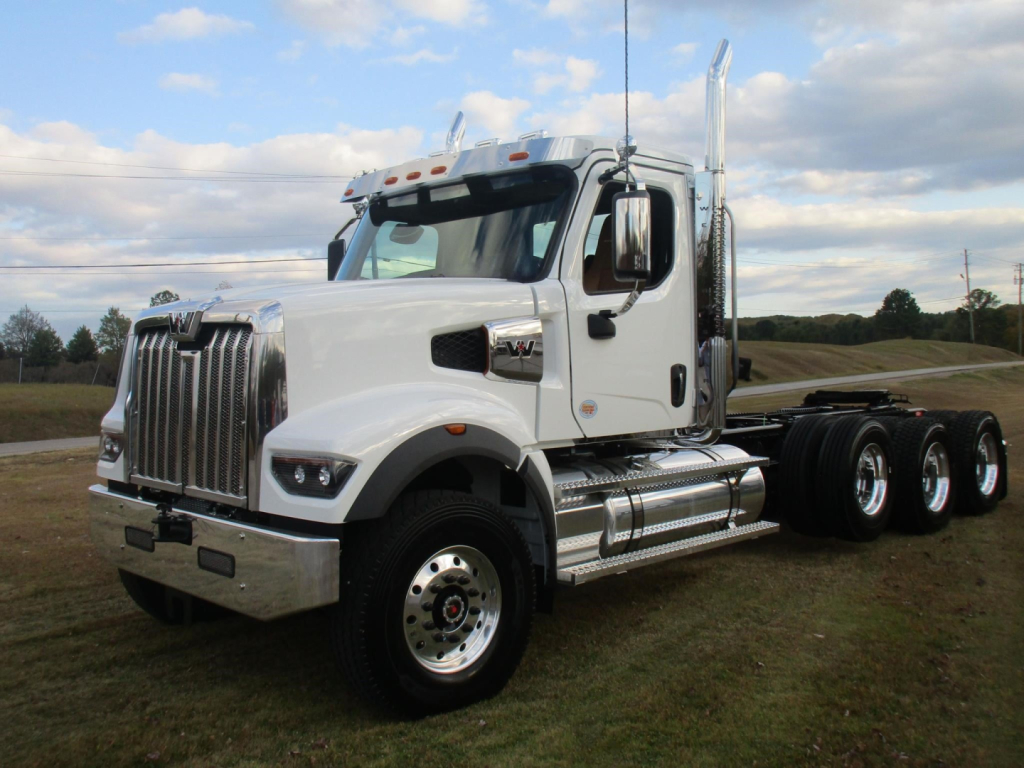
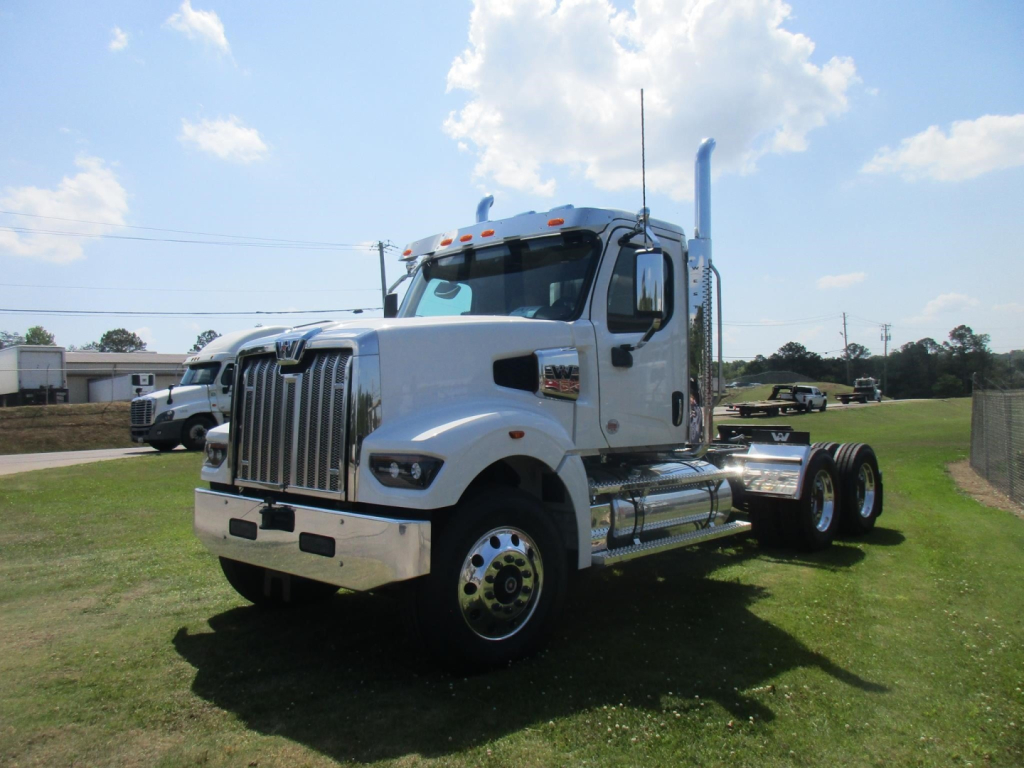
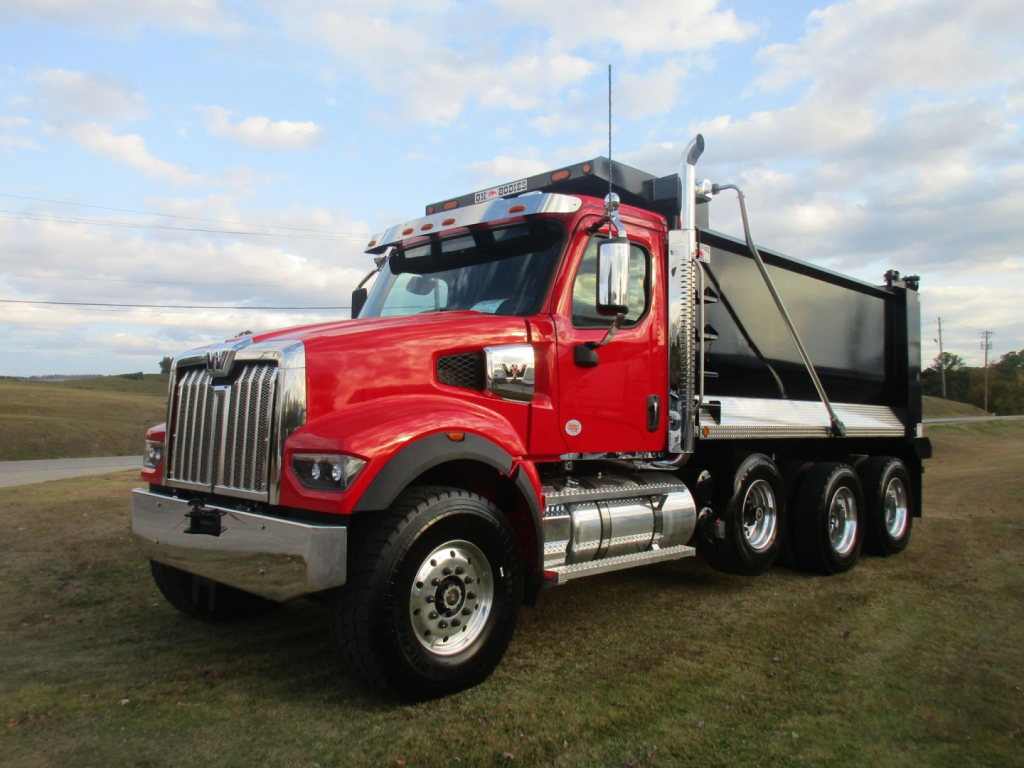
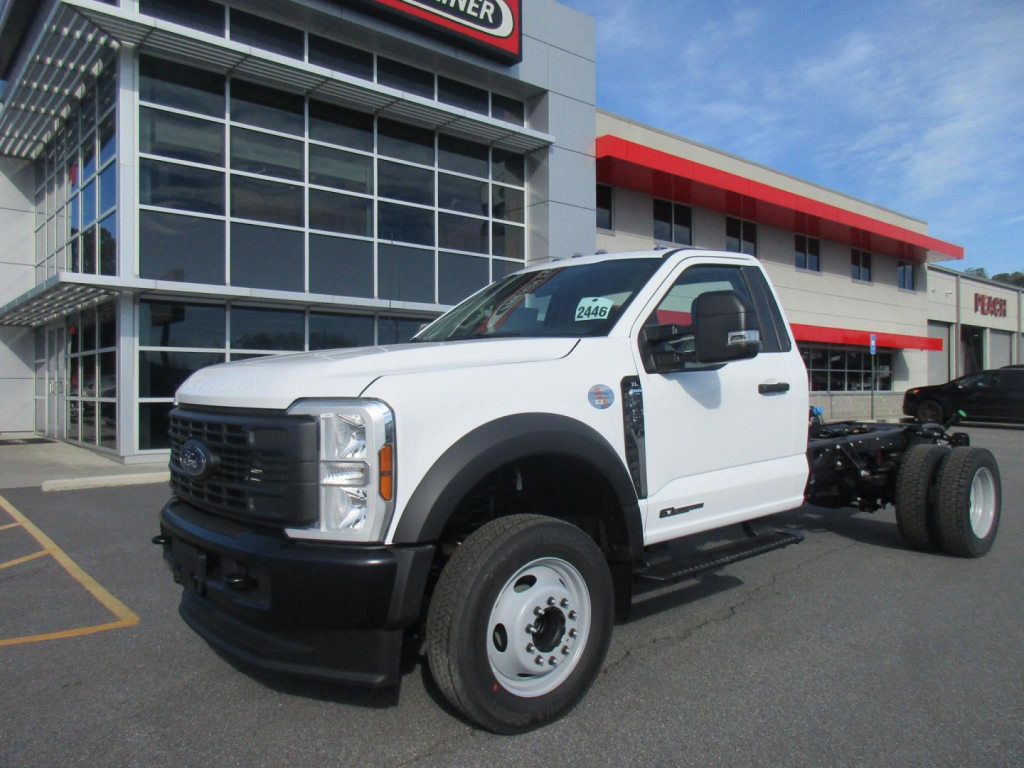
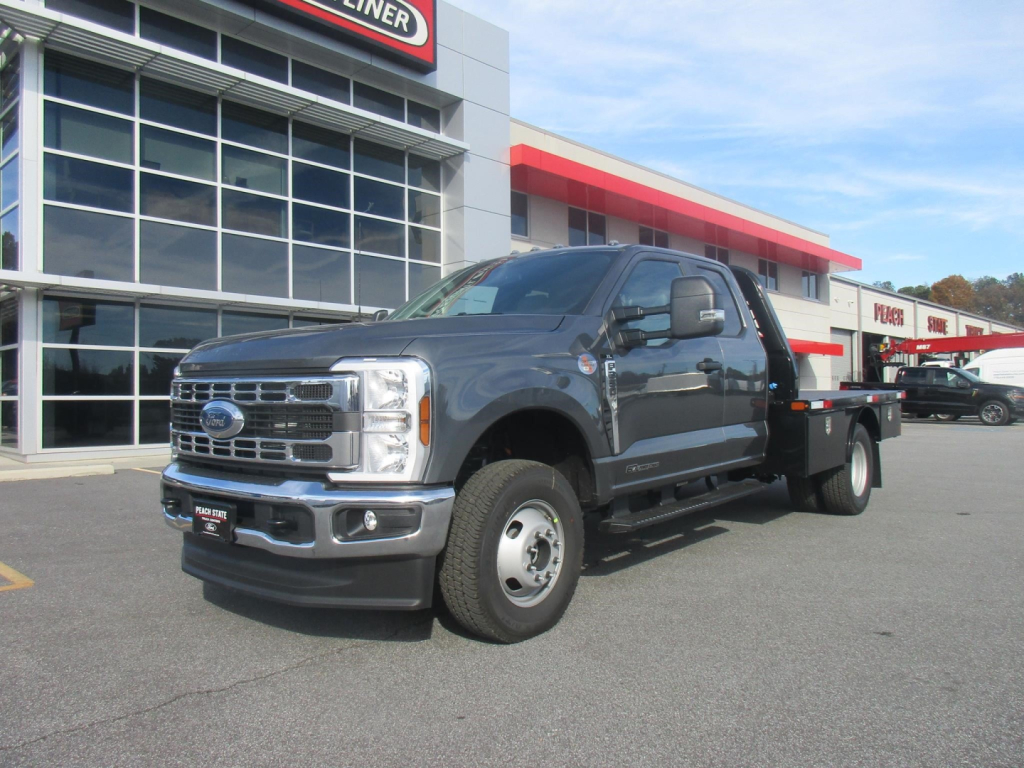
Showing 141 to 168 of 352 results
Selling a new 2026 commercial truck? List your new 2026 commercial truck for sale and reach thousands of commercial buyers.
New 2026 Commercial Trucks
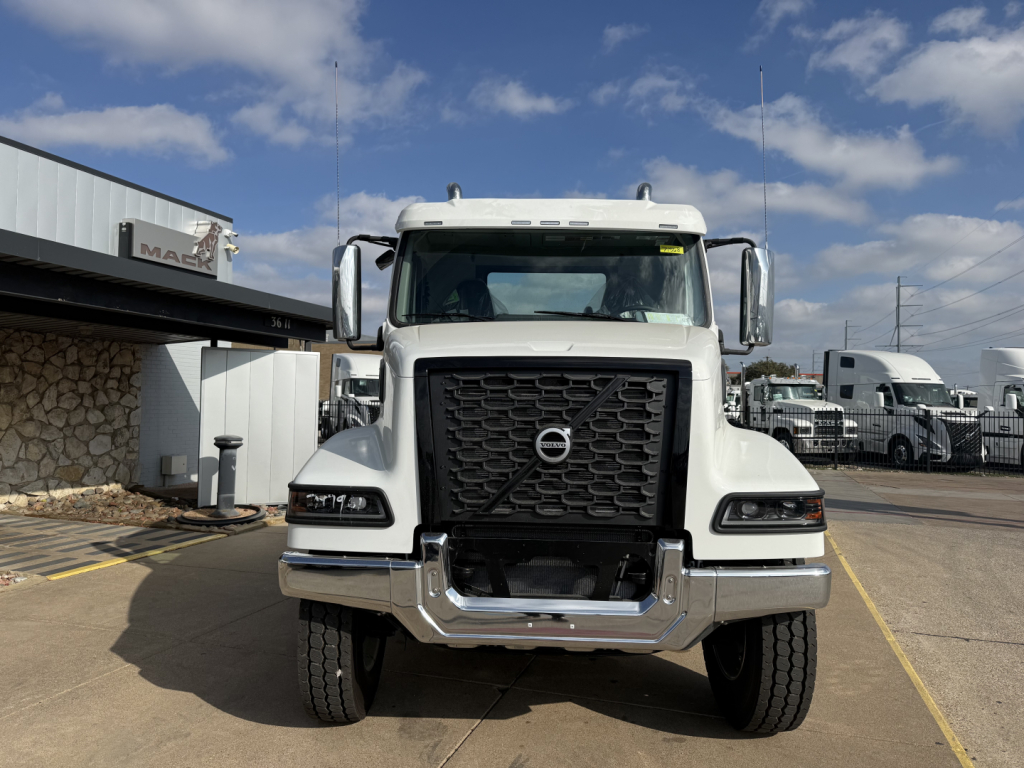
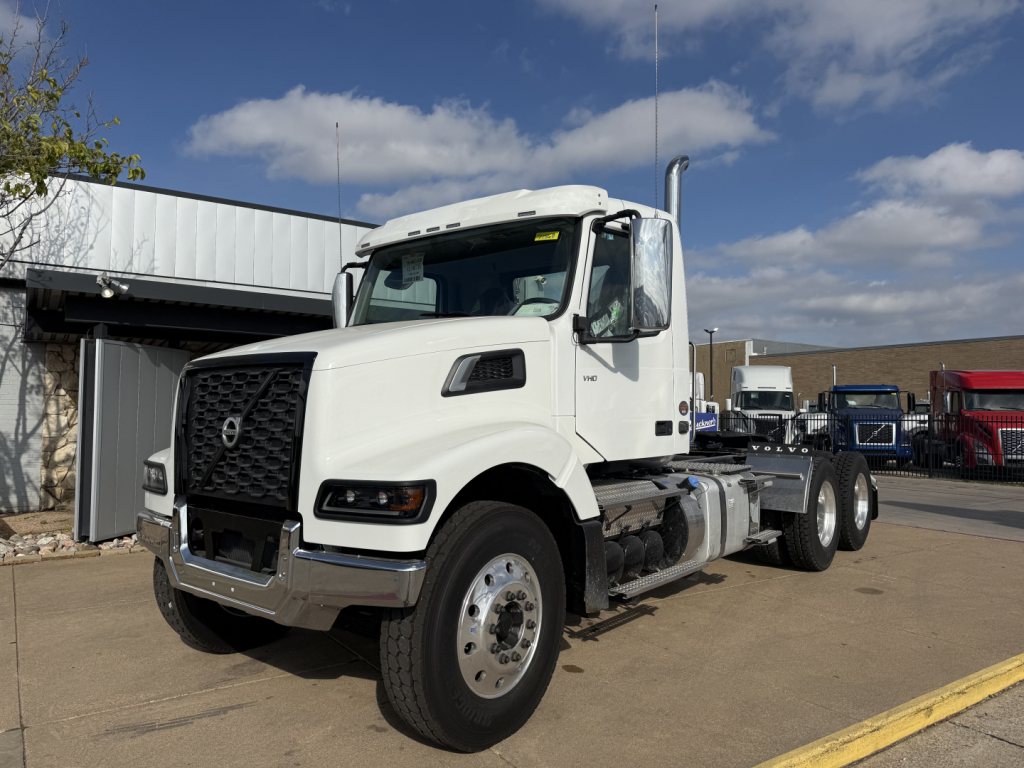
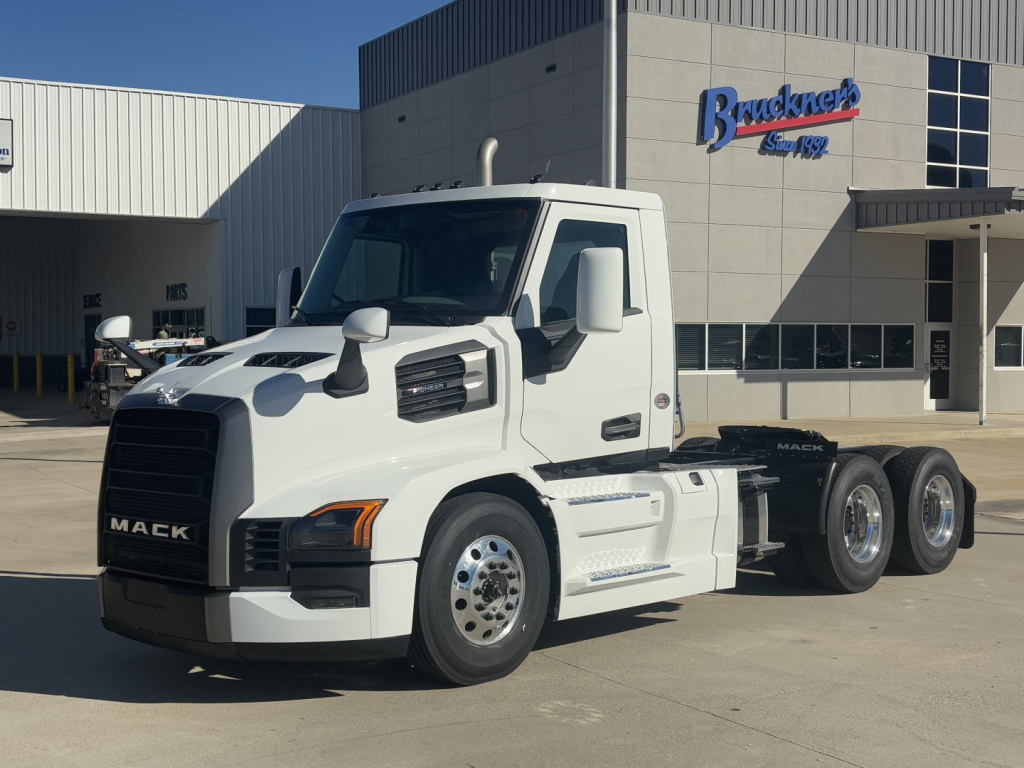
On highway units, common decision points include engine family, transmission type, wheelbase, sleeper size, and rear axle ratio. Many new 2026 conventional sleepers are equipped with automated manual transmissions, aerodynamic packages, collision mitigation systems, adaptive cruise, lane support, and connected telematics platforms for remote diagnostics and maintenance planning. Fuel capacity, fairing design, bunk layout, inverter setup, shore power, and refrigerator or cabinet options matter if the truck will stay out for extended runs. Buyers running heavy freight or mountain routes should pay close attention to horsepower and torque ratings, while fleets focused on fuel economy will want to compare downsped drivetrains, tire specs, and idle-reduction features.
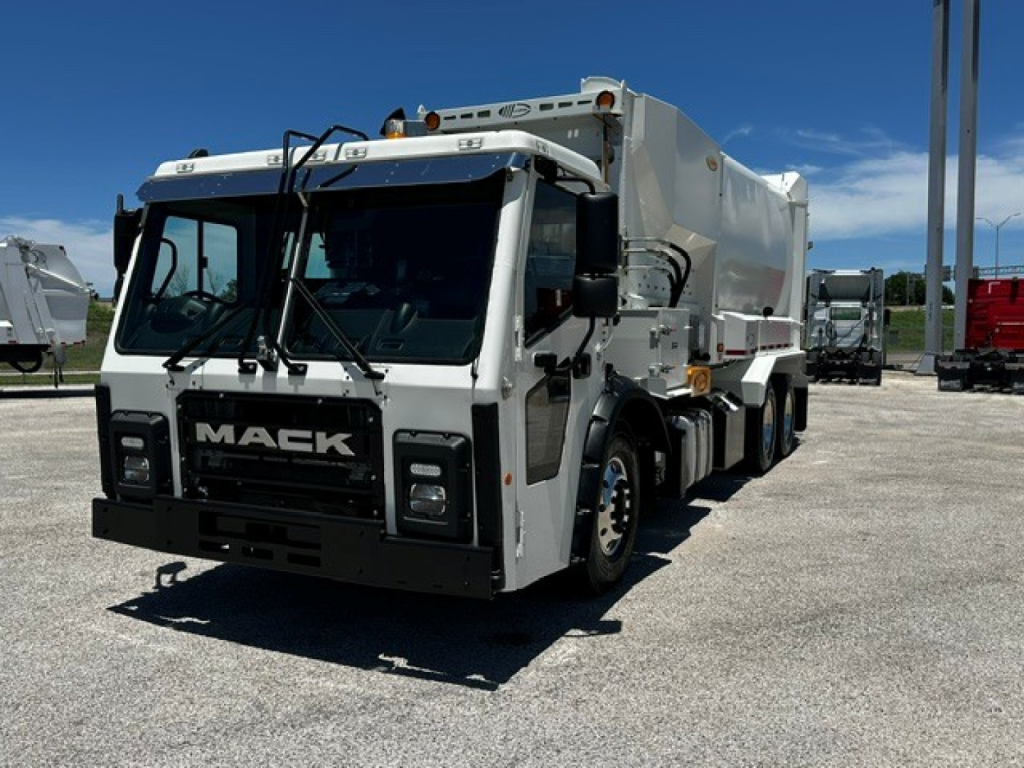
Vocational 2026 trucks are less about one-size-fits-all specs and more about body and chassis compatibility. A rollback or tow truck should be evaluated by GVWR, bed length and material, wheel-lift rating, winch capacity, storage layout, suspension, and brake setup. A mixer truck should be reviewed by drum capacity, barrel material, water tank size, control placement, PTO programming, axle configuration, and bridge-law compliance for the territory it will serve. New vocational builds often include Allison automatic transmissions, locking differentials, severe-service suspensions, work lighting, and factory or upfitter-installed controls designed to reduce setup time once the truck reaches the jobsite.
Buying new also means weighing emissions-system support, warranty coverage, and dealer service access along with the iron itself. For a 2026 truck, the best value is usually a spec that fits the route and payload without carrying unnecessary weight or excess components. Check the door-sticker GVWR, front and rear axle ratings, frame section, fifth-wheel or body-mount dimensions, and any integrated safety or telematics package before comparing price. A well-matched new truck should improve uptime, simplify maintenance planning, and arrive ready for the exact work cycle it is expected to handle.
Frequently Asked Questions about New 2026 Commercial Trucks
What should I compare first when shopping new 2026 trucks for sale?
Start with the truck's application, then compare the core chassis specs that support that job. For highway tractors, focus on engine rating, transmission, axle ratio, wheelbase, sleeper size, and fuel capacity. For vocational trucks, focus on GVWR, axle ratings, PTO readiness, suspension, brake type, and body equipment such as a carrier bed, mixer, or wheel-lift. This approach prevents paying for features that do not improve productivity in your actual operation.
Are new 2026 trucks mostly equipped with automated transmissions and driver-assist technology?
Many new 2026 trucks, especially linehaul tractors, are spec'd with automated manual transmissions and a growing list of active safety systems. Common features include collision mitigation, adaptive cruise, lane departure support, traction control, and telematics for remote diagnostics. Vocational trucks still frequently use Allison automatic transmissions where stop-and-go work, PTO operation, and driver ease are priorities. The exact mix depends on the category and intended duty cycle.
How do I choose between a sleeper tractor and a vocational truck?
The choice comes down to route pattern and revenue source. A sleeper tractor is designed for over-the-road freight, driver comfort, fuel efficiency, and long service intervals under highway use. A vocational truck is built around a task such as towing, mixing concrete, dumping material, or utility work, so body integration, maneuverability, PTO function, and jobsite durability matter more than bunk amenities or aero packages. Matching the truck to the work is more important than comparing them by model year alone.
What specs matter most on a new tow or rollback truck?
The most important rollback specs are GVWR, bed length, deck construction, wheel-lift rating, winch capacity, toolbox layout, suspension type, and brake system. Buyers should also review tire size, fuel capacity, frame strength, lighting, remote controls, and how the carrier body affects payload and legal operating weight. A properly spec'd tow truck needs enough chassis capacity to carry the body and equipment while remaining stable and compliant in daily use.
What should I look for on a new 2026 mixer truck?
Key mixer specs include drum capacity in cubic yards, drum material thickness, water tank size, PTO and transmission compatibility, axle configuration, and total legal weight for the market where the truck will operate. Control placement, rear visibility, washout access, ladder and platform design, and service points also matter because they affect daily efficiency and safety. A mixer truck earns its keep through payload, cycle time, and uptime, so the body and chassis need to be evaluated together.