
New 2026 Ford Commercial Trucks For Sale
New 2026 Ford commercial trucks, F-450 through F-750 chassis for payload, durable floors, thermal integrity, low tare weight, corrosion resistance.
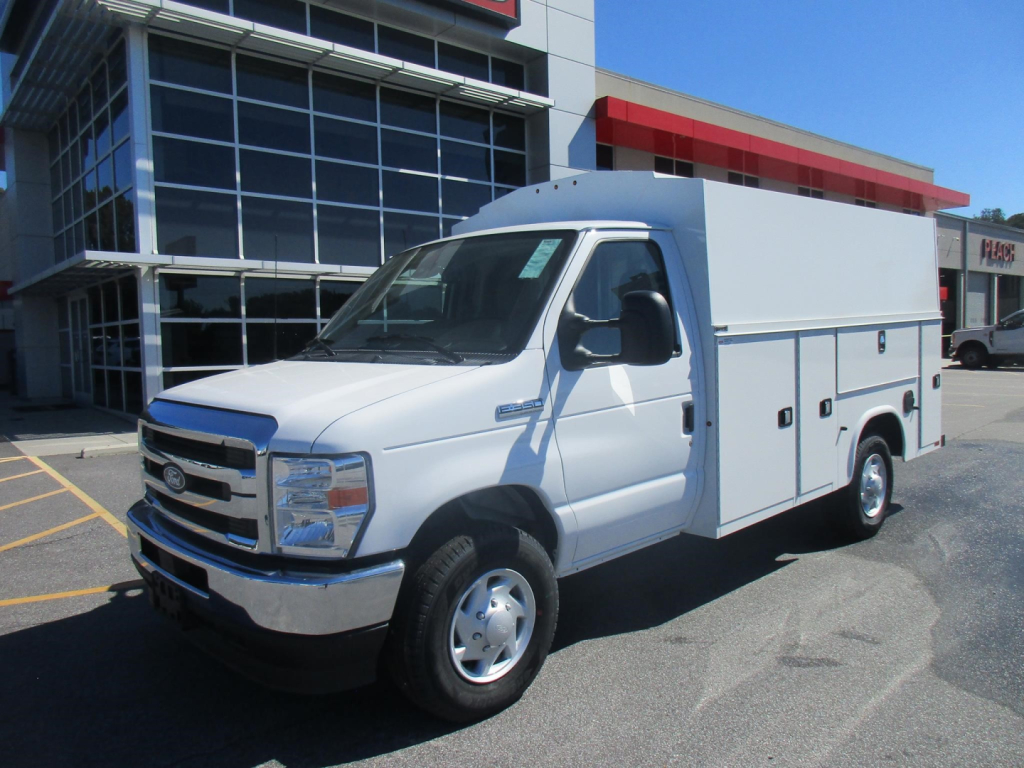
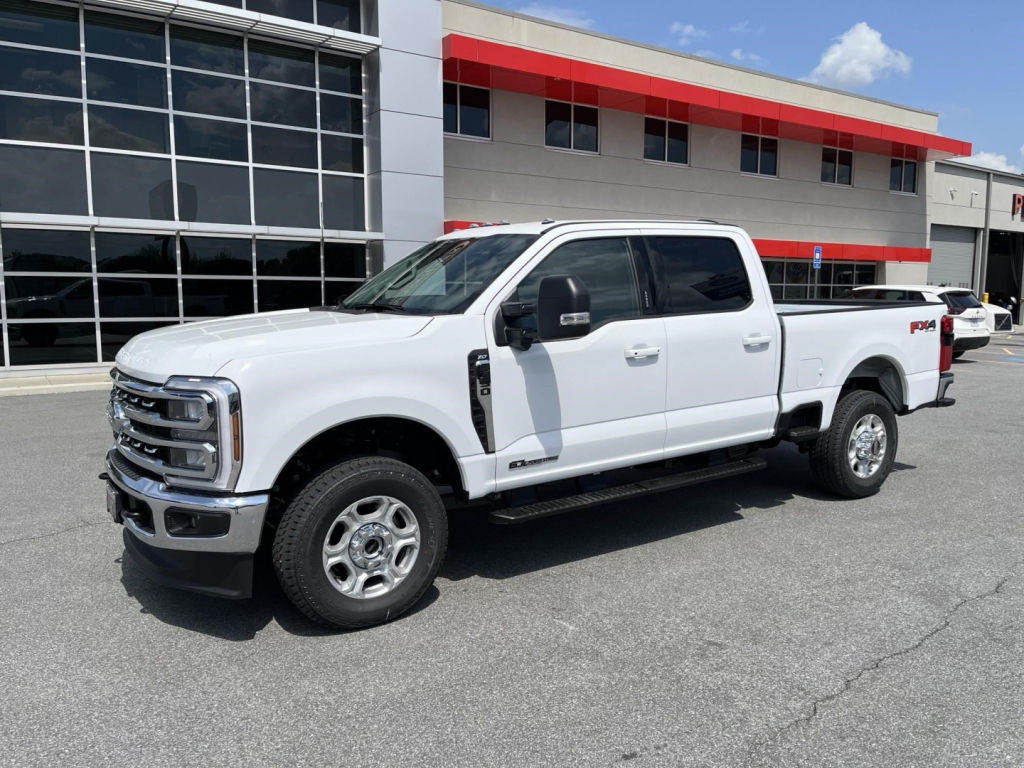
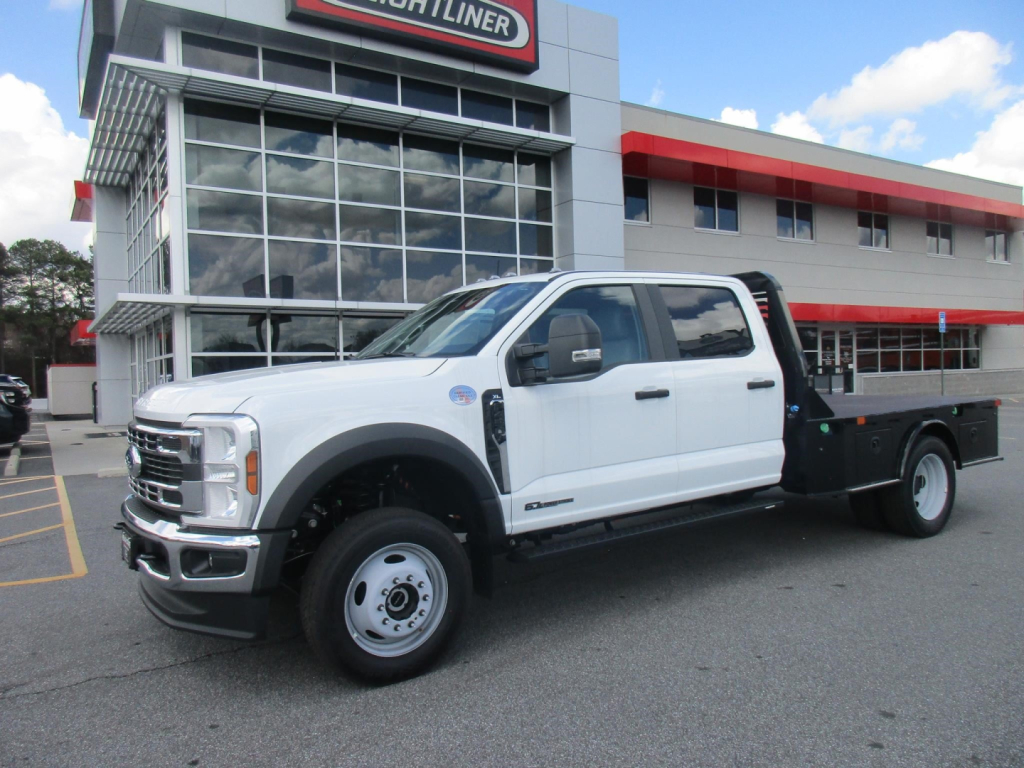
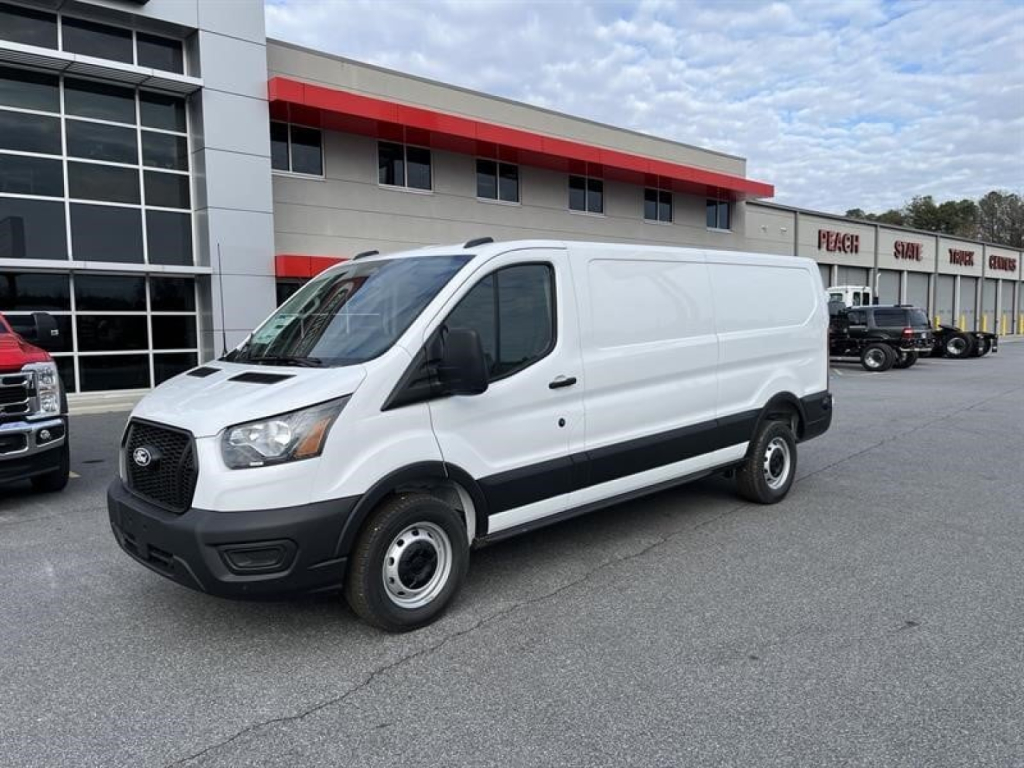
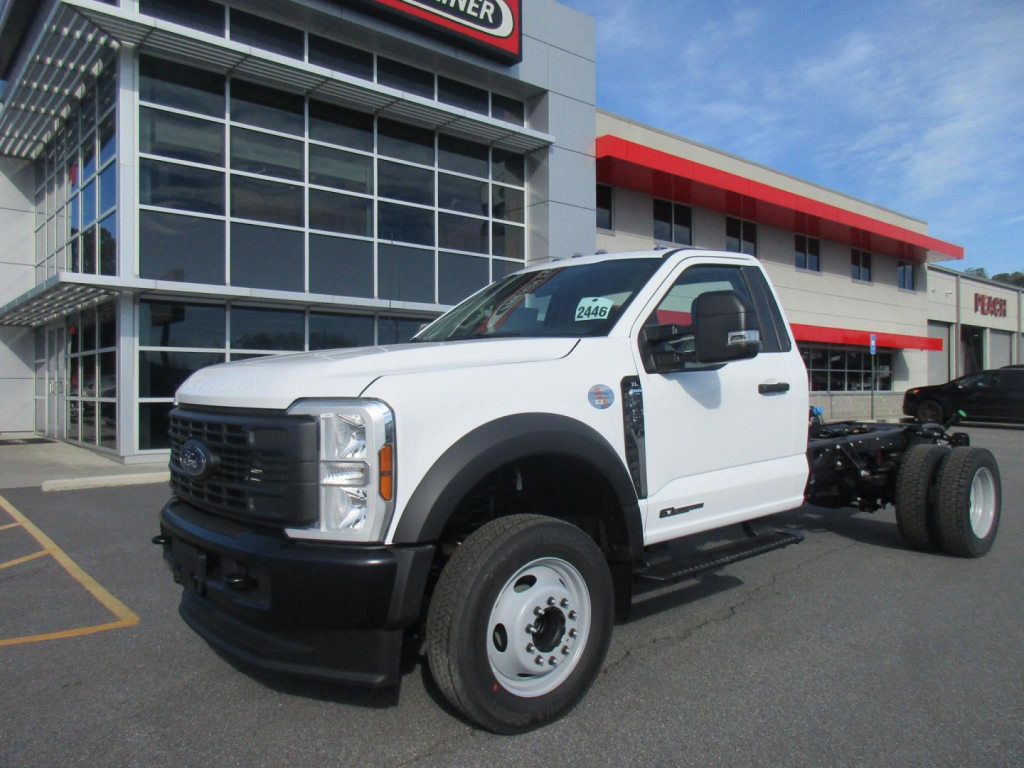
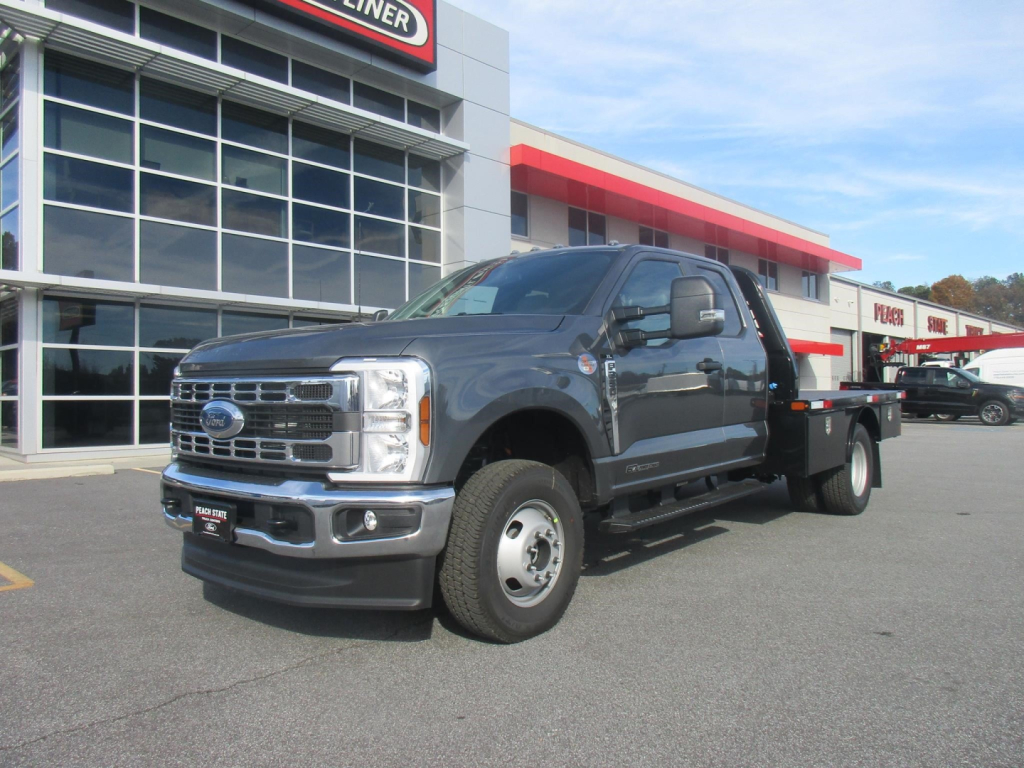
Selling a new 2026 ford commercial truck? List your new 2026 ford commercial truck for sale and reach thousands of commercial buyers.
New 2026 Ford Commercial Trucks
Powertrain choices typically include a high-torque diesel and the proven 7.3L gas V8, each paired to a heavy duty TorqShift automatic with PTO provision. Spec options such as air or hydraulic brakes, 19.5 or 22.5 inch wheels, locking differentials, and air ride or multi leaf rear suspensions let you tune ride quality and durability to the route. Frame rails use high strength steel with ample RBM to handle cranes, dump hoists, or reefer bodies, and the electrical architecture is upfit friendly with dedicated pass throughs, fused circuits, and switch packs that keep auxiliary equipment reliable.
Upfit performance hinges on four core factors. Floor strength depends on crossmember spacing, deck material, and forklift rating, so look for 12 inch or tighter crossmember spacing under a laminated oak or high density composite floor, full width threshold plates, and aluminum or steel scuff liners that resist pallet abrasion. Thermal integrity in reefer bodies is driven by insulation continuity, door seal quality, and floor design, so closed cell foam cores, bonded skins, insulated roll up or swing doors, and ducted airflow protect product temperature while minimizing unit run time. Tare weight can be cut with aluminum van bodies, composite liners, aluminum wheels, and carefully sized fuel and DEF tanks, which raises net payload without moving up a GVWR class. Corrosion resistance starts with e coated frames, galvanized or aluminum subframes, stainless fasteners, sealed harness connectors, and undercoating in high salt regions, all of which slow rust and preserve resale value.
Before ordering, confirm wheelbase and axle placement against body length to keep proper weight distribution on steer and drive axles, and choose axle ratios that balance gradeability with cruise rpm for your speed band. For frequent dock work, specify a low entry cab, grab handles, and LED work lighting. For liftgates, verify alternator output and add an auxiliary battery pack with automatic isolation so gate operation does not affect crank power. Tire pressure monitoring or automatic tire inflation on multi axle specs protects casings and fuel economy, and an idle management or PTO ramp feature helps maintain hydraulic performance during stationary work while controlling emissions and noise. These details make new 2026 Ford trucks efficient to run, simple to service, and ready for hard use from day one.
Frequently Asked Questions about New 2026 Ford Commercial Trucks
How should I spec the floor on a 2026 Ford chassis with a dry van body for pallet jacks and forklifts?
Match the body builder’s forklift rating to your heaviest axle load per wheel, then select tighter crossmember spacing, typically 12 inches or less, with a laminated hardwood or high density composite deck. Add full length steel or aluminum scuff liners at 12 to 24 inches high, threshold plates at the rear, and a street side wear band where dock impact is common. These elements prevent floor deflection, protect sidewalls, and reduce long term repair costs.
What improves thermal integrity on a medium duty Ford reefer build?
Thermal integrity comes from continuous insulation, sealed joints, and controlled airflow. Specify closed cell foam panels with high R values, insulated swing or roll up doors with quality seals, a ducted return and supply to eliminate hot spots, and an insulated floor with anti slip surface that still allows washout. Proper unit sizing to route temperature and door cycles, plus a tight bulkhead for multi temp, reduces compressor hours and fuel burn.
Should I choose the gas 7.3L or the diesel for a 2026 Ford work truck?
Choose based on duty cycle and total cost. The gas 7.3L offers lower initial cost, simpler aftertreatment, fast warm up, and is ideal for short routes, seasonal fleets, and PTO light applications, with available CNG or LPG prep for lower fuel costs. Diesel delivers higher torque at low rpm, better fuel economy at highway speeds, and strong engine braking with the right transmission programming, which pays off in heavy, high mileage, or hilly operations.
How do I manage tare weight without sacrificing durability on a new build?
Use aluminum where it makes sense, such as van bodies, wheels, and some flatbed decks, and pair it with high strength steel only where concentrated loads occur. Choose composite scuff liners instead of heavy steel when impact risk is moderate, size tanks to route range rather than maximum capacity, and avoid over spec components like oversized liftgates or winches you will not use. The goal is a balanced spec that keeps payload high and axle weights legal.
What corrosion protections are worth adding for fleets that run in winter salt regions?
Start with an e coated frame and add an OEM approved undercoating, then specify galvanized or aluminum body subframes, stainless or zinc nickel fasteners, sealed Deutsch connectors, and heat shrink splices. Consider aluminum air tanks, powder coated battery boxes, and rear door hardware with stainless internals. Rinse cycles, dielectric grease on terminals, and annual inspections of paint breaches extend service life and protect resale.