
Hood Parts For Sale
Shop hood parts for heavy-duty trucks, including complete hoods, shells, hinges, latches, and grilles for popular Freightliner, Volvo, Mack, and more.
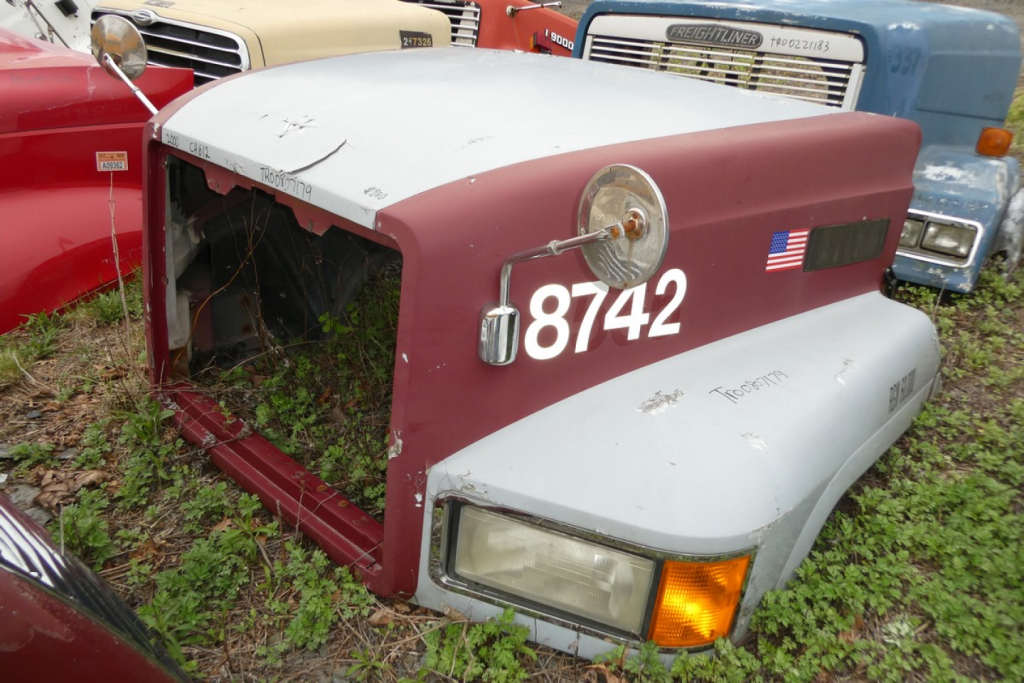
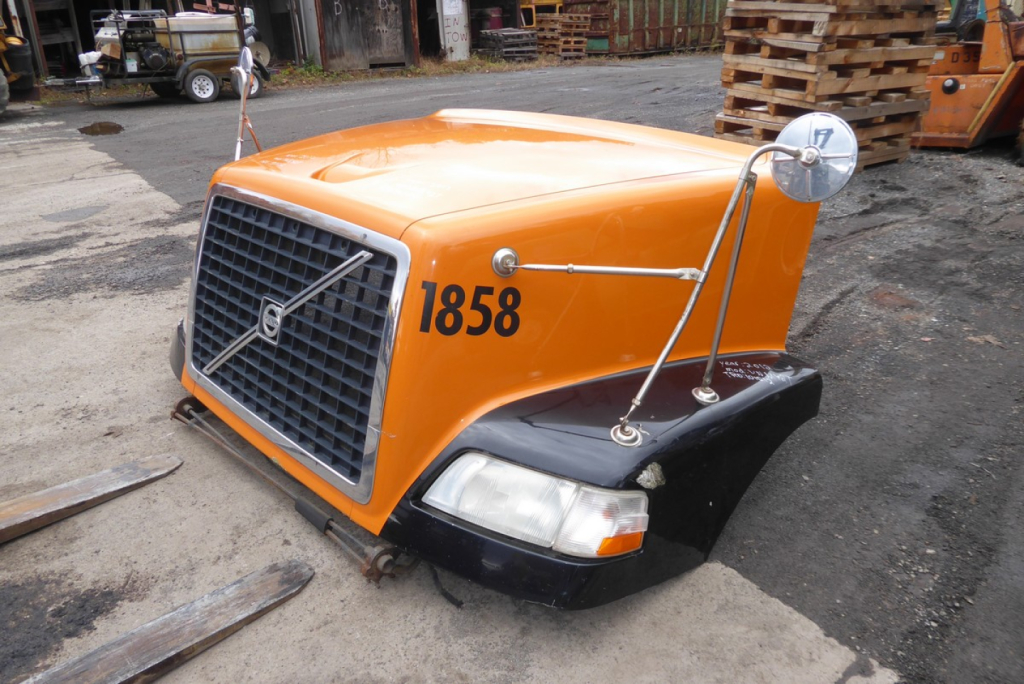
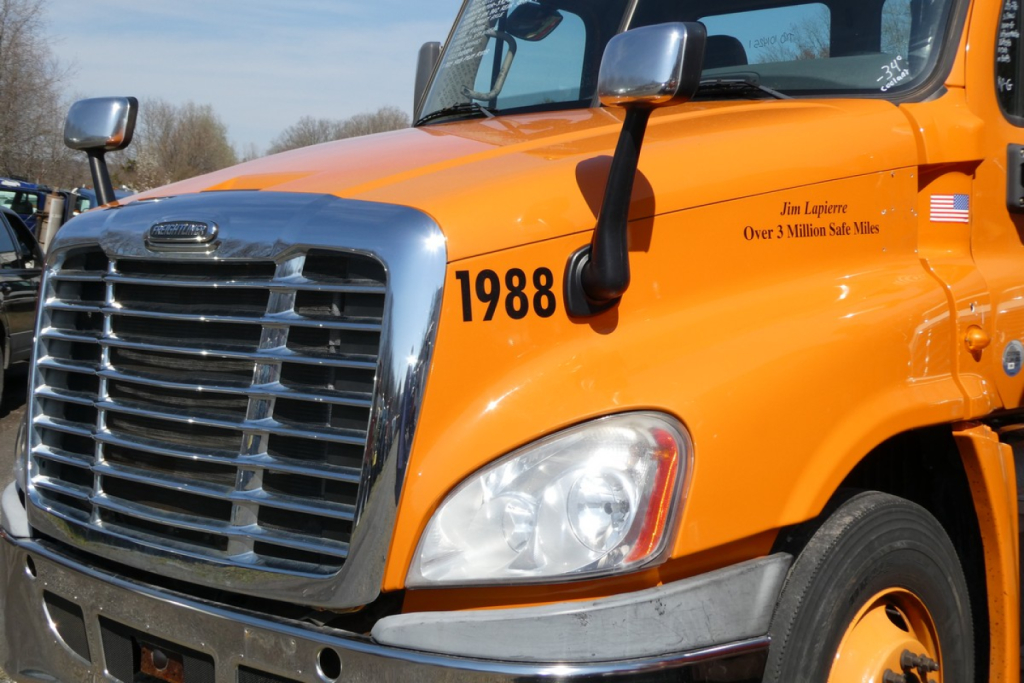
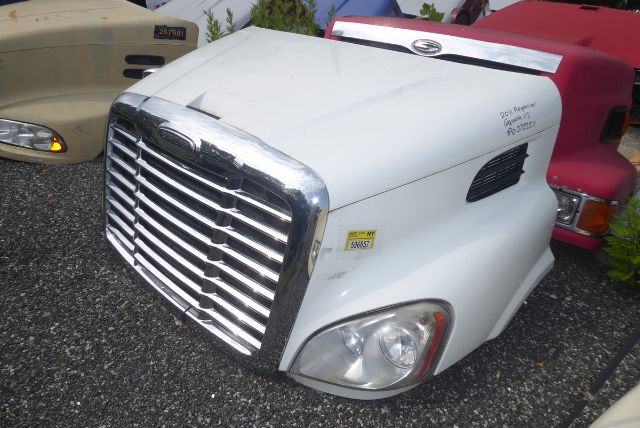
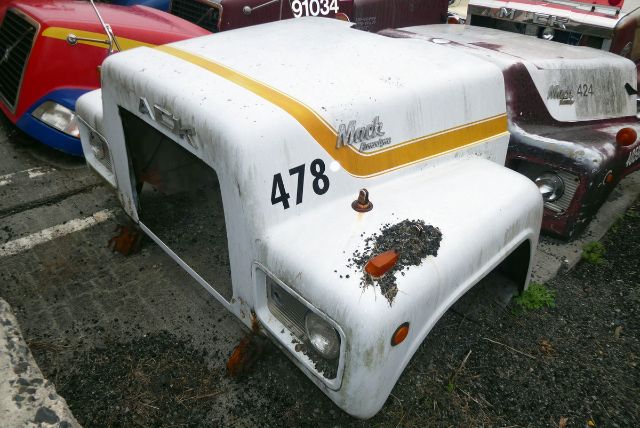
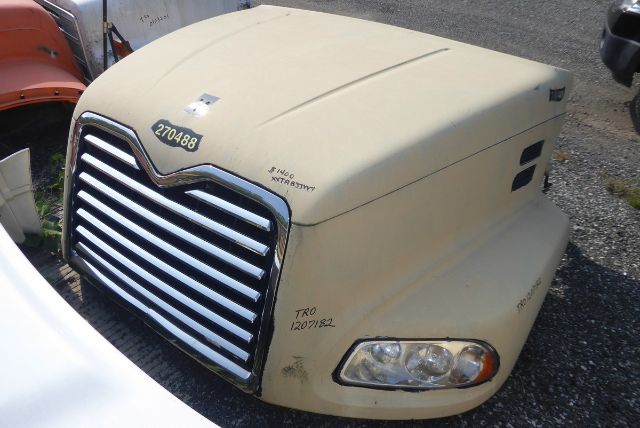
Selling a hood part? List your hood part for sale and reach thousands of commercial buyers.
Hood Parts
Most modern semi-truck hoods are fiberglass or composite assemblies designed to tilt forward for engine access. On older vocational and classic trucks, steel and heavier-duty hood structures are also common. Buyers should determine whether they need a complete hood assembly or individual hood parts such as hinges, latches, springs, hood shocks, inner structure, grille surround, bezels, or mounting hardware. Damage often extends beyond the outer skin, so it is smart to inspect for stress cracks around hinge points, latch mounting areas, and headlamp buckets. On used hood parts, look closely for repaired fiberglass, uneven panel lines, delamination, and worn pivot hardware that can affect fit and alignment.
Interchange matters as much as appearance. Many hoods cross over several production years, but not all trim levels or BBC lengths use the same panel. Buyers should verify hood length, cowl width, bumper relationship, and compatibility with the radiator support, fenders, and lighting package already on the truck. Paint match is usually secondary to structural fit, especially on fleet trucks, but grille style, headlamp configuration, and air intake openings still need to match the truck’s front clip. If the truck has collision damage, checking adjacent components such as bumper brackets, hood mounts, radiator supports, and charge air cooler mounts can prevent a replacement hood from sitting high, binding, or closing unevenly.
For buyers focused on uptime, the best hood purchase is the one that restores proper fit, latch function, and service access without extra fabrication. Used hood parts can be a cost-effective option for older road tractors and vocational trucks, especially for common models like Freightliner Cascadia, Volvo VNM, and Mack highway and vocational platforms. The key is to treat the hood as part of the full front-end assembly, not just a body panel. Good fitment data, clear photos of mounting areas, and confirmation of included components usually matter more than cosmetic blemishes alone.
Also known as: Engine Hood
Frequently Asked Questions about Hood Parts
What should I verify before buying a truck hood or hood part?
Verify the exact make, model, and year range first, then confirm interchange by hood style, headlight opening, grille configuration, hinge setup, and overall dimensions. On many trucks, small front-end changes within the same model family can affect fit. It is also important to confirm whether the part includes the complete hood assembly or only a shell, because hinges, latches, lights, and mounting hardware are often sold separately.
Are semi-truck hoods interchangeable across multiple years?
Some are, but interchange is never automatic. Certain hood designs, such as common aerodynamic highway tractor hoods, may fit several production years with the same cab and front clip layout. Others change due to emissions packaging, lighting revisions, grille updates, or structural redesigns. Buyers should confirm the OEM or salvage interchange information instead of assuming that all years in a model line use the same hood.
What condition issues are most important on a used fiberglass hood?
The biggest concerns are structural cracks, previous repairs, hinge stress damage, and misalignment at latch points. Surface scuffs and paint fade are usually less important than damage around the mounting areas, inner bracing, and headlamp pockets. A hood can look acceptable from the front and still have hidden repairs or twist that make it difficult to close properly and line up with the bumper and cab.
Should I buy a complete hood assembly or individual hood parts?
That depends on the damage. A complete hood assembly can save time when the outer skin, inner bracing, grille area, and hinge points are all compromised. Individual hood parts make more sense when the main shell is still usable and only components like hinges, latches, springs, bezels, or grille pieces need replacement. For collision repairs, checking adjacent front-end parts first helps determine which route is more cost-effective.
Why does hood fitment affect more than appearance?
Proper hood fitment affects cooling airflow, headlamp alignment, latch security, and engine service access. A hood that sits unevenly can rub against nearby components, fail to close correctly, or create gaps that change airflow through the radiator and charge air cooler area. On fleet and owner-operator trucks alike, correct fit is a functional repair, not just a cosmetic one.