
Chipper Trucks For Sale
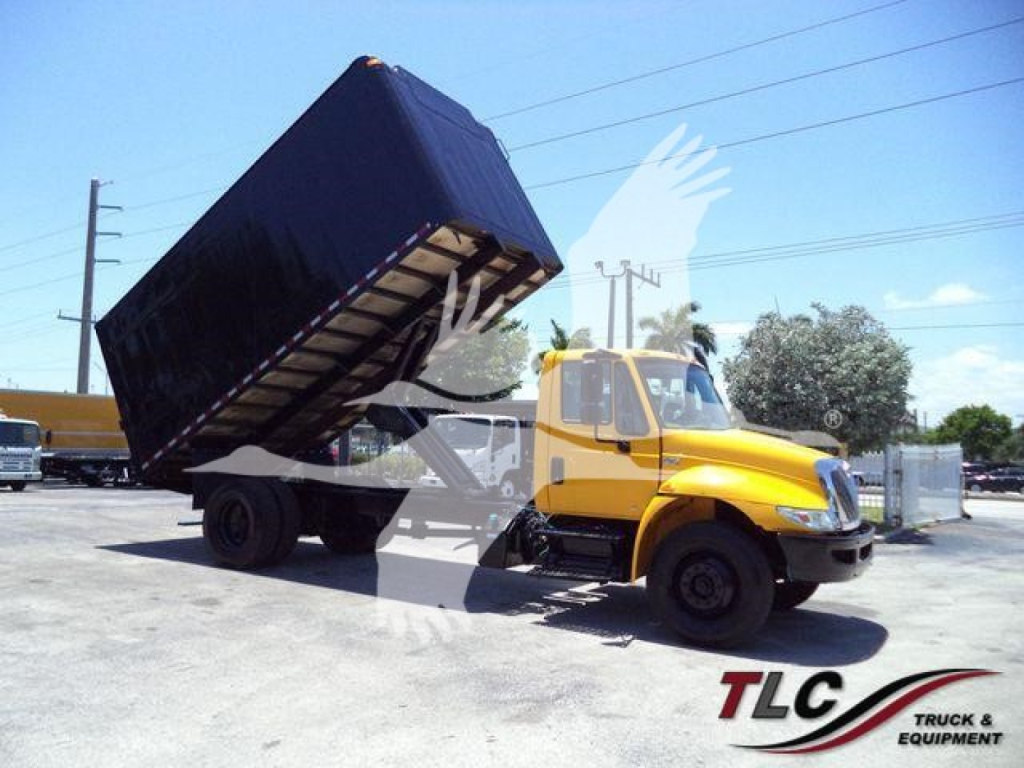
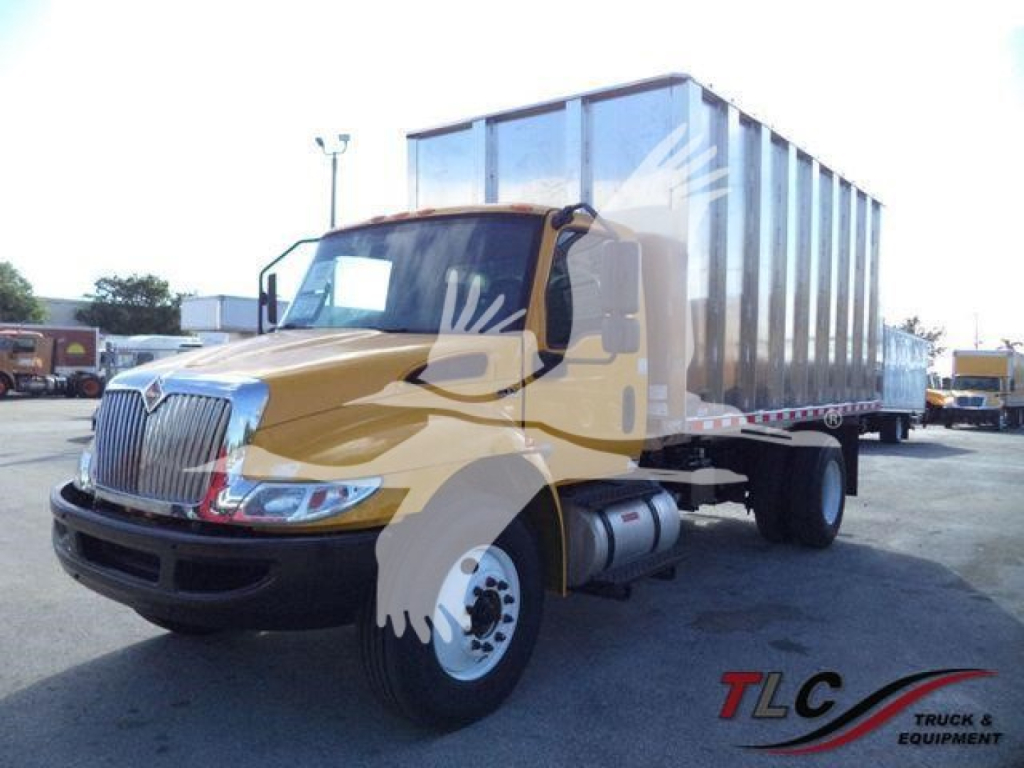
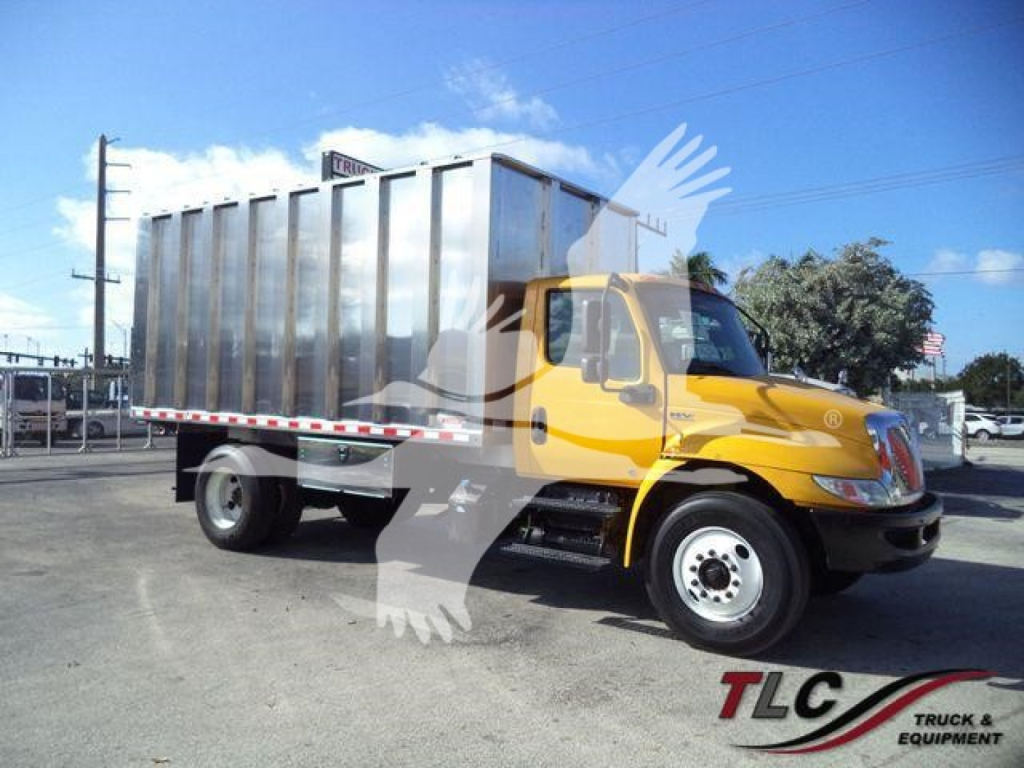
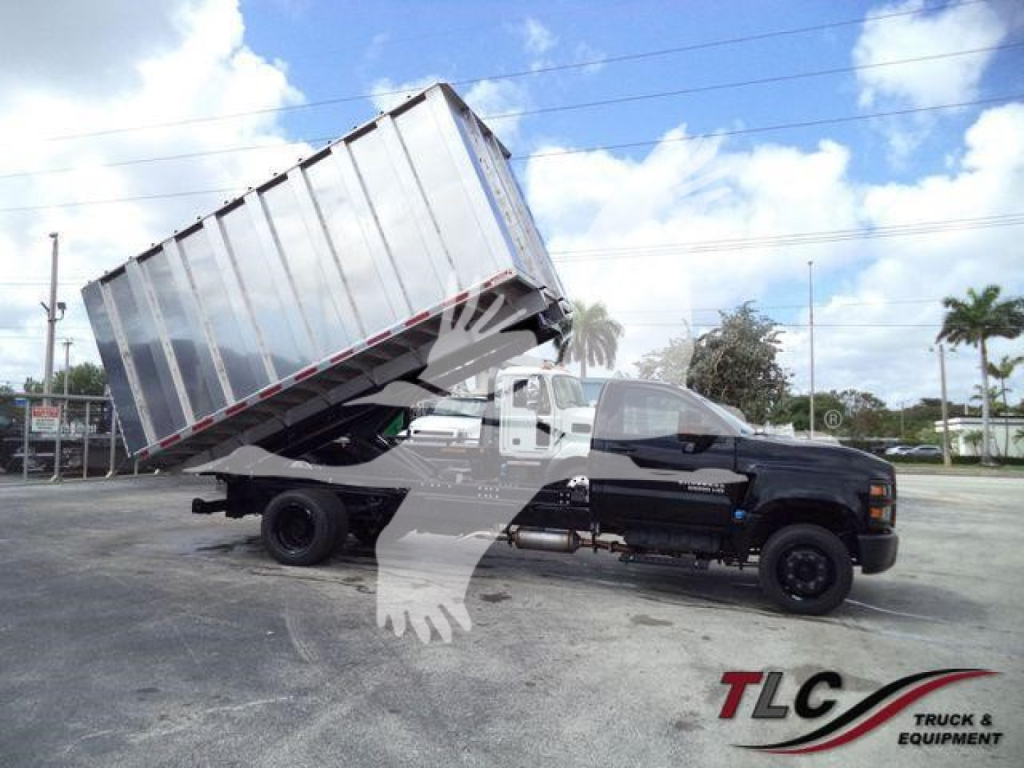
Shop chipper trucks with durable chipper bodies, strong floors, low tare weight, and corrosion-resistant designs for forestry and tree service work.
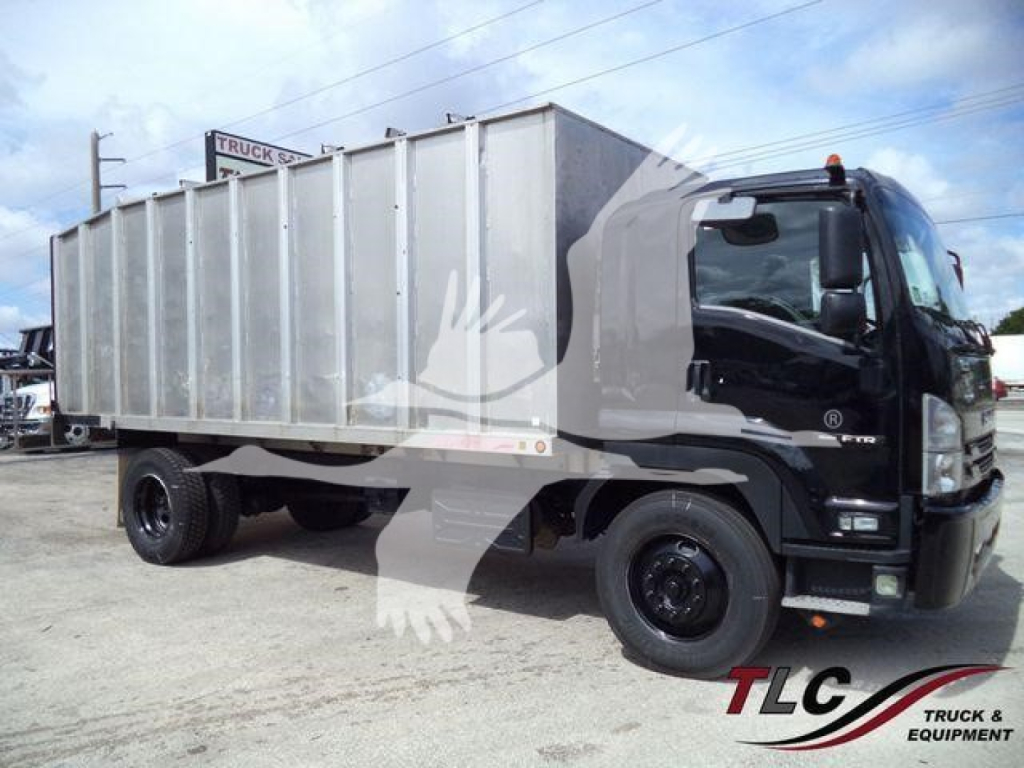
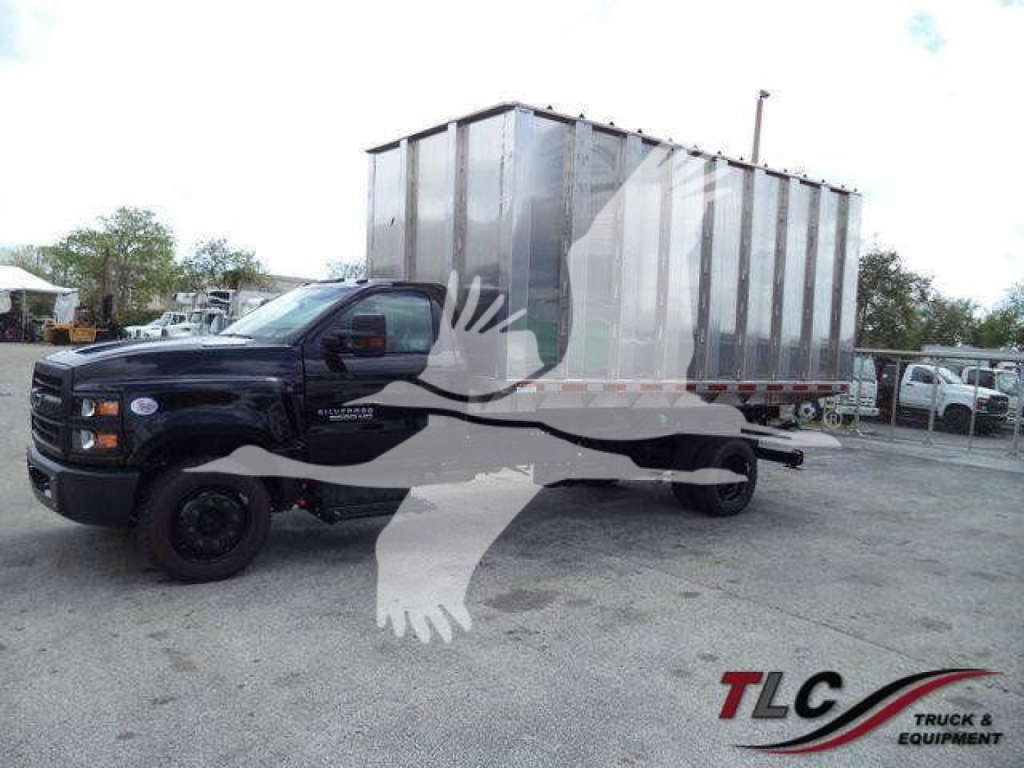
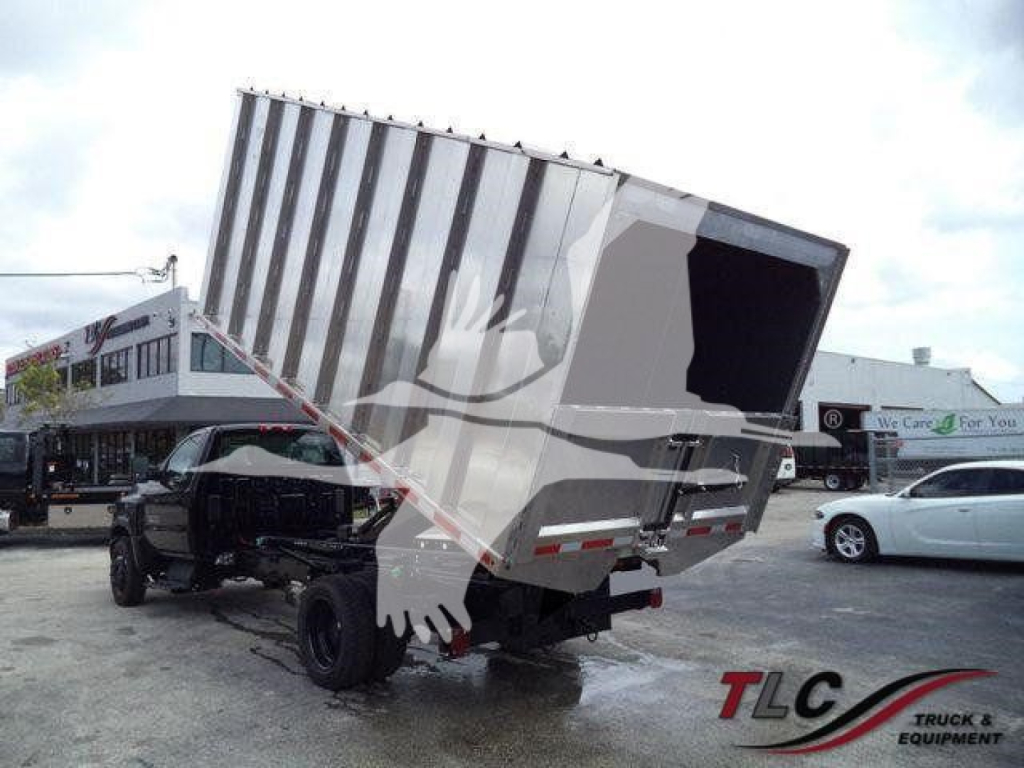
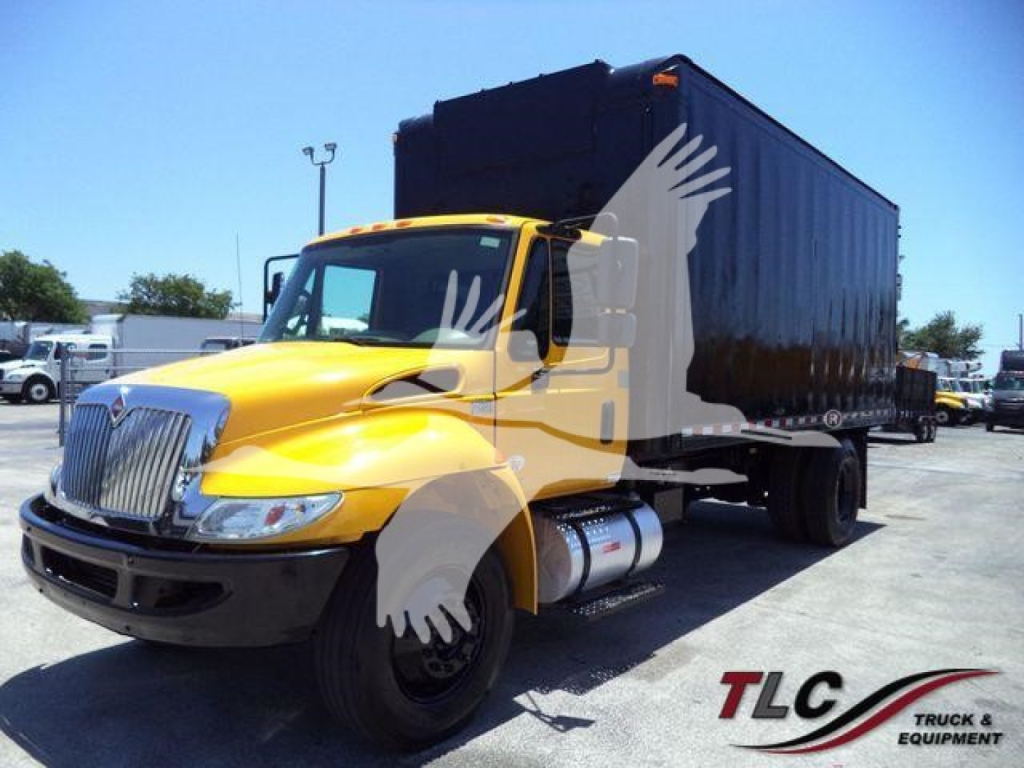
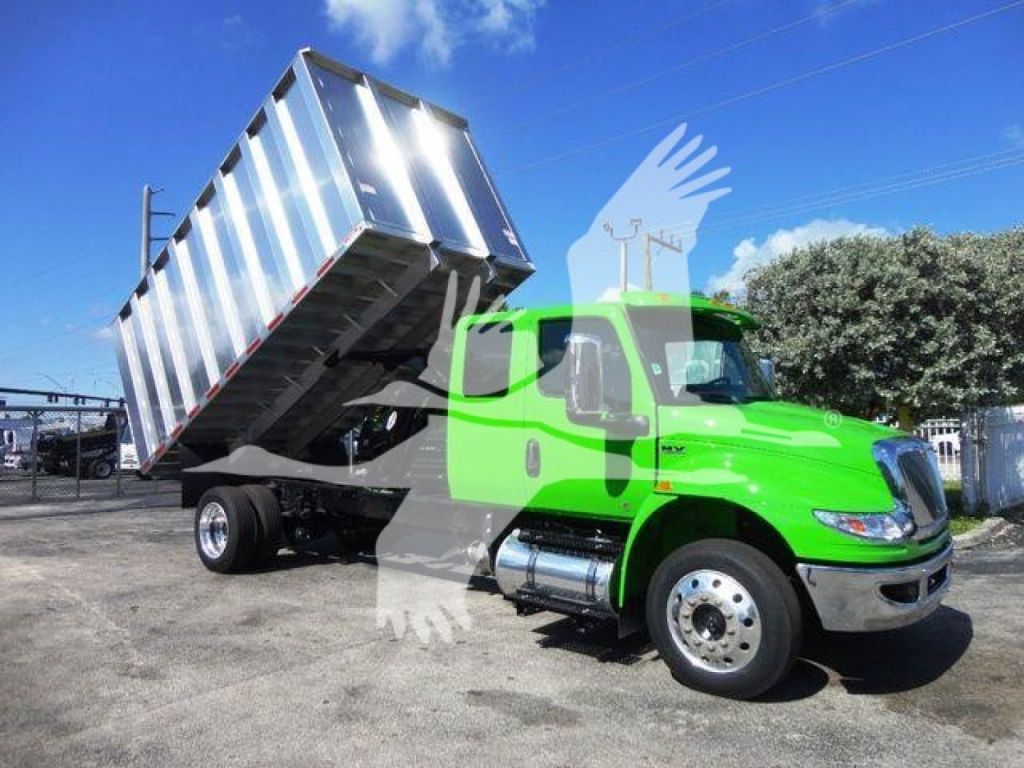
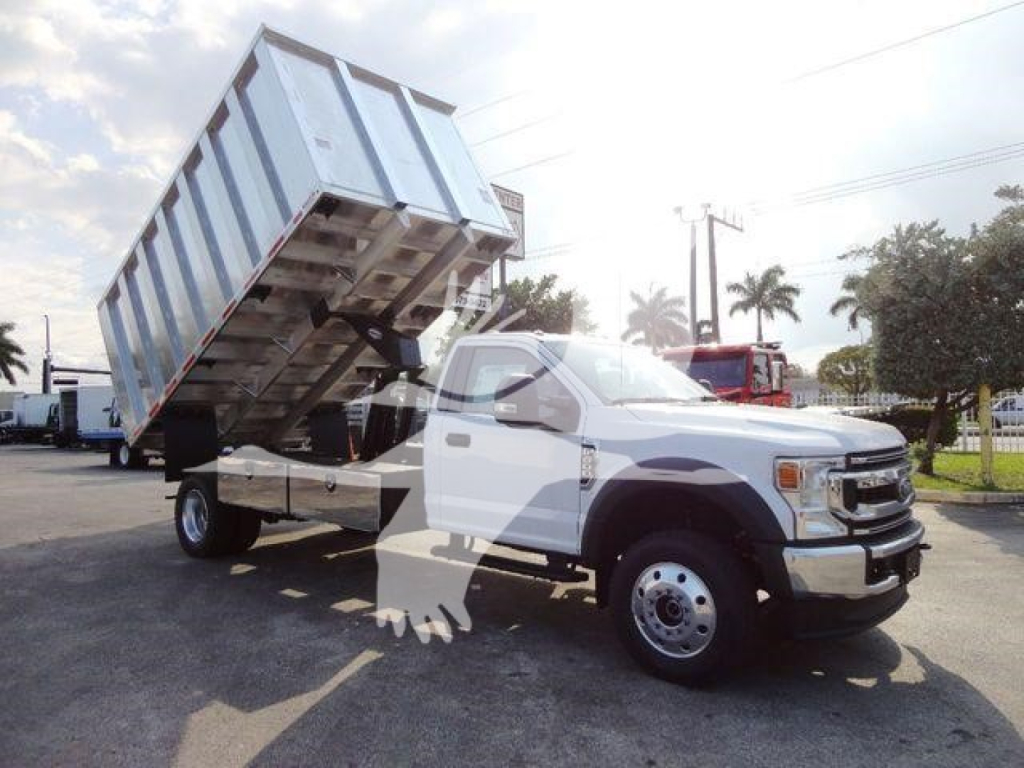
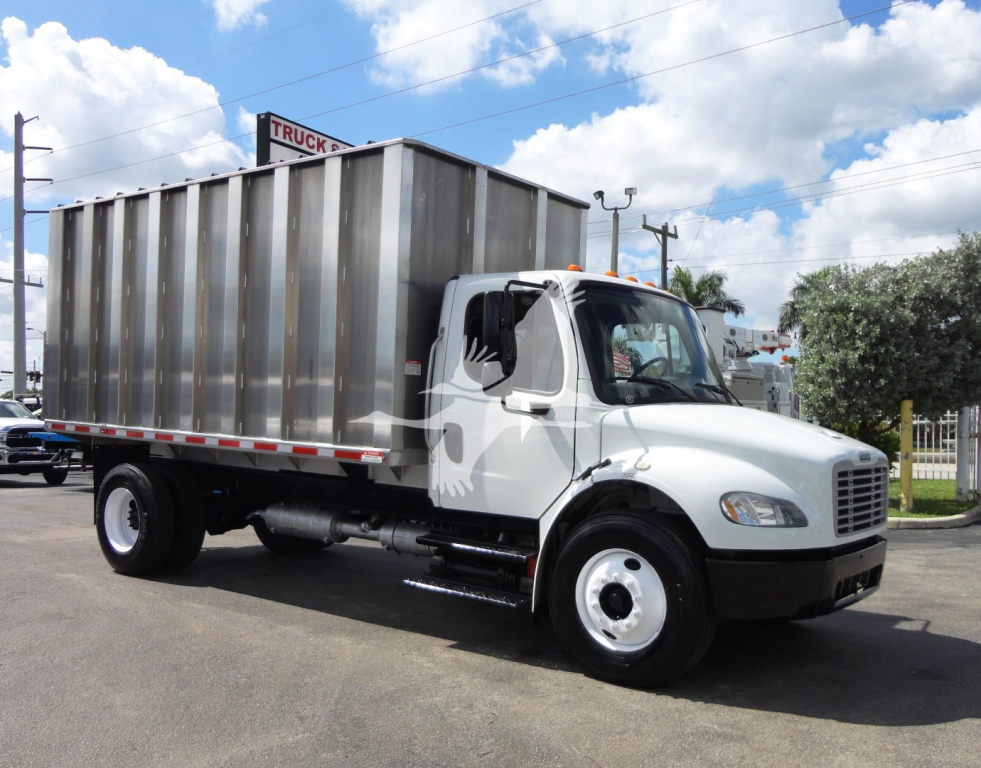
Selling a chipper truck? List your chipper truck for sale and reach thousands of commercial buyers.
Chipper Trucks
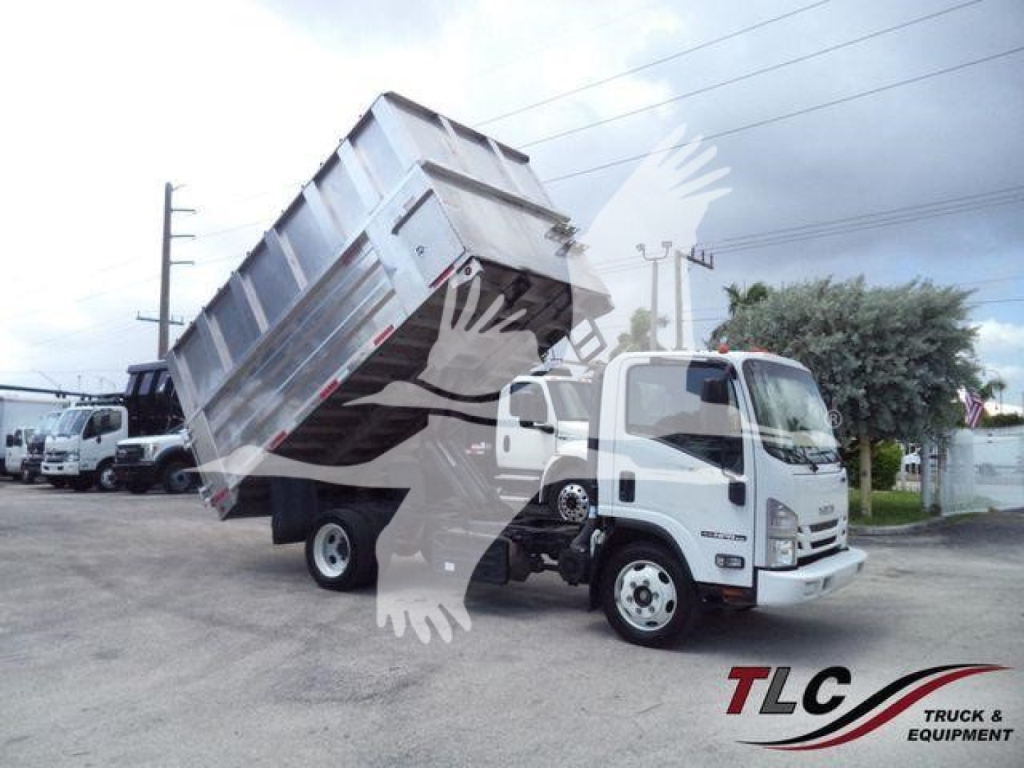
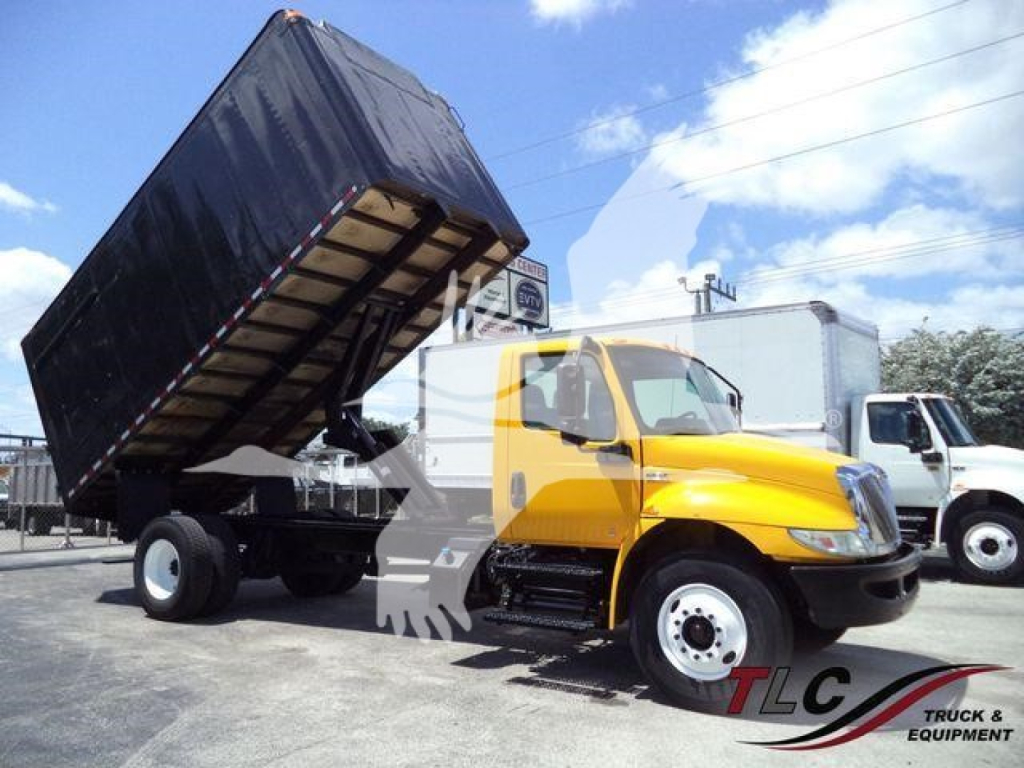
Floor strength determines longevity and uptime. A robust subframe with 8 to 10 inch longsills, crossmembers on 12 inch centers, and a 3/16 to 1/4 inch wear surface handles the abuse of green wood, occasional short logs, and hand tools. AR steel floors resist gouging, while UHMW or poly liners reduce sticking and unload time. Scuff liners at the lower sidewalls take the brunt of rake and shovel contact. Match the body to a properly sized hydraulic hoist, scissor or front telescopic, with ample dump angle, 45 degrees or more, and a stable hinge arrangement so wet loads clear without repeated shakes.
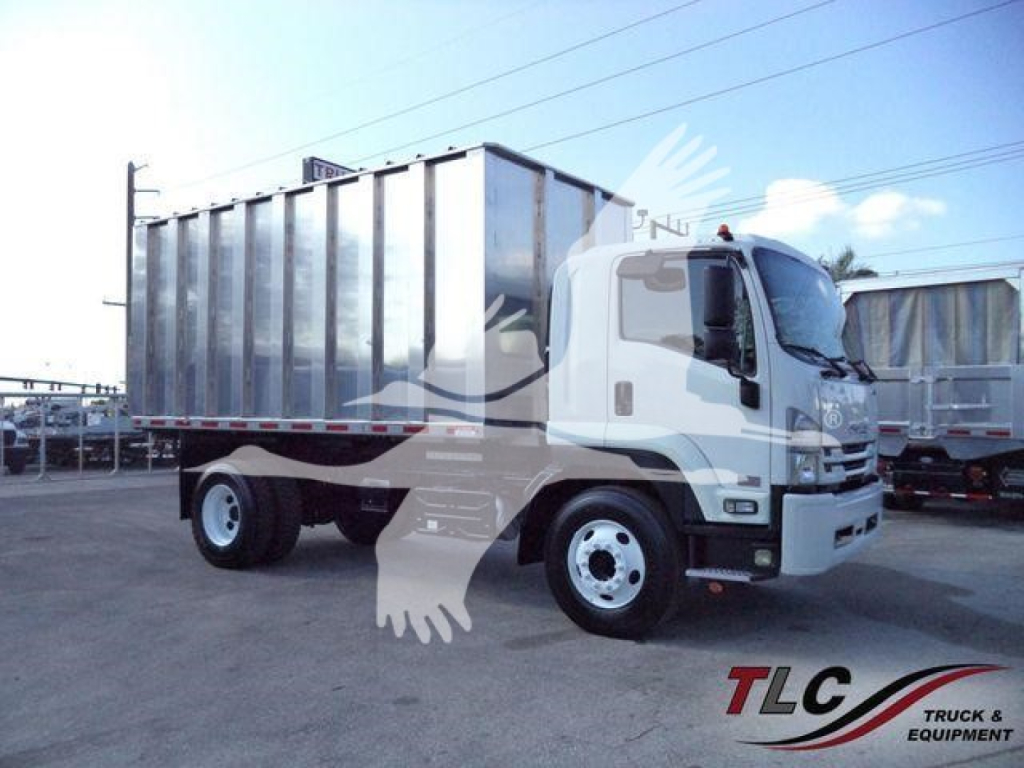
Tare weight and corrosion resistance drive total cost of ownership. High-tensile steel chip bodies are durable and easy to repair, though heavier. Aluminum saves several hundred pounds, adding payload and keeping you under CDL thresholds on some builds, but it dents more readily and needs proper isolation from the steel chassis to prevent galvanic corrosion. Look for e-coated or epoxy-primed subframes, sealed seams, stainless hinges and fasteners, and protected wiring routed through loom and grommets. A quality paint system or powder coat slows rust, and bolt-in liners keep salt and sap from attacking the base metal.
Moisture management affects both thermal integrity and legal weight. Tight roof seams, drip rails, and quality door seals keep rain out so chips do not absorb water and push axle weights over limits. Vented roofs balance airflow from the chipper, reducing dust while avoiding pressure that can bow panels. In freezing conditions, smooth interiors and UHMW liners help prevent chips from bonding to cold steel; some operators add drain paths at the tailgate and floor crown to shed meltwater. On the chassis side, confirm wheelbase and CA for your chosen body, spec PTO provisions on the transmission for the hoist pump, choose axle ratios that balance stop‑and‑go work with short highway hops, and consider spring suspensions for stability with high center of gravity loads.
Also known as: Chip Truck, Chipper Dump Truck
Frequently Asked Questions about Chipper Trucks
What body size should I choose for a chipper truck?
Match body volume to your GVWR and typical chip density. Green chips often range from about 400 to 800 pounds per cubic yard depending on species and moisture, so a 14 to 18 cubic yard body pairs well with many Class 6 and Class 7 chassis. Larger 20 yard bodies suit higher GVWR units or dry chip operations. If you are targeting under 26,000 pounds GVWR to avoid CDL, prioritize a lighter body and conservative volume to maintain legal payload across the seasons.
Steel or aluminum chip body, which is better?
Steel offers higher impact resistance, easier field repairs, and generally lower upfront cost, but it adds tare weight and needs robust coatings to fight corrosion. Aluminum trims several hundred pounds, boosting payload and improving fuel economy, and it will not rust, but it is more prone to denting and requires isolation pads and stainless hardware where it meets the steel frame. For heavy off-road forestry or frequent log fragments, steel or AR steel floors with scuff liners are preferred; for urban tree service focused on chips, aluminum can maximize payload.
What hoist and tailgate setup works best for chip loads?
A properly sized telescopic or scissor hoist that achieves at least a 45 degree dump angle clears damp chips efficiently. Telescopics are compact and provide strong end-of-stroke leverage, while scissor hoists offer excellent stability and lower frame stress. For containment, a top-hinged chip door with over-center locks and secondary safeties prevents accidental opening. Many bodies add a chipper hood or canopy to capture the discharge stream and screened vents to relieve air pressure without losing fines.
How can I minimize corrosion and keep weight down in wet climates?
Start with a coated or e-coated subframe, sealed seams, and stainless hinges. Add UHMW or poly liners to shield floors and lower walls from moisture and sap, and specify removable scuff liners where rakes and logs contact the body. Ensure drain paths at the tailgate and along the floor crown so water does not pool. Rinse the body and undercarriage regularly, especially after exposure to salt, and touch up paint promptly. Aluminum bodies reduce rust risk, but still need dielectric isolation from the chassis and periodic washing to prevent pitting.
Which chassis specifications are most important for a chipper truck upfit?
Verify the cab-to-axle dimension and wheelbase for your chosen body length and hoist, and confirm rear frame RBM and reinforcement plates meet the upfitter’s requirements. Specify a transmission with a PTO provision for a clutch pump or direct mount pump, select axle ratios suitable for frequent stops with occasional highway speed, and choose spring suspensions for stability with tall bodies. Pay attention to front axle ratings for added toolboxes and ladder racks, and ensure lighting, strobes, and camera systems are integrated with sealed electrical connectors.