
2023 Chipper Trucks For Sale
Shop 2023 chipper trucks with arborist-ready dump bodies, high side walls, hoists, and towing setups for tree, brush, and landscape work.
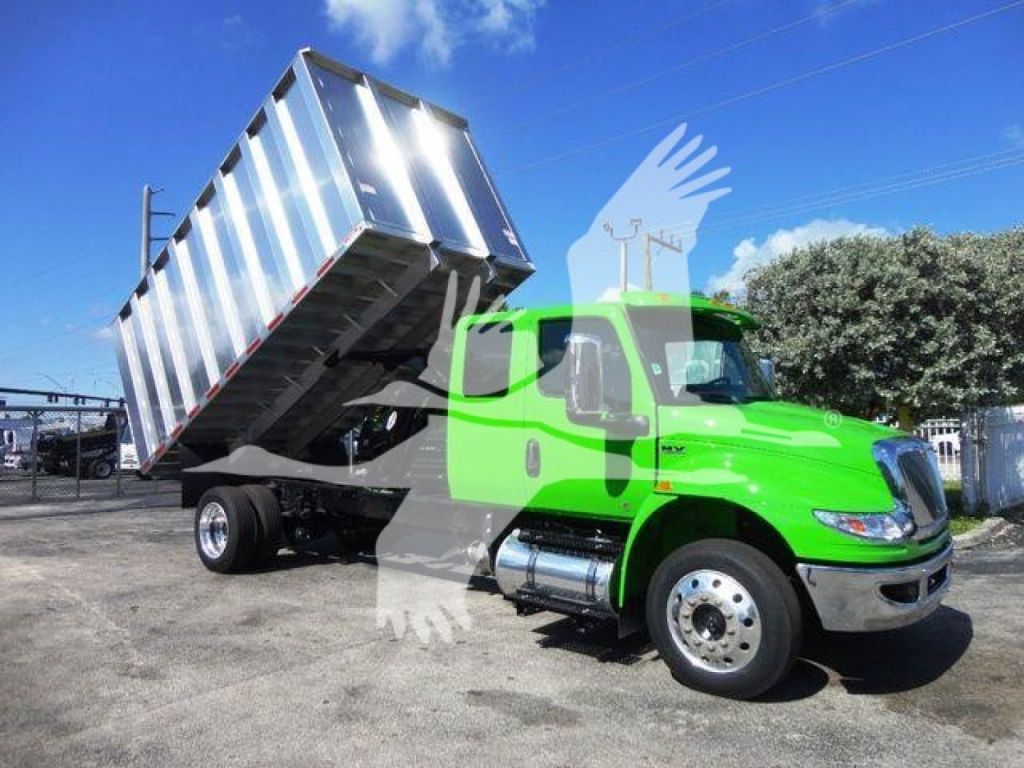
Selling a 2023 chipper truck? List your 2023 chipper truck for sale and reach thousands of commercial buyers.
2023 Chipper Trucks
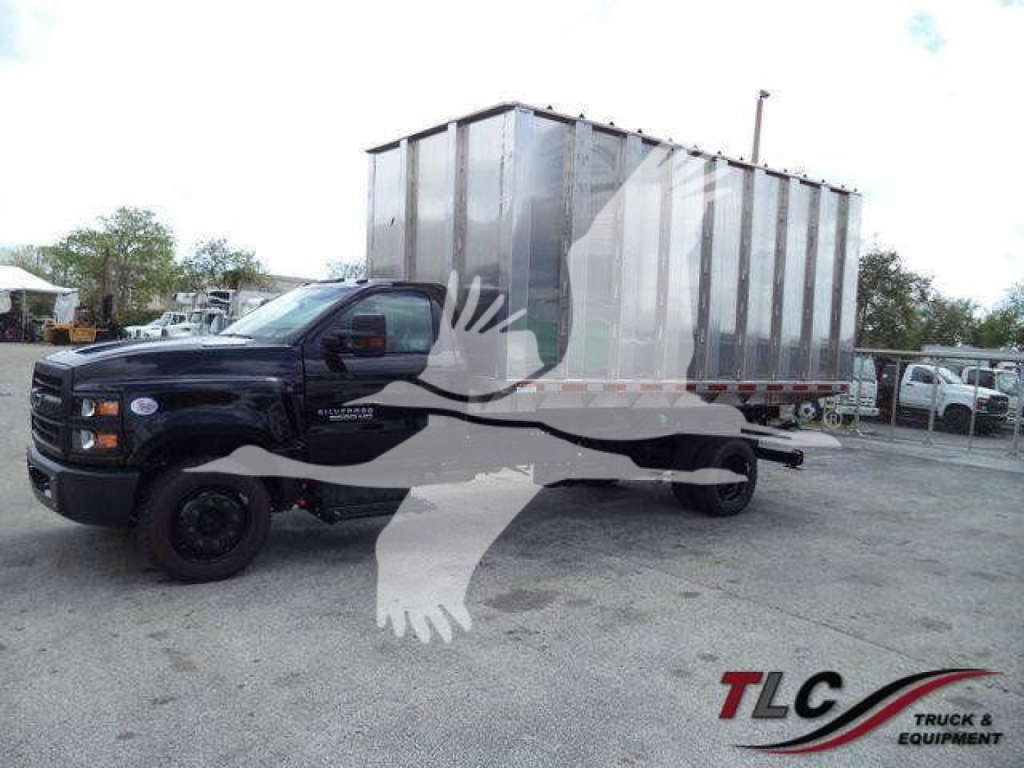
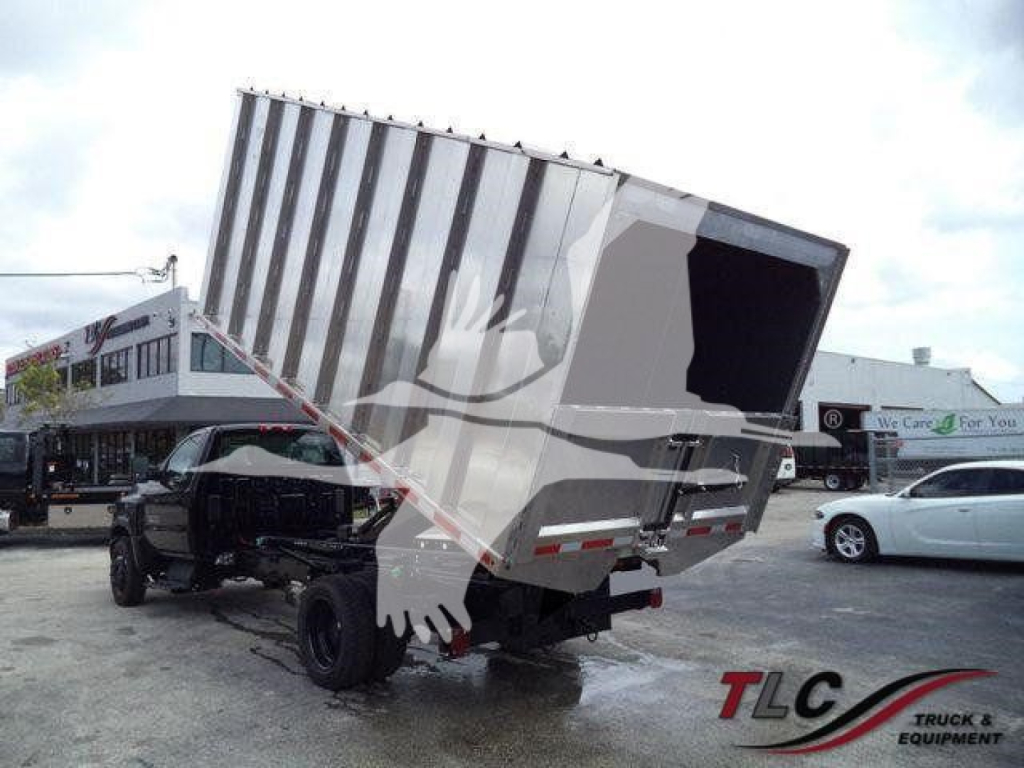
Most 2023 chipper trucks in this class are set up on Class 5 or Class 6 chassis such as a Chevrolet Silverado 6500HD, often with automatic transmissions, diesel power, and GVWRs in the 23,500 to 26,000 pound range. Buyers often focus on Non-CDL operation, which makes 26,000 GVWR configurations especially relevant for tree crews and local contractors. Common body specs include 16-foot chipper dump bodies, 8-foot widths, 84-inch sides, enclosed tops, barn doors, and electric-over-hydraulic or PTO-driven hoists. Aluminum bodies are popular because they resist corrosion and help keep curb weight down, which matters when the truck spends the day hauling bulky green waste from stop to stop.
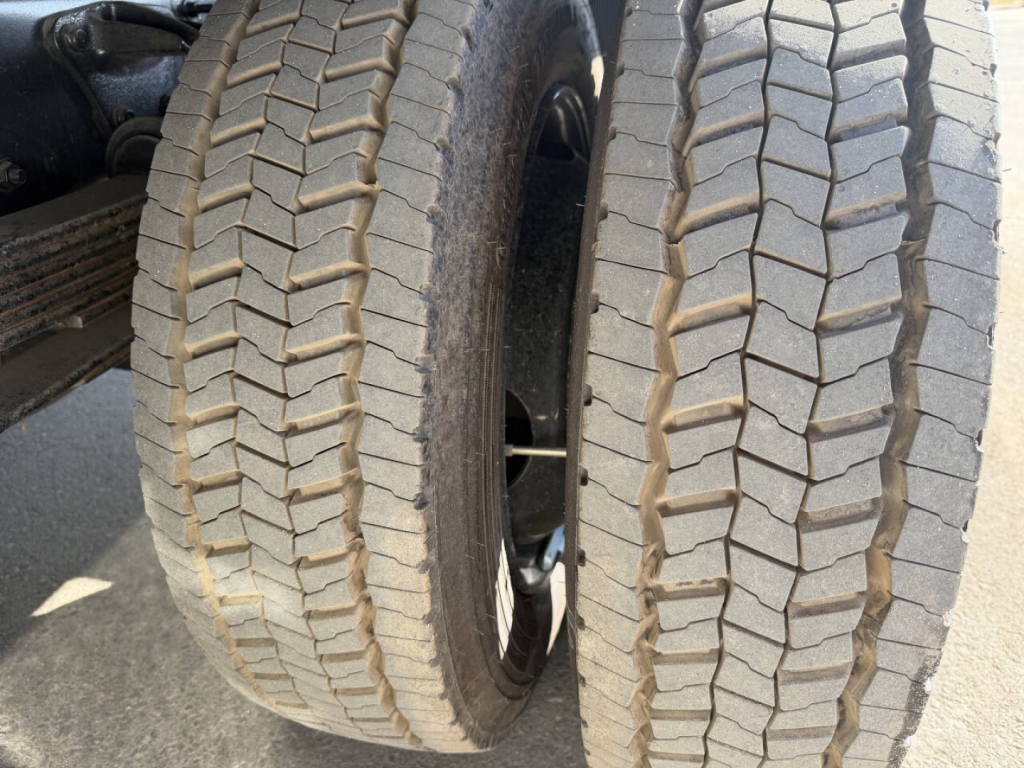
Body construction deserves close attention because chipper trucks live hard lives. Look at floor thickness, crossmember spacing, long beam design, roof stamping, and door framing. A well-built chip body should handle repeated loading from chipper discharge, branch drag, and frequent dump cycles without excessive flex. Smooth interior surfaces and durable liners help material clear out cleanly. Barn doors, hitch packages, and 7-way plugs matter if the truck will tow a chipper, mini skid steer, or equipment trailer. Wheel and brake setup is also important. A 19.5-inch wheel package may suit lighter local work, while heavier air-brake chassis with 22.5 low-profile tires can offer a more stable platform for larger crews and longer municipal or commercial routes.
For buyers comparing 2023 chipper trucks for sale, the best fit usually comes down to operating profile. Tight residential work favors a shorter, more maneuverable chassis with a clean turning radius. Larger pruning contracts and municipal work may justify a heavier chassis, more robust hoist, and higher-volume body. Check cab configuration, axle ratings, hoist type, PTO setup, hitch capacity, and overall body condition, especially around hinges, hoist mounts, and rear door frames. A properly spec'd chipper truck should load quickly, dump cleanly, tow safely, and stay productive through repeated stop-and-go service.
Frequently Asked Questions about 2023 Chipper Trucks
What is a chipper truck used for?
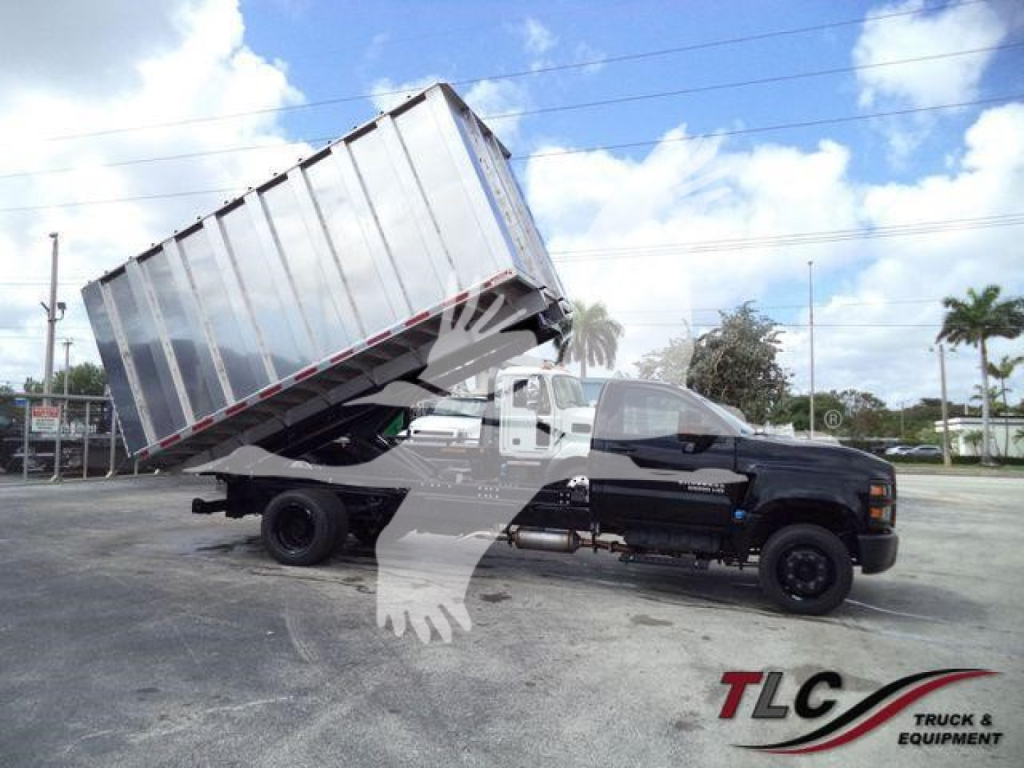
A chipper truck is used to haul wood chips, brush, limbs, leaves, and other bulky organic debris generated by tree service, line clearance, and landscape operations. It is typically paired with a tow-behind wood chipper and is designed to collect material efficiently during pruning, removals, and cleanup. The dump body allows fast unloading at disposal sites, compost facilities, or yard waste transfer locations.
What size chipper truck is common in the 2023 market?
A common 2023 chipper truck setup is a Class 5 or Class 6 chassis with a 16-foot dump body, 8-foot body width, and sidewalls around 84 inches high. GVWR often falls between 23,500 and 26,000 pounds. That range is popular because it supports strong body volume for light debris while keeping the truck manageable for urban and suburban route work.
Are 2023 chipper trucks available in Non-CDL configurations?
Yes. Many chipper trucks are built to a 26,000-pound GVWR or below so they can be operated in a Non-CDL configuration, subject to local and state rules. This is attractive for contractors and municipalities that want to widen the driver pool and simplify staffing. Buyers still need to account for combined weight if the truck will tow a chipper or trailer, since GCWR and licensing requirements can change once towing is added.
Is an aluminum chipper body better than steel?
Aluminum chipper bodies are a strong fit for many arborist and landscape applications because they reduce empty weight and resist corrosion from wet organic material. That can improve usable payload and long-term appearance. Steel bodies may offer advantages in certain severe-duty applications, but for wood chips, leaves, and brush, aluminum is often preferred for its weight savings and lower rust risk.
What features should I check before buying a chipper truck?
Focus on body volume, hoist type, floor and wall thickness, crossmember spacing, rear door construction, and hitch setup. On the chassis side, confirm GVWR, axle ratings, engine and transmission spec, brake type, tire size, and turning radius. It is also smart to inspect the hoist mounts, hinges, PTO or electric-over-hydraulic system, and any signs of cracking or distortion around the body structure, since those areas take repeated stress in daily tree and brush service.