
Winch - Oil Field Trucks For Sale
Oilfield winch trucks for sale: compare bed vs tractor, 6x6 options, winch types, GVWR, line pull, and key inspection points before you buy.
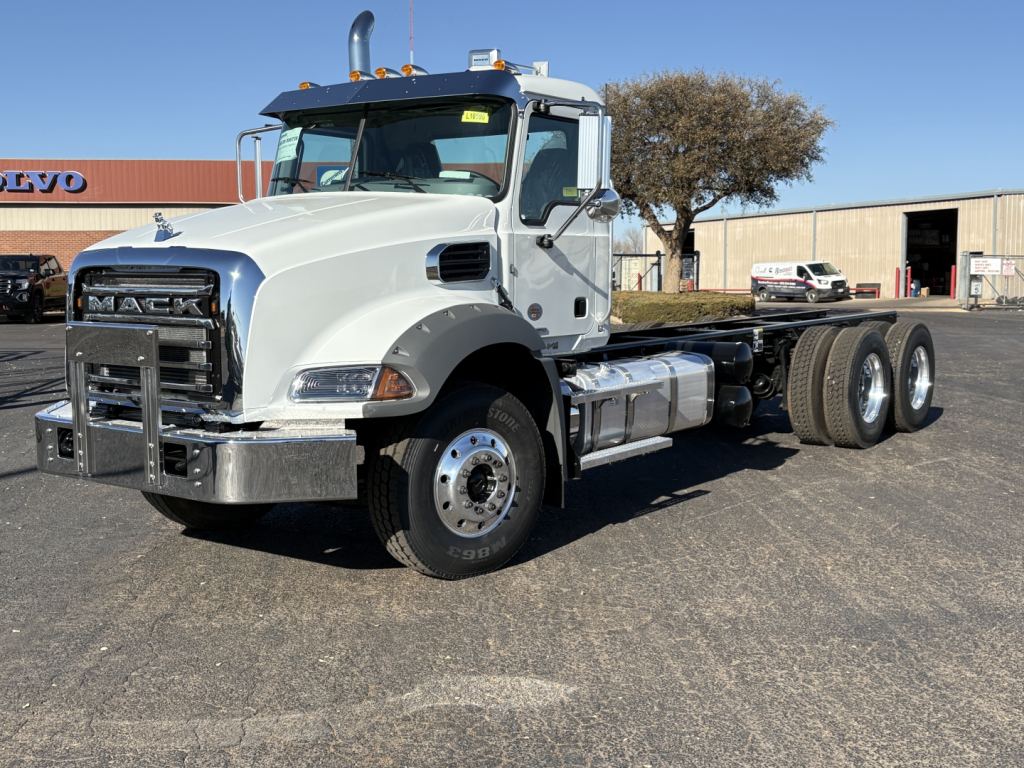

Selling a winch - oil field truck? List your winch - oil field truck for sale and reach thousands of commercial buyers.
Winch - Oil Field Trucks
Chassis spec drives uptime in mud, sand, and lease roads. Tandem 6x4 is common for mixed highway work, while 6x6 or 8x6 with Fabco or Meritor front drive is preferred in soft ground and grades. Look for double or triple frame rails, 18k to 23k front axles, 40k to 46k rears, and pusher or tag lift axles for weight distribution. Wheelbases of 240 inches and longer provide deck space and stability, but tight leases may benefit from a shorter wheelbase compromise. Suspension choices like Hendrickson Haulmaax, Chalmers, or walking beam tolerates abuse better than air ride. Floatation fronts such as 425 or 445 tires improve footprint. Deep reduction is essential: Eaton Fuller 8LL, 13, or 18 speed boxes provide control, while Allison 4500 or 4700 RDS automatics with PTO deliver smooth inching in stop‑go winch work.
The winch package is the heart of the truck. Planetary winches provide higher efficiency and speed for the same line pull but rely on external brakes. Worm gear drums from Braden, Tulsa, or Ramsey are slower, inherently load holding, and favored for precise control on slopes. Typical single drum ratings range from 30,000 to 80,000 pounds, with heavy builds reaching 100,000 pounds and up. Cable diameters commonly run 5/8 to 3/4 inch, with 200 to 300 feet of line. Useful features include free spool, air or hydraulic controls, rear fairleads, tail rollers, and headache racks with sheaves. Verify the hydraulic wet kit sizing, PTO engagement, valve responsiveness, and heat management, especially for continuous pulls. On gin pole trucks, inspect pole sections, hinge pins, guy lines, and outrigger pads for wear and straightness.
A smart inspection focuses on the deck, structure, and driveline. Check bed plating and welds for cracks near the tail roller, winch mounts, and frame kick-up. Examine drum flanges, brake packs, and fairlead rollers for grooves or heat checking. Inspect wire rope for flat spots, broken wires, and proper end termination. Confirm inter-axle and cross locks engage, look for oil leaks at hubs and transfer case, and review axle ratios to match terrain and tow weight. Region-specific packages matter: arctic kits with block heaters and fuel warmers for Bakken winters, heavy-duty cooling and dust sealing for Permian heat, and corrosion protection for coastal jobs. Matching the right oilfield winch truck to your basin, terrain, and load profile reduces recovery calls and shortens rig-up times.
Also known as: Winch Truck, Oilfield Winch Truck
Frequently Asked Questions about Winch - Oil Field Trucks
What size winch do I need for oilfield work?
Start with the heaviest load you expect to pull and the conditions you face. For skids and frac tanks on level ground, a 30,000 to 50,000 pound line pull often suffices. Soft ground, grades, or dead pulls drive that higher into the 60,000 to 80,000 pound range. Use snatch blocks to multiply line pull when needed, and size the hydraulic system and braking capacity to handle the duty cycle without overheating.
What is the difference between a bed winch truck, a winch tractor, and a gin pole truck?
A bed winch truck has a deck with a tail roller and is designed to self-load skids, tanks, and pumps. A winch tractor adds a fifth wheel so you can pull lowboys or oilfield floats and still use the winch to load. A gin pole truck equips A-frame poles and outriggers to lift and stand equipment where a crane is not practical, trading speed for on-site lifting capability.
Do I need 6x6 for lease road work, or is a 6x4 enough?
A 6x4 with lockers, aggressive tread, and floatation fronts can handle many leases and saves weight, fuel, and maintenance. Frequent mud, sand, grades, or winter ice push the decision toward 6x6 or 8x6 with a driven front axle and transfer case. Beyond traction, consider ground clearance, approach angle, and suspension durability when choosing between the two.
Which transmission is better for winch work, manual or automatic?
Manual transmissions such as Eaton 8LL, 13, and 18 speed offer deep reduction and engine braking that operators value for controlled inching and load holding. Allison 4500 or 4700 RDS automatics provide smooth torque delivery and reduce driver fatigue in stop‑go pulls, especially off-road. The best choice depends on operator preference and duty cycle, but both perform well when correctly geared and PTO-equipped.
What should I inspect on a used oilfield winch truck before purchase?
Verify winch function under load, check the drum brake or band, and inspect wire rope for broken strands or flat spots. Look over deck plating, tail roller bearings, fairleads, and welds for cracks. Confirm PTO engagement and hydraulic pressures, and look for heat discoloration on valves. Inspect frame rails for rust between double rails, check locker operation, hub and pinion seals for leaks, and confirm axle ratings, wheelbase, and lift axles match your weight permits and routes.