
Vacuum Trucks For Sale
Compare hydrovac, septic, and industrial vacuum trucks. Review pumps, CFM, Hg, tank size, jetting, offloading, chassis and options to match your jobs.
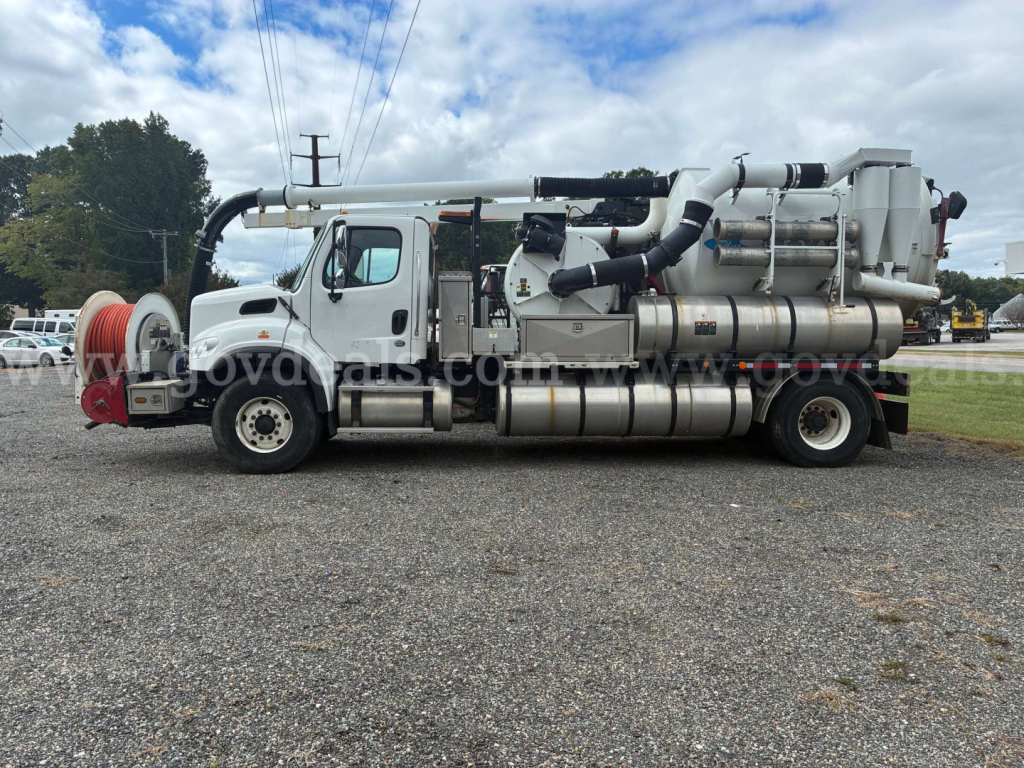
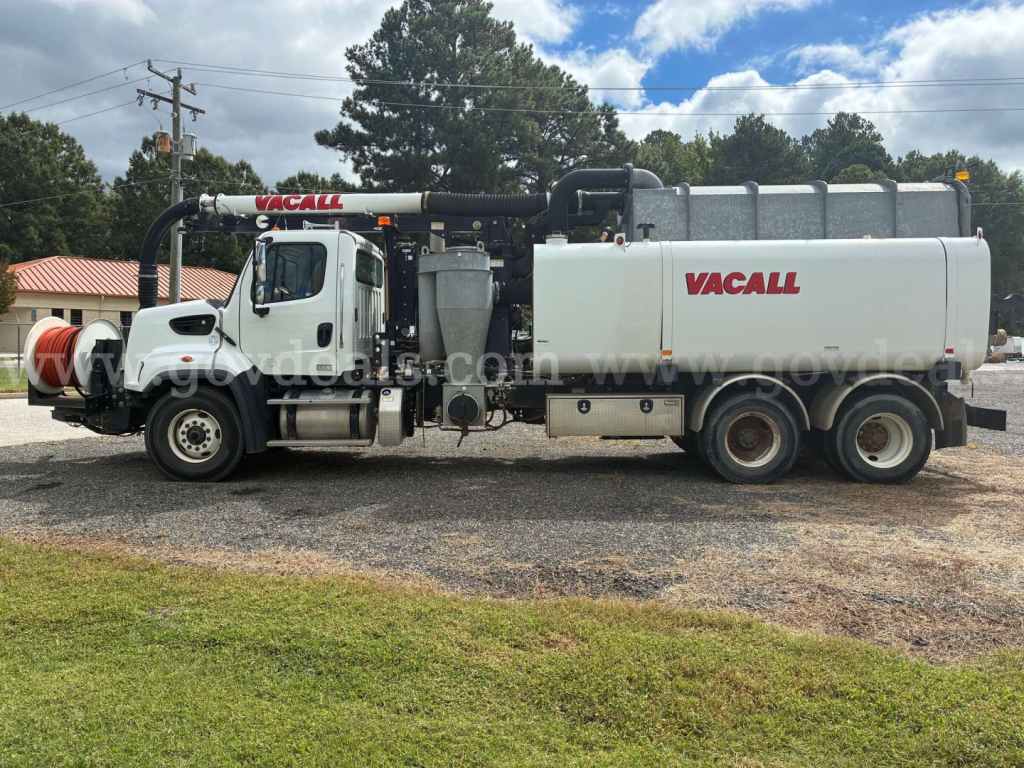
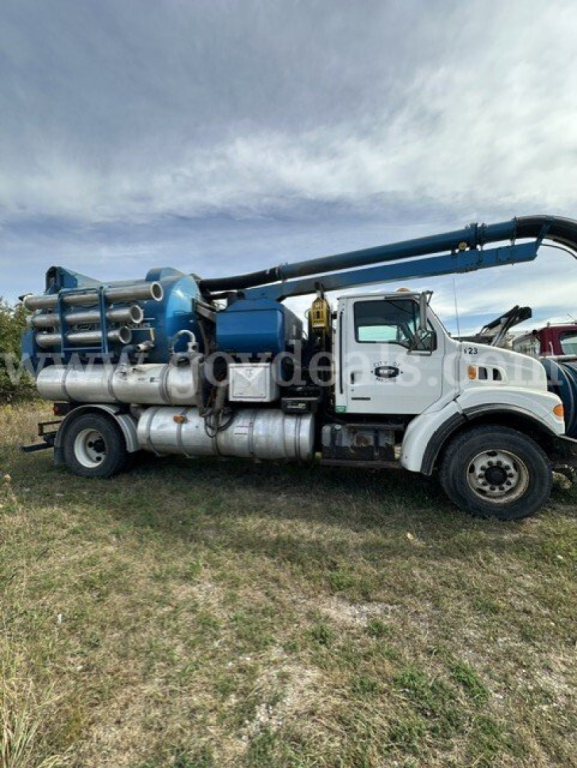
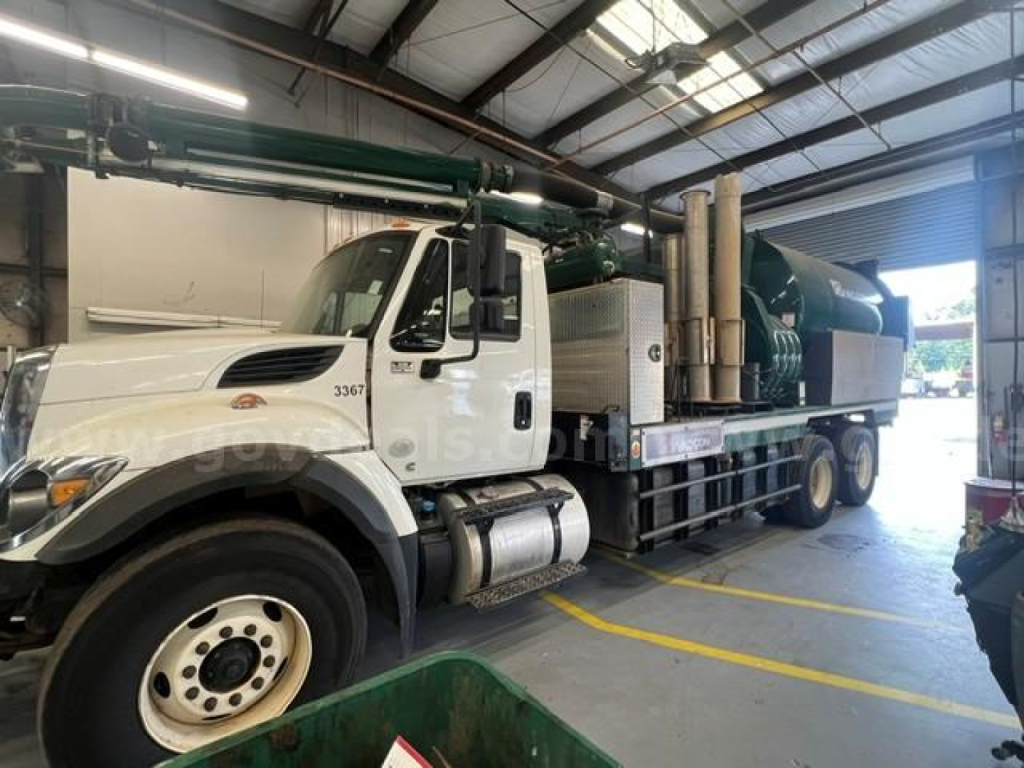
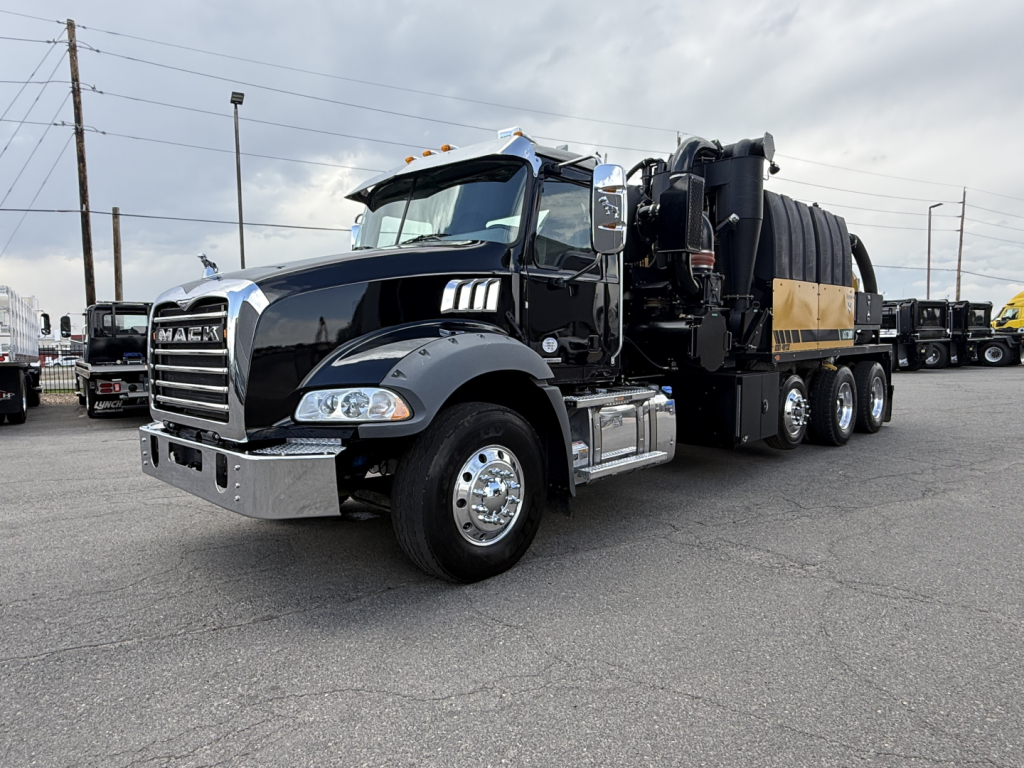
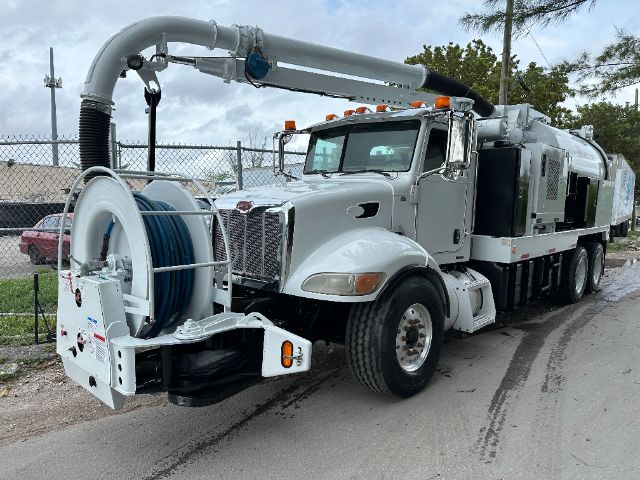
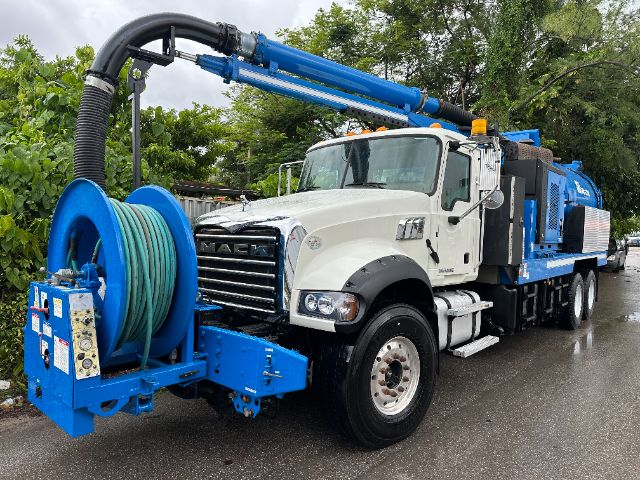
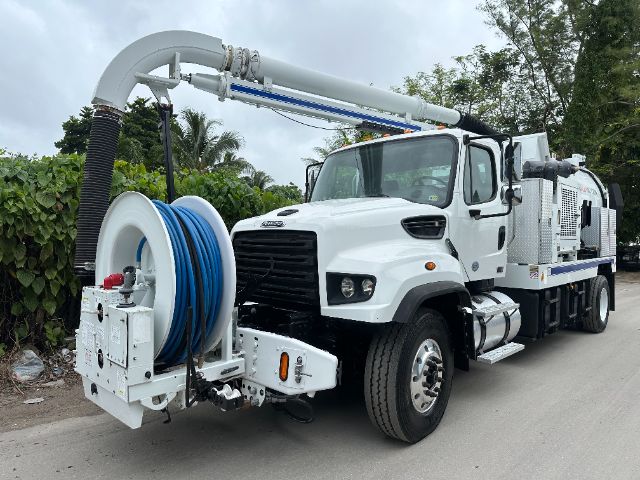
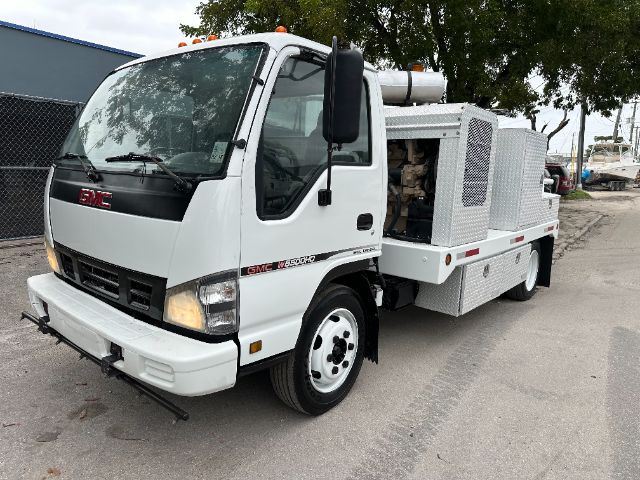
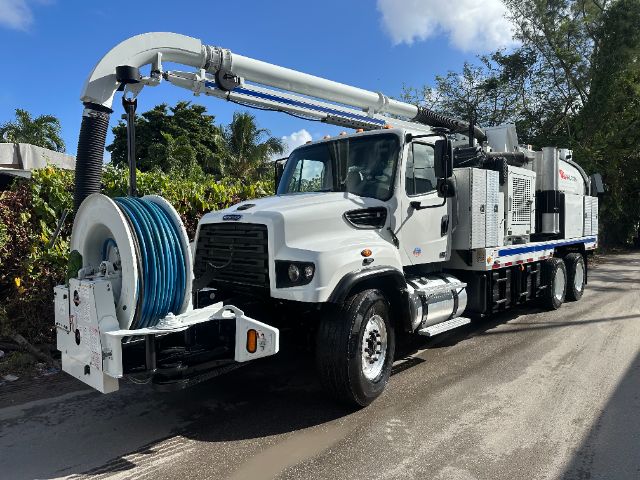
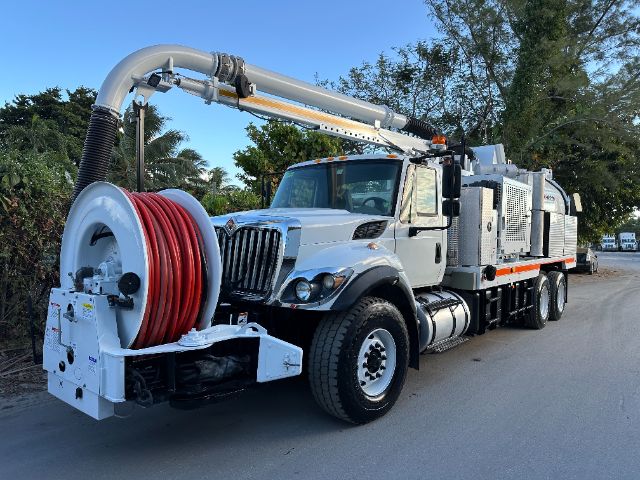
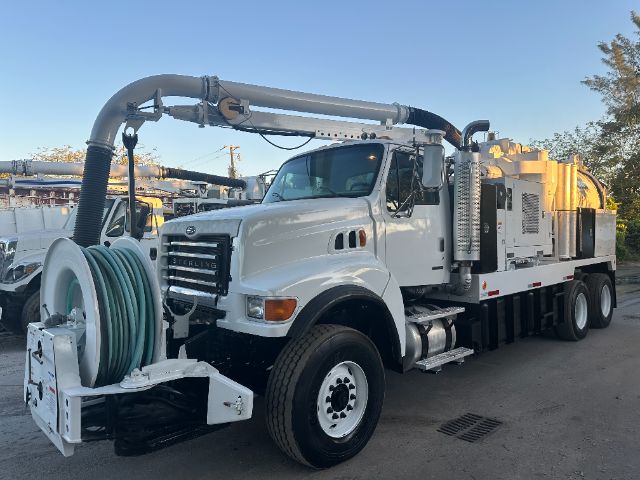
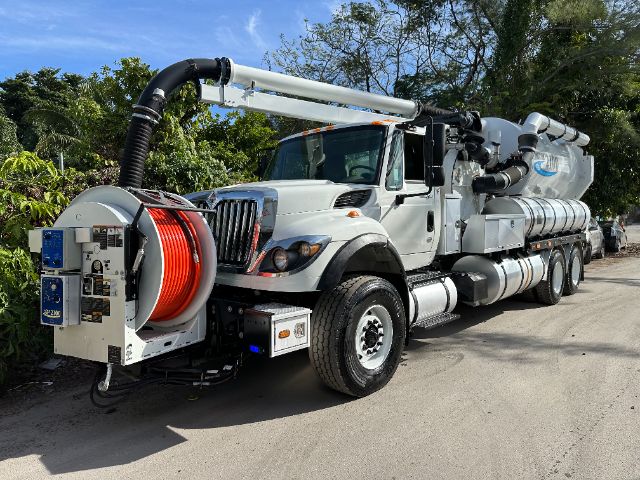
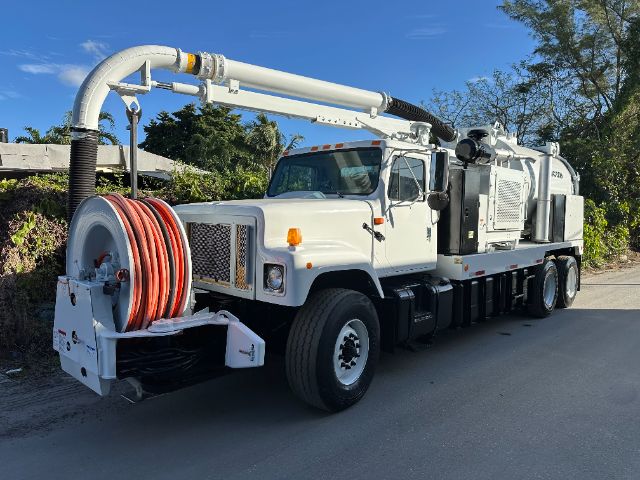
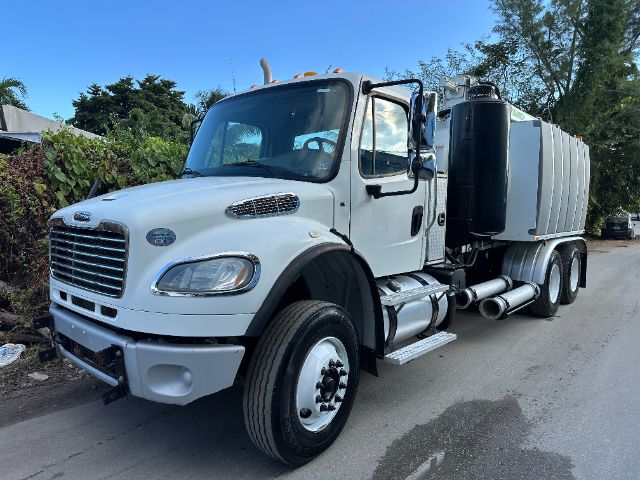
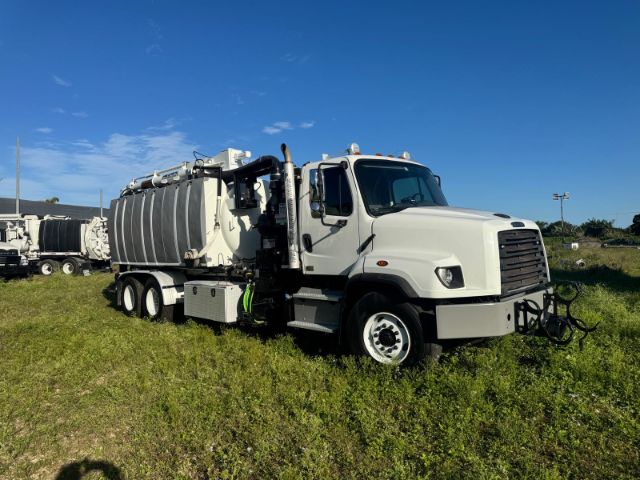
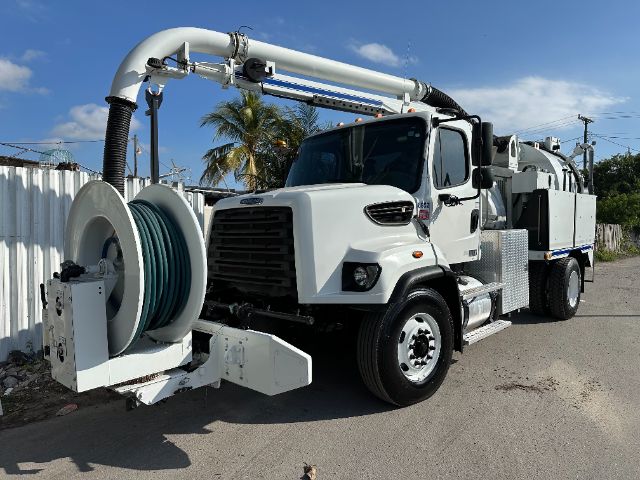
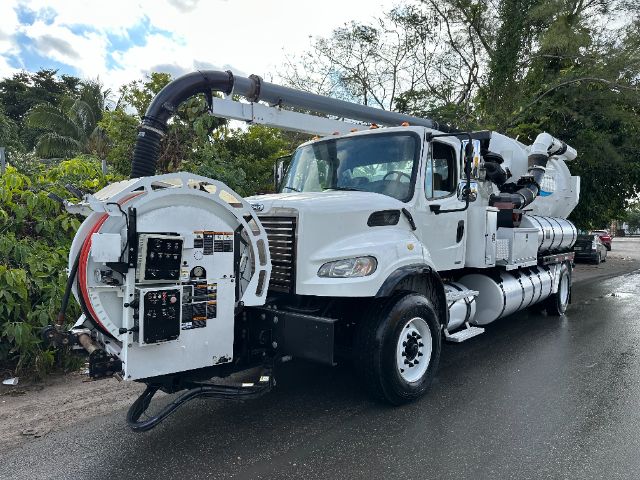
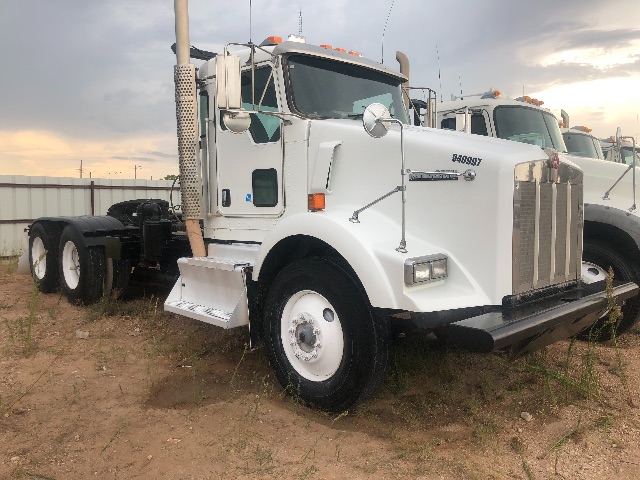

Selling a vacuum truck? List your vacuum truck for sale and reach thousands of commercial buyers.
Vacuum Trucks
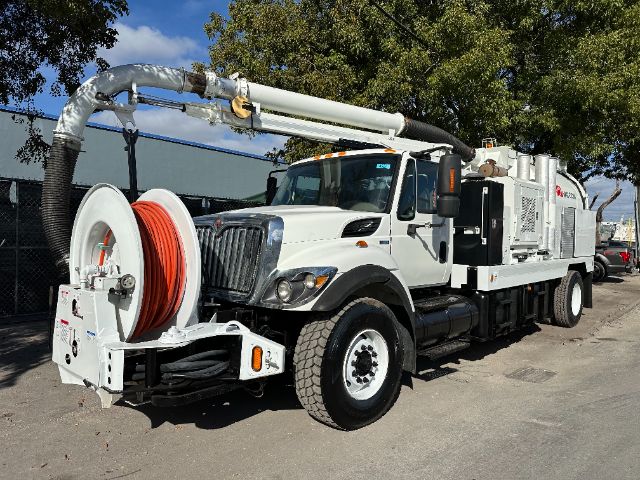
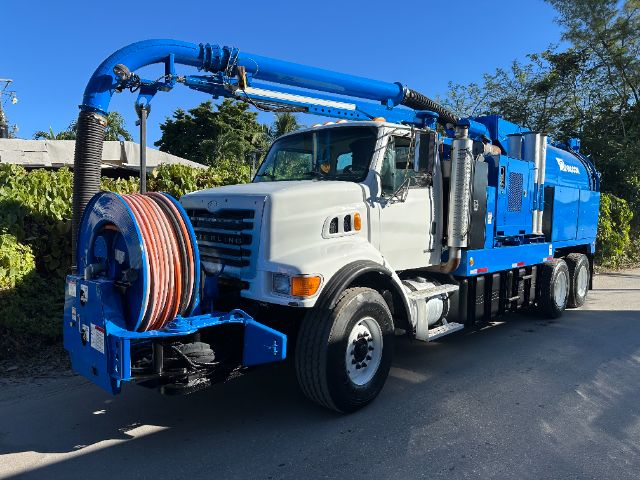
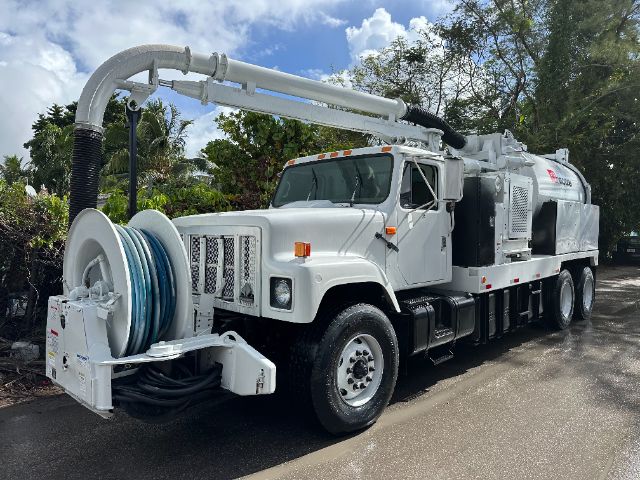
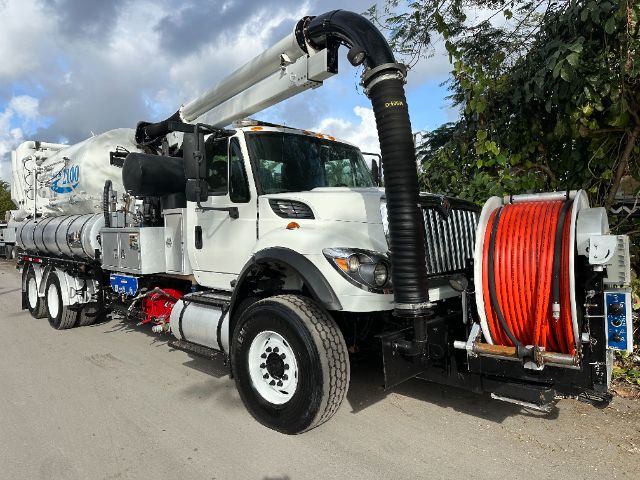
Configurations vary by job. Septic and grease trucks usually carry 2,000 to 5,000 gallons with rotary vane or liquid ring pumps, 3 or 4 inch suction lines, and rear pressure offload for quick turnarounds. Hydrovac units pair a debris body of roughly 6 to 15 cubic yards with a water tank of 300 to 1,200 gallons, using 10 to 25 gpm at 2,500 to 4,000 psi for non-destructive digging. Combination sewer jetter vacuum trucks add a jetting system typically 50 to 80 gpm at 2,000 to 3,000 psi with 600 to 1,000 feet of hose, plus a debris tank and boom-mounted suction for catch basins and mains. Industrial vacuum loaders push higher CFM and larger diameter hose for plant cleanouts, catalyst, cement, or frac sand, often with multi-stage cyclones, final filters, and silencing.
Tank design affects payload, longevity, and compliance. Carbon steel is common for general duty, stainless or lined carbon steel resists corrosives, and DOT 407 or 412 coded tanks are needed for certain regulated materials. Rear full-opening doors with dual locks and hydraulic hoists enable true dump-out and rinsing, while pressure offload is faster for liquids but demands tight seals and disciplined safety. Look for efficient moisture traps, cyclones, and final filtration to protect the blower, along with washdown systems, heated cabinets, boiler packages for freezing climates, and remote pendant or wireless boom controls. Boom reach, 6 to 8 inch suction, and hose storage impact productivity in tight alleys or deep excavations.
Chassis and driveline choices determine legal payload and access. Tandem 6x4 works for municipal and septic routes, tri-axle or lift axle setups help meet bridge laws on heavy slurry. Shorter wheelbases turn better for urban catch basins, longer frames carry larger tanks but increase off-tracking. PTO drive can be transmission or split-shaft, and high CFM blowers benefit from higher engine horsepower and robust cooling. Allison automatics simplify stop-start work, while manual transmissions can reduce PTO parasitic loss. Consider emissions package, noise attenuation, grounding provisions, and spark-resistant tooling for refineries or grain facilities. Maintenance planning matters too, including blower lube and belt service intervals, cyclone cleanout, baghouse inspection, and relief valve testing, which all protect uptime and keep vacuum performance consistent.
Also known as: Vac Truck, Sucker Truck, Suction Truck
Frequently Asked Questions about Vacuum Trucks
How do I choose between a positive displacement blower, liquid ring pump, or rotary vane pump on a vacuum truck?
Match the pump to the material and duty cycle. Positive displacement blowers deliver high CFM and deep vacuum for mixed solids and heavy sludges, and they pair well with multi-stage filtration. Liquid ring pumps tolerate continuous wet loads, entrained vapors, and fine mists with smooth operation but typically have lower peak vacuum and require seal water management. Rotary vane pumps are compact and efficient for septic and grease trap service, offering reliable suction for liquids and light slurry with simpler maintenance. Evaluate target CFM, inches Hg, moisture content, and expected run time before deciding.
What is the difference between a hydrovac truck and an industrial vacuum loader?
A hydrovac truck is built for non-destructive digging using high pressure water and vacuum. It includes a water pump, boiler or heater for cold weather, a debris body, and a boom with smaller diameter suction designed for soil and daylighting utilities. An industrial vacuum loader focuses on bulk material conveyance and plant cleanup. It emphasizes higher airflow, larger diameter hose, multi-stage cyclones or baghouse filtration, and features like pressure offload or dump hoist for handling dry powders and dense sludges.
Should I choose hydraulic dump or pressure offload for my vacuum truck?
Hydraulic dump with a full-opening rear door is versatile, ideal for solids and thick slurry since gravity and washdown help clear the tank. It also allows visual inspection and easier cleaning. Pressure offload is faster for liquids and light slurries and can pump into elevated tanks or lines, but it relies on excellent seals and disciplined safety practices to manage internal pressure. Many buyers prioritize dump hoists for mixed work, adding pressure offload only if frequent liquid transfers are expected.
What tank capacity and material are typical, and how do they affect payload?
Septic and grease units commonly run 2,000 to 5,000 gallons, while hydrovac and combo units use debris bodies around 6 to 15 cubic yards with separate water tanks. Larger tanks increase route efficiency but demand more axles and careful weight distribution to stay legal when fully loaded. Carbon steel tanks balance cost and durability for general service. Stainless or lined carbon steel is preferred for corrosives or aggressive washdown. Wall thickness, internal coatings, and scuff protection add weight, so match tank spec to the materials you will haul most often.
How do axle configuration and wheelbase impact operations on a vacuum truck?
Axle count and placement determine legal payload under bridge laws and how confidently you can travel with dense material. Tandem axles suit moderate loads and tighter job sites, while tri-axle or tag and pusher lift axles spread weight for higher legal gross without overstressing a single group. A shorter wheelbase improves maneuverability for alleys and urban basins, but reduces tank length and storage. Longer wheelbases carry larger bodies and water tanks, yet require more swing clearance and turning room. Always map loaded axle weights for your typical material density before finalizing the spec.