
Sterling Vacuum Trucks For Sale
Browse Sterling vacuum trucks, including jetter and combo units, with specs on debris body size, water capacity, blower systems, and chassis ratings.
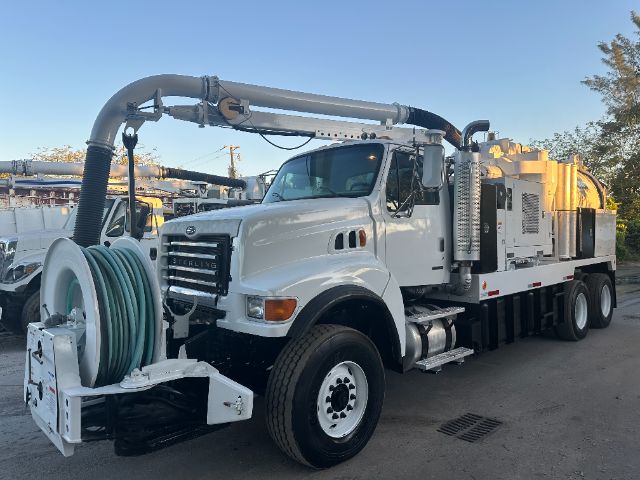
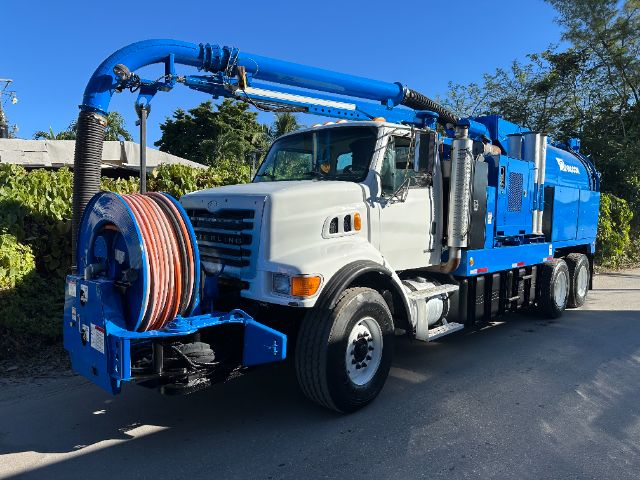

Selling a sterling vacuum truck? List your sterling vacuum truck for sale and reach thousands of commercial buyers.
Sterling Vacuum Trucks
The most important spec decisions usually come down to vacuum source, debris capacity, and water system output. Sterling vacuum trucks in this class often carry debris bodies around 11 to 12 cubic yards, with fresh water capacity in the 1,000 to 1,300 gallon range. Common configurations include positive displacement blowers for sustained vacuum over longer hose runs and fan systems for high airflow applications. On combo sewer cleaners, jetting systems in the 80 GPM range at 2,000 to 3,000 PSI are typical, and hydraulic hose reels, hydraulic dump bodies, and rear door hydraulic locks are common working features. A pony motor setup is also common, allowing the vacuum and water systems to operate independently from the chassis engine.
On the chassis side, Sterling models are valued for straightforward vocational layouts and heavy-duty component options. Caterpillar diesel engines such as the C7 or C9 show up often in these trucks, usually paired with automatic transmissions and GVWR ratings that support full debris and water loads. Mileage matters, but hours are often more important on a vacuum truck because the body system, blower, jetter pump, and auxiliary engine may see extensive runtime separate from road use. Service history is critical, especially for ex-municipal units, where regular maintenance can be a major advantage if records confirm blower servicing, pump upkeep, hydraulic repairs, and annual chassis inspections.
A good buying inspection should focus on wear points that directly affect operating cost and uptime. Check the debris tank for corrosion, thin spots, and door seal condition. Inspect the blower or fan, jetter pump, hose reel, filtration components, and hydraulic functions under load. Confirm water tank integrity, verify relief valves and shutoff systems, and look closely at the auxiliary engine hours if equipped with a Deutz or similar pony motor. Sterling vacuum trucks can be a practical choice for sewer contractors, public works departments, and industrial service fleets that need a proven vocational chassis with a purpose-built vacuum package, especially when the unit has been maintained as a complete system rather than just as a truck.
Frequently Asked Questions about Sterling Vacuum Trucks
What should I look at first when buying a used Sterling vacuum truck?
Start with the vacuum body manufacturer, the condition of the blower or fan system, the jetter pump if it is a combo unit, and the maintenance history for the auxiliary engine and hydraulics. After that, evaluate the Sterling chassis for engine condition, transmission performance, brake wear, and suspension capacity. On vacuum trucks, body hours and system condition often matter more than odometer mileage because the equipment can accumulate heavy runtime while stationary on jobsites.
Are Sterling vacuum trucks commonly used as combo sewer cleaners?
Yes. Many Sterling vacuum trucks on the market are combo units equipped for both vacuum recovery and high-pressure water jetting. These are widely used for sewer line cleaning, catch basin work, hydro excavation support, and municipal wastewater maintenance. Typical combo specifications include an 11 to 12 yard debris body, around 1,000 to 1,300 gallons of fresh water, and jetting performance near 80 GPM at 2,000 to 3,000 PSI.
Is mileage or equipment hours more important on a Sterling vacuum truck?
Equipment hours are usually more important than mileage. A vacuum truck may spend long periods operating the blower, jetter pump, hydraulics, and pony motor while parked, so wear on the vacuum system can be much greater than the road miles suggest. A truck with moderate mileage but high blower, pump, or auxiliary engine hours may need more immediate reconditioning than a higher-mileage unit with documented service and lower equipment runtime.
What engines are common in Sterling vacuum trucks?
Caterpillar diesel engines are common in Sterling vocational chassis used for vacuum applications, especially the C7 and C9. These engines are often matched with automatic transmissions and heavy-duty axle and suspension configurations suited to municipal and contractor work. The exact engine matters less than documented maintenance, cold-start behavior, oil condition, cooling system health, and how well the chassis supports the weight and duty cycle of the vacuum package.
Are ex-municipal Sterling vacuum trucks a good buy?
They can be, especially when the fleet performed scheduled servicing and kept clear maintenance records. Municipal trucks are often maintained on a preventative schedule and may have had annual inspections, regular lubrication, and recurring pump or blower service. The tradeoff is that they can also have high idle time, high PTO use, and corrosion exposure from year-round duty, so the inspection should focus on tank condition, hydraulic leaks, hose wear, and the overall health of the vacuum system.