
Rolloff Trucks For Sale
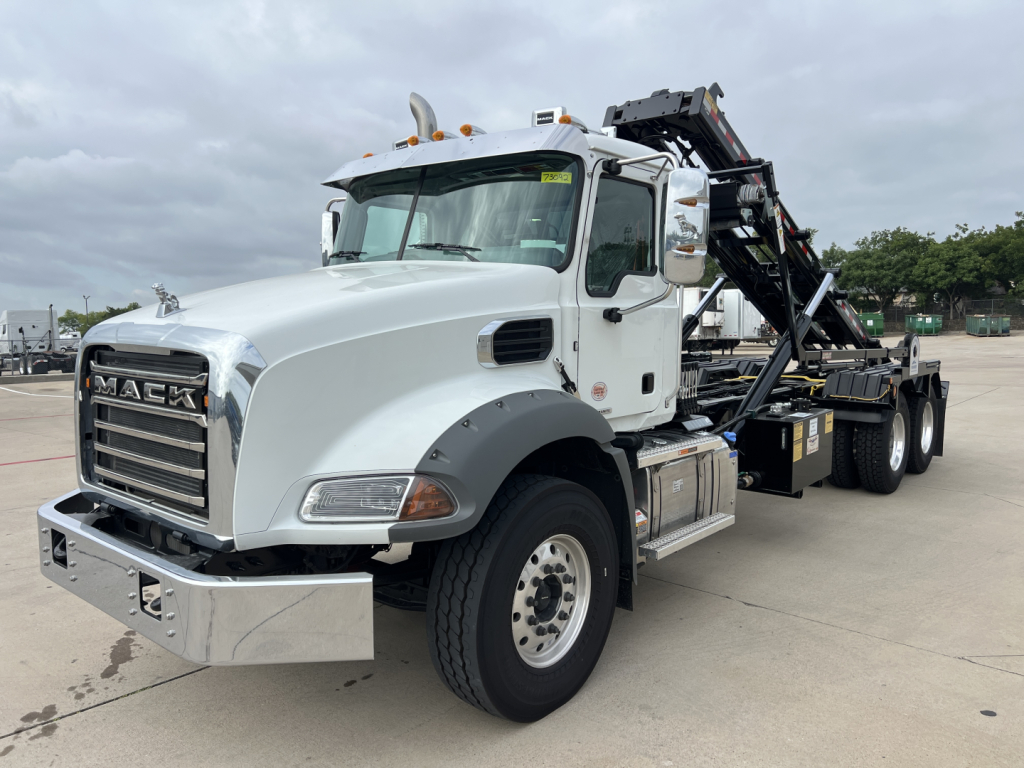
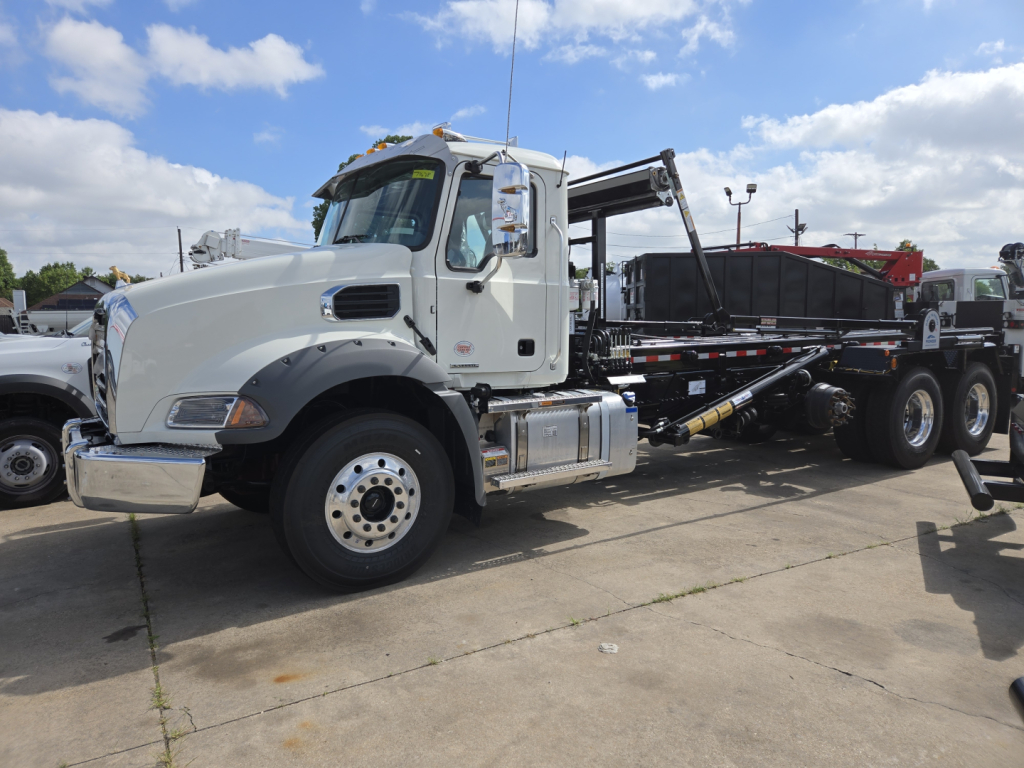
Browse rolloff trucks built for waste, scrap, demolition, and container hauling with hoist, winch, axle, and GVWR options to fit the job.
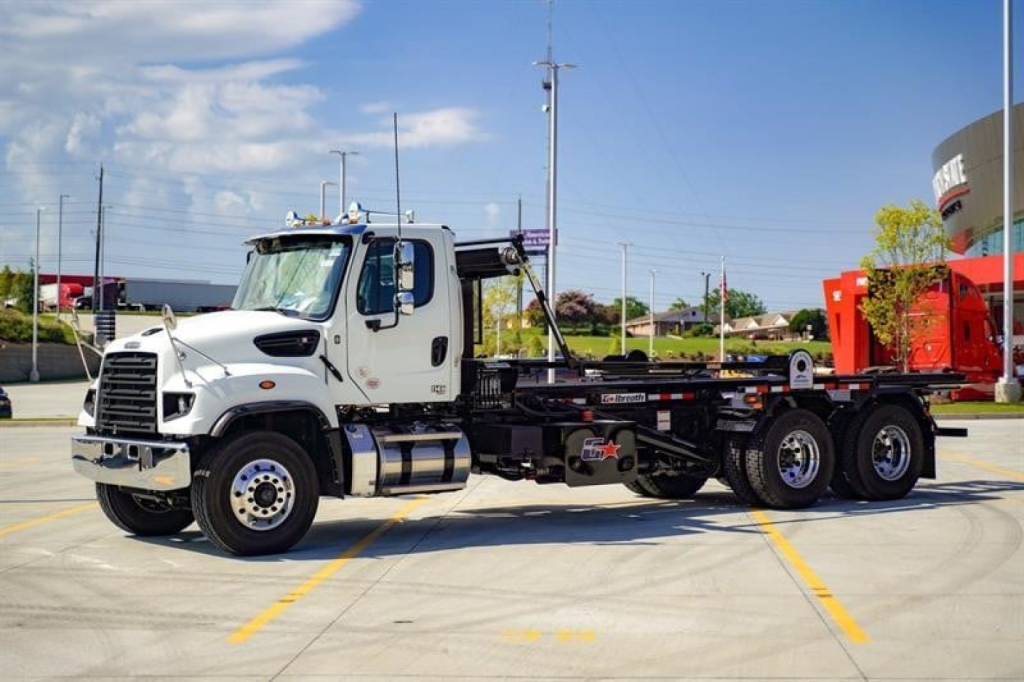
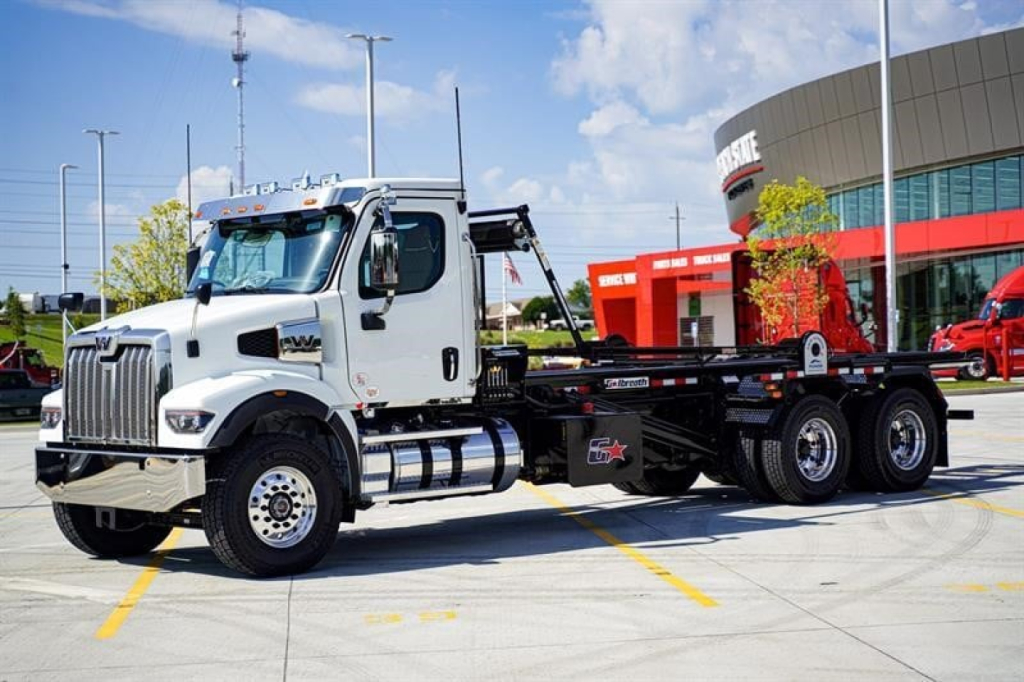
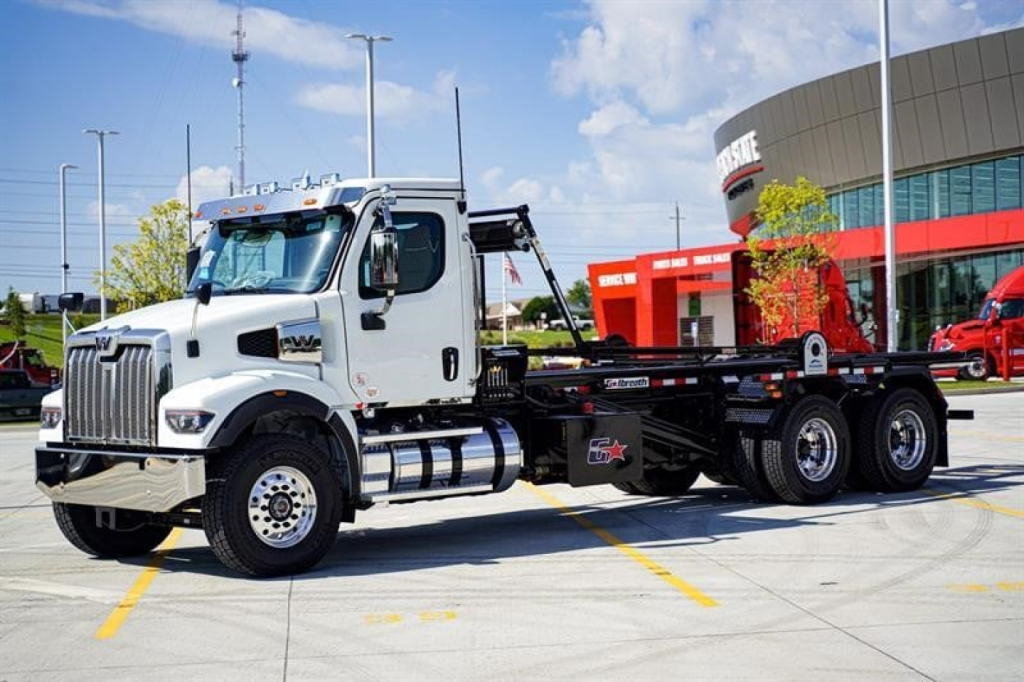
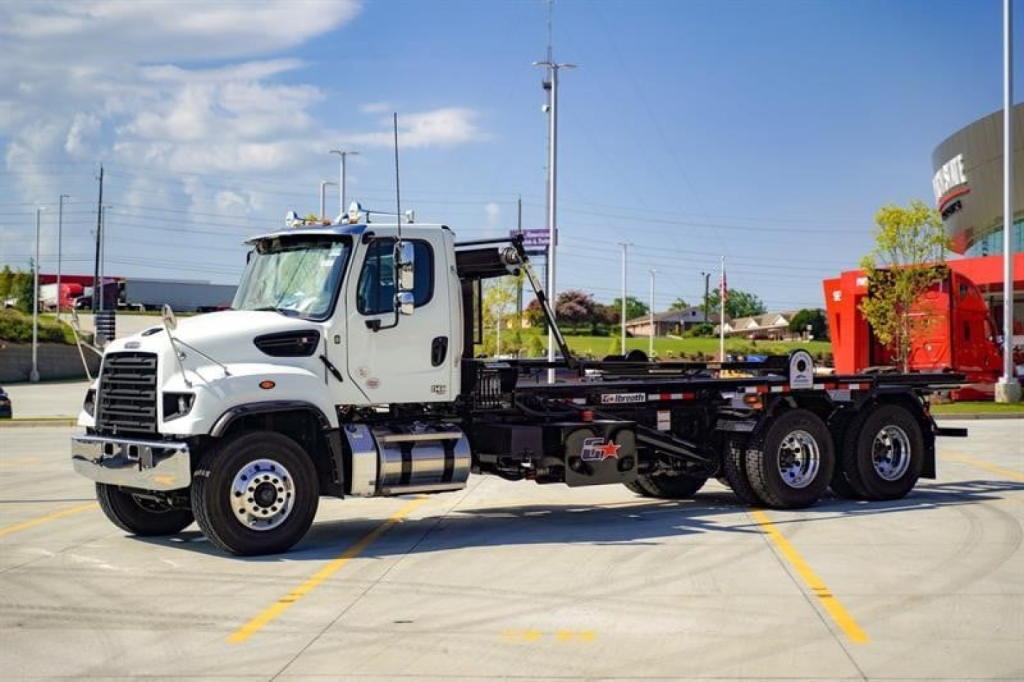
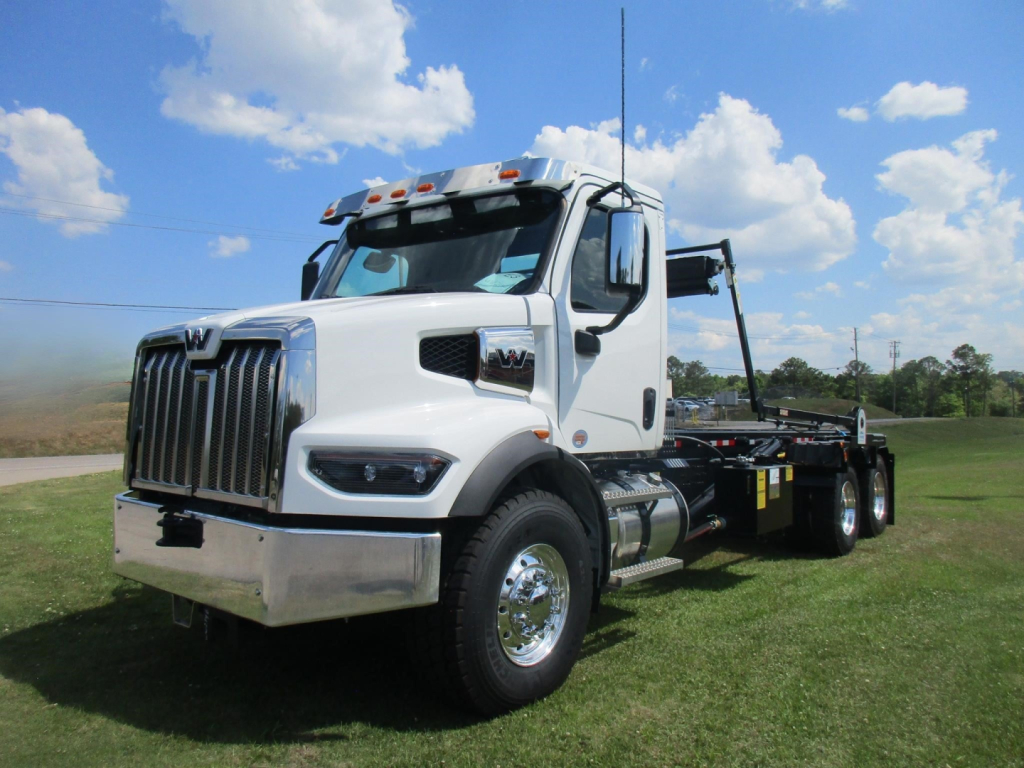
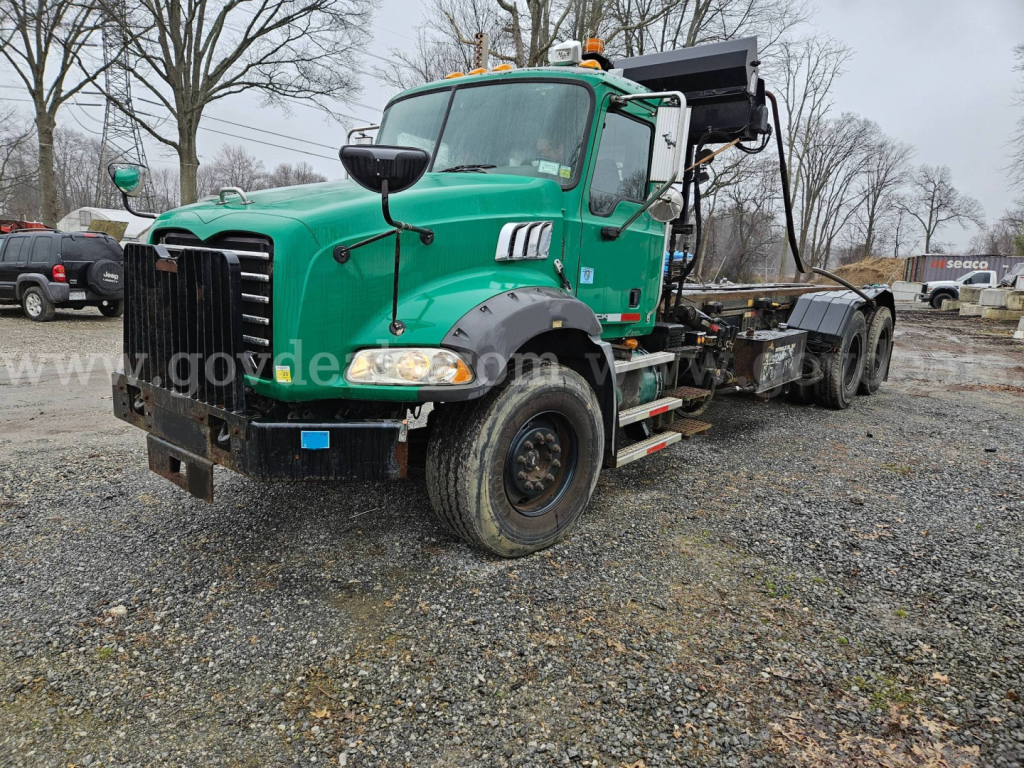
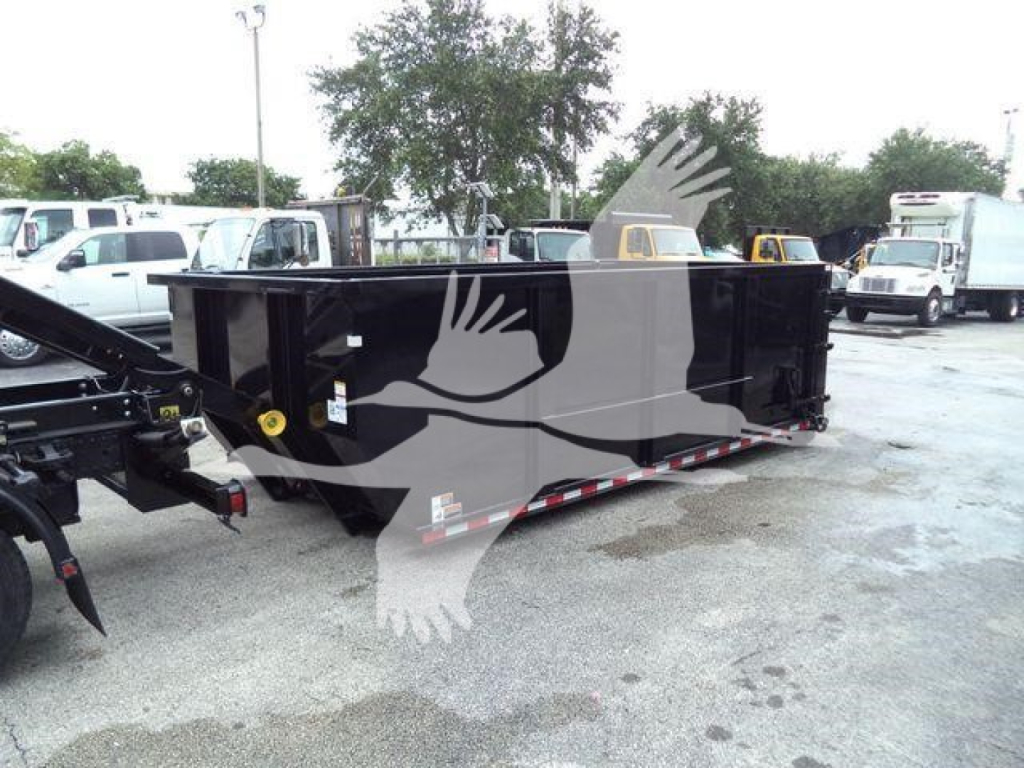
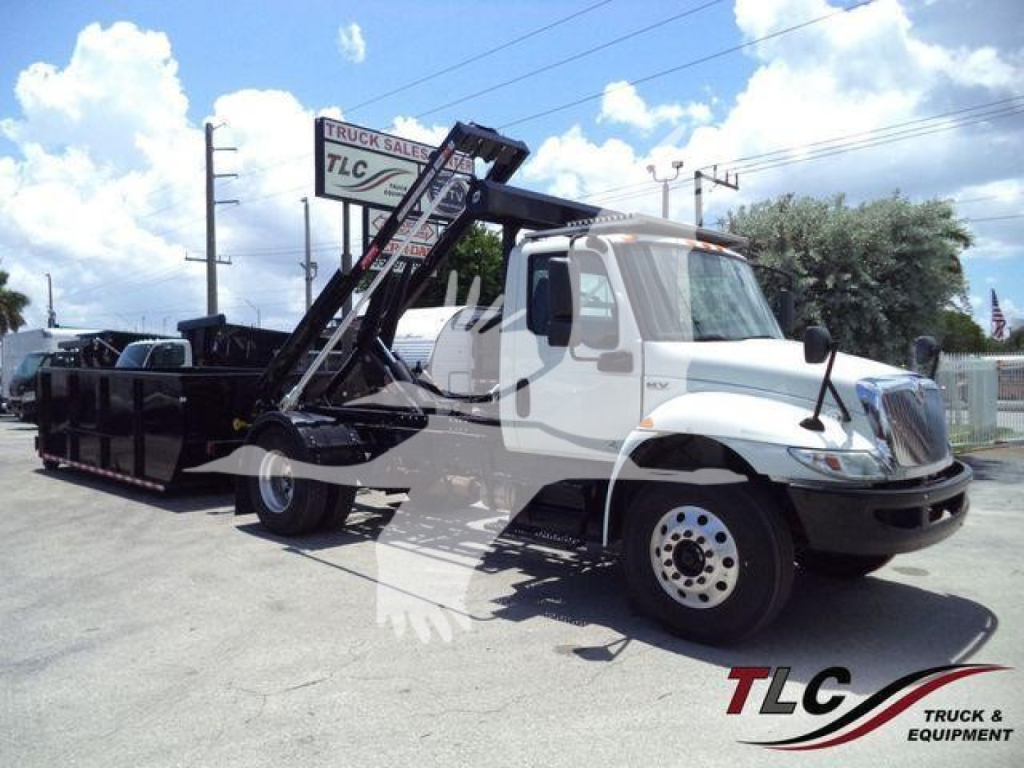
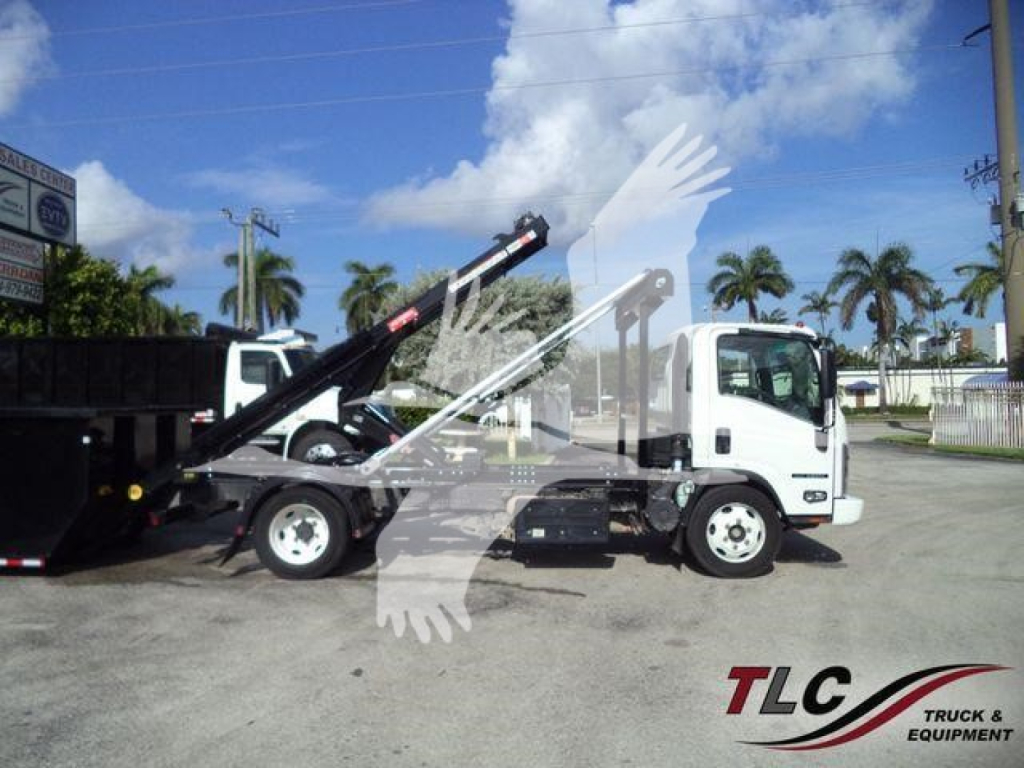
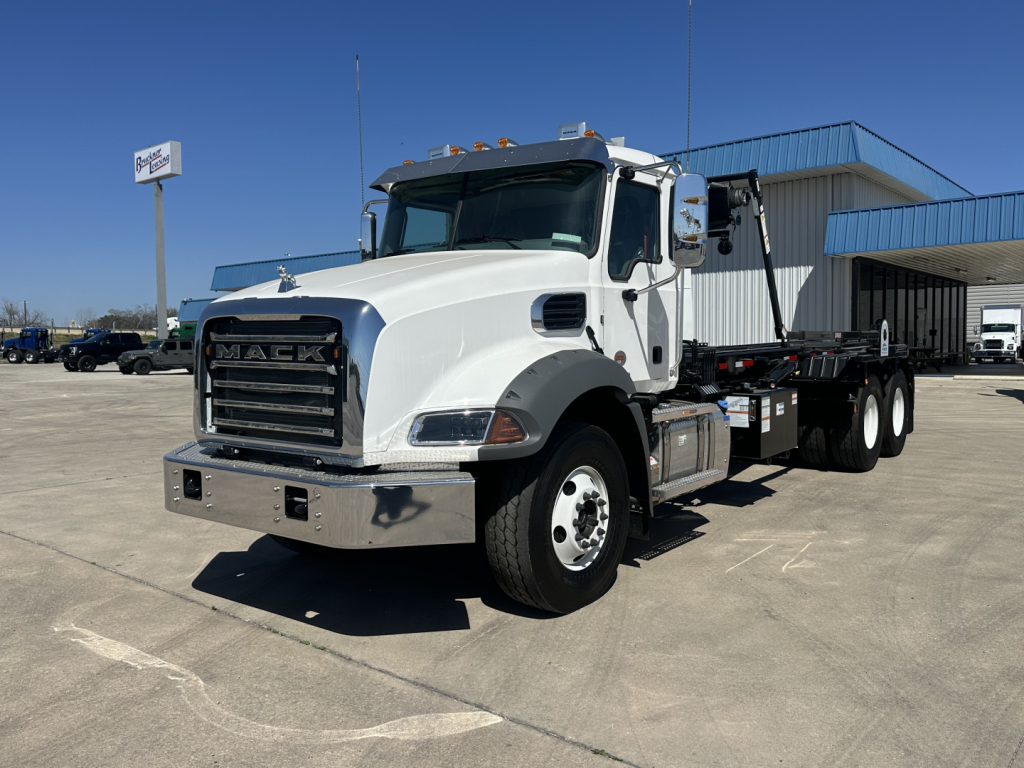
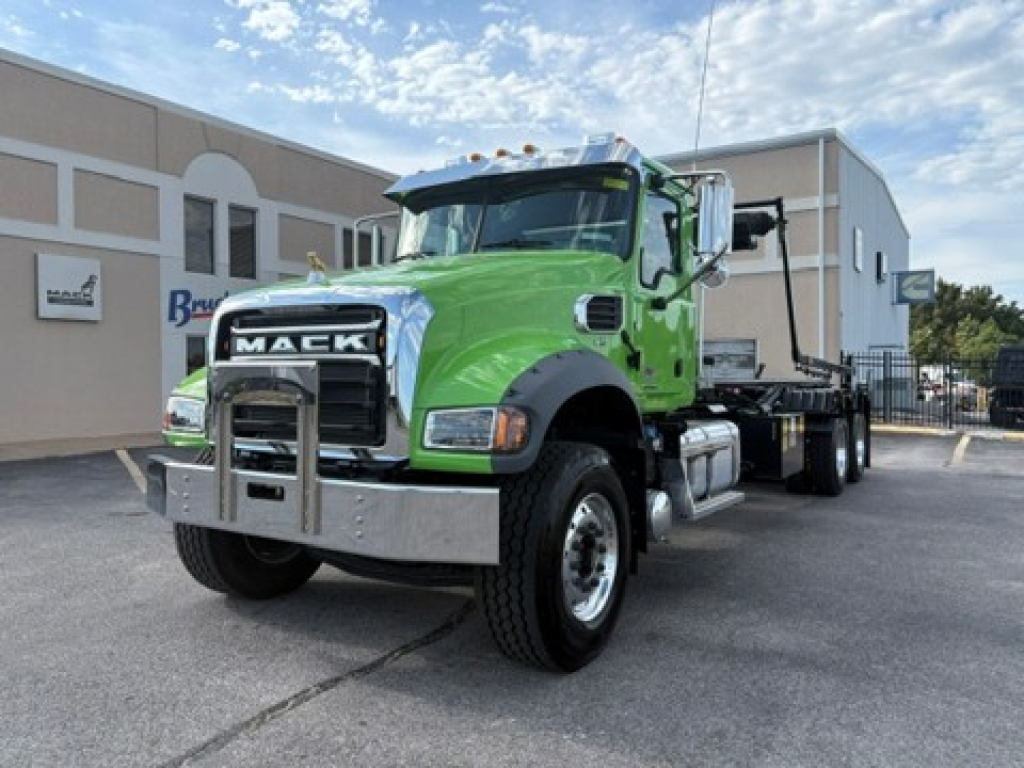
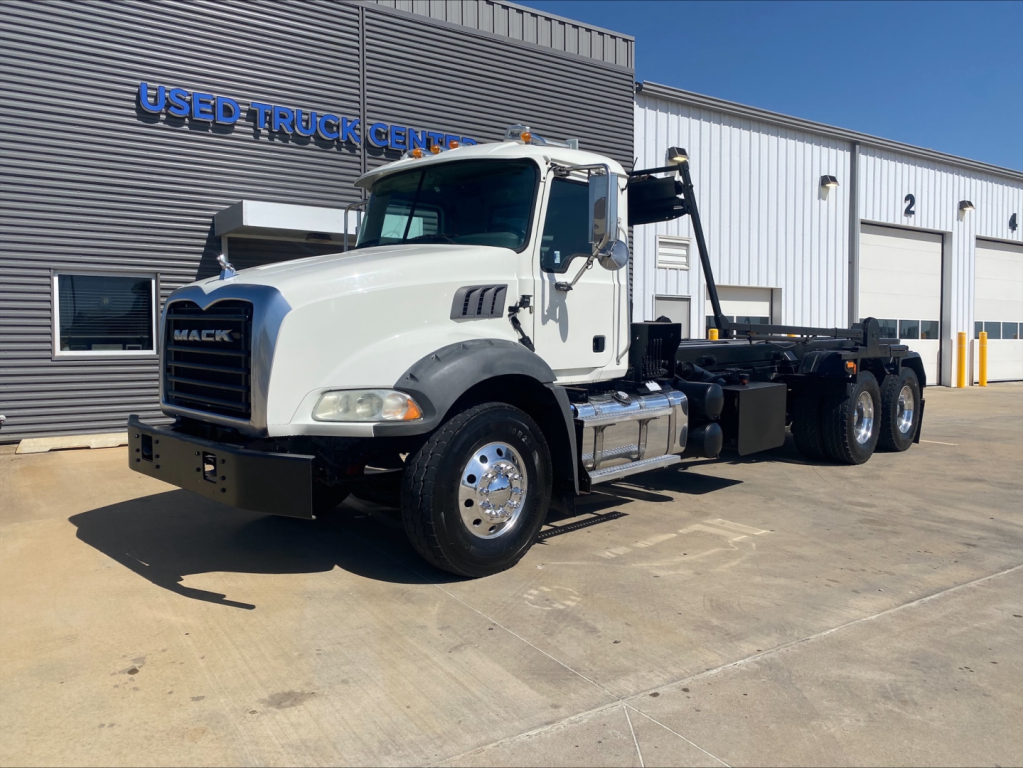
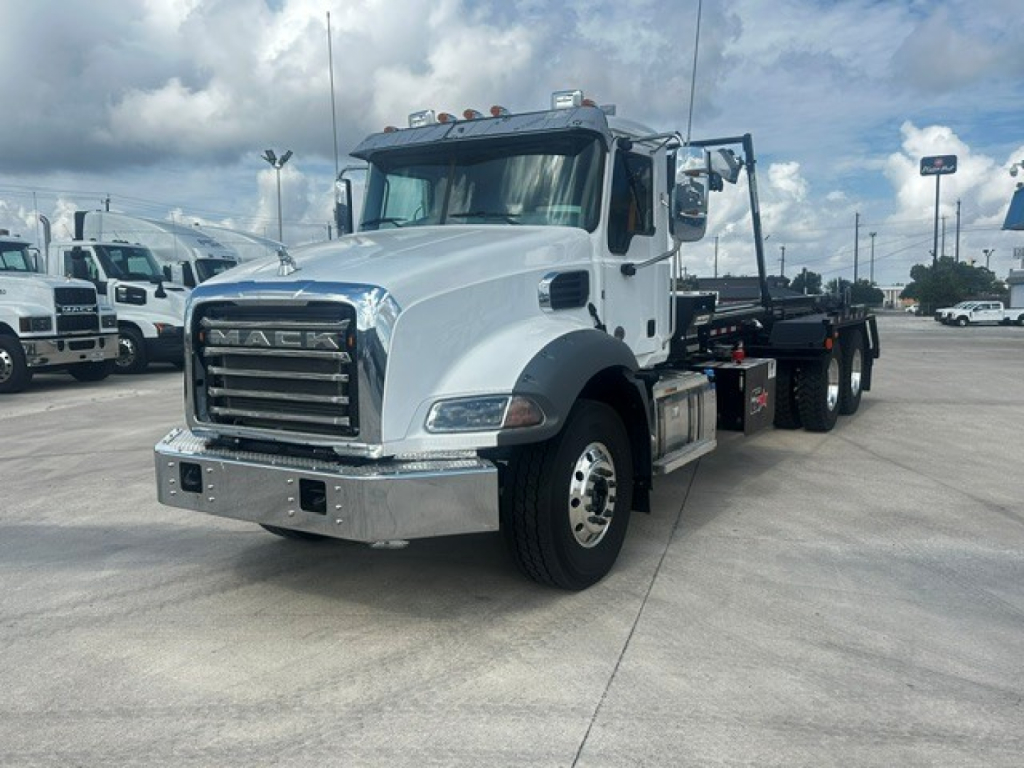
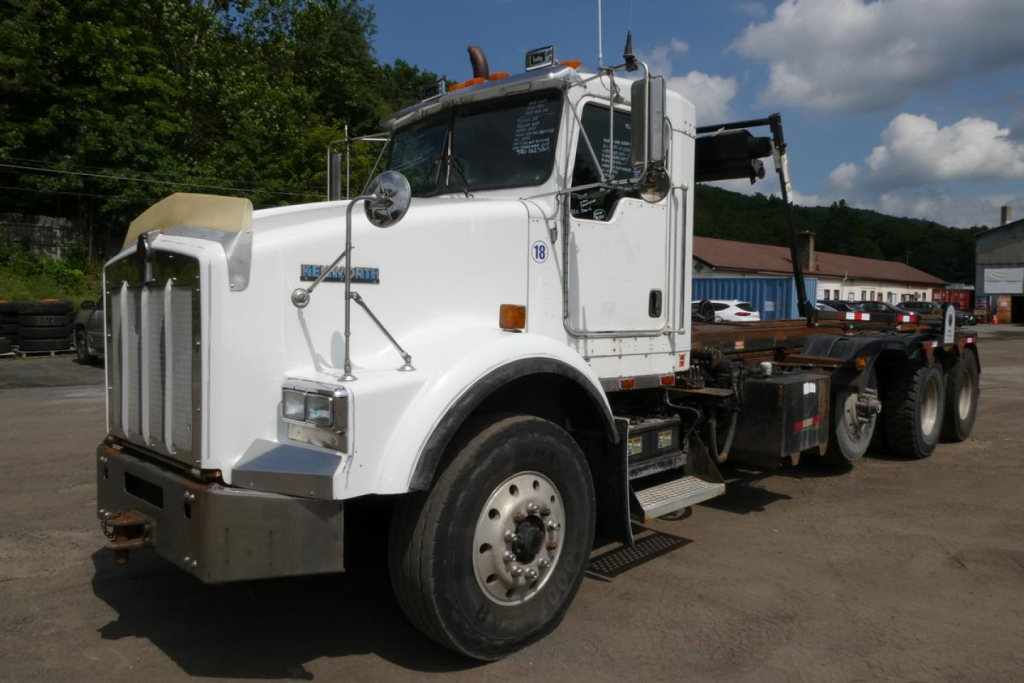
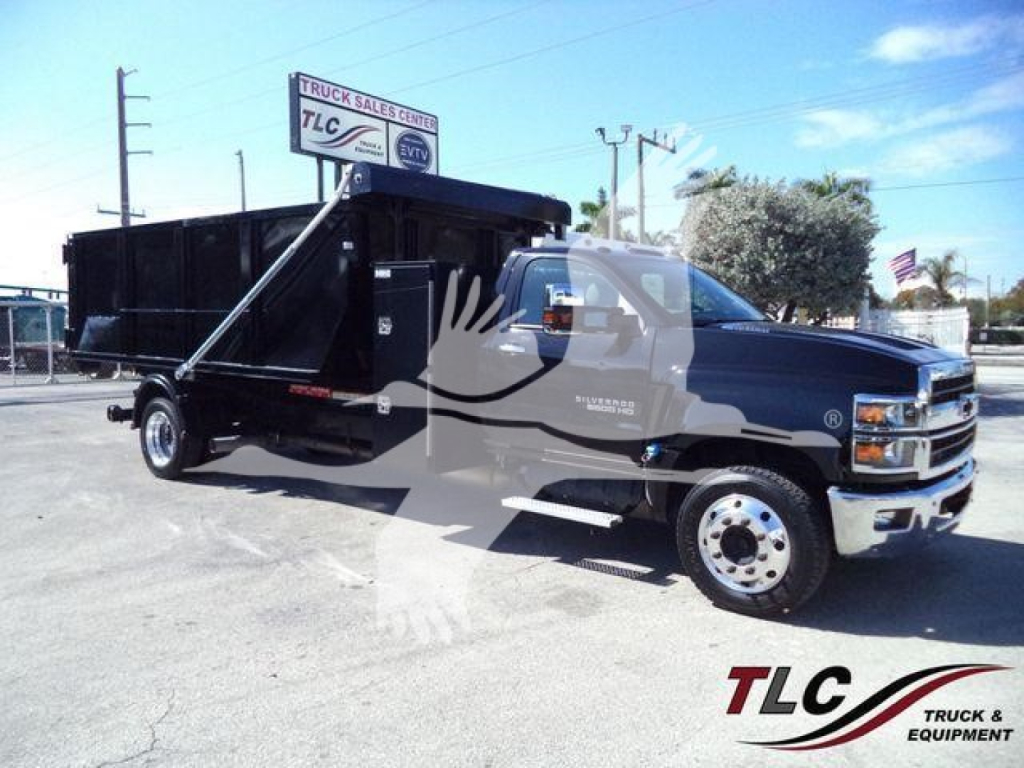
Showing 1 to 28 of 142 results
Selling a rolloff truck? List your rolloff truck for sale and reach thousands of commercial buyers.
Rolloff Trucks
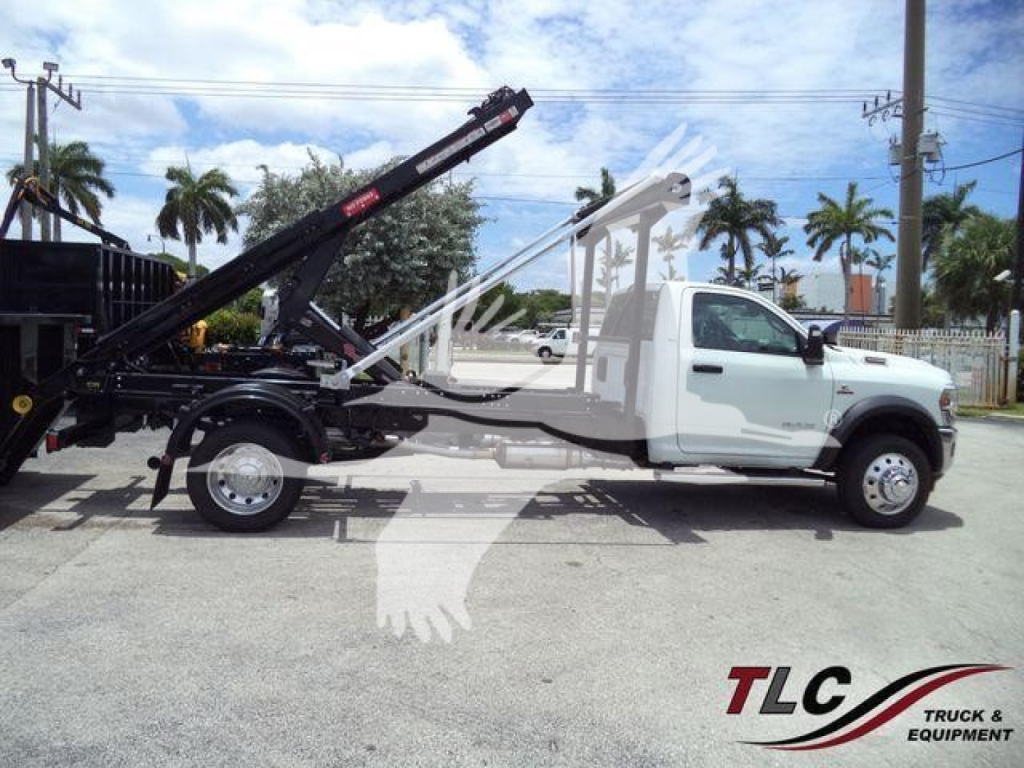
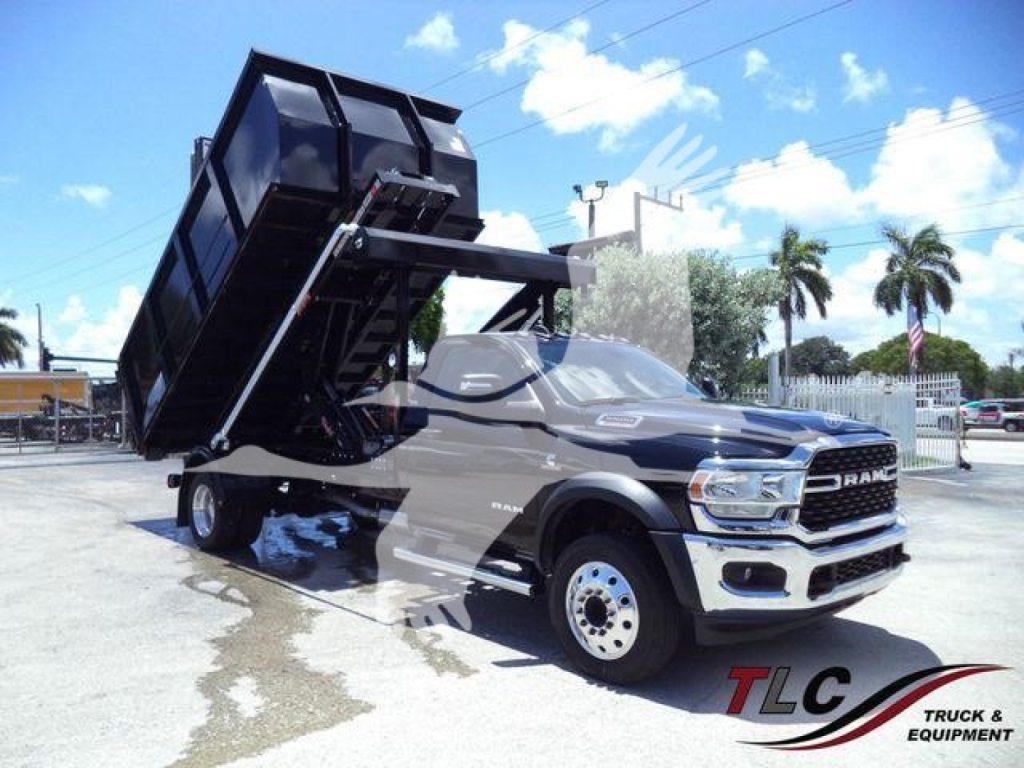
Most rolloff trucks in the market use either a cable hoist with winch or a hooklift-style system. Cable rolloffs remain common in refuse and demolition because they are straightforward, durable, and well understood by operators and body shops. Hooklift systems add flexibility when one chassis needs to handle interchangeable bodies such as dumpsters, flatbeds, salt spreaders, or landscape bodies. Key specs to compare include hoist rating, container length compatibility, cable or hook capacity, inside and outside controls, tarp system, PTO setup, and hydraulic speed under load. Buyers should also look closely at wheelbase, back-of-cab clearance, and kingpin-to-axle style measurements when matching the truck to containers and jobsite access requirements.
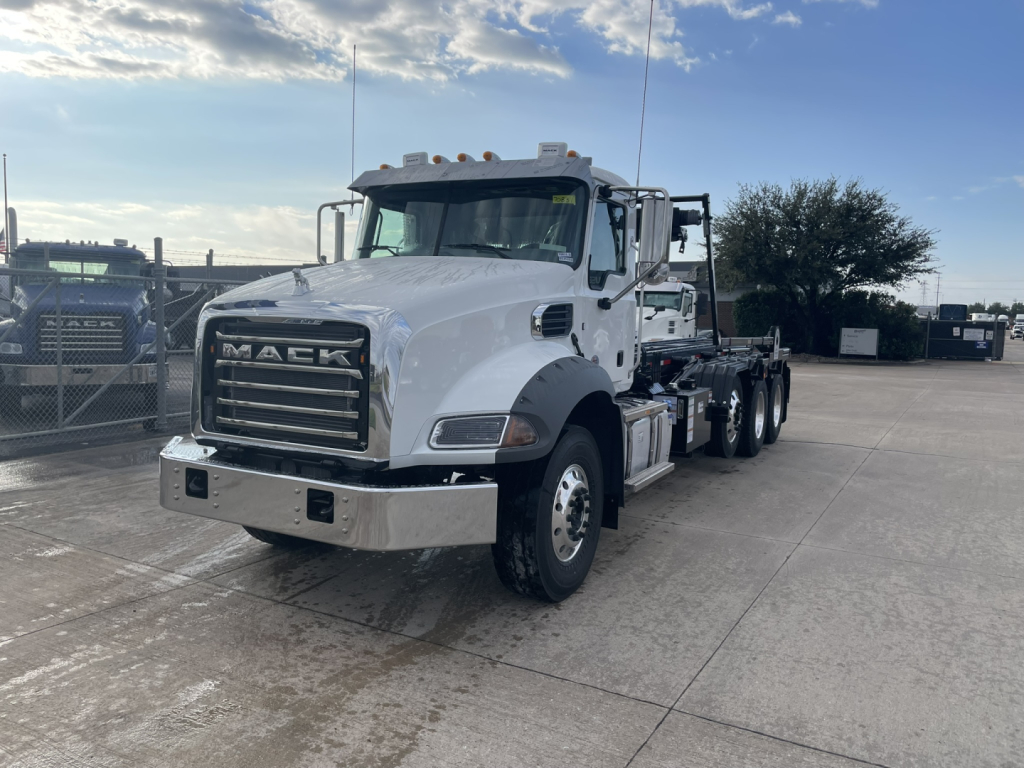
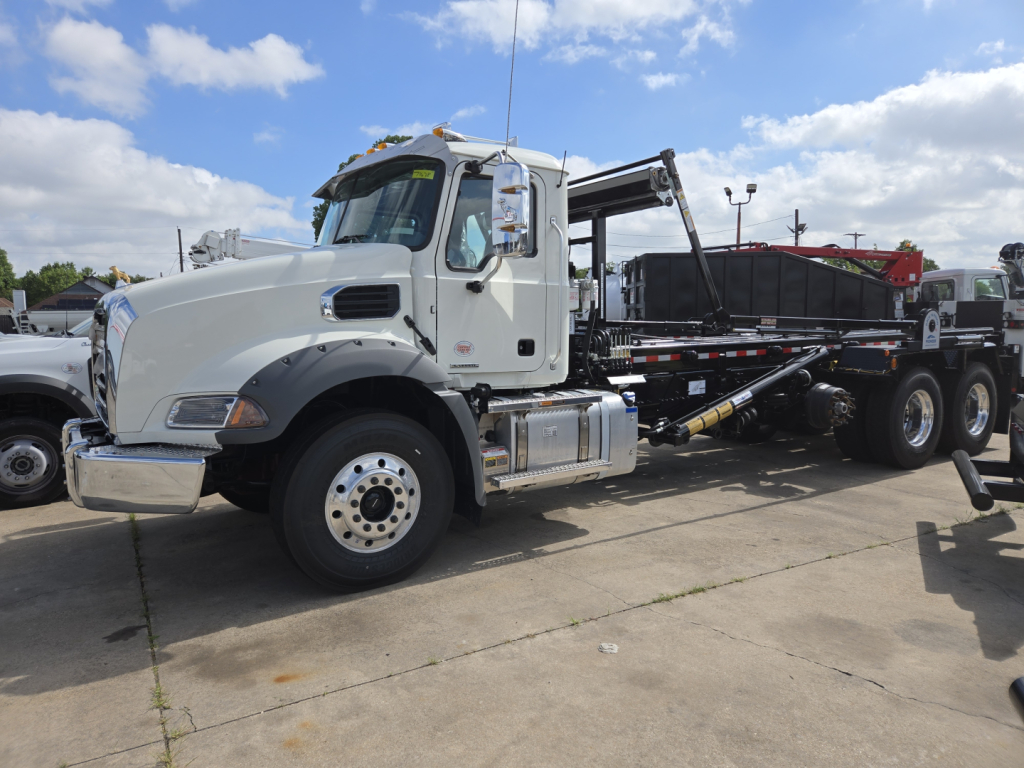
Chassis spec matters as much as the hoist. Common rolloff platforms include vocational models from Mack, Volvo, Isuzu, and similar medium-duty to heavy-duty builders. Engine horsepower, rear axle ratio, and transmission choice affect launch, gradeability, and stop-and-go efficiency. Allison automatics are popular in urban refuse and container service because they reduce driver fatigue and hold up well in repeated loading cycles. Front axle ratings, rear suspension type, frame reinforcements, and brake configuration should match the expected can size and material density. A truck handling mixed C&D debris has different needs than one hauling light brush or landscape material. Tire size, lift axle availability, and local bridge-law considerations can also change what is practical in daily service.
Condition and upfit details deserve extra attention on used rolloff trucks. Inspect the hoist rails, winch, sheaves, hydraulic cylinders, body saddles, rear rollers, and hinge points for wear or signs of twisting. Check for cracks around frame inserts and hoist mounts, uneven tire wear, and corrosion in electrical connections for tarp and control systems. Ask about container compatibility, service history, PTO operation, and whether the truck has a pintle hitch, receiver, trailer brake provisions, camera systems, or cab protection. A well-matched rolloff truck should load cleanly, track straight with a full can, and fit the lane width, disposal sites, and turnaround times of the work it is expected to do.
Also known as: Roll-Off Dumpster Truck, Roll-Off Container Truck
Frequently Asked Questions about Rolloff Trucks
What is the difference between a cable rolloff truck and a hooklift truck?
A cable rolloff truck uses a winch and cable to pull rolloff containers onto rails, while a hooklift uses a hydraulic arm with a hook to lift and set interchangeable bodies. Cable systems are common in waste, demolition, and scrap service because they are simple and proven. Hooklifts are valued when one truck needs to switch between dumpsters, flatbeds, and other attachments. The right choice depends on the containers already in your fleet, the types of loads you haul, and how much body interchangeability you need.
What GVWR and axle setup is best for a rolloff truck?
The best GVWR and axle setup depends on container size, material weight, and whether the truck must stay under CDL or bridge-law limits. Medium-duty single-axle trucks are often used for smaller cans, light debris, and urban routes where maneuverability matters. Tandem-axle rolloff trucks are better suited for heavier construction debris, scrap, and higher hoist capacities. Buyers should match front axle rating, rear axle capacity, suspension, and frame strength to the actual density of the loads, not just the container volume.
What should I inspect on a used rolloff truck before buying?
Focus on the hoist and frame first. Inspect rails, rollers, cable or hook components, hydraulic cylinders, PTO operation, and mounting areas for cracks, elongation, or weld repairs. Check that the truck loads and unloads smoothly, that the controls work from all stations, and that the tarp system operates correctly. Tire wear, brake condition, rear suspension wear, and corrosion in electrical and hydraulic systems can reveal how hard the truck has been worked and how well it was maintained.
Are non-CDL rolloff trucks practical for commercial work?
Yes, non-CDL rolloff trucks can be practical for landscaping, junk removal, small dumpster service, roofing, and light construction debris, especially in dense urban areas. Their main advantages are easier driver staffing, tighter turning radius, and lower operating costs than heavier vocational chassis. The tradeoff is lower payload and smaller container compatibility. Buyers should confirm GVWR, hoist rating, and legal operating limits before assuming a non-CDL setup will handle the intended route and material mix.
What container lengths do rolloff trucks typically handle?
Container compatibility varies by hoist design, rail length, wheelbase, and chassis spec. Smaller medium-duty setups may be configured for shorter 10-foot to 15-foot cans, while larger heavy-duty rolloff trucks commonly handle longer containers used in demolition and construction service. The important point is not just container length but total loaded weight, rail geometry, and clearance during loading and unloading. Always verify the hoist manufacturer's approved container range and the truck's actual setup before mixing can sizes across a fleet.