
Isuzu Rolloff Trucks For Sale
Browse Isuzu rolloff trucks built for non-CDL debris, landscape, and waste hauling with versatile hoists, compact dimensions, and diesel power.
Selling a isuzu rolloff truck? List your isuzu rolloff truck for sale and reach thousands of commercial buyers.
Isuzu Rolloff Trucks
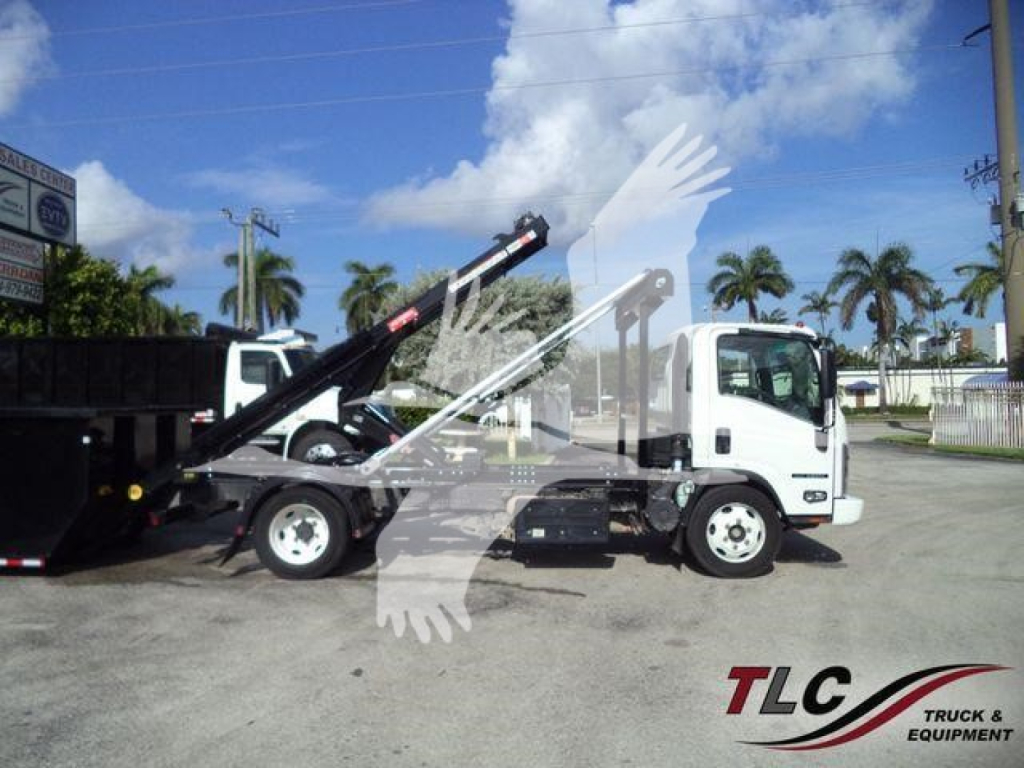
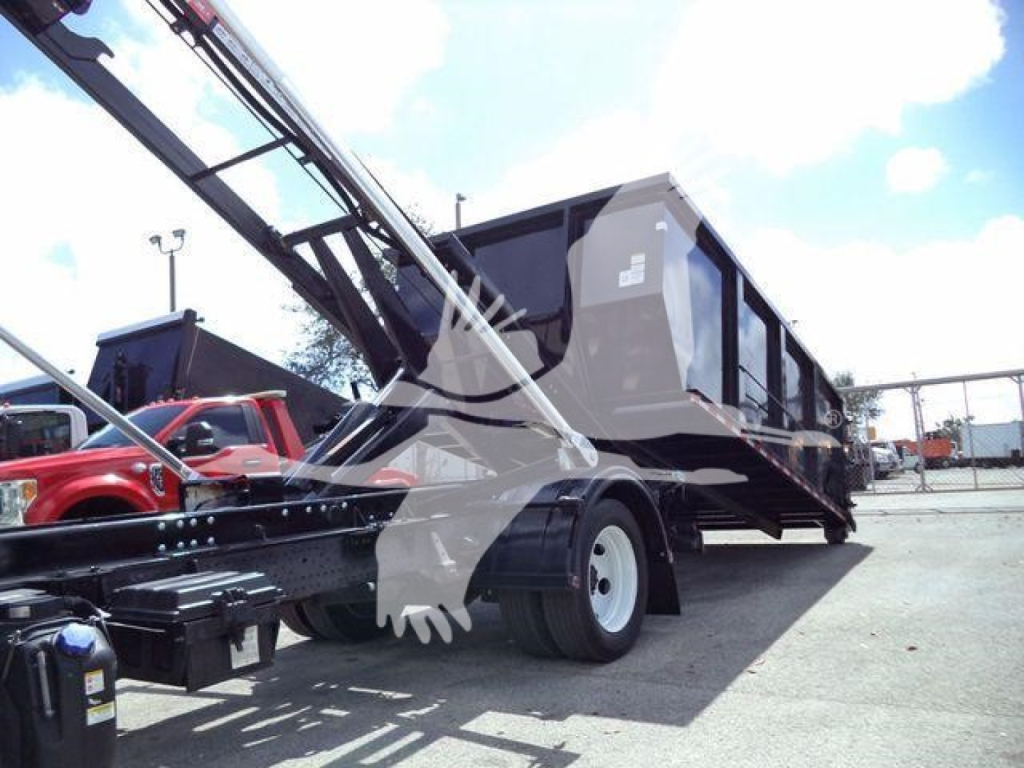
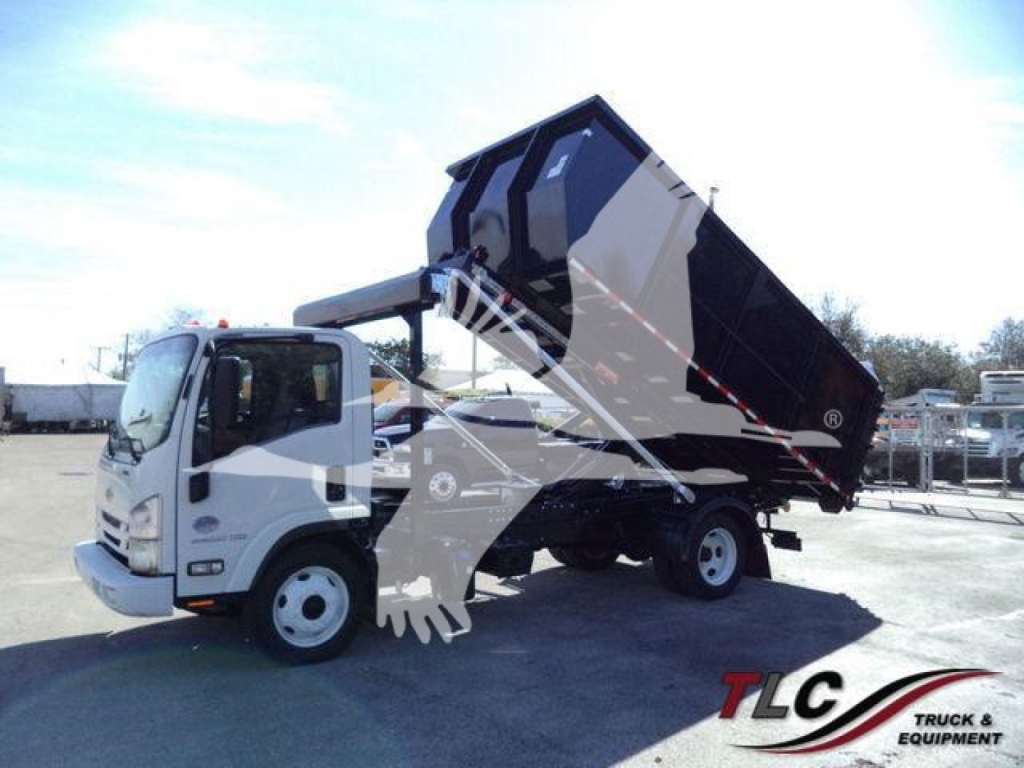
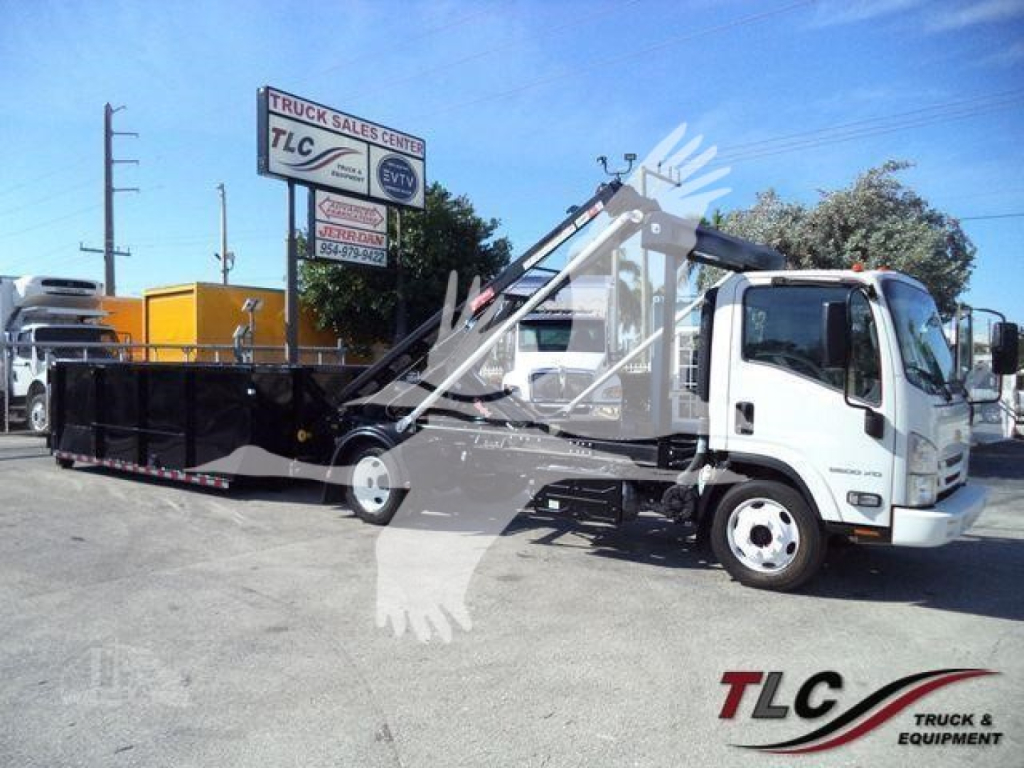
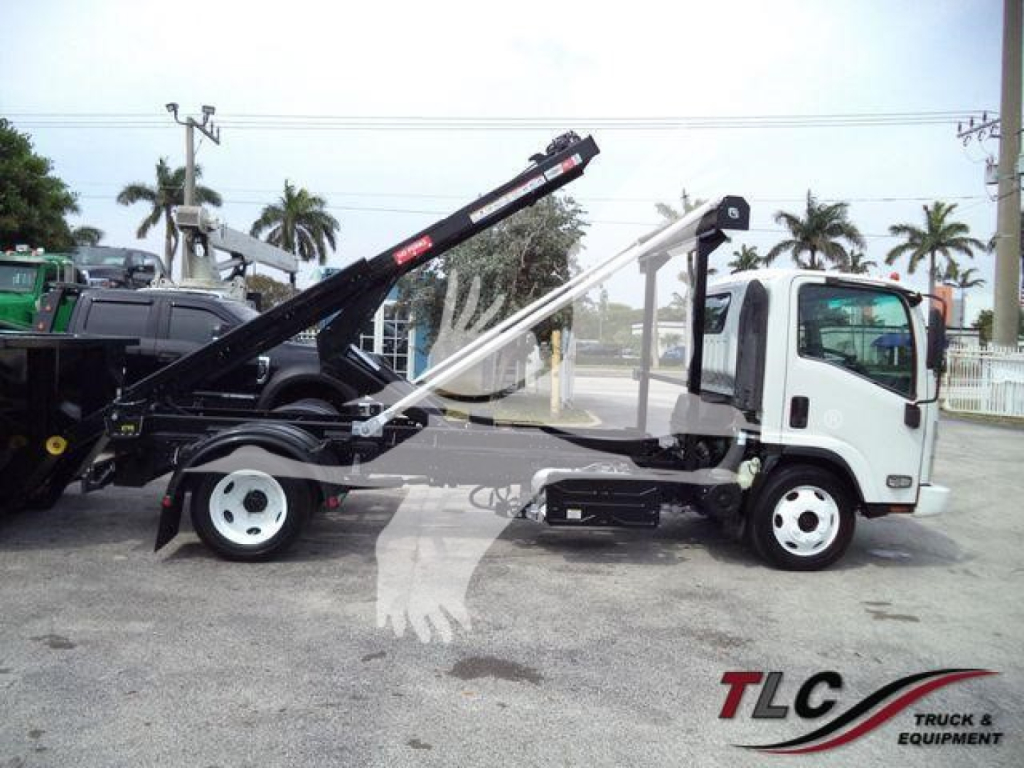
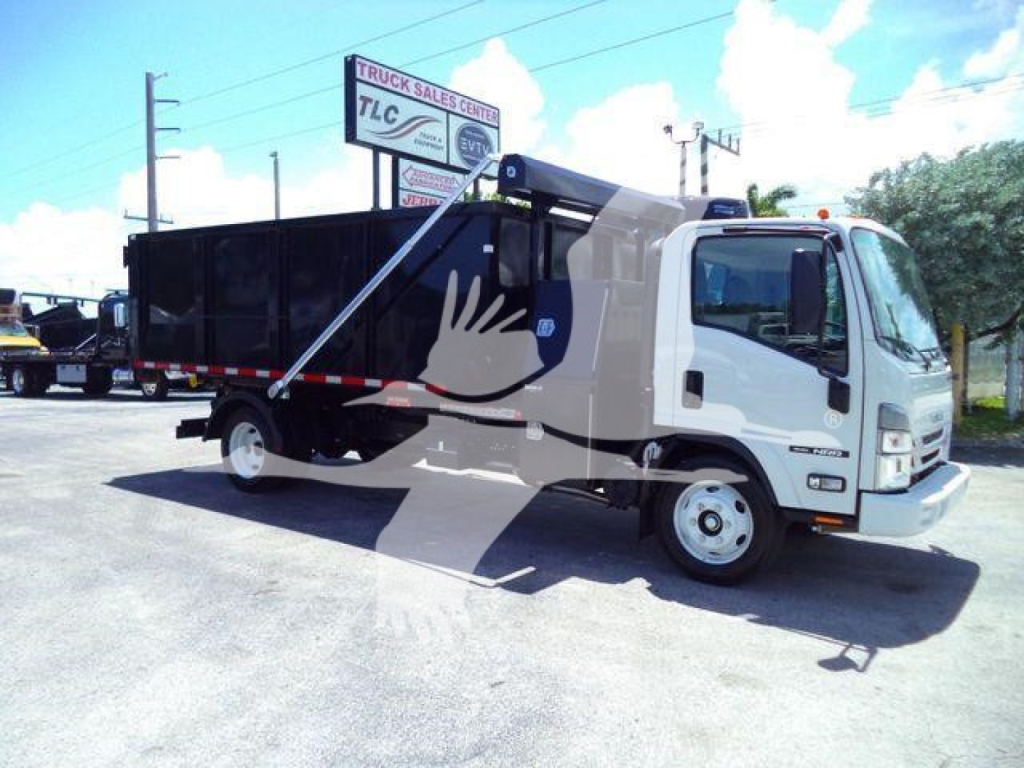
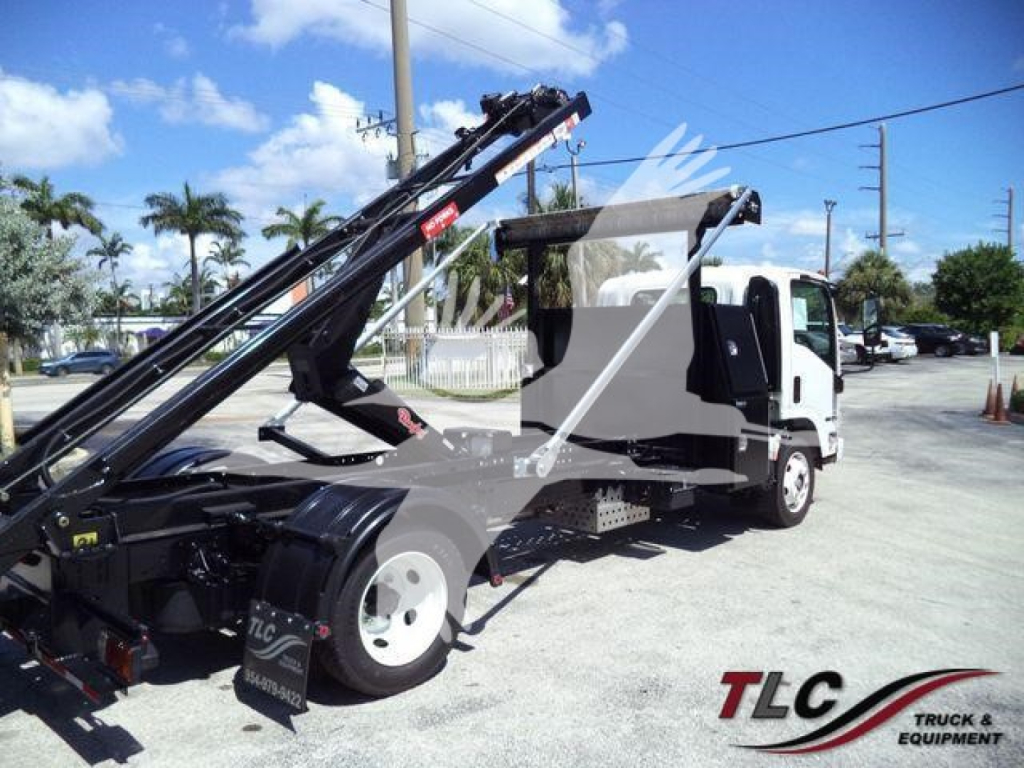
For buyers comparing listings, payload and body system details matter more than just model year. Many Isuzu rolloff trucks use the 5.2L 4HK turbo diesel with an automatic transmission, a combination known for good maneuverability in urban routes and tight residential work. Wheelbase, hoist rating, cable length, winch capacity, and container size all affect how the truck performs in the field. A 150-inch wheelbase is common on NRR rolloff builds because it balances body fitment with turning radius. Buyers should also look closely at side height, rear door style, tarp setup, hitch equipment, trailer brake provisions, and whether the truck includes inside and outside hoist controls.
This equipment class is popular with landscaping companies, junk removal operations, small waste haulers, municipalities, and general contractors who rotate multiple cans with one chassis. Compared with a dedicated dump truck, an Isuzu rolloff can stay productive across more jobs by swapping containers for brush, scrap, construction debris, or material delivery. The cabover design is a major advantage in dense service areas because it improves forward visibility and cuts the overall bumper-to-body length. That shorter footprint can make a noticeable difference when backing into alleys, loading in subdivisions, or working around parked vehicles.
A careful buyer will verify body compatibility and operating history before choosing a truck. Check the hoist manufacturer, container dimensions, hydraulic condition, winch operation, frame condition, and any signs of hard use around the rails, rear rollers, and mounting points. If towing is part of the work plan, confirm hitch rating, receiver size, electrical connections, and brake controller setup. On used Isuzu rolloff trucks, it is also smart to review GVWR compliance, axle ratings, tire condition, and service records for the diesel engine, transmission, and hydraulic system. A well-matched Isuzu rolloff truck can be a very efficient tool for high-frequency container work where maneuverability, lower operating cost, and non-CDL convenience are priorities.
Frequently Asked Questions about Isuzu Rolloff Trucks
What makes an Isuzu rolloff truck a strong choice for non-CDL work?
Many Isuzu rolloff truck builds are based on the NRR chassis with a 19,500-lb GVWR, which commonly keeps the truck under the 26,001-lb threshold that triggers CDL requirements in many applications. That makes them attractive for landscaping, junk removal, roofing, and light debris hauling where hiring flexibility and easier driver qualification matter. Buyers still need to account for local rules, actual registered weight, payload, and any trailer combination weights before assuming a non-CDL setup.
What body size is most common on an Isuzu rolloff truck?
A 14-foot container is one of the most common pairings on Isuzu NRR rolloff trucks, especially in Switch-N-Go style applications. Typical container specs in this class are around 8 feet wide with side heights near 51 inches, which suits brush, trash, light C&D debris, and general contractor cleanup. The exact usable volume and payload depend on the hoist rating, container construction, axle limits, and the density of the material being hauled.
Are Isuzu rolloff trucks better suited for city routes than larger rolloff trucks?
In many cases, yes. Isuzu cabover chassis are well suited for urban and suburban service because they offer a short overall length, tight turning characteristics, and strong forward visibility. That makes them easier to position on narrow streets, residential driveways, alleys, and compact jobsites than a larger conventional cab rolloff truck. They are generally best for smaller containers and lighter-duty routes rather than the high-volume waste applications handled by full-size rolloff trucks.
What should I inspect on a used Isuzu rolloff truck?
Focus on both the chassis and the upfit. On the chassis side, review engine and transmission service history, axle ratings, tire wear, brake condition, and signs of frame corrosion or overload stress. On the body side, inspect the hoist, hydraulic pump, hoses, cylinders, controls, rear rollers, winch, cable, tarp system, and container locking points. Uneven wear around the rails or body mounts can point to alignment issues or repeated heavy loading.
Can an Isuzu rolloff truck tow a trailer or additional equipment?
Some Isuzu rolloff trucks are equipped with an ICC bumper hitch, receiver tube, trailer brake wiring, and a 7-way plug, which can make them useful for pulling support trailers or equipment trailers within rated limits. The important step is to verify the actual hitch rating, towing setup, GCWR, and state weight laws for the intended application. Towing capacity on a rolloff truck is not determined by the hitch alone, because body weight, payload, axle ratings, and braking capability all affect legal and safe operation.