
International Trucks For Sale
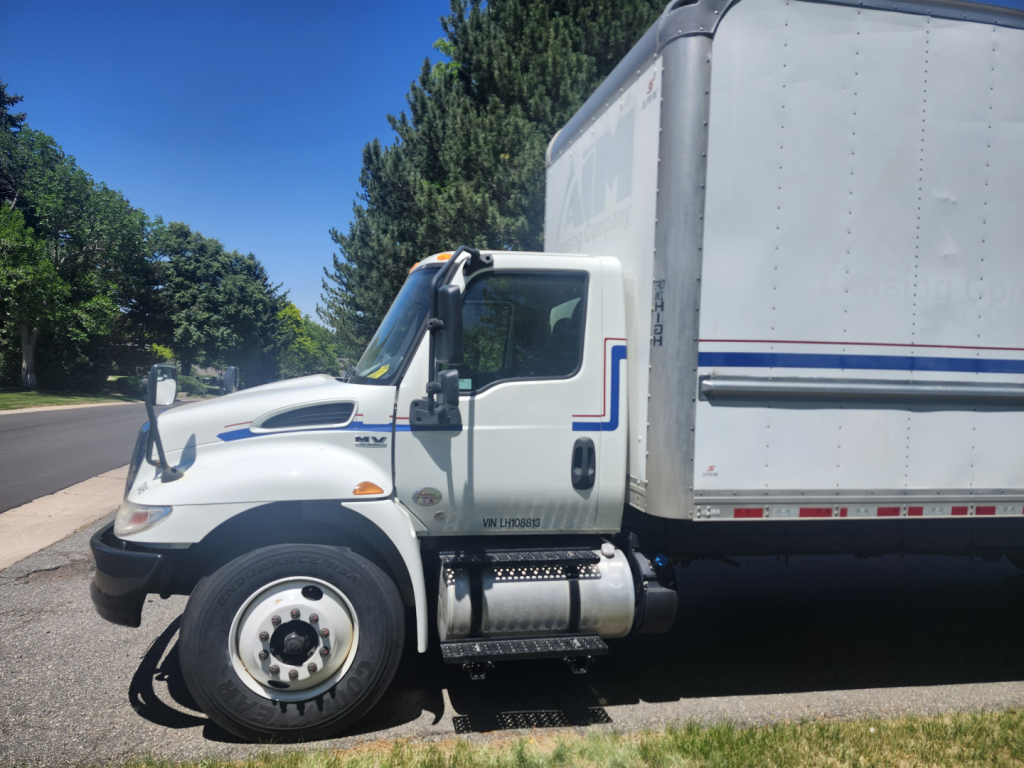
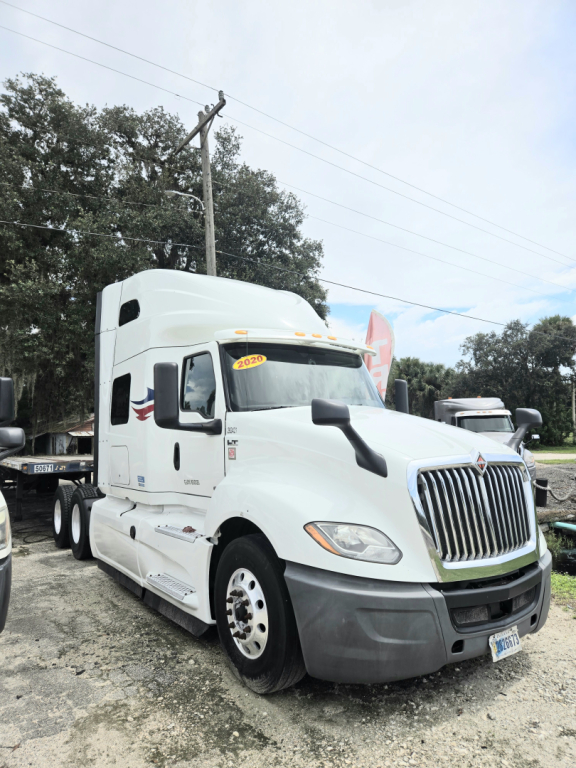
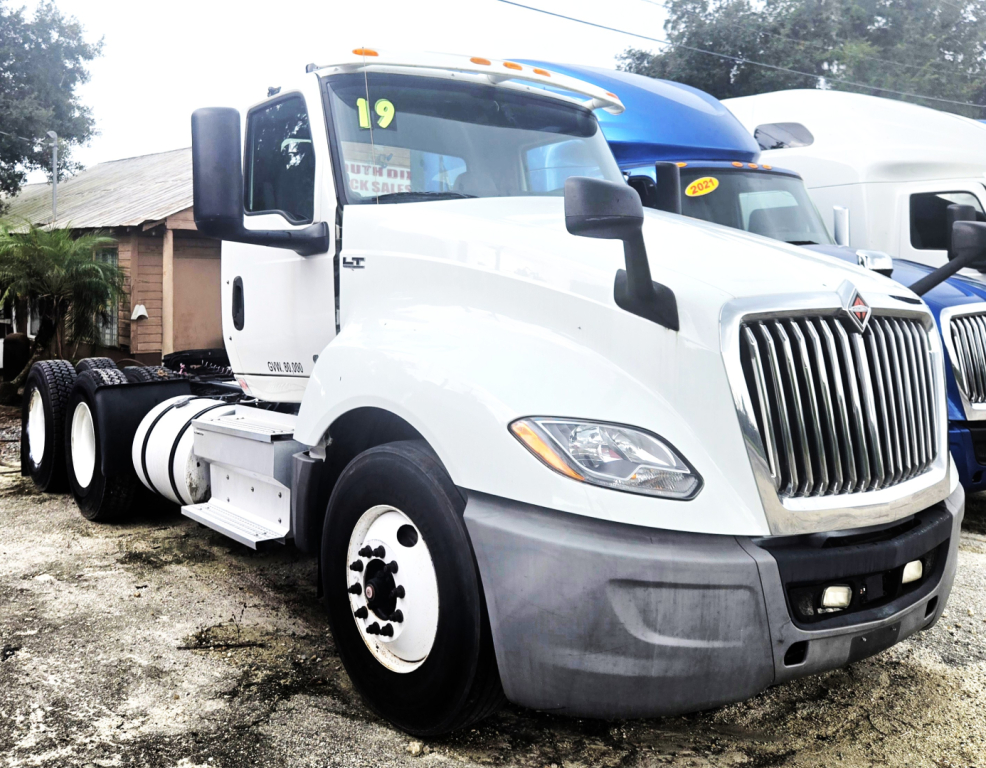
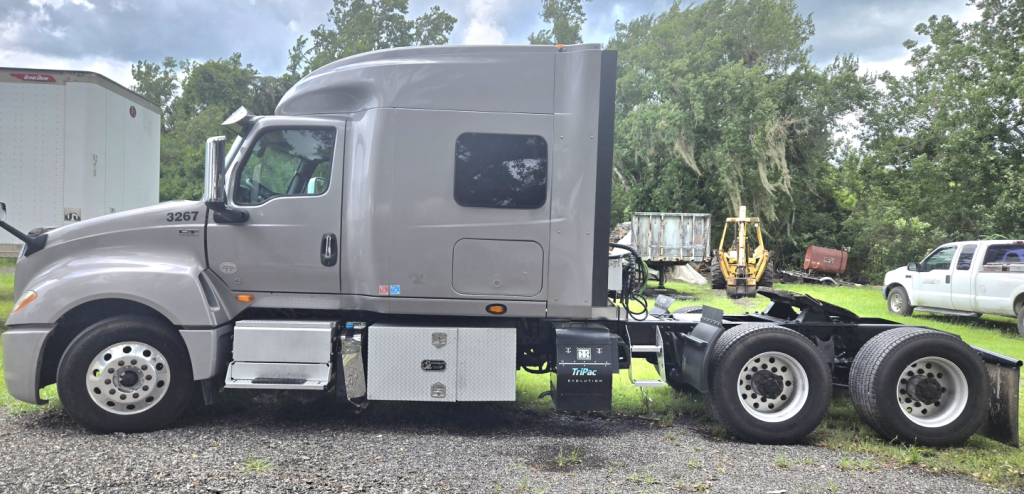
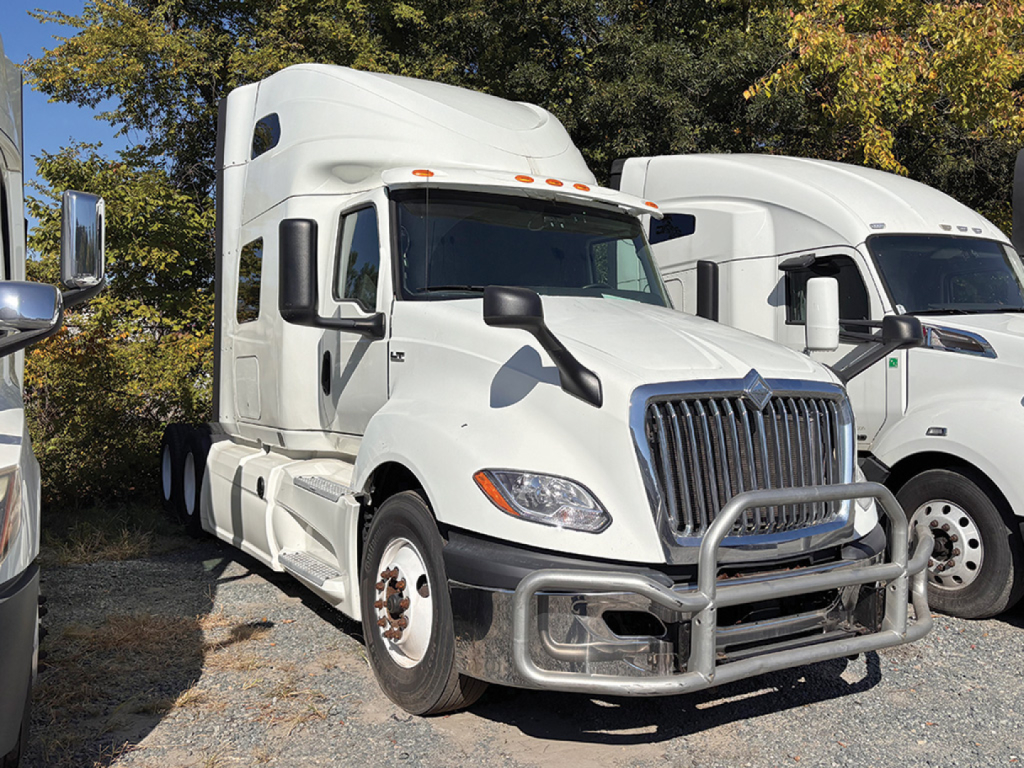
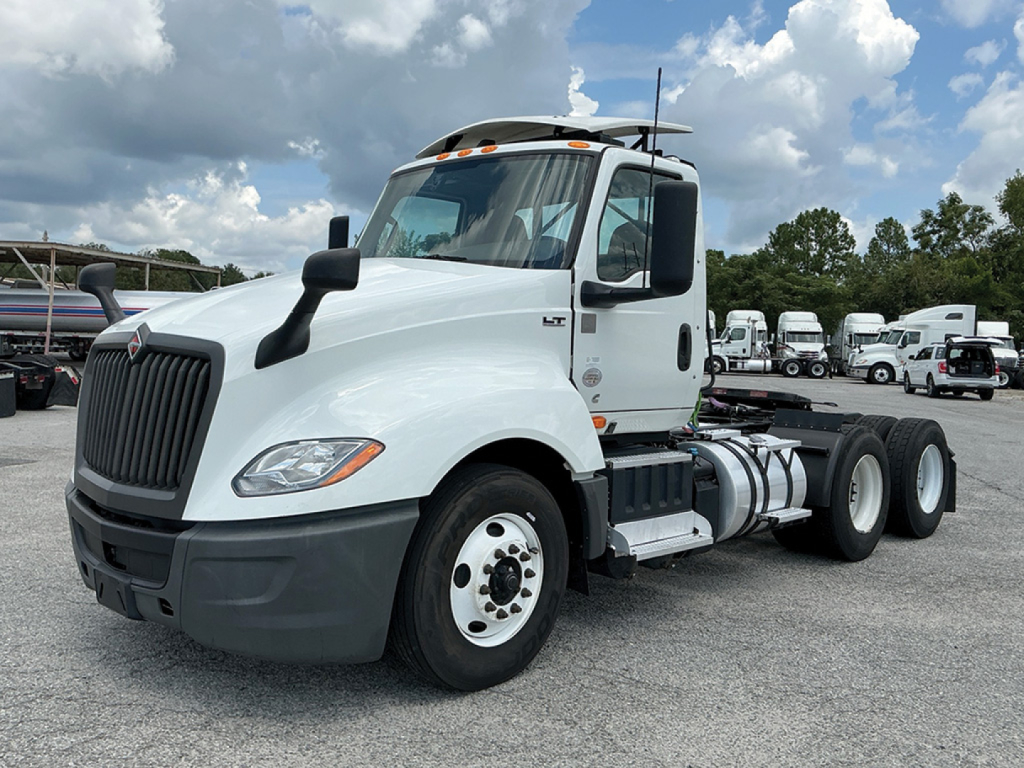
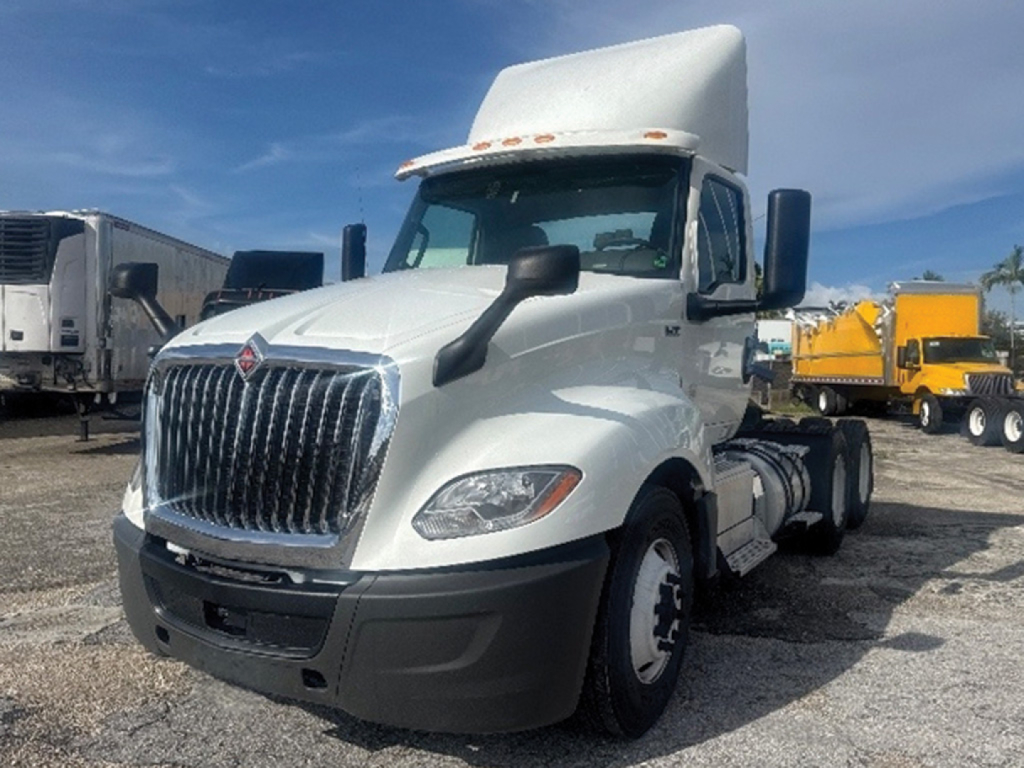
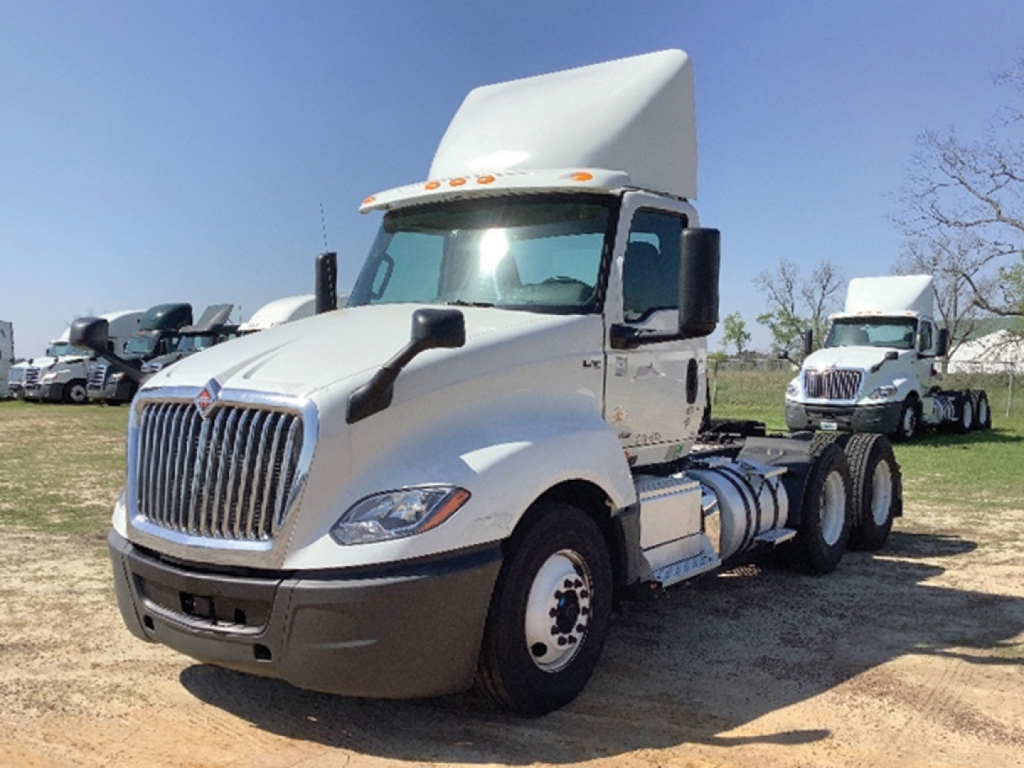
Browse International trucks for sale, including LT, RH, and CV models with specs on engines, GVWR, sleepers, axles, and vocational uses.

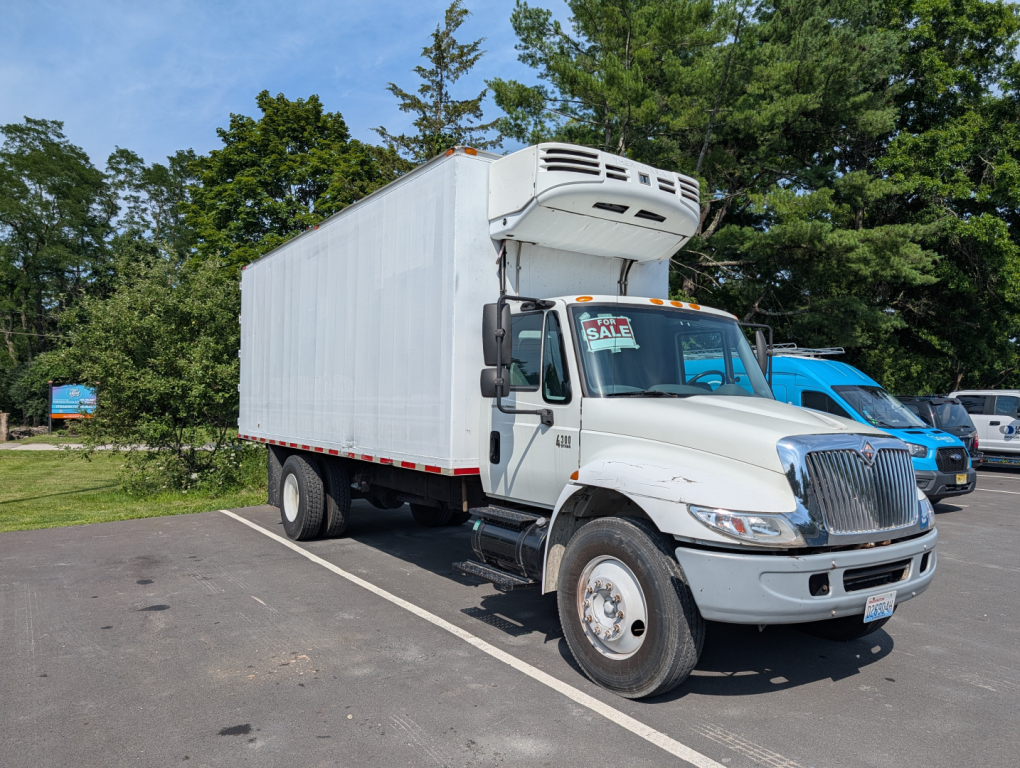
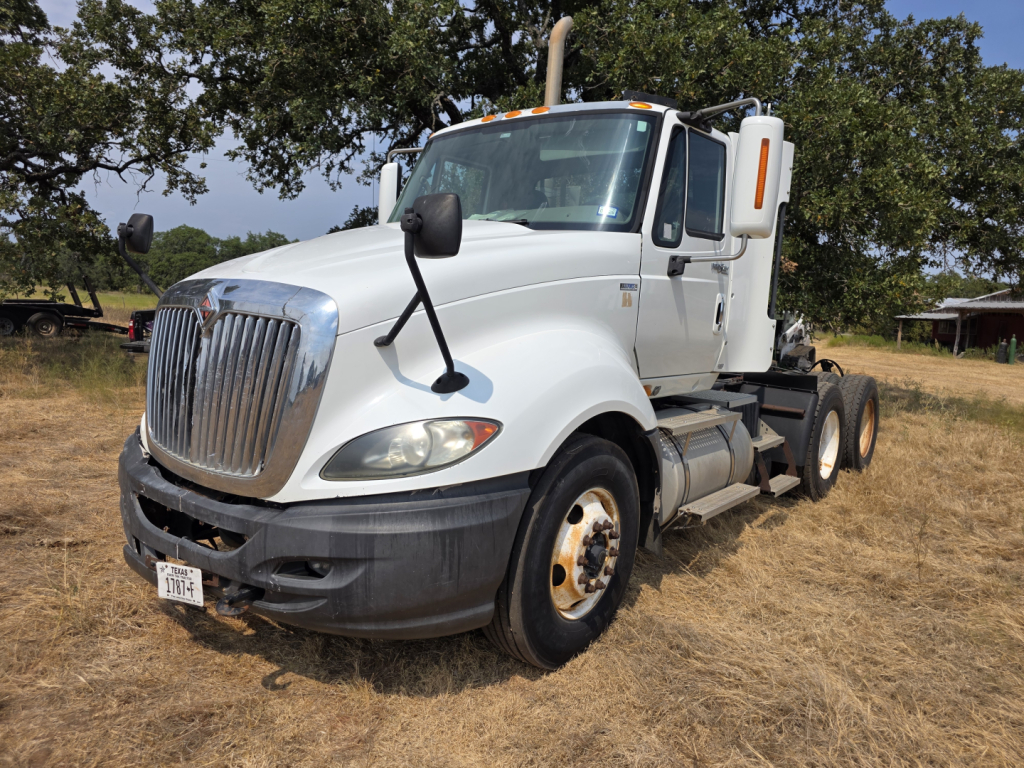
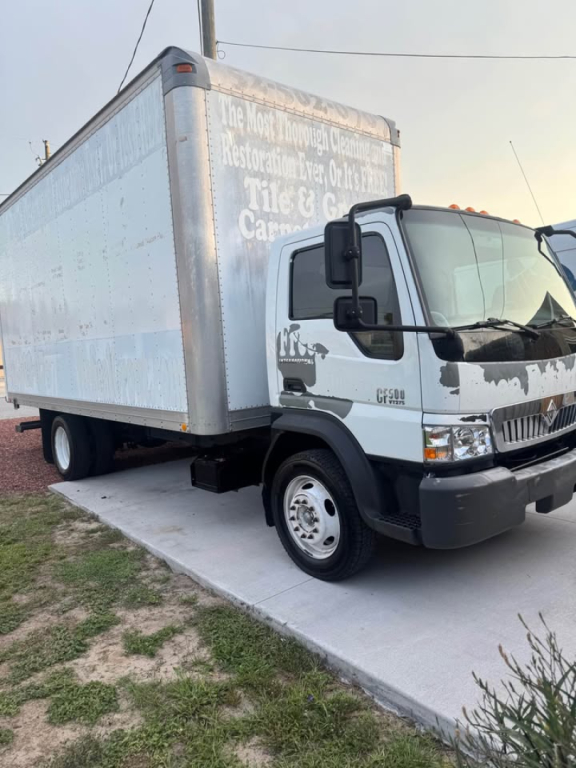
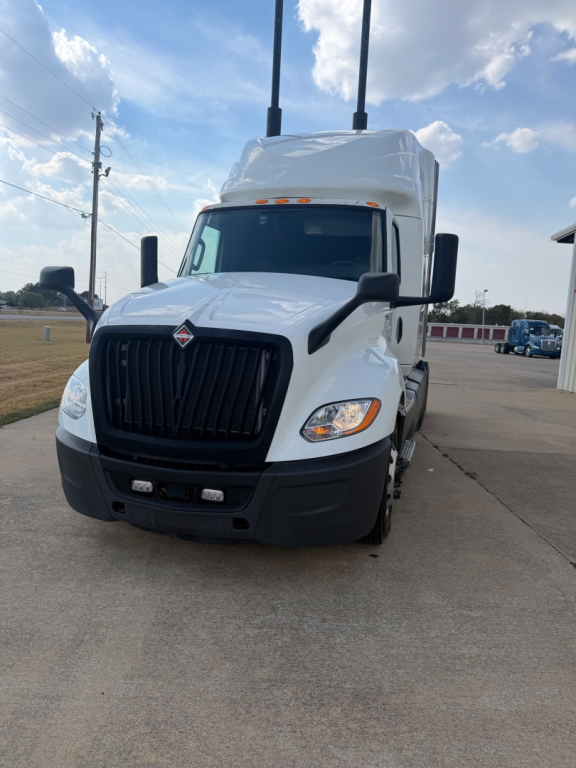
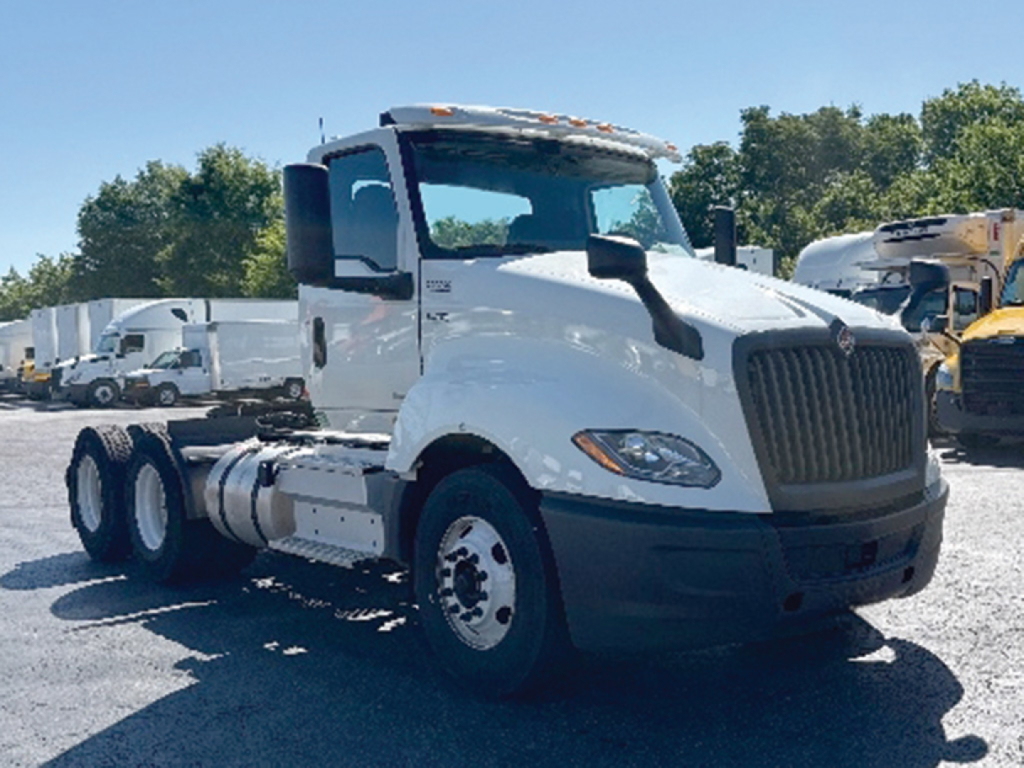
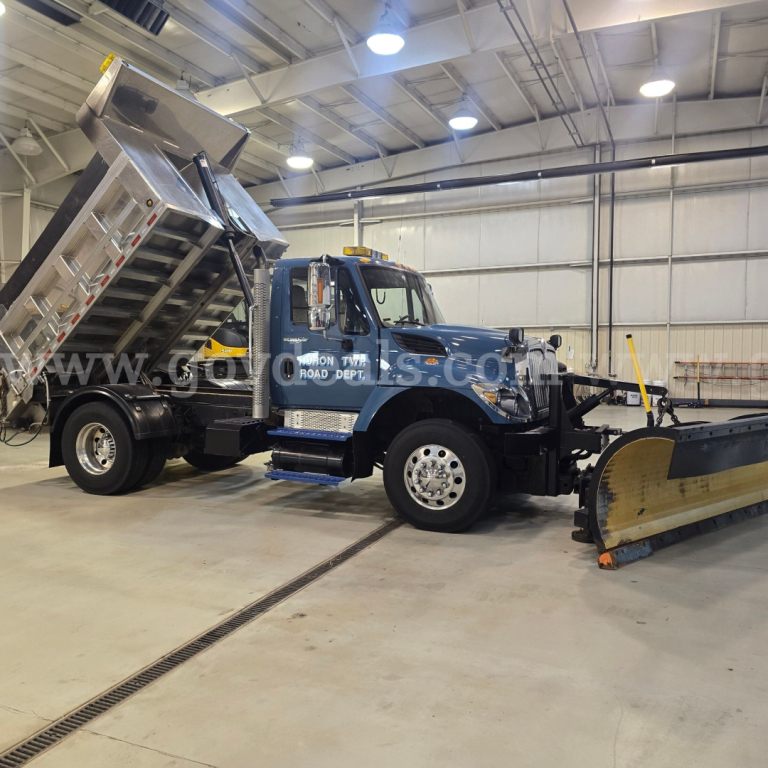
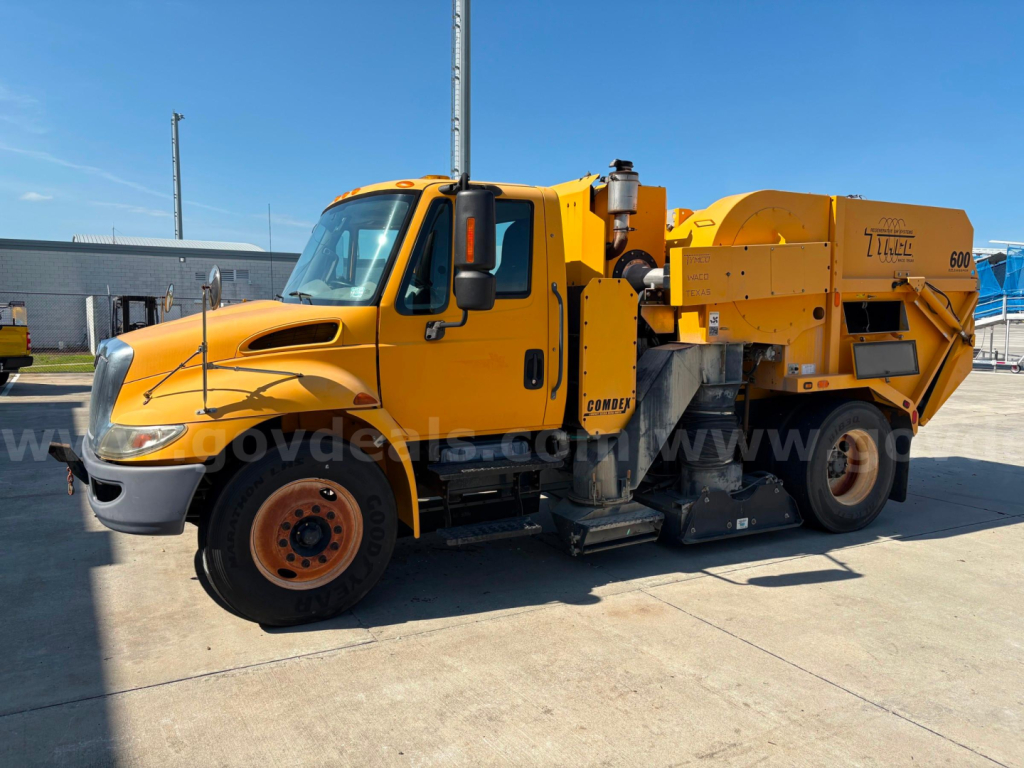
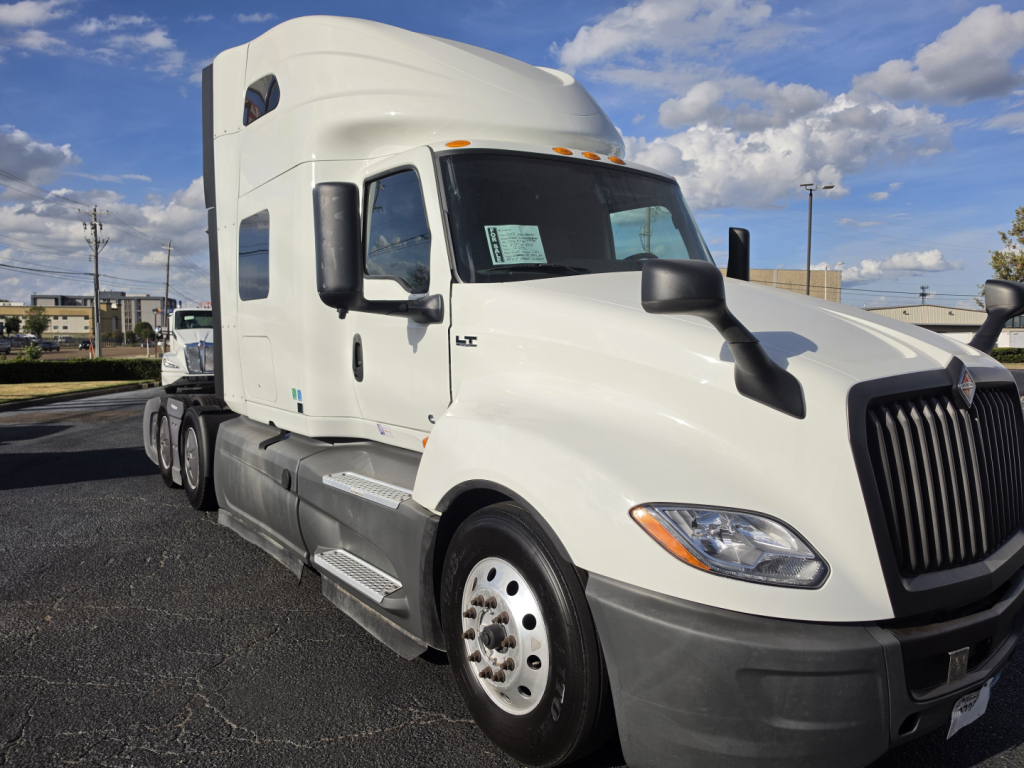
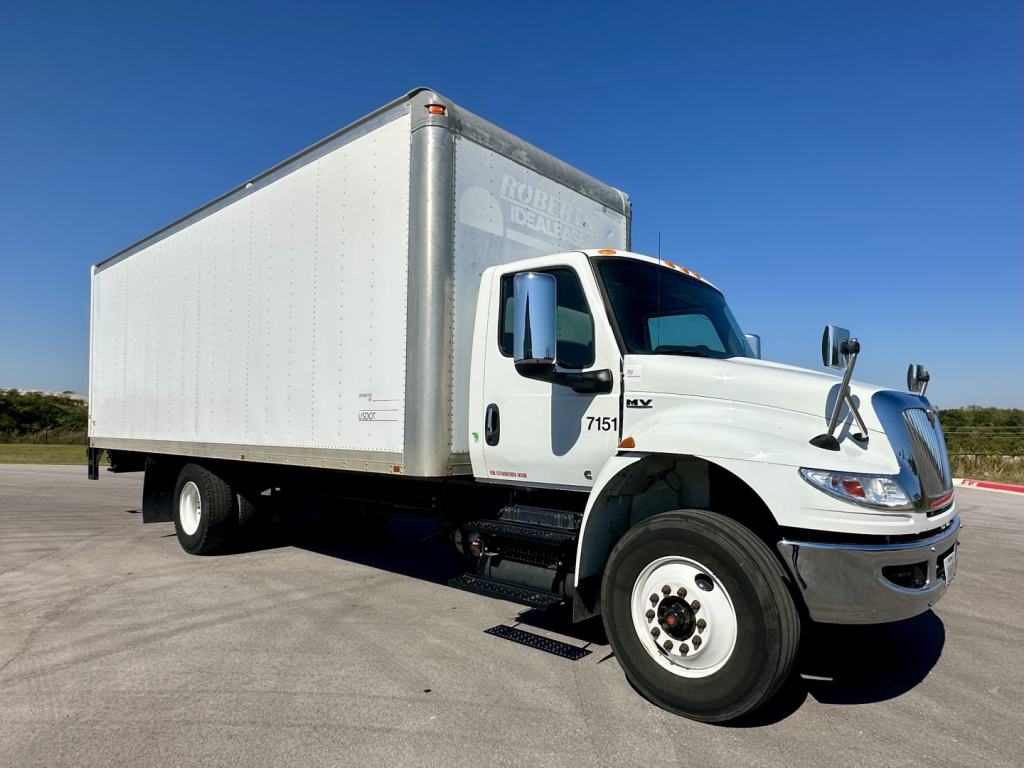
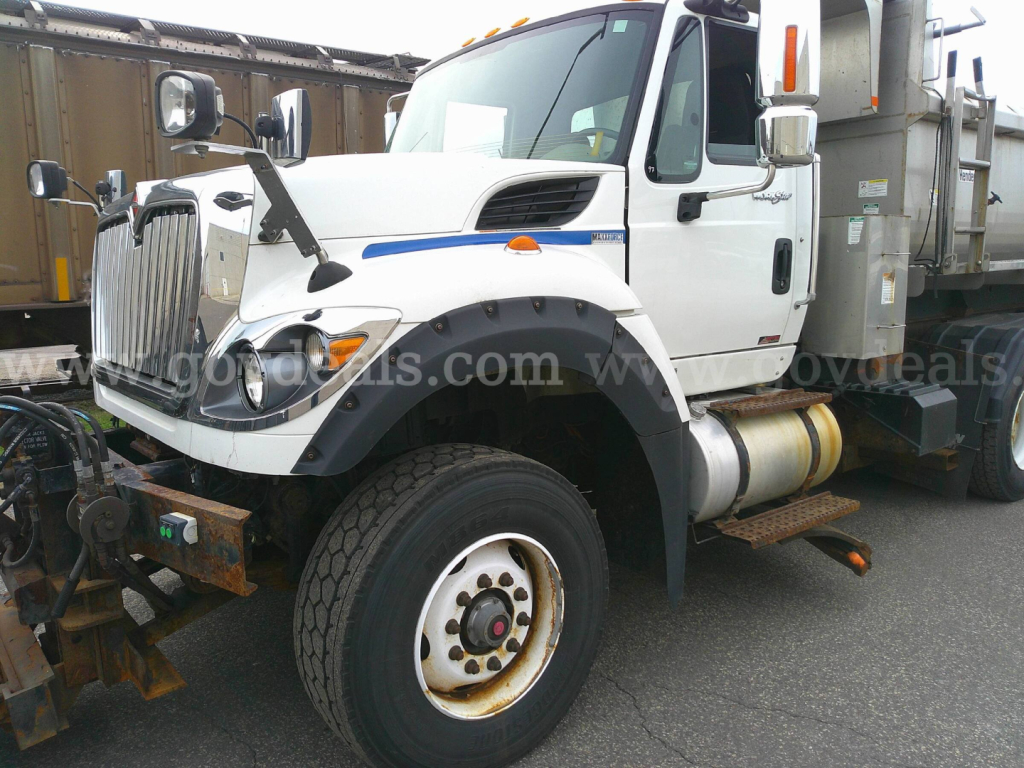
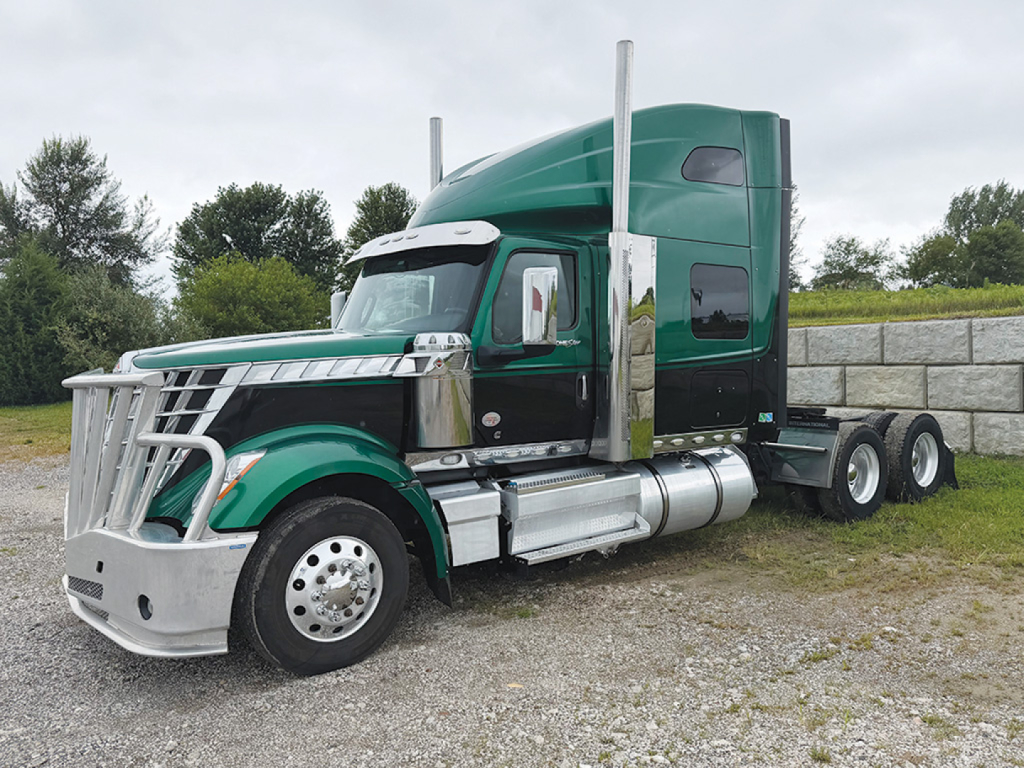
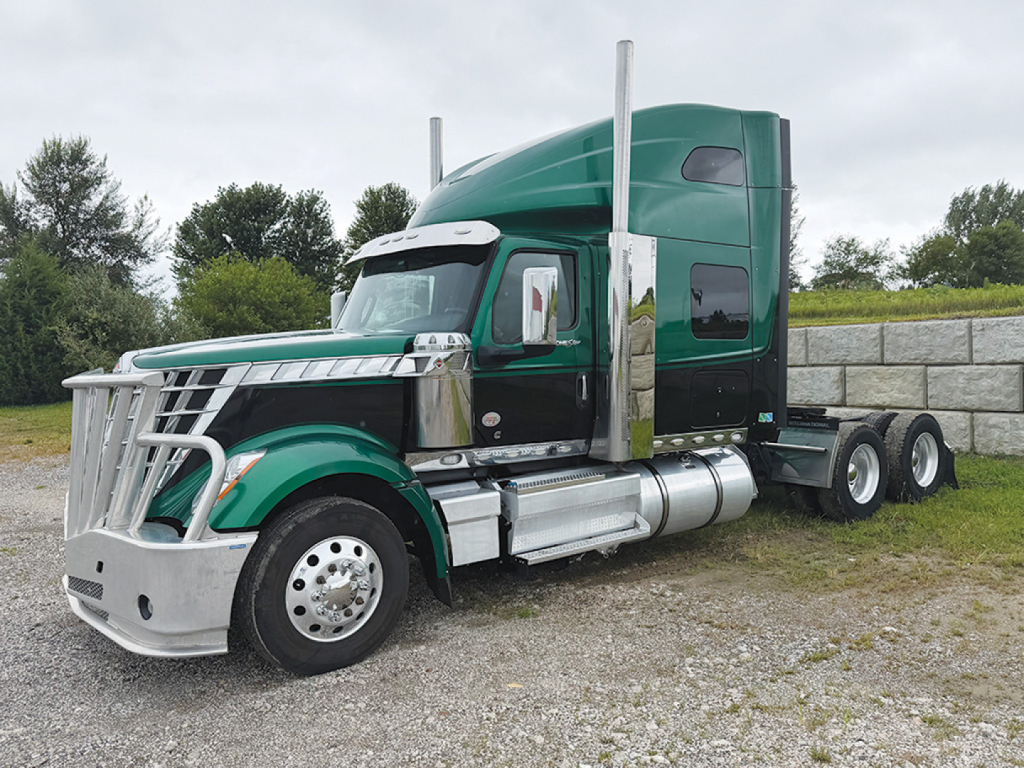
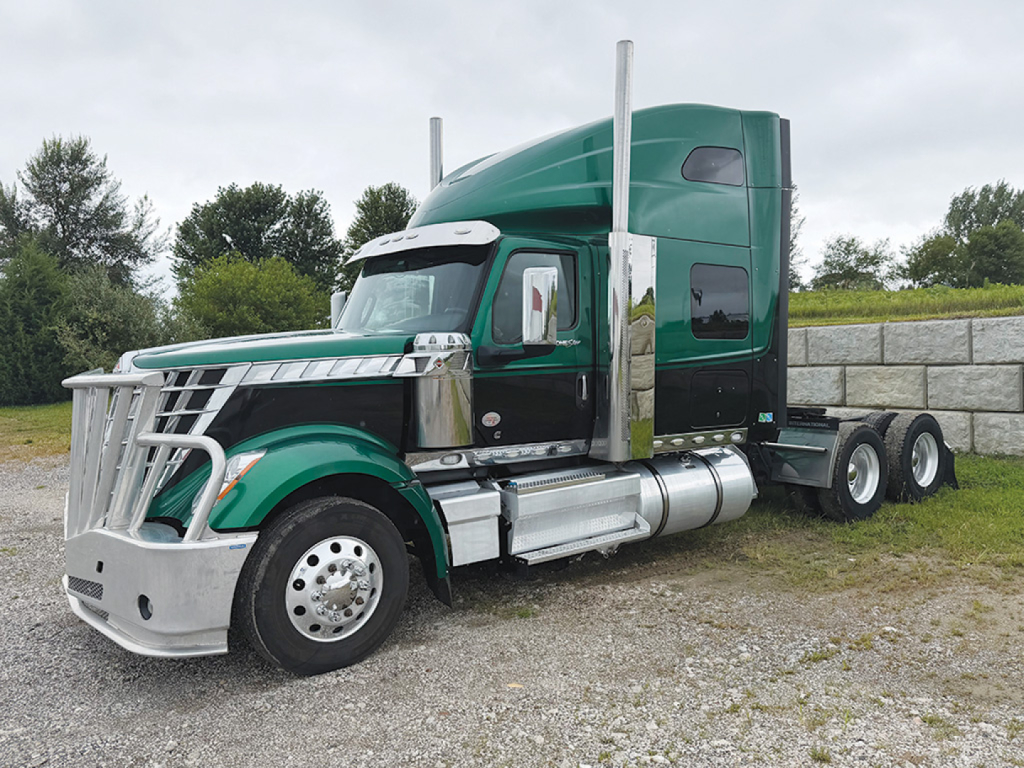
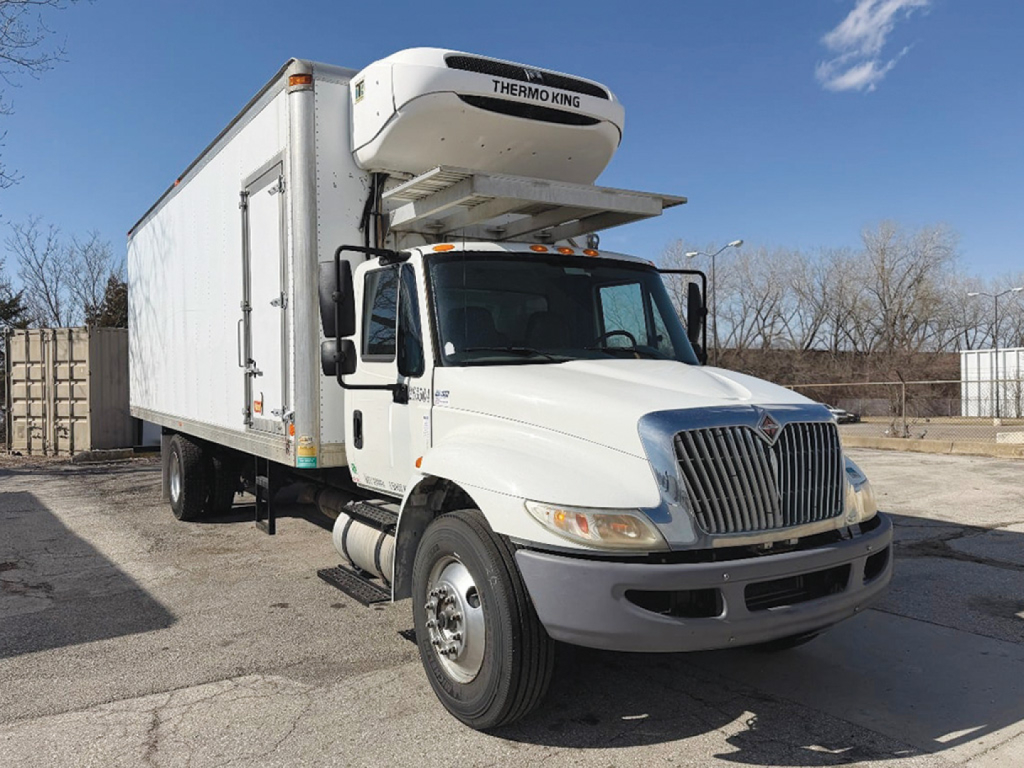
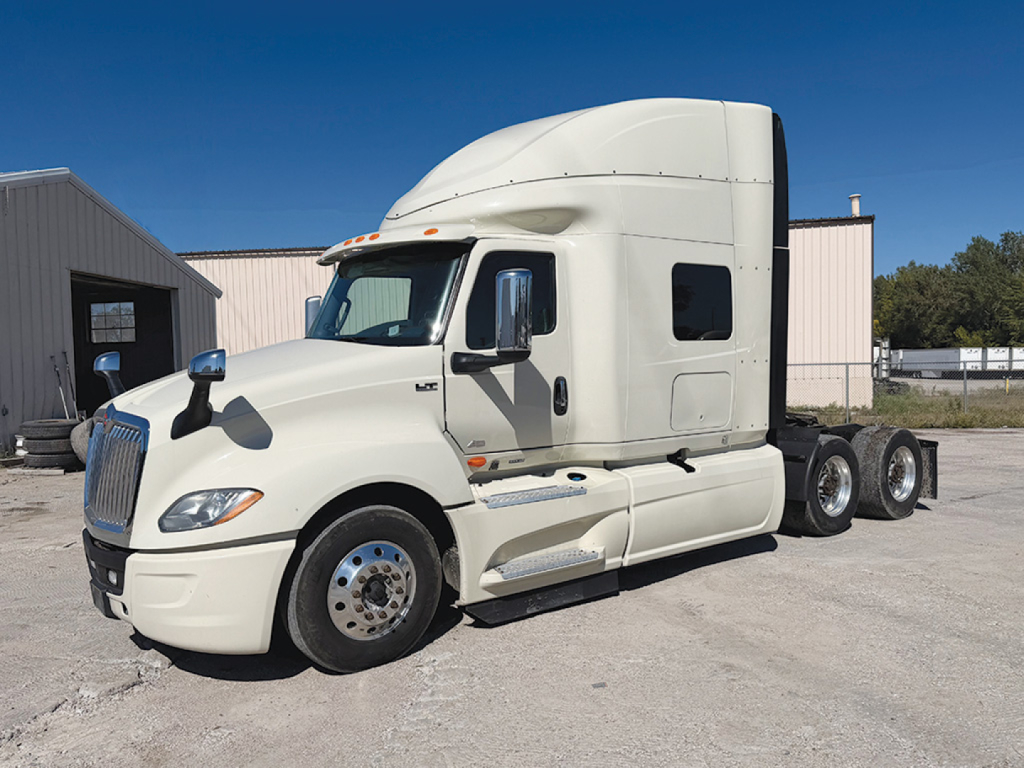
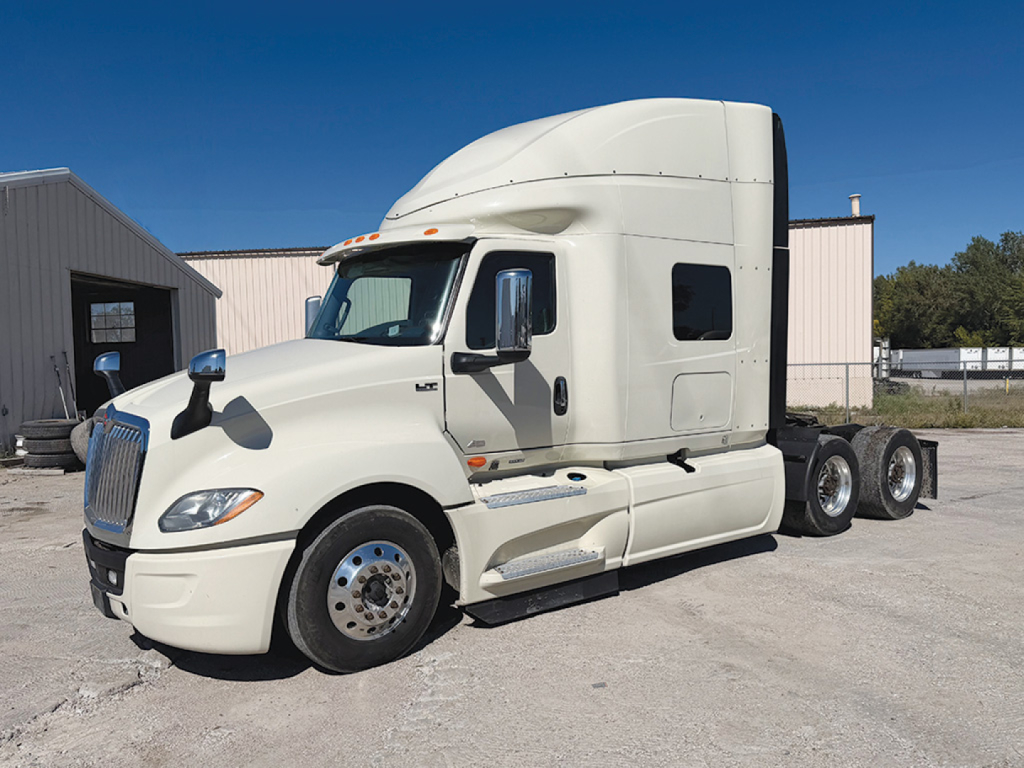
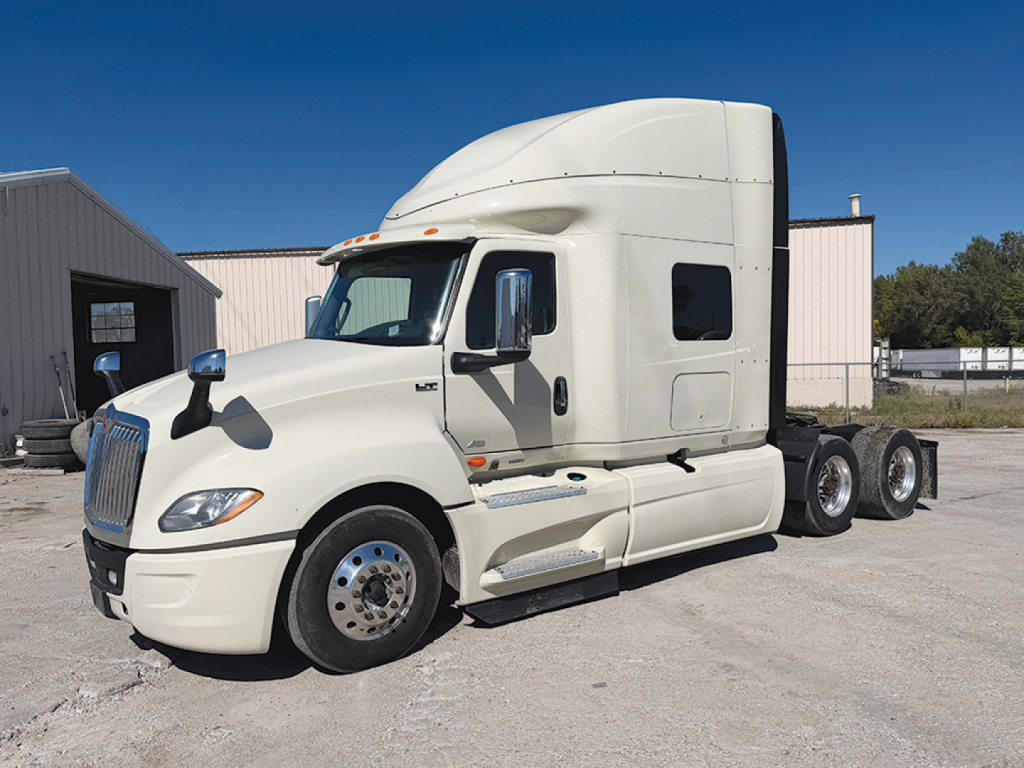
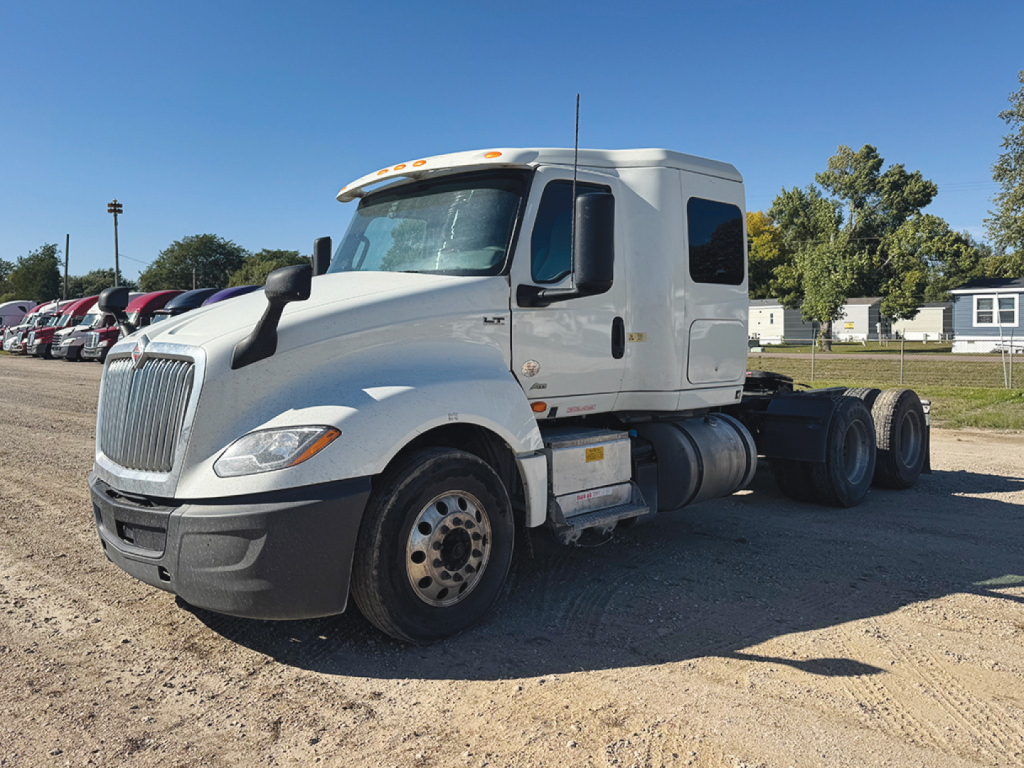
Showing 1 to 28 of 330 results
Selling a international truck? List your international truck for sale and reach thousands of commercial buyers.
International Trucks
Frequently Asked Questions about International Trucks
What are the most common International truck models buyers compare?
The most common comparisons are International LT, RH, and CV trucks. The LT is the flagship on-highway tractor and is typically used for long-haul or regional freight in day cab or sleeper form. The RH is a regional haul conventional that favors maneuverability, visibility, and shorter wheelbase specs for city and short-route operations. The CV is a medium-duty platform often used for tow trucks, service bodies, and other vocational upfits where GVWR, PTO compatibility, and body equipment matter as much as the cab and powertrain.
Which engine and transmission specs are typical on International highway trucks?
International highway tractors are commonly found with the Cummins X15 or Navistar A26 diesel, usually in the 400 to 450 horsepower range, though exact ratings vary by fleet spec. Automated manual transmissions from Eaton Endurant or similar 10-speed to 12-speed setups are common in newer LT and RH trucks because they simplify driver training and can improve fuel economy consistency. Buyers should also confirm rear axle rating, axle ratio, engine brake spec, and suspension type because those items affect startability, cruise RPM, payload suitability, and resale appeal.
What should I check when buying an International LT or RH day cab or sleeper?
Focus on the operating profile the truck was built for. A long wheelbase sleeper with fairings, dual fuel tanks, and a low numerical rear ratio such as 2.64 or 2.79 is generally aimed at fuel-efficient highway work, while a shorter wheelbase day cab may be better suited to regional lanes, ports, or dedicated routes. Look at sleeper size, bunk layout, fuel capacity, collision mitigation features, air ride suspension, brake type, and fifth wheel setup. Service history, emissions system maintenance, tire wear pattern, and signs of excessive idle time are just as important as mileage because they often tell you more about total life cycle cost.
Are International trucks a good fit for regional and vocational fleets?
Yes, especially when the truck is matched to the job. The RH platform is well suited to regional freight, local cartage, and distribution work because it balances driver comfort with maneuverability and practical wheelbase options. The CV platform is a strong fit for medium-duty vocational work such as towing and service applications, where crews may prioritize cab accessibility, diesel torque, automatic transmission operation, and compatibility with a body manufacturer like Jerr-Dan or other upfitters. The key is to evaluate the complete build, not just the badge, because body equipment, PTO provisions, suspension, and axle ratings determine how well the truck will perform in daily service.
What axle and weight ratings matter most on an International truck?
The most important ratings depend on the category. On highway tractors, buyers typically review front axle capacity, tandem or single rear axle rating, gross combination weight suitability, and rear ratio. A tandem-axle LT may carry 40,000-pound rears for standard over-the-road work, while some regional day cabs may be single-axle for lighter or specialized operations. On medium-duty CV trucks, GVWR is critical because towing, service-body payload, and licensing requirements all tie back to the chassis rating. Always match axle ratings and wheelbase to the trailer, body, and route demands instead of assuming one spec works across every application.