
2014 International Trucks For Sale
Shop 2014 International trucks with specs that matter, including engine, axle, cab, and vocational options for highway and jobsite use.
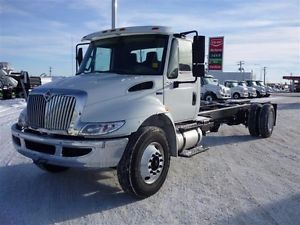
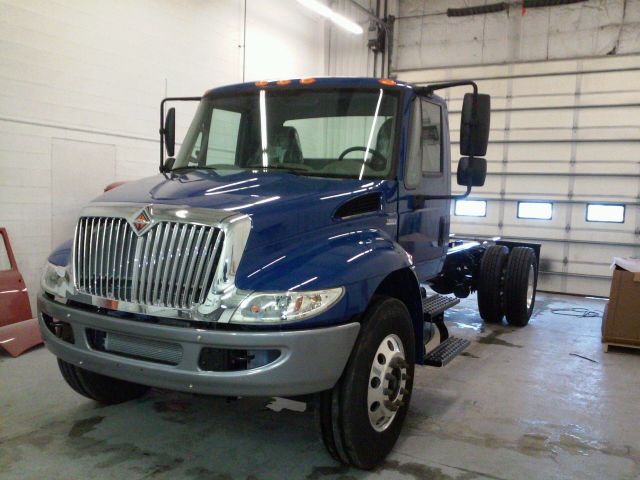
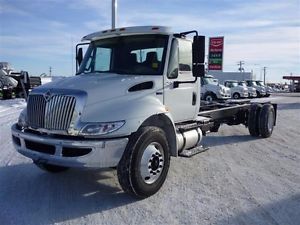
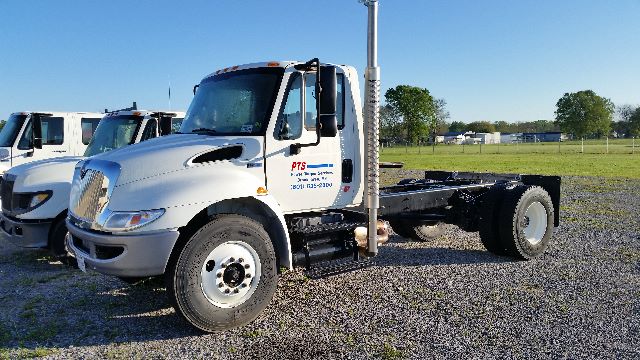
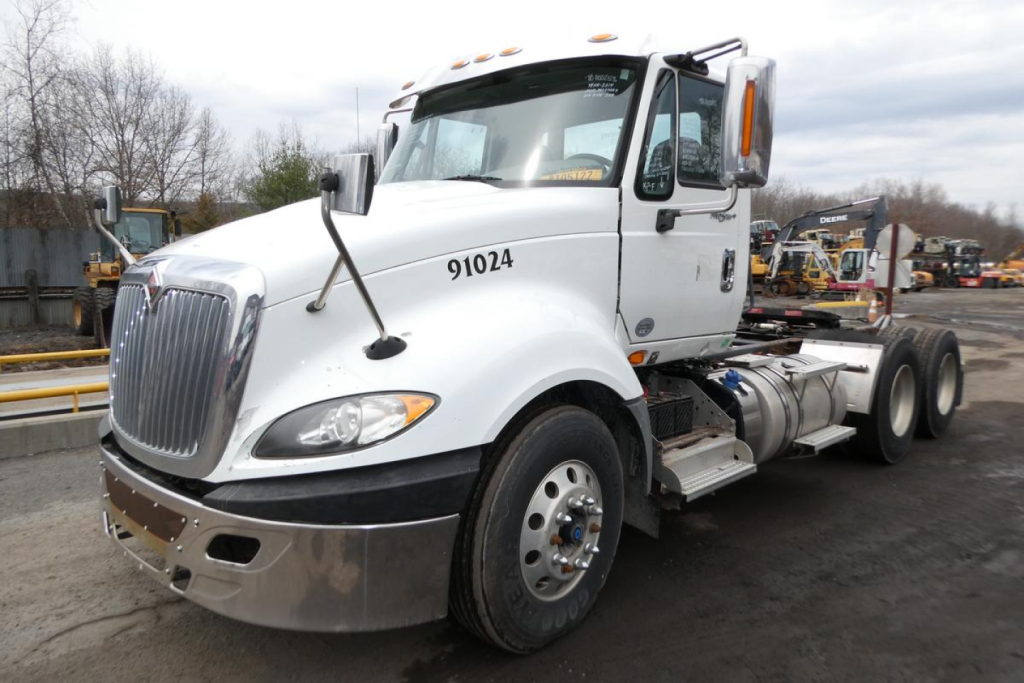
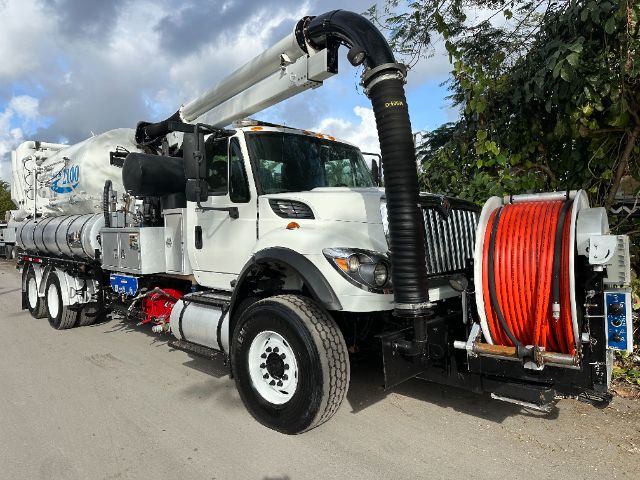

Selling a 2014 international truck? List your 2014 international truck for sale and reach thousands of commercial buyers.
2014 International Trucks
For highway use, a 2014 International day cab or sleeper is typically evaluated around engine rating, transmission type, rear axle ratio, suspension, and wheelbase. Specs such as 10-speed or automated manual transmissions, 12,000-pound front axles, 40,000-pound rears, and air ride suspension are common reference points in this class. Buyers moving general freight or regional loads usually look for a balance between horsepower, gearing, and fuel tank capacity, while dedicated fleet applications may put more emphasis on fleet-maintained drivetrains, aerodynamic trim, and predictable parts support. On vocational models, the decision shifts toward GVWR, PTO capability, frame strength, axle capacity, and whether the chassis was ordered for dump, tanker, patch, or municipal equipment.
Condition matters more than badge alone on a 2014 truck. On International models, pay close attention to engine hours versus mileage, aftertreatment maintenance, injector or EGR history where applicable, rust on cab mounts and frame, and the condition of suspension and steering components. If the truck has a body installed, confirm body manufacturer support, hoist condition, liner wear, hydraulic operation, and any evidence of hard municipal or off-road service. For tandem axle trucks, rear ratio and suspension type will tell you a lot about intended use. For tractor buyers, kingpin setting compatibility, fifth wheel travel, and wheelbase can affect trailer fit and bridge laws just as much as engine power.
A well-matched 2014 International can still be a productive truck for regional hauling, construction support, utility work, or municipality duty. The key is to buy by application, not just by price. A ProStar set up for linehaul is a very different machine than a 7400 spec'd for a dump body, even though both carry the same make and year. Compare cab configuration, axle ratings, engine model, transmission, brake type, and body or chassis setup against the exact work the truck will do. That approach usually tells you more than odometer reading alone.
Frequently Asked Questions about 2014 International Trucks
What are the most common 2014 International truck models buyers look for?
The most common 2014 International trucks depend on the job. On-road buyers often search for ProStar tractors in day cab or sleeper form, while medium-duty and vocational buyers tend to focus on 4300, 4400, 7400, and PayStar models. The 4300 and 4400 are common in delivery, utility, and rollback applications. The 7400 and PayStar are more often found in dump, municipal, and severe-duty work. The best model is the one whose axle ratings, frame, wheelbase, and drivetrain match the intended application.
What should I inspect first on a used 2014 International truck?
Start with the engine and emissions history, then move to the transmission, suspension, frame, and cab condition. Service documentation is especially valuable on a 2014 truck because aftertreatment repairs, cooling system maintenance, and injector or EGR work can significantly affect operating cost. Check for excessive idle hours, active fault codes, corrosion, uneven tire wear, steering play, and signs of hydraulic or PTO problems on vocational units. If the truck carries a body, inspect the body structure and mounting just as carefully as the chassis.
Are 2014 International trucks better suited for highway use or vocational work?
They can be well suited for either, but the answer depends entirely on the original spec. A 2014 International tractor with aerodynamic fairings, air ride suspension, and highway gearing is built for regional or over-the-road work. A 2014 International 7400 or PayStar with heavier axles, vocational frame options, and PTO capability is designed for dump, municipal, or construction service. Buyers should not assume one setup can easily replace the other without compromising payload, maneuverability, or operating efficiency.
Which specs matter most when comparing 2014 International trucks?
The most important specs are engine model, horsepower, transmission type, axle ratings, rear ratio, wheelbase, suspension, and GVWR or GCWR. For tractors, fifth wheel setup and fuel capacity also matter. For vocational trucks, frame configuration, PTO readiness, and body compatibility are critical. These specs determine how the truck accelerates, what it can legally carry, how it handles in tight jobsite conditions, and how well it matches the trailers or bodies used in the operation.
Is mileage the best way to judge a 2014 International truck?
Mileage is useful, but it is not the best single measure of value or condition. A lower-mile truck with poor maintenance, long idle time, or heavy stop-and-go service can be a worse buy than a higher-mile truck with complete records and recent repairs. Engine hours, maintenance history, emissions work, chassis wear, and application history usually give a more accurate picture. On vocational trucks, body condition and hydraulic system health can be just as important as the odometer.