
Harbinger Trucks For Sale
Shop Harbinger electric medium-duty trucks and chassis. Compare specs, range, charging, payload, and upfit options for box, step van, and reefer work.
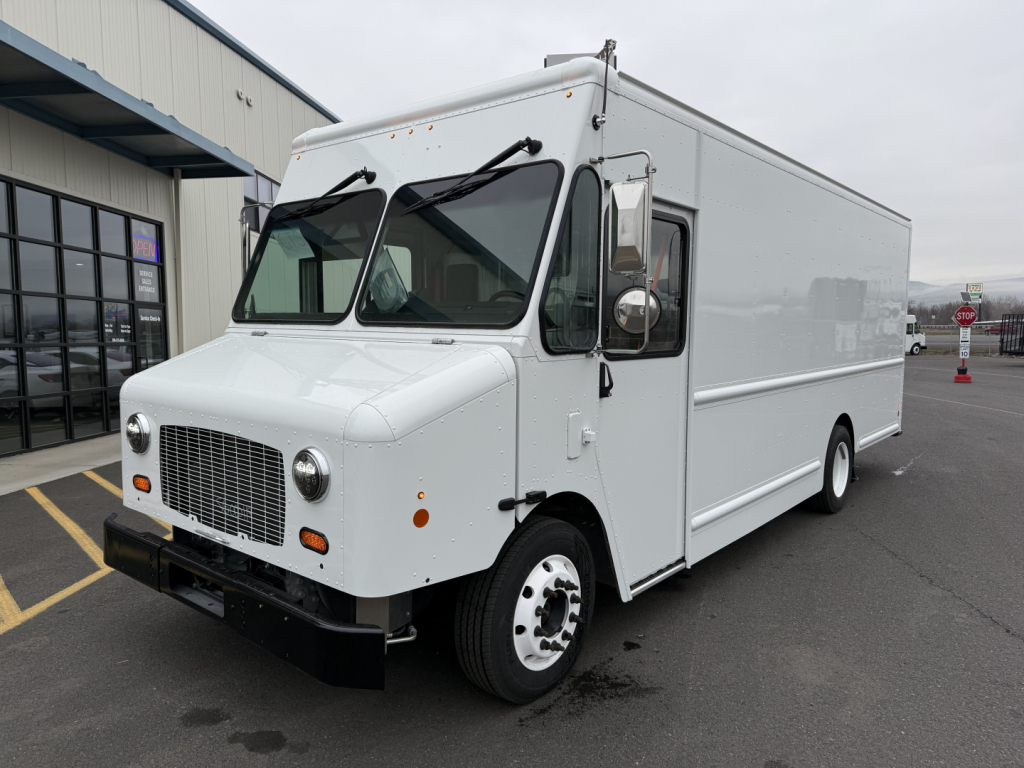
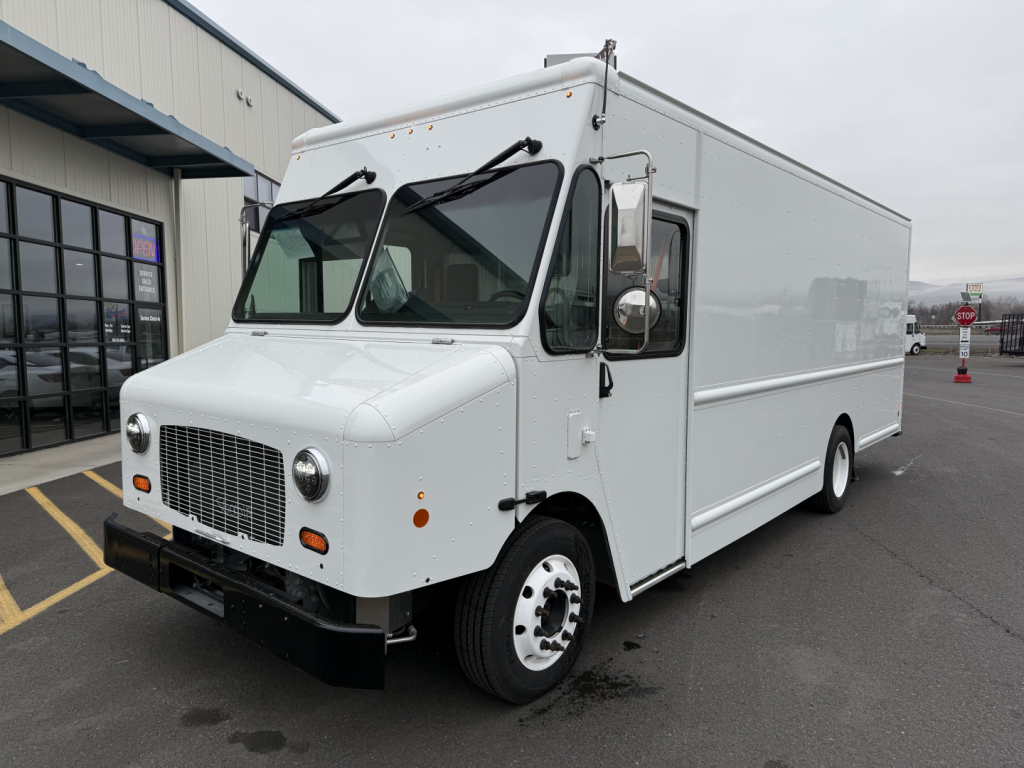
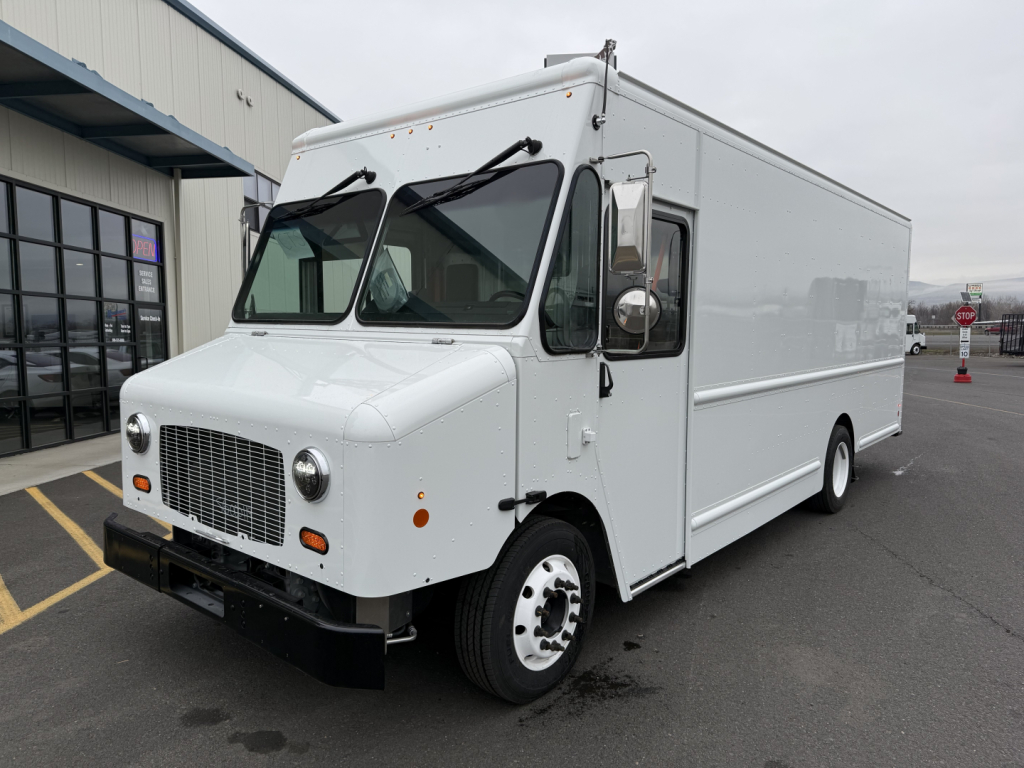
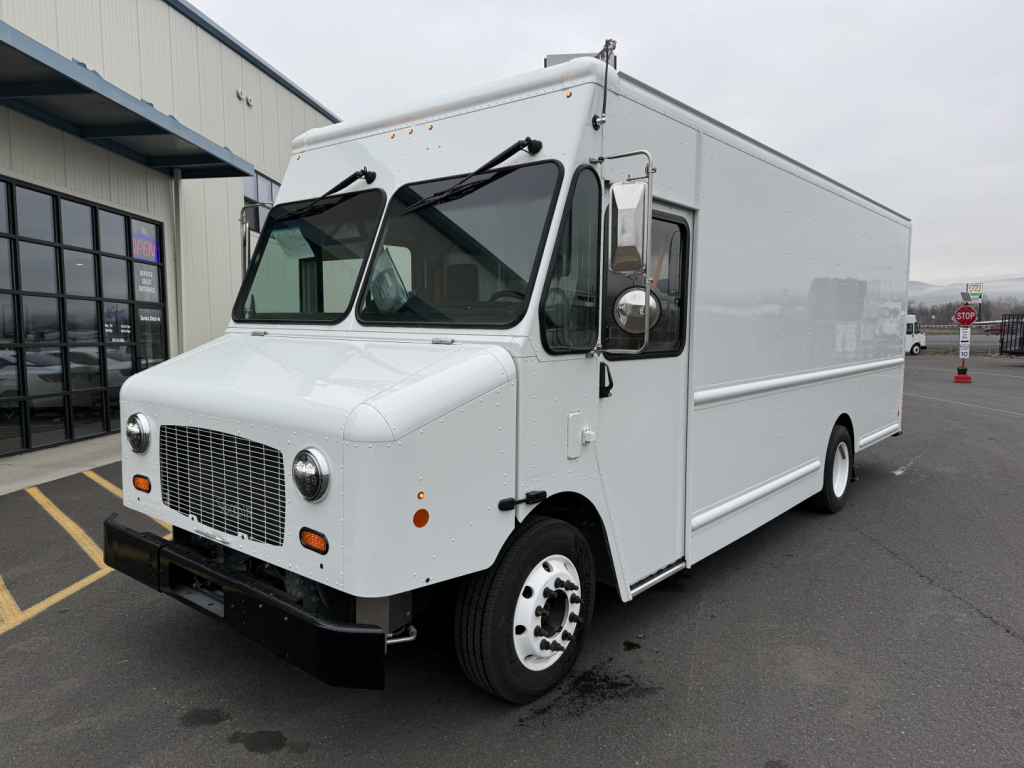
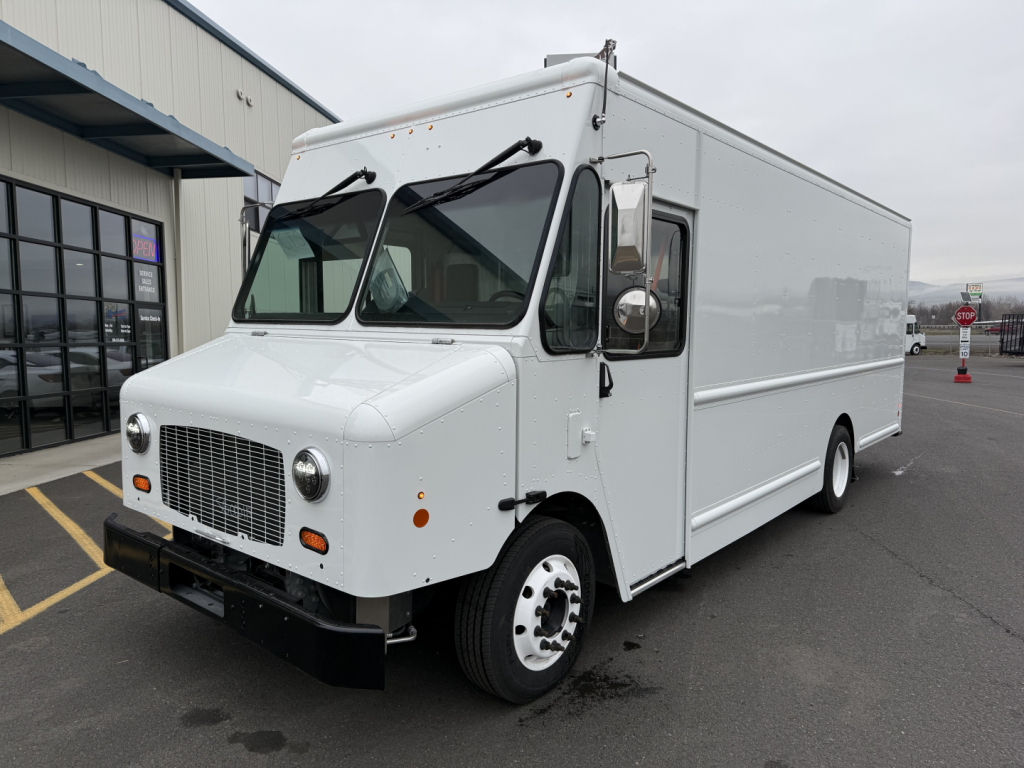
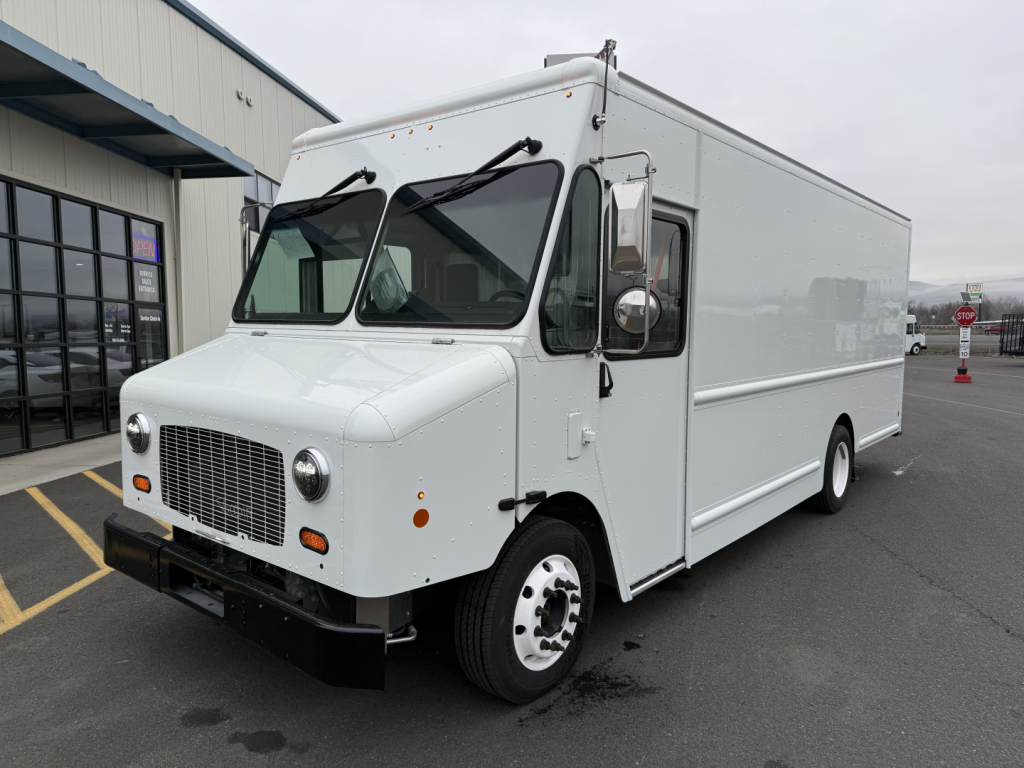
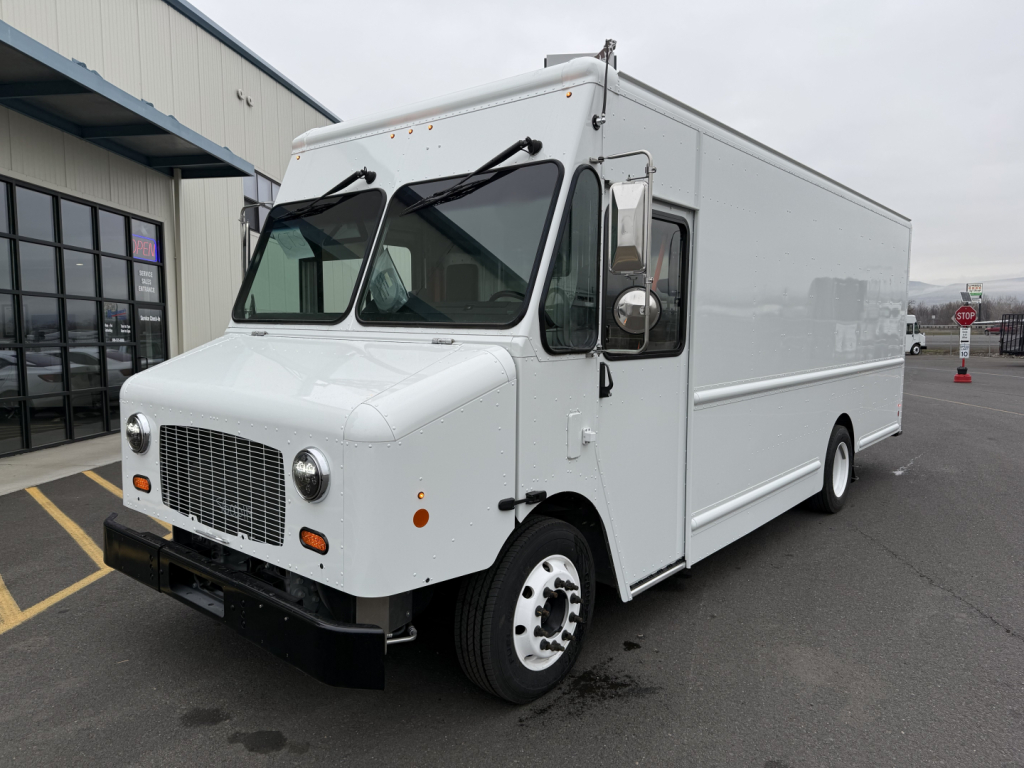
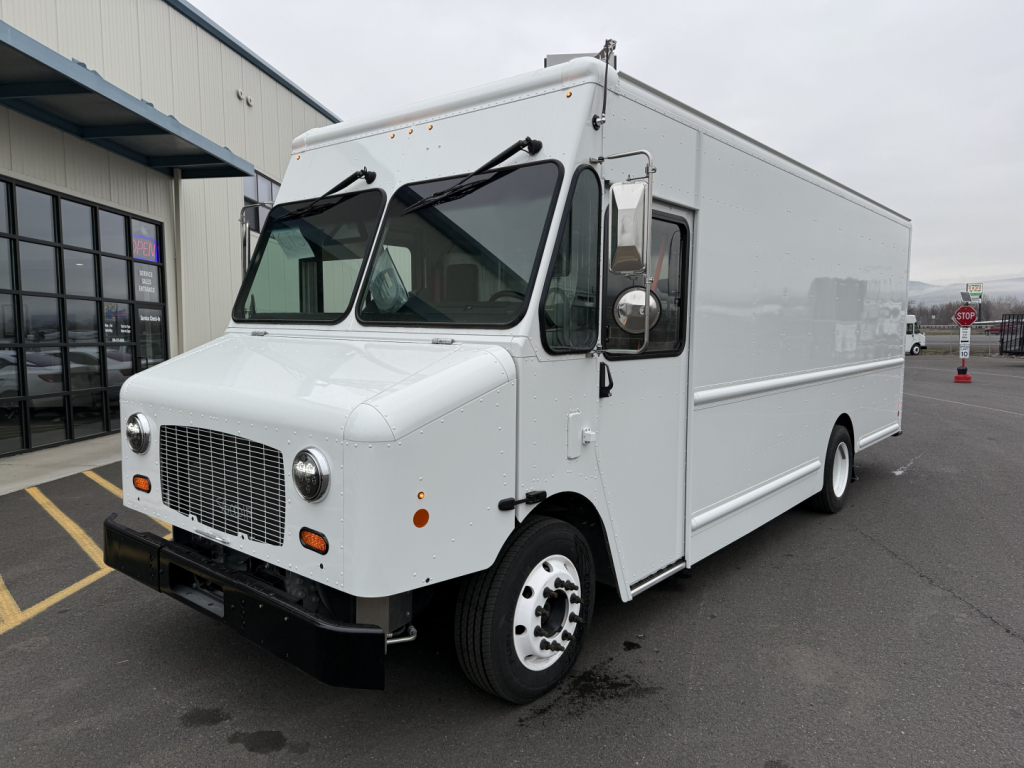
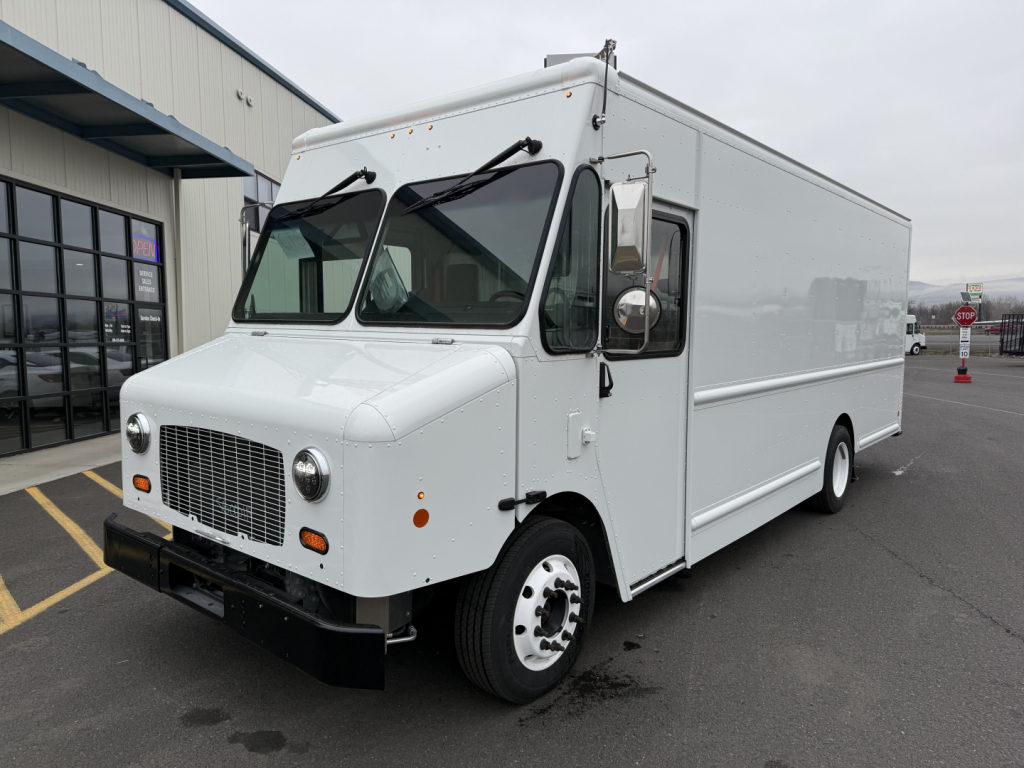
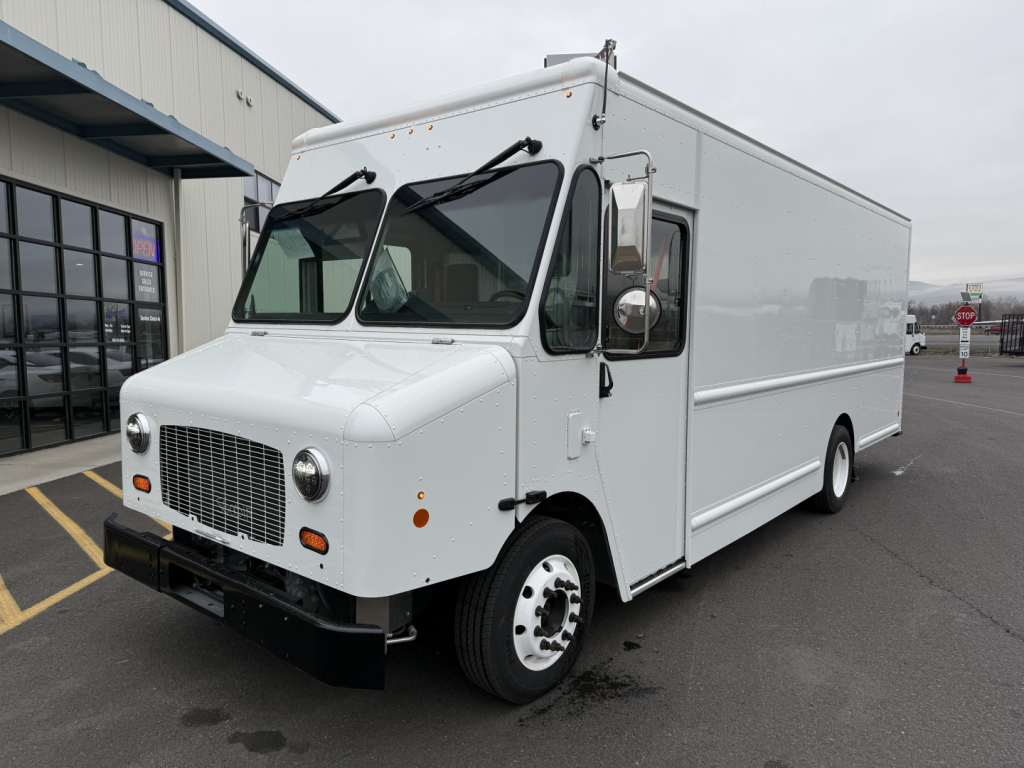
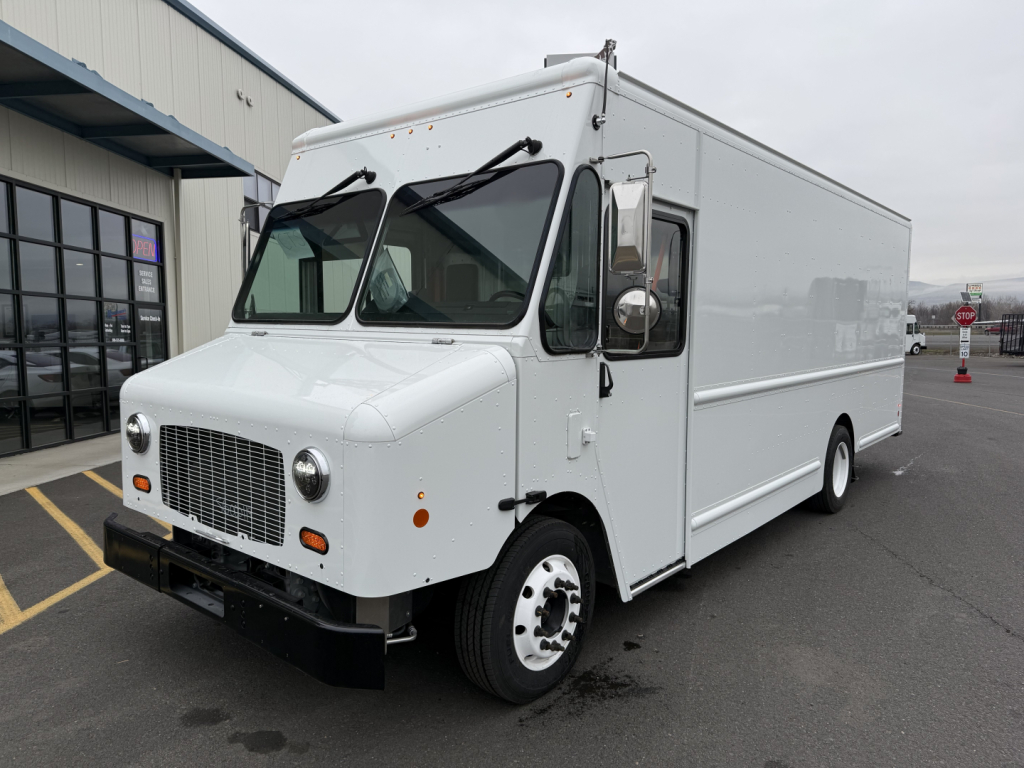
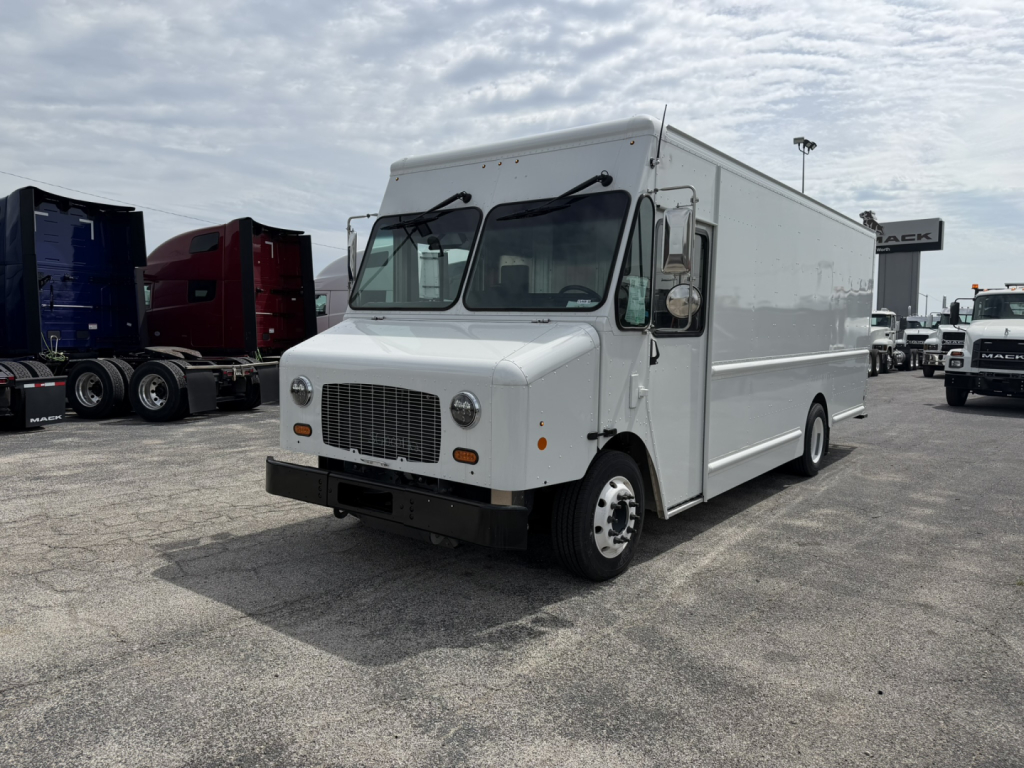
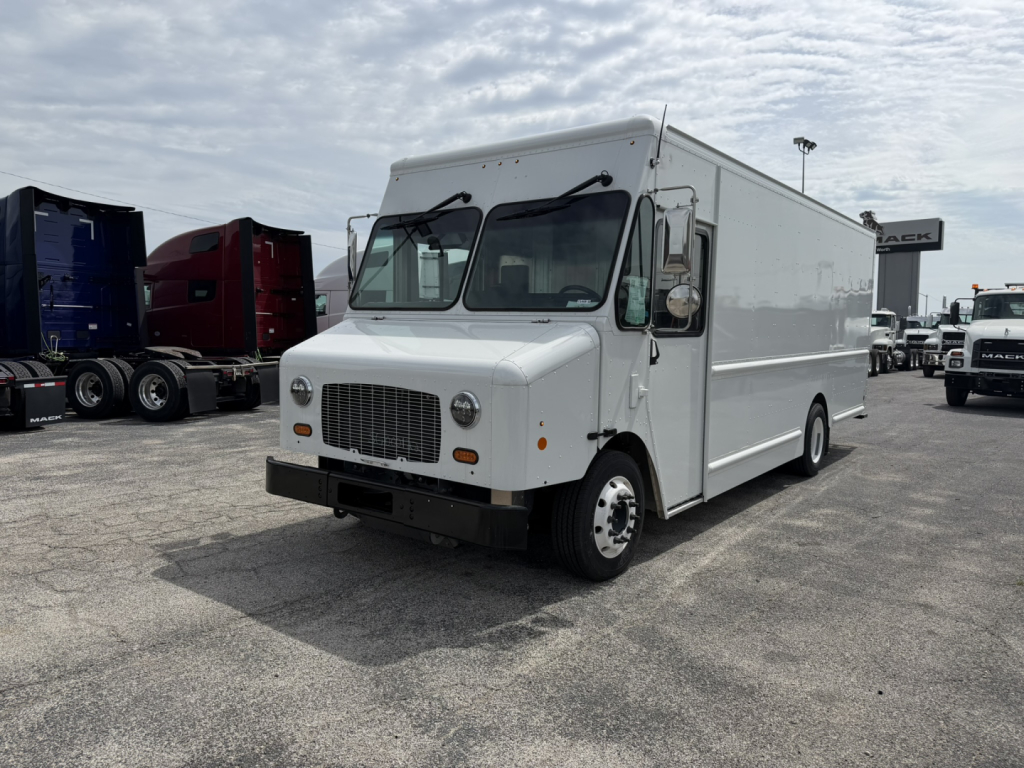
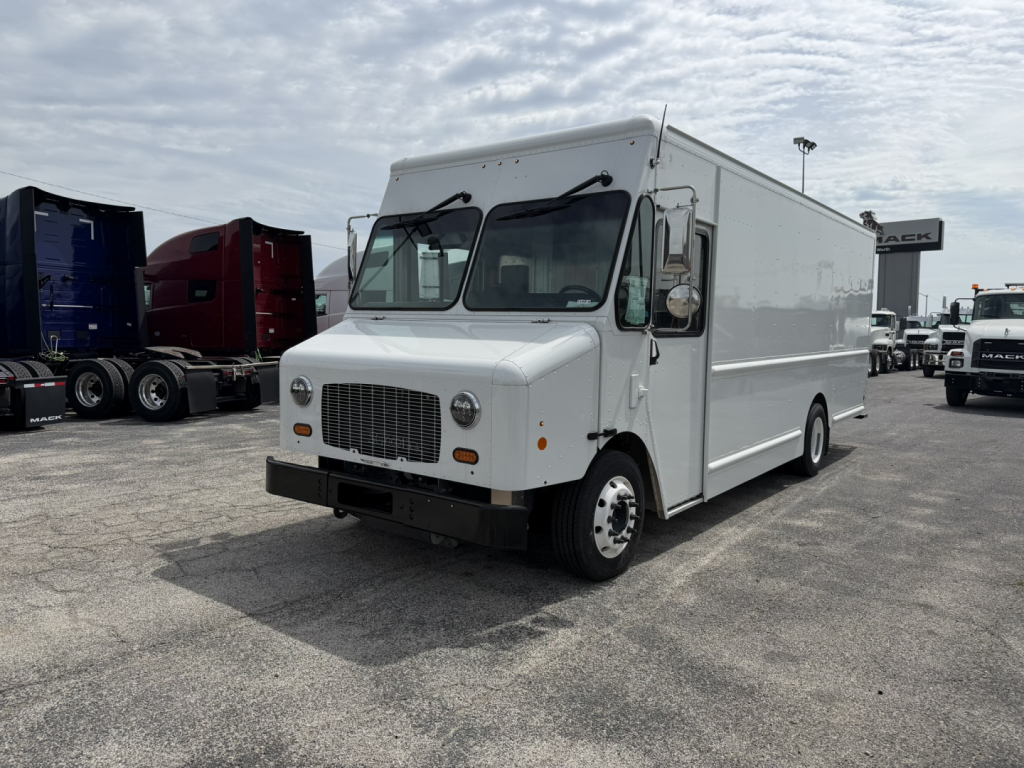
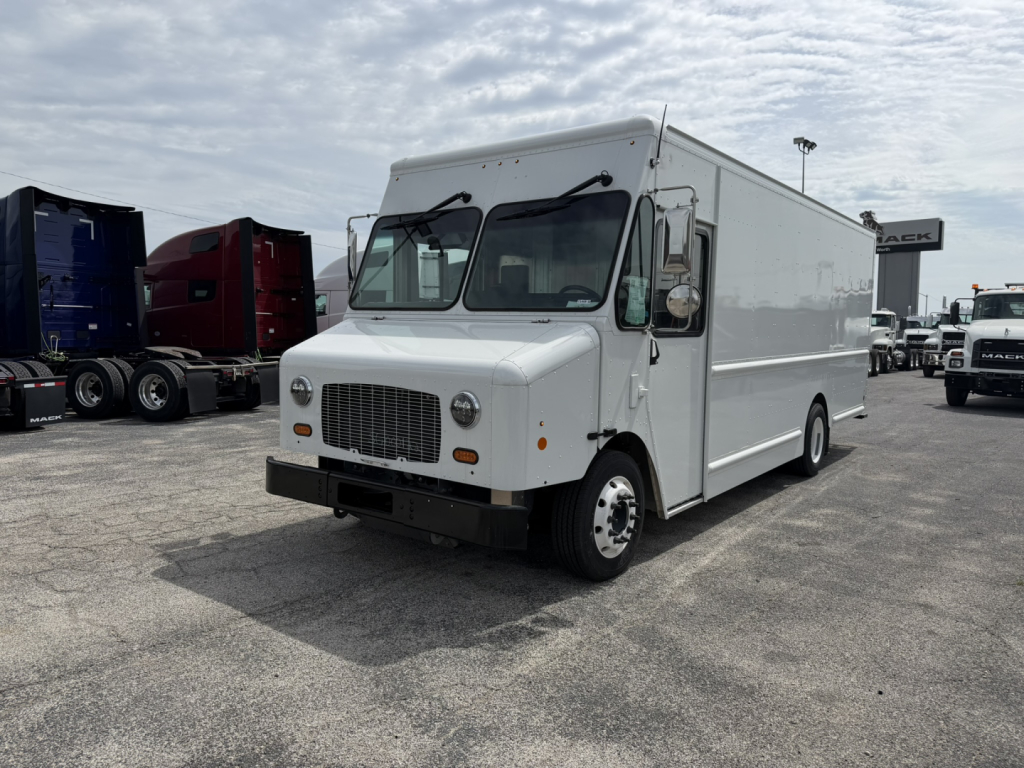
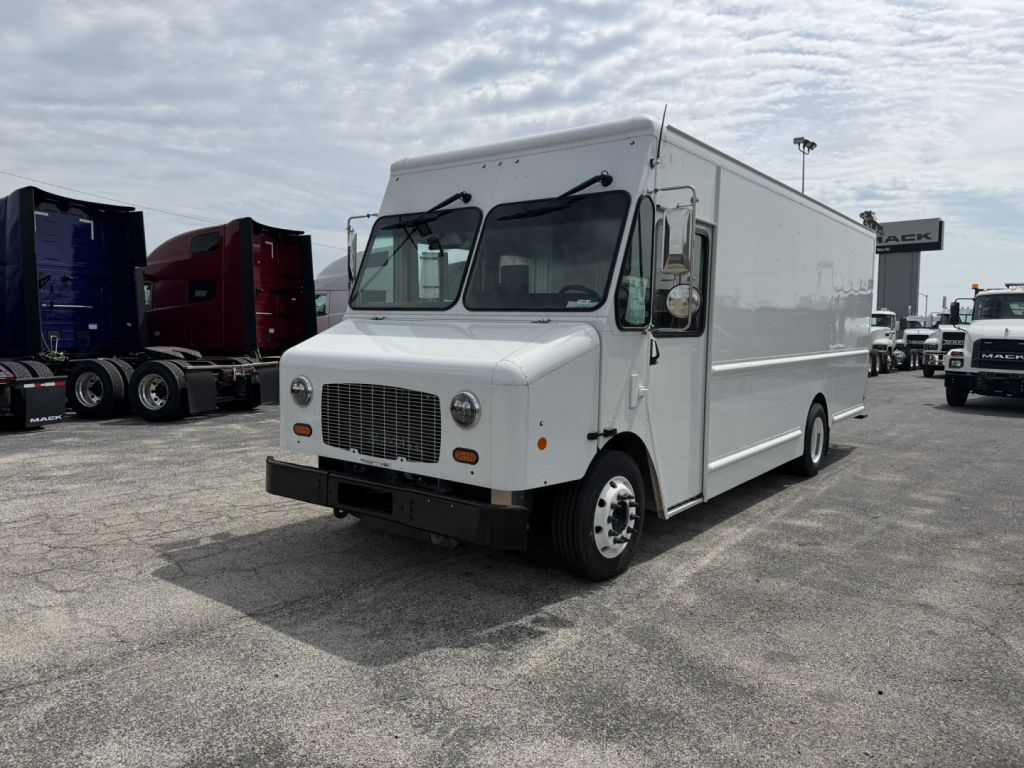
Showing 1 to 28 of 29 results
Selling a harbinger truck? List your harbinger truck for sale and reach thousands of commercial buyers.
Harbinger Trucks
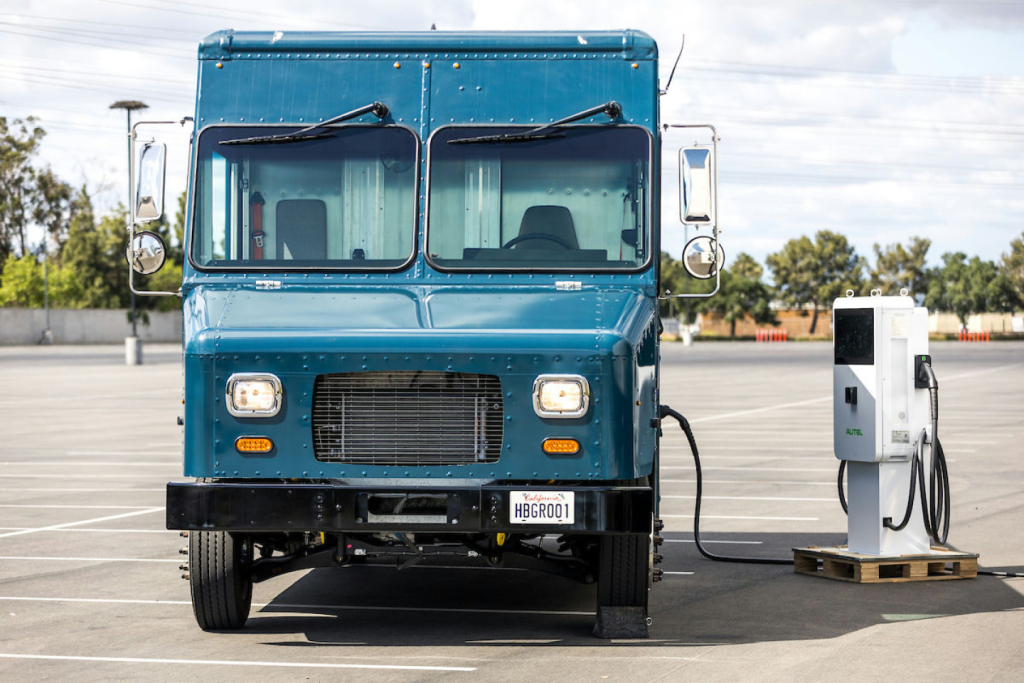
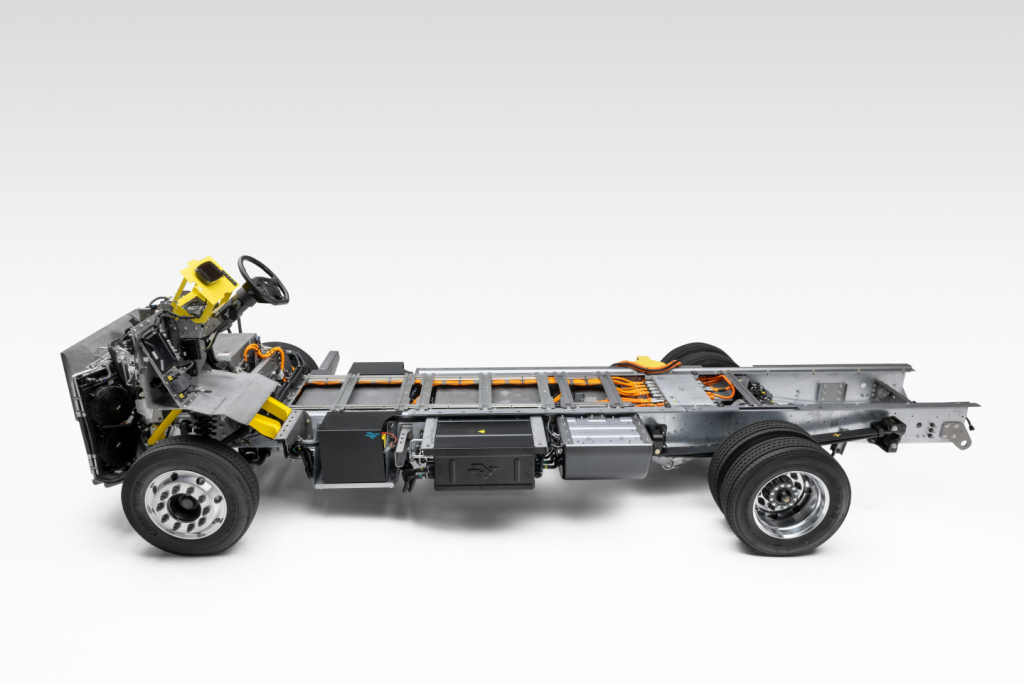
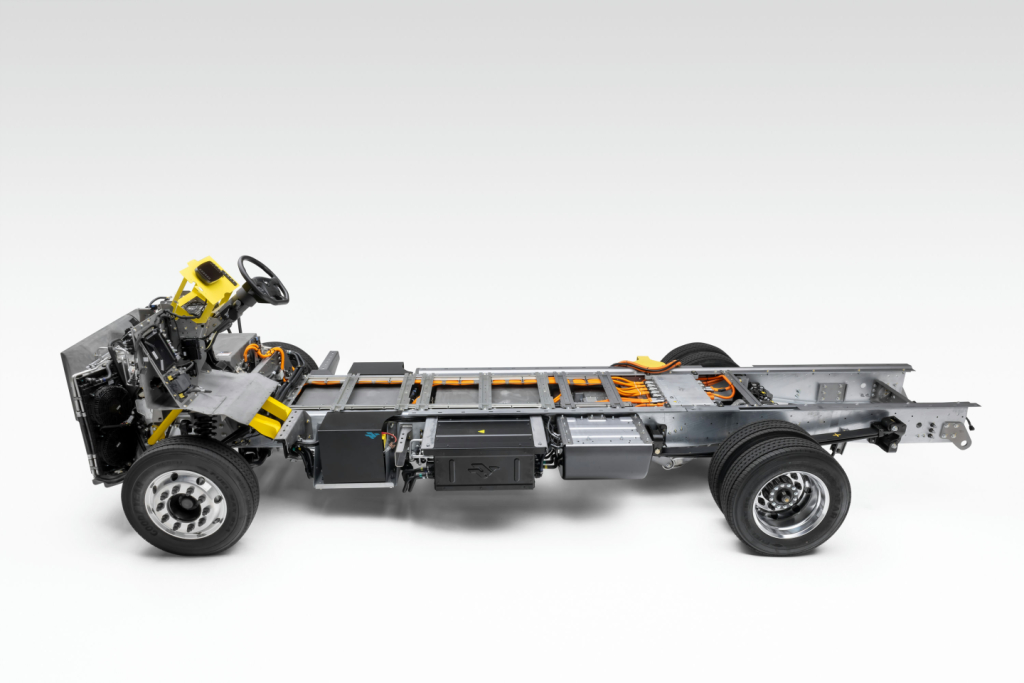
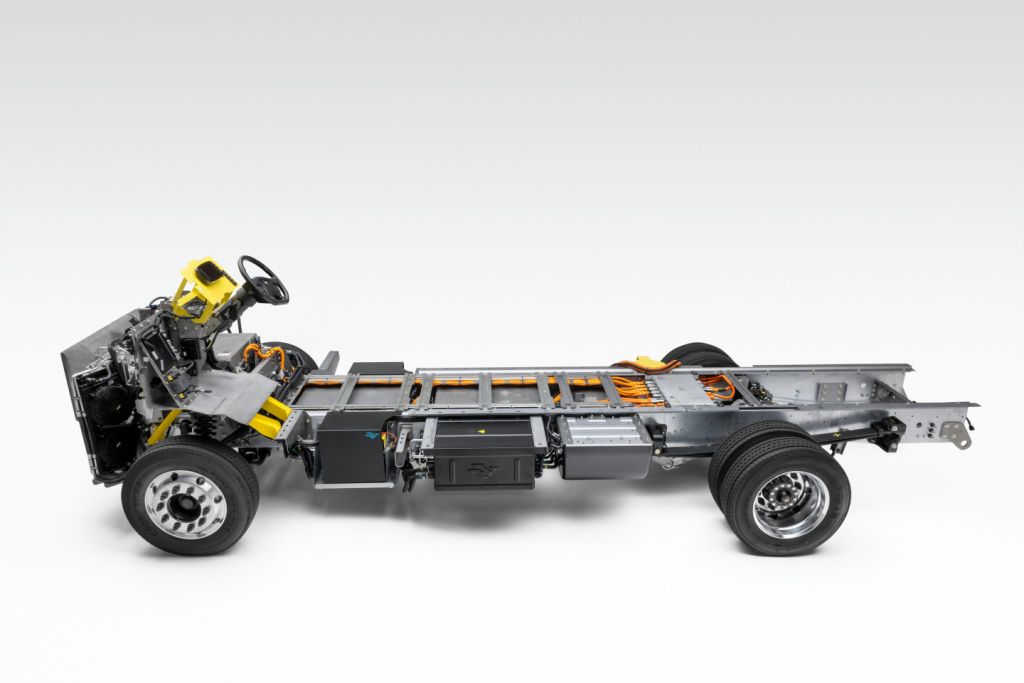
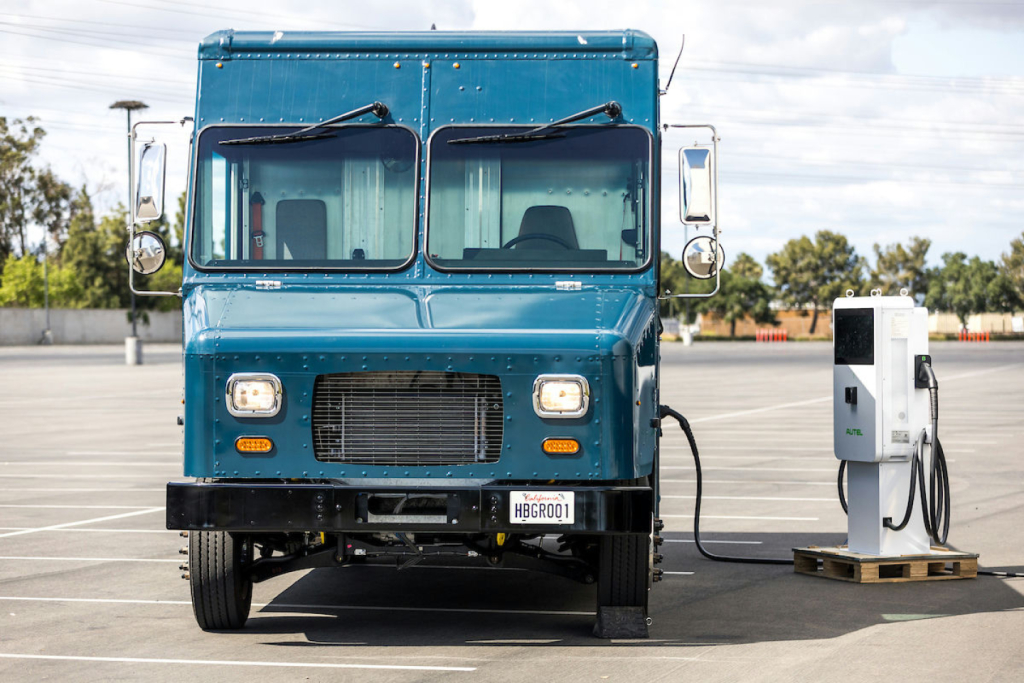
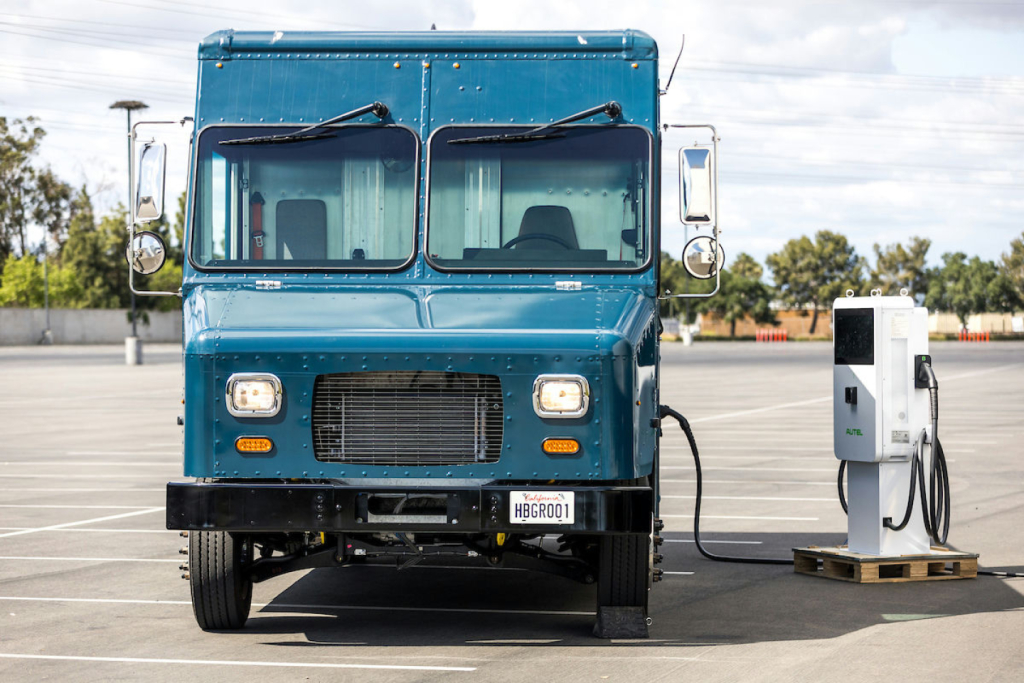
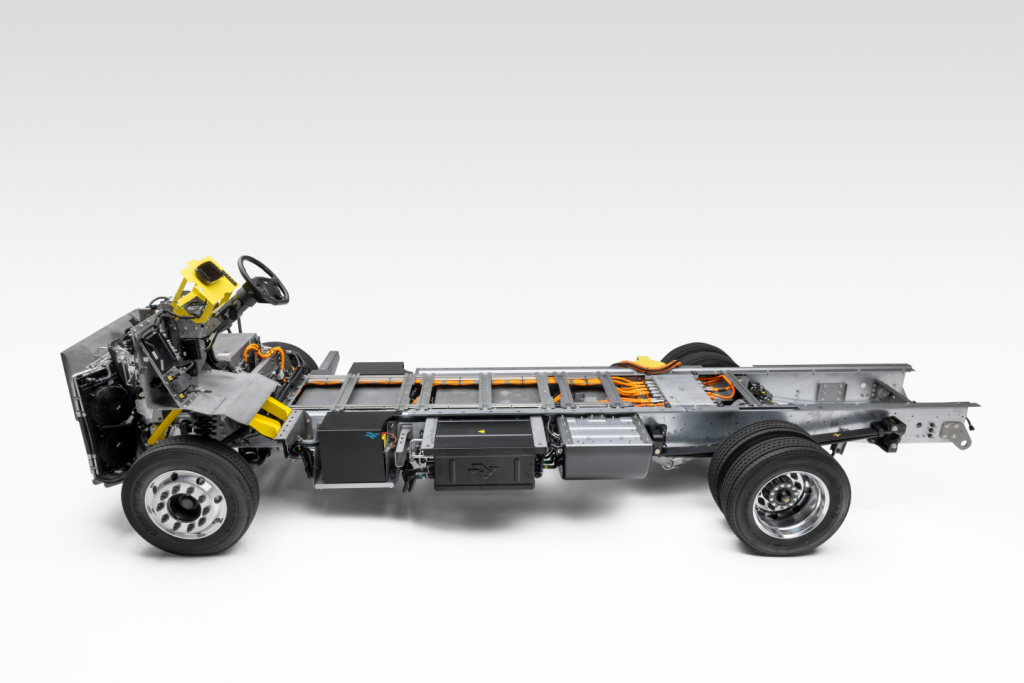
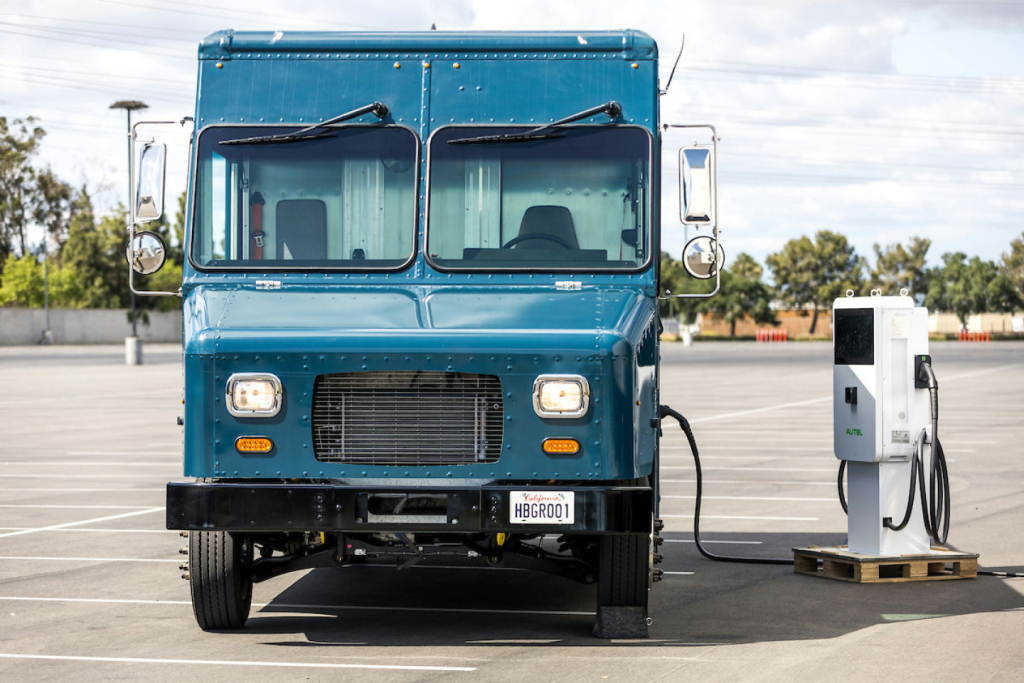
Torque delivery is instant and smooth, which is noticeable on stop-and-go delivery routes and grades. Regenerative braking reduces pad and rotor wear and can be tuned to route needs. Most Harbinger platforms use a high-voltage battery system that supports depot Level 2 AC charging overnight and DC fast charging for quick turns. Expect CCS fast-charge compatibility on many units and telematics that report state of charge, energy use per mile, and driver efficiency. Range is route-dependent. Payload, driving style, climate control load, and PTO demand from a reefer or liftgate all matter more than nameplate kWh. Operators running predictable urban loops can size packs for 80 to 150 miles per shift, while regional specs with larger packs target longer daily totals with a midday DC top-up.
Total cost of ownership is driven by energy price, charging strategy, and reduced maintenance. There are no oil changes, fewer moving parts in the drive unit, and brake life is extended by regen, but plan for coolant and HV system inspections on schedule. Battery health is the big ticket item on used units. Look for a verifiable battery state of health report, charging history, and any remaining battery and drive-unit warranty. Compliance can be a strategic driver as well. CARB Advanced Clean Fleets timelines, local zero-emission zones, and voucher programs like HVIP or state truck vouchers can change payback math. Many jurisdictions allow additional EV weight allowances that help offset battery mass in higher GVWR classes.
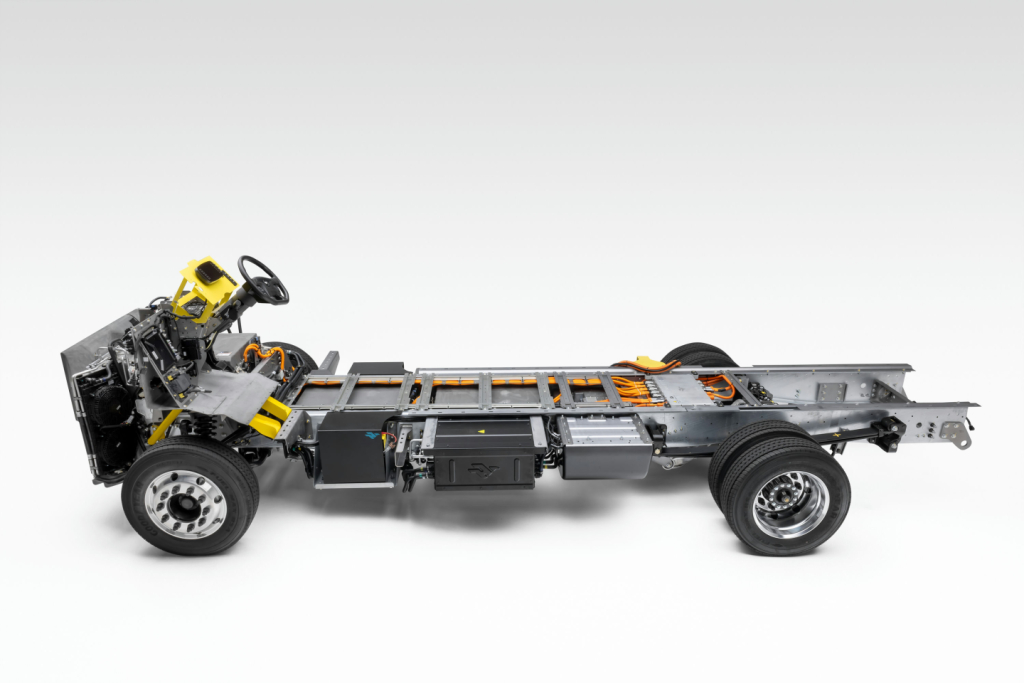
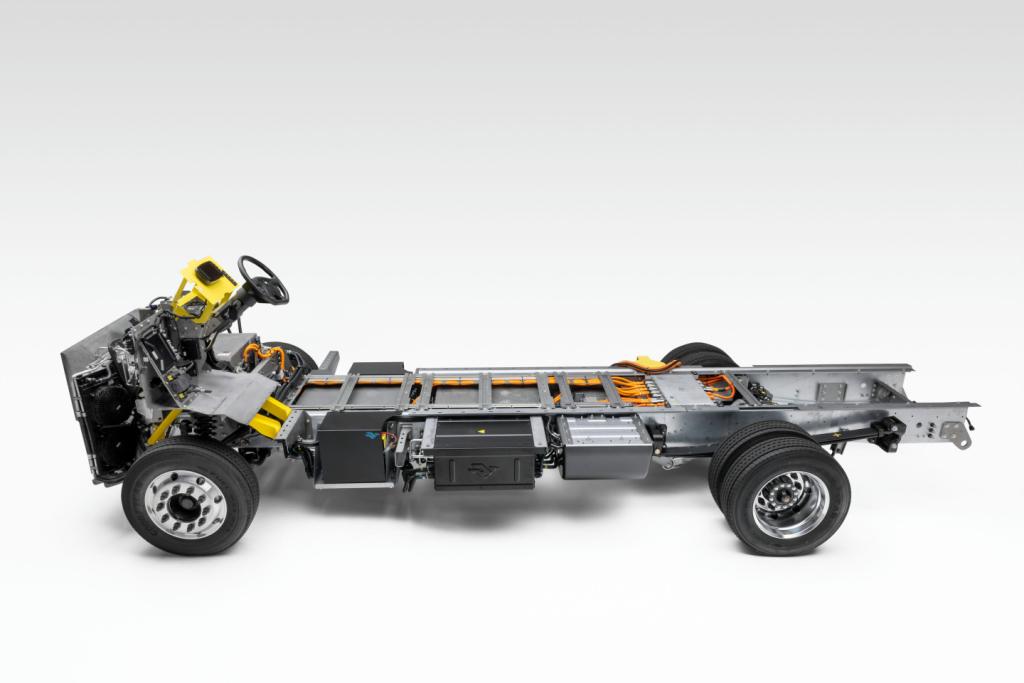
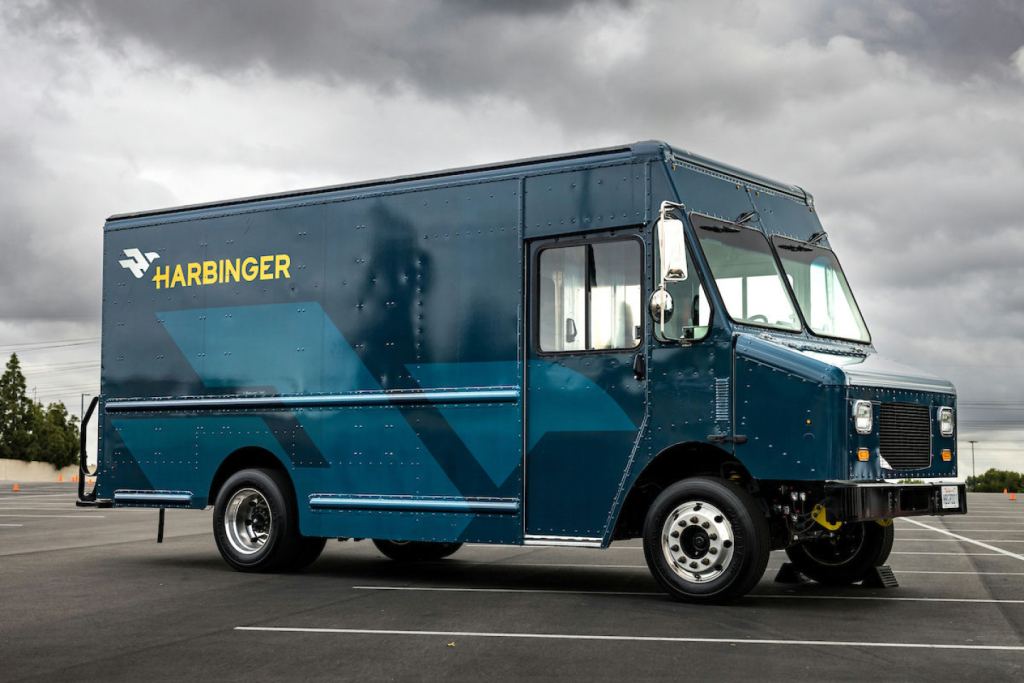
Trade-offs are straightforward. Batteries add weight, so compare curb weight to payload for your body and liftgate choice. Cold weather, hills, and frequent door openings in step-van service reduce range unless you precondition and spec heat-pump HVAC. Confirm brake system type and axle ratings for your route and terrain, and check tire spec, automated tire inflation systems, and suspension choice for ride height and stability. For upfits, verify CA dimension, rear overhang limits, and electrical interface for reefers and liftgates. For charging, match your depot hardware to the truck’s onboard AC charger and DC peak rate, and confirm connector standard. Telematics integration, OTA capability, ADAS packages, and driver ergonomics like step-in height and visibility are worth weighing during a demo drive.
Frequently Asked Questions about Harbinger Trucks
What range can I expect from a Harbinger medium-duty electric truck?
Real-world range depends on route profile, payload, climate, speed, and accessory loads. Many operators see 80 to 150 miles per shift in dense urban delivery with overnight charging. Larger battery specs and efficient driving can extend that, while cold weather, hills, and continuous reefer or liftgate use will shorten it. Reviewing logged energy-per-mile data from similar routes is the best predictor.
How long does it take to charge a Harbinger truck?
Depot Level 2 AC charging typically refuels a workday’s use overnight. With DC fast charging, many medium-duty electric trucks can recover a significant portion of the battery in under an hour, depending on pack size and the charger’s kW output. Actual time depends on the charger, the battery’s starting state of charge, and the vehicle’s charge curve.
How does payload compare to a diesel in the same class?
Batteries add curb weight, so payload can be lower than a comparable diesel. The gap varies by GVWR class, battery size, and body weight. Some jurisdictions provide EV weight allowances that help close the difference. Always compare the specific chassis curb weight plus body and liftgate to the axle and GVWR ratings to confirm usable payload for your route.
Are Harbinger electric chassis compatible with common box and step-van bodies?
Yes. These platforms are designed for standard body mounting with familiar frame rail dimensions, hole patterns, and electrical interfaces. Spec the correct wheelbase and cab-to-axle for your body length, check rear overhang limits, and coordinate electrical needs for liftgates, lighting, and any high-voltage ePTO requirements for refrigeration.
What should I look for when evaluating a used Harbinger truck?
Request a battery state-of-health report, review charging history and error codes, and confirm remaining warranties on the battery and drive unit. Inspect brake wear relative to regen settings, check tire condition and alignment, verify charger compatibility, and test any upfit components like liftgates or reefers. A short demo on a representative route will expose any range or performance gaps.