
Harbinger Trucks For Sale in Colorado
Browse Harbinger trucks for sale, including all-electric step vans built for medium-duty delivery, route work, and urban fleet operations.
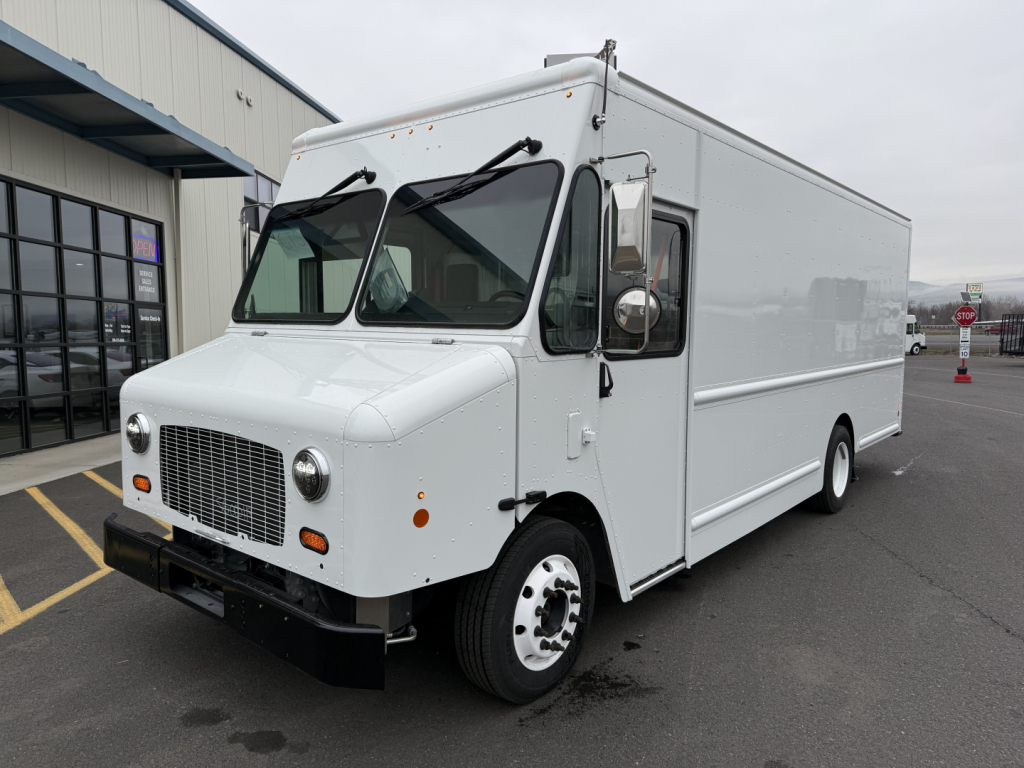
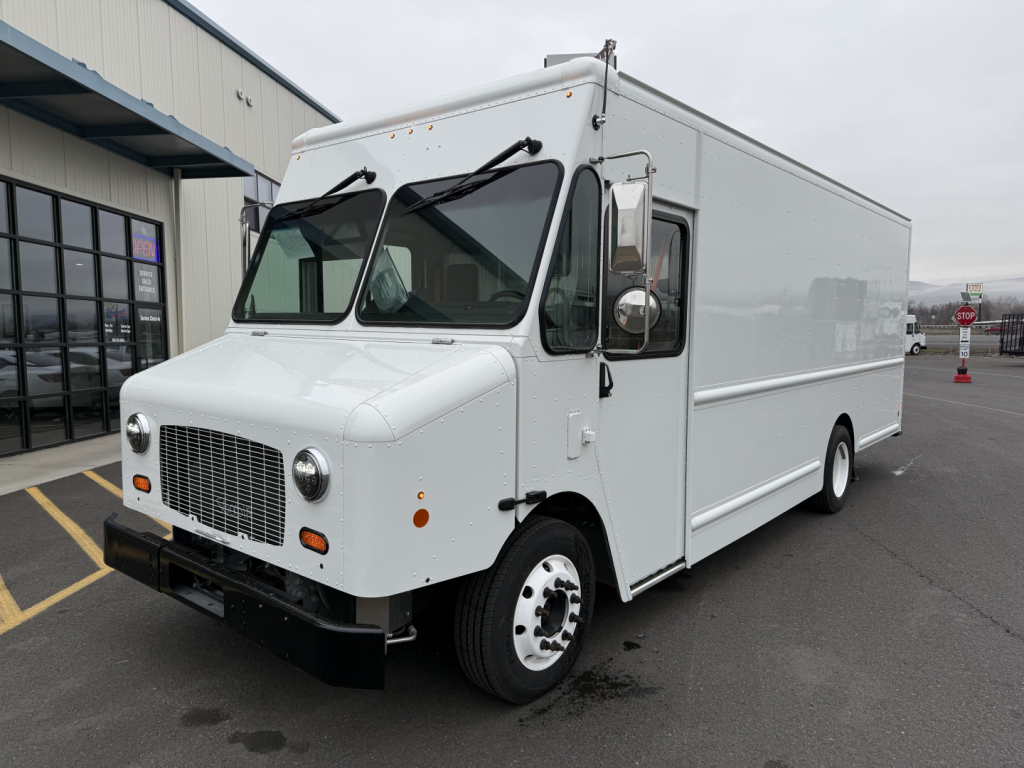
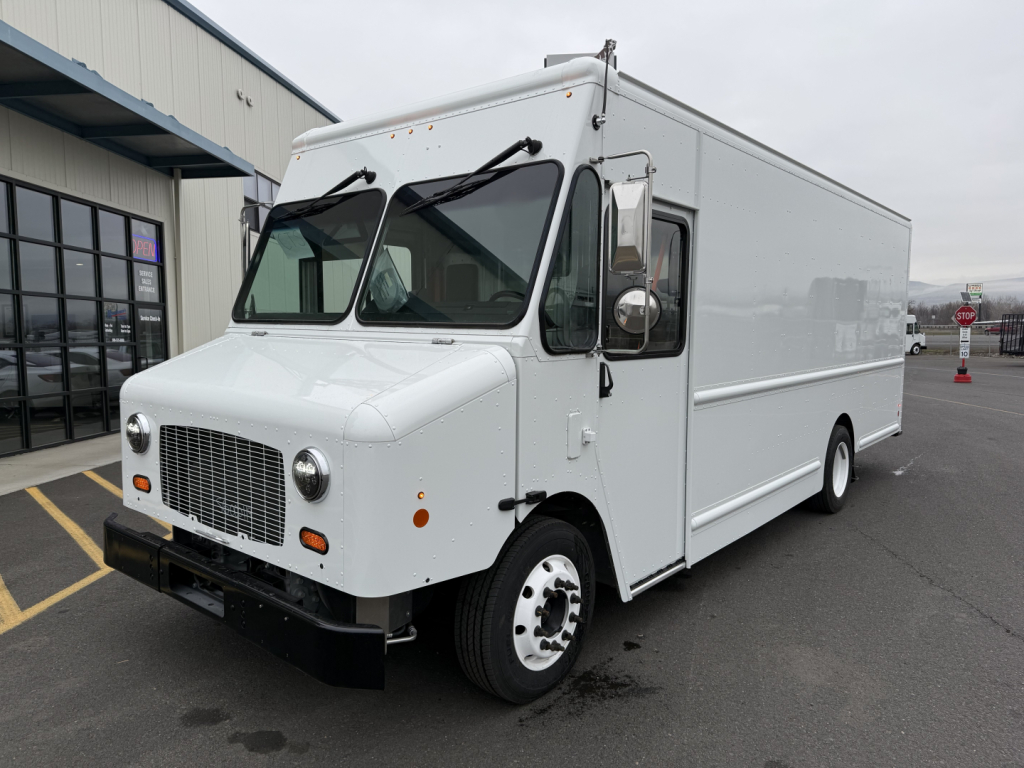
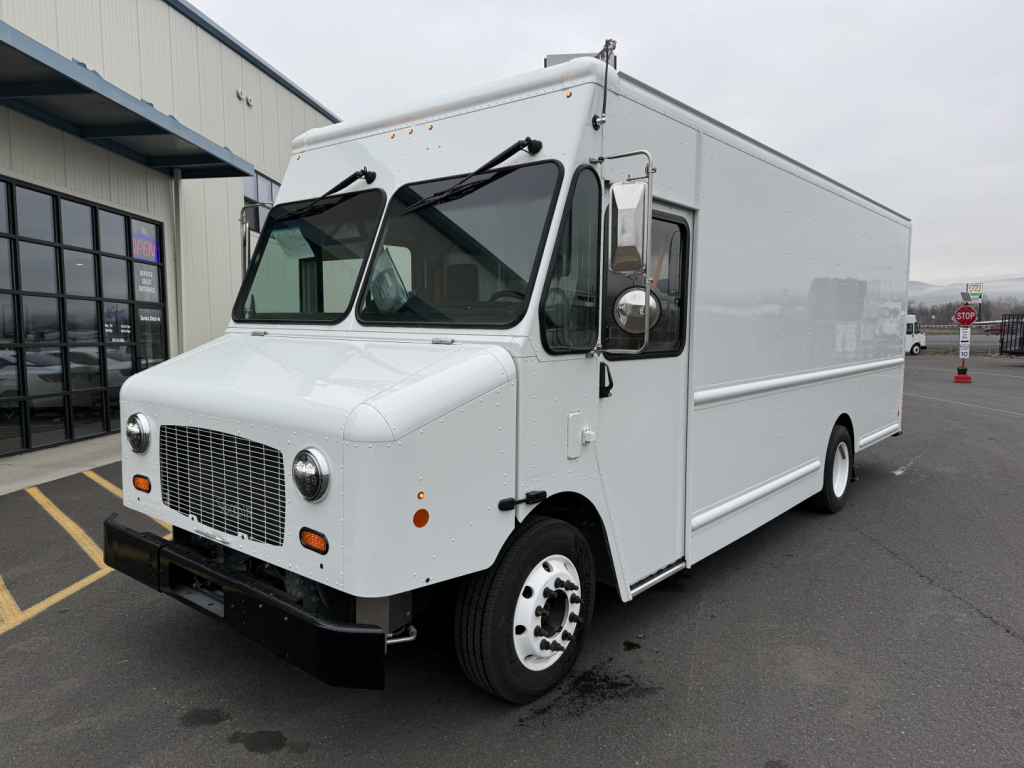
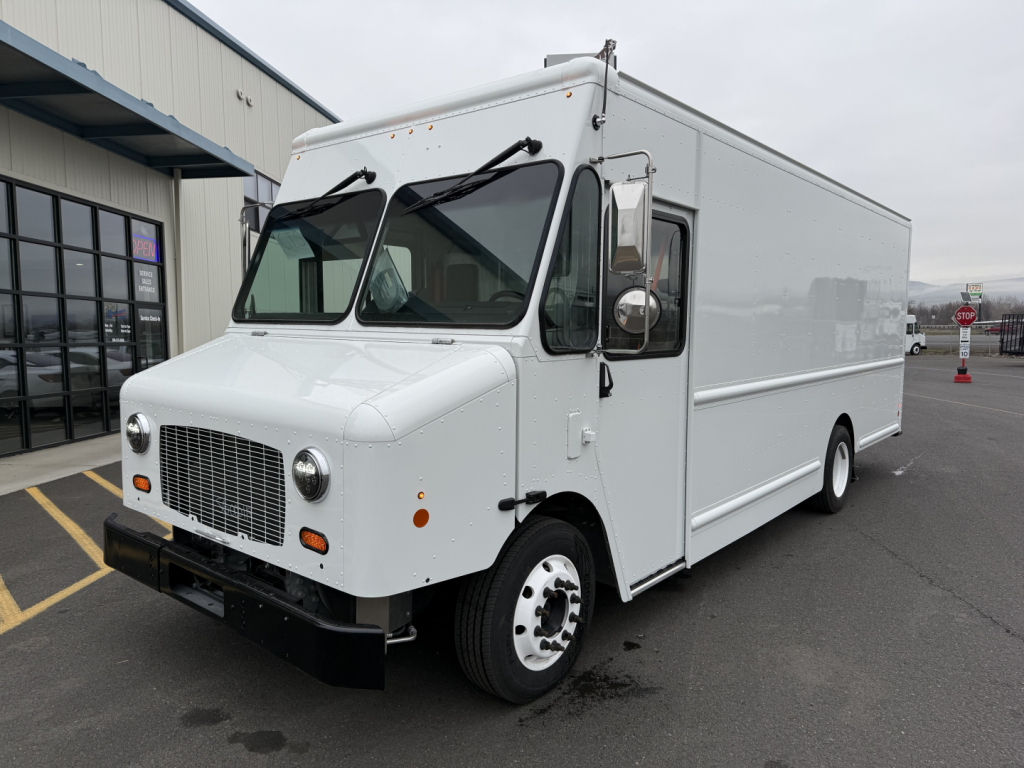
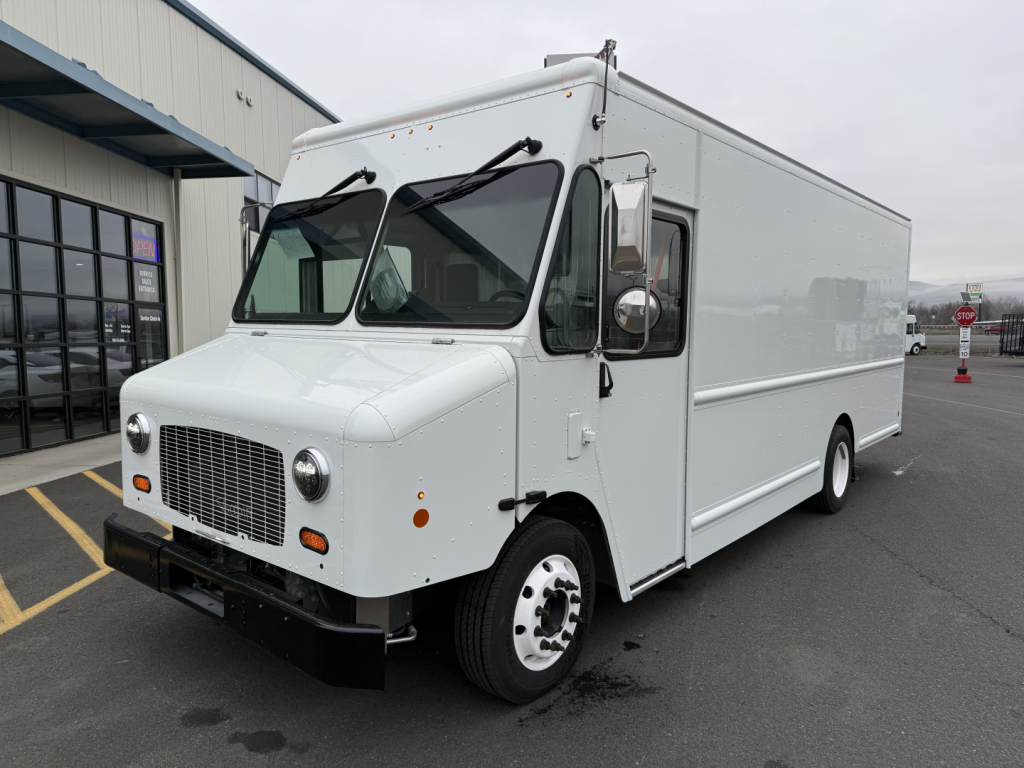
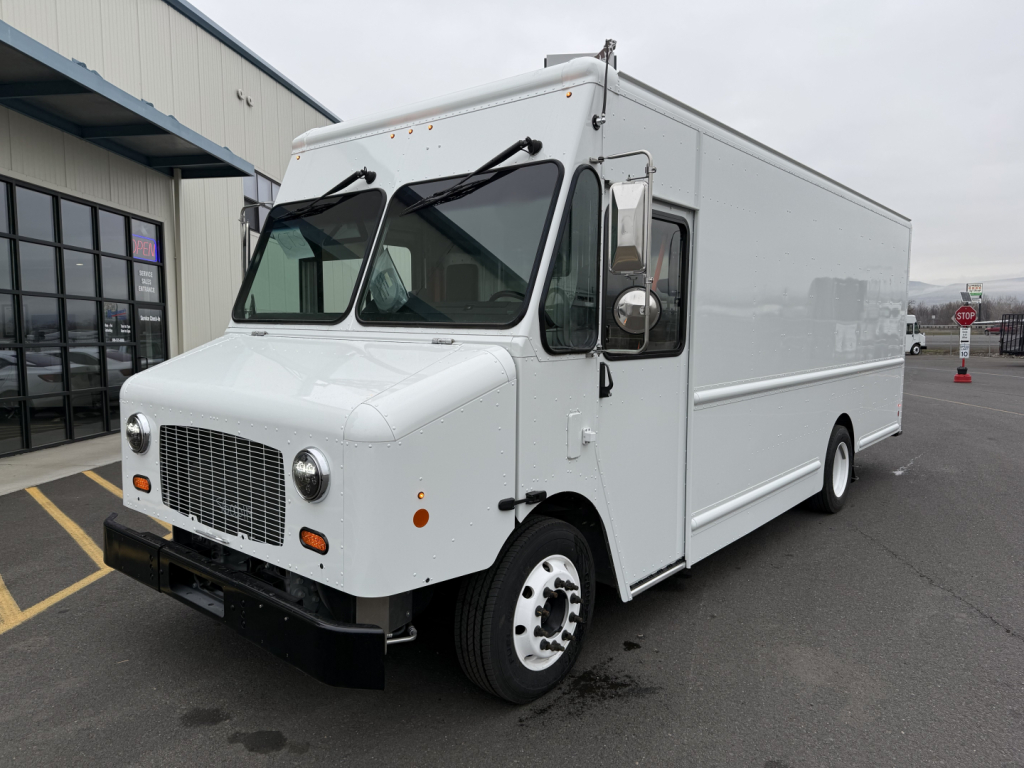
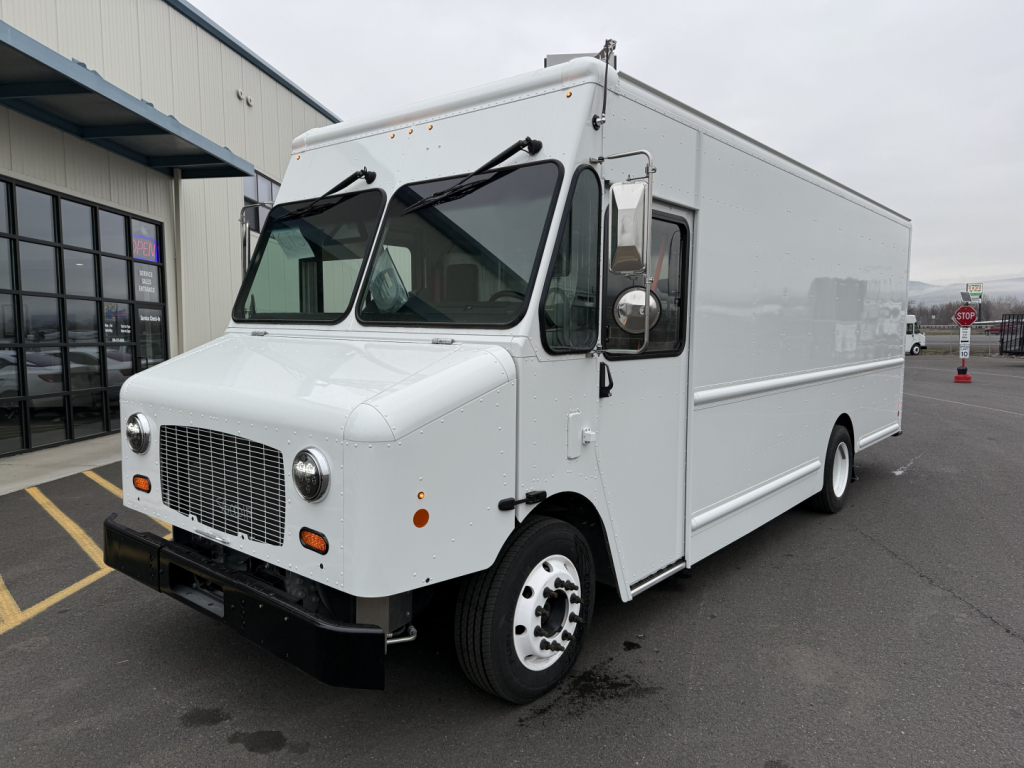
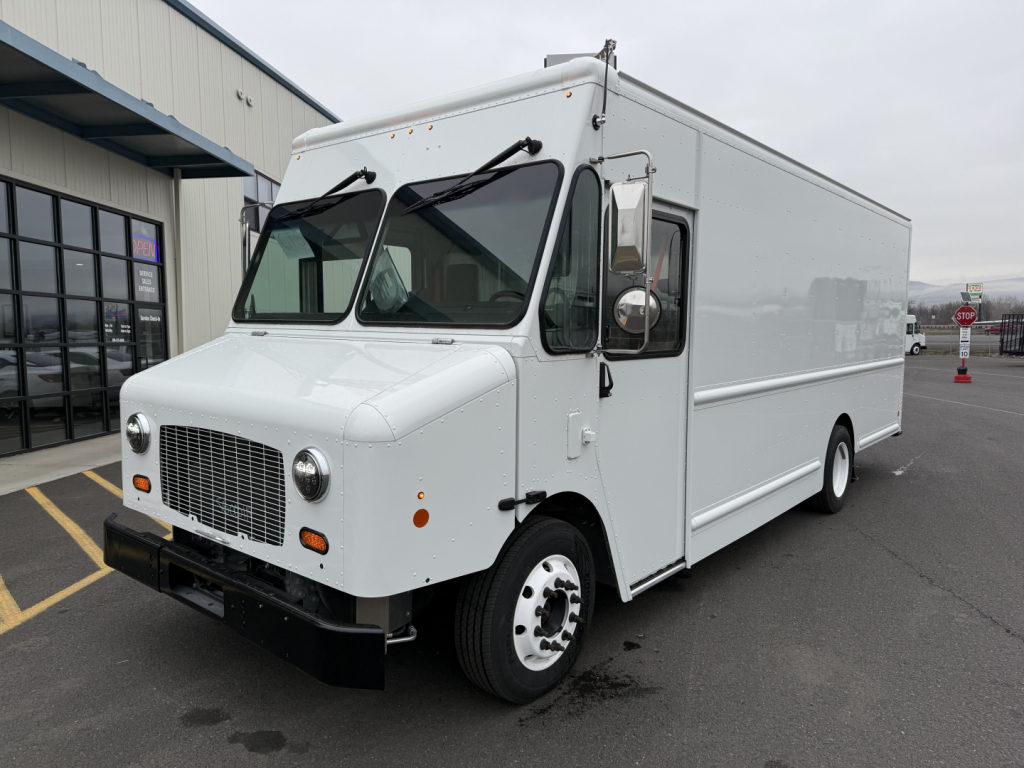
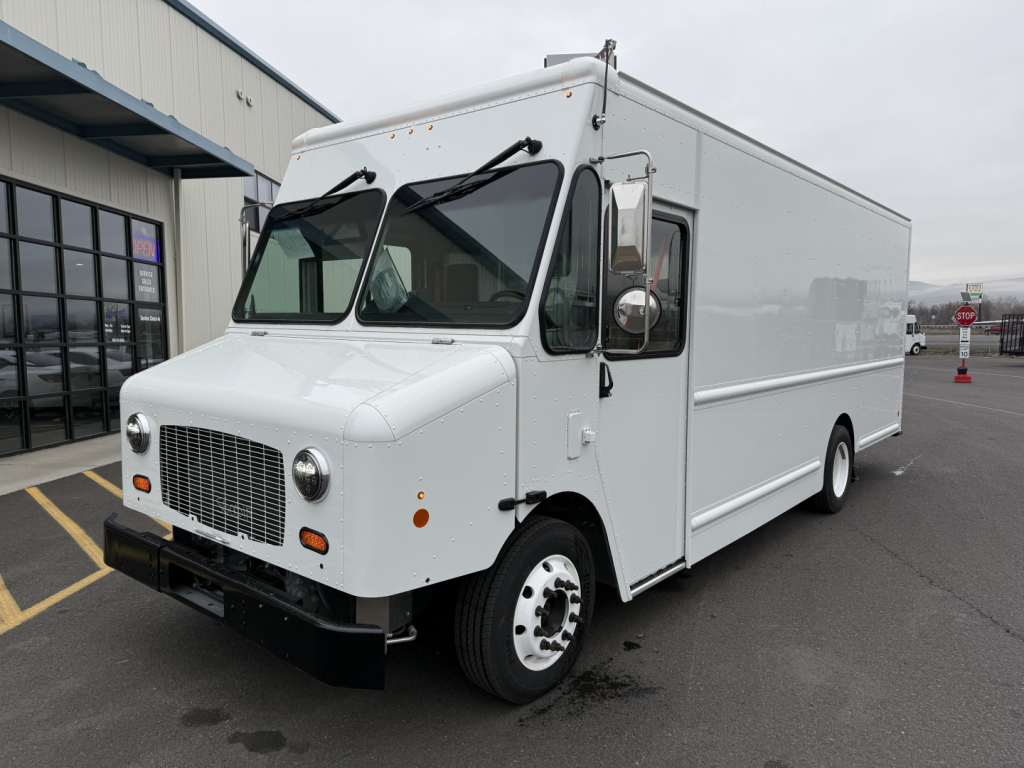
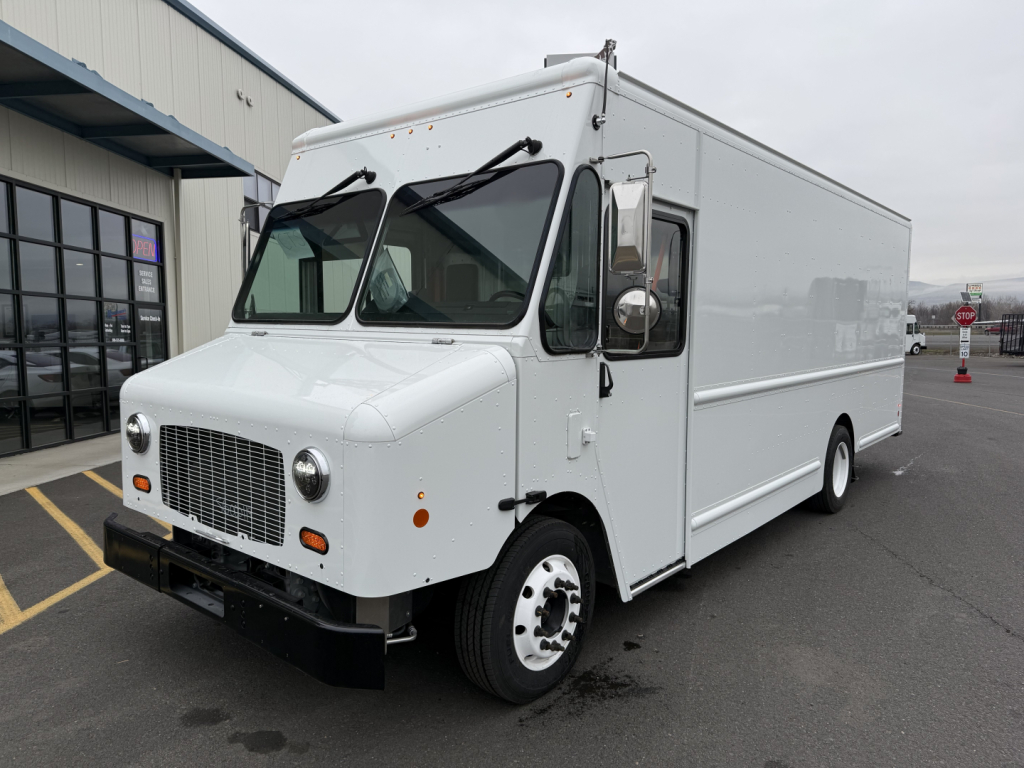
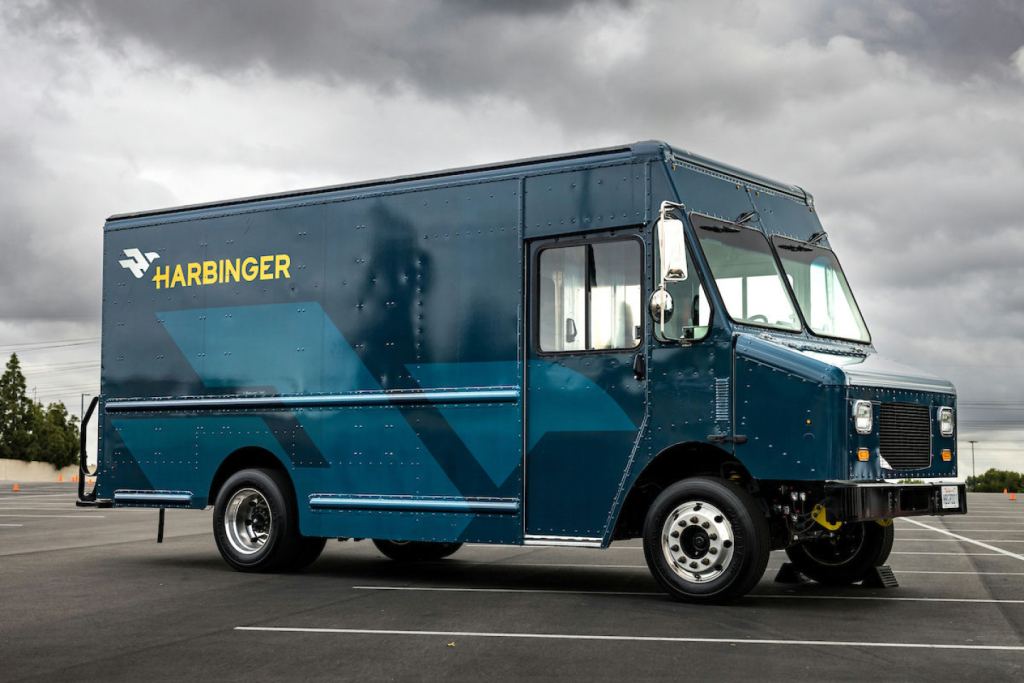
Selling a harbinger truck? List your harbinger truck for sale and reach thousands of commercial buyers.
Harbinger Trucks in Colorado
A common configuration in this class is a single-axle step van with a 20-foot body, around a 208-inch wheelbase, and a GVWR in the 24,000-pound range. Sample specs in this category show a Harbinger electric motor rated at 440 horsepower, paired with an e-axle driveline, 9,000-pound front axle, 15,400-pound rear axle, and spring leaf rear suspension. That puts these trucks squarely in the medium-duty delivery segment where payload, body upfit, and route efficiency matter more than long-haul range. Buyers should pay close attention to body length, interior cargo cube, door configuration, axle ratings, and how the upfit affects usable payload.
For fleet use in Colorado, route planning and charging strategy are central to the buying decision. Harbinger electric step vans make the most sense on repeatable local and regional routes where daily mileage, dwell time, and return-to-yard charging can be controlled. Regenerative braking can be an advantage in dense metro delivery work, and electric drivetrains typically reduce routine maintenance compared with internal combustion trucks by eliminating many traditional engine and exhaust service items. Buyers should still evaluate charging infrastructure, battery warranty terms, service support, cold-weather performance, and how elevation changes affect real-world energy consumption.
The right Harbinger truck setup depends on the work. A parcel or retail delivery fleet may prioritize cargo access, driver ergonomics, and tight turning capability. A municipal or vocational buyer may focus more on body compatibility, front and rear axle capacity, and electrical power take-off needs if auxiliary equipment is involved. When comparing units, look beyond headline horsepower and confirm wheelbase, body manufacturer, suspension type, brake system, charging compatibility, and expected range under your actual load profile. On electric medium-duty trucks, application fit is the real performance spec.
Frequently Asked Questions about Harbinger Trucks in Colorado
What are Harbinger trucks typically used for?
Harbinger trucks are typically used for medium-duty commercial applications with predictable daily routes, especially step van delivery work. Common use cases include parcel delivery, retail distribution, last-mile logistics, and other urban or suburban operations where the truck returns to a central location for charging. Their all-electric design is best matched to stop-and-go service rather than irregular long-distance hauling.
What class of truck is a Harbinger step van?
Based on the sample specifications, Harbinger step vans in this category are generally medium-duty trucks with a GVWR around 24,400 pounds. That places them in the Class 6 range, depending on final configuration. Buyers should confirm the exact GVWR on each unit because body choice, battery configuration, and upfit details can affect final ratings and licensing considerations.
What specs should I compare when shopping Harbinger trucks for sale?
The most important specs are GVWR, wheelbase, body length, axle ratings, suspension type, and the electric drivetrain configuration. On Harbinger trucks, buyers should also compare battery-related details, charging compatibility, estimated operating range, and how the upfit affects payload capacity. For step vans, cargo access, interior package space, and body builder quality are just as important as motor output.
Are Harbinger trucks a good fit for Colorado fleets?
Harbinger trucks can be a strong fit for Colorado fleets if the operating cycle is well defined. They are most practical for local delivery routes with known mileage, planned charging windows, and return-to-base operations. Buyers in Colorado should account for cold-weather range impact, elevation changes, and charging access, since those factors can affect real-world performance more than brochure figures.
Do electric Harbinger trucks reduce maintenance compared with diesel trucks?
Electric Harbinger trucks generally have fewer routine maintenance items than comparable diesel trucks because they do not require engine oil changes, aftertreatment service, or many traditional fuel system repairs. That said, they still require regular inspection of brakes, suspension, tires, steering, body components, and high-voltage systems. Service network access and technician familiarity with the platform are important parts of the ownership equation.