
Harbinger Step Van Trucks For Sale in Colorado
Explore Harbinger step van trucks with electric power, 20-foot body options, 24,400-lb GVWR, and delivery-ready urban fleet specs.
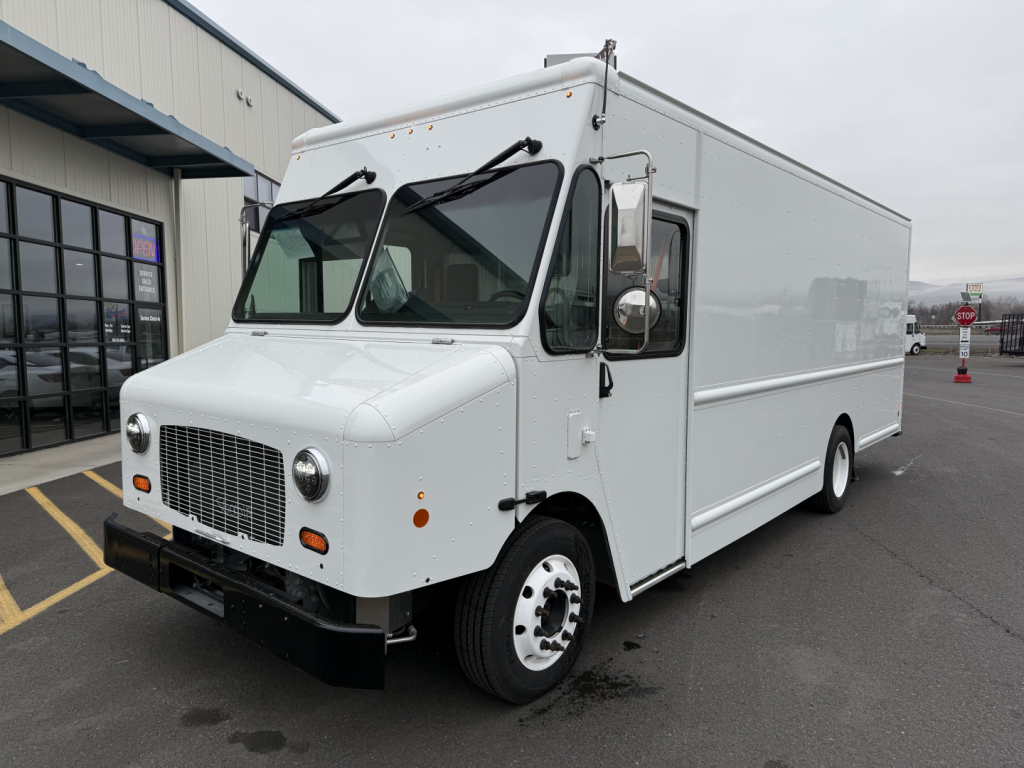
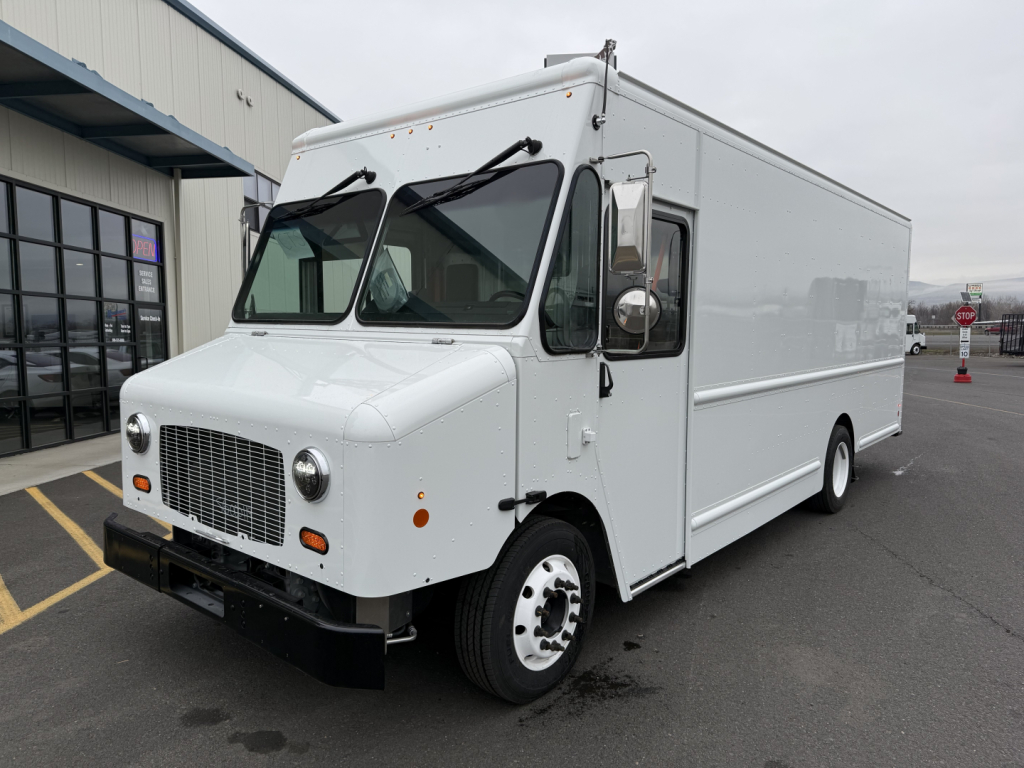
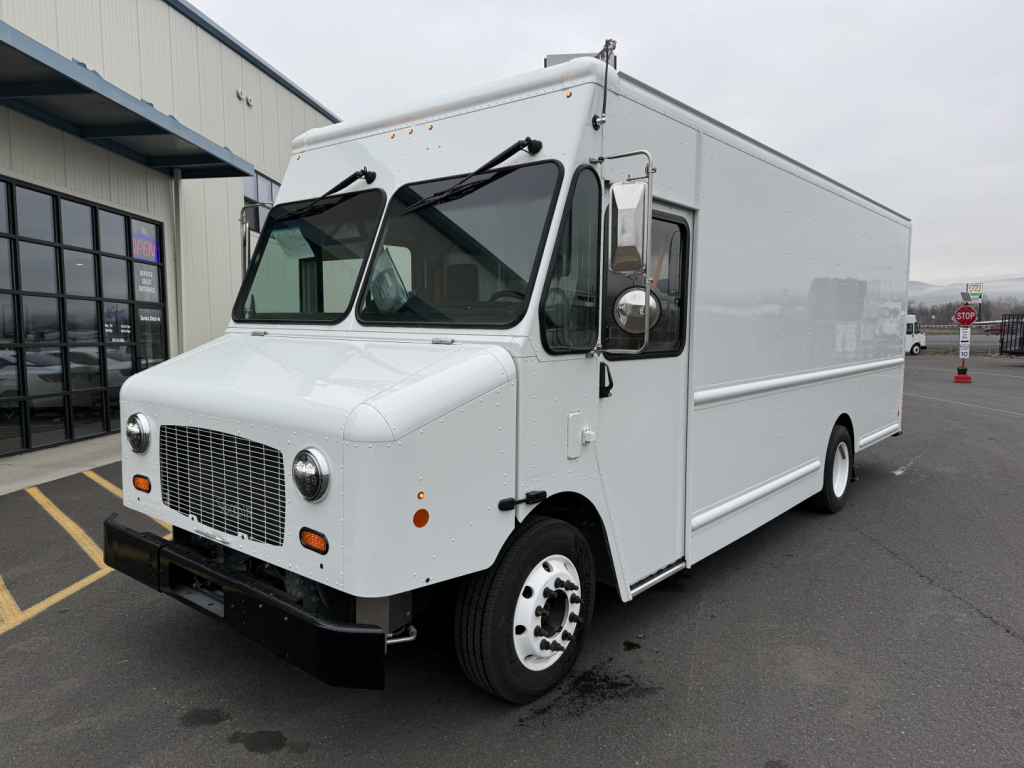
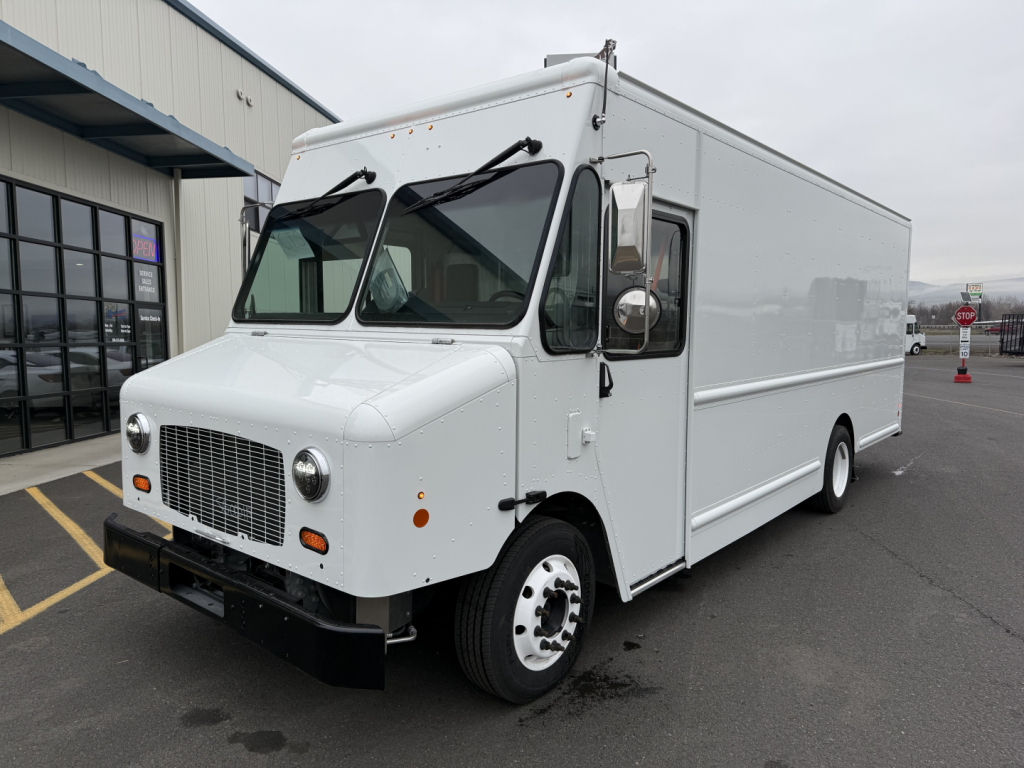
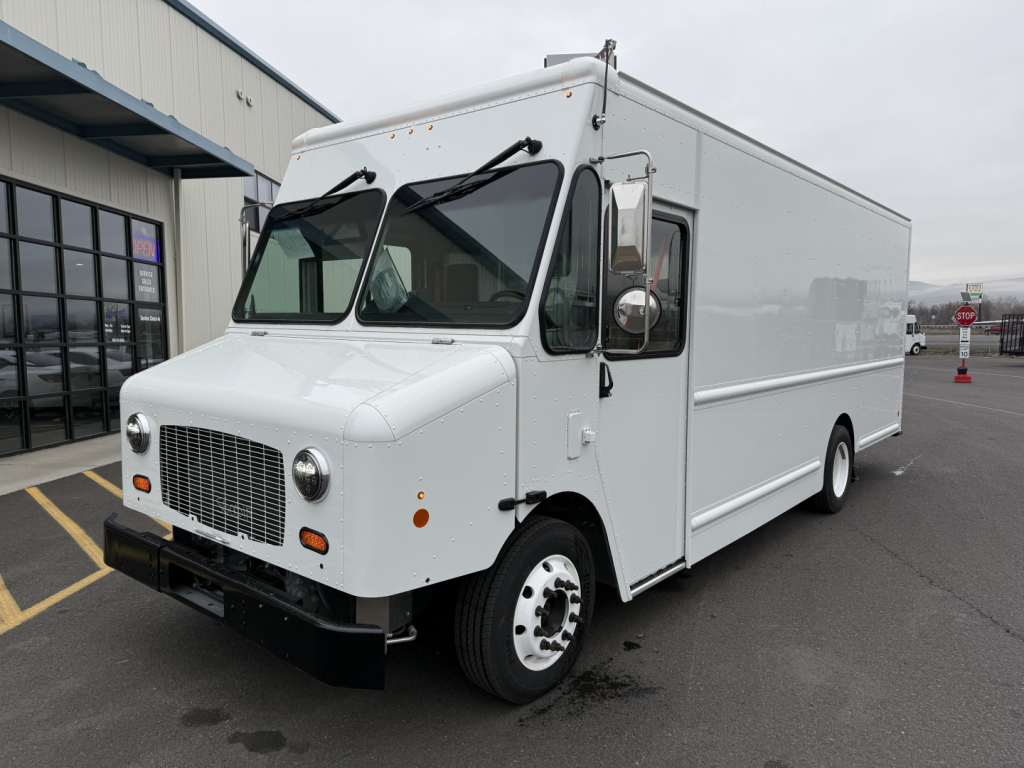
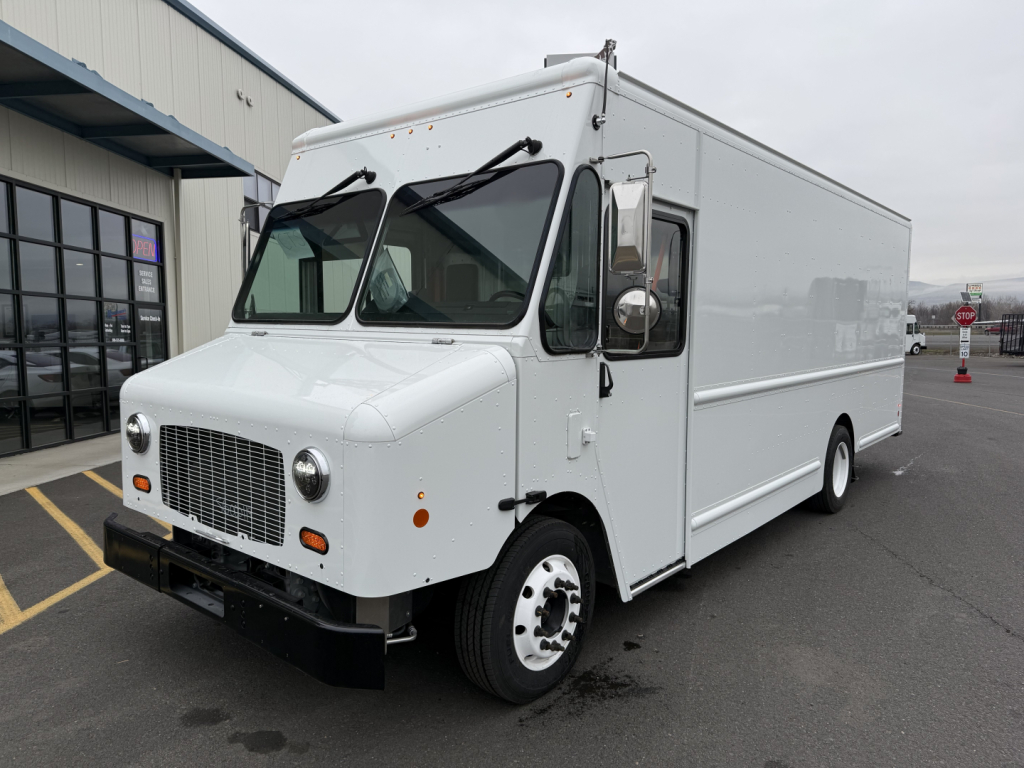
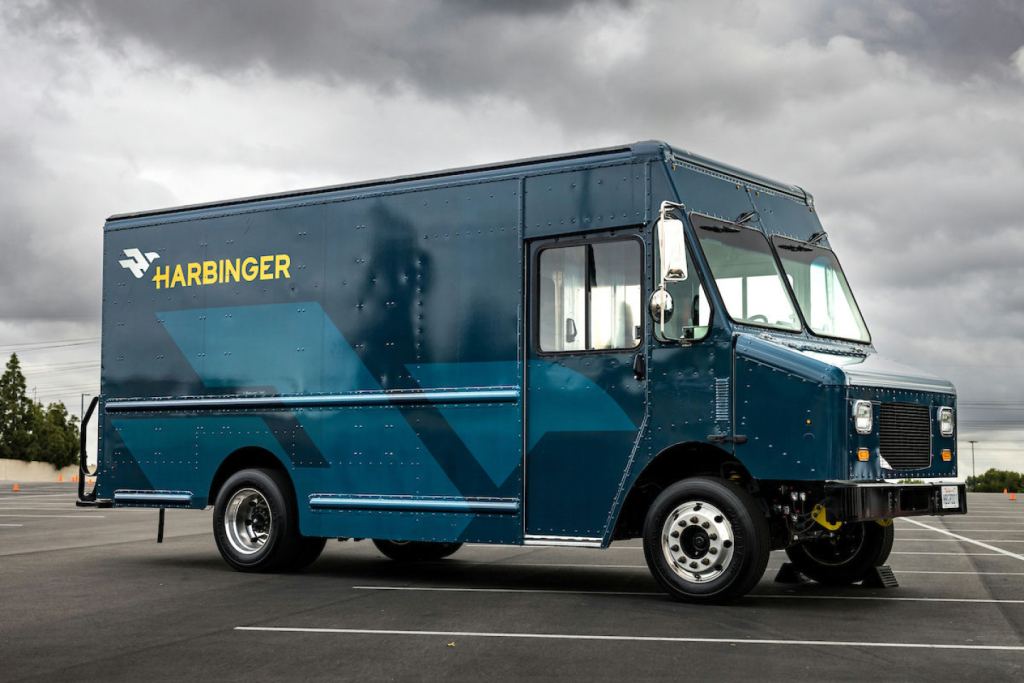
Selling a harbinger step van truck? List your harbinger step van truck for sale and reach thousands of commercial buyers.
Harbinger Step Van Trucks in Colorado
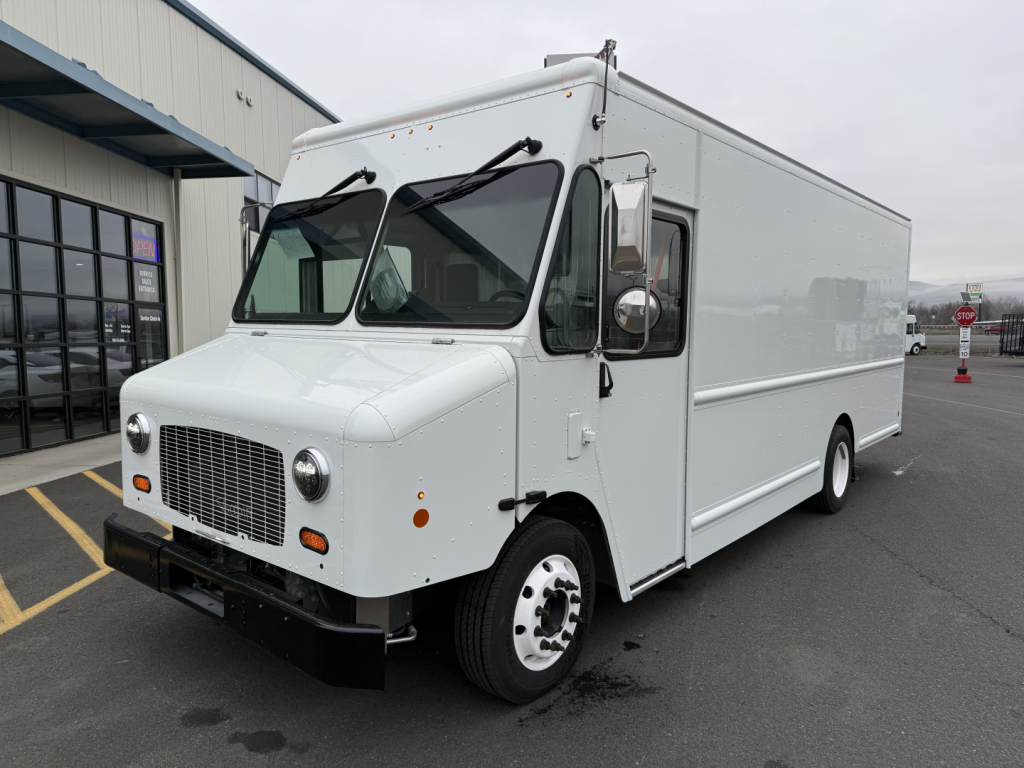
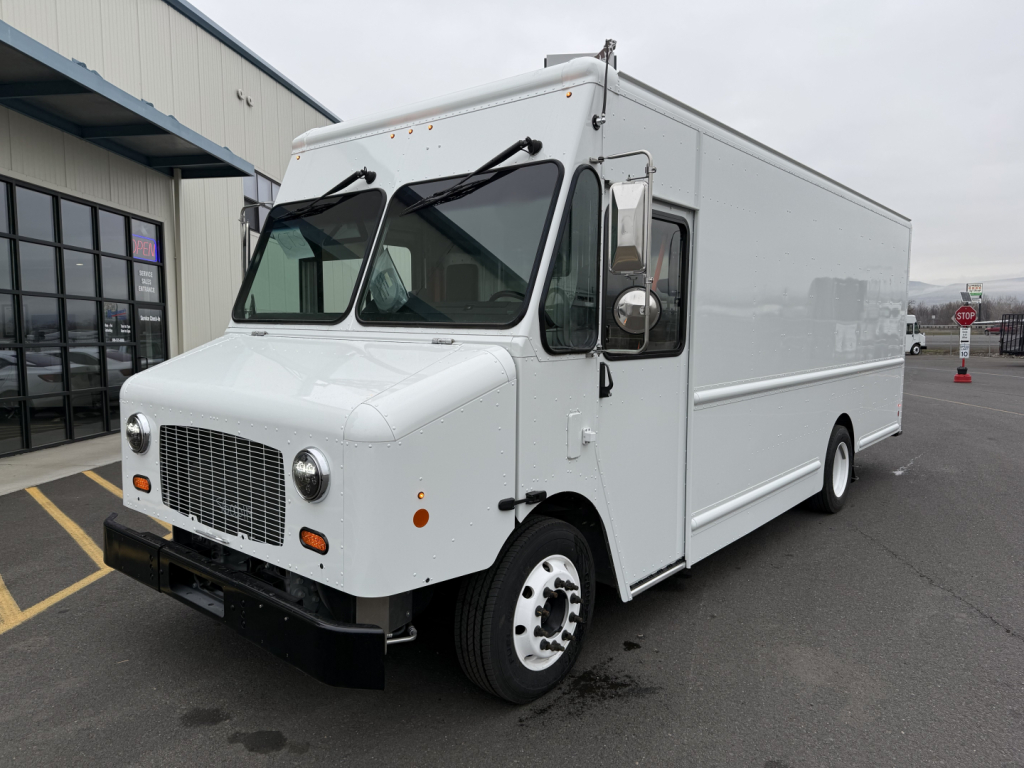
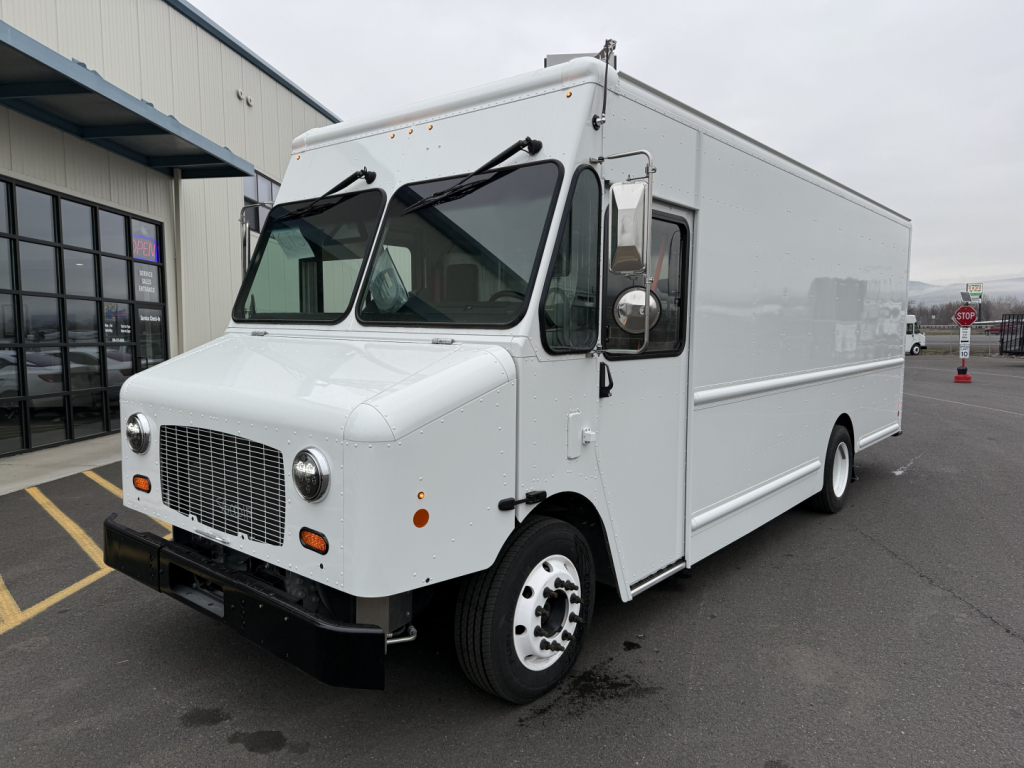
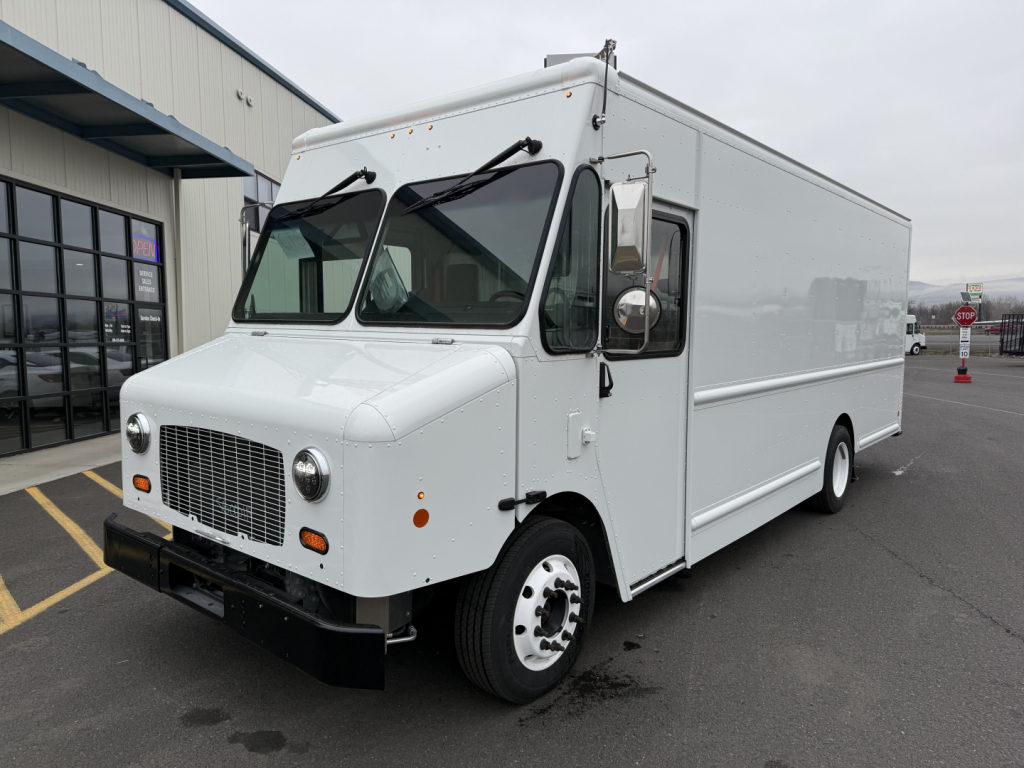
One of the key buying points on a Harbinger step van is the electric drivetrain. Sample specs in this category show a 440-horsepower electric motor paired with an e-axle, along with axle ratings around 9,000 lbs front and 15,400 lbs rear. Compared with a conventional gasoline or diesel step van, an electric step van can reduce idle time losses, simplify driveline maintenance, and improve driver comfort in dense city work. Buyers should still match battery capacity and route profile carefully. Daily miles, average payload, terrain, accessory loads, and charging dwell time all directly affect real-world suitability. In Colorado, elevation changes and winter temperatures can be especially important when estimating range and regenerative braking performance.
Body configuration is just as important as the chassis. Many step vans in this class are built with walk-through cabs and proven commercial bodies from manufacturers such as Morgan Olson. A 20-foot body is a strong fit for package and bulk-stop delivery because it gives drivers usable cube without making the truck too long for alleys, loading zones, and tight residential streets. Look closely at cargo access, shelving layout, door style, floor height, and interior ergonomics. Fleet buyers should also evaluate turning radius, wheelbase, rear suspension design, and how the body-builder integration supports telematics, charging hardware, and service access.
For most buyers, the decision comes down to route consistency, charging infrastructure, and total operating cost. A Harbinger step van makes the most sense when the truck returns to a home base, runs a repeatable route, and benefits from reduced fuel spend and fewer traditional powertrain service items. It is also a strong candidate for fleets preparing for emissions compliance targets or low-emission zone operation. When comparing listings, focus on body length, wheelbase, axle ratings, GVWR, charging compatibility, and the exact vocational setup rather than model name alone. In a step van, the right specification is what determines productivity.
Frequently Asked Questions about Harbinger Step Van Trucks in Colorado
What is a Harbinger step van typically used for?
A Harbinger step van is typically used for last-mile delivery, parcel routes, bakery and food distribution, uniform and linen service, mobile service applications, and other medium-duty work that involves frequent stops. The step van layout is designed for easy entry and exit, fast movement inside the cargo area, and efficient operation in urban and suburban delivery environments.
Are Harbinger step vans fully electric?
In this category, Harbinger step vans are generally configured as fully electric trucks using an electric motor and e-axle rather than a conventional internal combustion engine and transmission. That setup can reduce fuel costs, cut idle-related waste, and lower maintenance tied to oil changes, exhaust aftertreatment, and many traditional driveline components. Buyers still need to confirm charging requirements, battery specifications, and route fit on each truck.
What GVWR and body size are common on a Harbinger step van?
A common configuration in this category is a single-axle truck with a 24,400-lb GVWR and a step van body around 20 feet long. That size works well for delivery fleets that need a practical balance of payload, cargo cube, and maneuverability. Final usable payload depends on the body build, battery system, shelving, driver equipment, and any added vocational upfit.
What should buyers in Colorado pay attention to on an electric step van?
Colorado buyers should pay close attention to route elevation changes, winter temperatures, charging access, and average daily mileage. Mountain grades and cold weather can affect energy use, while regenerative braking can help on descents. The best fit is usually a repeatable route with known dwell time for charging and a clear understanding of payload demands, accessory use, and seasonal operating conditions.
What specs matter most when comparing Harbinger step van listings?
The most important specs are GVWR, front and rear axle ratings, wheelbase, body length, electric drivetrain configuration, and the exact cargo body or upfit package. Buyers should also review door layout, interior shelving, suspension type, brake system details, and service support considerations. For fleet use, telematics compatibility, charger planning, and expected route range are just as important as horsepower.