
Gasoline - Fuel Trailers For Sale
Browse gasoline fuel trailers for sale, including DOT 406 petroleum tank trailers with multi-compartment setups, bottom loading, and vapor recovery.
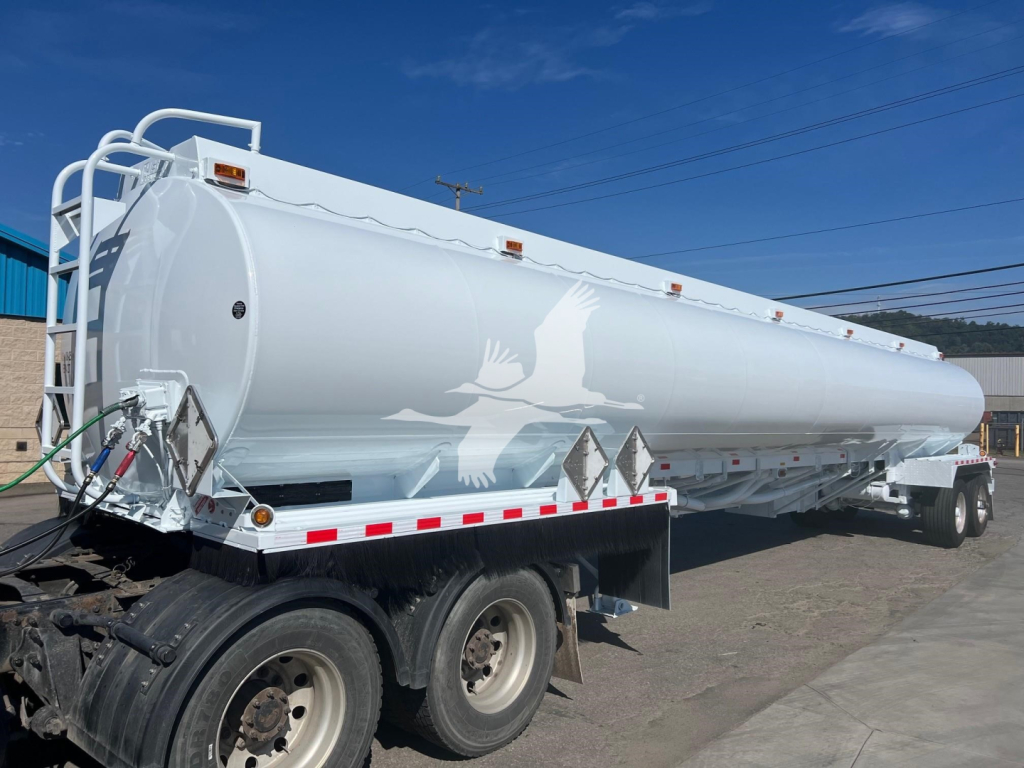
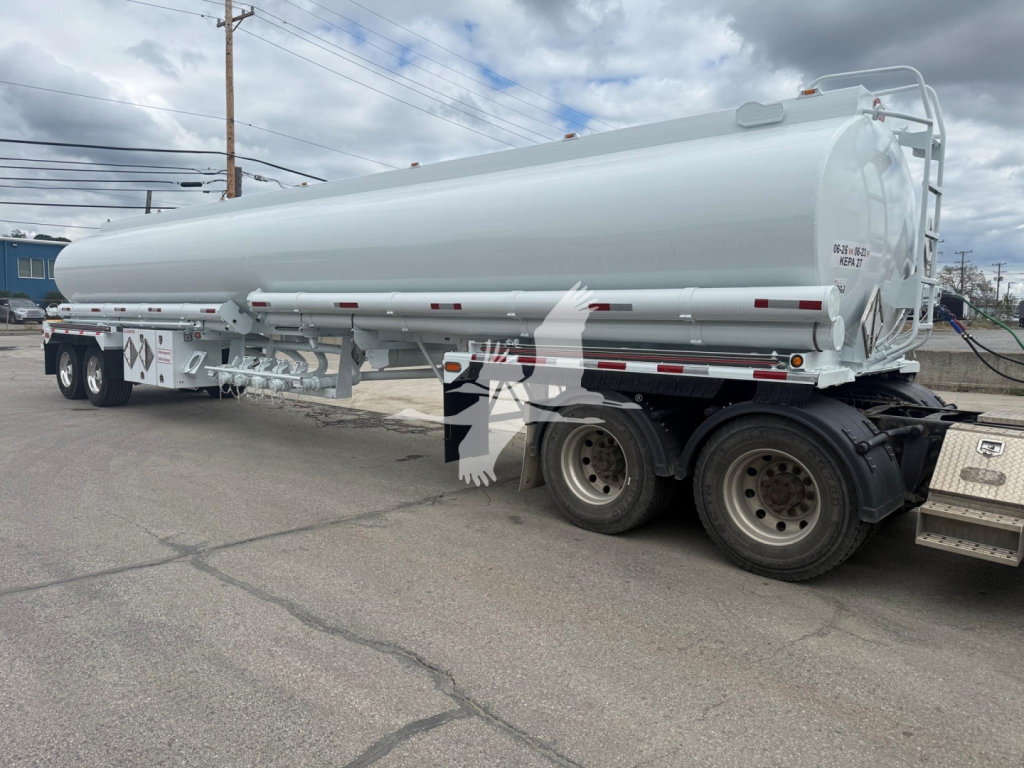
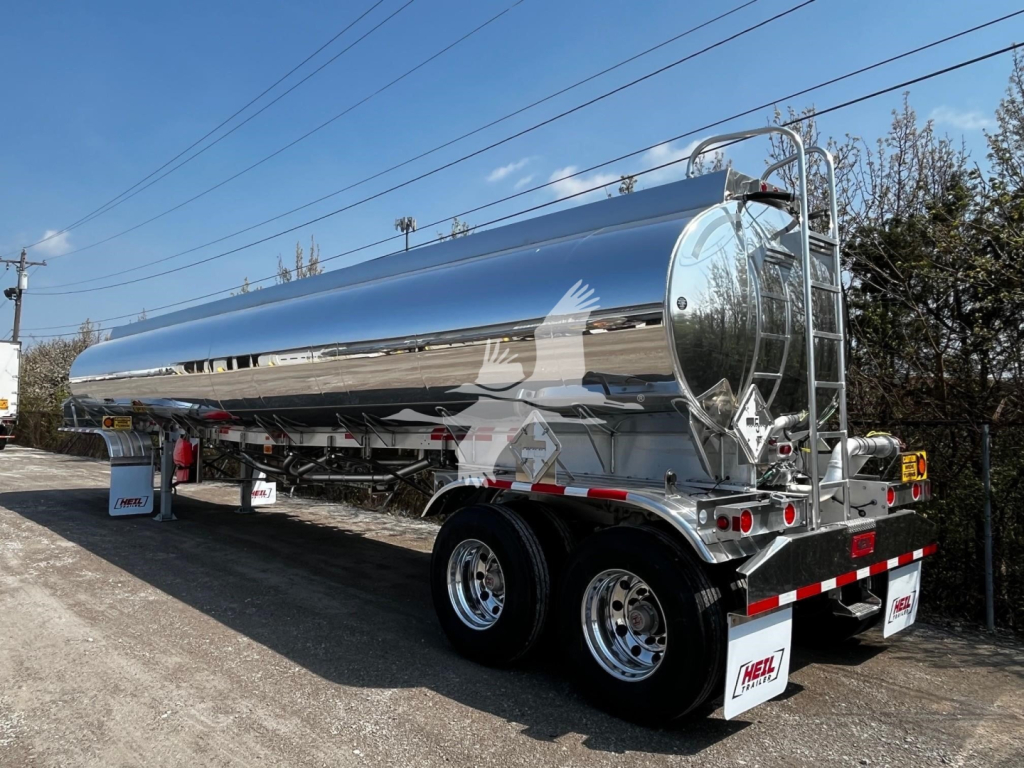
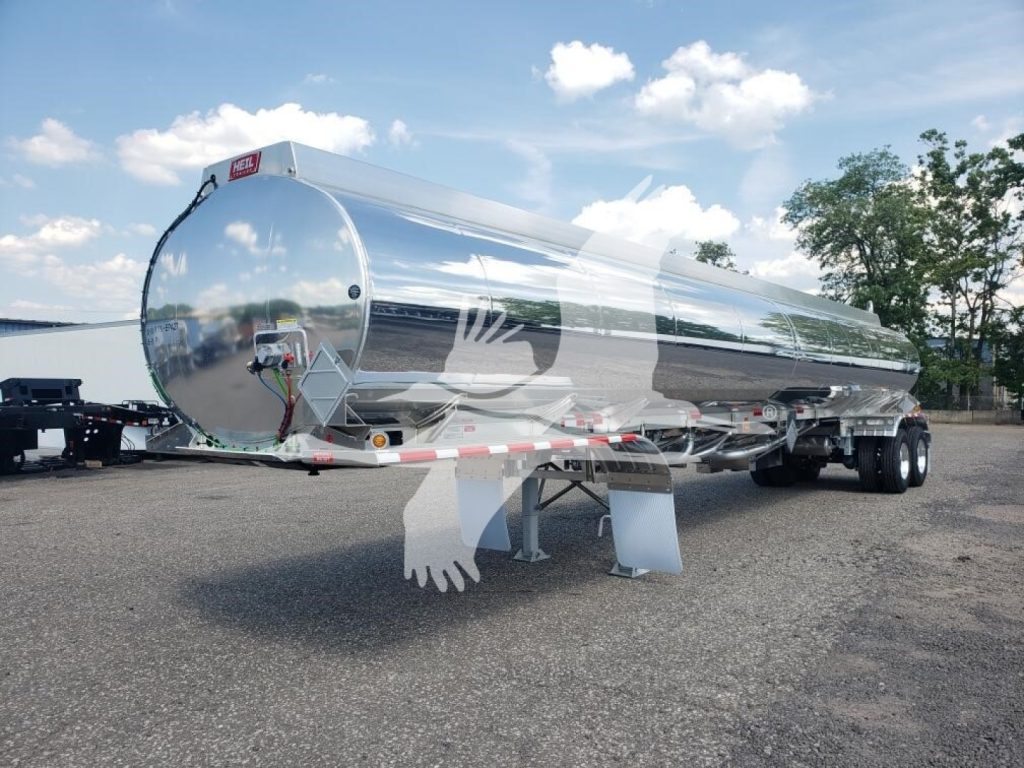
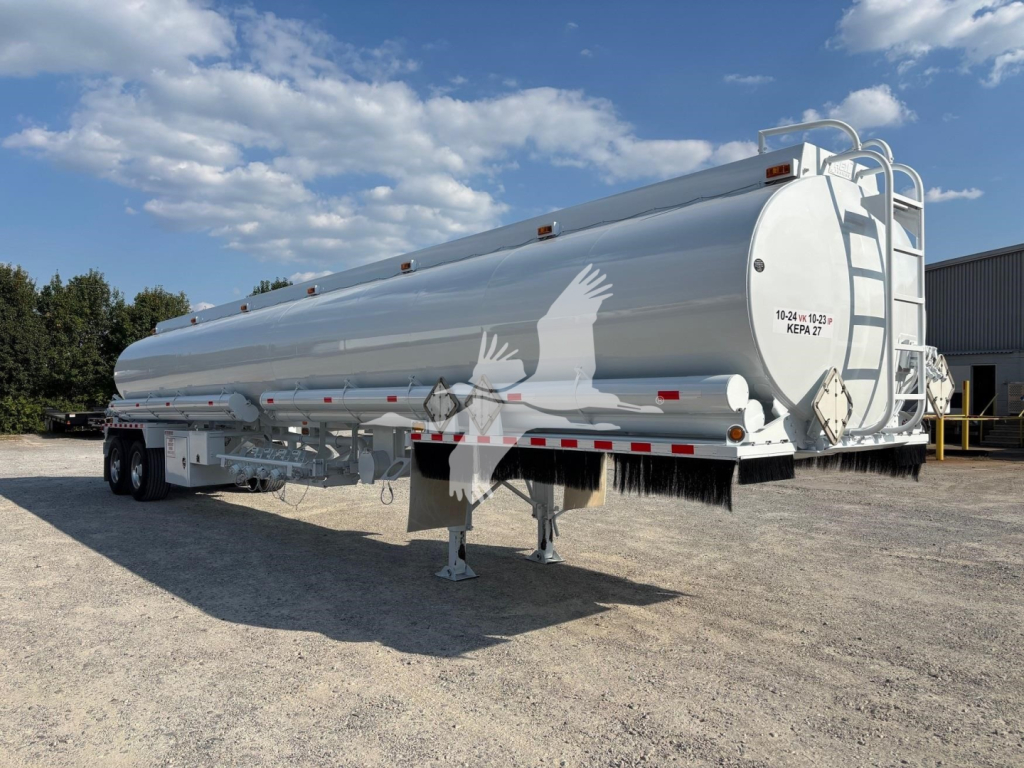
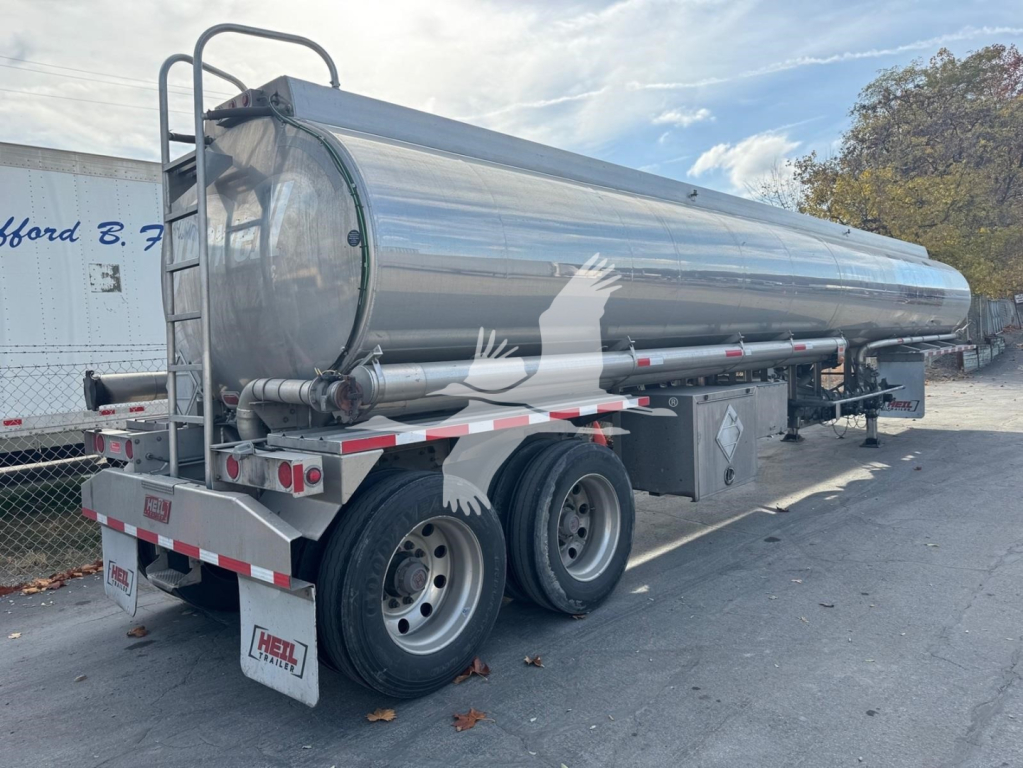
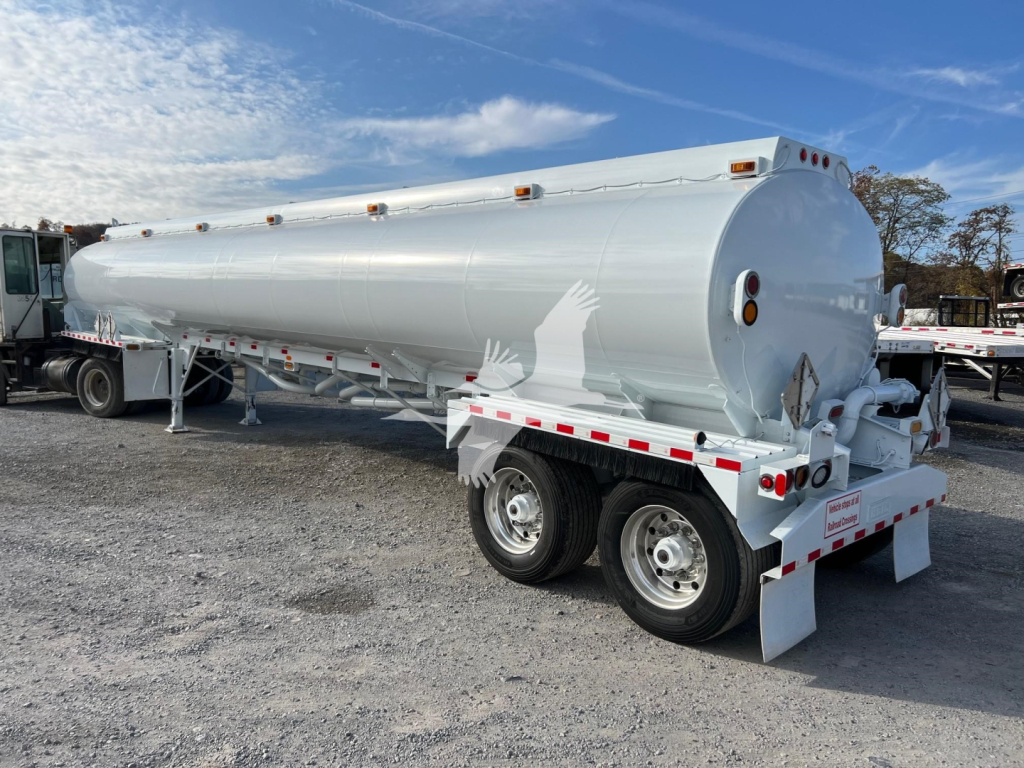
Selling a gasoline - fuel trailer? List your gasoline - fuel trailer for sale and reach thousands of commercial buyers.
Gasoline - Fuel Trailers
Compartment layout is one of the first decisions to make. A four-compartment trailer works well for standard station drops and straightforward product segregation, while a five-compartment trailer gives dispatch more flexibility for gasoline grades, diesel, ethanol blends, or fuel oil. Buyers should look closely at compartment sizes, bulkhead configuration, trough or sump design, and the unload system. Bottom-load trailers with internal vapor lines, overfill probes, air-operated emergency valves, and openable API adaptors are standard on later-model equipment because they speed up loading and align with terminal requirements. Equipment from suppliers such as Civacon is common for overfill protection and vapor recovery hardware, so replacement parts and service support are usually easier to source.
Spec details affect daily usability as much as compliance. Tandem axle air ride suspensions are the norm, often with aluminum wheels, low-profile 22.5 or 24.5 rubber, and a 49-inch tandem setting. Disc or drum brake condition matters, but so do ABS and roll stability systems, landing gear condition, kingpin setting, hose tube arrangement, cabinet layout, and lighting at the discharge area. A trailer set up with multiple hose tubes, organized fittings cabinets, EVO cabinet access, placard holders, and good rear work lights saves time on every stop. Aluminum piping, internal drains, spray suppression, and clean cabinet design also reduce long-term maintenance headaches.
For used gasoline trailers, testing and documentation are just as important as the hardware. Buyers should confirm current vac and pressure test status, internal and external inspection dates, specification plate details, and state or federal inspection records where applicable. It is also smart to verify what product was previously hauled, because prior gasoline-only service may matter to some fleets more than mixed gas and diesel use. Barrel condition, weld integrity, lining or contamination concerns, emergency valve operation, and vapor recovery functionality all deserve close review. A well-spec'd fuel trailer should match your terminal loading requirements, your delivery profile, and your maintenance program before price becomes the deciding factor.
Also known as: Fuel Tanker Trailer, Fuel Tank Trailer, Petroleum Tanker Trailer
Frequently Asked Questions about Gasoline - Fuel Trailers
What is a DOT 406 gasoline fuel trailer?
A DOT 406, also referenced as MC-406 on many trailers, is a low-pressure cargo tank trailer designed for transporting petroleum products such as gasoline, diesel, and other refined fuels. In practice, these trailers are commonly built from aluminum, use multiple compartments for split loads, and include bottom-loading equipment, vapor recovery, overfill systems, emergency valves, and placarding provisions required for fuel delivery service.
How many compartments should a gasoline fuel trailer have?
The right compartment count depends on the delivery pattern. A four-compartment fuel trailer is common for standard c-store and commercial fuel routes because it balances capacity and product separation. A five-compartment trailer gives more flexibility for carrying multiple gasoline grades, diesel, or specialty products on the same run, but the individual compartment sizes may be smaller. Buyers should compare actual compartment capacities, not just the total gallon rating.
What should I inspect on a used petroleum tank trailer?
The most important checks are test status, barrel condition, and functionality of the loading and discharge systems. Confirm current pressure and vacuum tests, internal and external inspection dates, specification code, and any state inspection documentation. Then inspect the tank shell, welds, bulkheads, emergency valves, overfill system, vapor recovery plumbing, suspension, brakes, tires, lights, cabinets, and hose tube condition. A clean trailer with current tests and working safety systems is usually worth more than one with lower upfront cost but deferred compliance work.
Are aluminum gasoline trailers better than steel?
Aluminum is the standard choice for many fuel haulers because it reduces empty weight and offers good corrosion resistance, which helps maximize payload and control long-term operating costs. Steel may be used in some applications, but aluminum petroleum trailers are far more common in refined fuel service. Buyers focused on payload, resale, and fleet standardization usually prefer aluminum construction.
Why do bottom loading and vapor recovery matter on fuel trailers?
Bottom loading improves loading speed, reduces operator exposure, and aligns with how many terminals are set up to load refined fuels. Vapor recovery is critical because gasoline vapors must be managed safely during loading and unloading. A trailer equipped with bottom-loading adaptors, internal vapor recovery, overfill probes, and properly functioning emergency valves is better suited for modern terminal and station delivery requirements.