
2027 Gasoline - Fuel Trailers For Sale
Shop gasoline fuel trailers with common petroleum specs, compartment options, DOT 406 construction, and delivery-focused tanker features.
Looking for the easiest place to sell your 2027 gasoline - fuel trailer? List it here to reach thousands of buyers.
2027 Gasoline - Fuel Trailers
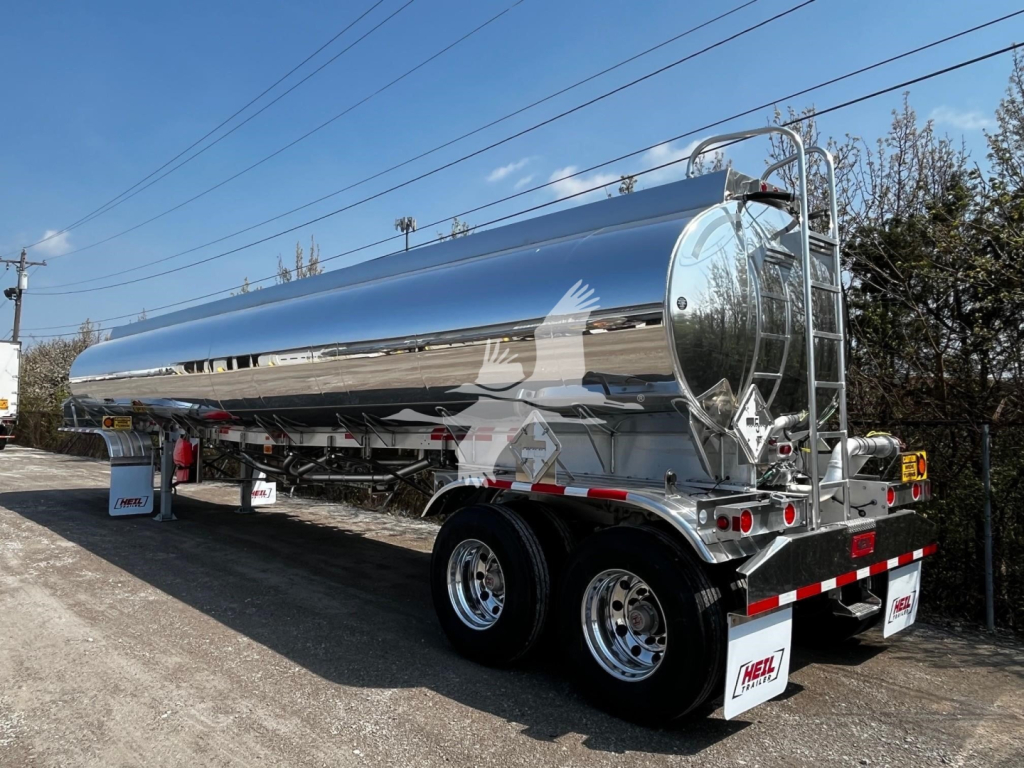
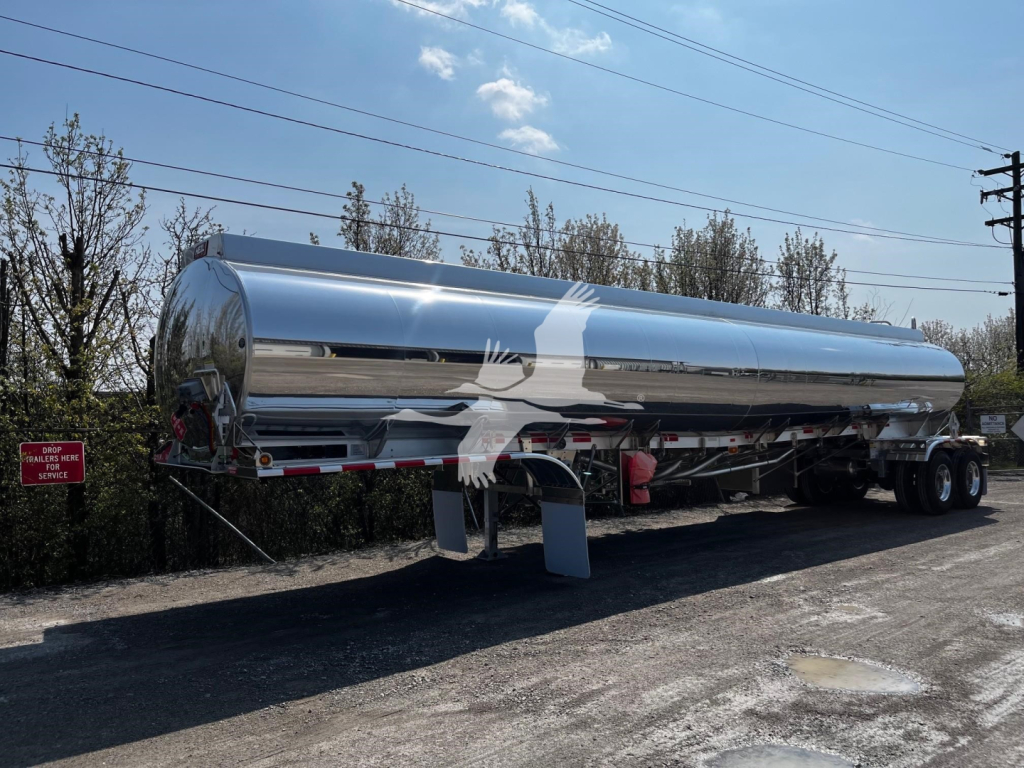
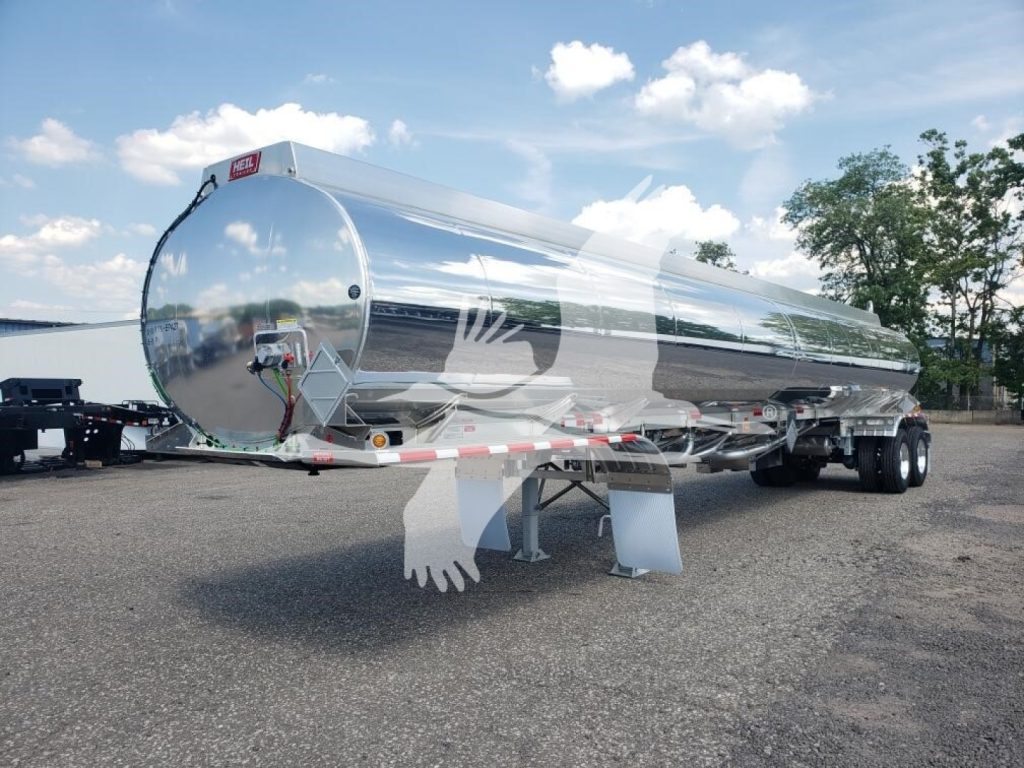
Compartment design matters as much as total capacity. A 4-compartment trailer with practical splits such as 3,500, 2,000, 1,200, and 2,800 gallons gives dispatch flexibility for regular-route fuel delivery, while double bulkheads and internal plumbing details affect surge control, contamination prevention, and unloading efficiency. Buyers should pay close attention to vapor recovery outlets, optic or probe-based overfill systems, emergency valve actuation, API adapters, sight glasses, and cabinet layout. Features like full-length hose trays, EVO cabinets, stick tubes, flip placards, and well-planned discharge areas make a real difference in day-to-day loading and station drops.
Running gear and chassis specs should match the operating area and loading profile. Tandem axle gasoline trailers are commonly built with air ride suspension, aluminum wheels, and either low-profile wide-base tires or 11R22.5 rubber depending on bridge, serviceability, and fleet standardization preferences. Kingpin setting, axle spread, landing gear, ABS with roll stability, and brake type all affect compatibility with your tractors and terminal requirements. Many petroleum carriers also look for aluminum suspension frames, spray suppression, LED work lighting, and cabinet space for spill kits, cones, and fittings because uptime and compliance both depend on organized equipment.
Inspection status is a major buying factor on any fuel trailer. Vapor and leakage tests, internal and external condition, current specification plate, and the age and brand of overfill and vapor-recovery hardware all deserve close review before purchase. Gasoline service is demanding, so it is worth confirming compartment configuration, prior product hauled, valve condition, hose storage, and overall barrel integrity instead of focusing on gallons alone. Also known as petroleum tank trailers or gas tank trailers, these units are best evaluated by how efficiently they fit your routes, rack setup, and customer delivery pattern.
Frequently Asked Questions about 2027 Gasoline - Fuel Trailers
What is the typical capacity of a gasoline fuel trailer?
Most gasoline fuel trailers are built in the 8,500 to 9,500 gallon range, although exact capacity depends on axle configuration, shell design, and intended payload distribution. Many retail petroleum trailers use four compartments so the operator can deliver different fuel grades or split volumes across several stops without carrying separate equipment.
What does DOT 406 or MC-406 mean on a gasoline trailer?
DOT 406, previously MC-406, is the common specification for many aluminum petroleum delivery trailers hauling flammable liquids such as gasoline. It refers to the tank design standard and required safety equipment, including features tied to pressure, closures, emergency systems, and loading or unloading hardware. Buyers should verify the trailer's actual data plate and compliance status rather than relying only on a listing description.
Why are multiple compartments important on a fuel trailer?
Multiple compartments let a single trailer carry different products or separate load quantities for planned drops. That matters for gasoline operations because a route may include regular, mid-grade, premium, ethanol blends, or split loads for different customers. The right compartment sizes improve dispatch flexibility, reduce partial-load inefficiency, and help prevent unnecessary product mixing.
What features should I inspect first on a used gasoline fuel trailer?
Start with current test dates, tank specification, compartment layout, and the condition of the barrel, bulkheads, valves, and piping. Then review the overfill system, vapor recovery components, emergency valve controls, discharge equipment, ABS, brakes, suspension, tires, and cabinet setup. On petroleum trailers, compliance hardware and leak-free operation are more important than cosmetic appearance because they directly affect rack access, safety, and downtime.
Are wide-base tires or 11R22.5 tires better for petroleum tank trailers?
Both are used in gasoline service, and the better choice depends on your fleet standards and operating area. Wide-base tires can reduce weight and simplify some setups, while 11R22.5 tires are often preferred for easier roadside service and parts availability. The decision should be based on maintenance practice, axle ratings, terminal expectations, and how the trailer will be used on local delivery routes.