
Cab Parts For Sale
Browse cab parts for heavy-duty trucks, including doors, shell components, interiors, mounts, glass, and model-specific replacement pieces.
Selling a cab part? List your cab part for sale and reach thousands of commercial buyers.
Cab Parts
Fitment is the first decision point. Cab components are highly dependent on make, model, generation, door configuration, and sometimes even plant build differences within the same series. A Peterbilt 379, Peterbilt 377, International ProStar, or International 4700 cab can have different mounting points, dash layouts, wiring pass-throughs, and trim details that affect interchangeability. Buyers should confirm VIN, cab style, sleeper or day cab setup, left-hand or right-hand orientation, and whether the part comes from a solid-ride or air-ride cab. On medium-duty trucks, quad cab and crew cab configurations add another layer because rear doors, glass, seals, and interior panels are often unique to that body style.
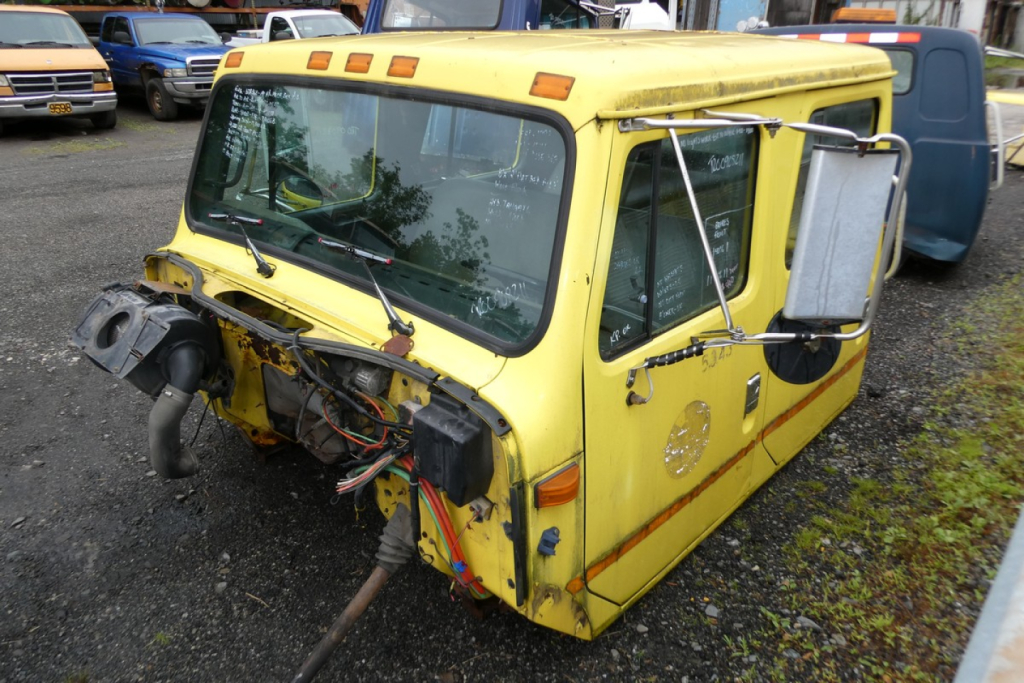
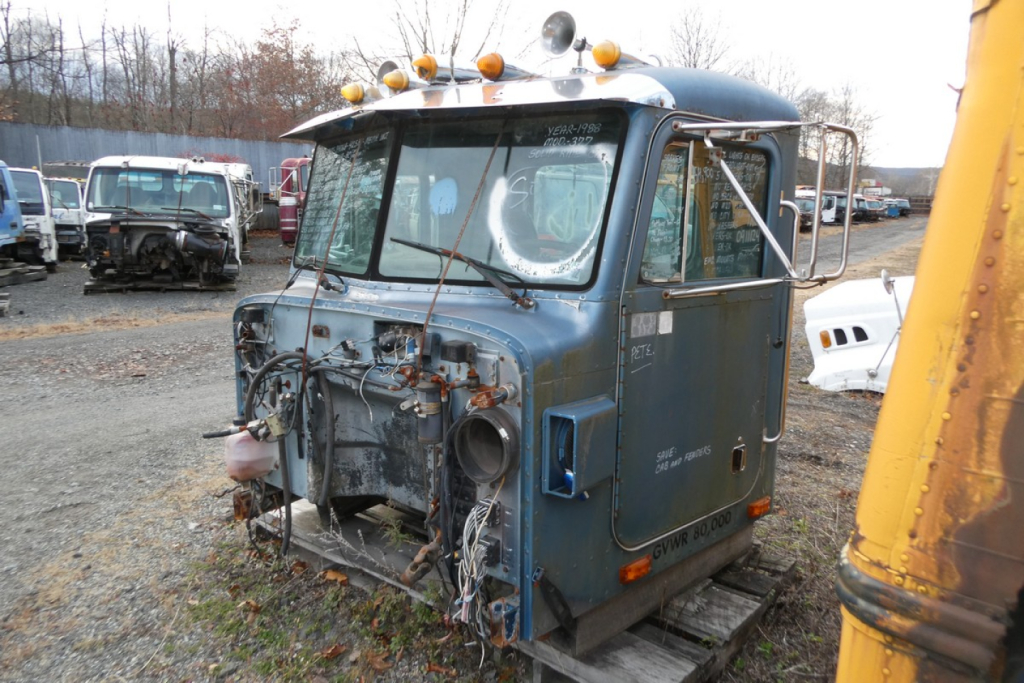
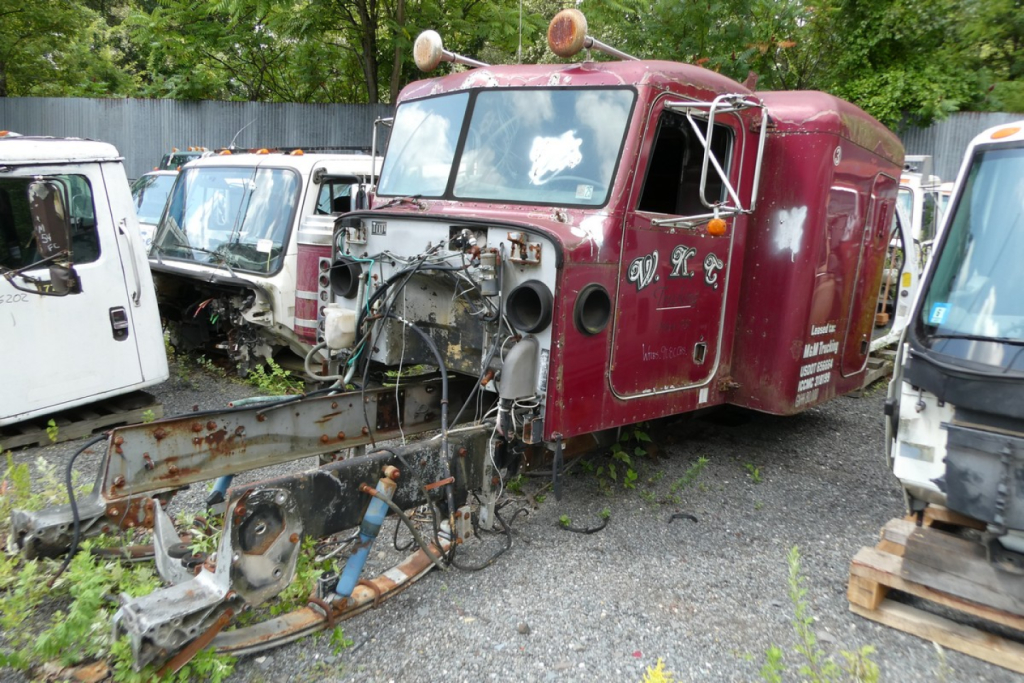
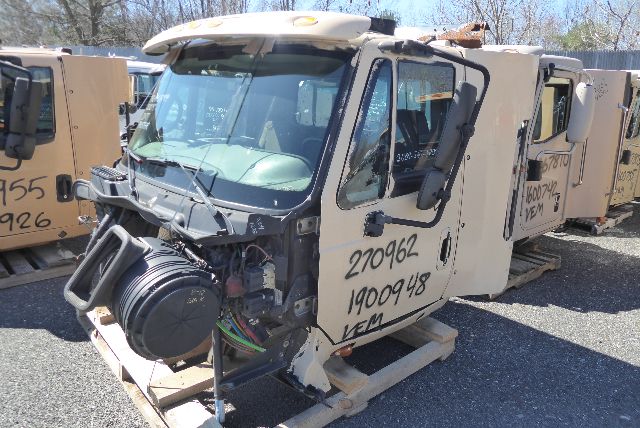
Condition matters as much as compatibility. With used cab parts, inspect for rust in lower door seams, cab corners, floor structure, hinge pockets, windshield openings, and mounting areas. Check doors for latch alignment, regulator operation, shell damage, and previous repairs. On complete or partial cab assemblies, buyers should verify what is included: seats, mirrors, dash, wiring, HVAC box, steering column, pedals, and glass are often removed or sold separately. If the truck has electronic door modules, multiplex wiring, or integrated dash controls, it is important to match connectors and option content closely to avoid extra labor during installation.
For many fleets and owner-operators, cab parts are purchased to get a truck back on the road quickly while controlling downtime and repair cost. Cosmetic issues matter, but structural integrity, mount condition, and usable attachment points matter more. A straight used door or a clean rust-free cab section can save significant body shop hours compared with rebuilding a damaged original. Buyers comparing listings should focus on exact application, completeness, visible corrosion, and how much reconditioning will be needed before paint and installation.
Also known as: Truck Cab, Cab Assembly
Frequently Asked Questions about Cab Parts
What should I verify before buying used cab parts for a truck?
Confirm the truck's make, model, year, VIN, cab configuration, and the exact side or section you need. Cab parts often vary by generation, day cab versus sleeper setup, and door count. You should also verify whether the part includes hardware, glass, wiring, interior panels, or hinges, because many used parts are sold as bare shells or partial assemblies.
Are cab parts interchangeable between different truck models or years?
Some components interchange within the same model family, but many do not. Mounting points, dash structure, latch design, wiring connectors, and body lines can change across production years or trim levels. The safest approach is to match by VIN, OEM part number, or a donor truck with the same model and configuration.
What condition issues are most common on used truck cab parts?
The most common issues are rust in cab corners and door bottoms, cracked mounting points, hinge wear, damaged latch areas, broken glass, and prior body filler repairs. Interior components may also have sun damage, worn switch panels, or cut wiring. Close inspection of seams, mounting structure, and attachment points is important because cosmetic problems are often easier to fix than structural ones.
Is it better to buy a complete cab or individual cab parts?
That depends on the damage and the labor plan. If the truck needs multiple major pieces such as doors, dash, mounts, and structural sections, a complete cab can simplify sourcing and improve component matching. If only one area is damaged, buying individual cab parts is usually more cost-effective and avoids unnecessary disassembly.