
Dump Body Parts For Sale
No exact matches found for your search
Showing Parts instead.
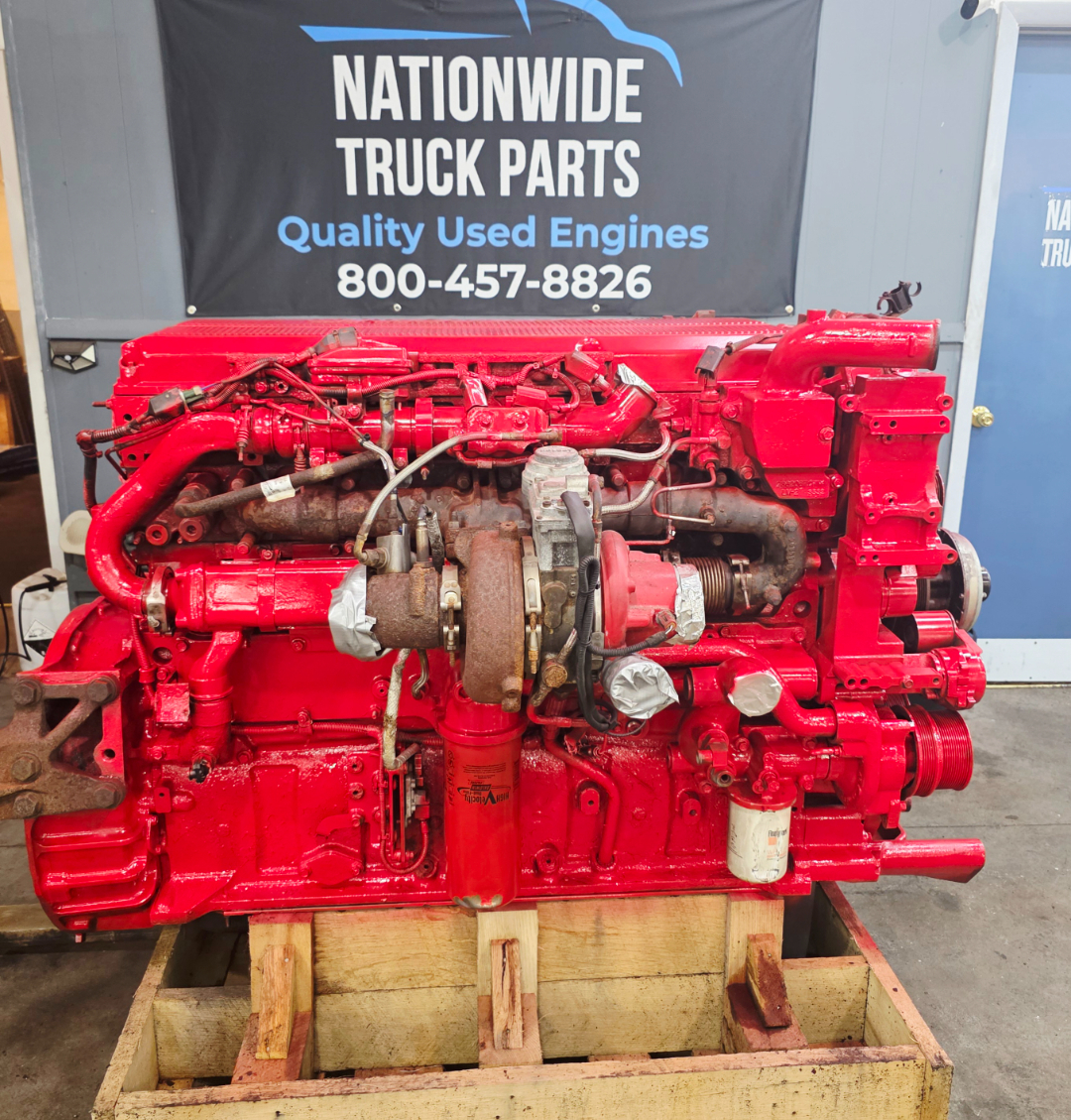
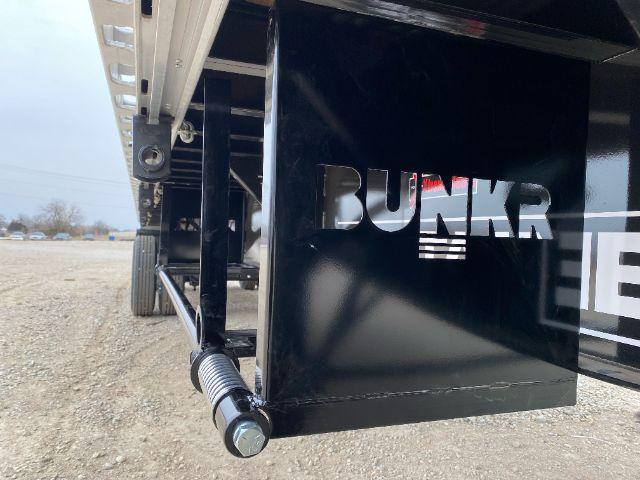
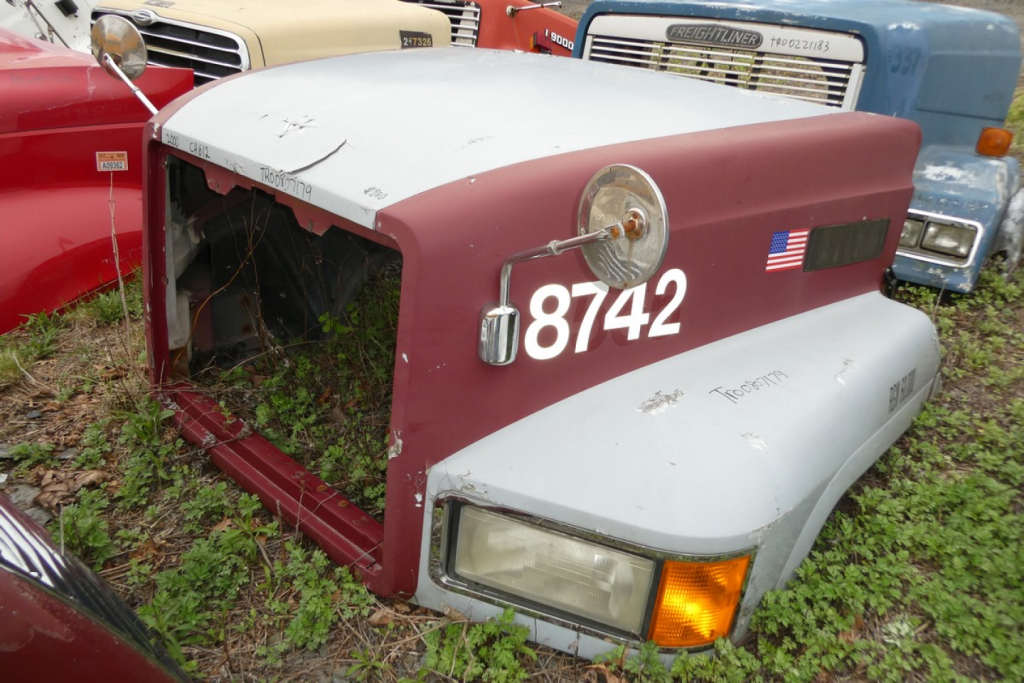
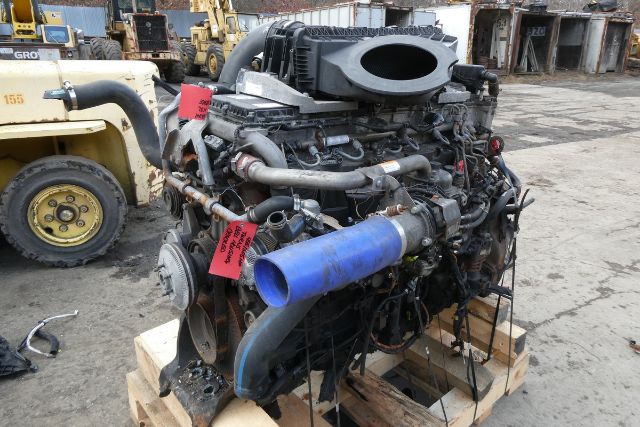
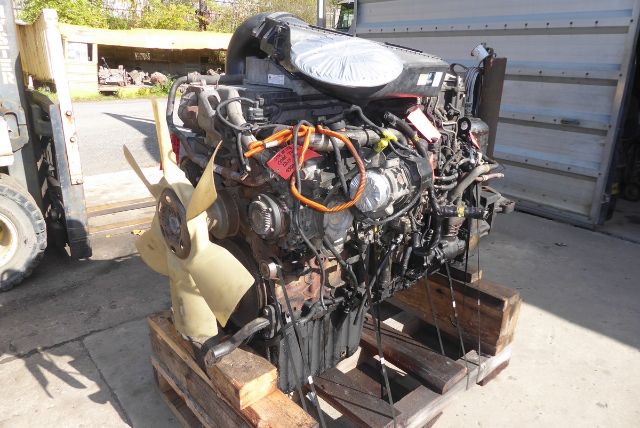
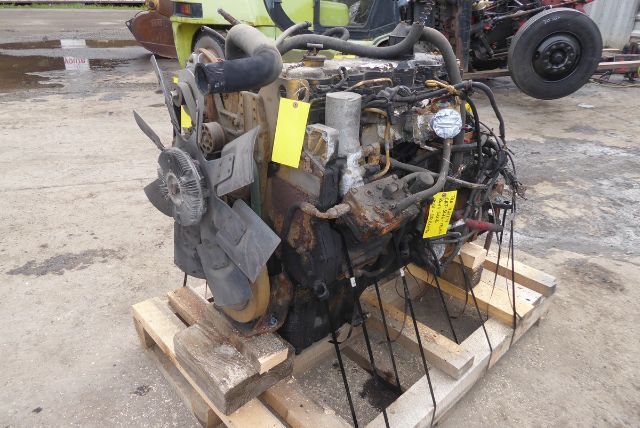
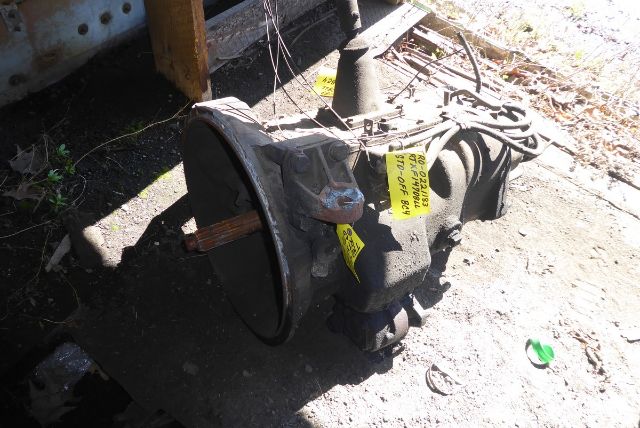
Showing 1 to 12 of 21 results
Have dump body part to sell? List it here to reach thousands of buyers.
Dump Body Parts
Fitment is the first issue to verify. A dump body part has to match body length, body width, side height, floor thickness, crossmember spacing, and hoist style. Common body lengths in this class include 12-foot, 14-foot, and 16-foot bodies, often at 8 feet wide. Structural pieces such as 3-inch or 4-inch channel crossmembers on 12-inch or 16-inch centers, 6-inch to 8-inch longsills, and 3/16-inch floors or side skins are typical reference points when replacing damaged sections. Door configuration also matters. Barn doors, spreader-style tailgates, and chipper tops all use different hinge layouts, latch hardware, and reinforcement.
Hydraulic and tarp-related parts are just as important as the shell itself. Electric-over-hydraulic hoists are common on medium-duty dump bodies, and replacement pumps, cylinders, controls, reservoirs, and wiring should be matched to body capacity and mounting geometry. Manual crank tarps remain popular on landscape and trash bodies because they are simple and economical, while electric tarp systems can improve speed and consistency for higher-cycle work. Lighting, mud flap brackets, receiver hitches, 7-way plugs, and body hardware also deserve close attention because these are the items that often take damage in daily service and can affect DOT compliance or jobsite usability.
When comparing dump body parts, focus on material thickness, weld quality, corrosion protection, and how the part integrates with the existing body. Smooth plate panels, V-stamp sides, sloped landscape sides, high-side chipper enclosures, and windowed or solid bulkheads all serve different applications. A contractor hauling gravel, asphalt, or demo debris will prioritize floor strength and heavy-duty hinge hardware. A tree service or landscape operator may care more about high sidewalls, lightweight aluminum construction, roof sections, and easy tarp operation. The best dump body parts are the ones that restore structural integrity, maintain safe dumping action, and match the body’s original duty cycle instead of forcing a universal fit.
Frequently Asked Questions about Dump Body Parts
What dump body parts wear out or get damaged most often?
The most commonly replaced dump body parts are tailgate or barn door hinges, latch assemblies, tarp systems, hoist components, lights, mud flap brackets, and floor or side panels. On hard-use bodies, crossmembers, longsills, and bulkhead sections can also crack or deform over time, especially if the truck sees heavy demolition debris, asphalt, or repeated off-road loading. These are the parts that usually affect daily uptime first.
How do I know if a dump body part will fit my truck body?
Fitment starts with the body, not just the truck chassis. Measure the body length, width, side height, floor thickness, crossmember spacing, tailgate style, and hoist mounting layout before ordering. It also helps to confirm whether the body is steel or aluminum, because material type affects welding, mounting, and corrosion compatibility. A 14-foot landscape body, a 16-foot chipper body, and a conventional contractor dump body may all need very different parts even if they sit on similar trucks.
Are steel and aluminum dump body parts interchangeable?
Some hardware items such as lights, certain latches, or tarp assemblies may cross over, but many structural parts are material-specific. Aluminum bodies use different panel construction, reinforcement methods, and welding requirements than steel bodies. Mixing materials without the right isolation methods can also create corrosion issues. For floors, side skins, bulkheads, and structural channels, matching the original body material is usually the safest approach.
What should I look for in a replacement dump hoist or hydraulic component?
The key factors are body length, expected payload, mounting dimensions, hydraulic pressure requirements, and whether the system is electric-over-hydraulic or engine-driven. A hoist that is undersized can reduce dump angle or lifting performance, while a mismatched cylinder or pump can create unsafe operating conditions. Buyers should also check control type, reservoir size, power source, and the condition of related wiring and hydraulic lines when replacing a hoist component.
Which dump body parts matter most for DOT and jobsite safety?
Lighting and reflectors, latch security, hinge condition, tarp coverage, mud flaps, and hoist controls are all important safety items. Structural cracks in the floor, sidewalls, or bulkhead also matter because they can worsen quickly under load and affect dumping stability. A dump body should raise, hold, and lower smoothly, and the tailgate or barn doors should open and secure properly without excess movement. Good replacement parts do more than restore appearance. They help maintain safe operation and legal road use.