
Dump Body Parts For Sale in Florida
Shop dump body parts including hoists, barn doors, tarps, crossmembers, lights, and hardware for steel or aluminum dump body repairs.
Learn more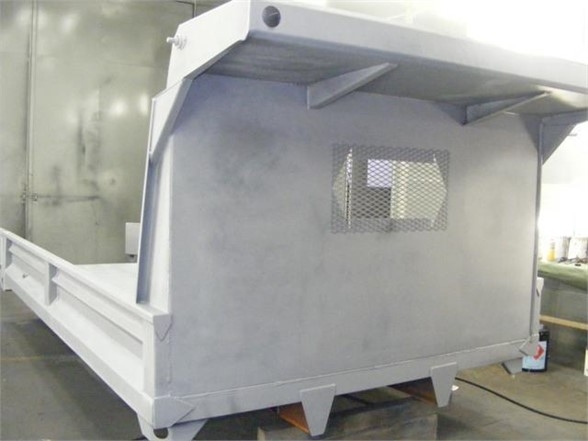
Have dump body part to sell? List it here to reach thousands of buyers.
About Dump Body Parts in Florida
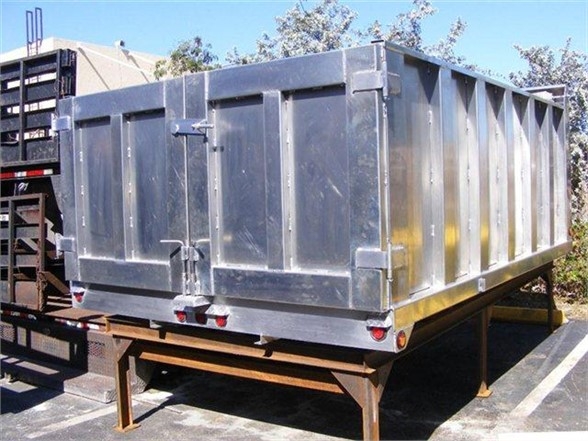
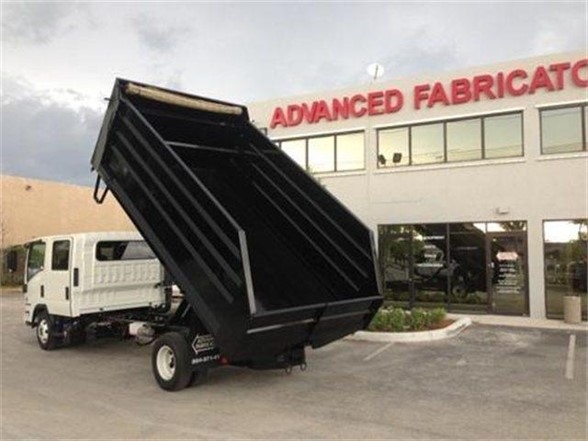
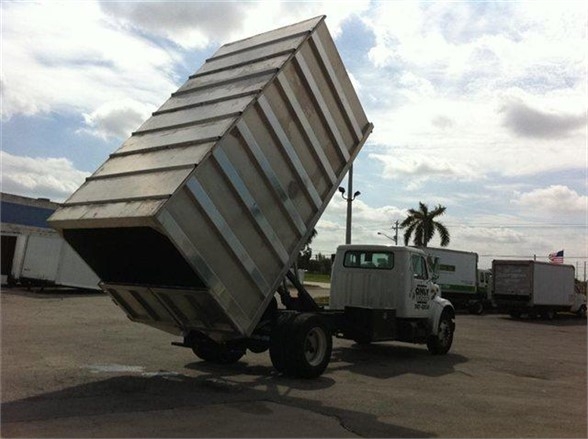
The most important buying decision is matching the part to the body style and duty cycle. A landscape or trash dump body may use higher side walls, lighter material in certain panels, manual tarp systems, and barn doors set up for bulky but lighter loads. A chipper or arborist-style body often adds taller sides, enclosed tops, roof panels, or specific rear door configurations to contain brush and wood waste. For harder aggregate or demolition work, heavier floors, reinforced side posts, thicker bulkheads, and stronger hinge and latch hardware are usually more important than saving weight. Crossmember spacing, long sill dimensions, and deck thickness should be checked carefully because they affect both structural integrity and compatibility with the hoist and truck chassis.
Hoist-related parts are another major category, including electric-over-hydraulic hoists, hydraulic cylinders, pumps, reservoirs, control kits, hinges, and mounting hardware. Electrical items such as FMVSS 108 light kits, reflectors, junctions, and trailer plug provisions are also common replacement needs on dump bodies that see jobsite damage. Tarp systems deserve attention because a worn tarp, bent arm, or failed crank assembly can create compliance and load securement issues fast. Buyers should also look closely at cab protectors, bulkhead windows, side steps, grab handles, mud flaps, hitch assemblies, and brake plug connections if the truck is expected to tow equipment or work in tree, landscaping, or municipal service.
For Florida buyers, corrosion resistance, drainage, and finish quality are worth extra attention because moisture, salt air, and year-round use can shorten the life of untreated steel components. Primed and painted steel parts are standard in many applications, but aluminum panels, doors, and structural members can make sense where rust prevention and payload are key. The best dump body parts purchase is not just the lowest-cost replacement part. It is the part that matches the body dimensions, material spec, wall height, door configuration, hoist setup, and intended load type so the repaired body performs like a complete system.
Frequently Asked Questions
What dump body parts wear out most often?
The most commonly replaced dump body parts are floors, side sheets, barn doors, hinges, latches, crossmembers, tarp components, lights, and hoist-related hardware. These areas take repeated impact from loading, unloading, and jobsite contact. On trucks hauling abrasive material, the floor and lower side walls often wear first. On landscape, trash, or tree-service bodies, rear doors, tarp systems, and upper structure components tend to see more damage from bulky loads and frequent cycling.
Should I choose steel or aluminum dump body parts?
Steel dump body parts usually offer better resistance to concentrated impact and are often more economical to repair or replace in severe-duty applications. Aluminum dump body parts reduce weight, improve corrosion resistance, and are popular where payload and rust prevention matter more than maximum impact resistance. The right choice depends on the load type, body design, and operating environment. In Florida, aluminum is often attractive because of humidity and coastal exposure, but many operators still prefer steel in high-abuse hauling.
How do I make sure a dump body part will fit my truck or body?
Start with the body manufacturer, body length, body width, side height, and material type. Then verify dimensions for crossmember spacing, long sill size, bulkhead height, hinge placement, hoist geometry, and rear door opening. Buyers should also confirm whether the body uses barn doors, a tailgate, a cab shield, a roof structure, or a specific tarp setup. A dump body part that looks close on paper can still require major fabrication if mounting points or structural dimensions are off.
What parts are involved in a dump body hoist system?
A dump body hoist system typically includes the hoist or scissor assembly, hydraulic cylinder, pump, reservoir, control unit, hoses, fittings, mounting brackets, pins, and electrical components if it is electric-over-hydraulic. Compatibility is critical because hoist capacity, collapsed height, stroke, and mounting geometry all affect dump angle and lifting performance. Replacing only one failed component without checking the rest of the system can lead to poor lift performance or premature wear.
Are tarp and lighting parts important on a dump body, or just convenience items?
They are essential operating components, not just accessories. A functioning tarp system helps with load securement, debris control, and compliance on public roads. Proper exterior lighting and reflectors are required for visibility and legal operation, especially on trucks working early mornings, evenings, or roadside jobs. Damaged tarp assemblies and broken lights are among the most common small repairs that can create immediate downtime if ignored.