
2024 Dump Body Parts For Sale in Florida
Shop 2024 dump body parts and body components, including aluminum and steel body sections, doors, hoists, tarp systems, lights, and hardware.
Learn more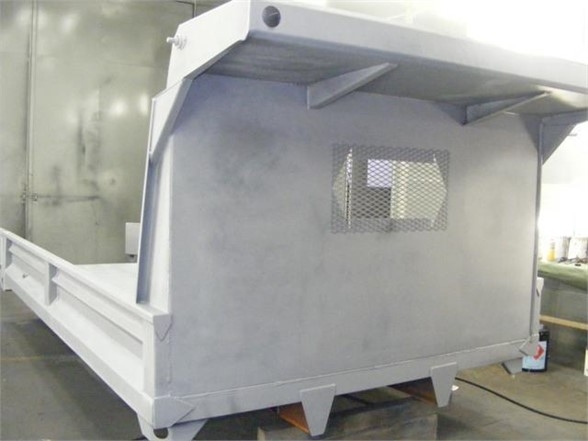
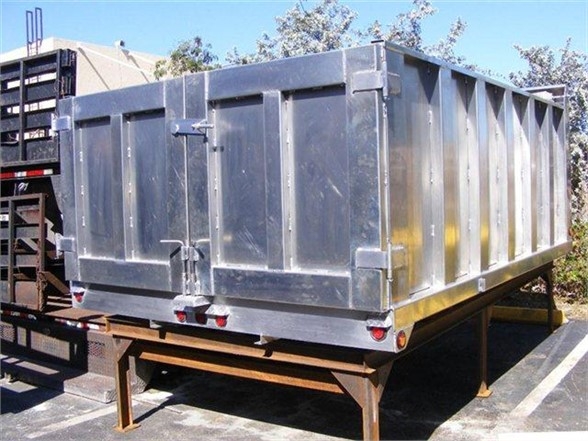
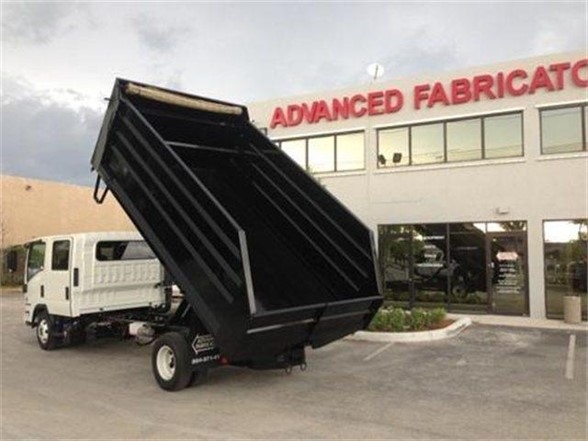
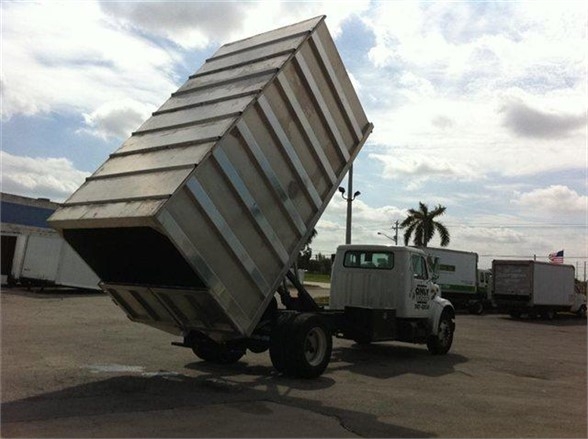
Have 2024 dump body part to sell? List it here to reach thousands of buyers.
About 2024 Dump Body Parts in Florida
Material choice is usually the first decision. Aluminum dump body parts reduce weight and help preserve payload on chipper, trash, and municipal applications where corrosion resistance is a priority in Florida. Steel components are common where impact resistance and lower upfront cost matter more, particularly on landscape and general-purpose dump bodies. Buyers should compare deck thickness, side wall gauge, bulkhead construction, post spacing, and whether the body uses smooth plate or stamped panels. On many 2024-spec bodies, common features include 3/16-inch decks, 3-inch or 4-inch channel crossmembers on 12-inch or 16-inch centers, and 6-inch to 8-inch longsills depending on body size and expected load.
Door configuration and tarp setup are also key buying points. Barn doors remain common on chipper and trash dump bodies because they handle bulky material well and simplify unloading. Hardware quality matters here. Hinges, latches, chains, seals, and reinforced post framing take a lot of abuse in daily service. Tarp systems may be manual crank or electric, and buyers should verify tarp length, bow design, step and grab handle placement, and compatibility with cab protectors or high side walls. If the body uses an electric-over-hydraulic hoist, confirm cylinder rating, power unit specs, and whether the subframe and hinge geometry match the intended body length.
For Florida buyers, corrosion protection and electrical reliability deserve extra attention. Salt air, humidity, and year-round exposure can shorten the life of lights, connectors, hinges, and painted steel components if they are not properly sealed or coated. FMVSS 108-compliant lighting, sealed harnesses, mud flaps, receiver hitches, brake plug provisions, and cab shields are all practical details that affect daily usability. The best 2024 dump body parts listings will give enough information on dimensions, material, structural design, and mounting requirements to let you determine if the part is a true replacement, a repair component, or part of a full custom body build.
Frequently Asked Questions
What parts are typically included in the dump body parts category?
Dump body parts can include replacement or new body components such as decks, side panels, bulkheads, barn doors, hinges, latches, crossmembers, longsills, hoists, tarp systems, lighting kits, mud flaps, hitch assemblies, and mounting hardware. Some listings may effectively be body packages or fabricated body assemblies sold as parts rather than complete trucks. The key is to confirm whether you are buying a single component, a body shell, or a fabricated body ready for installation.
Is aluminum or steel better for dump body parts?
Aluminum is usually preferred when weight savings and corrosion resistance are priorities, especially for chipper, trash, and municipal applications in humid or coastal regions like Florida. Steel is generally better for impact resistance, abrasion tolerance, and lower initial cost. The right choice depends on what the body hauls, how often it operates, and how important payload versus durability is in your operation.
What specifications should I verify before buying a dump body component?
The most important checks are body length, width, side height, bulkhead height, crossmember spacing, longsill size, hinge location, hoist type, and mounting pattern. You should also confirm deck thickness, side wall material, door opening dimensions, and electrical compatibility for lights or electric-over-hydraulic systems. A component that is close in size but wrong in structure or mounting geometry can create expensive fabrication work during installation.
What is the difference between a chipper dump body and a landscape dump body?
A chipper dump body usually has higher side walls and often a roof or enclosed upper structure to contain light, bulky material such as wood chips and tree debris. A landscape dump body is typically more open, with lower or mid-height sides and easier access for mixed green waste, tools, or lighter bulk material. The part selection differs because chipper bodies often need taller doors, enclosed sections, and different tarp or venting arrangements.
Do hoists and tarp systems need to match the exact dump body configuration?
Yes. Hoists and tarp systems should be matched to the body length, side height, weight capacity, and subframe layout. An electric-over-hydraulic hoist must have the correct lift rating and geometry for the body it is moving, while a tarp system needs the right tarp length, roller setup, and clearance for cab protectors or high wall designs. Mismatched systems can lead to poor dumping angles, tarp interference, premature wear, or unsafe operation.