
2024 Advanced Fabricators Dump Body Parts For Sale in Florida
Have 2024 advanced fabricators dump body part to sell? List it here to reach thousands of buyers.
2024 Advanced Fabricators Dump Body Parts in Florida
The biggest buying decision is usually material and intended payload. Aluminum dump body components reduce tare weight and help preserve legal payload, which is useful for trash, light debris, storm cleanup, tree service, and other high-volume, lower-density work. Steel body construction is often preferred for harder use, repeated loading cycles, and jobs that involve abrasive material or more point loading on the floor. Listings in this category commonly reference 3/16-inch deck material, channel crossmembers on 12-inch or 16-inch centers, and longsills sized to the body length and expected duty cycle. Those details matter because crossmember spacing, floor thickness, and longsill dimensions directly affect stiffness, hoist performance, and long-term resistance to floor oil-canning or structural fatigue.
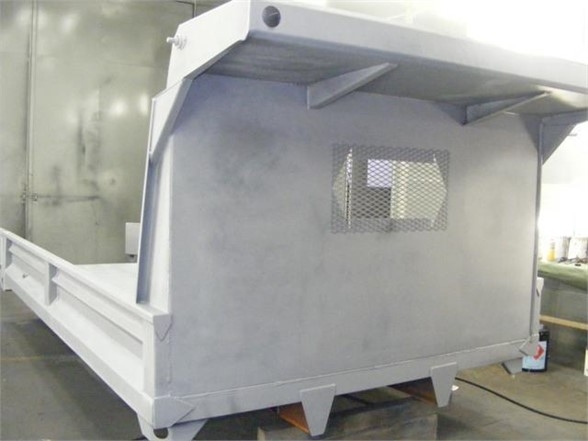
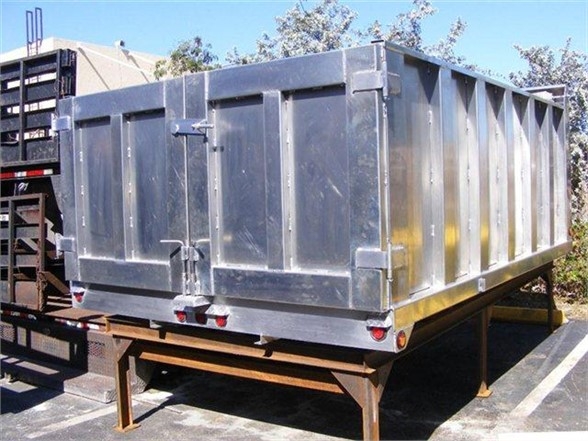
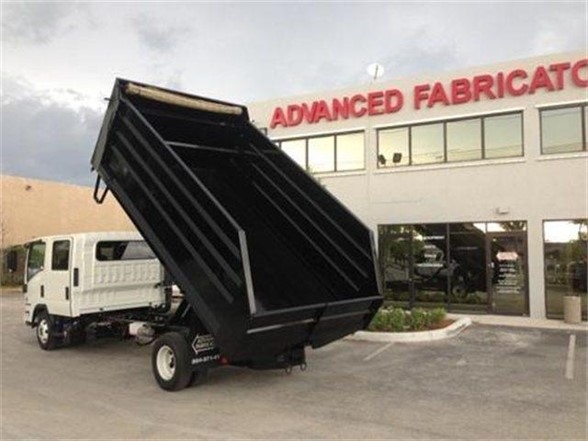
Body configuration is just as important as basic size. Sidewall heights can range from low landscape sides to tall chipper or trash enclosures, and the right choice depends on how the truck is loaded and unloaded. Barn doors are common for debris and landscaping applications because they allow rear loading flexibility, while bulkhead design, cab protectors, and window options affect both driver visibility and front wall durability. Many bodies in this class are also equipped or prepared for manual tarp systems, side steps, grab handles, mud flaps, standard lighting packages, and hitch arrangements with trailer wiring. If the body will be installed on an existing chassis, confirm frame length, cab-to-axle measurement, axle ratings, and hoist type before purchase. Electric-over-hydraulic hoists are common in this size range, but the body structure and subframe still need to match the chassis and the work.
A careful buyer should also look at fabrication details that do not always stand out in photos. Seam construction, post spacing, door reinforcement, roof design on chipper bodies, and the gauge of side sheets all affect durability and repair cost later. On dump body parts and body assemblies, fitment is everything. Check inside width, overall body width, sill layout, hinge placement, tarp length, and lighting compliance, including FMVSS 108 requirements where applicable. Advanced Fabricators equipment in this category is generally aimed at practical vocational use, so the best choice is the one that matches the truck, the material being hauled, and the number of dump cycles expected in daily service.
Frequently Asked Questions about 2024 Advanced Fabricators Dump Body Parts in Florida
What is the difference between an aluminum dump body and a steel dump body?
Aluminum dump bodies are lighter and resist corrosion well, which makes them a strong fit for trash, chipper, and landscape debris work, especially in humid or coastal environments. Steel dump bodies are generally chosen for heavier-duty use, more abrasive material, and applications where impact resistance is more important than tare weight. The right choice depends on payload goals, operating environment, and the type of material loaded most often.
What dump body length is common for this category?
Common lengths in this class are 12 ft, 14 ft, and 16 ft. A 12 ft body can suit tighter wheelbase trucks and urban work, while 14 ft and 16 ft bodies are more common when the job requires more cubic capacity for debris, brush, or light bulk material. Body length should always be matched to cab-to-axle measurement, frame rail length, axle placement, and the truck’s intended turning radius.
Why do crossmember spacing and longsill size matter on a dump body?
Crossmember spacing and longsill dimensions are key structural details. Closer crossmember spacing, such as 12-inch centers, generally improves floor support and helps reduce flex under repeated loading. Properly sized longsills support the body and distribute load into the chassis and hoist system. These details affect body life, floor stability, and how well the body handles repeated dump cycles.
What should I verify before installing a dump body on a chassis?
Confirm the chassis cab-to-axle dimension, frame rail width, axle ratings, wheelbase, and clearance for the hoist and subframe. You should also verify body length, overall width, hinge placement, lighting, hitch needs, and hydraulic or electric-over-hydraulic compatibility. A body that looks correct by length alone can still create installation issues if the frame layout and hoist geometry do not match.
Are tall-side chipper or trash dump bodies different from standard landscape dump bodies?
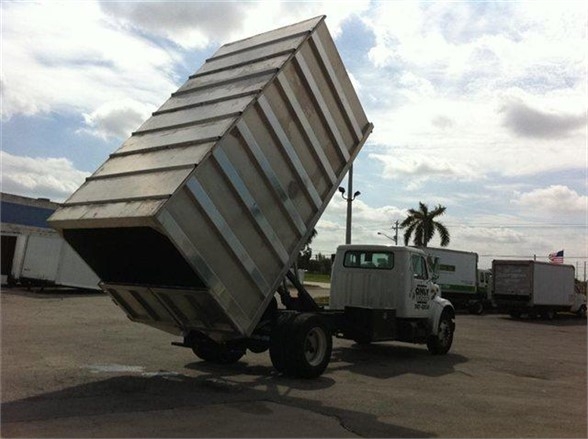
Yes. Chipper and trash bodies usually have much taller sides, and some include enclosed or partially enclosed upper structure to increase cubic capacity for light material. Landscape bodies are often lower sided and easier to load by hand or with compact equipment. The choice comes down to material density, loading method, and how much volume is needed before the truck reaches legal weight.