
2024 Advanced Fabricators Dump Body Parts For Sale
Have 2024 advanced fabricators dump body part to sell? List it here to reach thousands of buyers.
2024 Advanced Fabricators Dump Body Parts
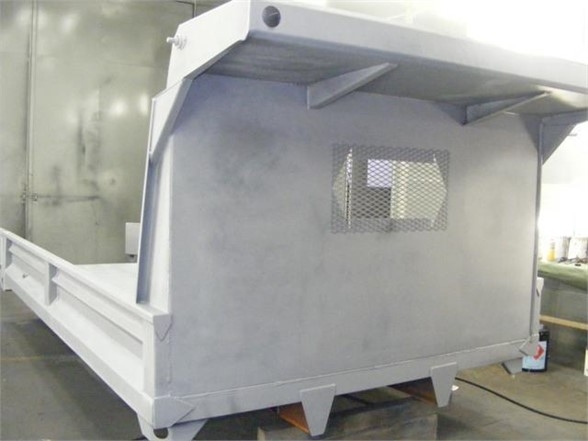
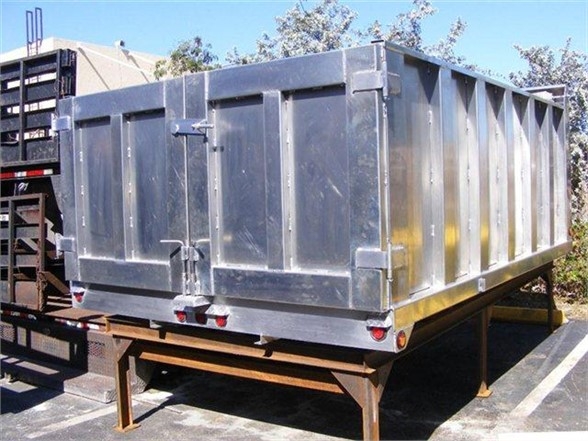
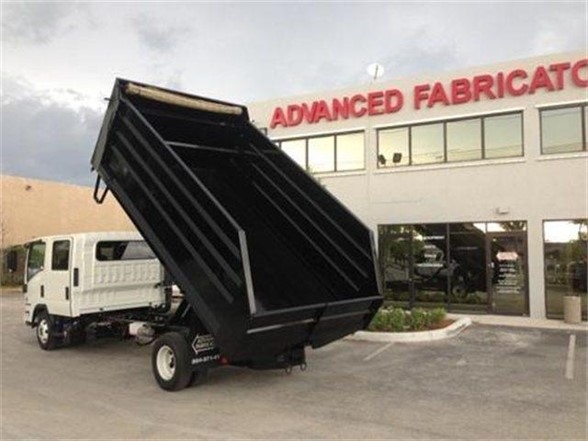
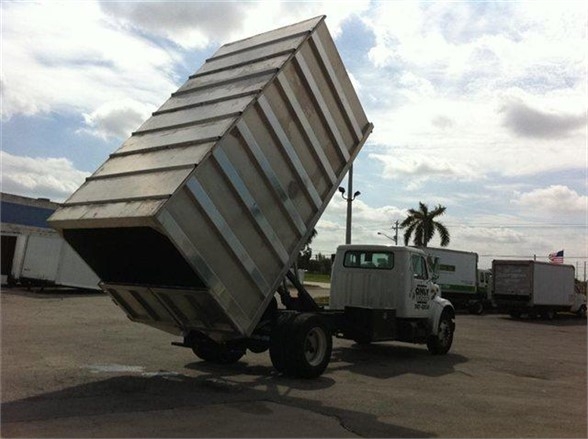
Material choice is usually the first decision. Aluminum dump body parts reduce tare weight and are common on chipper and trash applications where payload and corrosion resistance matter more than impact resistance. Steel body components are often preferred for landscape and general contractor work because they tolerate abrasion, loader contact, and mixed-material hauling well. Side wall design also changes the job fit. Taller 48-inch to 72-inch sides, bulkheads with or without windows, roof sections, and post-supported smooth plate panels are typical on chipper and debris bodies, while lower-side landscape configurations prioritize easier loading and unloading.
Body structure and hoist compatibility deserve close attention. A dump body is only as good as the support underneath it, so crossmember size, spacing, and longsill dimensions should match the chassis GVWR, hoist geometry, and the material being hauled. Common details in this category include 3-inch or 4-inch channel crossmembers, 6-inch to 8-inch channel longsills, and electric over hydraulic hoist packages on certain builds. Buyers should also evaluate tarp systems, cab protectors, hitch provisions, light packages, mud flaps, and rear door hardware. Barn doors with chain holdbacks are common because they give flexibility for brush, mulch, trash, and loose material.
Fitment matters as much as body spec. Before buying dump body parts or a fabricated body assembly, confirm cab-to-axle measurement, frame width, axle placement, tire clearance, and intended hoist installation. It is also smart to verify whether the component is a body-only piece, a fabricated body package, or a body designed for installation with electrical and hydraulic integration. For municipal, tree service, landscape, and refuse-adjacent work, the best choice is usually the one that balances weight, wall height, floor thickness, and rear access with the truck’s actual duty cycle rather than its maximum advertised capacity.
Frequently Asked Questions about 2024 Advanced Fabricators Dump Body Parts
What is the difference between an aluminum dump body and a steel dump body?
Aluminum dump bodies are lighter and resist corrosion well, which makes them a strong fit for chipper, trash, and high-cube debris applications. Steel dump bodies are heavier but usually offer better resistance to impact, abrasion, and jobsite abuse, which is why they are common in landscape, contractor, and mixed-material hauling. The right choice depends on whether payload, durability, or corrosion resistance is the top priority.
What dump body specs should I compare first?
Start with body length, width, floor thickness, side height, crossmember spacing, and longsill size. Then look at rear door style, bulkhead design, hoist compatibility, and tarp equipment. These specs affect payload, structural strength, loading method, and how well the body matches the chassis and the type of material being hauled.
Why do crossmember spacing and longsills matter on a dump body?
Crossmembers and longsills carry the load between the floor and the truck frame, so they directly affect rigidity and service life. Tighter crossmember spacing, such as 12-inch centers, generally provides better floor support for repeated loading and dumping cycles. Properly sized longsills are critical for distributing weight, supporting the hoist, and preventing premature body fatigue on heavier-duty applications.
Are barn doors the best rear door option for dump body work?
Barn doors are a common and versatile choice because they work well for brush, mulch, trash, and other bulky materials. They allow wide rear access for unloading and can be chained back when needed. For buyers handling fine aggregate or looking for controlled spread, a different tailgate style may be preferable, but barn doors remain one of the most flexible configurations in this category.
How do I know if a dump body or dump body part will fit my truck?
Confirm the cab-to-axle dimension, frame rail width, axle location, tire clearance, and intended hoist setup before buying. You should also verify whether the listing refers to a body-only component, a complete fabricated body, or a body package that still requires hydraulic, electrical, or mounting work. Fitment errors are expensive, so chassis measurements and installation requirements should be checked before making a final decision.