
Fontaine Trailers For Sale
Browse Fontaine trailers including flatbeds, drop decks, step decks, and lowboys built for heavy-duty freight, machinery, and specialized hauling.
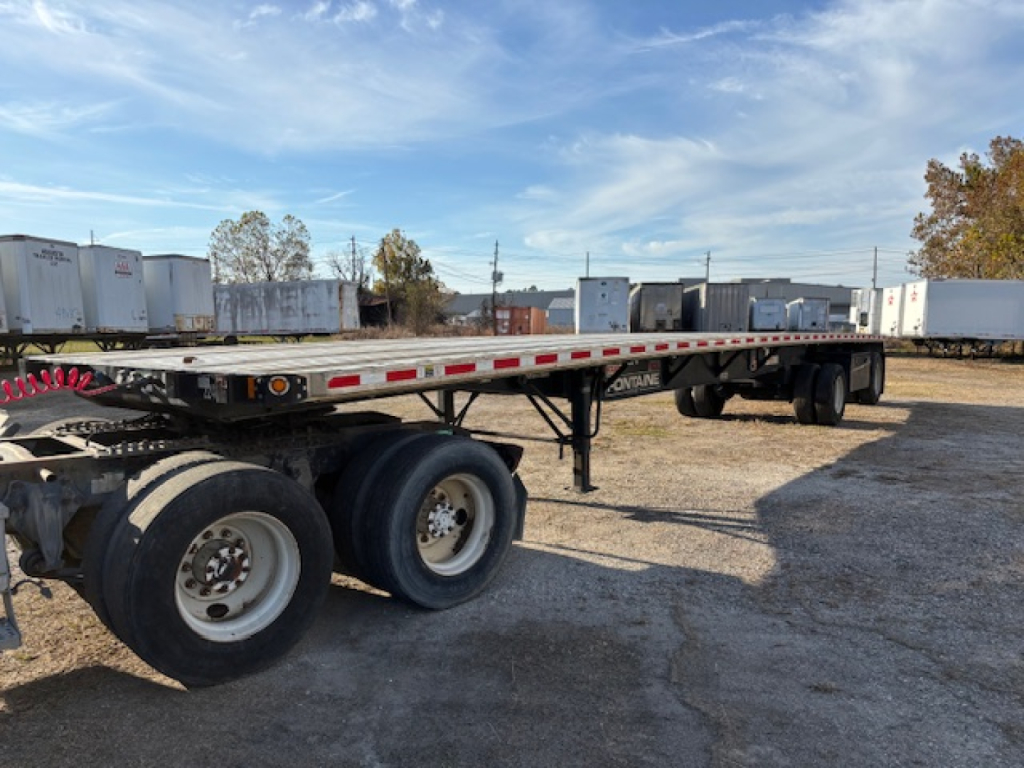
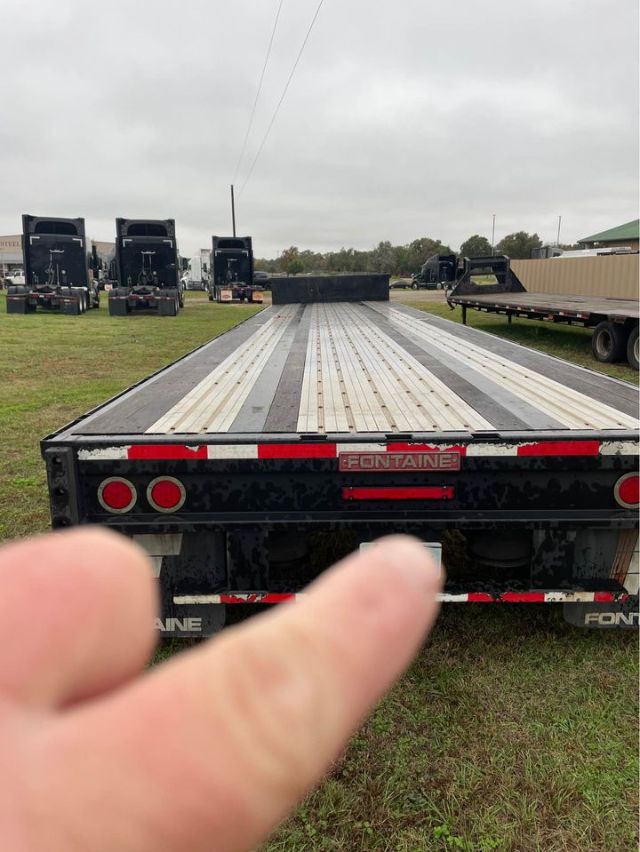
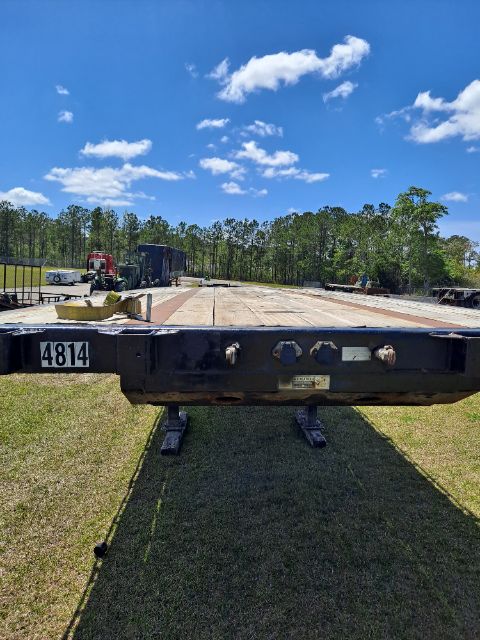
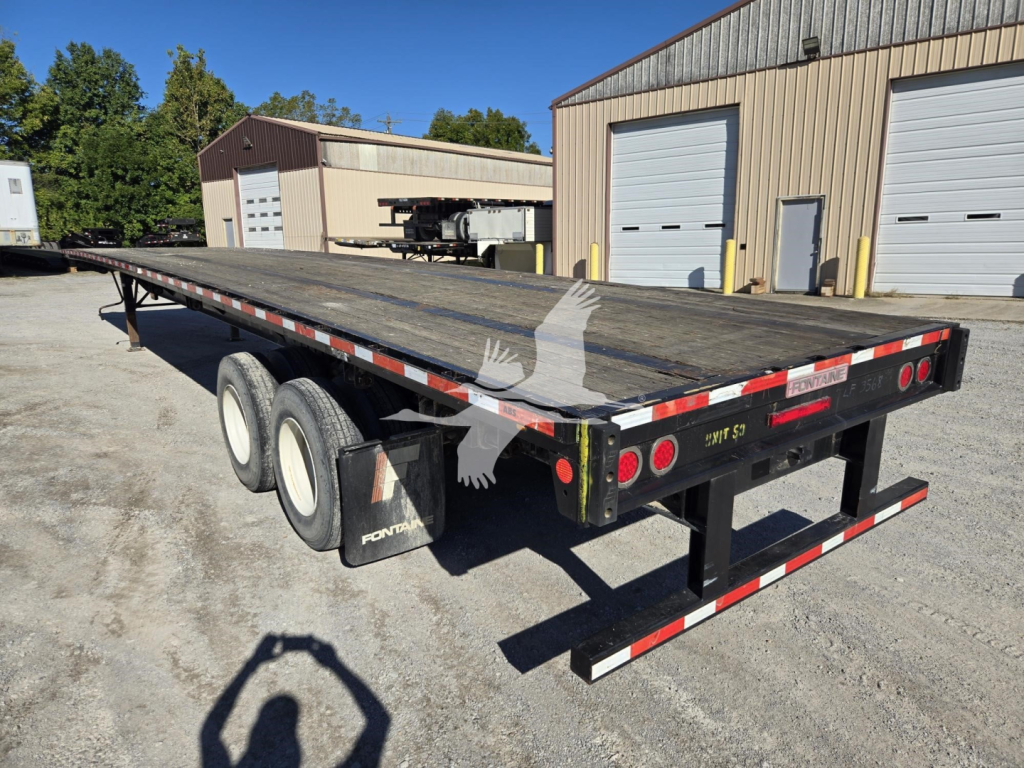
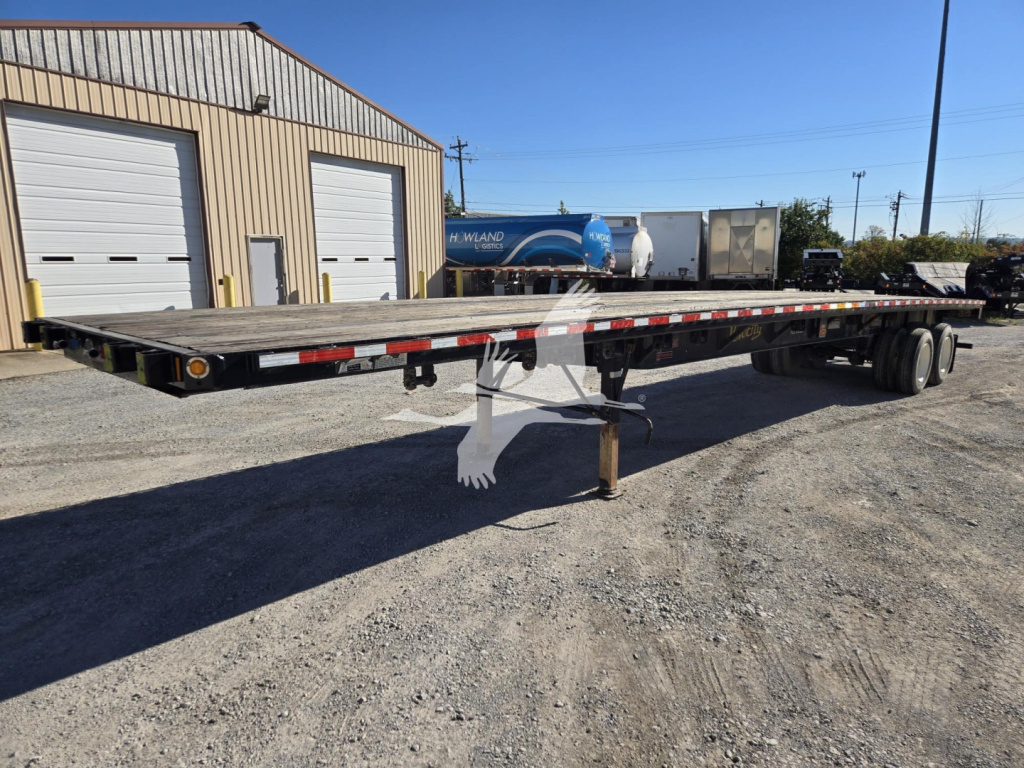
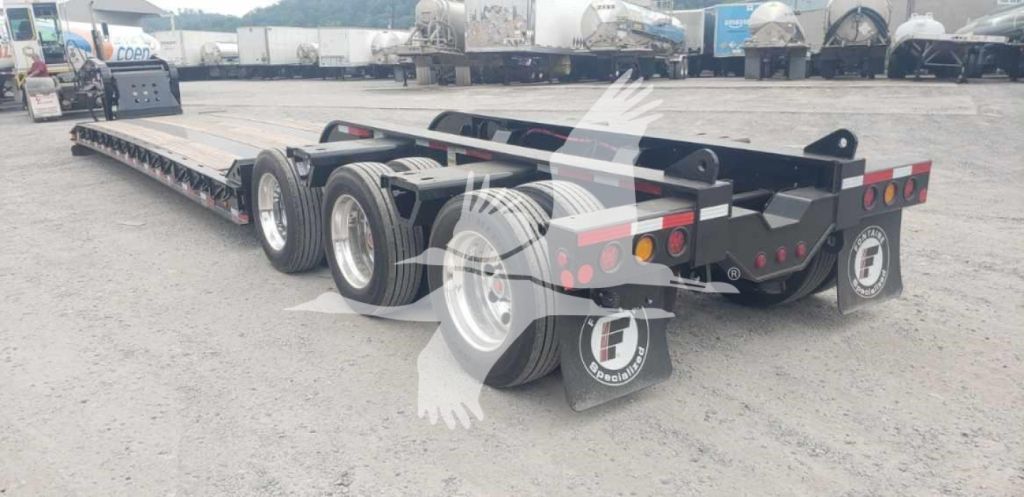
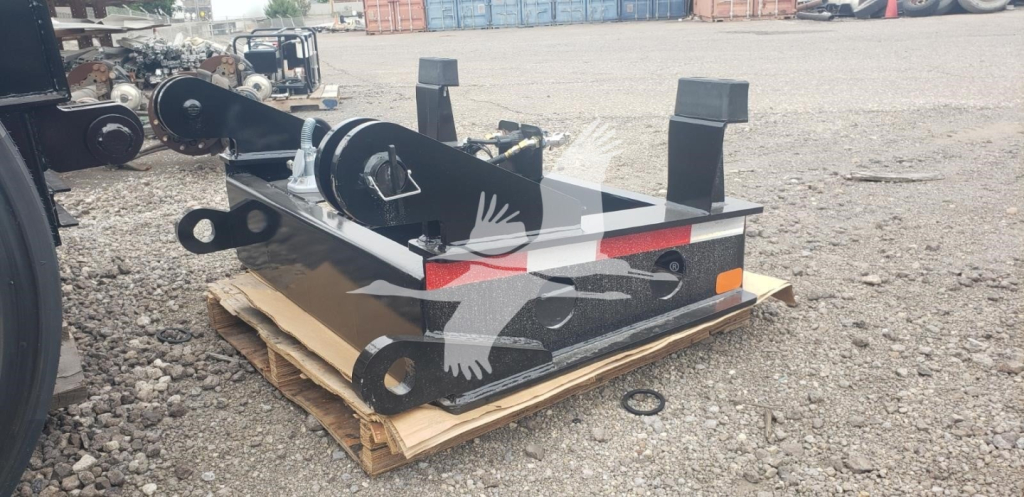
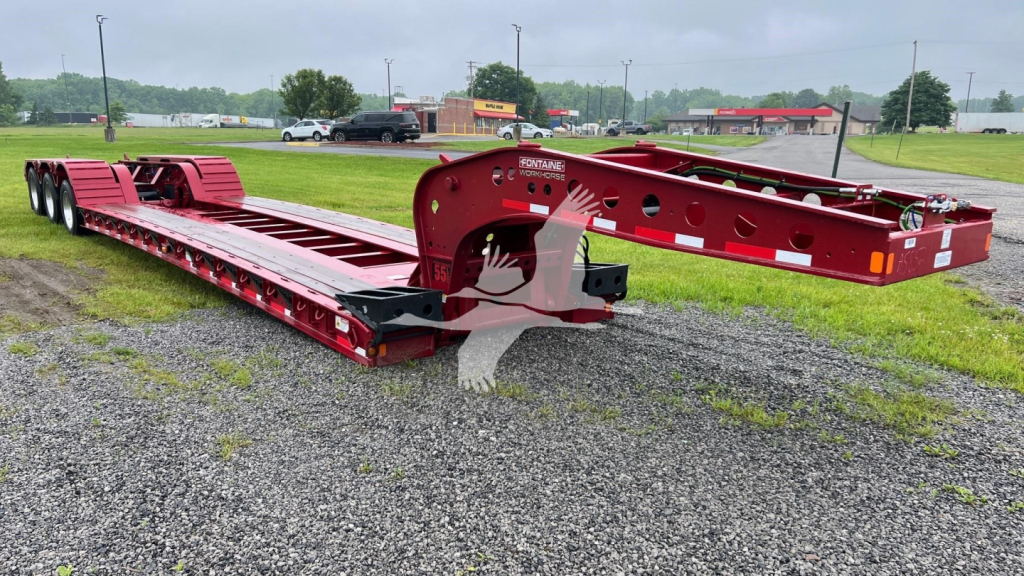
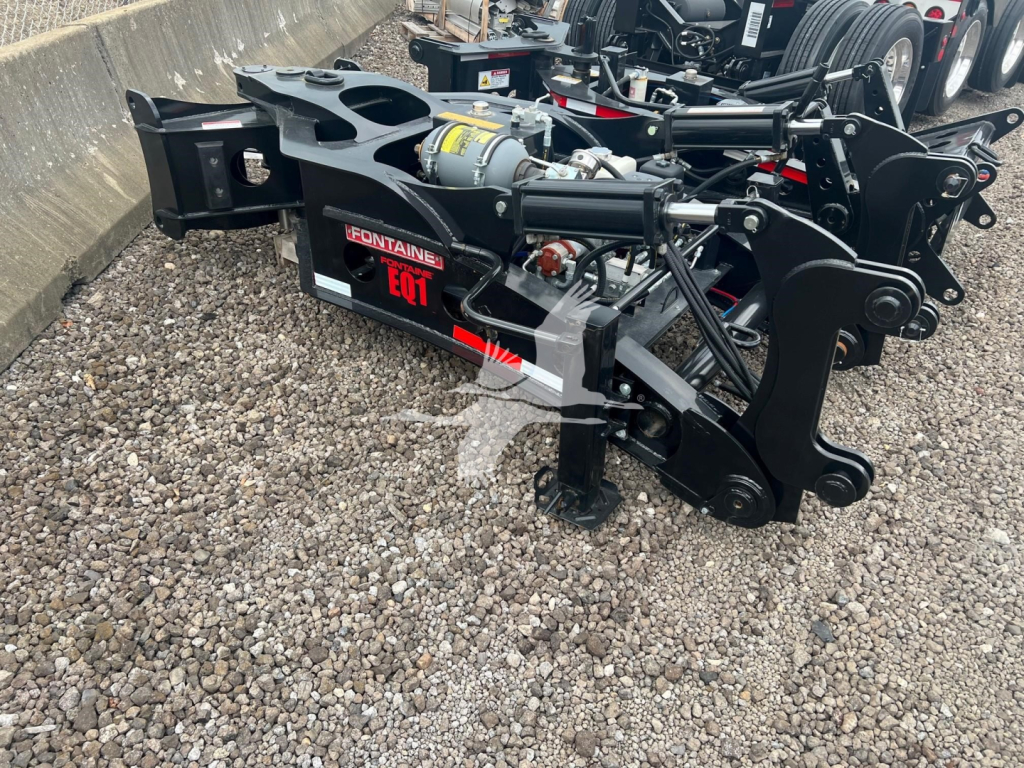
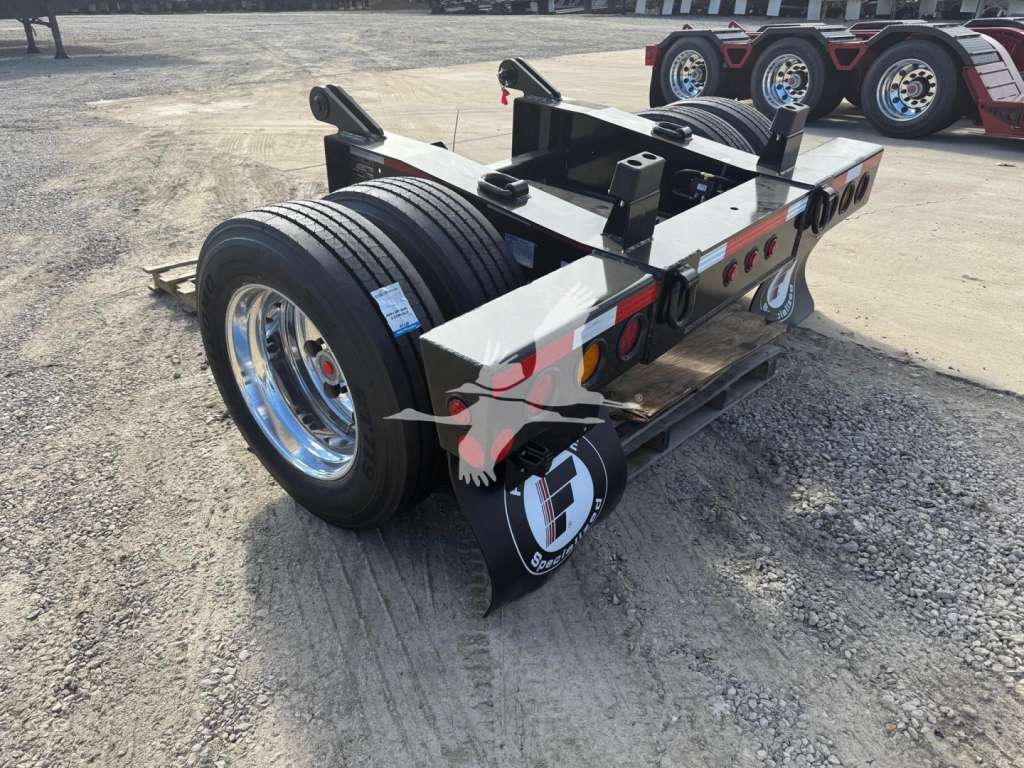
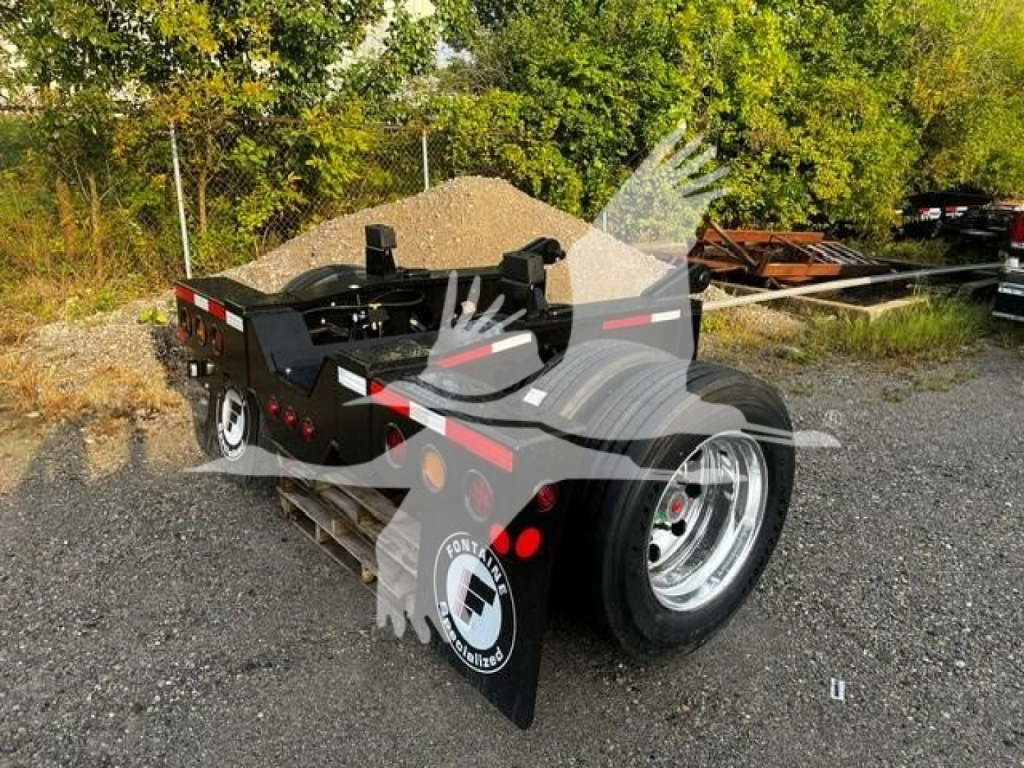
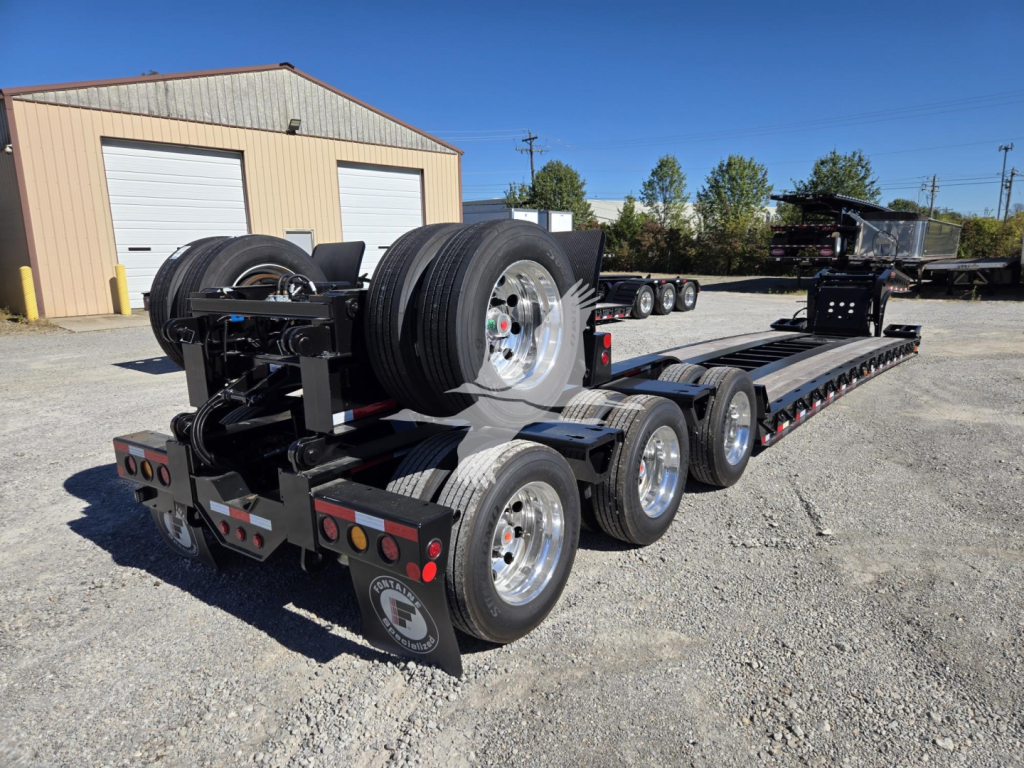
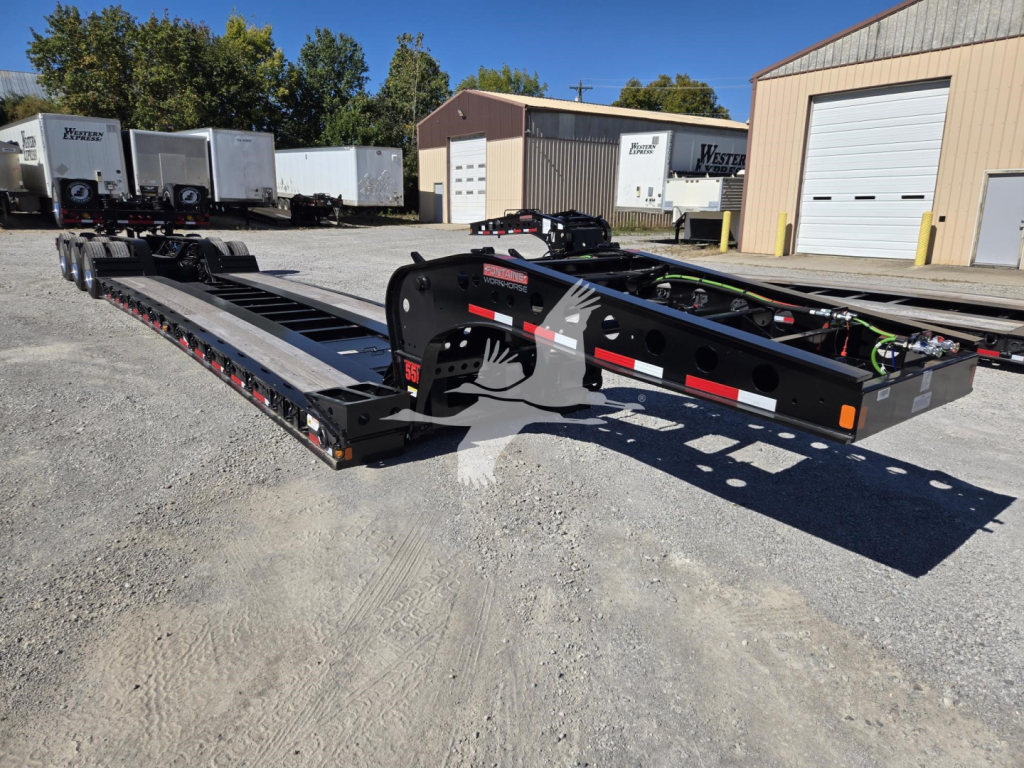
Showing 1 to 28 of 148 results
Selling a fontaine trailer? List your fontaine trailer for sale and reach thousands of commercial buyers.
Fontaine Trailers
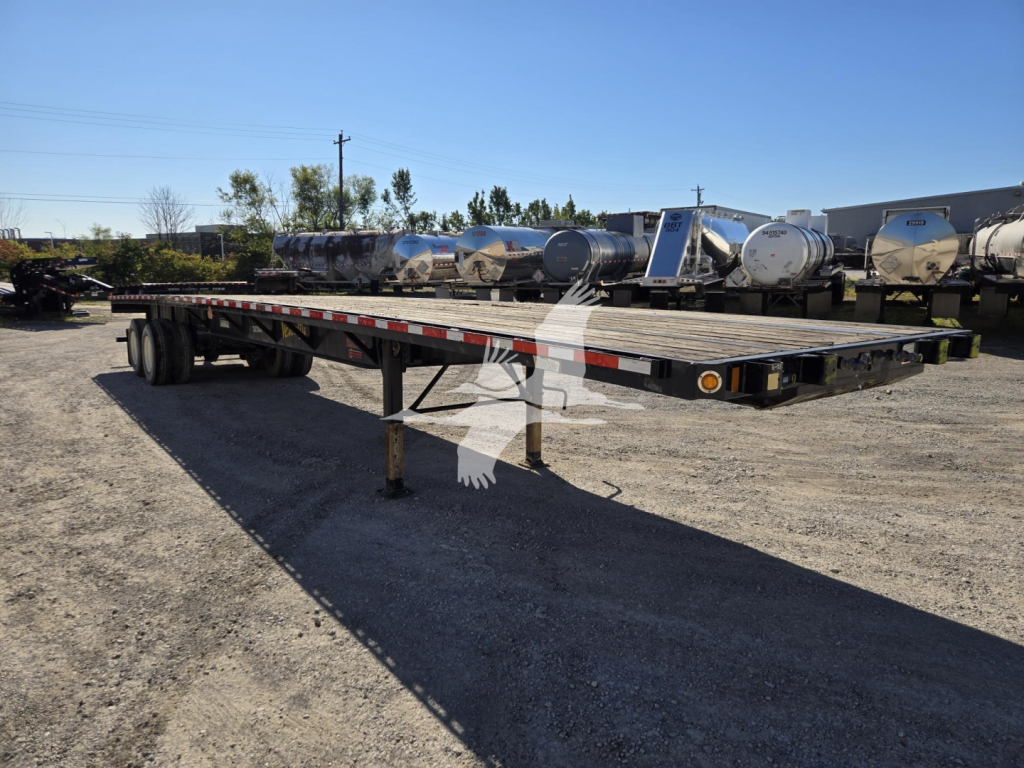
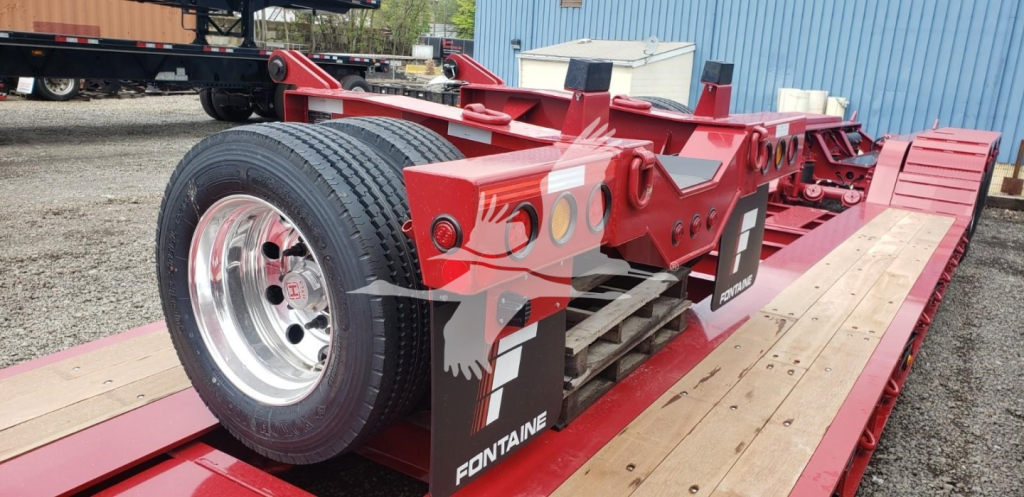
For flatbed and drop deck applications, the key buying decisions are trailer composition, axle spread, suspension, and securement package. Fontaine combo trailers with steel main beams and aluminum floors or rails are popular when payload matters, while all-steel builds make sense for harsher jobsite use and concentrated loads. Common specs include 48-foot by 102-inch decks, air ride suspension, fixed spread or tandem axle layouts, sliding winches, winch tracks, stake pockets, nail strips, chain tie-downs, and coil packages. On step decks and drop decks, buyers should pay close attention to loaded deck height, rear frame design, side rail condition, and whether the trailer is set up for steel, lumber, machinery, or mixed open-deck freight.
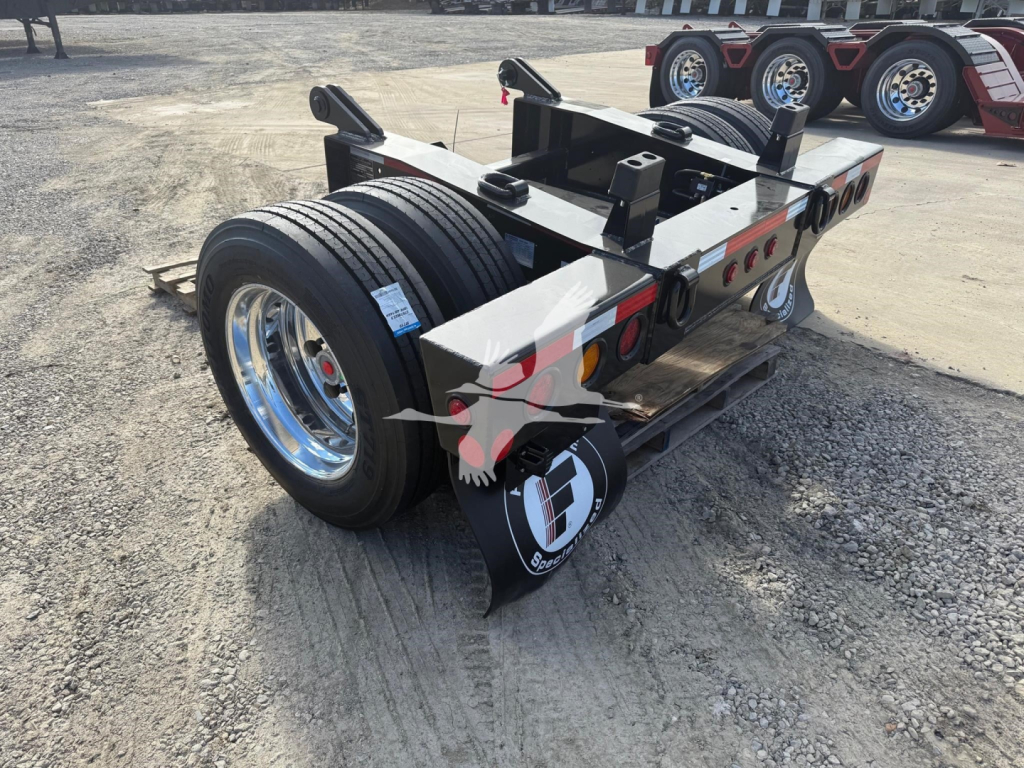
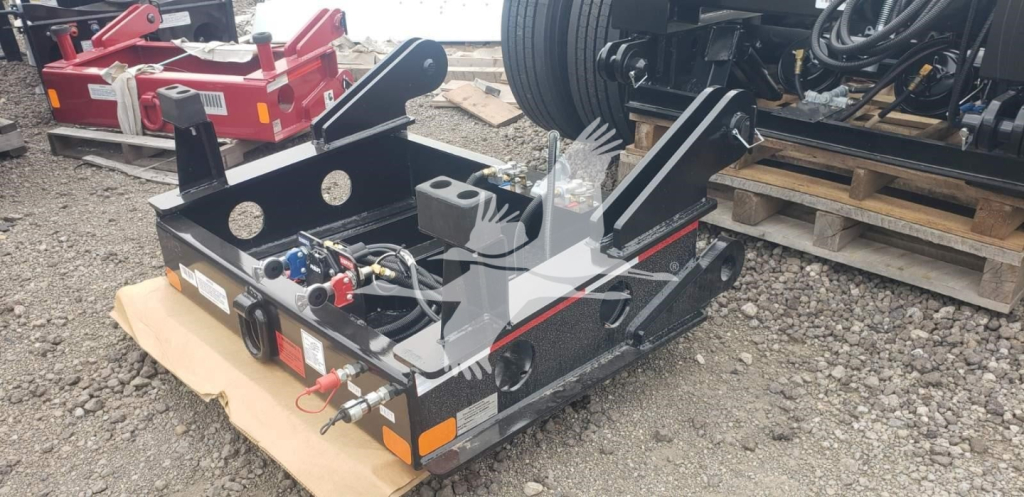
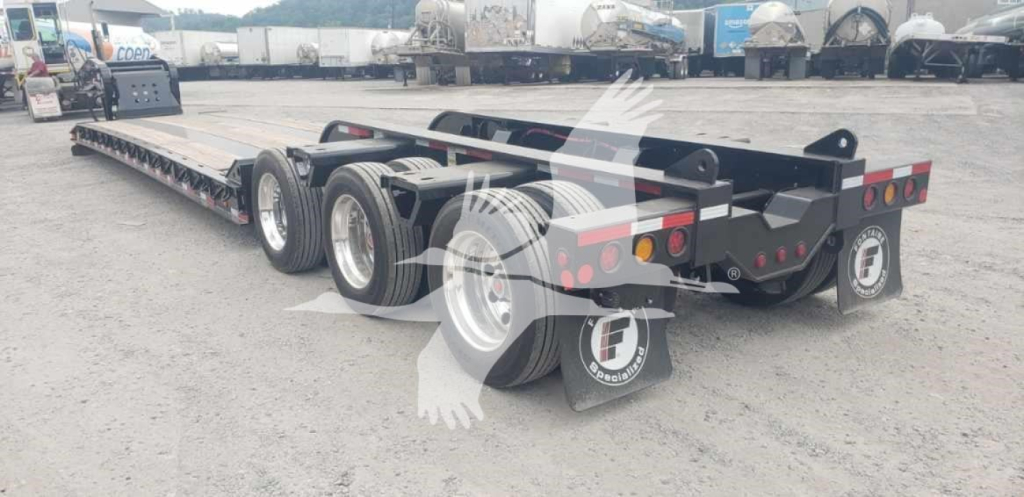
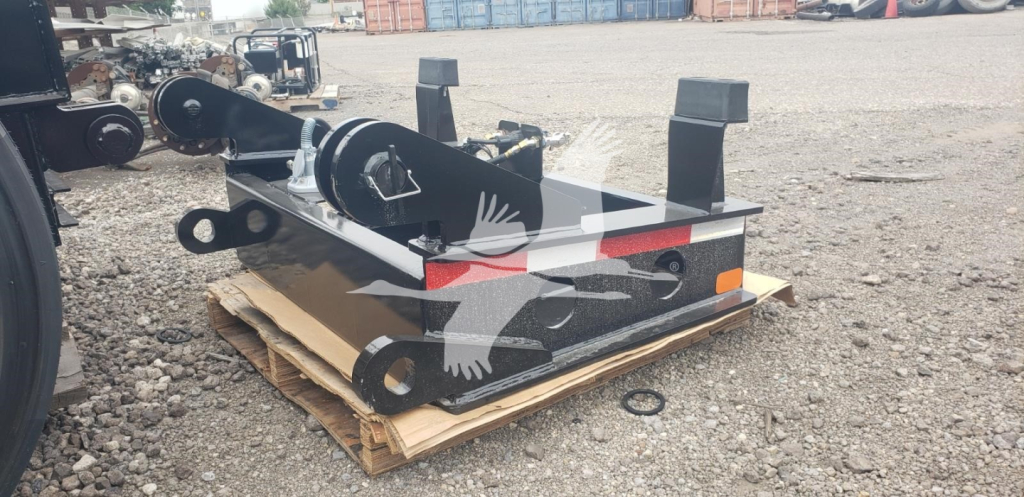
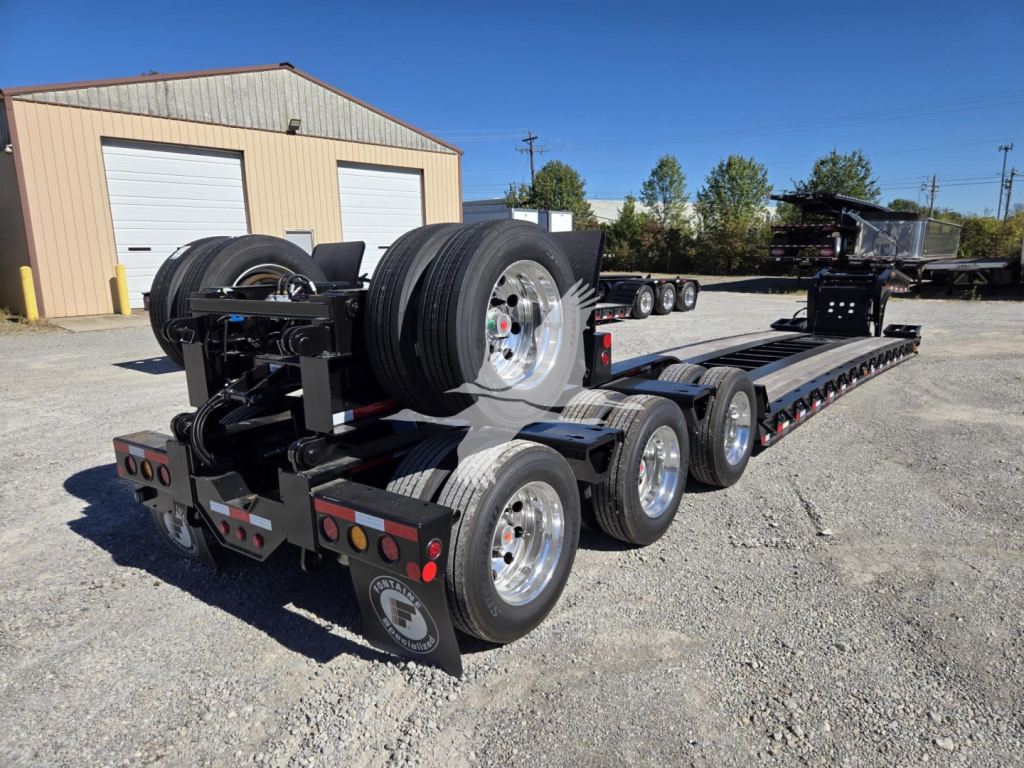
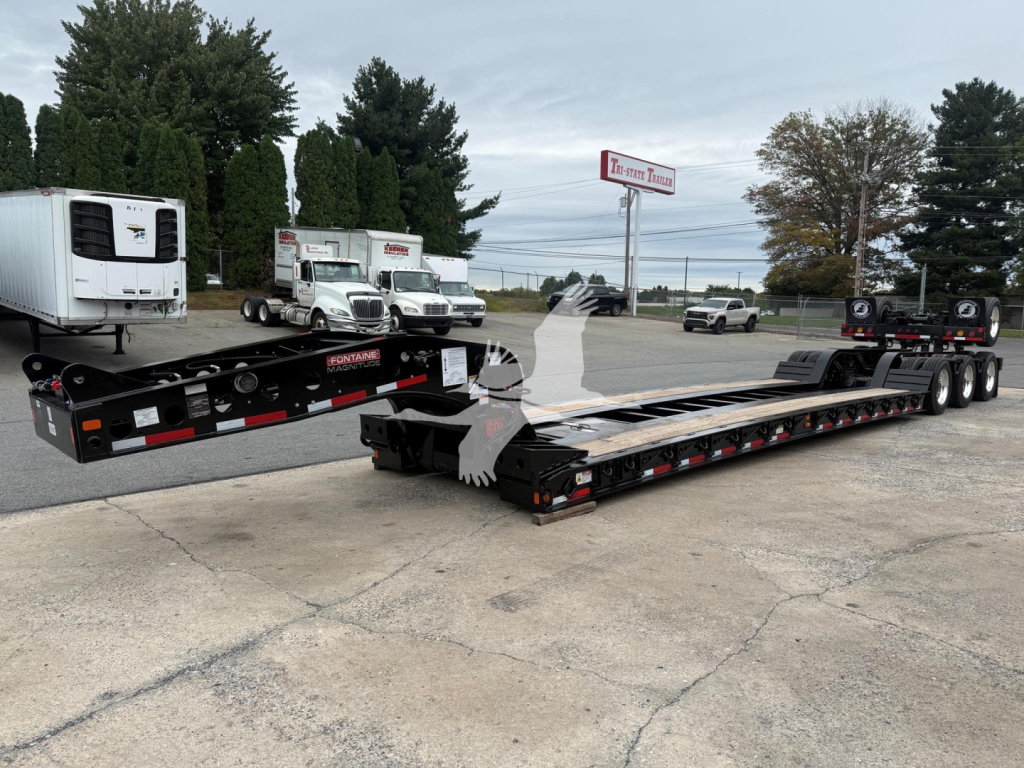
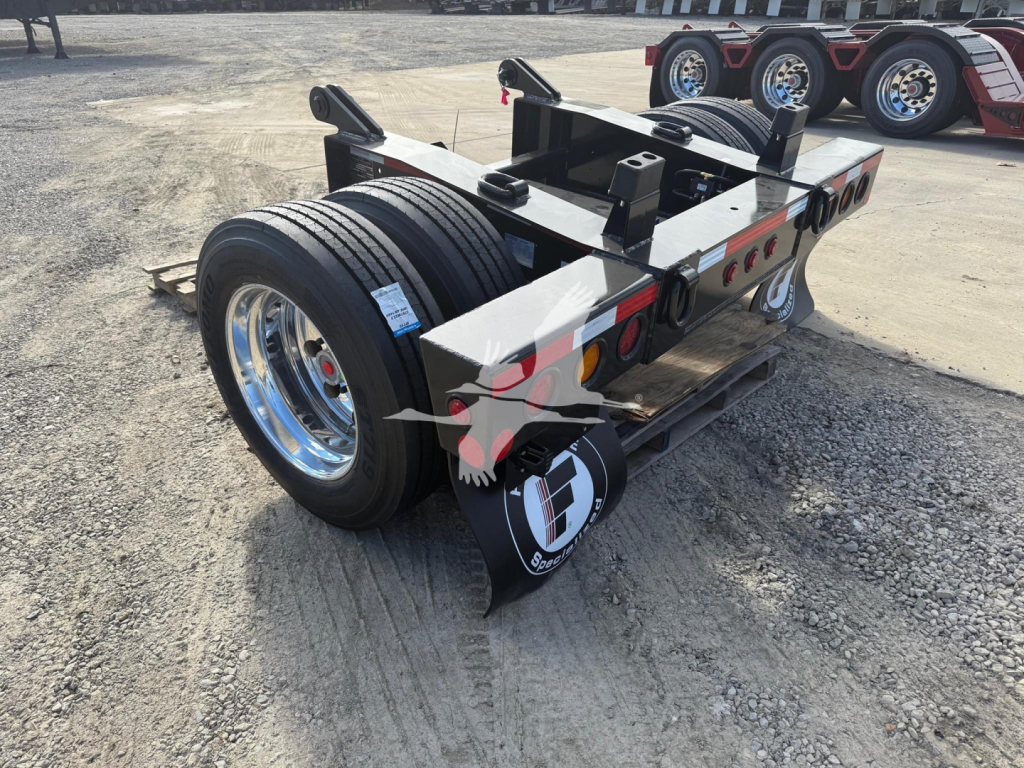
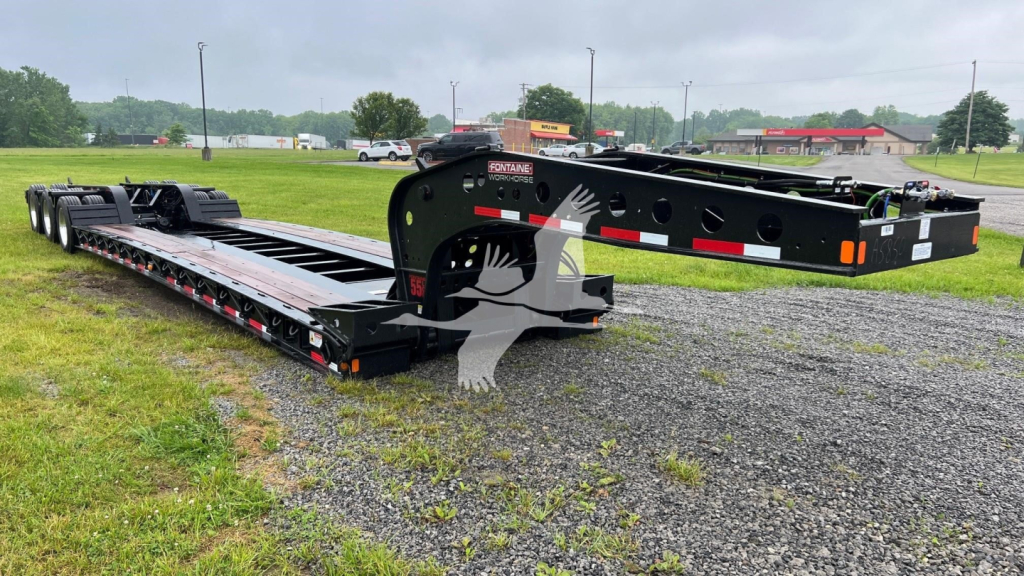
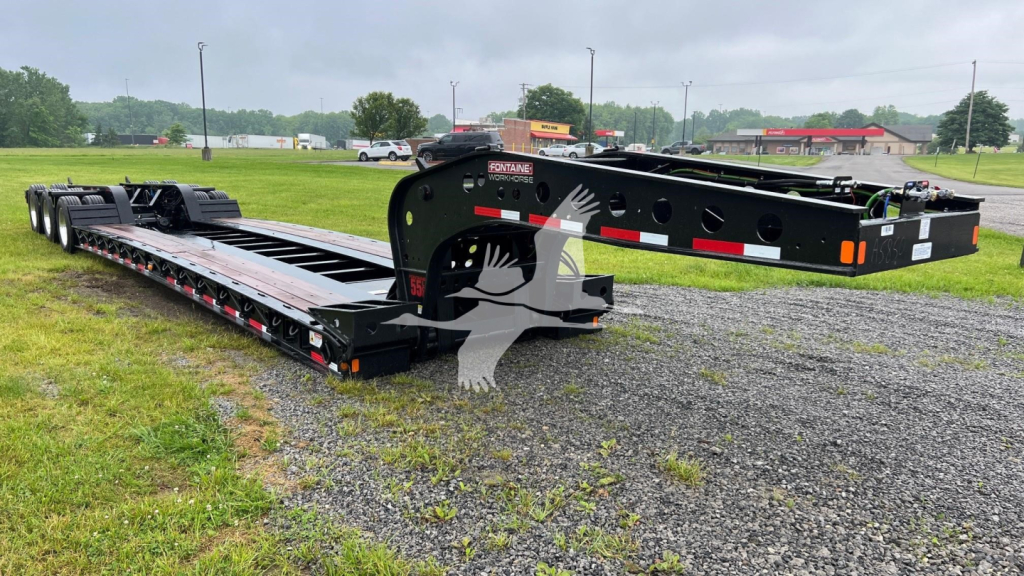
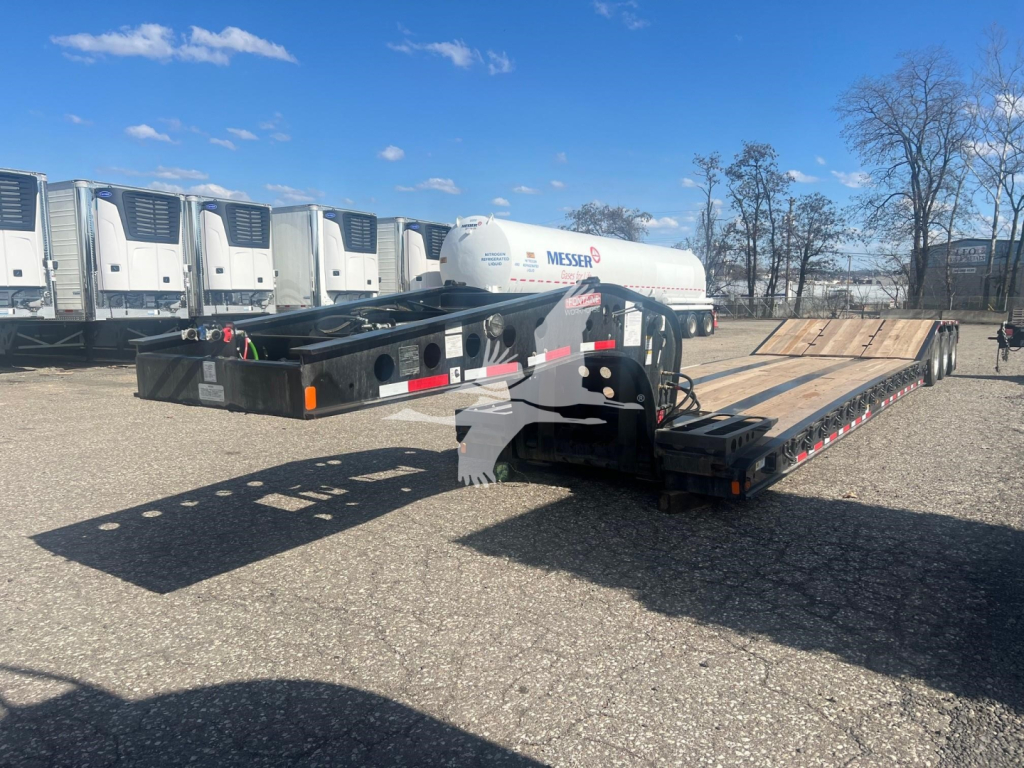
Fontaine lowboys are built for higher-capacity work where deck height, detach style, axle configuration, and ground clearance matter more than tare weight alone. Many are hydraulic detachable lowboys with non-ground-bearing necks, air ride suspensions, tri-axle groups, and compatibility for flip axles, jeep combinations, or axle spreader setups depending on the rating. Main deck height, deck length in the well, kingpin setting, ride height positions, outriggers, D-rings, pony motor setup, and low boom well design all affect how easily the trailer handles excavators, dozers, pavers, crushers, and other oversize equipment. If the work involves frequent permitting, bridge law planning, or variable machine lengths, an expandable or modular-capable Fontaine is often the better fit.
When comparing used Fontaine trailers, inspect the usual wear points closely. On platform trailers, that means floor condition, crossmember integrity, side rail cracking, winch track wear, suspension components, wheel ends, and signs of concentrated coil or forklift damage. On lowboys, focus on neck bushings, hydraulic system performance, frame straightness, deck plating, ramp or approach condition, axle alignment, and the condition of any lift axle or raise-lower controls. Fontaine has long-standing recognition in the open-deck market, so parts support, resale familiarity, and specification flexibility are often part of the appeal for fleets and owner-operators alike.
Frequently Asked Questions about Fontaine Trailers
What types of trailers does Fontaine commonly build?
Fontaine is best known for open-deck trailer categories such as flatbeds, step decks, drop decks, expandable drop decks, and lowboy trailers. The brand serves both standard freight operations and specialized heavy-haul work, so buyers will see everything from 48-foot combo flatbeds for palletized or steel freight to hydraulic detachable lowboys built to move construction equipment and other oversize loads.
Are Fontaine trailers typically steel or aluminum?
Fontaine builds trailers in multiple constructions, including all-steel and combination designs that use steel main beams with aluminum flooring, side rails, or other components. Combo construction is common on flatbeds and drop decks where operators want lower tare weight and more payload capacity. All-steel construction is more common when buyers prioritize durability, impact resistance, and concentrated load handling over weight savings.
What should I look for when buying a used Fontaine flatbed or drop deck?
The most important checks are structural and application-related. Inspect the floor, nail strips, crossmembers, side rails, bulkhead, winch track, stake pockets, landing gear, suspension, tires, and brakes. Also confirm the axle spacing, deck length, and securement package match the freight you intend to haul. A trailer set up with coil package, sliding winches, and chain tie-downs may be a better fit for steel service than a lighter-spec platform configured for general building materials.
What matters most when choosing a Fontaine lowboy?
Capacity rating alone is not enough. Buyers should match the trailer to the machine dimensions, axle weights, loading method, and permit environment. Main deck height, well length, detachable neck style, number of axles, flip axle compatibility, kingpin settings, and ride height adjustment all affect how the trailer performs in real heavy-haul work. A low deck and correct axle configuration can make a major difference in legal routing and machine fit.
Do Fontaine trailers hold their value well?
Fontaine trailers generally have strong market recognition in the open-deck segment, which helps support resale demand when the trailer has been maintained and spec'd correctly. Value depends heavily on structural condition, maintenance history, tire and brake life, and how specialized the configuration is. Standard flatbeds and drop decks usually appeal to a wider group of buyers, while heavy-haul lowboys can command solid value when capacity, neck design, and axle options fit current market demand.