
Fontaine Trailers For Sale in Ohio
Browse Fontaine trailers for sale, including lowboy and double drop models built for heavy haul, detachable neck flexibility, and durable payload performance.
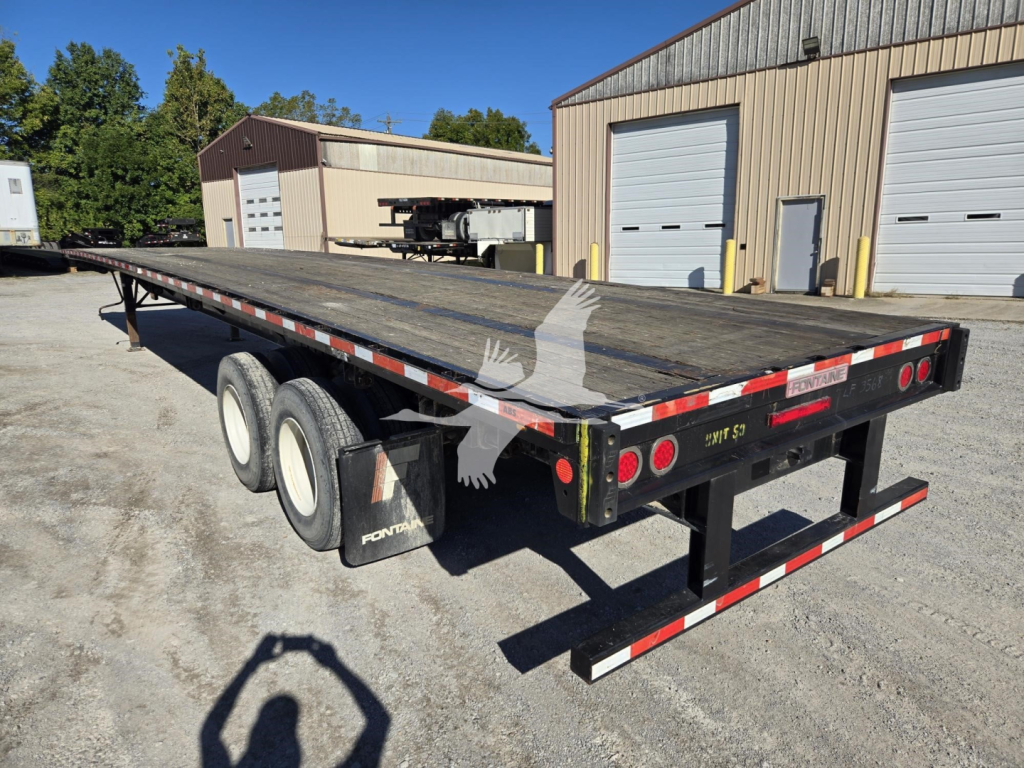
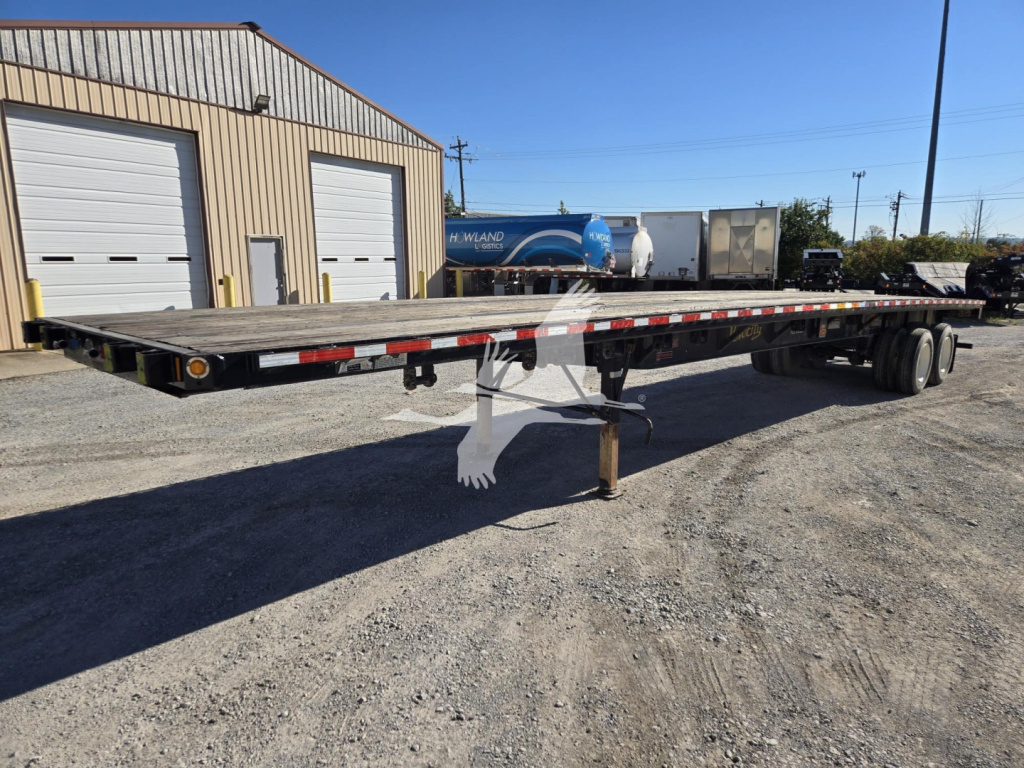
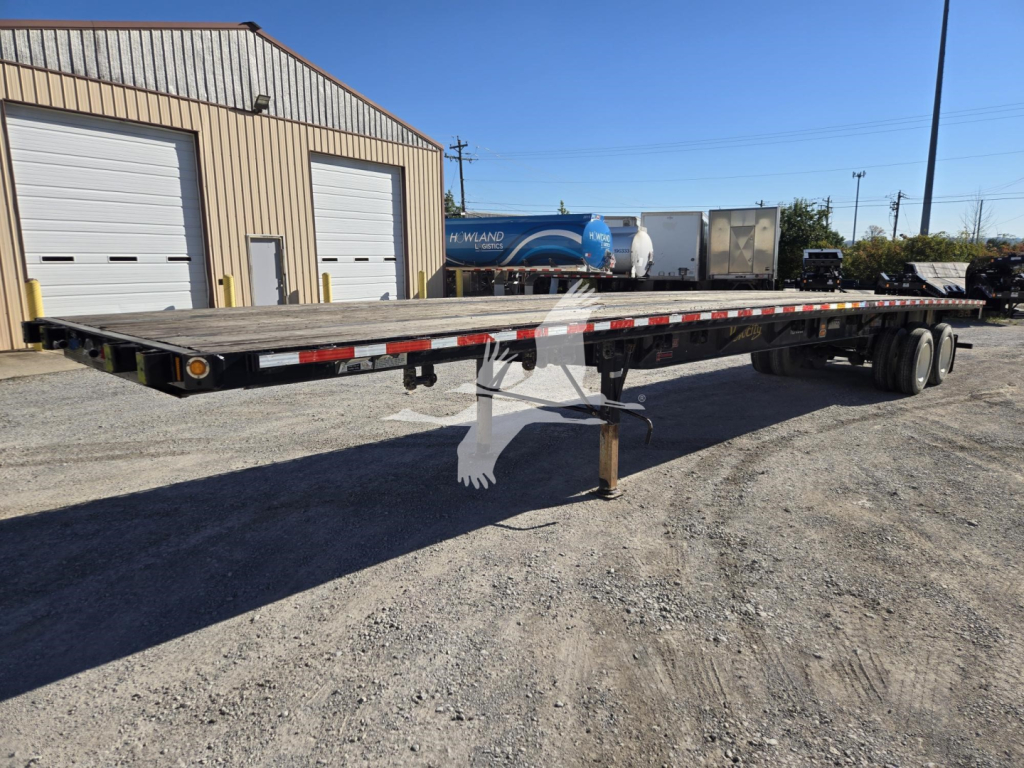
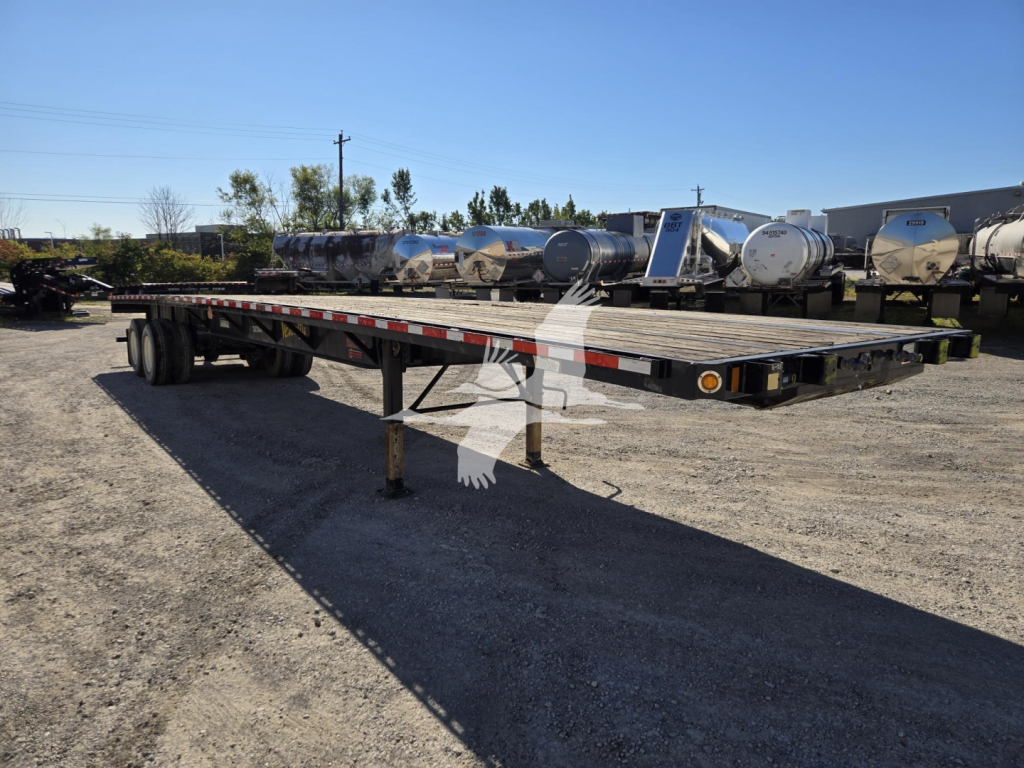
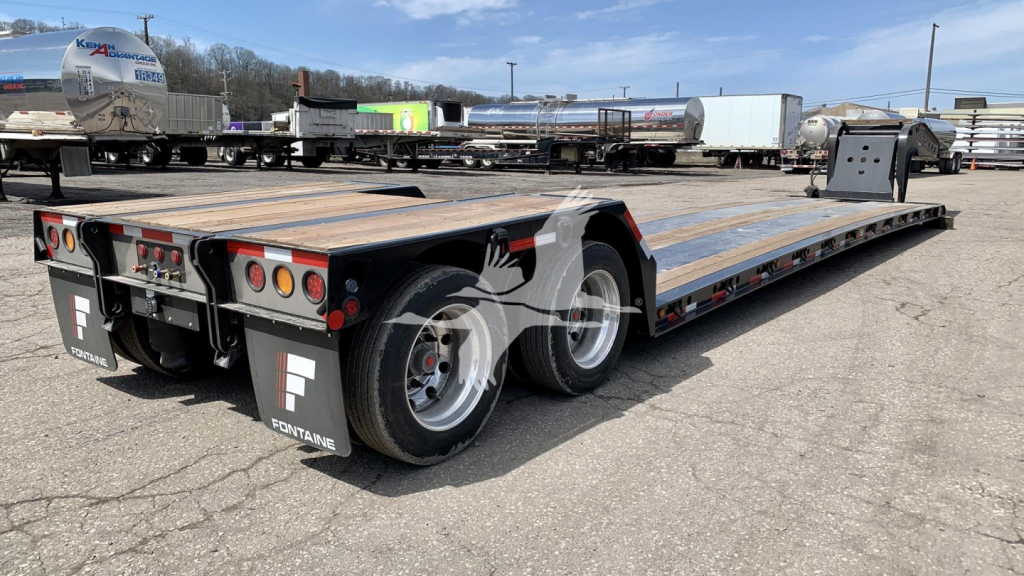
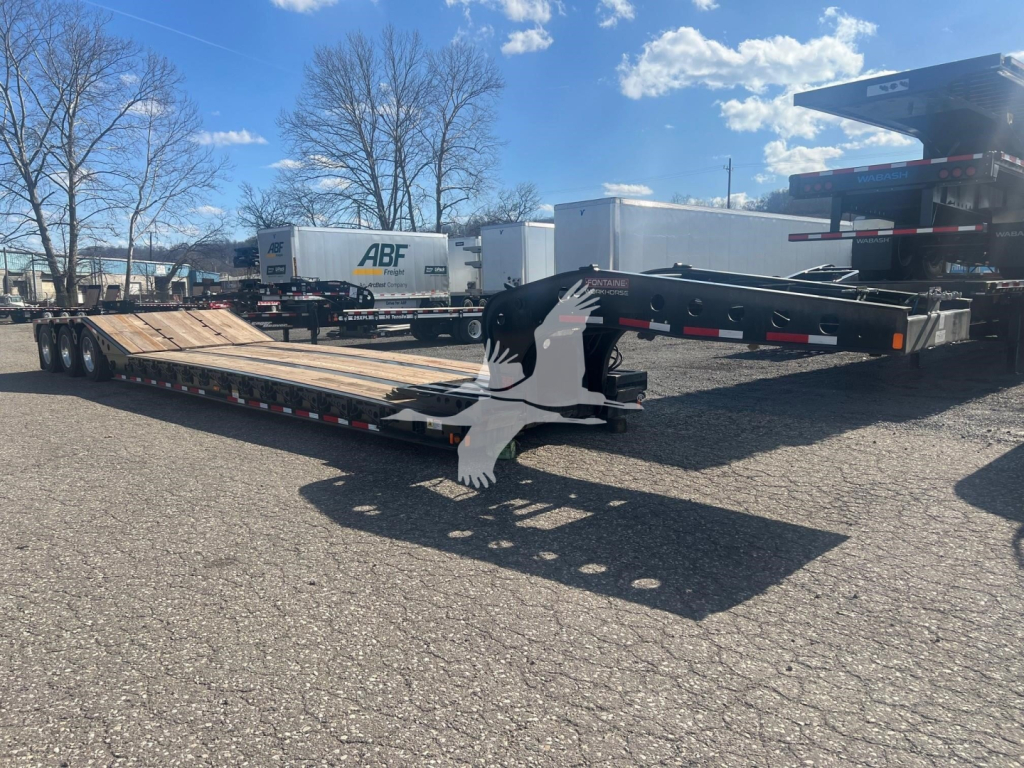
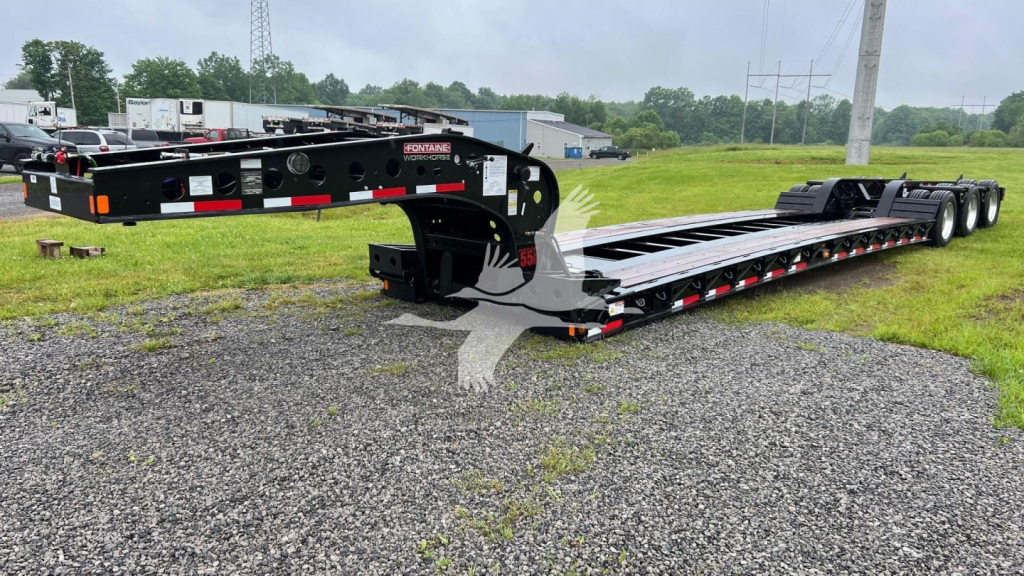
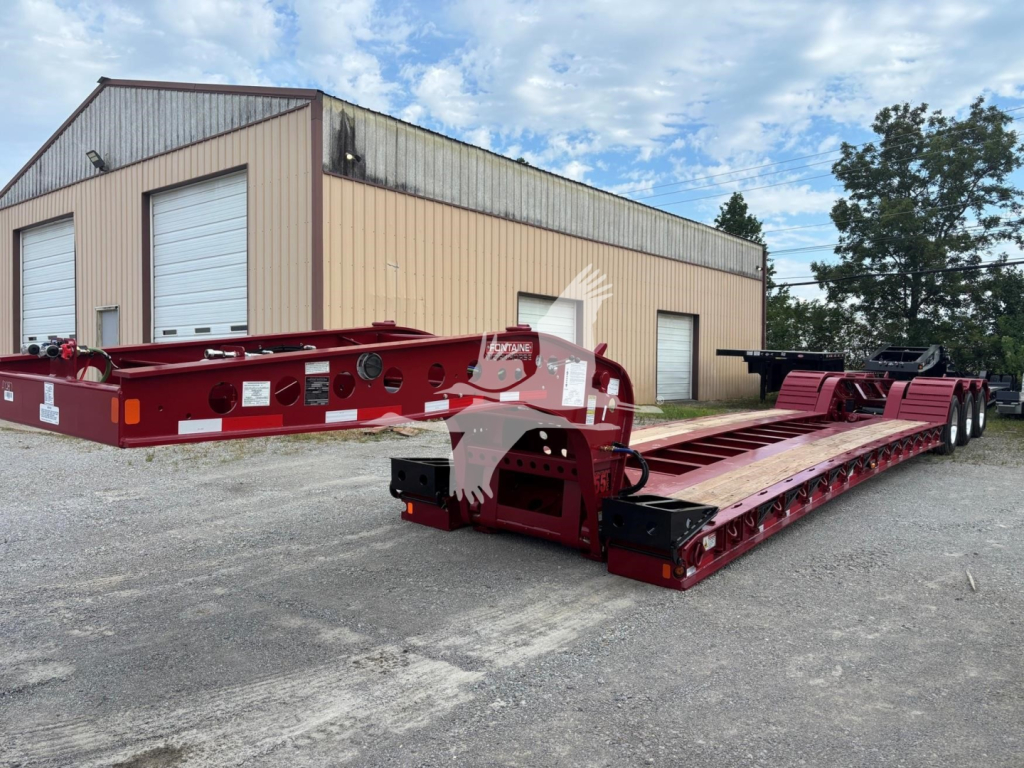
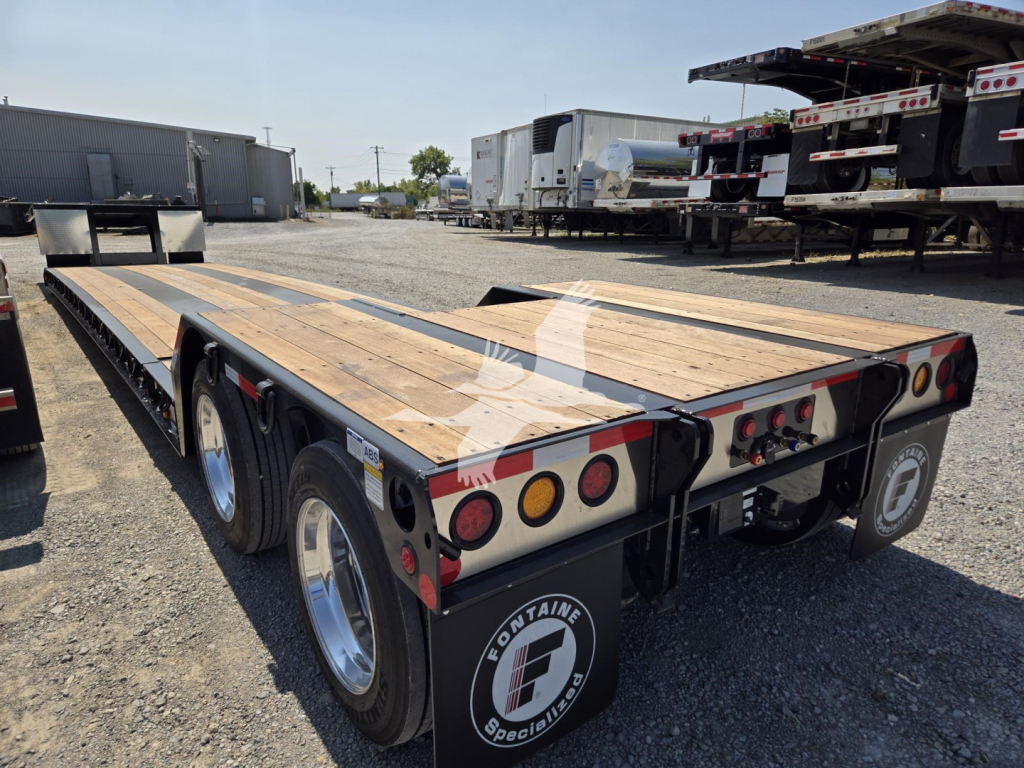
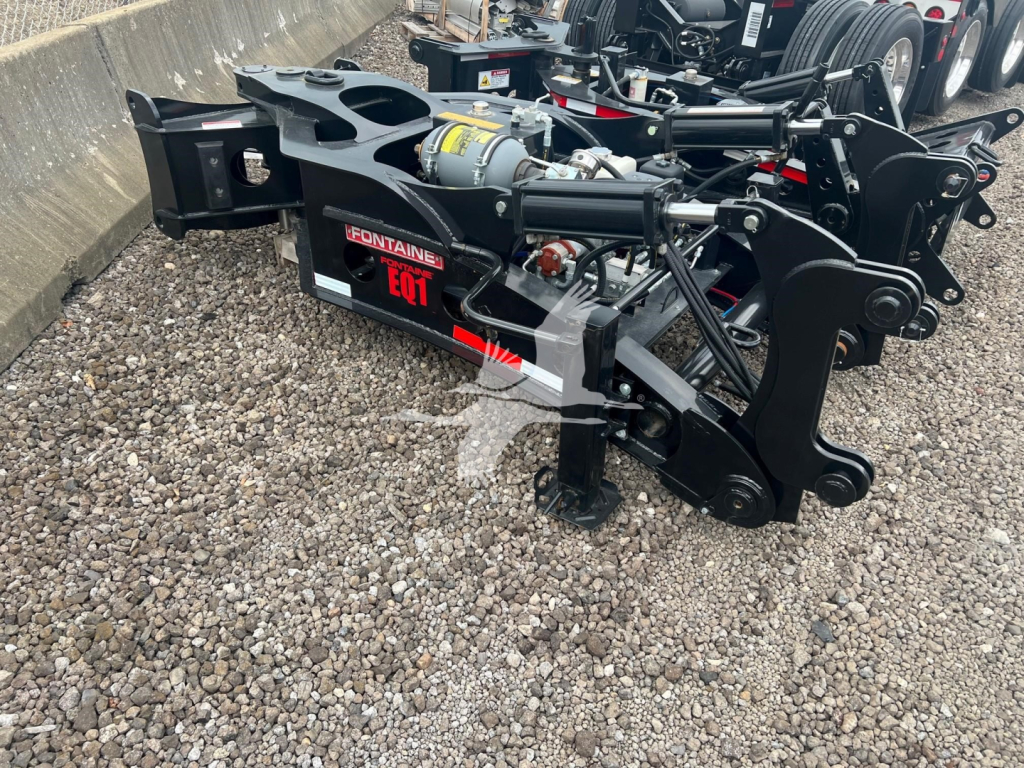
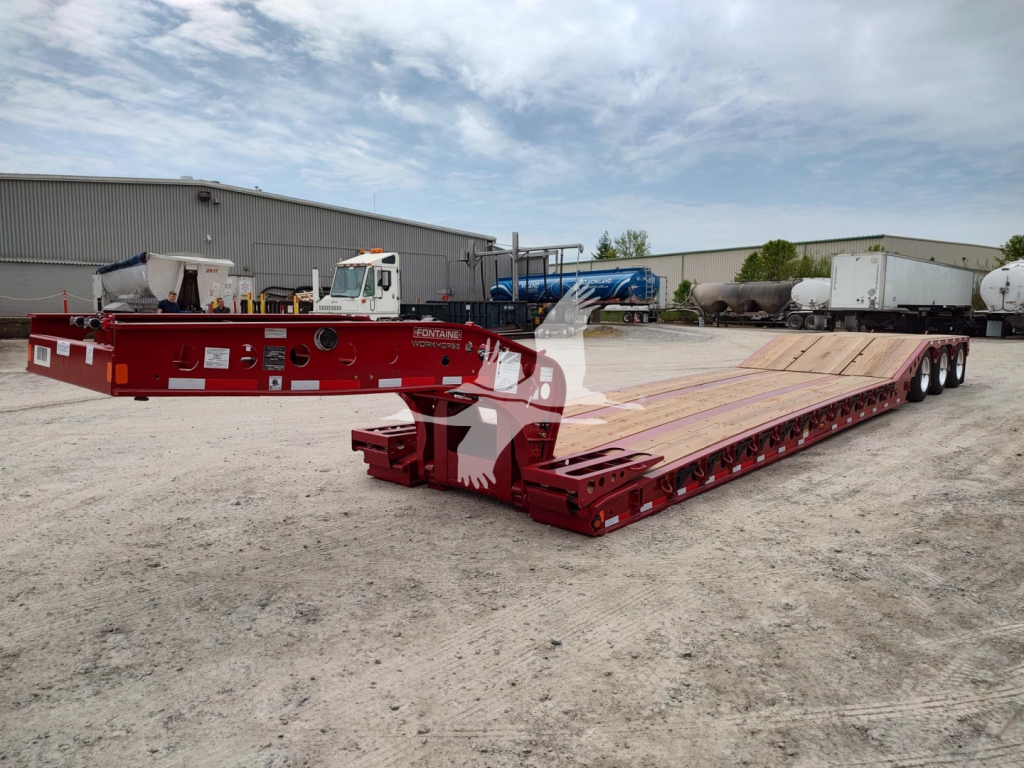
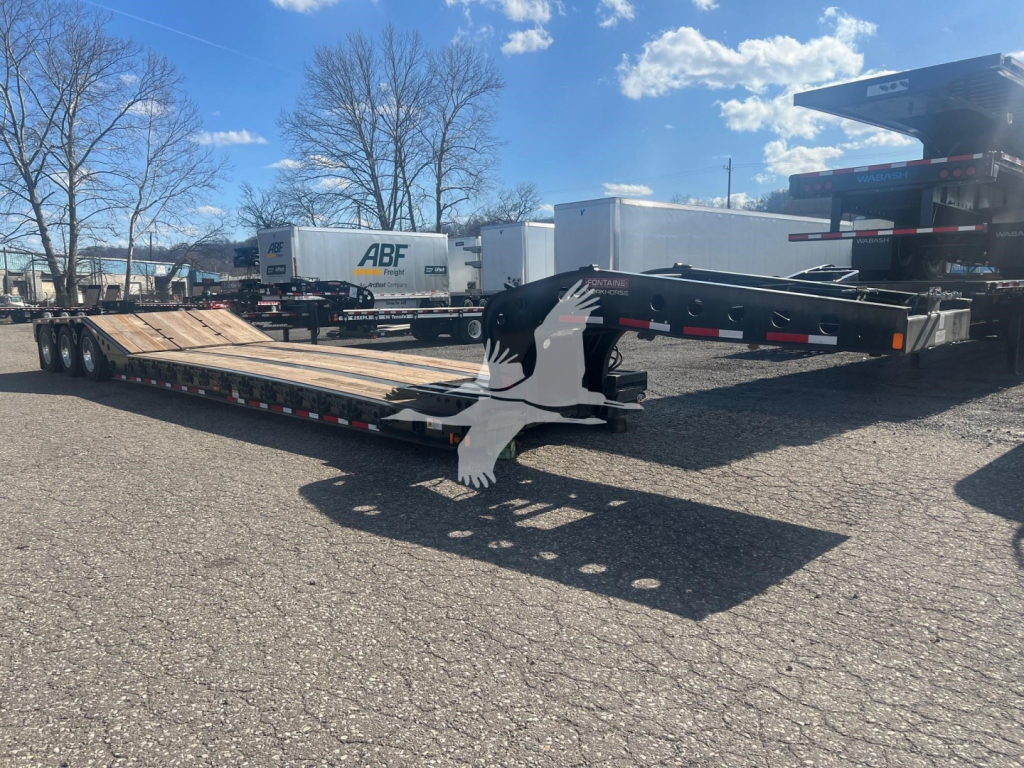
Selling a fontaine trailer? List your fontaine trailer for sale and reach thousands of commercial buyers.
Fontaine Trailers in Ohio
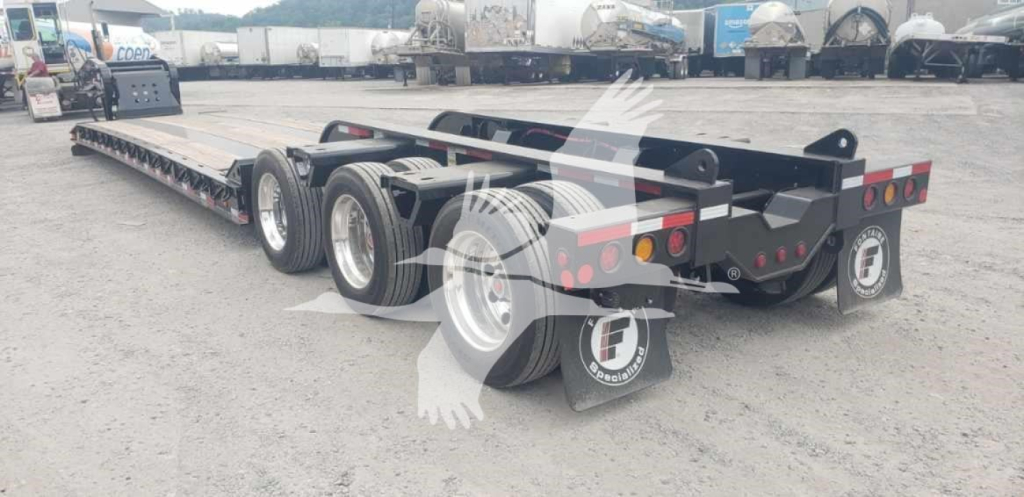
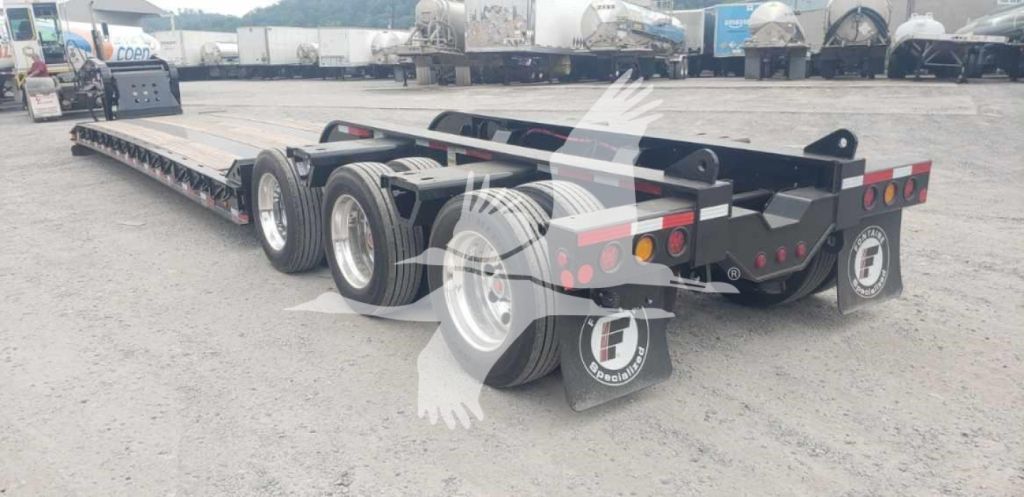
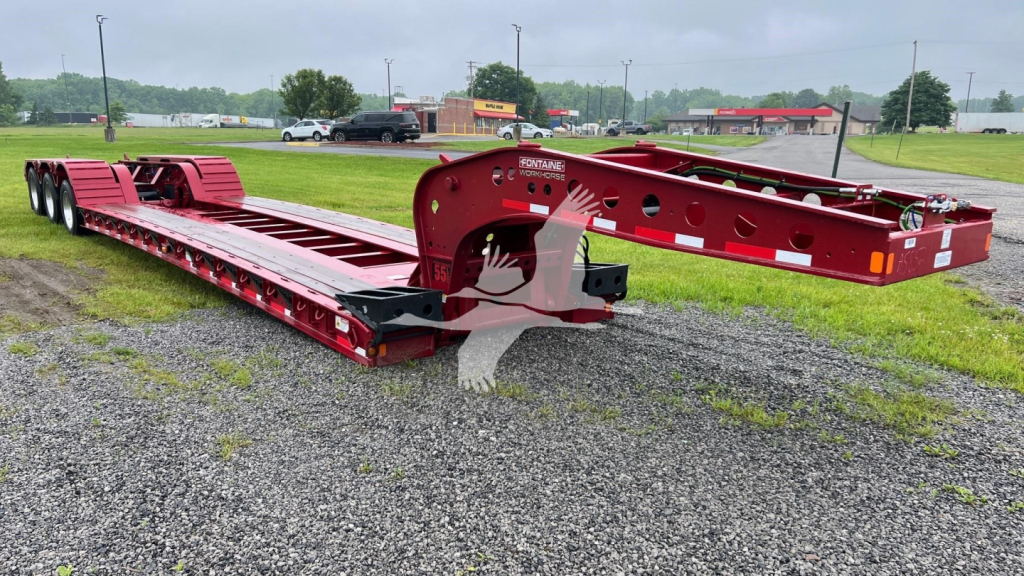
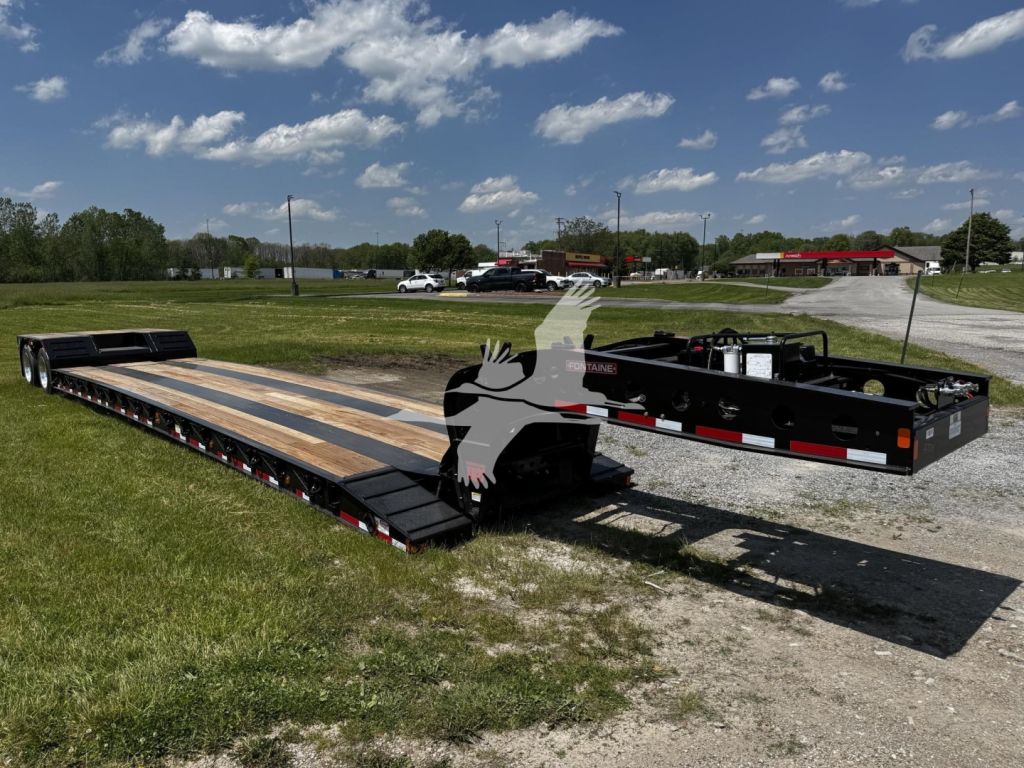
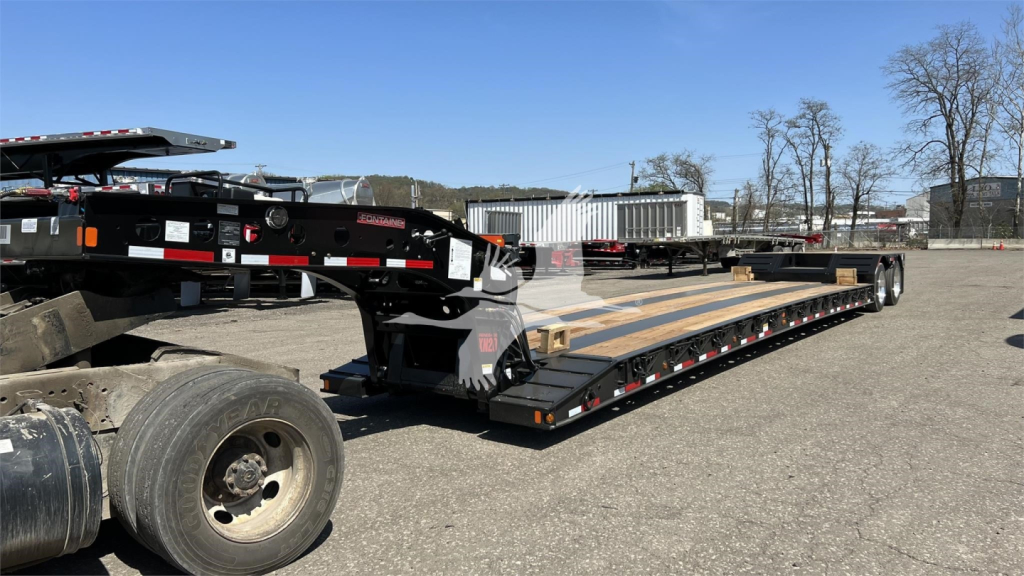
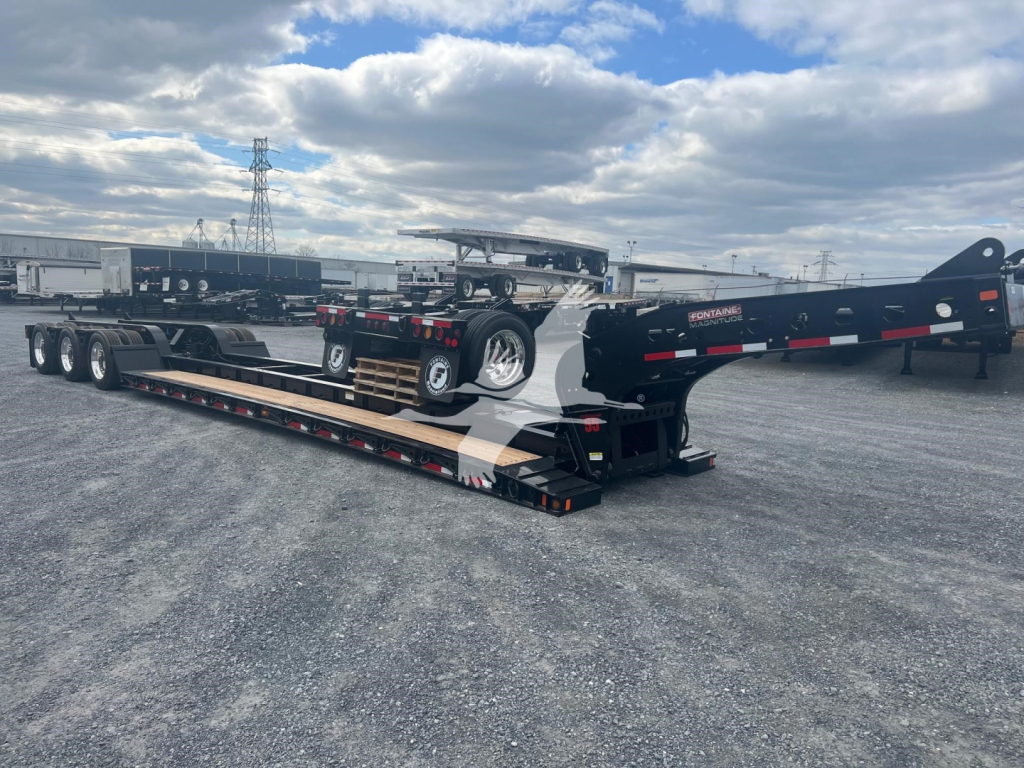
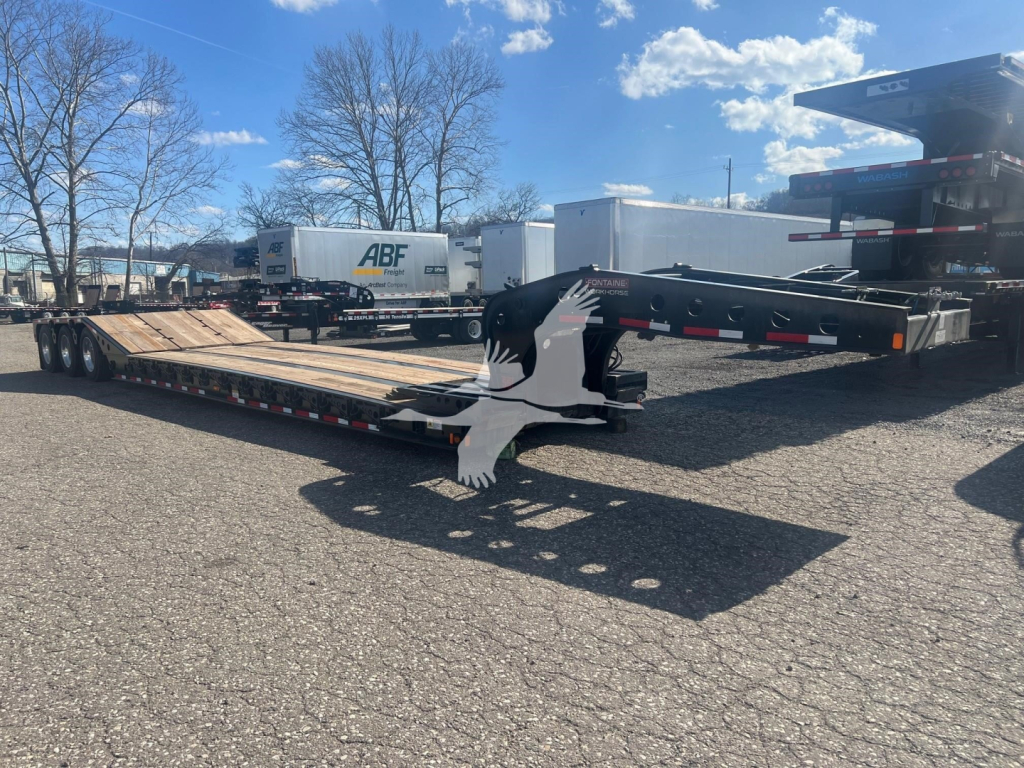
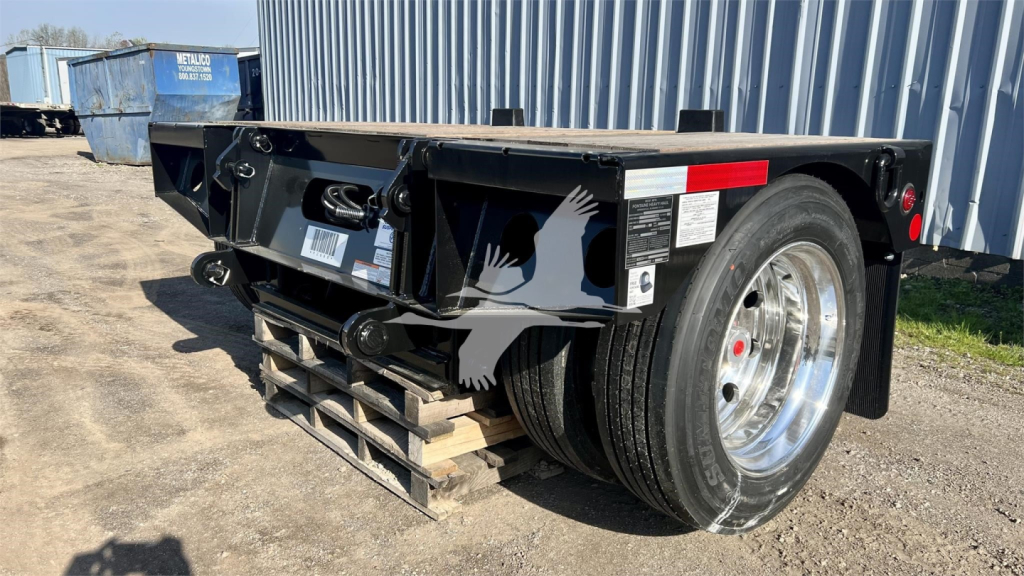
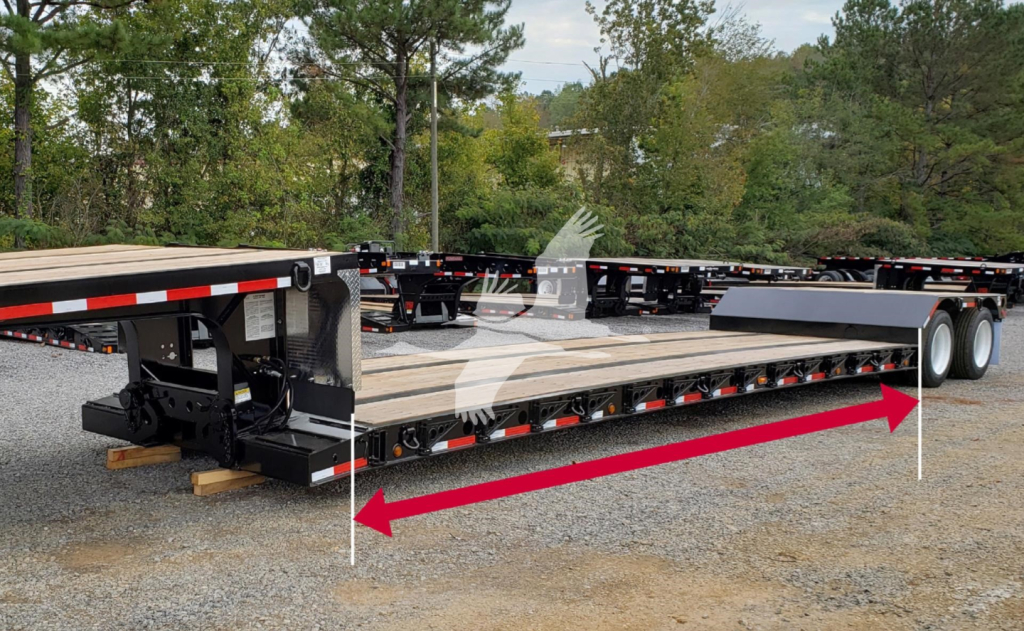
A lot of the buying decision comes down to capacity and load style. Fontaine lowboys in this class are often rated around 40 ton to 55 ton, with ratings tied to a specific deck length such as 13 feet or 16 feet of concentrated load area. Main deck heights around 18 to 20 inches and ground clearance near 6 inches are typical for heavy equipment hauling, giving a good balance between low loaded height and workable road clearance. Swing-out outriggers, multiple D-ring tie-down points, chain slots, boom wells, bucket wells, and hammer plate sections matter if you regularly move excavators, dozers, pavers, crushers, or other machines with uneven weight distribution and hard contact points.
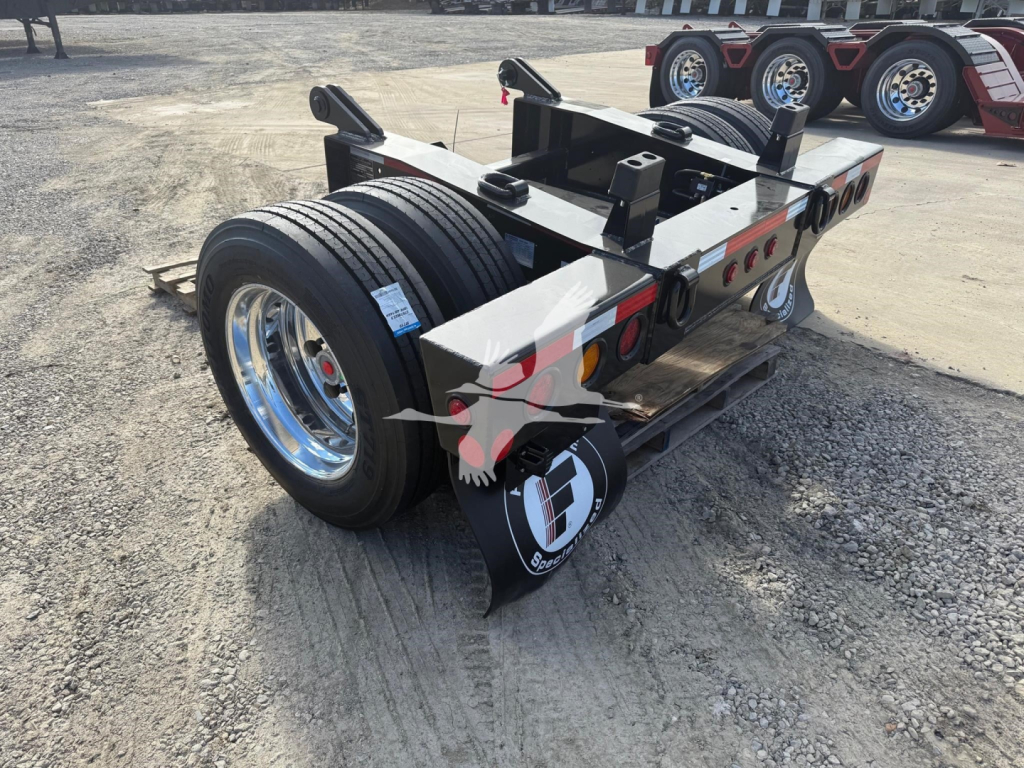
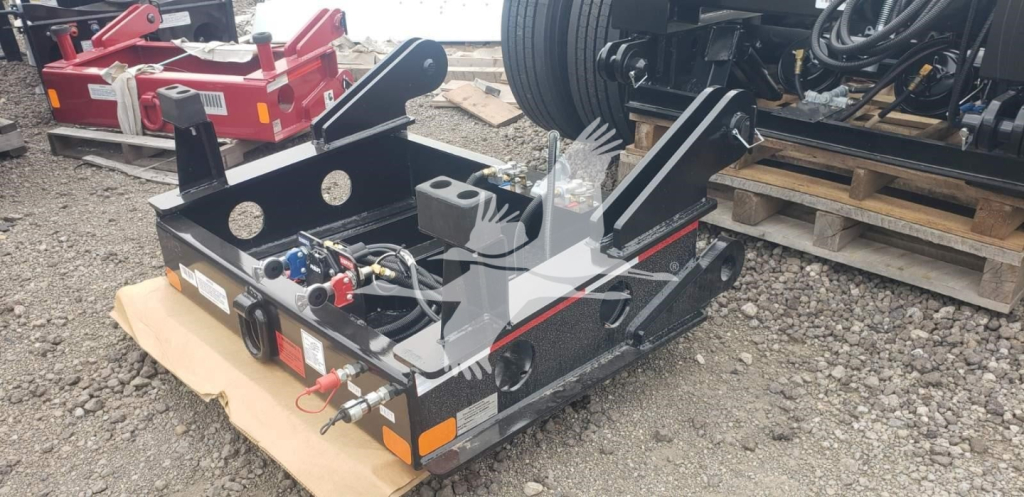
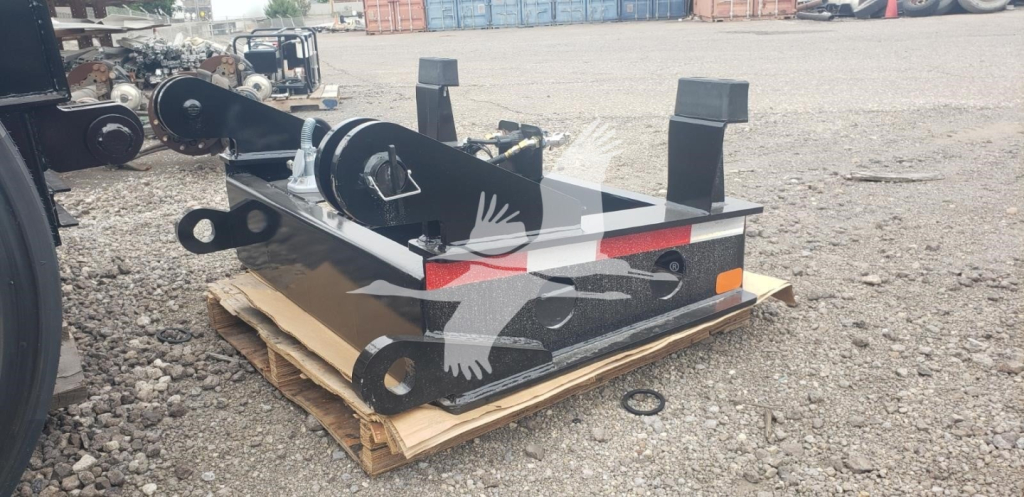
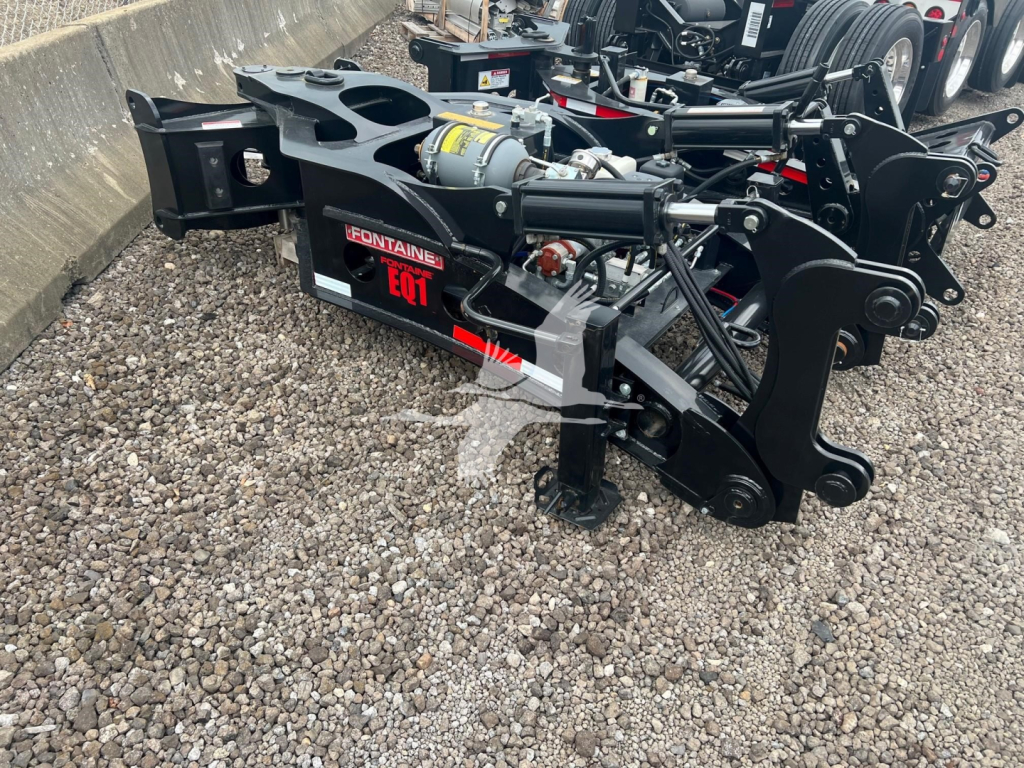
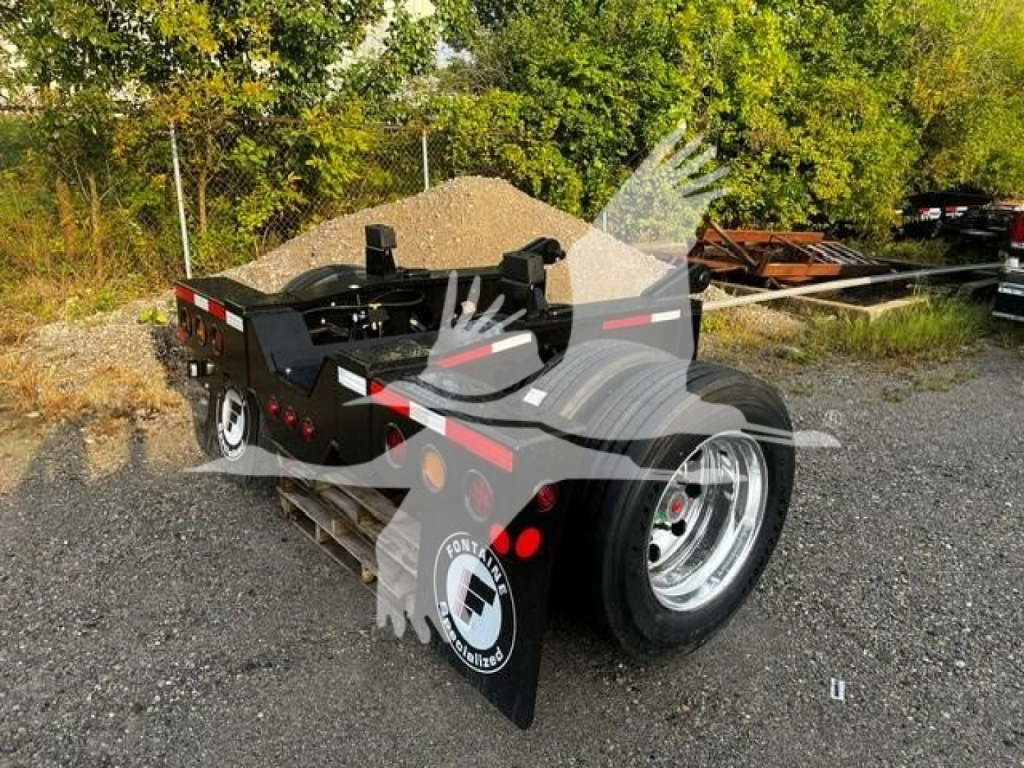
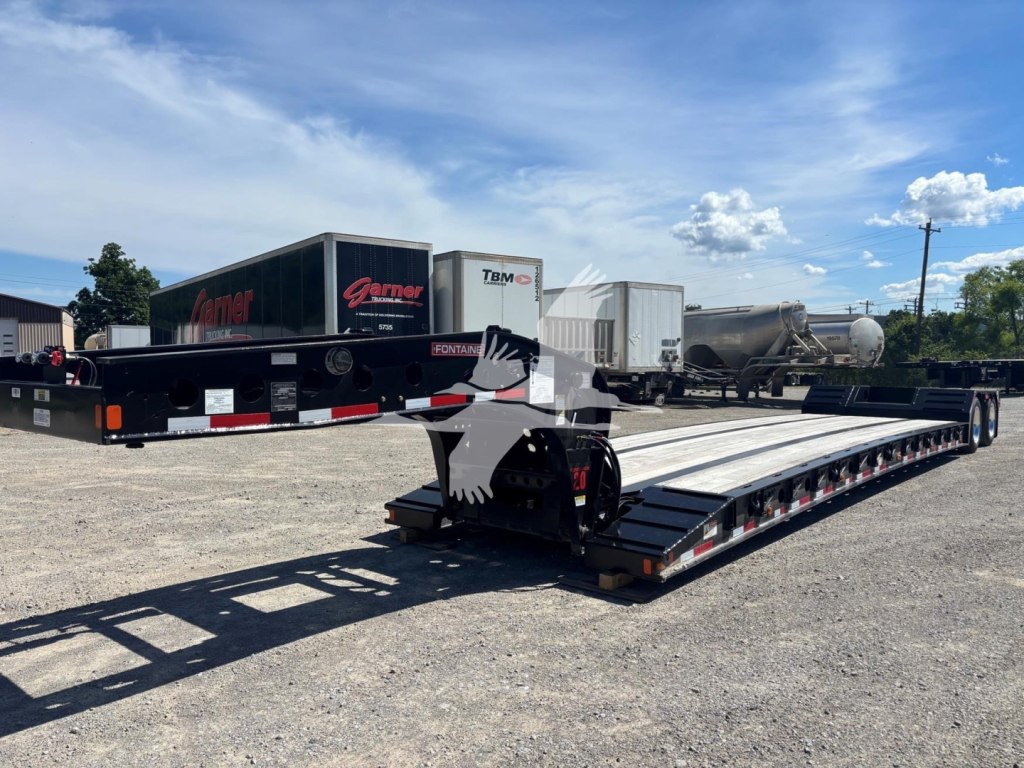
Neck style and axle flexibility matter just as much as published tonnage. Hydraulic detachable goosenecks speed up loading and are common for fleets that load equipment daily, while mechanical detachables can be attractive for simpler operation and lower complexity. Many Fontaine designs are built to accept a flip axle, jeep, or additional axle option depending on the trailer family, which helps when route law, bridge law, or customer payloads change. Pay attention to kingpin settings, loaded fifth wheel height, axle spacing, lift axle provisions, ride height control, and whether the trailer is set up for future axle additions. Those details affect tractor compatibility, turning clearance, and how easily the trailer fits into an existing heavy haul fleet.
Fontaine also has a strong reputation for straightforward, work-focused specs rather than gimmicks. Buyers should compare crossmember spacing, side rail construction, floor thickness, suspension brand, tire size, and lighting package, especially if the trailer will see rough jobsites or frequent oversize moves. In Ohio and across the Midwest, that usually means looking for durable finishes, good underframe protection, reliable air ride components, and secure tie-down architecture that stands up to mixed highway and off-pavement use. If your operation handles concentrated loads, taller machines, or freight that needs a detachable neck for safe loading, Fontaine trailers remain a serious option in the lowboy and double drop market.
Frequently Asked Questions about Fontaine Trailers in Ohio
What are Fontaine trailers most commonly used for?
Fontaine trailers are most commonly used for heavy equipment and specialized freight hauling. The brand is especially well known for lowboy and double drop trailers that carry excavators, bulldozers, loaders, paving equipment, cranes, and other over-height or concentrated loads. Their low deck profiles and detachable neck designs make them a common choice for construction, infrastructure, aggregate, and machinery transport.
What should I check first when comparing Fontaine lowboy trailers?
Start with deck height, capacity rating, and neck style. Deck height affects loaded legal height, capacity rating tells you how much concentrated weight the trailer is designed to carry over a stated deck length, and neck style determines loading speed and tractor compatibility. After that, compare axle count, suspension type, kingpin settings, outriggers, tie-down points, boom well design, and whether the trailer can accept a flip axle or other axle additions.
Are Fontaine detachable trailers available with hydraulic and mechanical goosenecks?
Yes. Fontaine builds detachable trailers in both hydraulic detachable and mechanical detachable configurations. Hydraulic necks are typically preferred for faster, more frequent loading and unloading, while mechanical detachables can appeal to buyers who want a simpler setup with fewer hydraulic components. The right choice depends on loading frequency, driver familiarity, maintenance preference, and how standardized your fleet is.
Why do flip axles matter on a Fontaine heavy haul trailer?
A flip axle gives a heavy haul trailer added flexibility for weight distribution and legal compliance. By adding axle capacity at the rear, a flip axle can help spread load weight more effectively across axle groups and support higher payloads where regulations allow. Buyers should confirm compatibility with the base trailer model, suspension setup, connection design, and the permits or route laws they expect to run.
What flooring and construction features are common on Fontaine trailers?
Common Fontaine trailer features include steel main structures, wood or Apitong floors, closely spaced crossmembers, steel side rails, removable swing-out outriggers, D-rings, chain slots, and air ride suspension. On equipment-hauling models, buyers will also often see boom troughs, bucket wells, traction cleats, and reinforced deck sections such as hammer plates. These features are important for handling machines with steel tracks, uneven contact points, and concentrated axle loads.