
2026 Fontaine Trailers For Sale
Shop 2026 Fontaine trailers including flatbeds, lowboys, double drops, and heavy haul models built for payload, durability, and securement.
Have 2026 fontaine trailer to sell? List it here to reach thousands of buyers.
2026 Fontaine Trailers
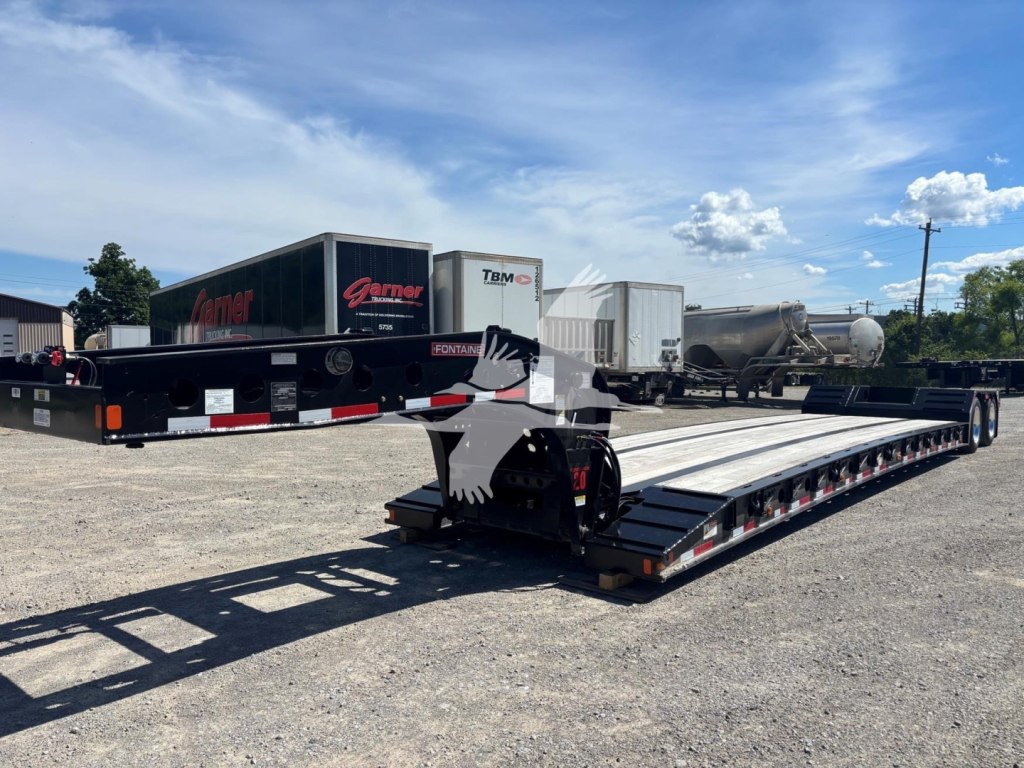
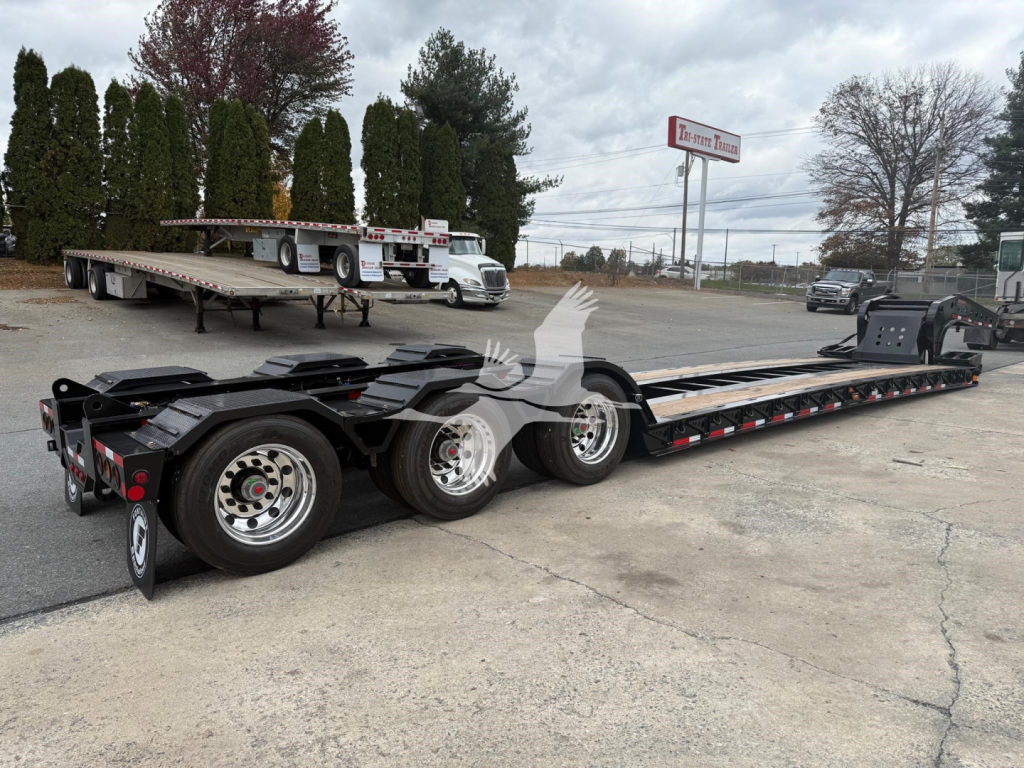
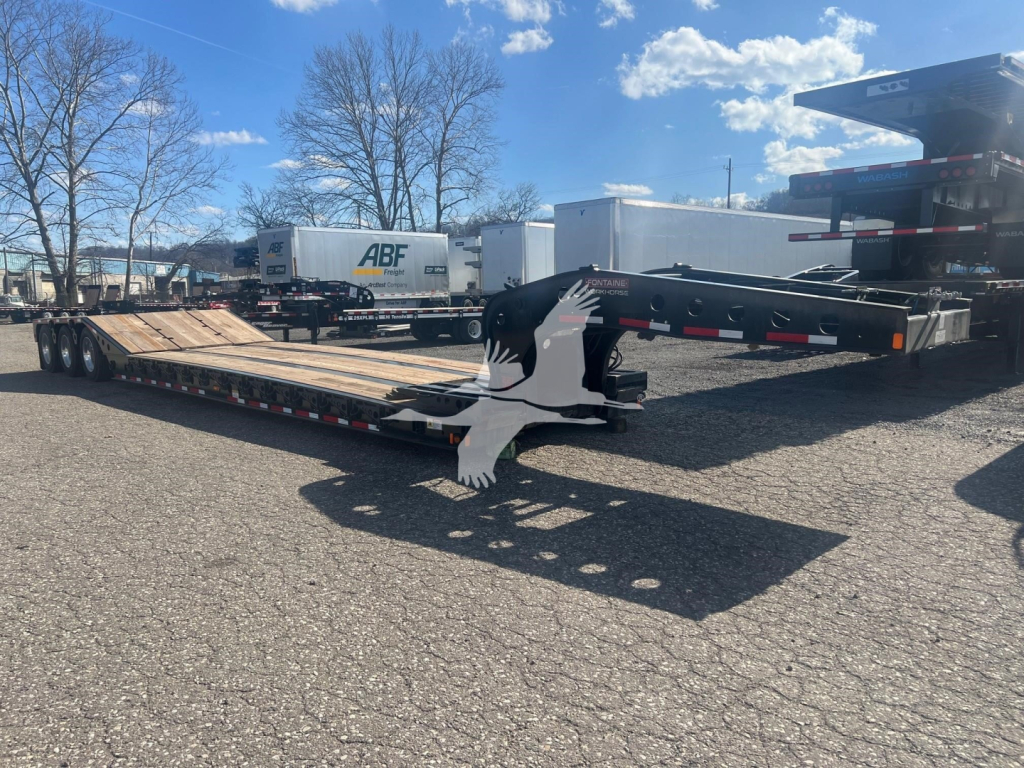
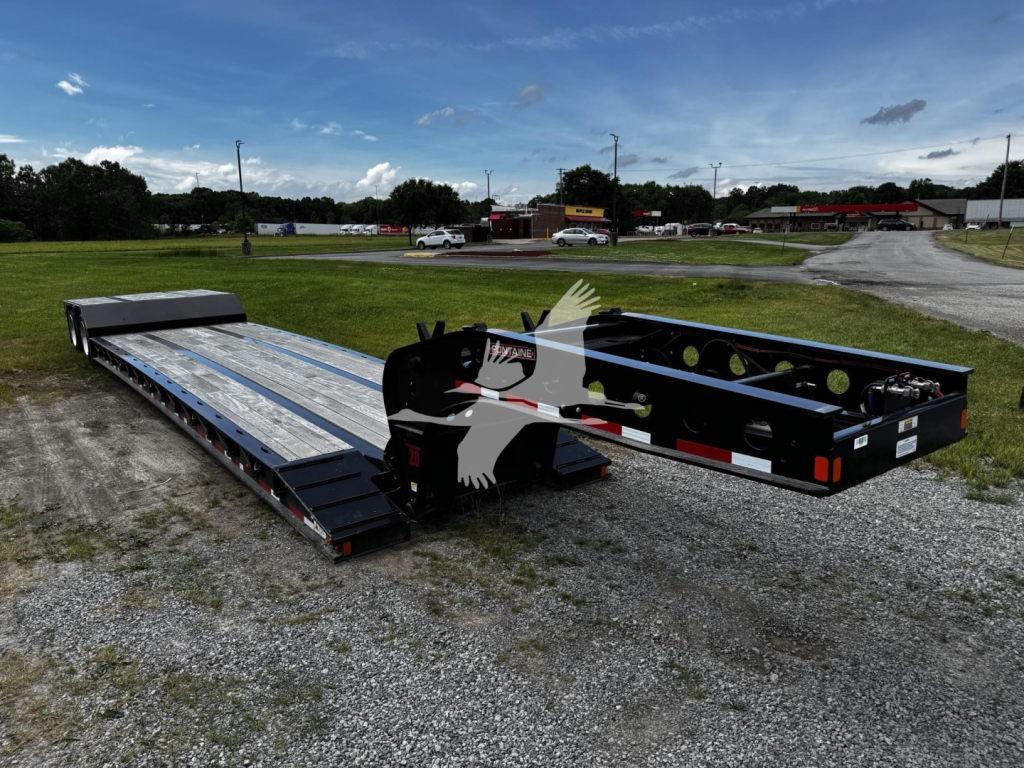
For lowboy and double drop buyers, the main decisions usually center on capacity rating, loaded deck height, usable well length, and the style of detachable gooseneck. Fontaine heavy haul trailers are often spec'd with mechanical or hydraulic detachable necks, tri-axle configurations, air ride suspensions, flip axle readiness, and concentrated load ratings in the 40-ton to 55-ton class and beyond depending on model. A low deck height in the 18-inch to 22-inch range can be critical for taller machinery, while swing clearance, kingpin settings, boom wells, bucket wells, and outriggers become important when hauling excavators, pavers, dozers, crushers, or other over-dimensional equipment. If a trailer will regularly cross state lines under permit, axle spacing and flip axle compatibility deserve close attention early in the buying process.
Construction details are where Fontaine trailers often separate from generic spec sheets. Buyers should look closely at frame material, crossmember spacing, floor type, and securement hardware. Aluminum flatbeds may prioritize tare weight and corrosion resistance, while steel heavy haul trailers are built around concentrated loads and impact durability. Wood, apitong, and specialty aluminum floors each suit different freight. D-ring count, chain slots, side rail design, swing-out outriggers, hammer plates, toolboxes, and ramp configuration all affect daily usability. Suspension brand, ride height control, lift axle setup, tire size, and wheel package also influence maintenance cost and how the trailer handles uneven jobsite approaches or changing load positions.
The best 2026 Fontaine trailer for sale depends less on brand familiarity and more on matching the trailer architecture to the freight. A fleet pulling building products may want an all-aluminum spread axle flatbed with clean side rail access and low tare weight. A paving or equipment contractor may need a hydraulic detachable lowboy with full-width loading, air ride, outriggers, and a boom trough. Heavy equipment haulers should verify deck length, axle group, ground clearance, rear frame design, and future expandability for flip axles or jeep combinations. Fontaine remains a strong choice for buyers who want proven trailer engineering in applications where uptime, legal payload, and load securement flexibility directly affect revenue.
Frequently Asked Questions about 2026 Fontaine Trailers
What types of 2026 Fontaine trailers are most common?
The most common 2026 Fontaine trailer types include aluminum flatbeds, steel heavy haul lowboys, double drops, and detachable gooseneck models. Flatbeds are typically used for general open-deck freight such as steel, lumber, pipe, and building materials. Lowboys and double drops are built for taller and heavier equipment that needs lower deck height, stronger main beams, and specialized loading features such as outriggers, ramps, boom wells, and flip axle connections.
How do I choose between a Fontaine flatbed and a Fontaine lowboy?
The decision comes down to freight profile, not just gross weight. A Fontaine flatbed is the better fit for palletized construction materials, bundled steel, machinery that can sit at standard deck height, and freight that benefits from quick side loading and flexible securement. A Fontaine lowboy is built for taller or heavier machinery that requires a much lower loaded deck height, concentrated load support, and detachable neck access for loading wheeled or tracked equipment.
What specs matter most on a Fontaine heavy haul trailer?
The most important heavy haul specs are capacity in a defined deck length, loaded deck height, gooseneck type, axle count, axle spacing, suspension, and flip axle compatibility. Buyers should also verify swing clearance, kingpin settings, deck length, ramp style, boom well or bucket well configuration, and the number and placement of D-rings or chain slots. These details affect permitting, machine fit, loading angle, and how broadly the trailer can be used across different jobs.
Are Fontaine aluminum flatbeds a good choice for maximizing payload?
Yes. Fontaine aluminum flatbeds are commonly chosen by fleets and owner-operators who want to reduce trailer tare weight and improve legal payload. That can be especially valuable in freight segments where every few hundred pounds matters over the course of a year. Buyers should still compare floor design, side rail structure, suspension, wheel package, and securement features because the lightest trailer is not always the best trailer if the freight is abrasive, concentrated, or loaded in rough jobsite conditions.
What should I inspect first on a used or late-model Fontaine trailer?
Start with the structural areas that carry load and absorb abuse. Check the main beams, neck area, crossmembers, frame transitions, suspension hangers, axle alignment, and deck condition. On heavy haul models, inspect outriggers, ramp assemblies, detachable neck connections, and any flip axle hookup points. On flatbeds, pay close attention to side rail damage, winch track condition, flooring, lighting protection, and signs of overloading or impact around securement points. A trailer can look clean cosmetically and still have expensive structural or suspension issues.