
2026 Fontaine Lowboy Trailers For Sale
Shop 2026 Fontaine lowboy trailers built for heavy equipment hauling, with detachable goosenecks, low deck heights, strong ratings, and fleet-ready specs.
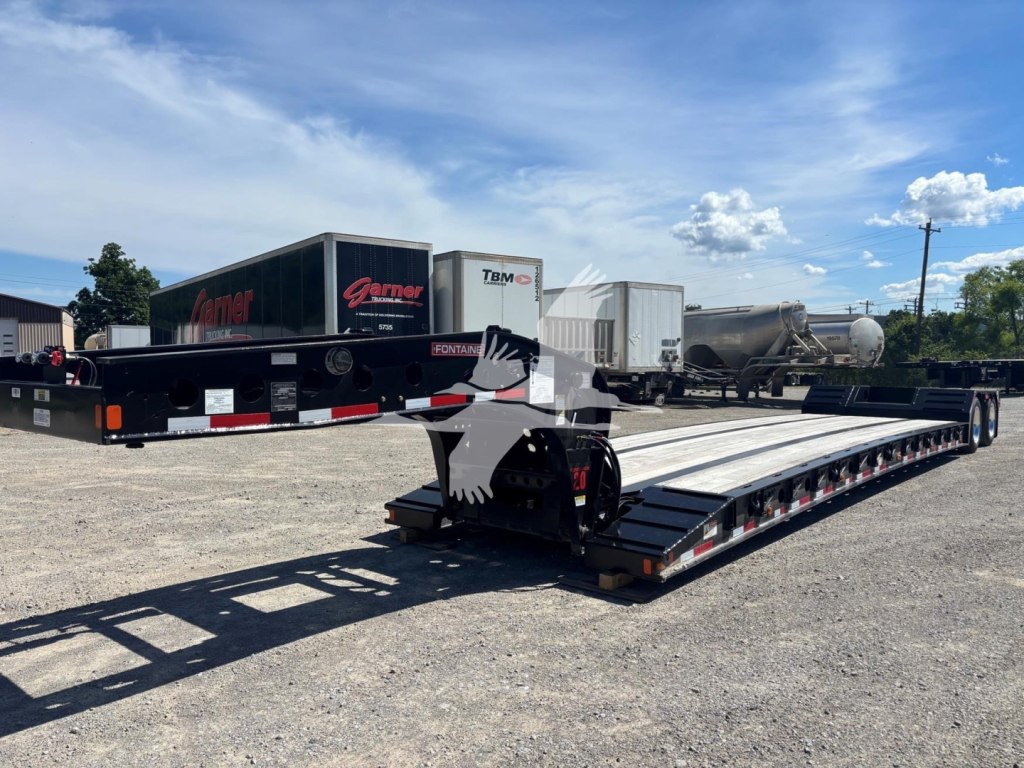
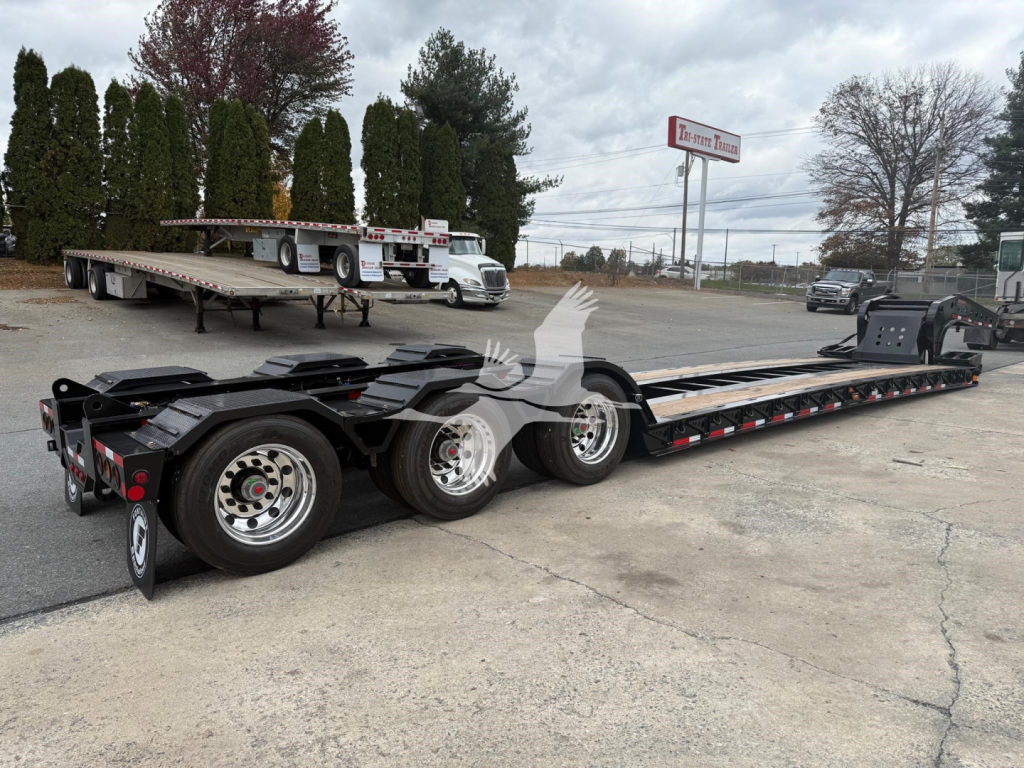
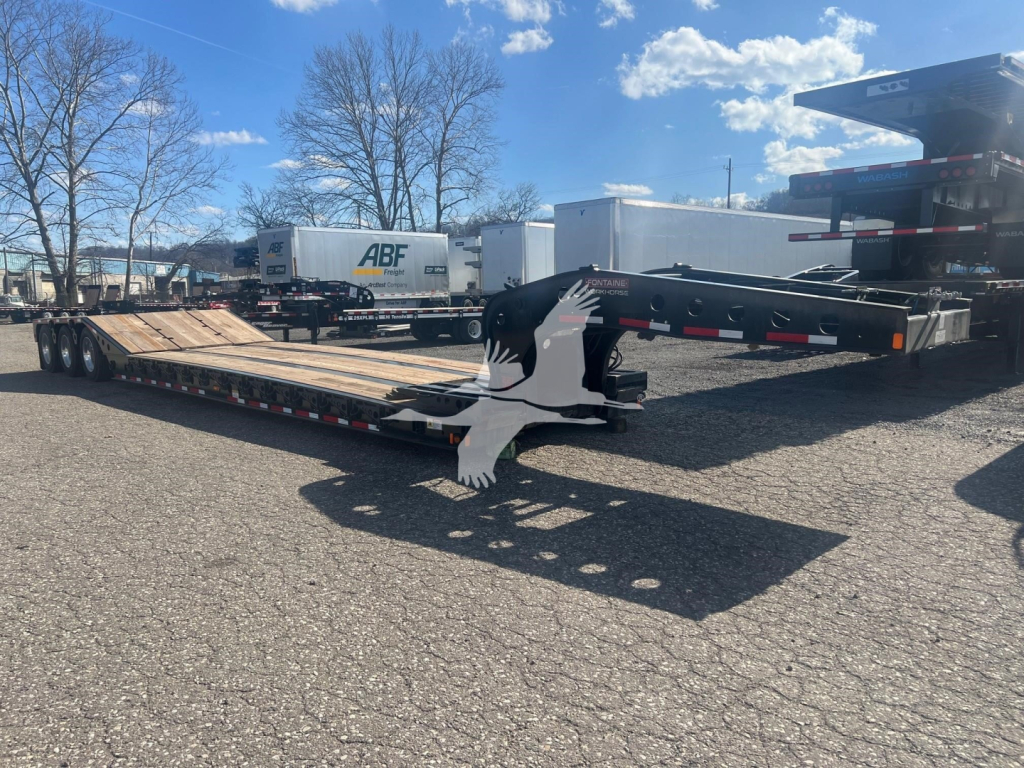
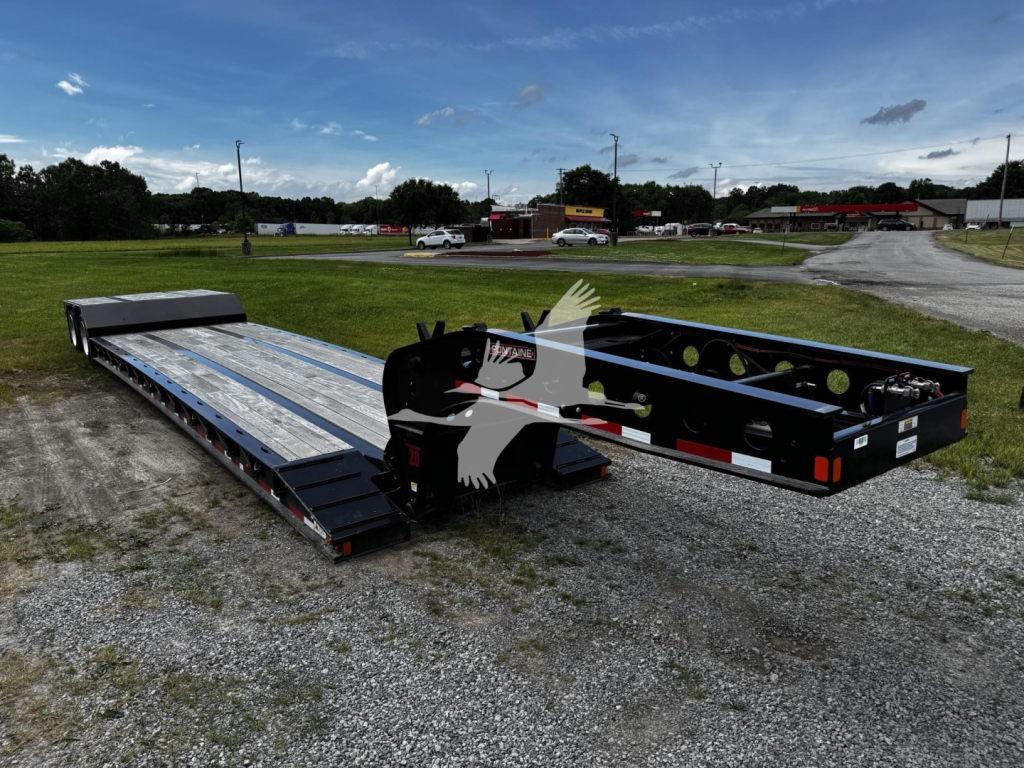
Have 2026 fontaine lowboy trailer to sell? List it here to reach thousands of buyers.
2026 Fontaine Lowboy Trailers
A lot of buyers start with deck geometry because it directly affects what can be loaded without trouble. Common considerations include loaded deck height, ground clearance, main deck length, top deck length, rear deck layout, and load angle. Fontaine lowboys are known for low working deck heights and heavy-haul frame construction, which matters when moving pavers, rollers, compact excavators, dozers, and other equipment with low ground clearance or concentrated axle weight. On detachable gooseneck models, pay close attention to whether the neck is hydraulic and non-ground bearing, the available ride height positions, and kingpin setting compatibility with the tractor you plan to use.
Axle configuration is another major buying point. Tandem and tridem setups are common, and many Fontaine lowboy trailers are designed to accept a flip axle or other modular axle additions when legal payload needs increase. Suspension type, axle spread, ride height controls, and bridge law requirements all affect real-world usefulness more than the brochure rating alone. Buyers should also review deck flooring material such as Apitong, crossmember spacing, D-ring quantity and placement, traction cleats, boom trough design, outriggers, and side rail construction. Those details determine how well the trailer handles repeated machine loading, securement flexibility, and mixed fleet work.
For contractors, equipment haulers, and fleets that run paving, utility, site development, or general construction freight, Fontaine lowboys have a strong reputation because they balance low deck height, durable steel construction, and practical option packages. A 2026 Fontaine lowboy is best evaluated by the actual rating in a stated length, the deck dimensions, the neck type, and whether the trailer is already configured for the axle additions and securement points your operation requires. When comparing listings, focus on the legal payload you can carry in your states, the machines you load most often, and how quickly the trailer can be adapted for different jobs.
Frequently Asked Questions about 2026 Fontaine Lowboy Trailers
What is the main advantage of a Fontaine lowboy trailer?
The main advantage is the ability to haul heavy and tall equipment with a lower loaded deck height than a standard flatbed or deckover trailer. That lower profile helps keep overall load height legal and makes it easier to move construction equipment, paving machines, rollers, and other machinery with high center sections or fixed components. Fontaine lowboys are also known for heavy-duty frame designs and practical detachable gooseneck configurations suited for repeated equipment loading.
How do I choose the right ton rating on a lowboy trailer?
Choose the ton rating based on the trailer's rated capacity in the specified deck length, not just the headline number. A 30-ton or 55-ton rating only tells part of the story because the actual load placement, axle grouping, and bridge requirements affect what you can legally and safely haul. Buyers should compare the trailer's rating in 12-foot or 16-foot sections, the machine's operating weight, attachment weight, axle concentrations, and the states where the trailer will run.
What is the difference between a roller paver lowboy and a standard detachable gooseneck lowboy?
A roller paver lowboy is typically designed with deck geometry and beam taper that make it easier to load low-clearance equipment over a gentler angle. That is useful for rollers, pavers, and other machines that can drag or bottom out on steeper transitions. A standard detachable gooseneck lowboy may be more general-purpose, especially if it has a deeper well or different deck setup for excavators, dozers, and mixed construction equipment.
Why does deck height matter so much on a lowboy trailer?
Deck height affects legal load height, loading angle, and machine compatibility. A lower loaded deck height gives you more room to move taller equipment without permit complications and reduces the chance of low-clearance machines hanging up during loading. It also matters when hauling equipment with cabs, canopies, or stacked components that quickly push total height upward. Even an inch or two can make a meaningful difference in route flexibility.
What options should I look for on a Fontaine lowboy if I haul different types of equipment?
For mixed equipment hauling, useful options often include a hydraulic detachable gooseneck, flip axle capability, multiple D-ring positions, traction cleats, boom troughs, outriggers, and air ride suspension. Flooring material, crossmember spacing, and rear deck design are also important because they affect durability and loading versatility. If your freight changes from job to job, a trailer set up for axle additions and multiple securement methods usually gives you better long-term value than a stripped-down configuration.