
2026 Fontaine Lowboy Trailers For Sale in Pennsylvania
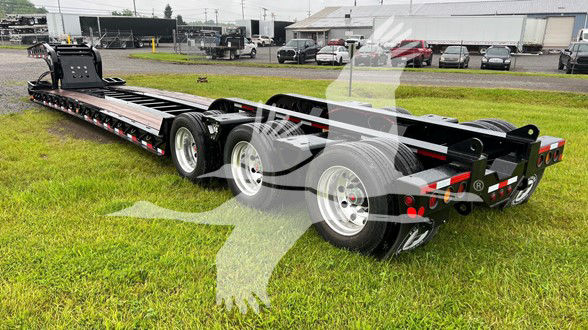
Have 2026 fontaine lowboy trailer to sell? List it here to reach thousands of buyers.
2026 Fontaine Lowboy Trailers in Pennsylvania
The first buying decision is usually capacity in relation to load length. A 55-ton class Fontaine lowboy is a common fit for contractors and general heavy haul fleets moving medium to large construction equipment with less complexity and lower tare weight than a bigger platform. If your freight regularly pushes bridge formulas, axle weight distribution, or permit thresholds, moving into a 60-ton or 65-ton capable configuration can make more sense, especially on trailers designed to accept rear flips, neck extensions, or close-coupled axle group arrangements. Buyers should pay close attention to the rated capacity over a stated deck length, because a trailer rated at one tonnage in 12 or 13 feet may perform very differently when the load is longer or the center of gravity shifts.
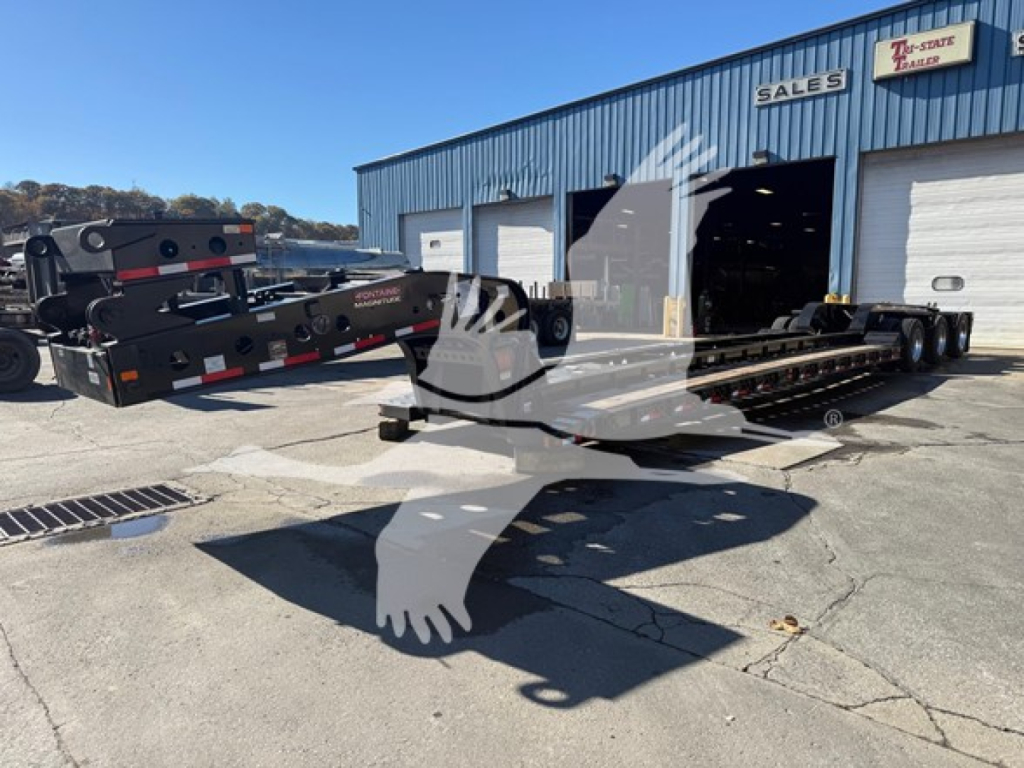
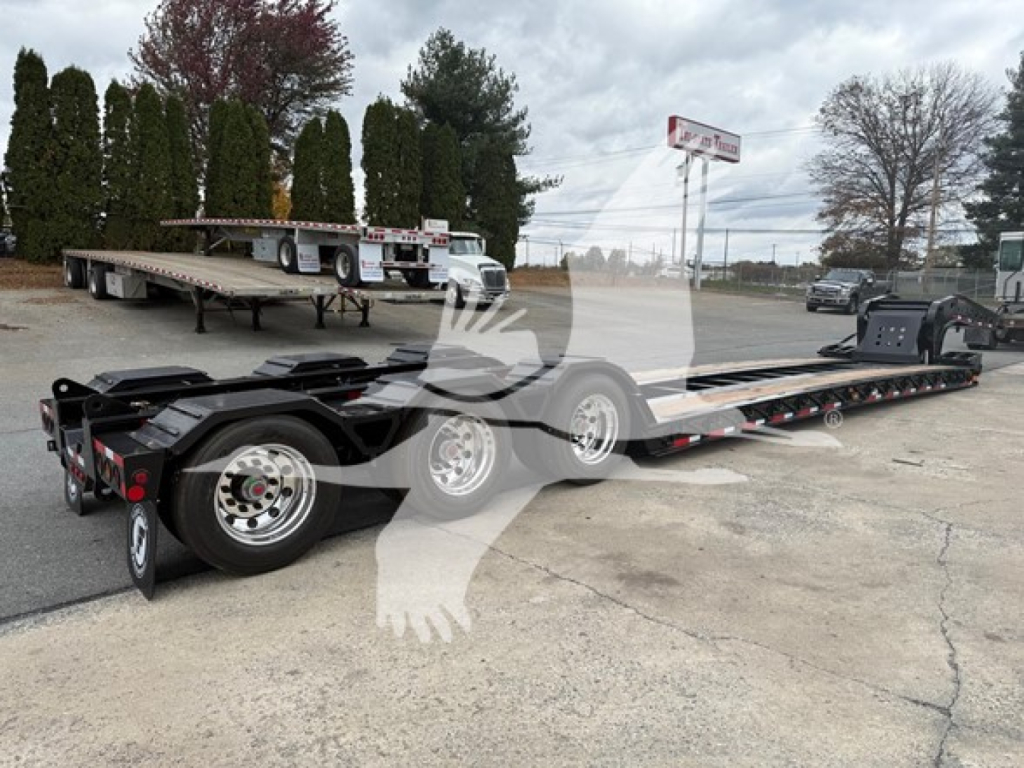
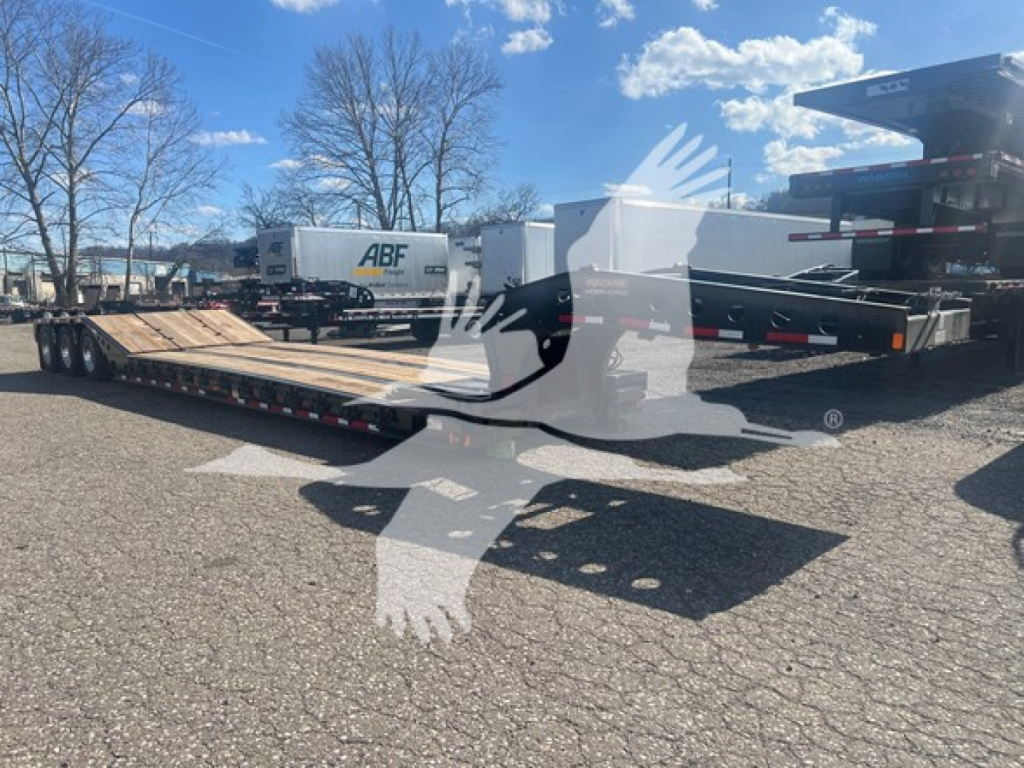
Deck geometry is what separates a workable lowboy from one that fits your freight mix cleanly. Fontaine trailers in this class commonly run 102-inch width, loaded deck heights in the mid-teens to around 18 inches depending on model, and main deck lengths in the mid-20-foot range, with top decks around 12 feet and overall trailer lengths into the low-to-mid 50-foot range. Lower deck height helps with legal height on tall equipment, but buyers should also evaluate boom well design, swing radius, kingpin settings, loaded fifth wheel height, and whether the gooseneck is hydraulic detachable and non-ground bearing. Features like removable swing-out outriggers, D-ring count, chain slots, recessed crossmembers, hammer plates, covered tool trays, and scuff-resistant steel side rail structure all affect day-to-day usability for machine hauling.
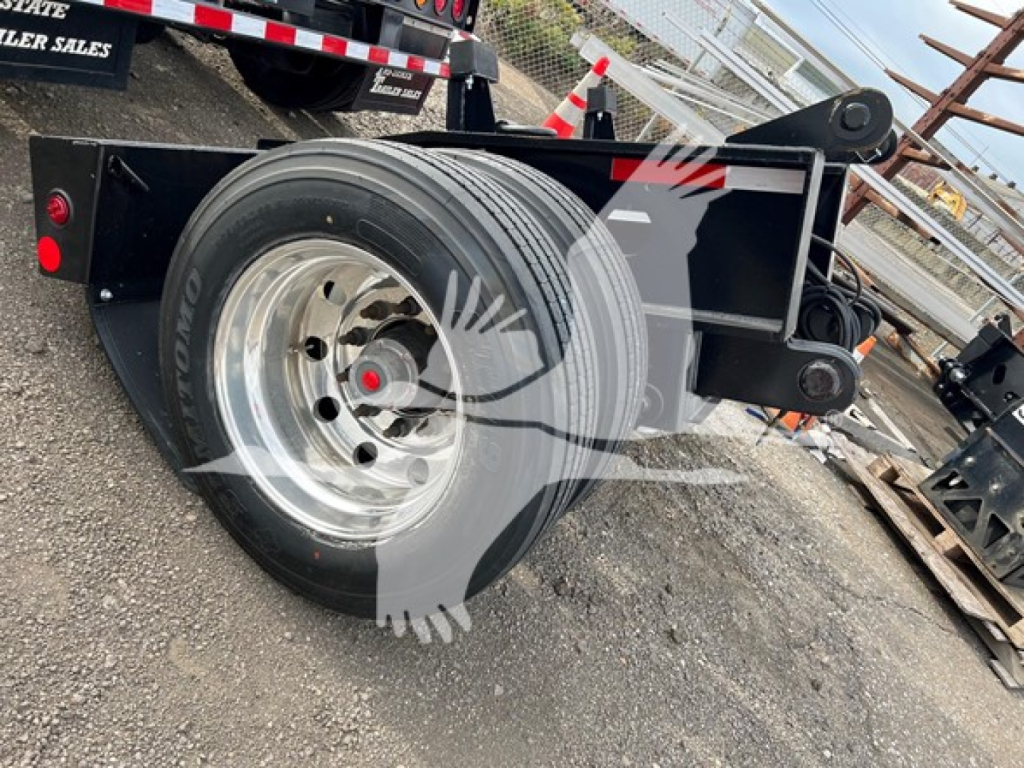
Running gear and expansion compatibility are just as important as the deck. Many Fontaine lowboys in this category use air ride suspension, common 275/70R22.5 rubber, aluminum-steel wheel packages, lift axles, manual dump valves, and mechanical raise-and-lower ride height control. For Pennsylvania buyers, permitting routes, bridge-heavy corridors, and seasonal road considerations make axle spacing and flip axle compatibility worth checking closely. A trailer set up for rear flips, modular connections, or neck extensions gives a fleet more flexibility when freight changes. If the job mix includes larger iron or specialized heavy haul work, a Fontaine lowboy with detachable neck, multiple kingpin settings, and expansion options can protect resale value and reduce the need to replace the trailer as contracts get heavier.
Frequently Asked Questions about 2026 Fontaine Lowboy Trailers in Pennsylvania
What is the difference between a 55-ton Fontaine lowboy and a 60-ton or 65-ton model?
The main difference is not just peak rating, but how the trailer carries that weight over a given deck length and axle configuration. A 55-ton model is often lighter and simpler, making it a strong choice for general construction equipment hauling. A 60-ton or 65-ton-capable Fontaine lowboy is usually designed for heavier concentrated loads, broader permit flexibility, and more modular axle options such as rear flips or close-coupled setups. Buyers should compare the rated capacity in the stated loaded area, not just the headline tonnage.
Why does deck height matter so much on a lowboy trailer?
Deck height directly affects legal loaded height and the range of equipment you can move without routing restrictions. A lower loaded deck helps when hauling tall excavators, dozers with cabs, or other machines that quickly approach state height limits. It also changes loading angle, center of gravity, and how comfortably certain machines sit on the deck. Deck height should be considered along with boom wells, top deck length, and the transition from gooseneck to main deck.
What should I look for in a detachable gooseneck lowboy?
A detachable gooseneck should be evaluated for connection style, loaded fifth wheel height, kingpin settings, and how easily it works with your tractors and loading routine. Hydraulic detachable, non-ground bearing necks are common in heavy haul because they simplify loading and improve efficiency for tracked equipment. It is also important to review swing clearance, ride height positions, and whether the trailer is designed for future neck extensions or modular add-ons.
Are flip axles important on a Fontaine lowboy?
Flip axles are important if your freight routinely requires more axle capacity or different weight distribution to meet permit requirements. A trailer with rear flip compatibility can be more versatile because it gives you an upgrade path for heavier loads without changing trailers. Even if a flip axle is not included, having the trailer prepped for one can be a major advantage for resale and for fleets that expect to move into heavier machinery work.
What specs matter most when comparing lowboy trailers in Pennsylvania?
For Pennsylvania operations, the most important specs usually include ton rating over deck length, axle spacing, detachable neck design, deck height, overall trailer length, and flip axle compatibility. State and local permitting realities make bridge spacing and weight distribution critical, especially for dense machinery. Buyers should also check practical features such as outriggers, D-ring placement, chain slots, tool storage, suspension type, and tire size, because those details affect daily loading, securement, and maintenance.