
Fontaine Lowboy Trailers For Sale
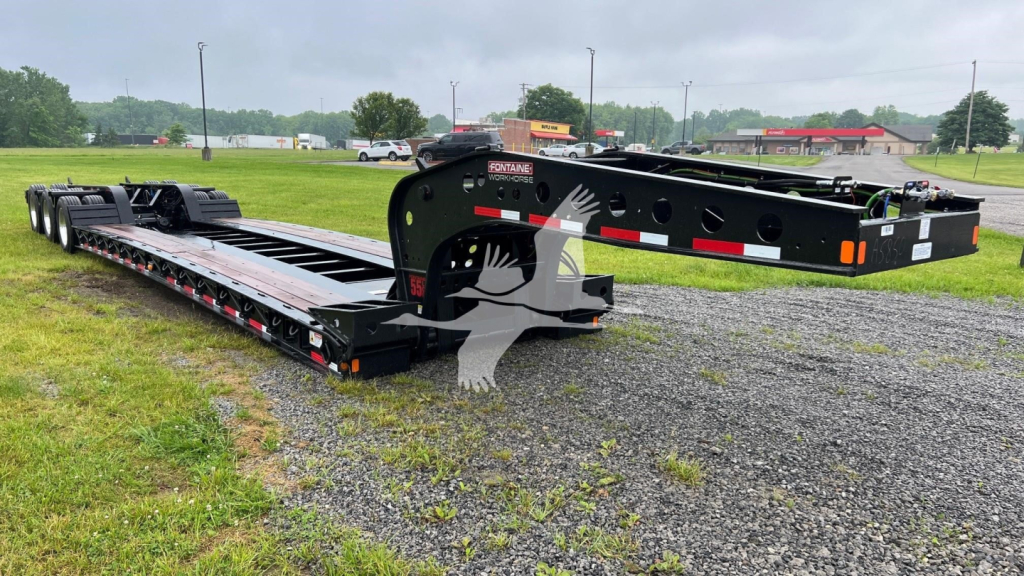
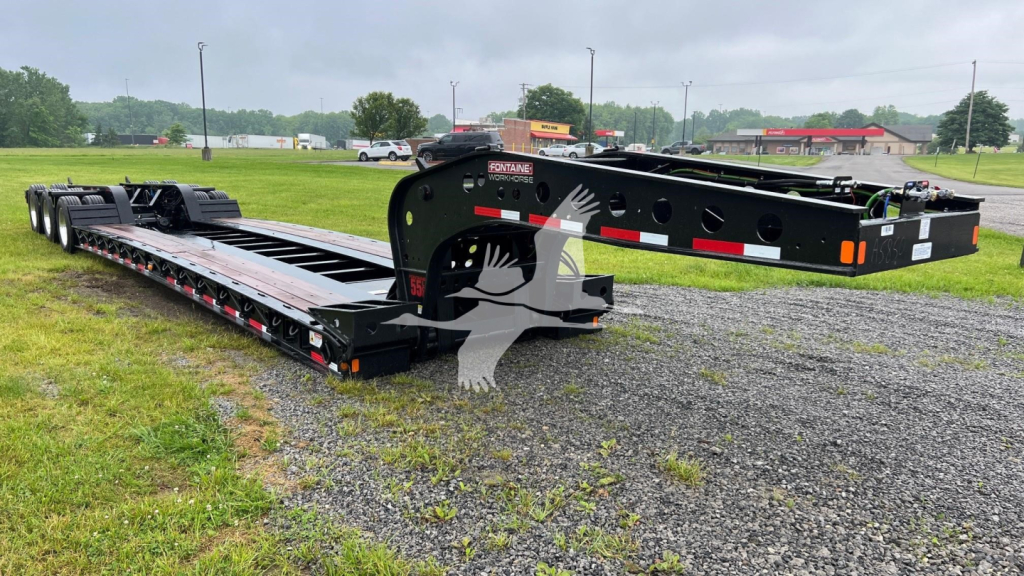
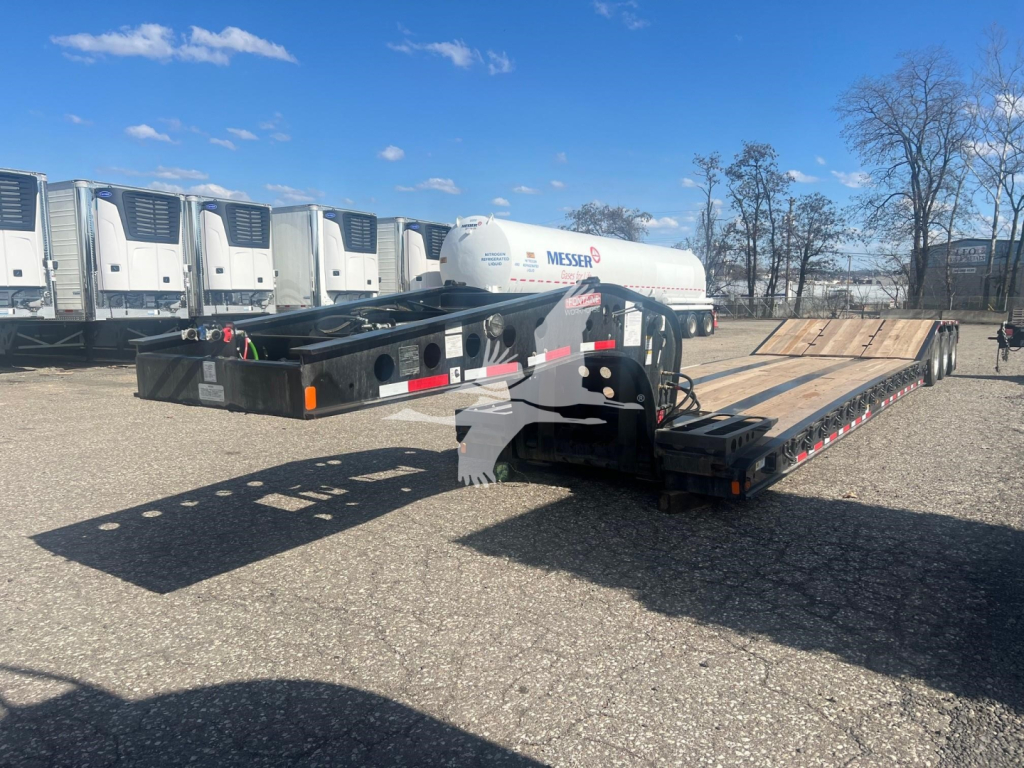
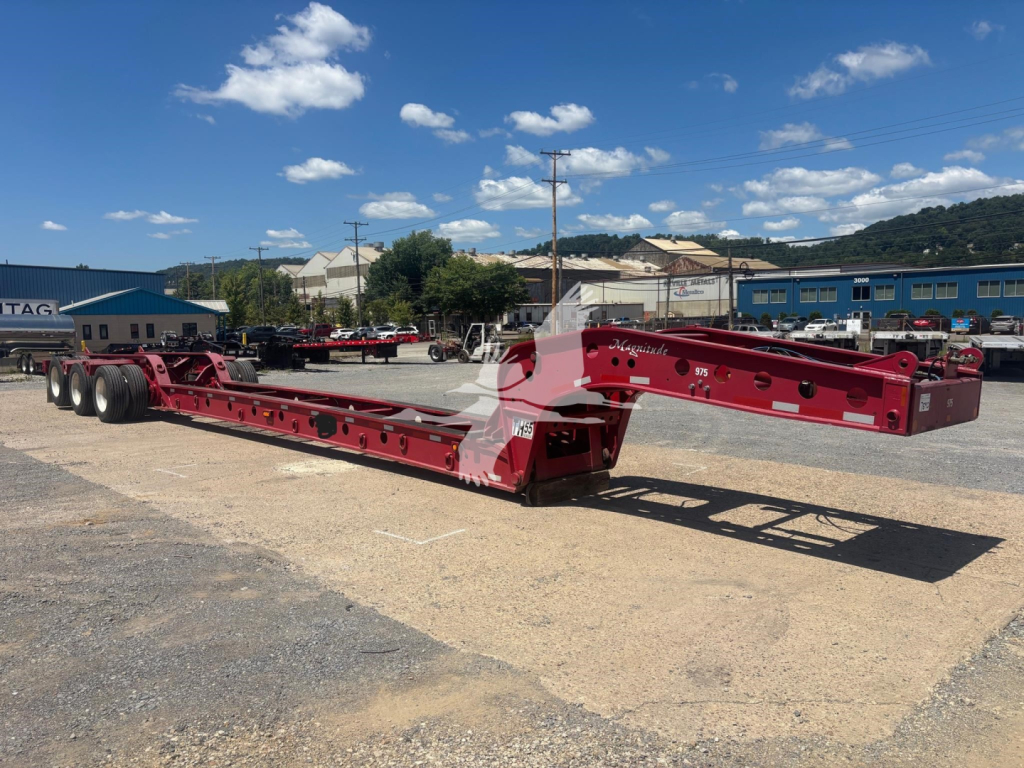
Shop Fontaine lowboy trailers built for heavy haul, with detachable necks, low deck heights, tri-axle setups, and flip axle compatibility.
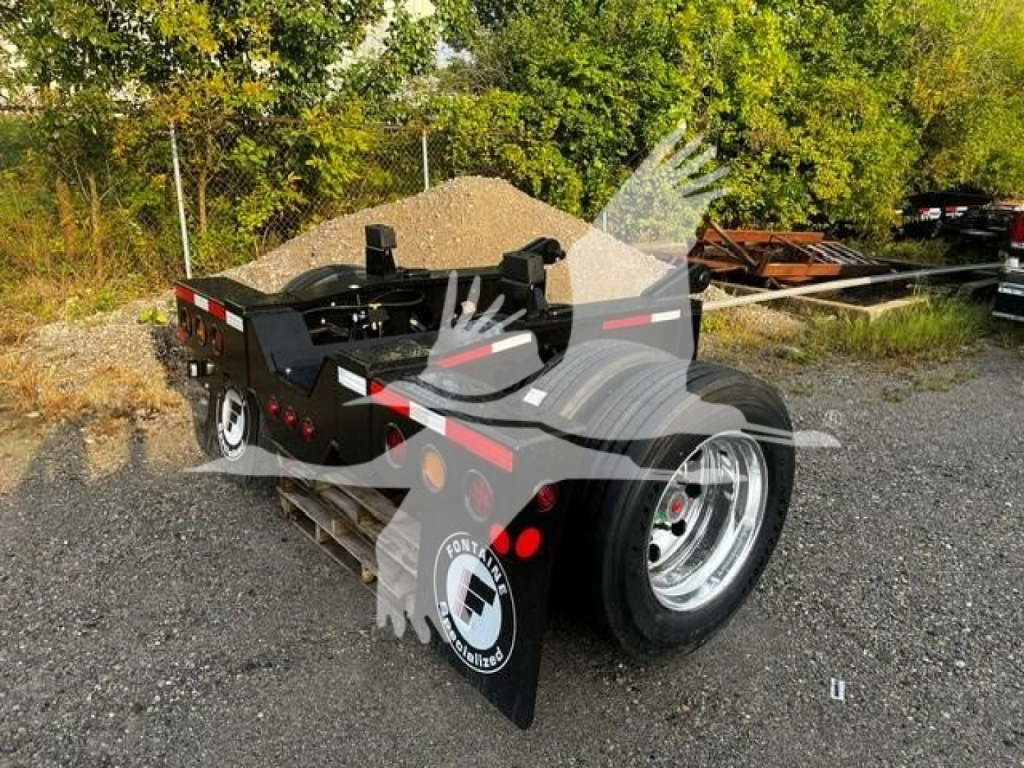
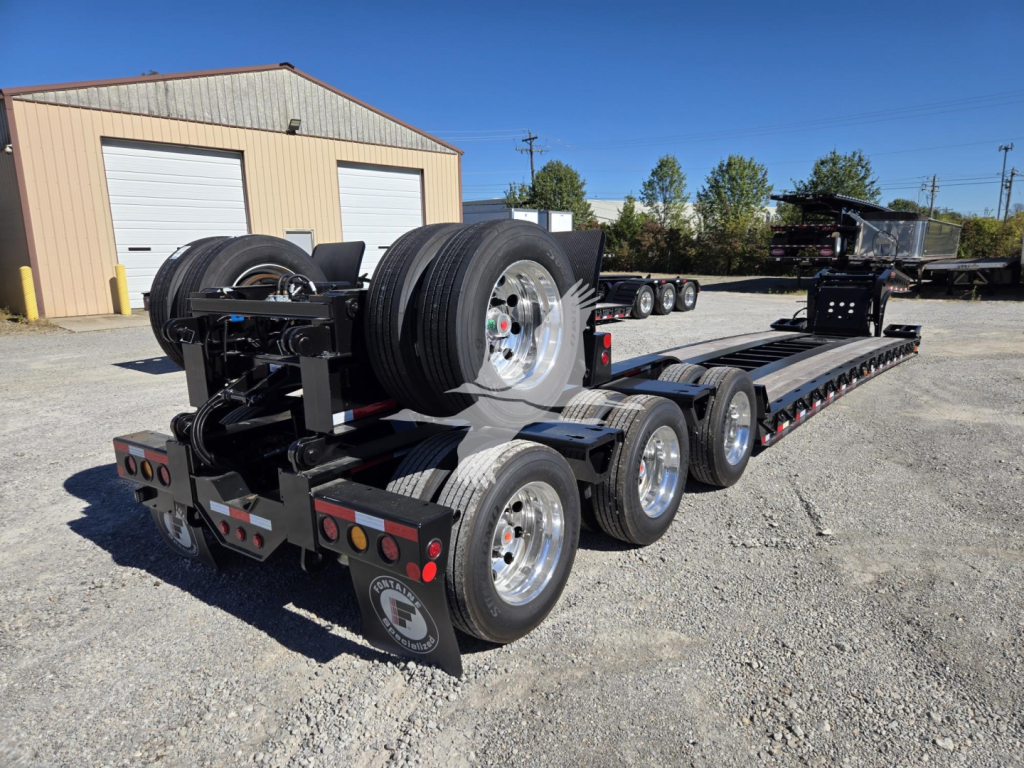
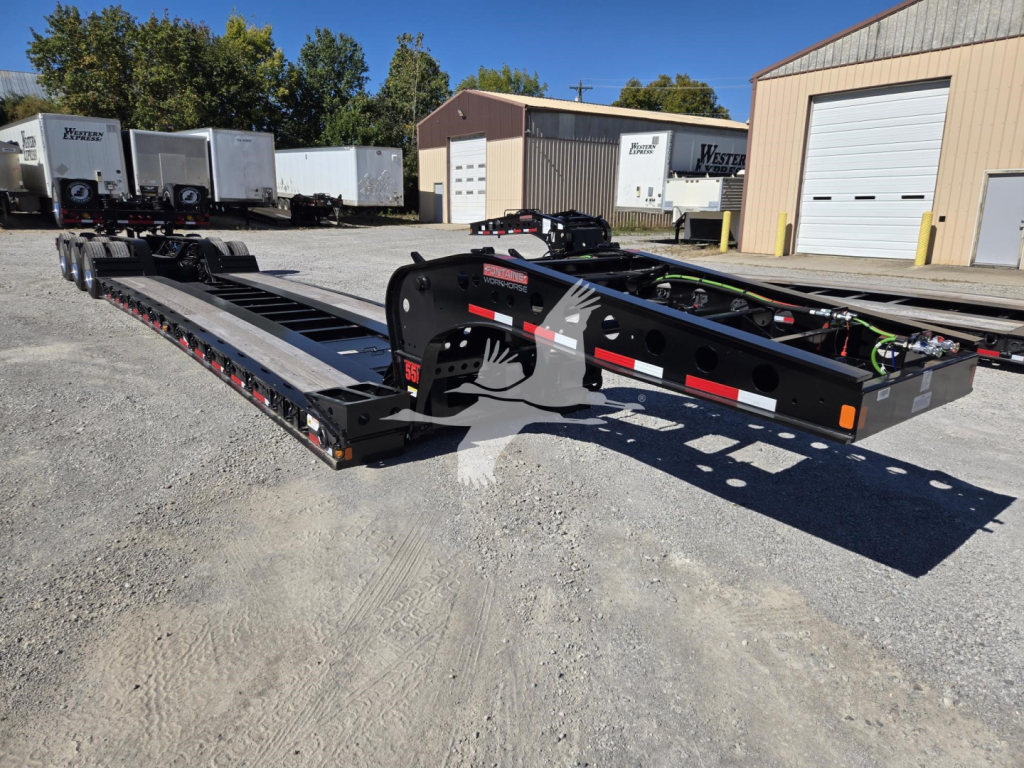
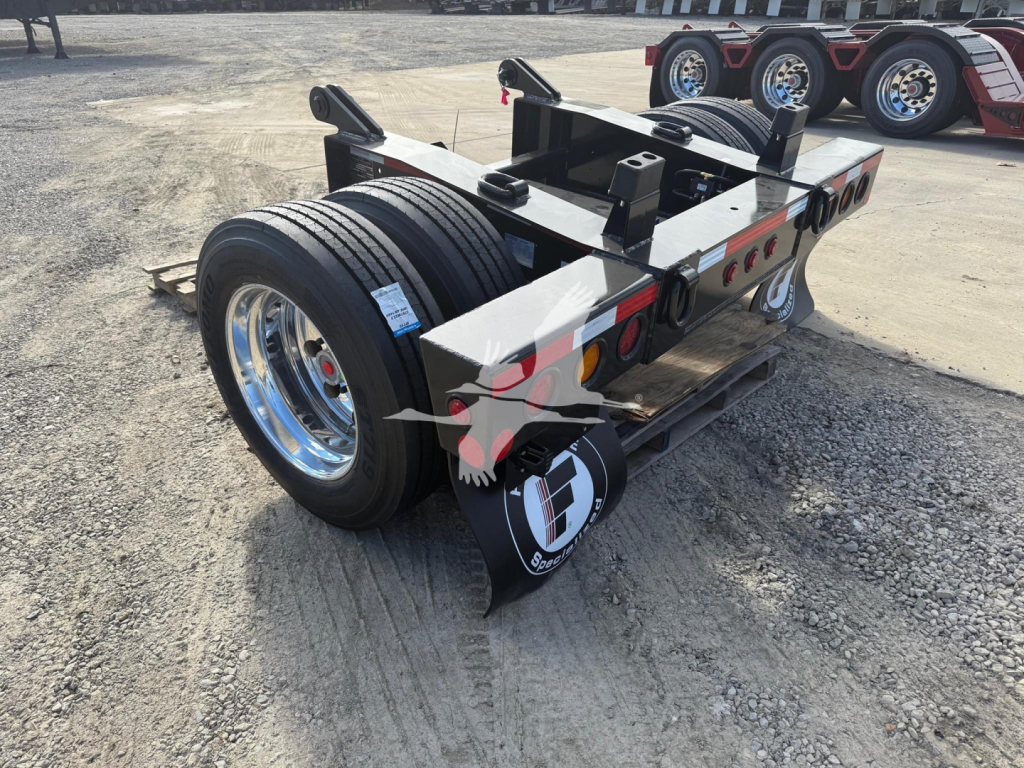
Showing 1 to 28 of 53 results
Selling a fontaine lowboy trailer? List your fontaine lowboy trailer for sale and reach thousands of commercial buyers.
Fontaine Lowboy Trailers
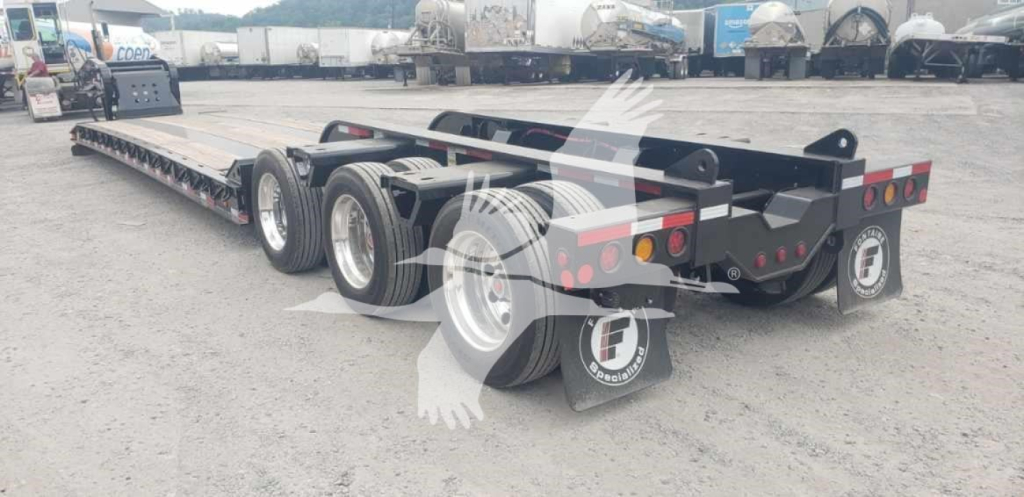
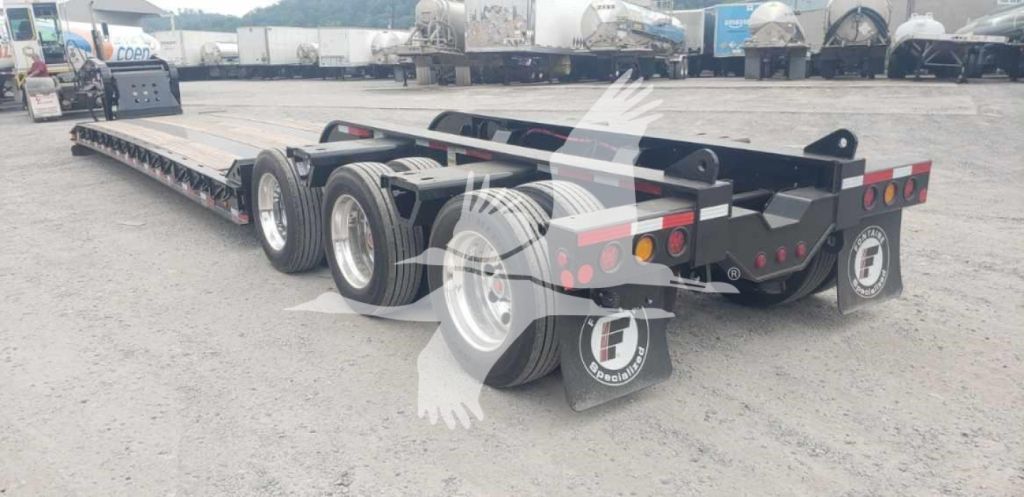
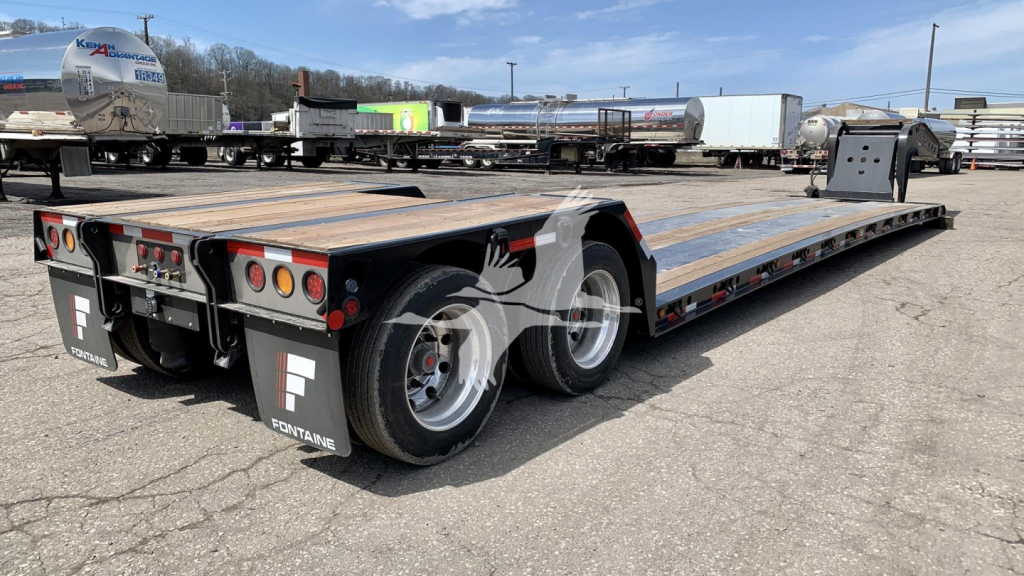
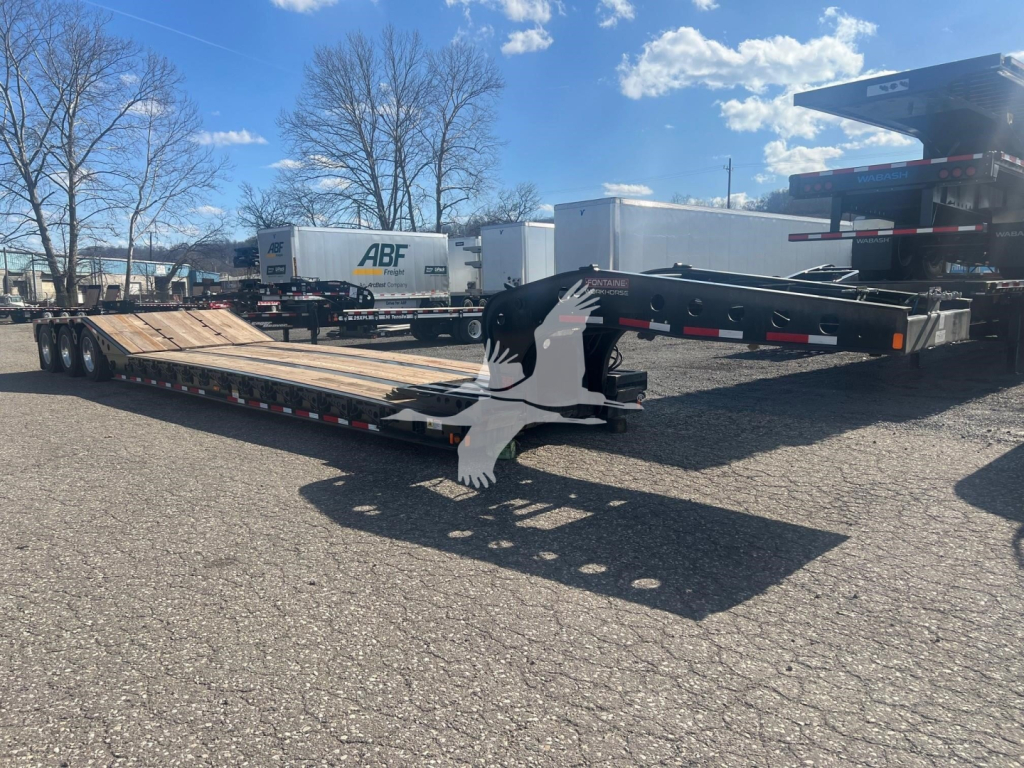
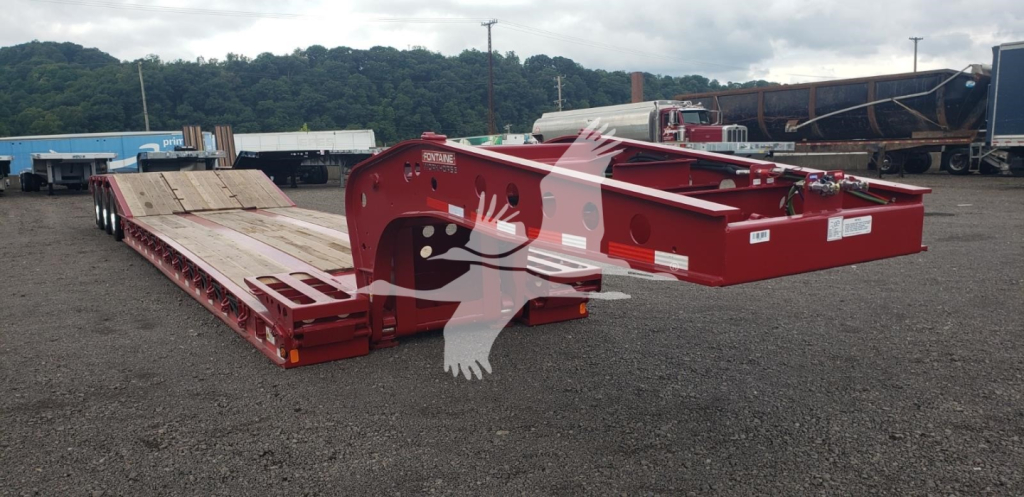
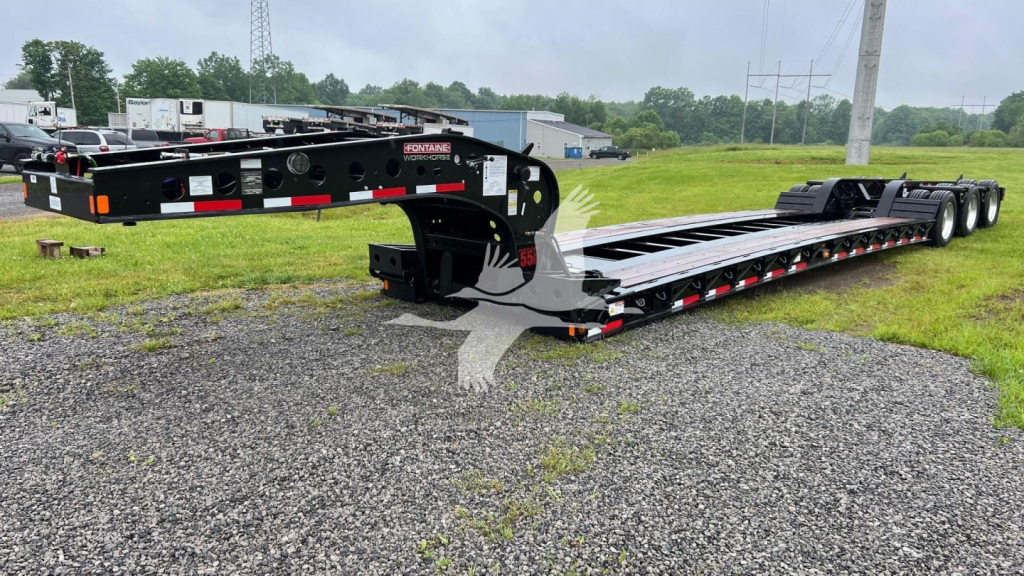
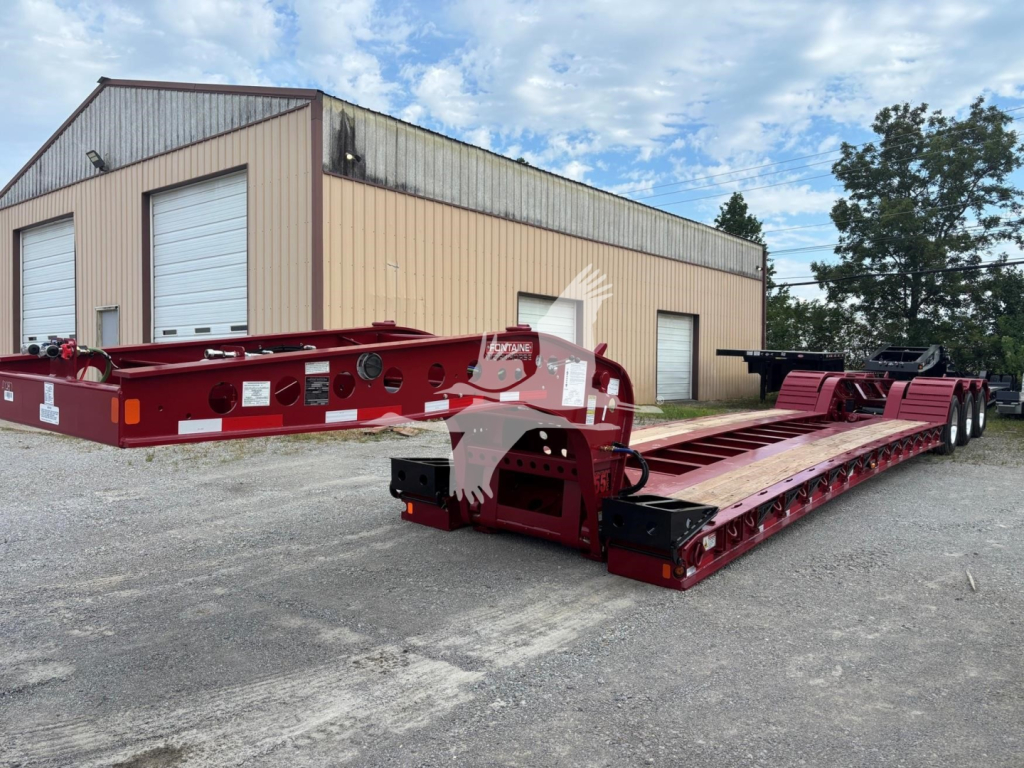
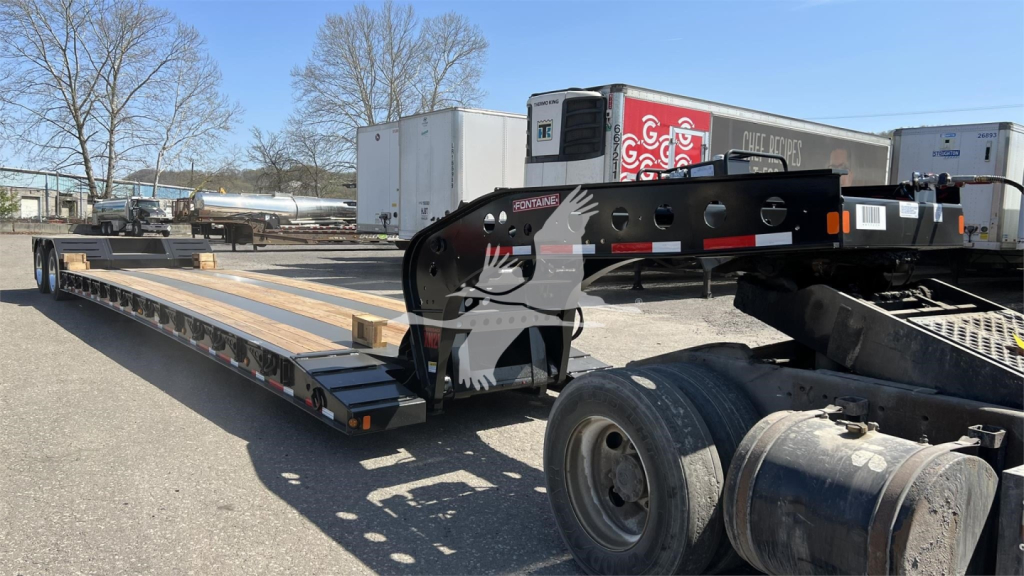
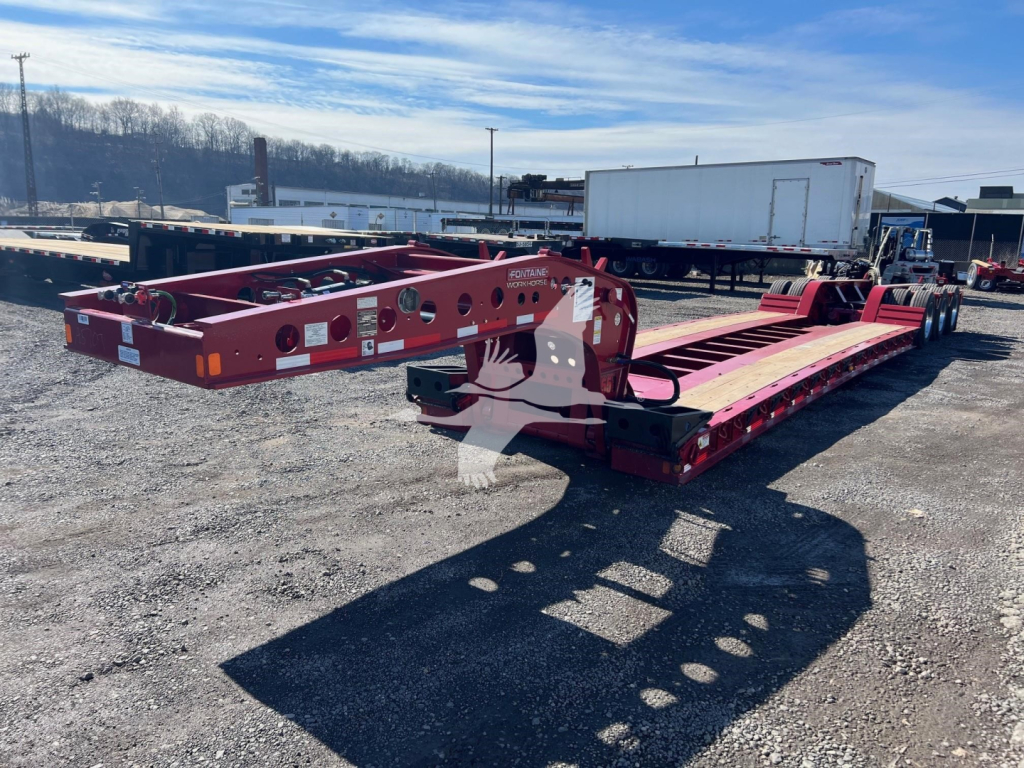
A lot of the buying decision comes down to capacity and configuration. Common Fontaine lowboy setups in this class include 55 ton designs with a 26-foot main deck, tri-axle bogies, air ride suspension, and compatibility with flip axles, spreader bars, or flip boxes to increase capacity or fine-tune axle groupings for state regulations. Buyers should pay close attention to weight rating in a defined deck length, not just the headline tonnage. A trailer rated at 55 tons in 10 feet or 13 feet can perform very differently depending on the machine’s track length, center of gravity, and point loading. Swing clearance, kingpin settings, axle spread, and ride height adjustment also matter if the trailer will see mixed freight or regional permit work.
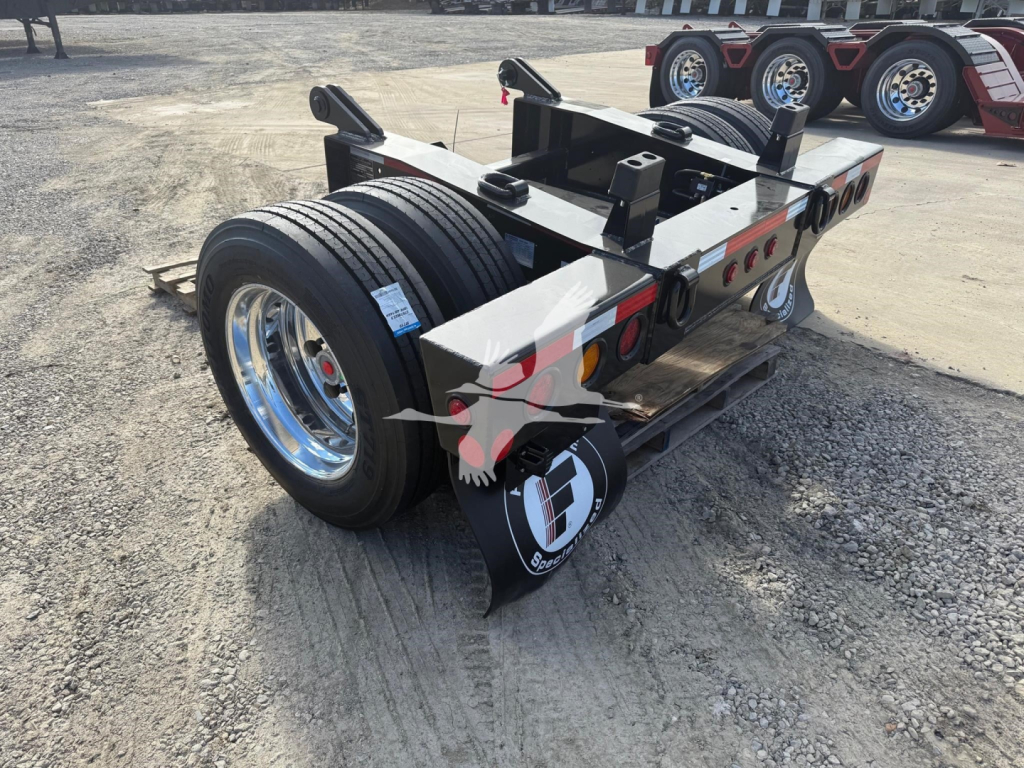
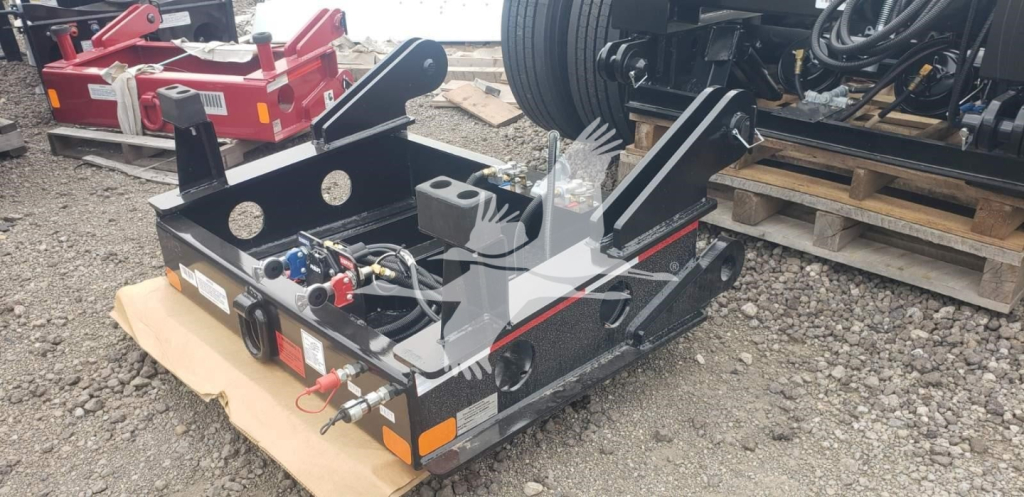
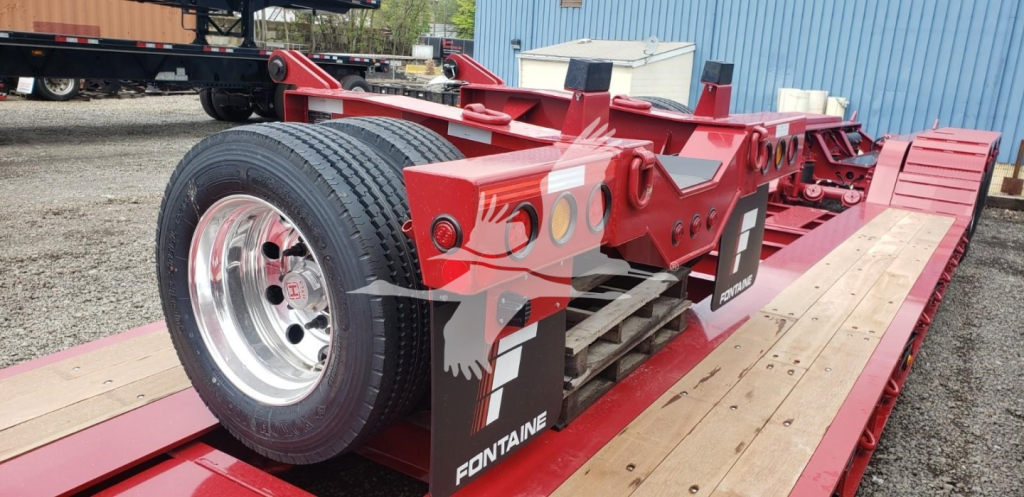
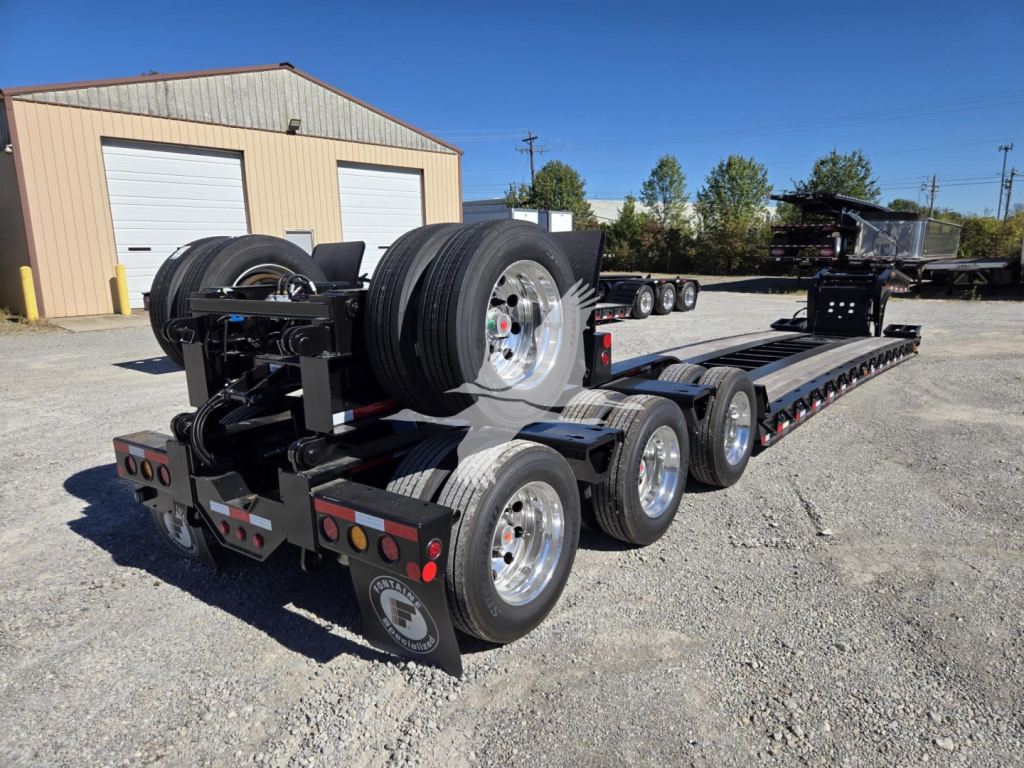
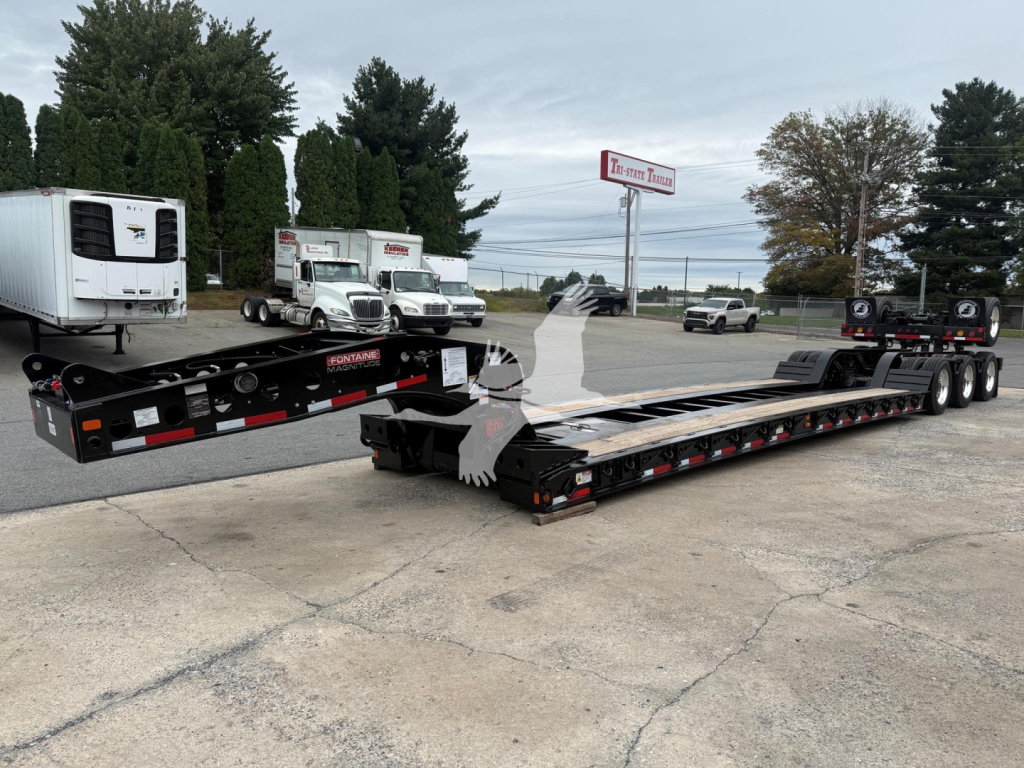
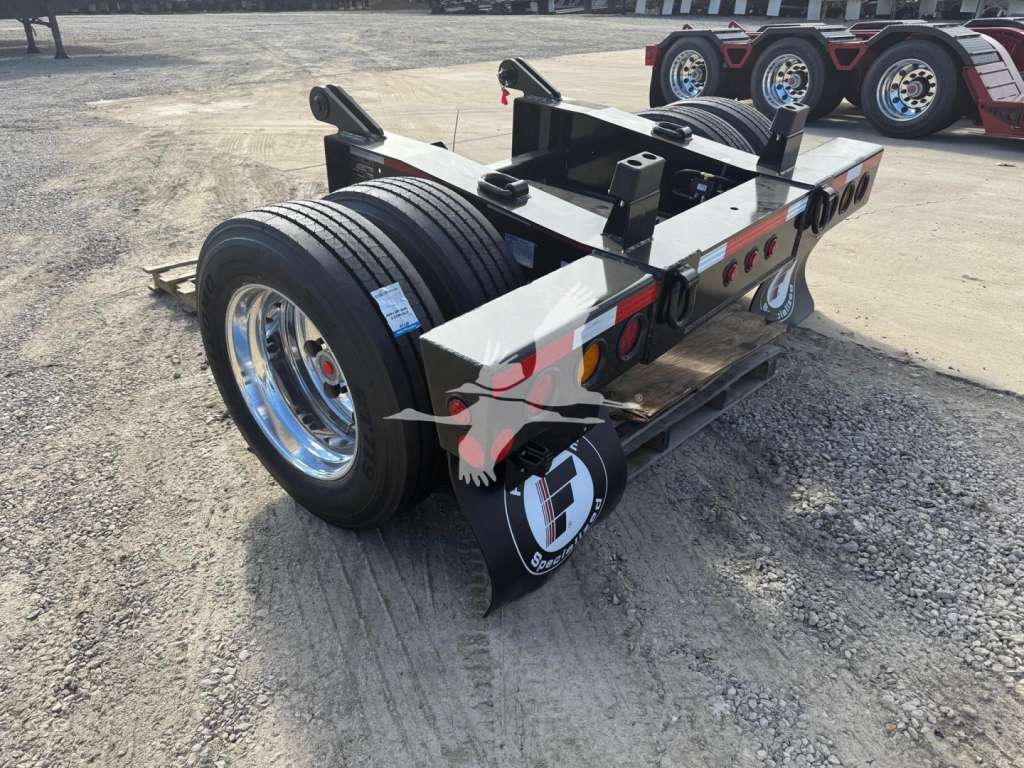
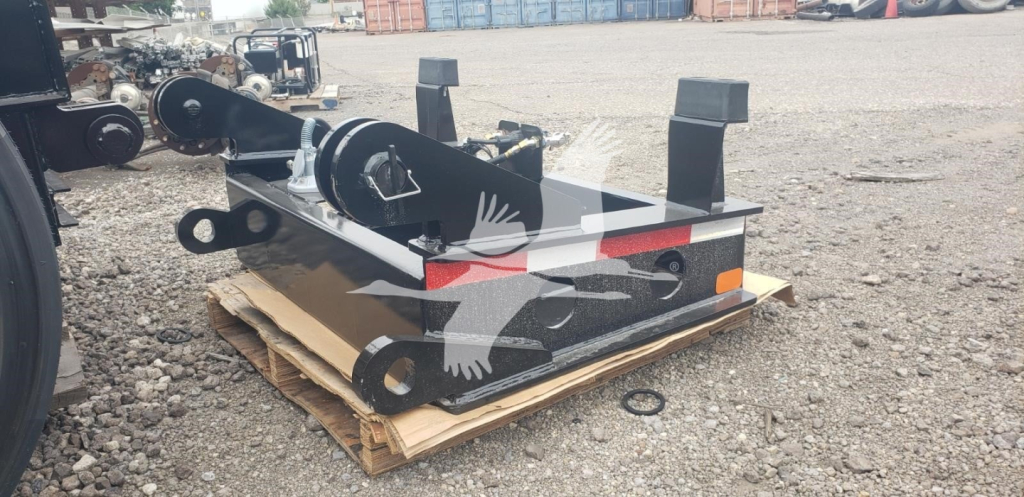
Fontaine Magnitude lowboys are especially common in heavy haul fleets because they are designed around modularity. Rear connections for close-coupled flip axles, 3+1 spreader configurations, and front flip boxes give an operator more flexibility as payloads change. Features often found on these trailers include full outriggers, chain slots, multiple D-ring tie-down points, boom wells, bucket wells, lockable tool storage, manual front ramps, and aluminum outer wheels paired with steel inners. For a buyer, those details are not cosmetic. They affect how easily the trailer can secure irregular equipment, accommodate over-width attachments, and keep downtime low in daily use.
Condition and intended use should drive the final choice. A fleet focused on legal construction equipment moves may prefer a straightforward 3-axle fixed rear setup with air lift on one axle, while a carrier handling heavier permitted loads may need flip axle compatibility from day one. Check deck length, ground clearance, neck style, suspension brand, and empty weight carefully, because every added option changes payload margin and permit strategy. Fontaine lowboy trailers have a strong reputation in specialized hauling, and the right spec usually comes down to matching the trailer’s deck geometry and axle package to the exact machines being moved.
Frequently Asked Questions about Fontaine Lowboy Trailers
What is the main advantage of a Fontaine lowboy trailer for heavy equipment hauling?
The main advantage is low overall loaded height combined with heavy concentrated load capacity. Fontaine lowboy trailers are designed to carry tall construction and industrial equipment lower to the ground than a standard flatbed or step deck, which helps with bridge clearance and permit compliance. Many Fontaine models also support detachable neck loading, so tracked machines can be driven directly onto the deck without depending on steep rear ramps.
What specs matter most when comparing Fontaine lowboy trailers?
The most important specs are deck height, main deck length, axle configuration, rated capacity over a stated deck length, and compatibility with flip axles or spreader setups. Buyers should also review swing clearance, kingpin settings, suspension type, empty weight, and ground clearance. These numbers determine not only what the trailer can carry, but how easily it can be permitted and how well it matches the dimensions and axle weights of the machines being hauled.
Are Fontaine lowboys available with detachable goosenecks?
Yes. Many Fontaine lowboy trailers in heavy haul service use hydraulic detachable goosenecks, sometimes called detachable neck lowboys or RGN-style loading systems depending on configuration. This design allows easier loading of crawlers, rollers, and other self-propelled equipment. A hydraulic neck can also improve loading speed and reduce handling compared with fixed-neck trailers used in specialized applications.
Why would a buyer want flip axle or flip box compatibility on a Fontaine lowboy?
Flip axle and flip box compatibility gives the trailer more flexibility for heavier or more specialized loads. Adding a rear flip axle can help distribute weight across more axles and support permit compliance in certain states. A flip box or modular connection can change the axle spacing or deck setup to fit the load better. For buyers planning to haul a mix of machines or expand into permitted heavy haul work, this compatibility can make the trailer more useful over time.
What types of freight are commonly hauled on a Fontaine lowboy trailer?
Common freight includes excavators, bulldozers, wheel loaders, compactors, pavers, forestry equipment, and other construction or aggregate machines with high operating weight or tall transport height. Lowboys are also used for certain agricultural and industrial equipment that will not fit safely or legally on a conventional flatbed. The best match depends on deck length, well design, tie-down layout, and the trailer’s actual weight rating where the machine load is concentrated.