
Fontaine Lowboy Trailers For Sale in Pennsylvania
Explore Fontaine lowboy trailers for sale in Pennsylvania, including detachable gooseneck models, 55-ton capacity specs, axle options, and hauling uses.
Showing 1 to 28 of 30 results
Selling a fontaine lowboy trailer? List your fontaine lowboy trailer for sale and reach thousands of commercial buyers.
Fontaine Lowboy Trailers in Pennsylvania
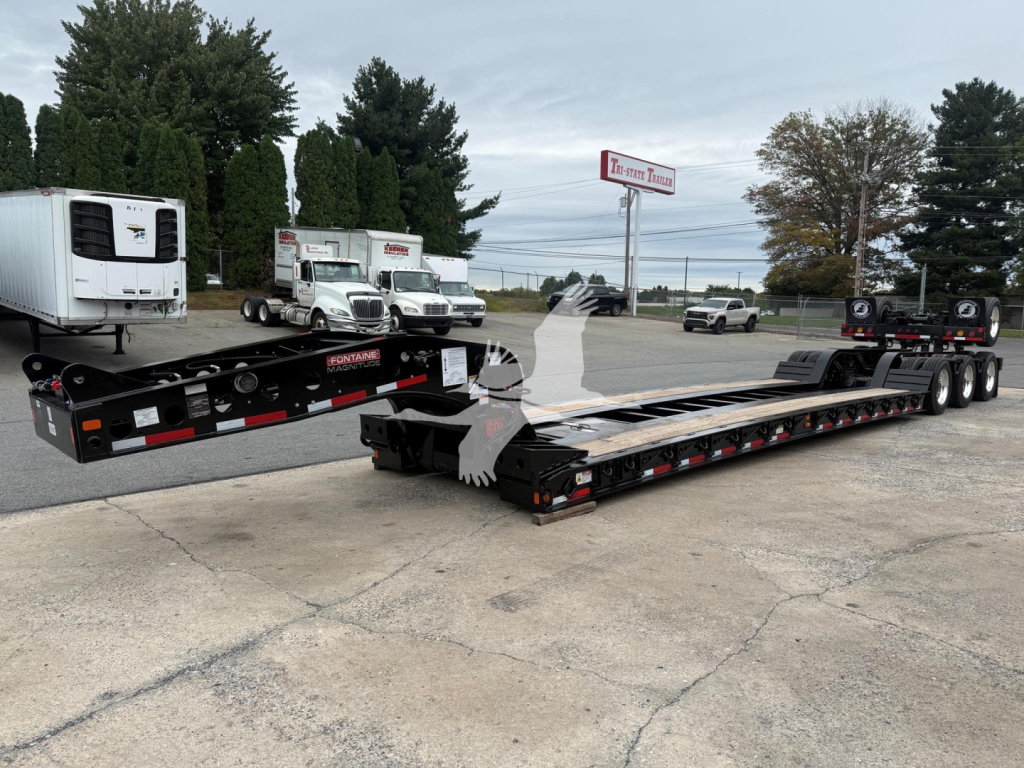
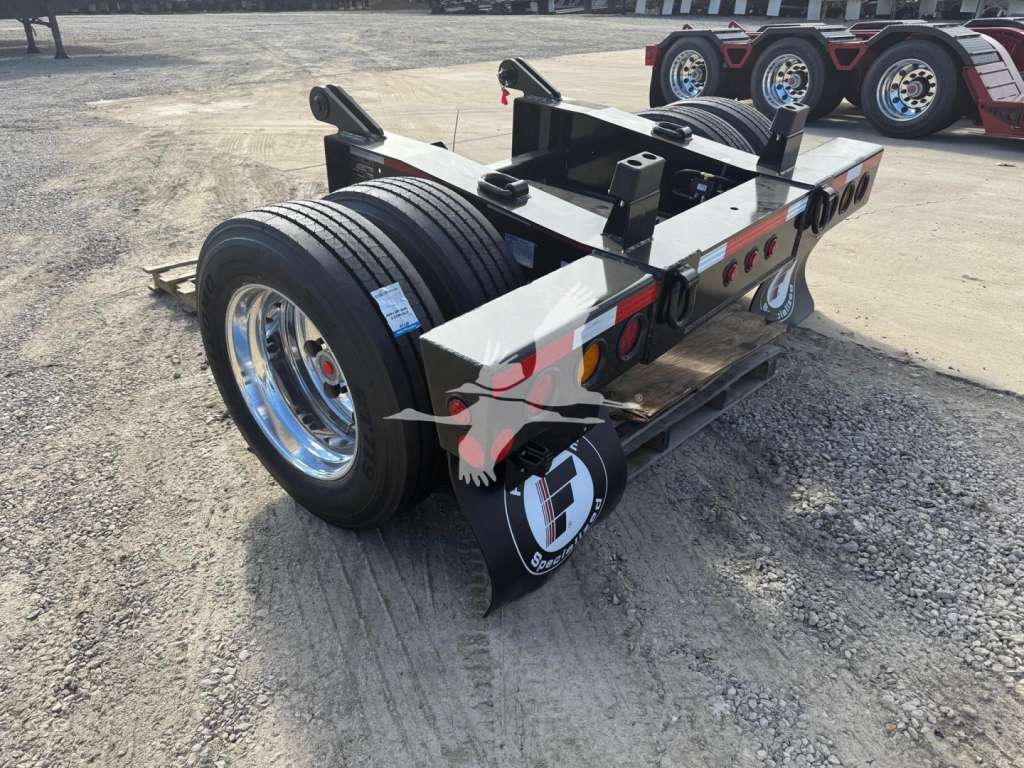
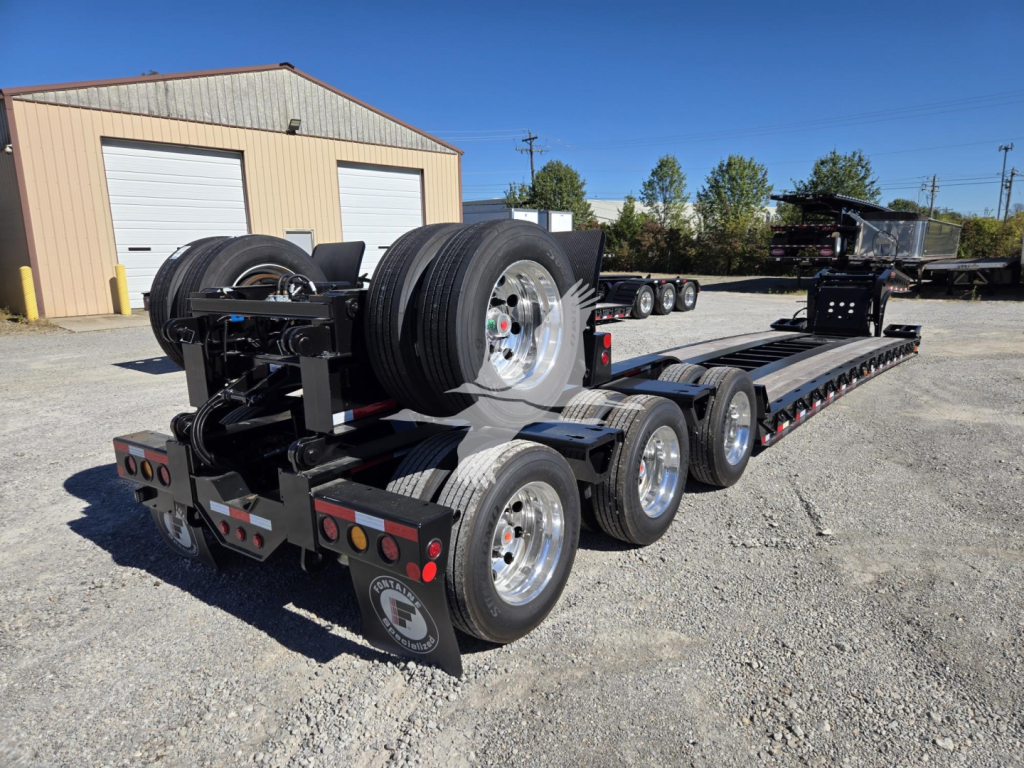
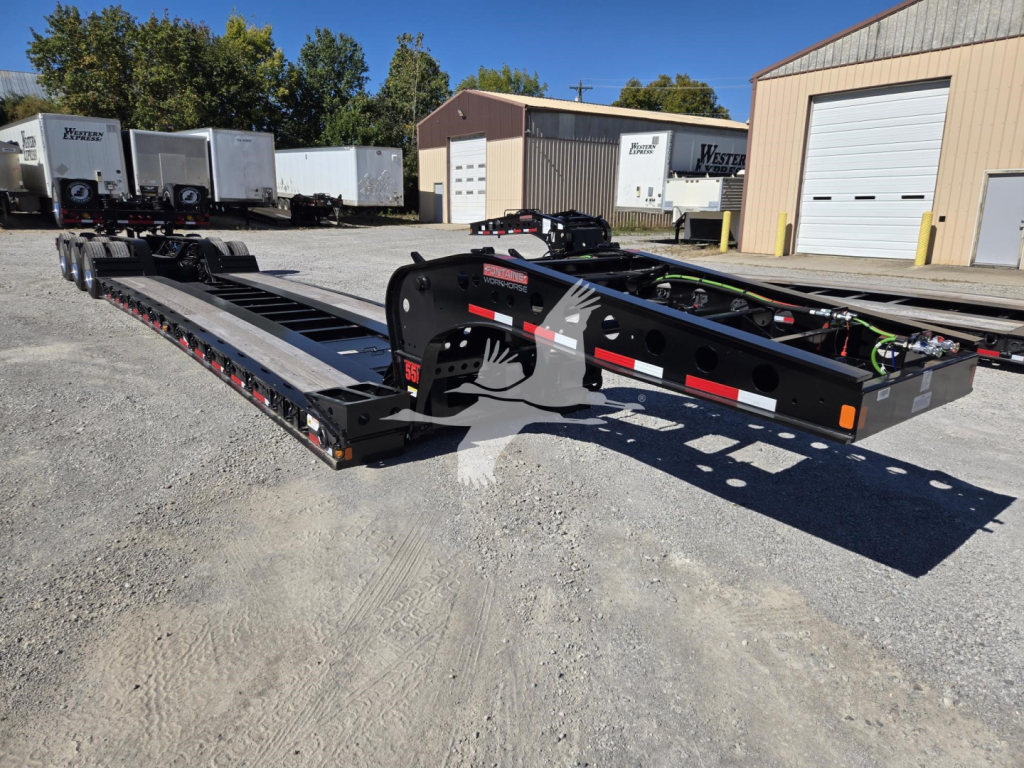
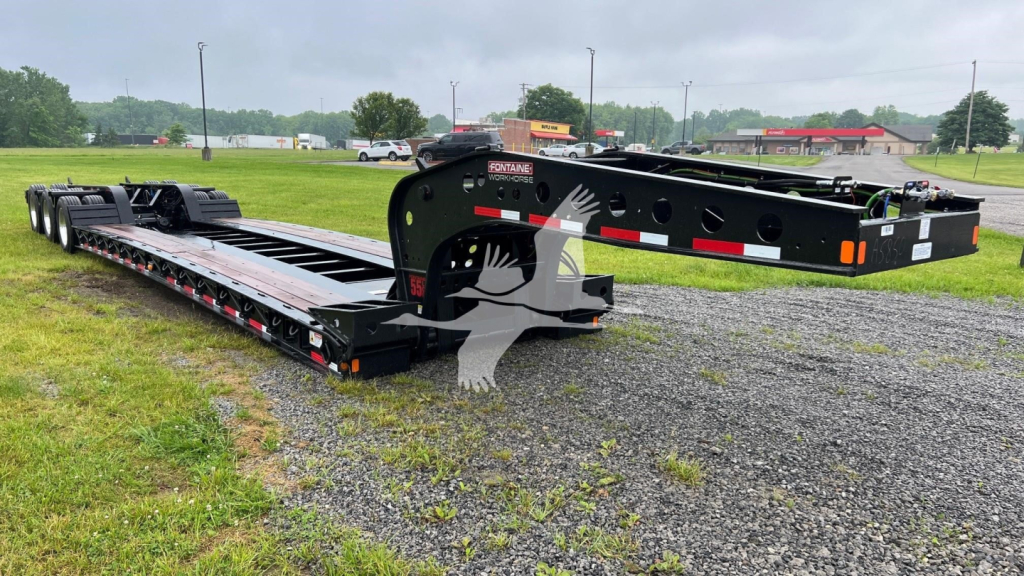
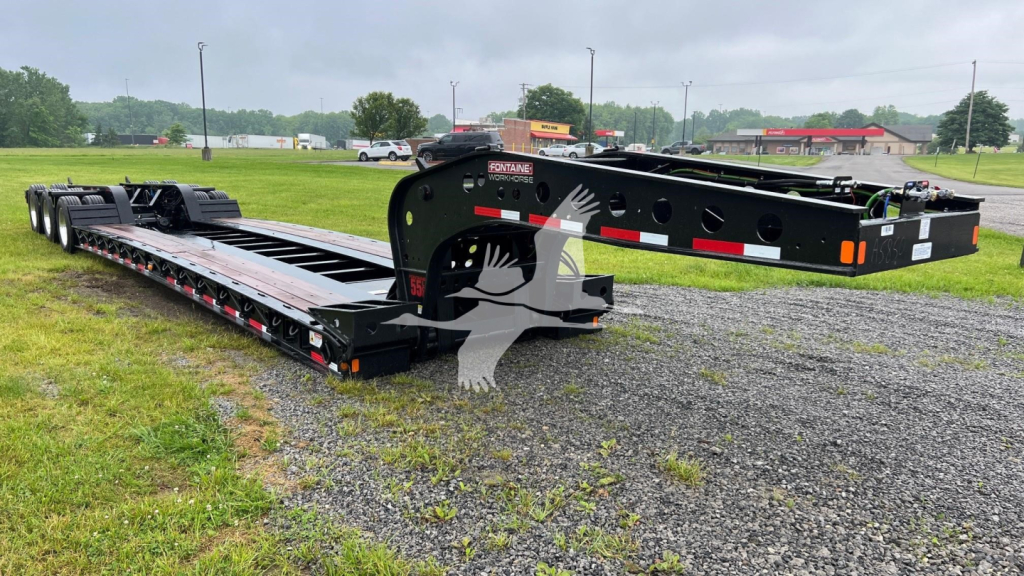
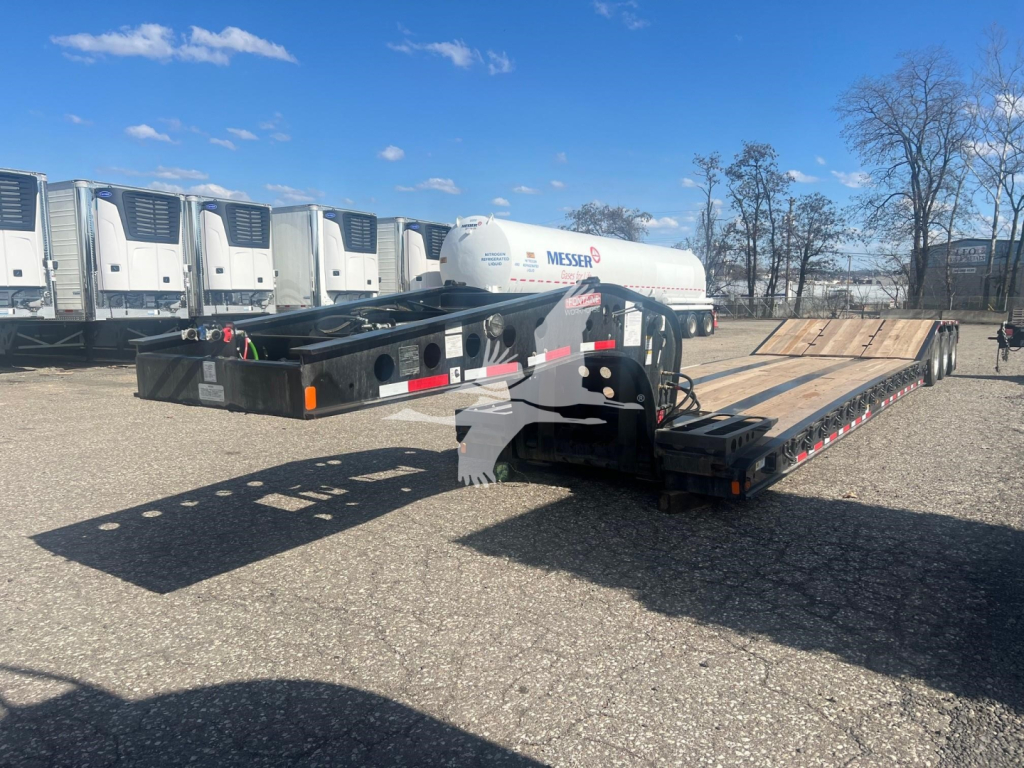
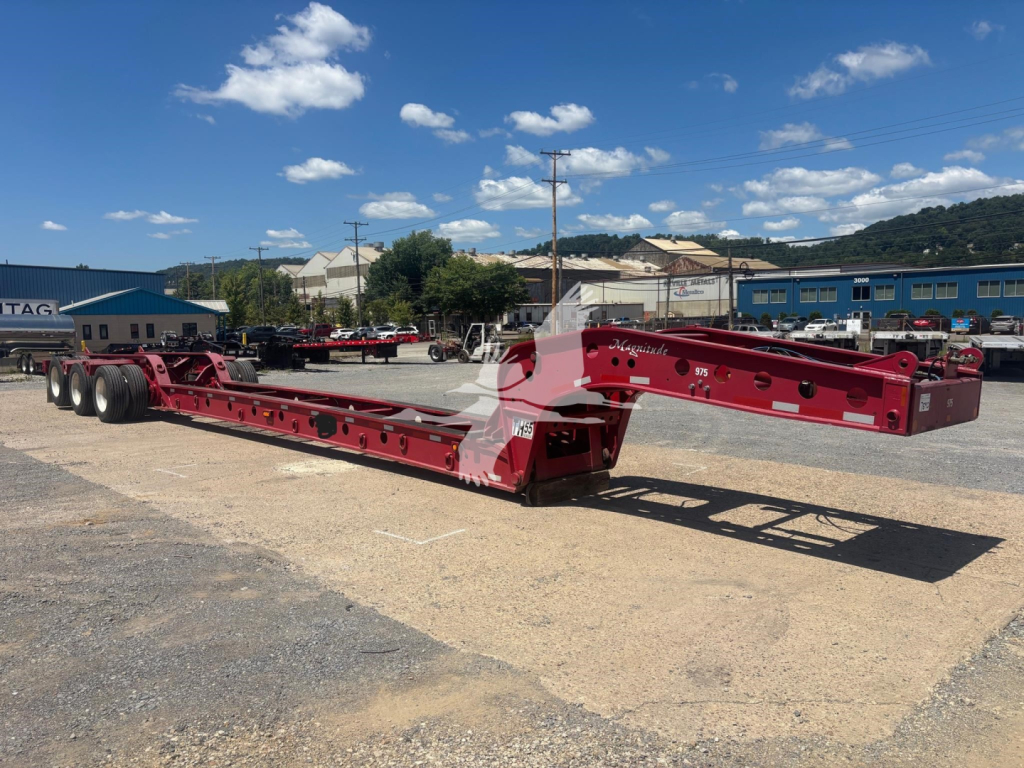
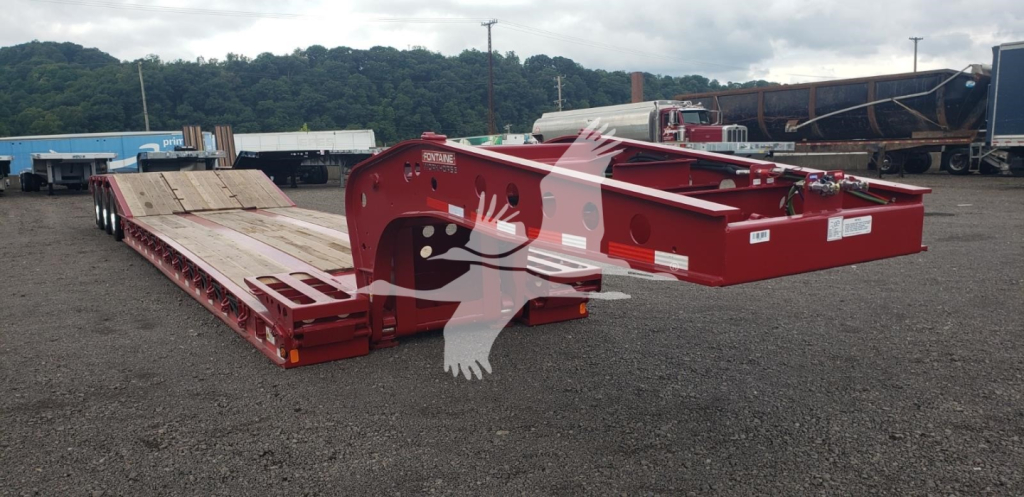
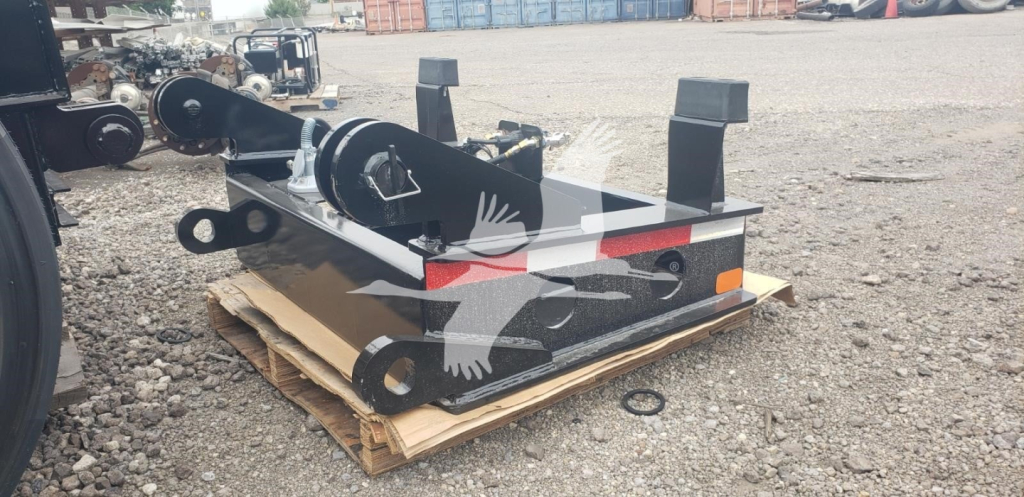
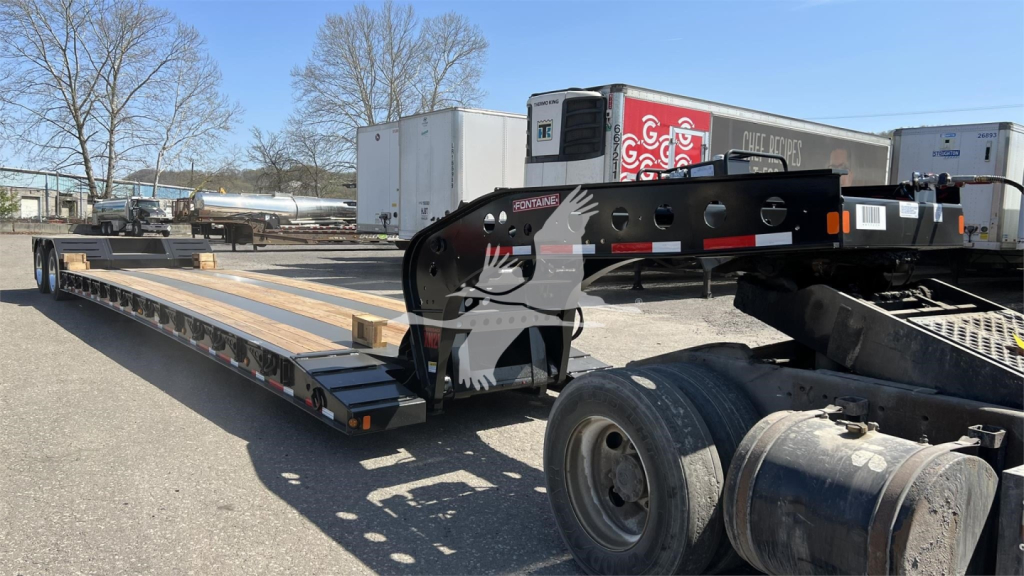
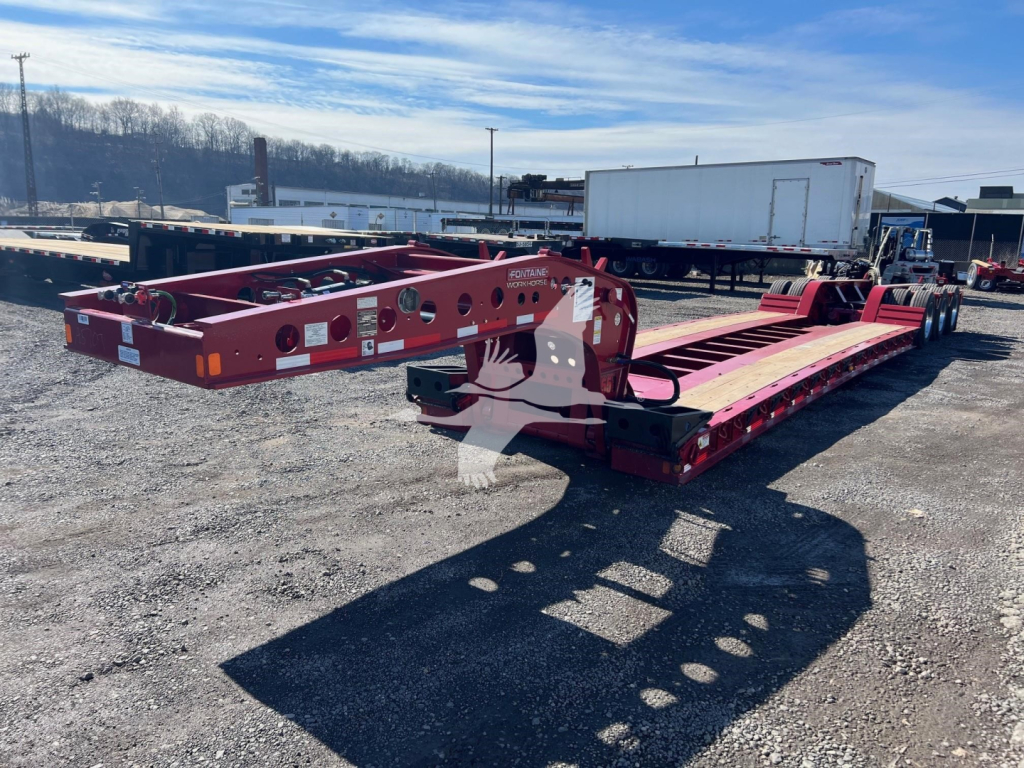
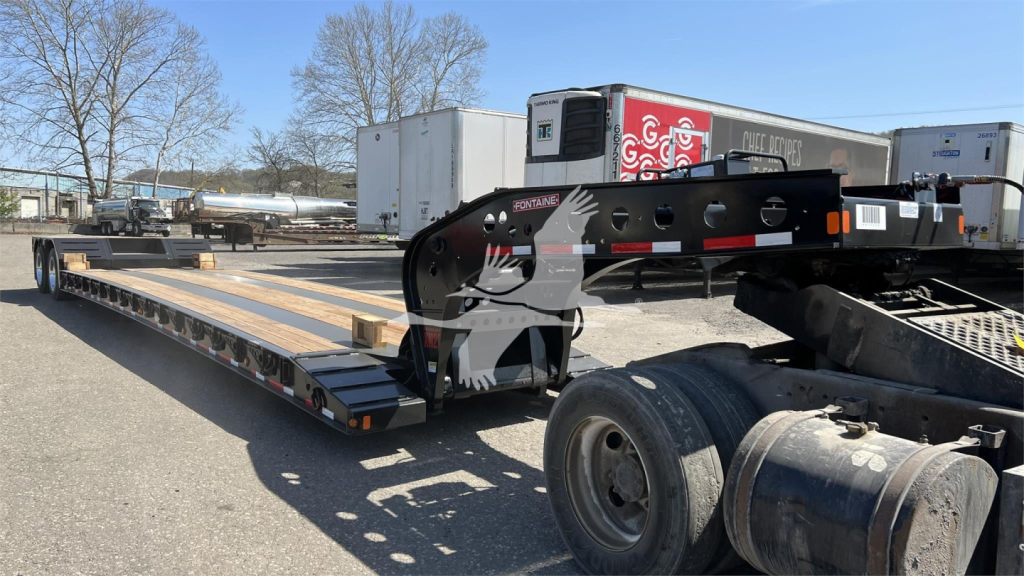
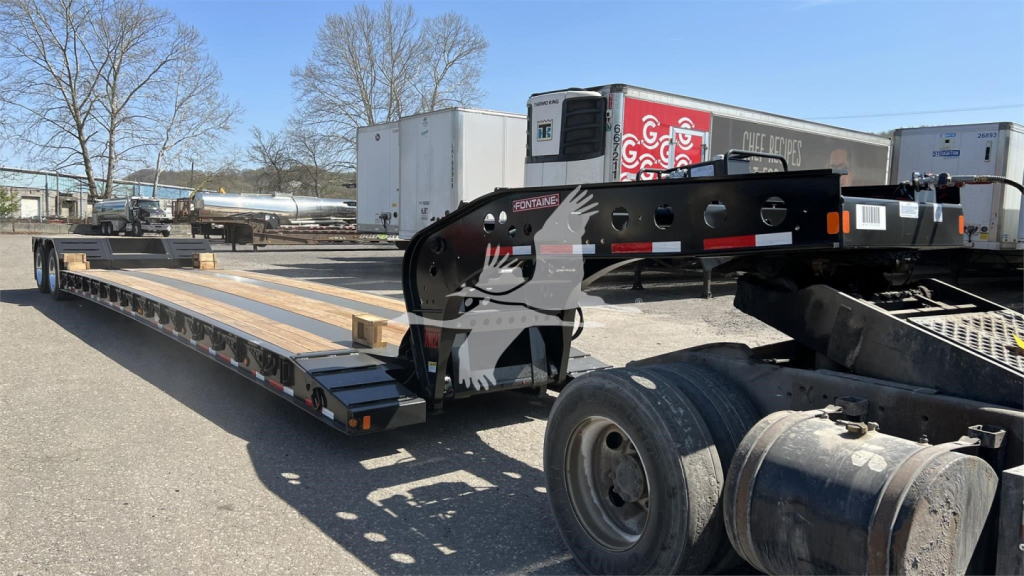
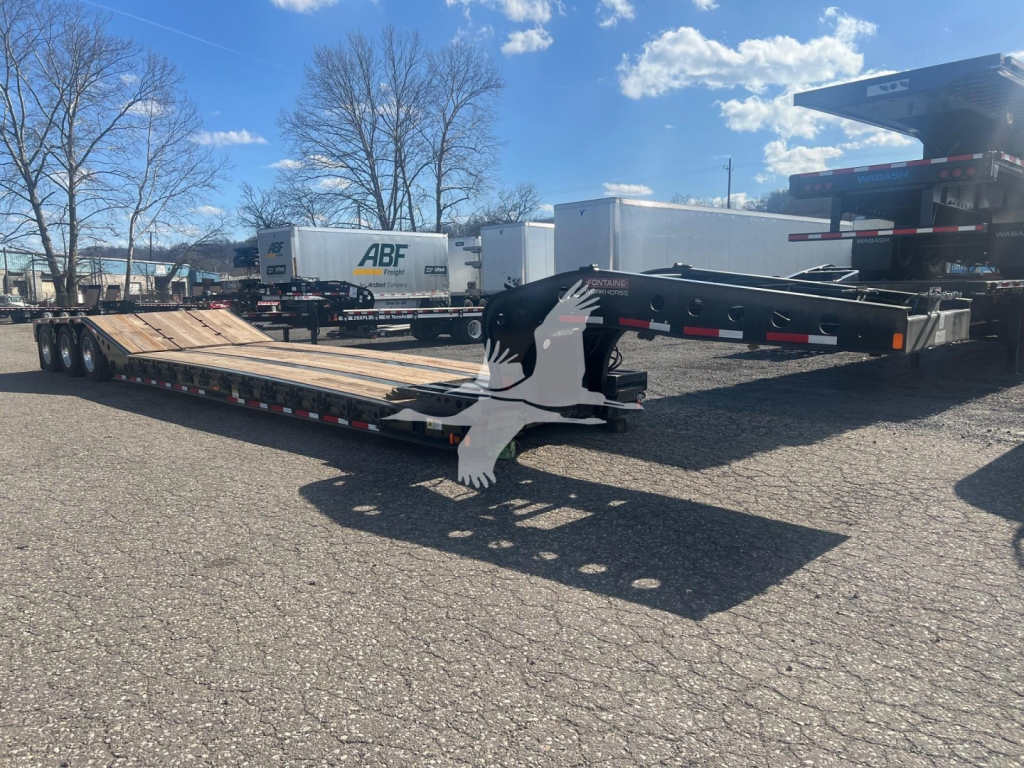
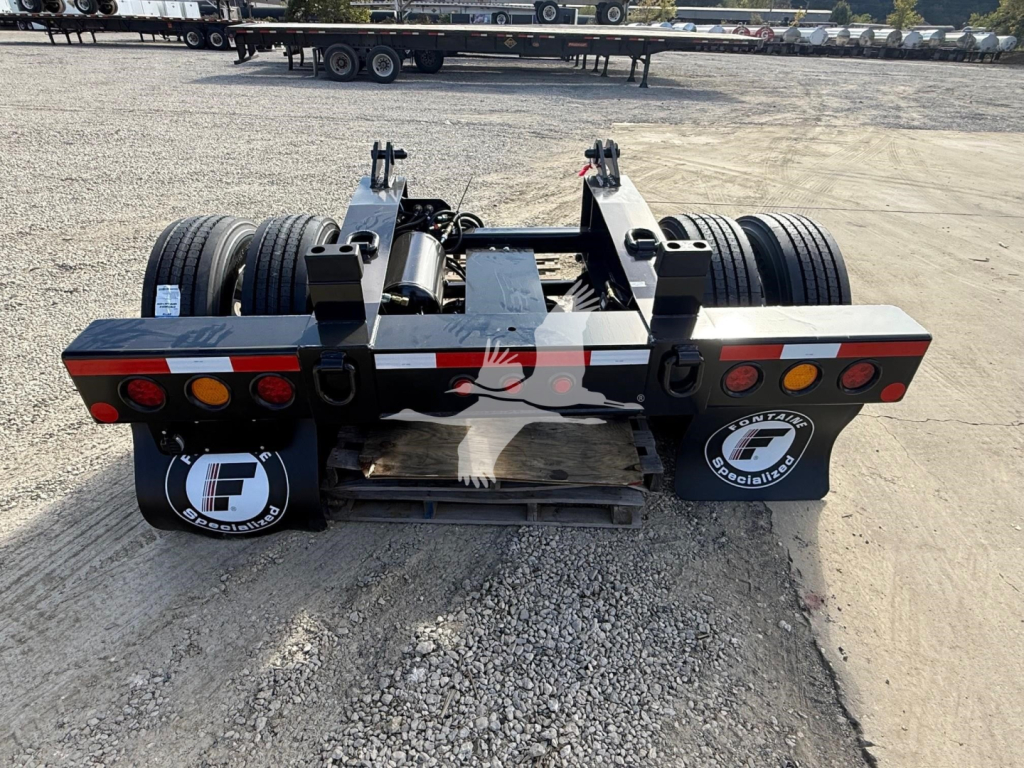
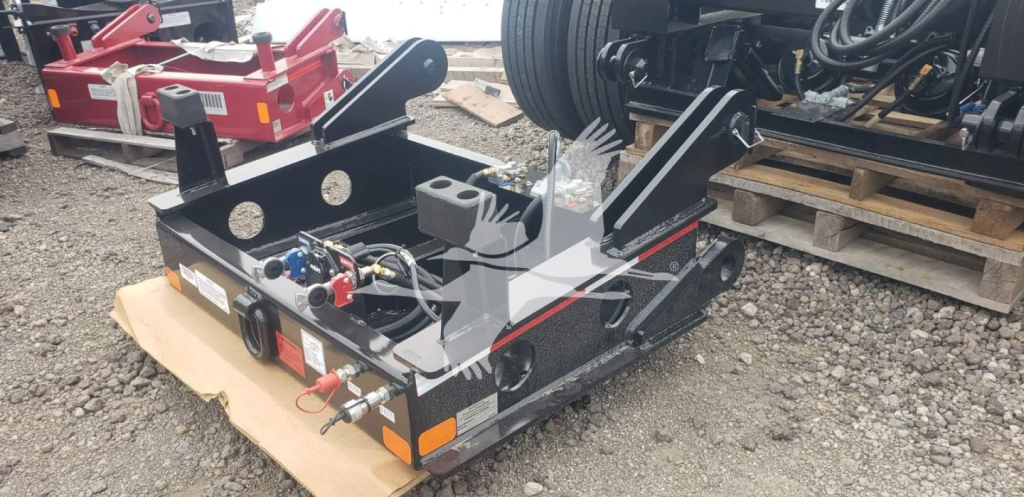
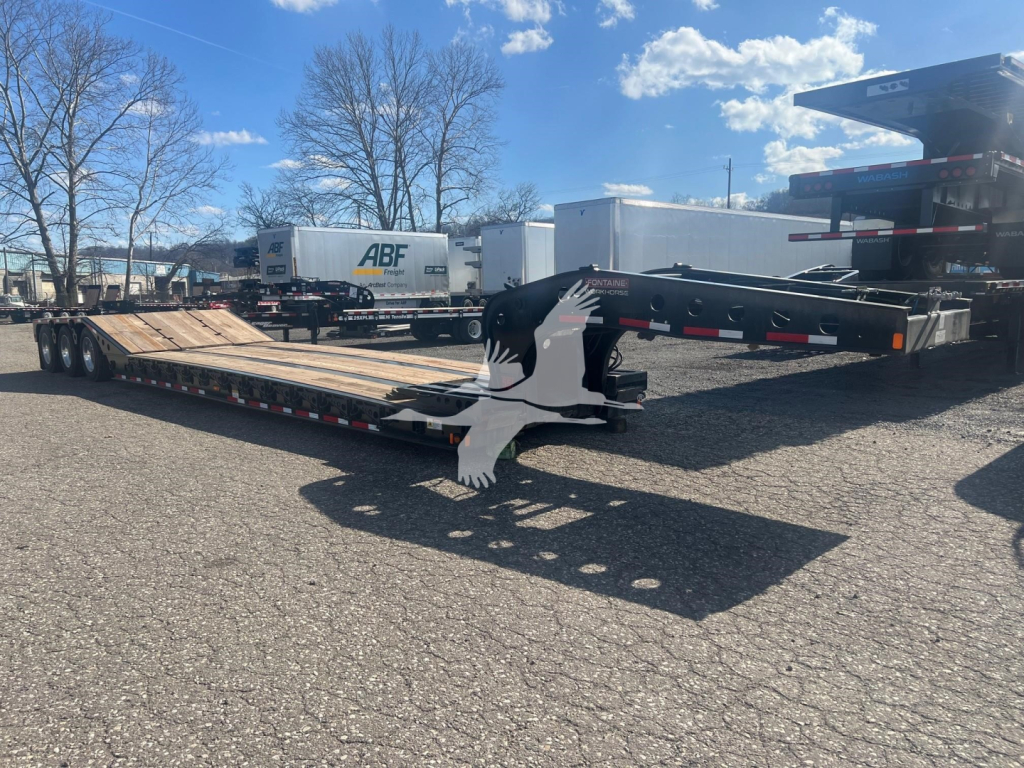
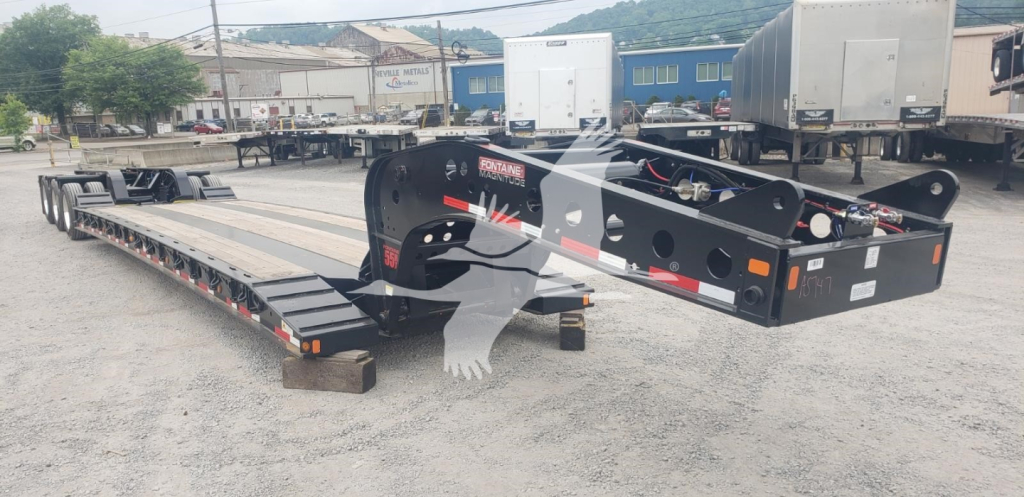
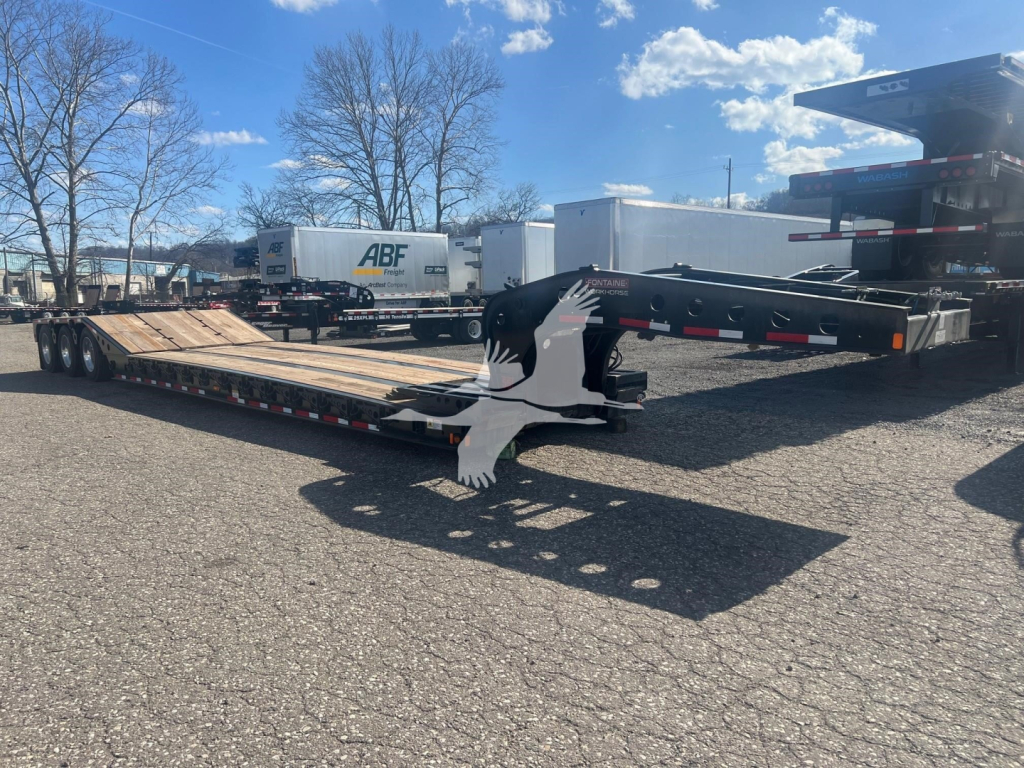
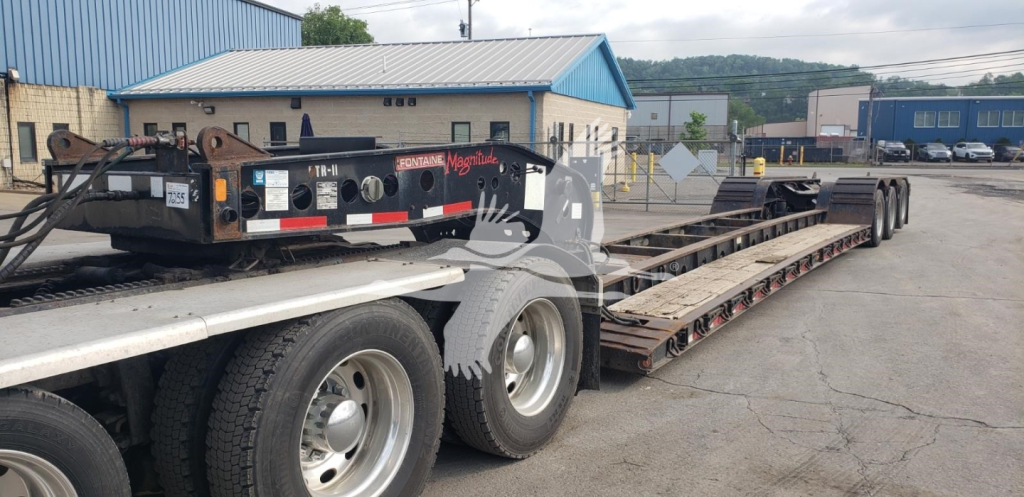
One of the key buying decisions is gooseneck style and deck layout. Hydraulic detachable gooseneck lowboys make loading easier for tracked and wheeled equipment, especially when frequent loading cycles are part of the job. Non-ground-bearing neck designs are common on premium heavy haul trailers because they simplify hook-up and detachment in more varied site conditions. Buyers should also look closely at kingpin settings, loaded fifth wheel height, swing radius, and main deck dimensions. On Fontaine units, it is common to see 102-inch overall width, low deck heights around 18 inches, and main deck lengths in the mid-20-foot range. Those numbers directly affect loading angle, bridge compliance strategy, and the types of machines the trailer can handle without reconfiguration.
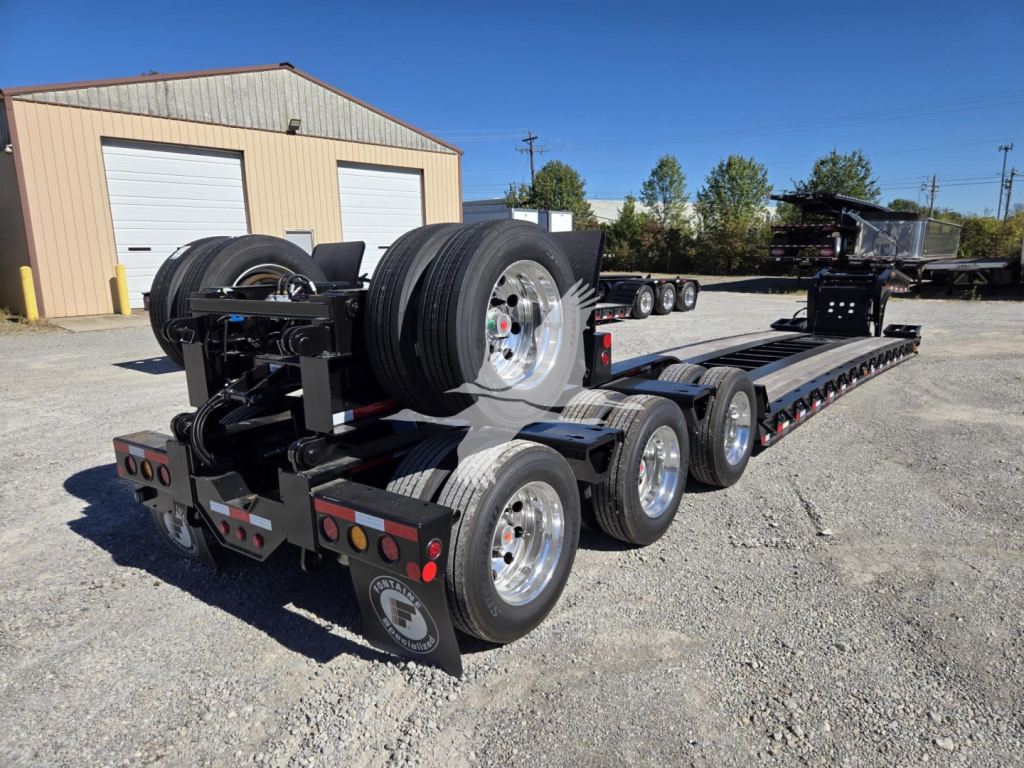
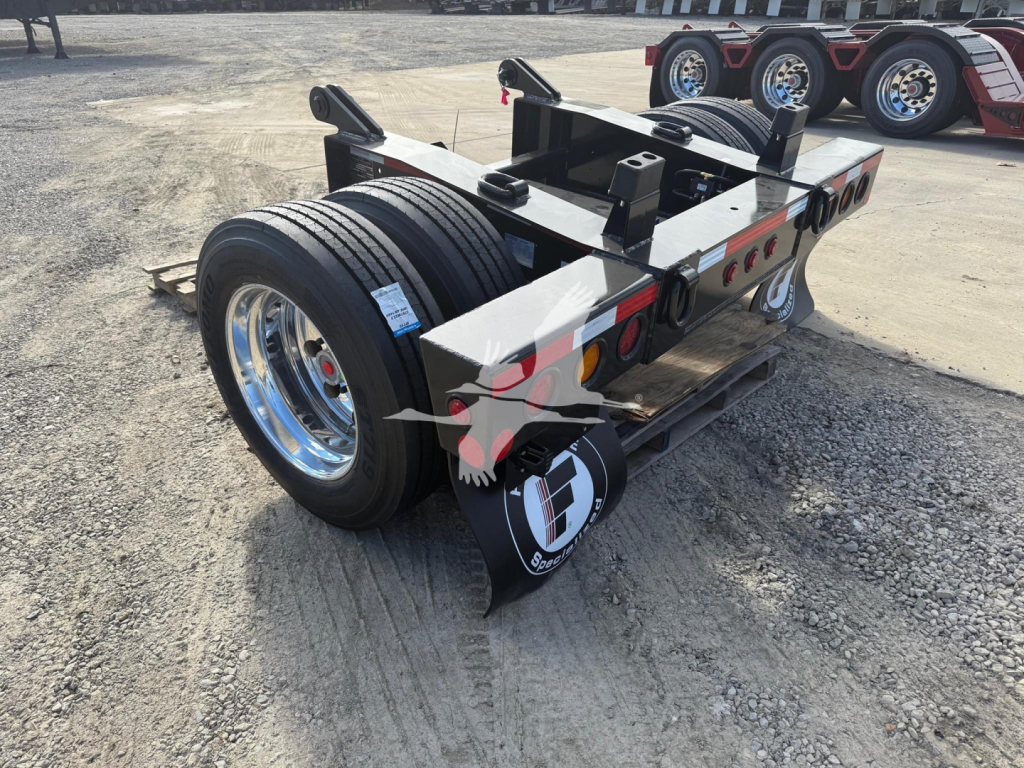
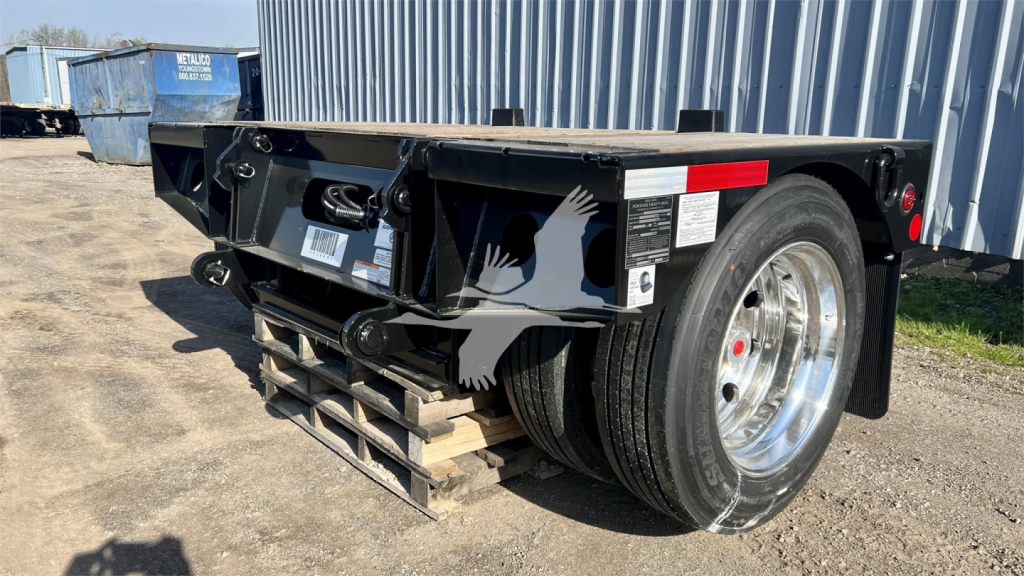
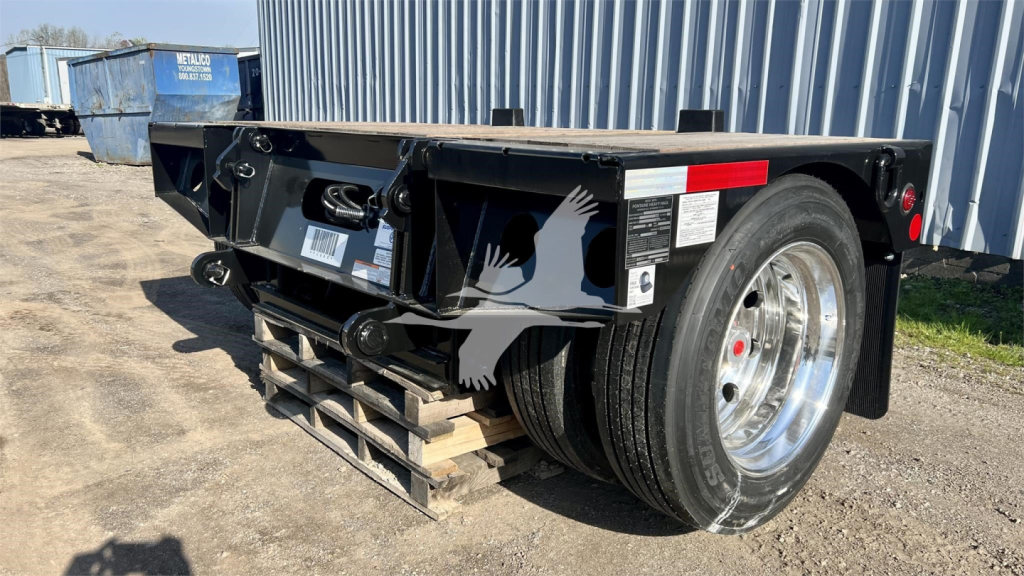
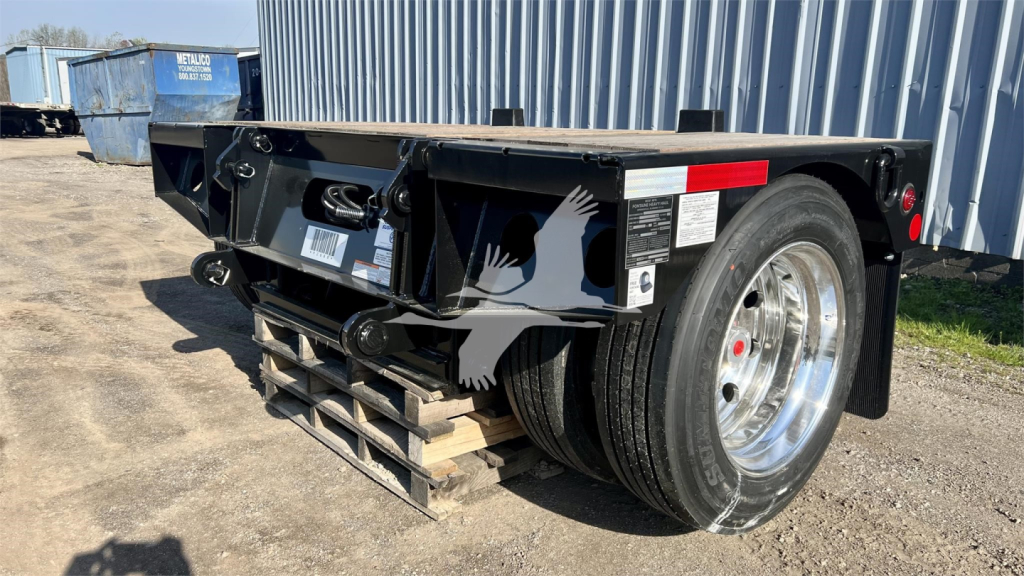
Suspension and axle setup matter just as much as the headline ton rating. Air ride suspensions, lift axles, dump valves, and mechanical ride height controls all play into load equalization, deck approach, and everyday usability. Many Fontaine lowboys are set up with tri-axle groups and are prepped for rear flip axles or other modular axle connections, which gives an operator room to adapt to changing permit work. That flexibility is important in heavy haul, where one trailer may spend one week moving a 35-ton excavator and the next week carrying a heavier machine that requires additional axle capacity. Tire size, suspension spacing, and flip axle compatibility are not minor details. They affect permit routing, overall bridge formula, and how easily the trailer can be matched to the work.
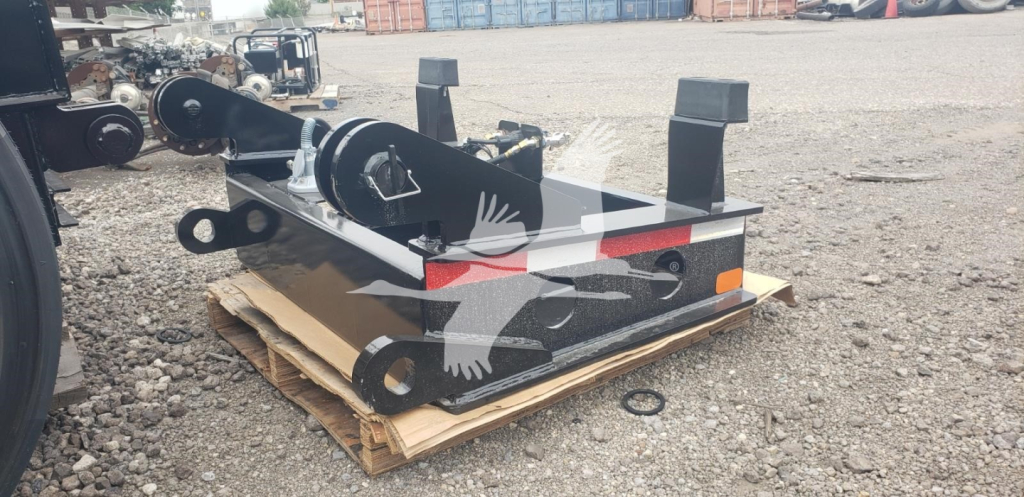
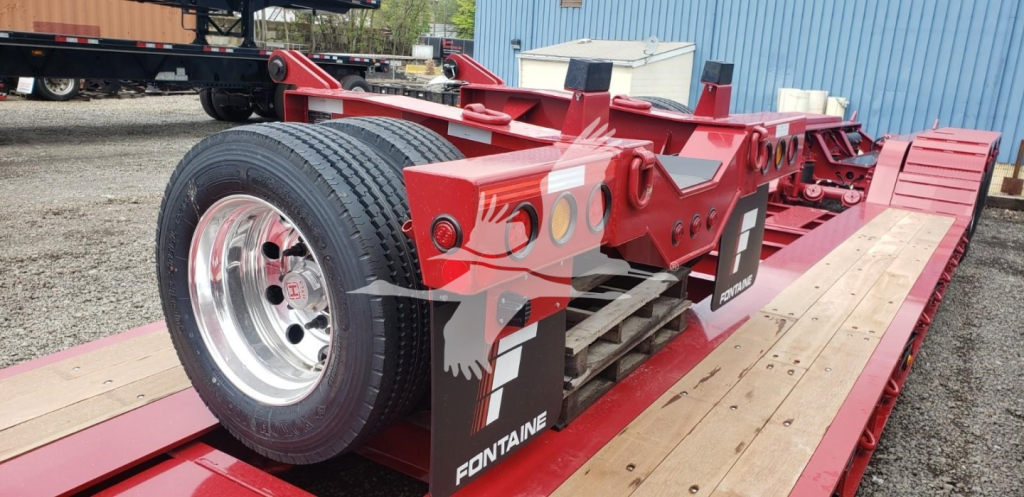
The smaller details are often what separate a basic lowboy from one that works hard every day. Outriggers, D-rings, chain slots, hammer plates, recessed crossmembers, tool storage, flag holders, strobes, and side lighting all contribute to safer loading and better cargo securement. Wood side-rail flooring, removable swing outriggers, and multiple tie-down points are especially useful when hauling mixed equipment or attachments. Fontaine lowboy trailers are often chosen by contractors and specialized carriers that need a durable deck, predictable loading geometry, and a trailer platform that can be built out with rear flip or modular components over time. If the work involves concentrated machine weights, frequent loading, and permit-sensitive dimensions, a properly spec'd Fontaine lowboy is a serious heavy haul tool.
Frequently Asked Questions about Fontaine Lowboy Trailers in Pennsylvania
What are Fontaine lowboy trailers commonly used to haul?
Fontaine lowboy trailers are commonly used for heavy equipment and machinery that exceed the practical deck height of a standard flatbed or step deck. Typical loads include excavators, bulldozers, loaders, pavers, rollers, cranes, and other construction or industrial equipment. The low deck height helps keep overall loaded height down, which is critical for legal routing and permit planning.
What does a 55-ton Fontaine lowboy rating actually mean?
A 55-ton rating does not mean every part of the trailer can carry 55 tons in any load position. On heavy haul trailers, the rating is usually tied to a specific concentrated load area such as 55 tons in 13 feet. Buyers should confirm the rated load length, deck section, axle grouping, and any assumptions about a flip axle or jeep because those details determine what the trailer can legally and structurally handle in real service.
Why is a hydraulic detachable gooseneck important on a lowboy trailer?
A hydraulic detachable gooseneck allows equipment to be driven or pulled onto the deck from the front, which improves loading efficiency and reduces the need for steep rear ramps. This is especially important for low-clearance machines, tracked equipment, and fleets that load and unload frequently. It also gives operators more flexibility on uneven job sites compared with more basic loading methods.
Should I look for flip axle compatibility on a Fontaine lowboy?
Flip axle compatibility is valuable if your hauling work varies by machine size, permit requirements, or axle-weight distribution. A rear flip axle can increase capacity and help spread weight across more axles, which can improve compliance on heavier loads. Even if a trailer is initially used in a simpler configuration, having the connection points and modular design in place can make the trailer more versatile over time.
What specs matter most when comparing Fontaine lowboy trailers?
The most important specs usually include deck height, main deck length, overall length and width, concentrated load rating, number of axles, suspension type, kingpin settings, swing radius, and flip axle compatibility. Buyers should also review securement features such as D-rings, chain slots, outriggers, and deck construction. Those details have a direct effect on the types of machines the trailer can carry, how easily it can be loaded, and how practical it will be in day-to-day heavy haul service.