
2027 Fontaine Lowboy Trailers For Sale in Pennsylvania
Shop 2027 Fontaine lowboy trailers for sale in Pennsylvania. Compare detachable neck, 55-ton class specs, deck height, axle setups, and options.
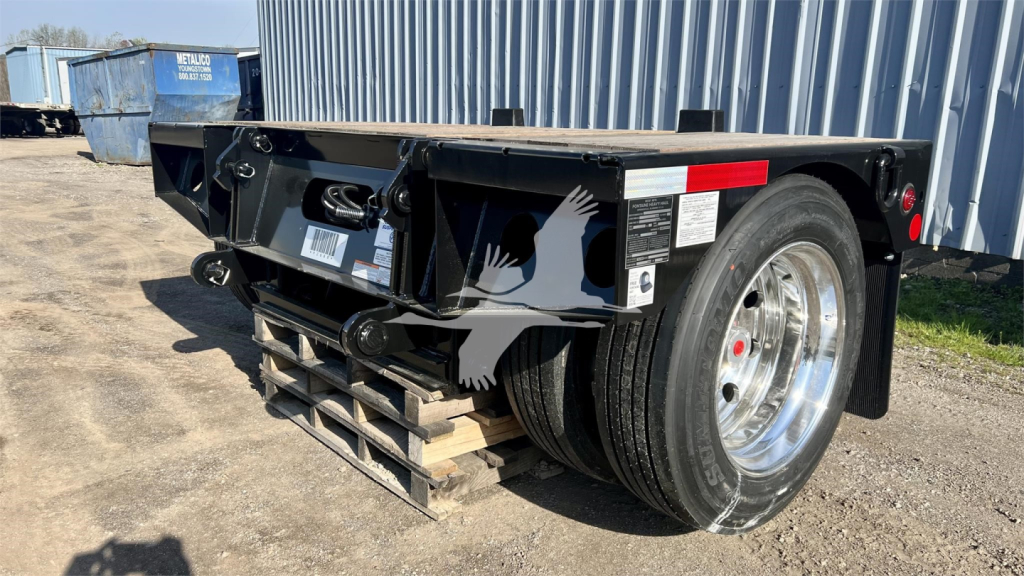
Selling a 2027 fontaine lowboy trailer? List your 2027 fontaine lowboy trailer for sale and reach thousands of commercial buyers.
2027 Fontaine Lowboy Trailers in Pennsylvania
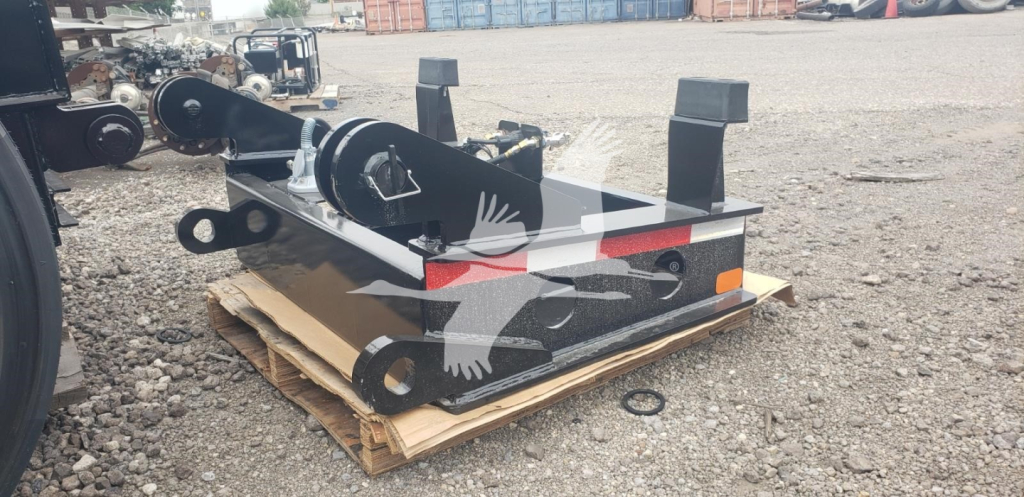
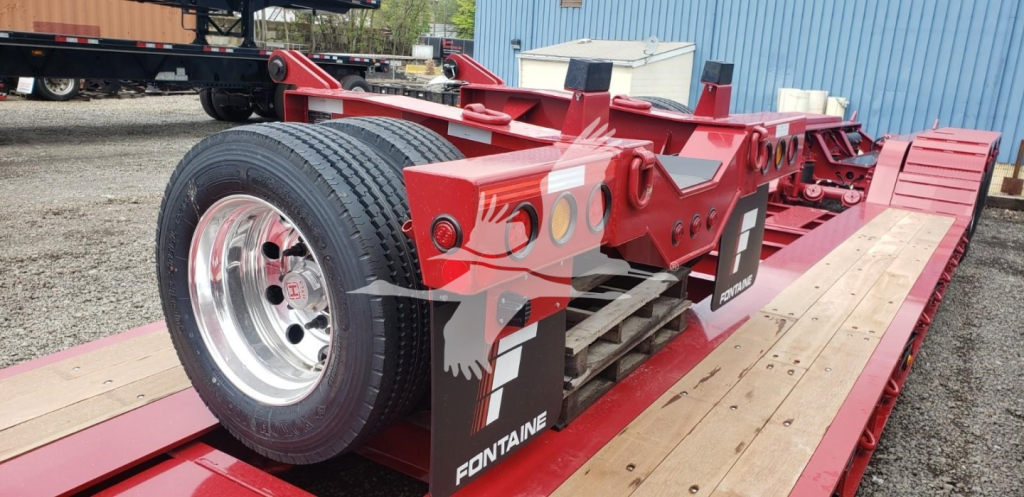
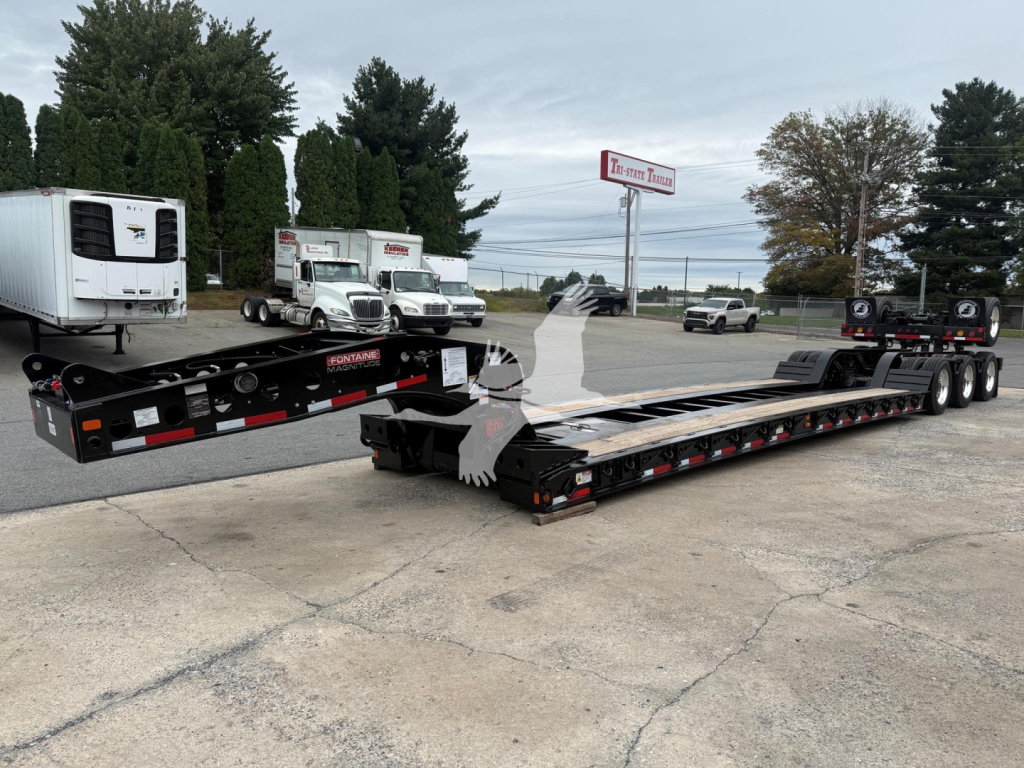
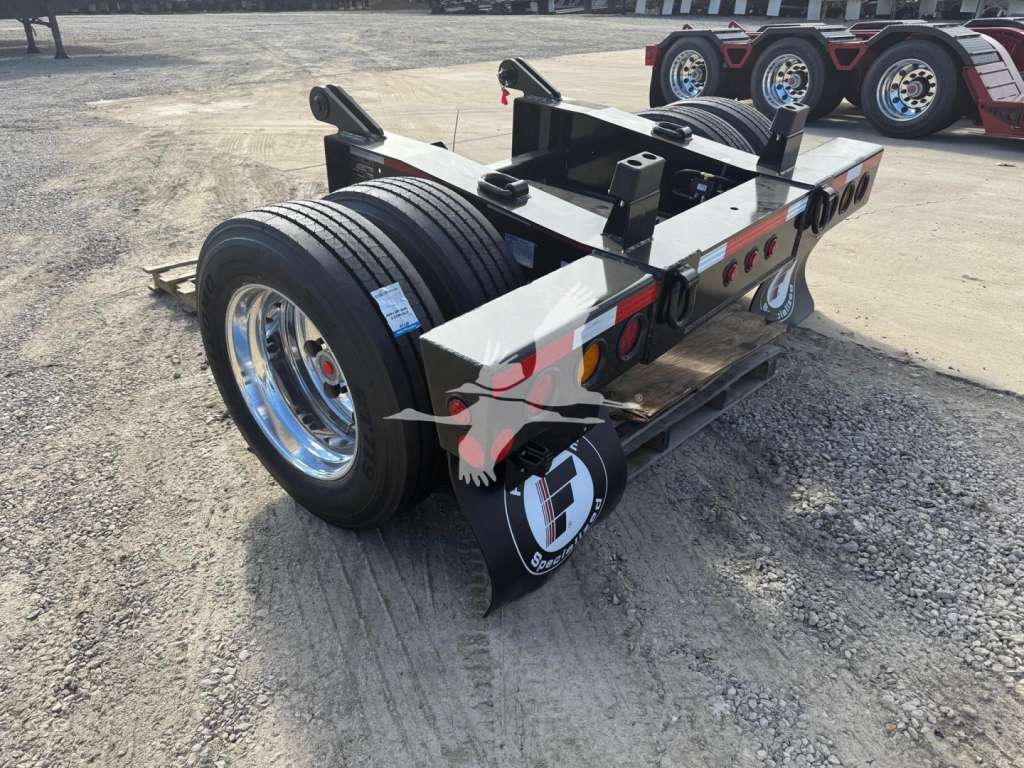
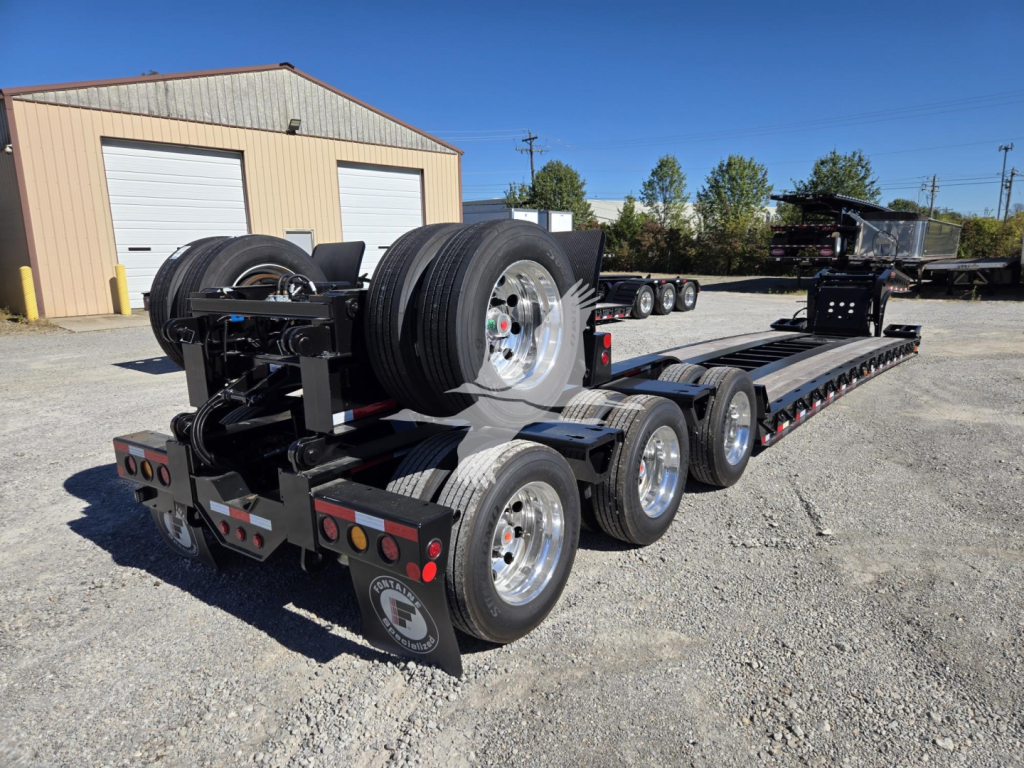
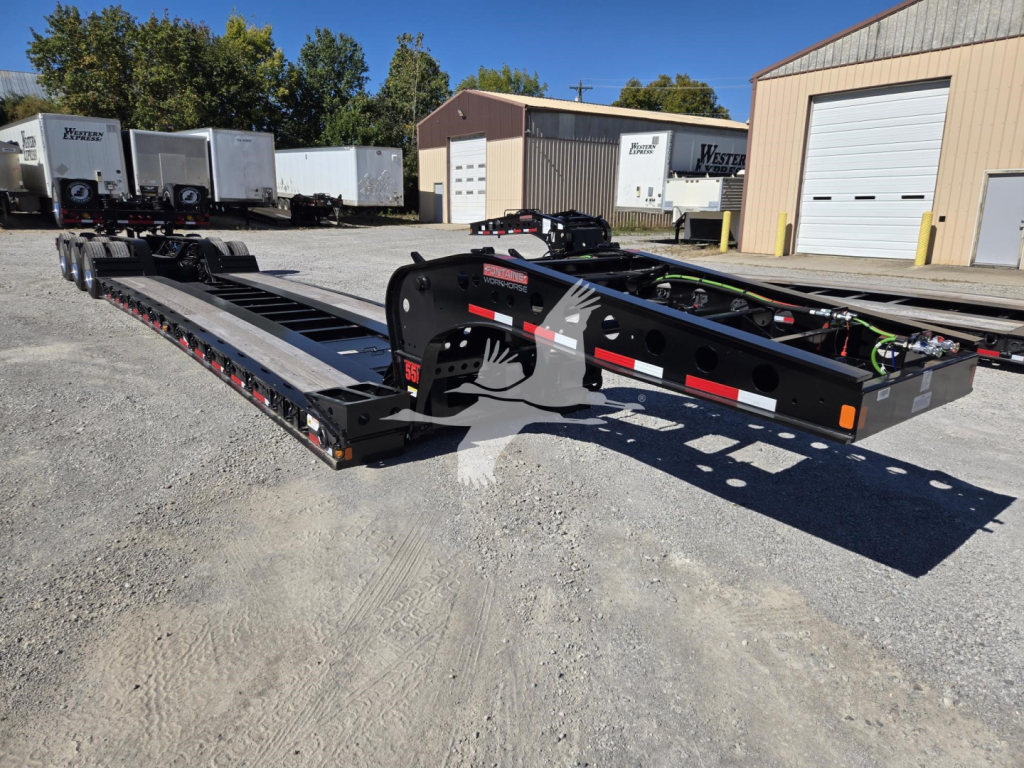
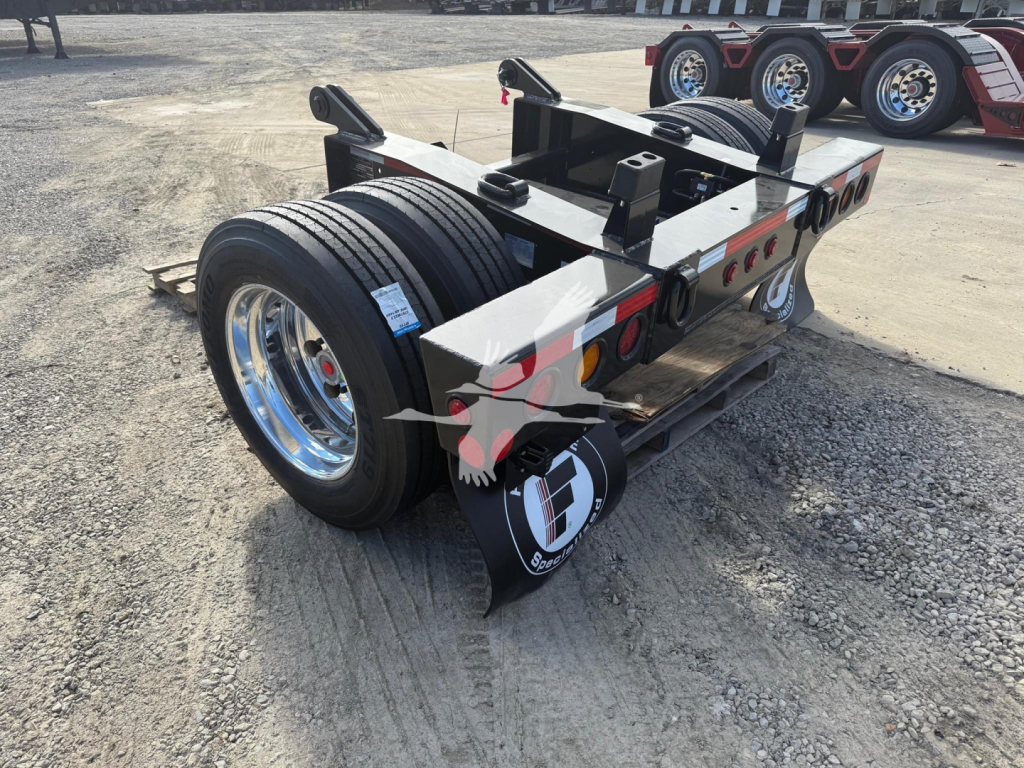
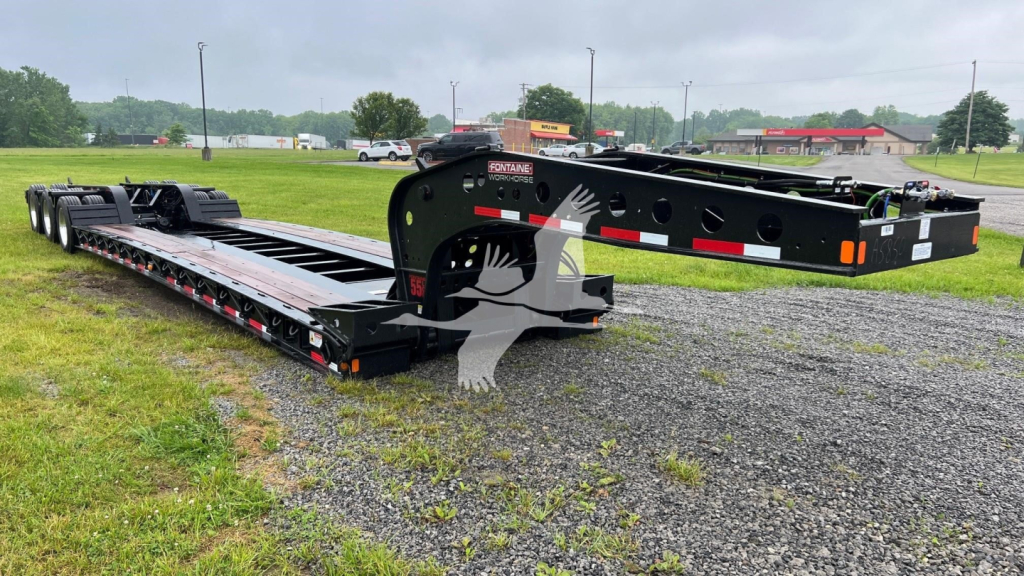
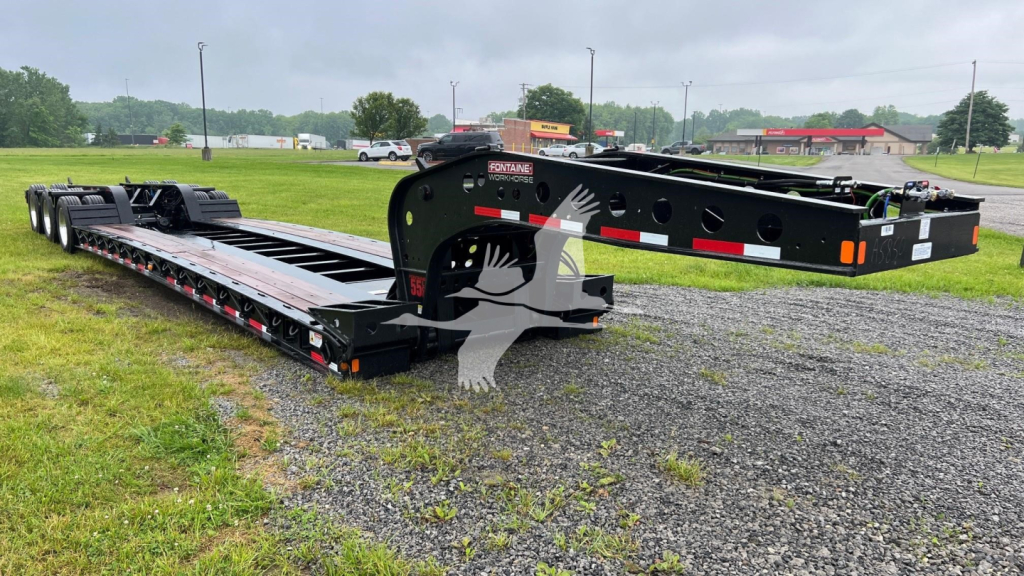
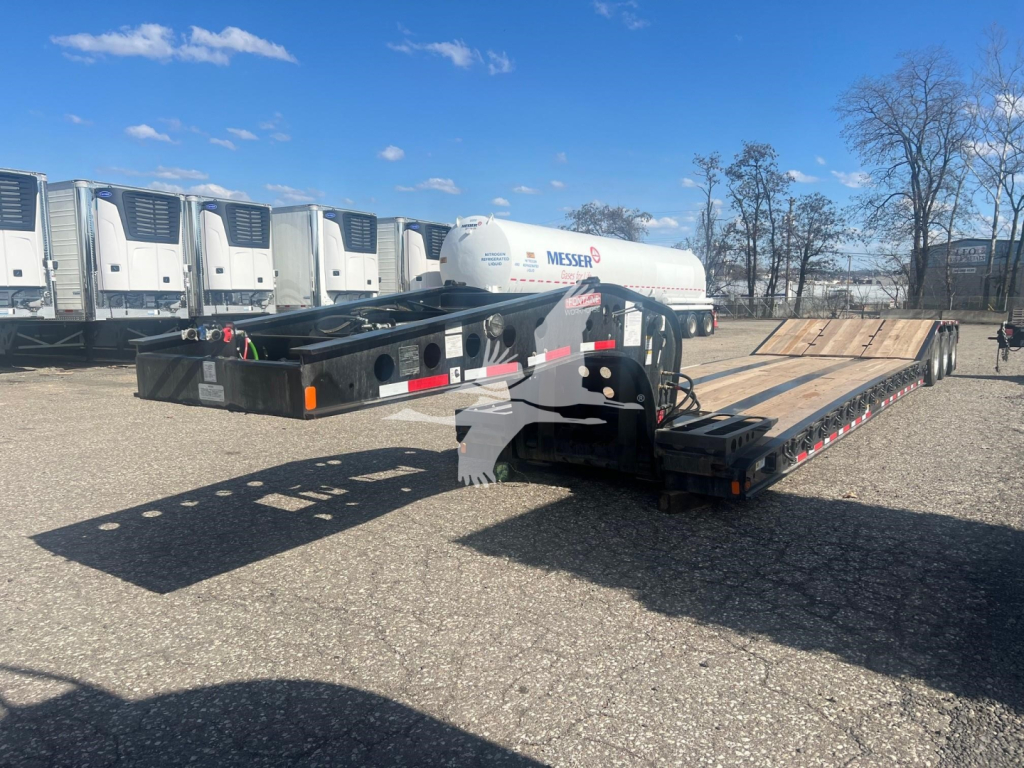
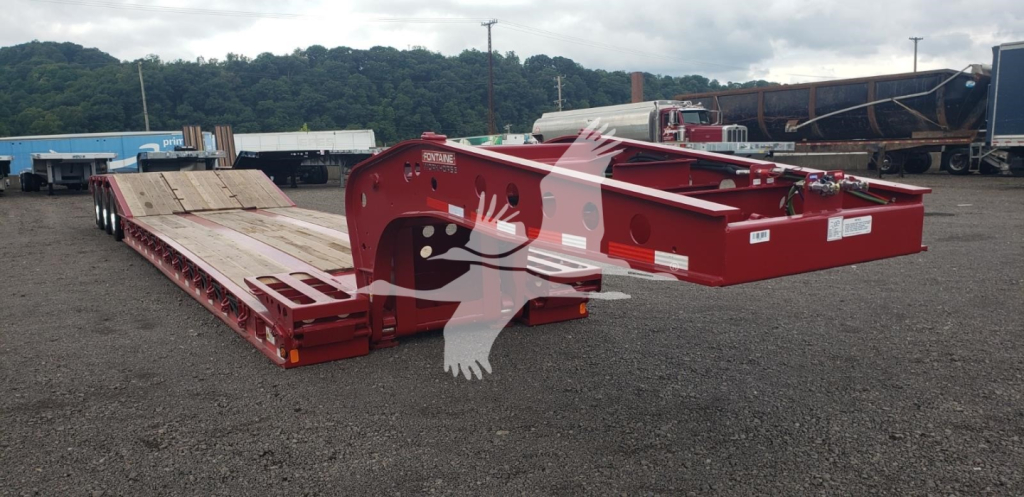
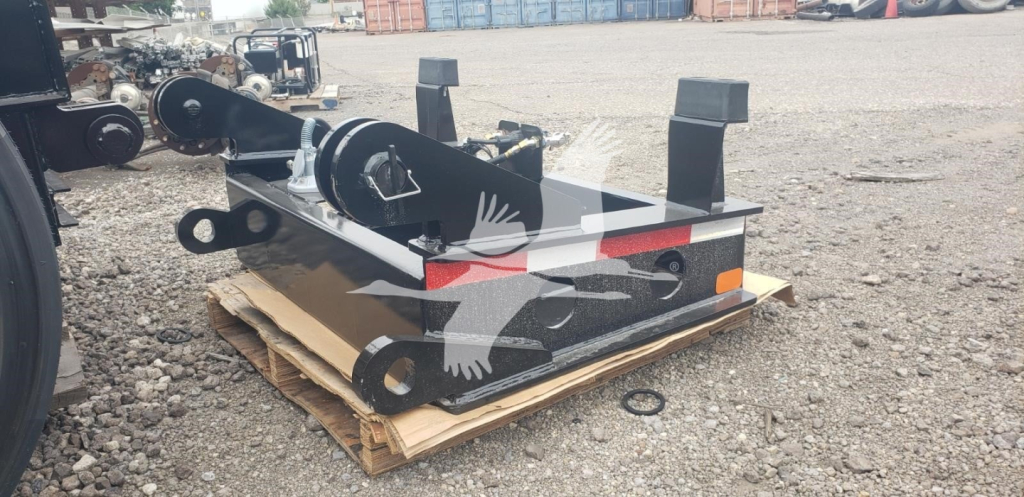
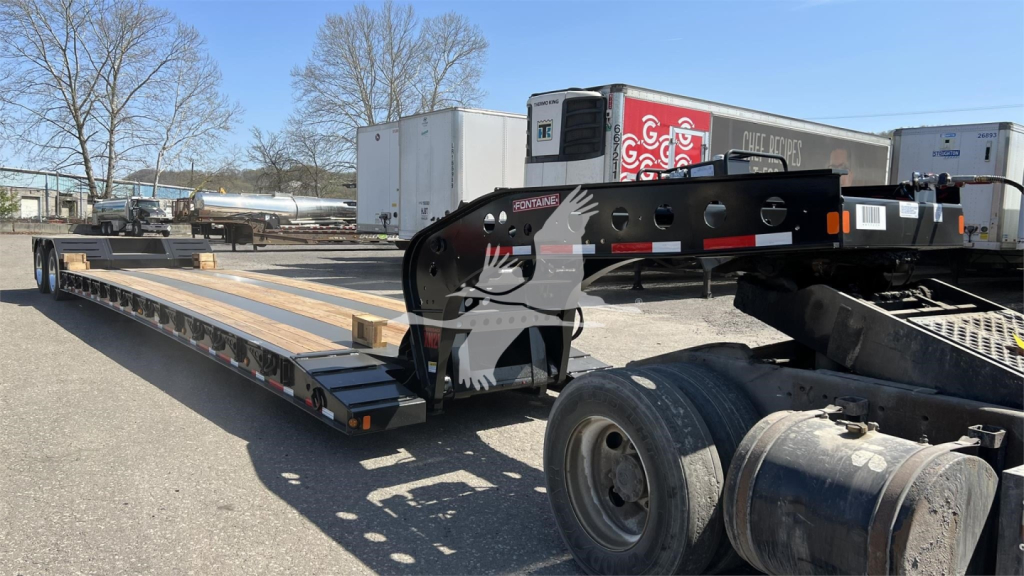
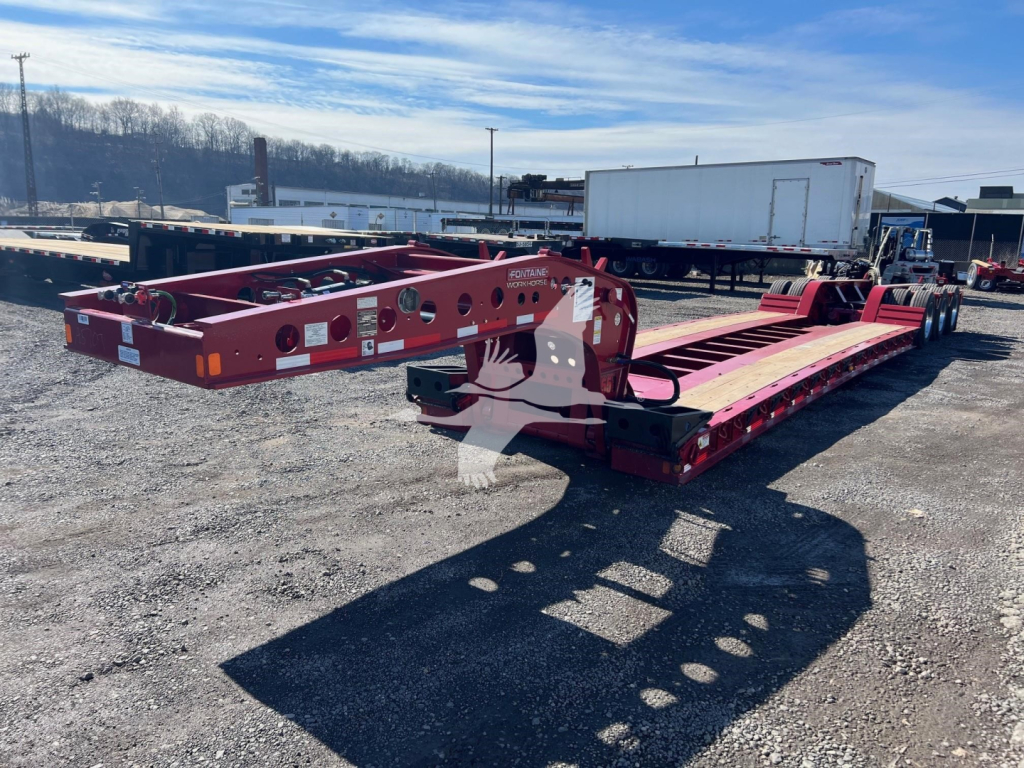
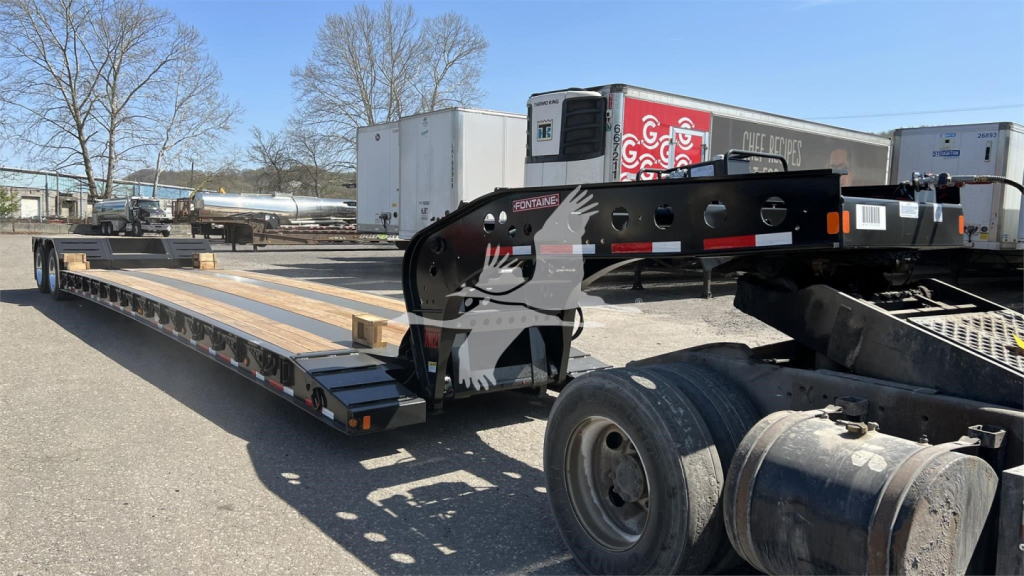
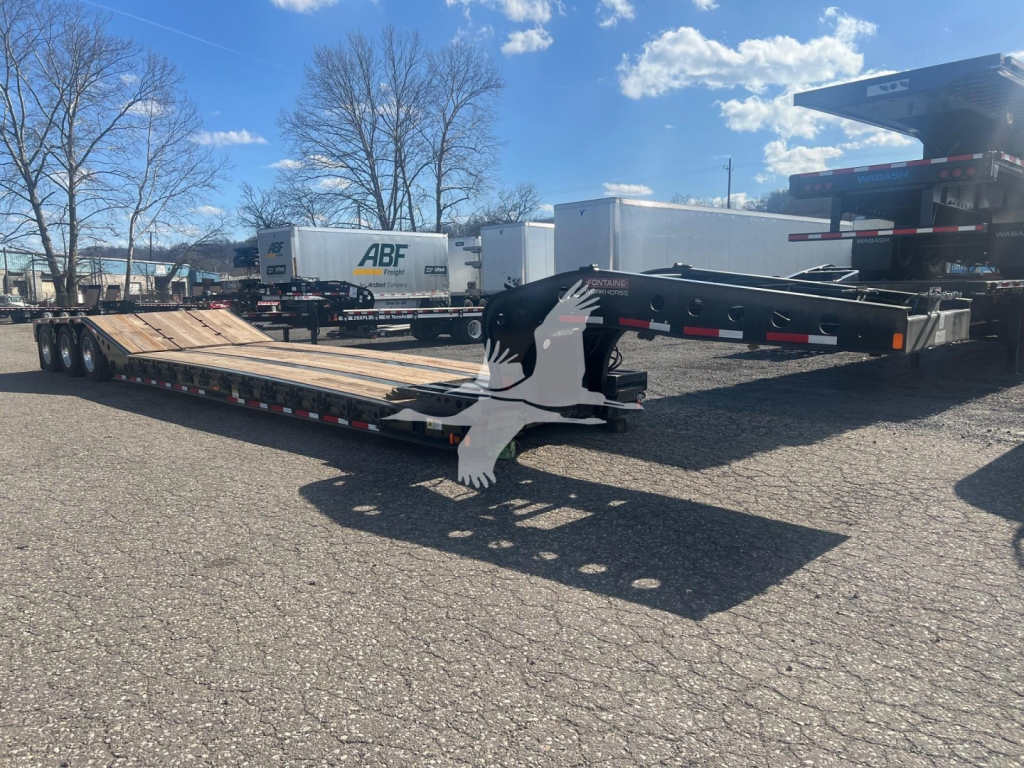
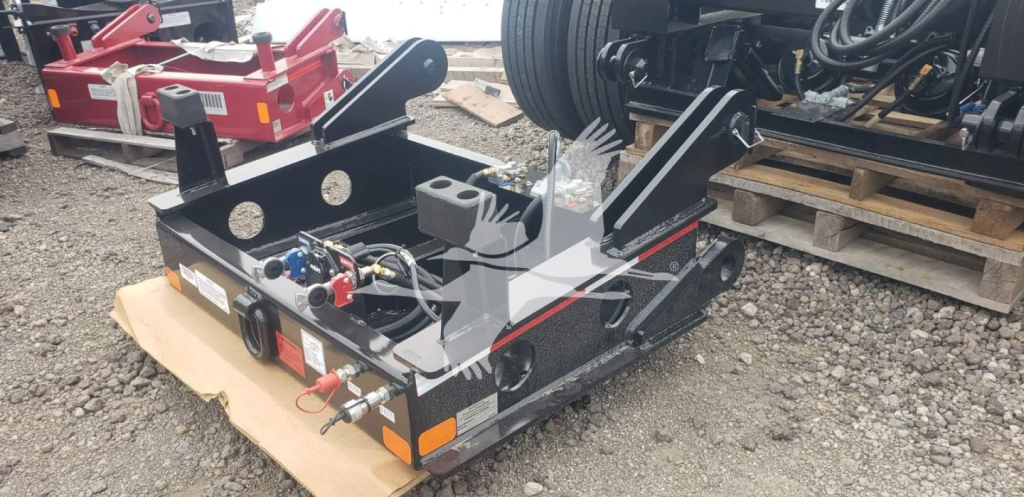
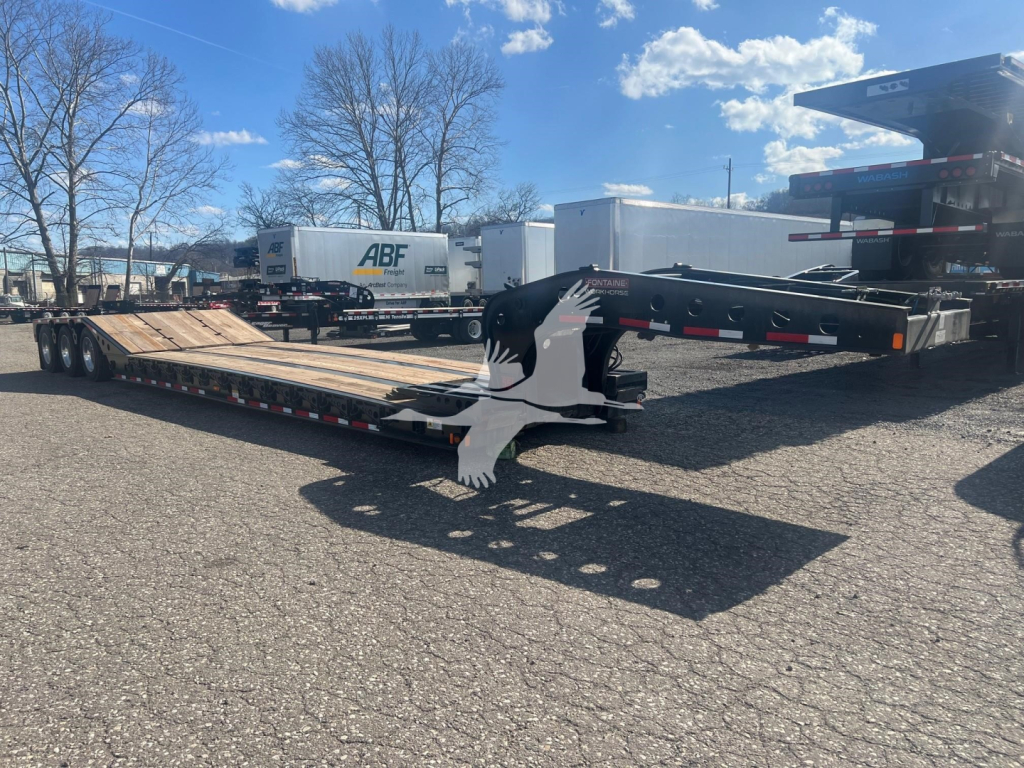
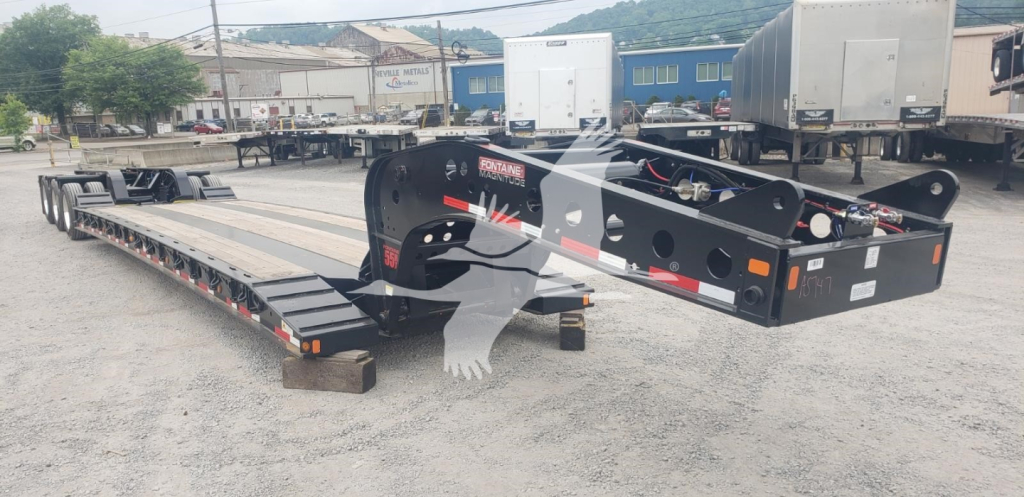
A lowboy, also known as a low-bed or lowboy trailer, is all about carrying height and weight efficiently. Fontaine models commonly feature loaded fifth wheel settings with multiple ride height positions, low boom wells, removable swing-out outriggers, D-ring tie-down points, and Apitong flooring in the deck or ramp surfaces. Main deck height matters because a 20-inch to 22-inch loaded deck can make a meaningful difference when hauling taller machines without exceeding legal height. Deck length matters just as much. Some buyers want a fixed clear deck for day-to-day iron, while others prefer a modular design where the main deck disconnects from the bogie for more flexibility with specialized loads and future axle combinations.
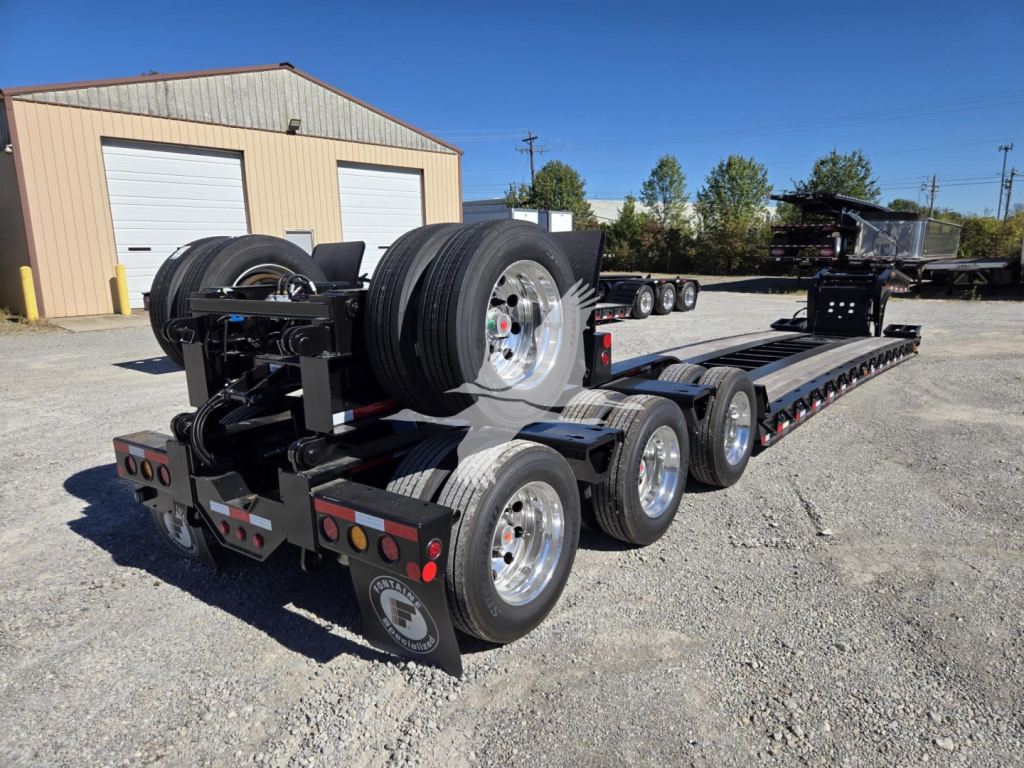
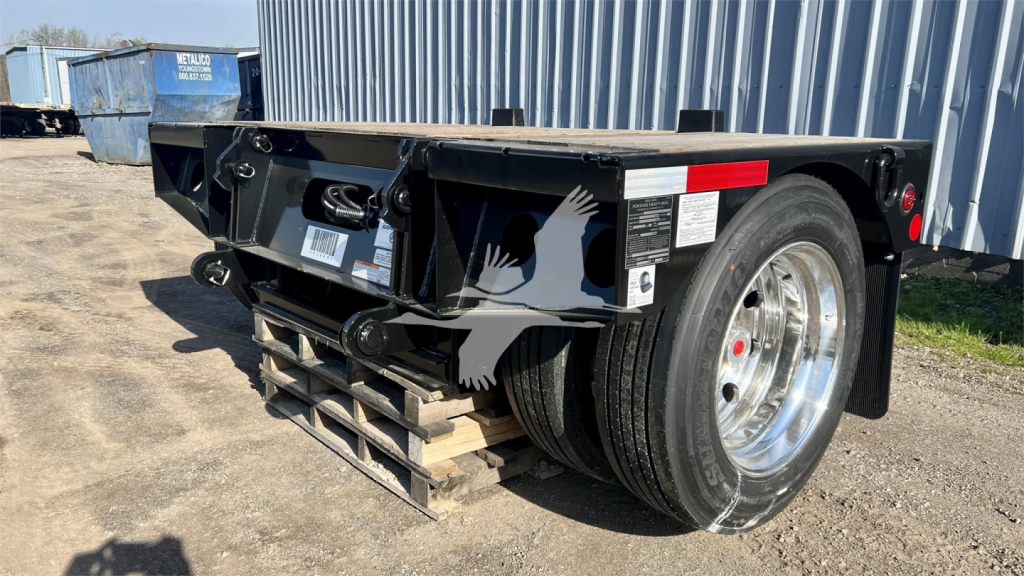
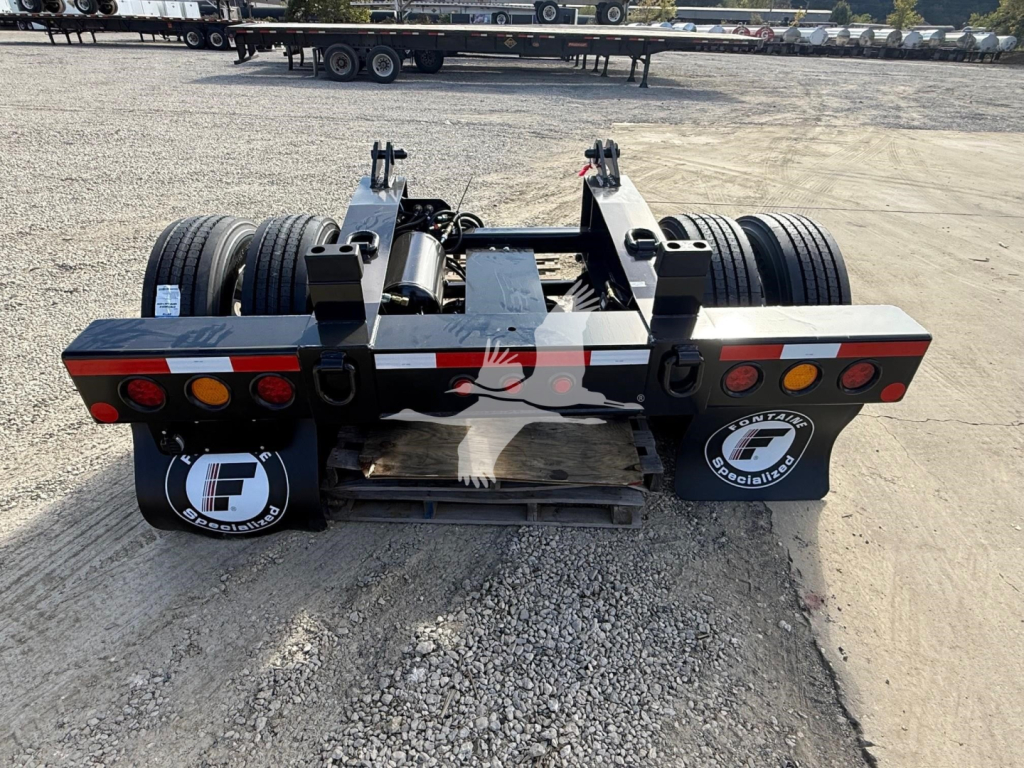
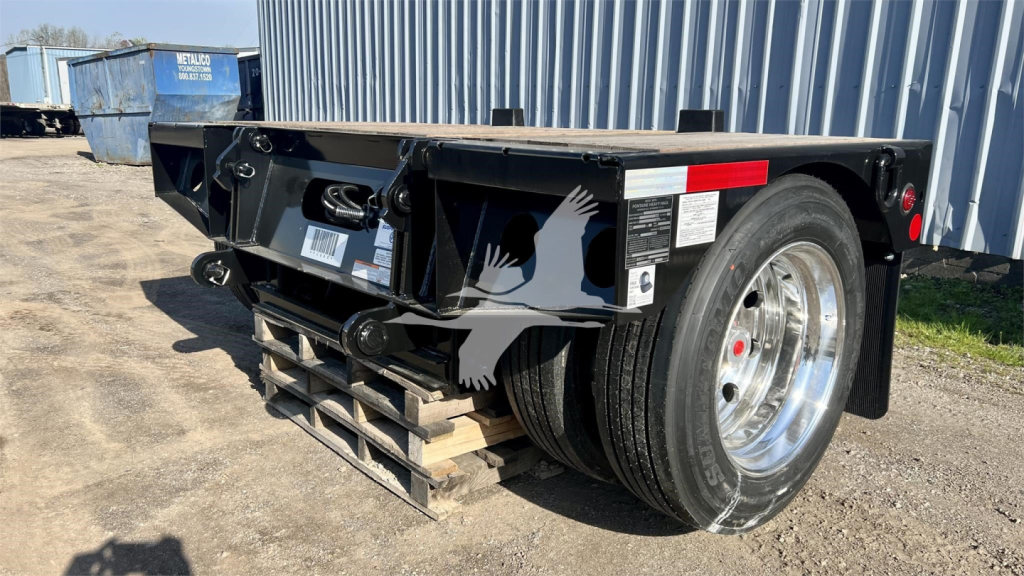
Suspension and axle layout deserve close review before comparing listings. Three-axle air ride setups are common in this class, often with lift capability on front or rear axles and manual dump valves for loading and ride height control. Tire size, axle spacing, and suspension setting affect both loaded behavior and permit strategy. Fontaine trailers are frequently spec'd to accept rear flips, flip boxes, or equalizer spreaders, which is important if the work includes heavier concentrated loads or state routes that require a different footprint. Buyers should also compare kingpin setting, swing radius, crossmember spacing, hammer plate reinforcement, and whether the trailer has full-width load-bearing wheel covers, tool trays, or a sloped approach at the front of the deck.
For buyers sorting through 2027 Fontaine lowboy trailers for sale, the right spec is usually the one that fits the freight mix 80 percent of the time without overcomplicating the other 20 percent. A contractor hauling mixed yellow iron may prioritize a hydraulic detachable neck, double-hinged wood-filled ramps, and abundant tie-down points. A heavier haul operation may focus on modular capability, compatibility with 60/90 rear flips, lower loaded deck height, and a frame designed around high-capacity axle group options. Fontaine has long been a recognized name in heavy haul, and the best listing fit will come from matching ton rating in the well, deck dimensions, neck style, and attachment compatibility to the permits, machines, and routes the trailer will actually see.
Frequently Asked Questions about 2027 Fontaine Lowboy Trailers in Pennsylvania
What is the main advantage of a Fontaine lowboy trailer?
The main advantage is low loaded deck height combined with heavy concentrated load capability. That combination helps move taller equipment while staying within legal height limits and gives the trailer the structure needed for dozers, excavators, rollers, and similar machinery. Fontaine lowboys are also commonly spec'd with detachable goosenecks, air ride suspensions, and attachment compatibility for flip axles or spreaders, which adds flexibility for changing hauling demands.
How do I choose between a fixed lowboy and a modular lowboy?
A fixed lowboy is often the simpler choice for buyers hauling the same general size equipment every day and wanting fewer connection points and less setup complexity. A modular lowboy makes more sense when loads vary widely and the trailer may need to run with detachable deck sections, rear flips, or other axle group changes. If the operation regularly chases heavier permits or specialized freight, modular capability can be a major advantage.
Why does deck height matter so much on a lowboy trailer?
Deck height directly affects legal carrying height and equipment compatibility. A lower main deck gives more room to haul tall machines without routing restrictions or special height permits. It also influences loading angle and machine stability on the deck. Buyers comparing Fontaine lowboys should look closely at loaded main deck height, low boom well design, and whether the deck shape fits the undercarriage and ground clearance of the equipment they plan to move.
What lowboy specs should buyers compare first?
Start with ton rating in a stated load length, deck length, main deck height, neck type, and axle configuration. After that, look at suspension type, axle spacing, lift axle setup, kingpin setting, crossmember spacing, and tie-down equipment such as D-rings and outriggers. If future flexibility matters, confirm compatibility with neck extensions, flip axles, flip boxes, and spreader options. Those details affect not just what the trailer can haul, but how easily it can be permitted and adapted later.
Are hydraulic detachable goosenecks worth it on a lowboy?
For most equipment haulers, yes. A hydraulic detachable gooseneck allows machines to be driven onto the deck from the front, which is often faster and more controlled than rear loading. It is especially useful for tracked equipment and machines with limited ramp clearance. Buyers should still compare whether the neck is ground-bearing or non-ground-bearing, the loaded fifth wheel height range, and how the neck design fits their tractors and loading environment.