
2027 Fontaine Lowboy Trailers For Sale
Shop 2027 Fontaine lowboy trailers for heavy equipment hauling. Compare hydraulic detach, deck height, axle setups, and payload specs.
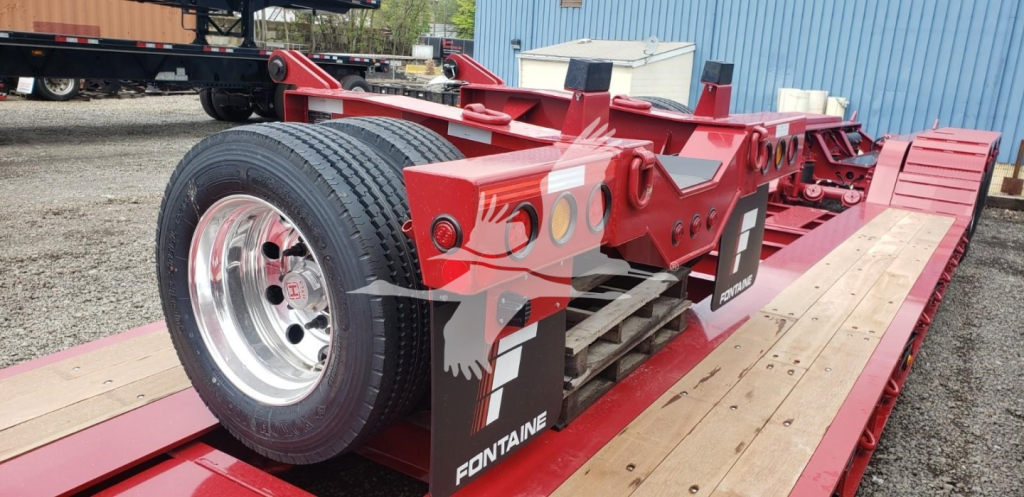
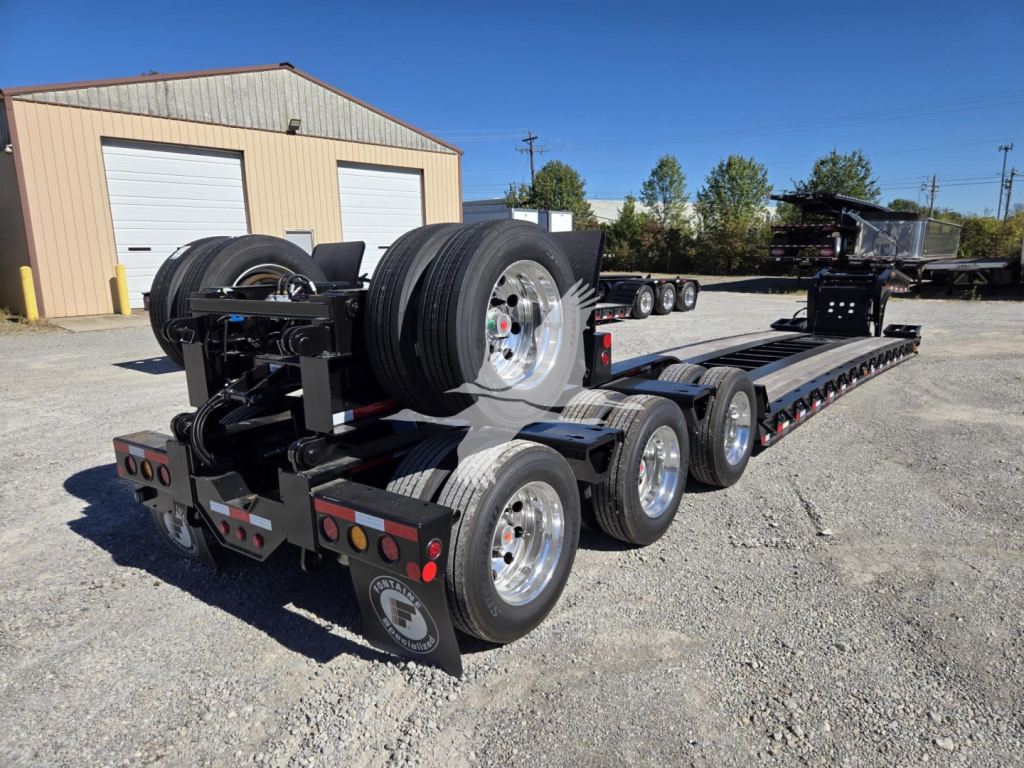
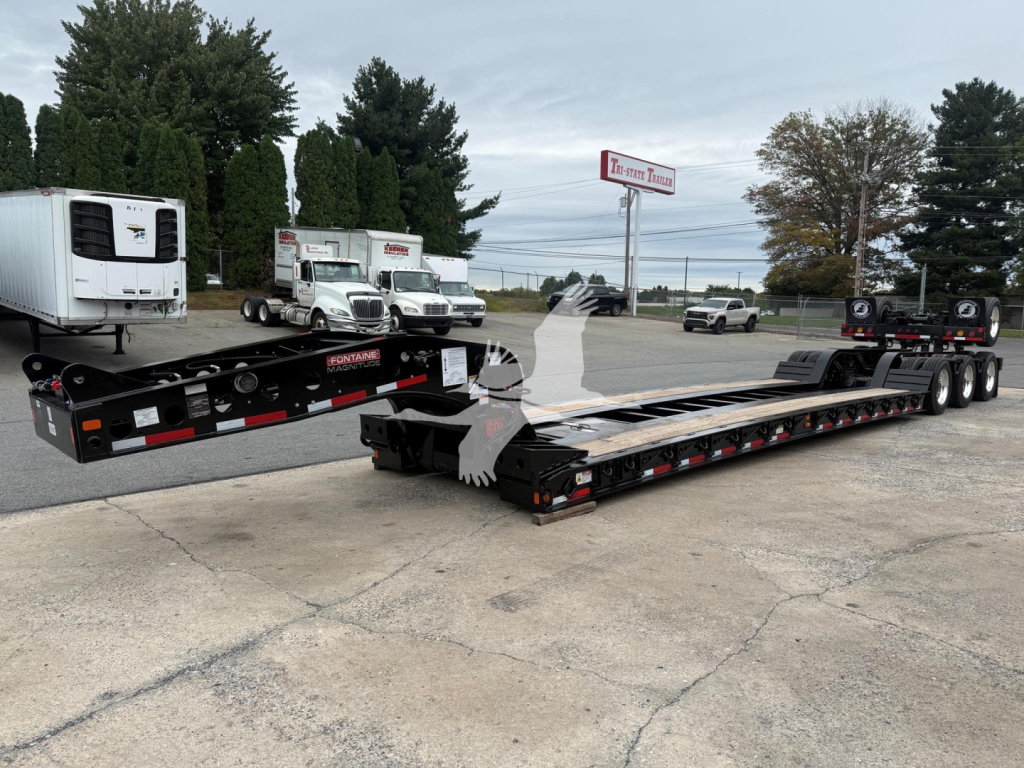
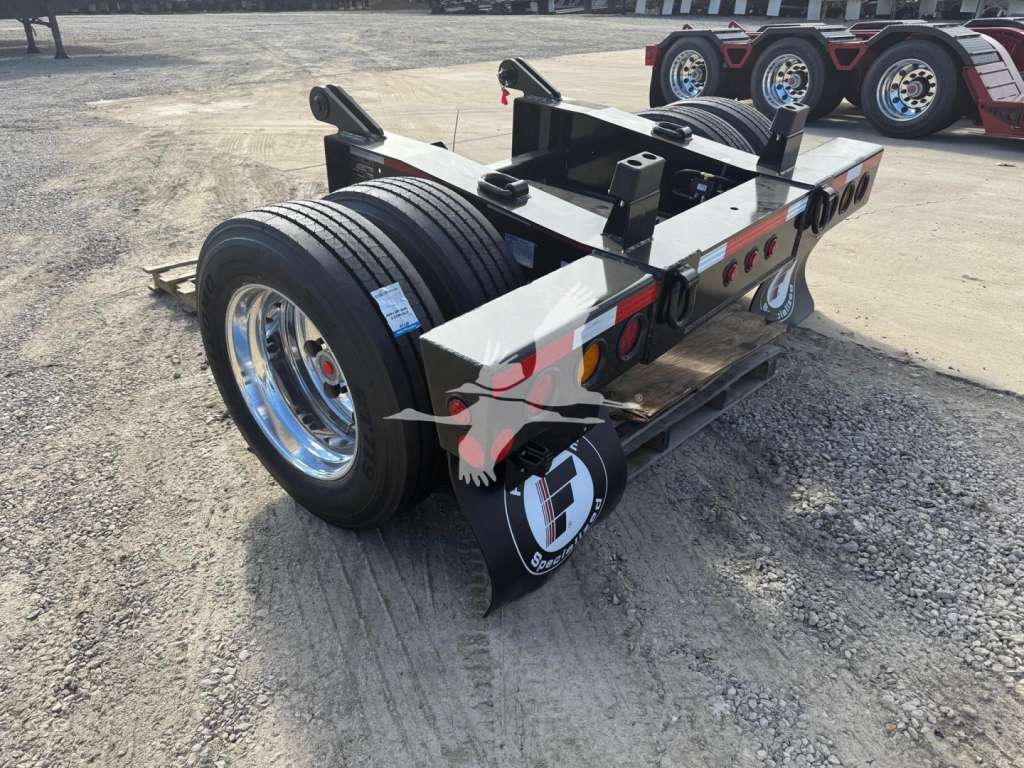
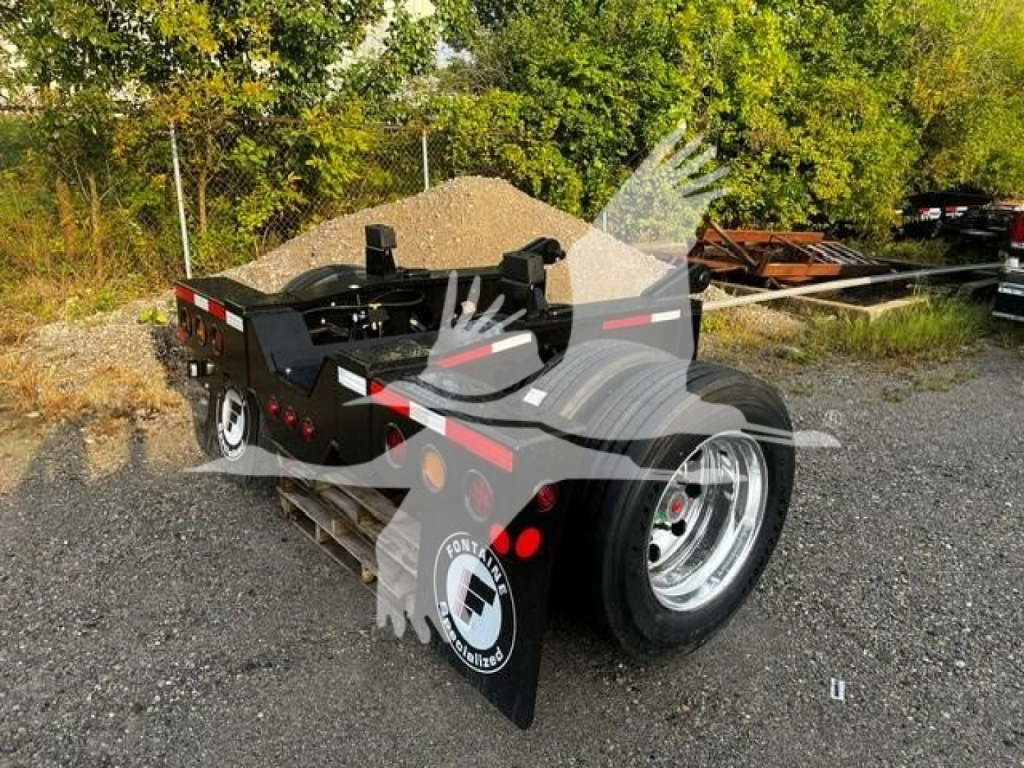
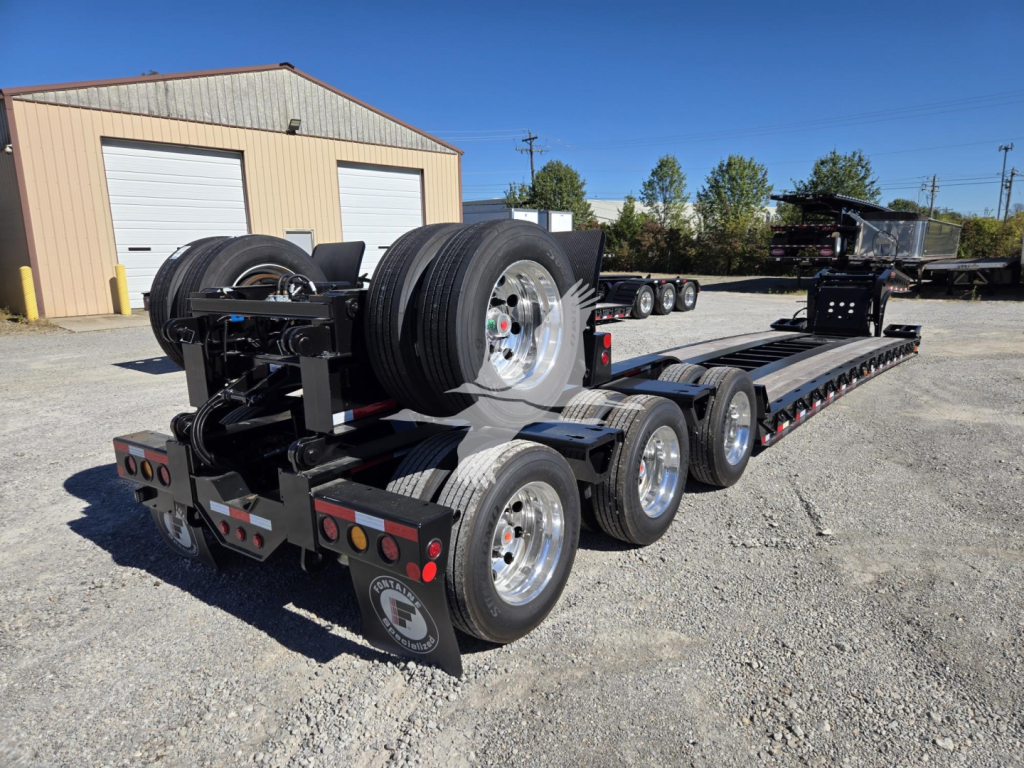
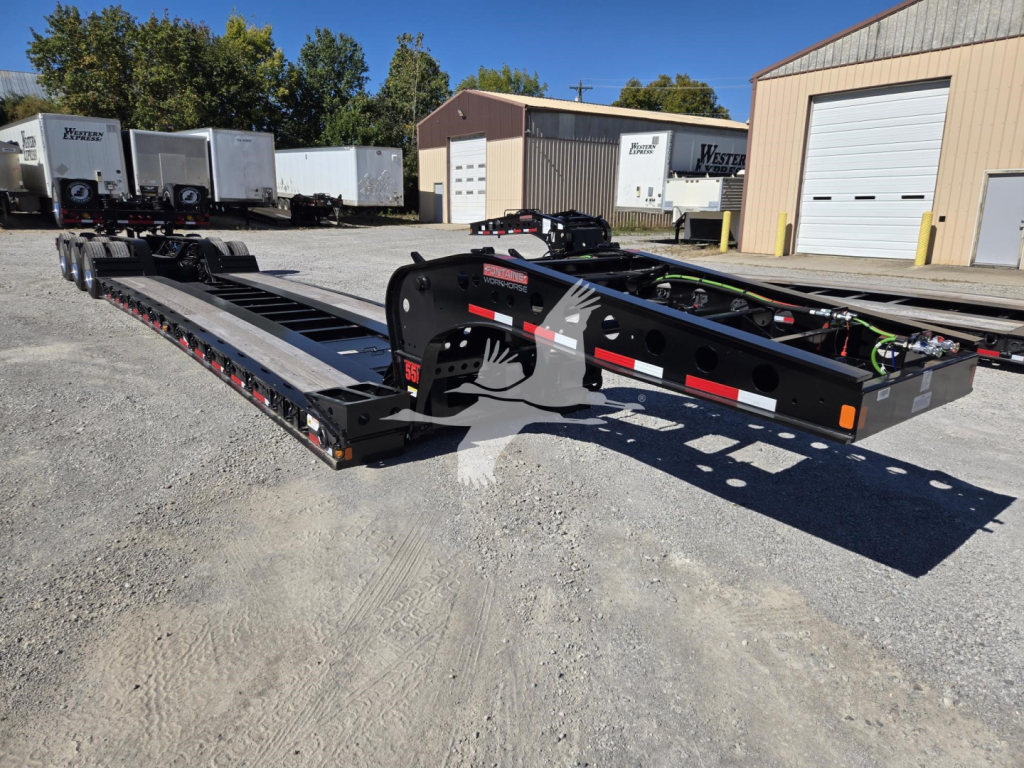
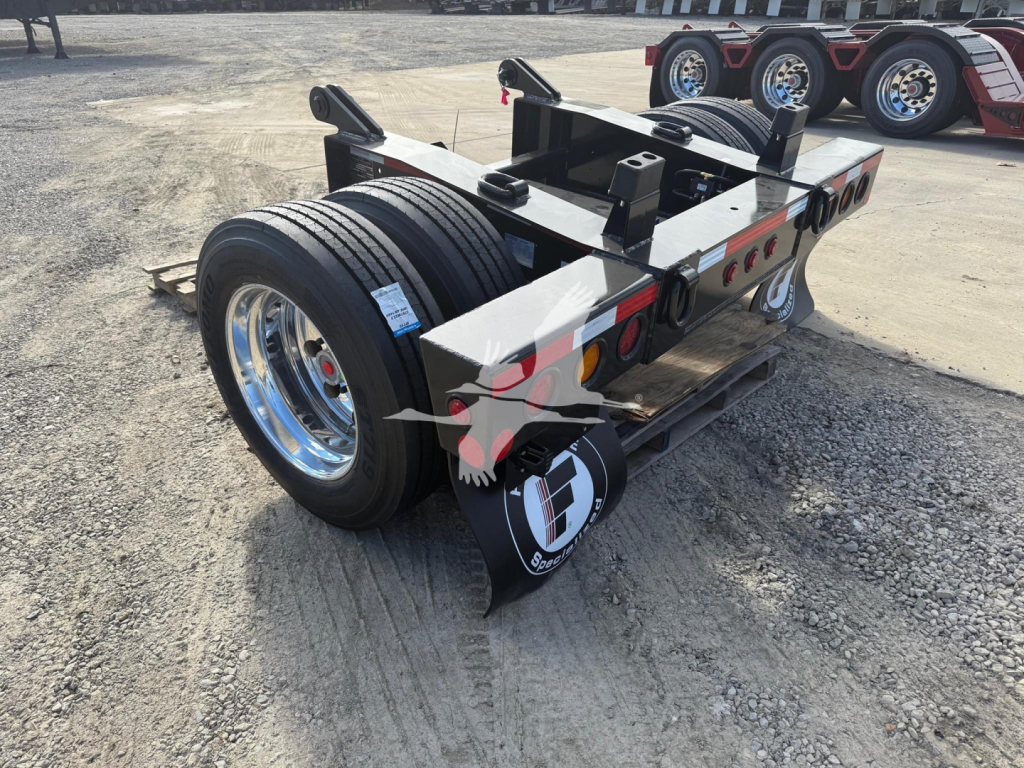
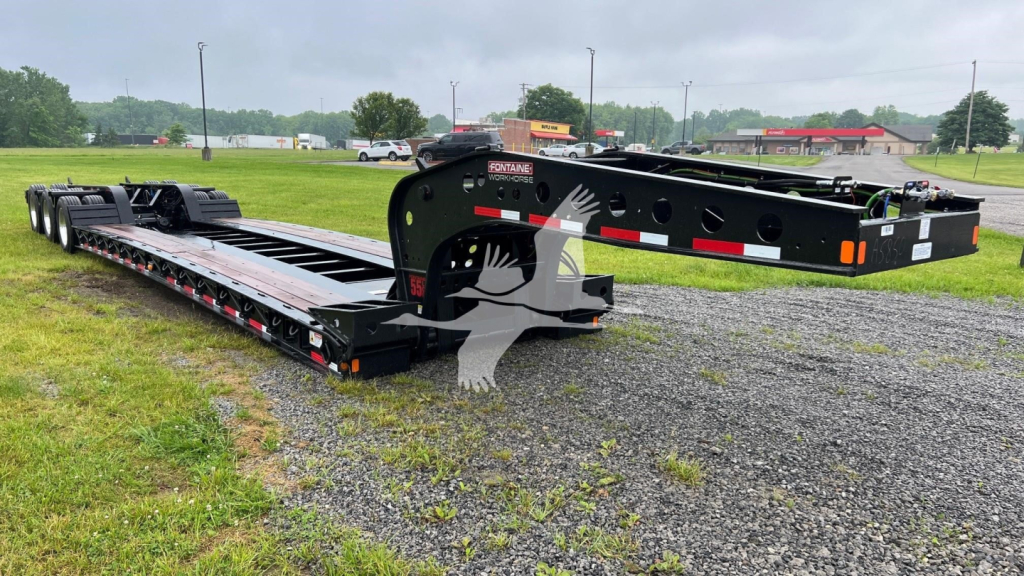
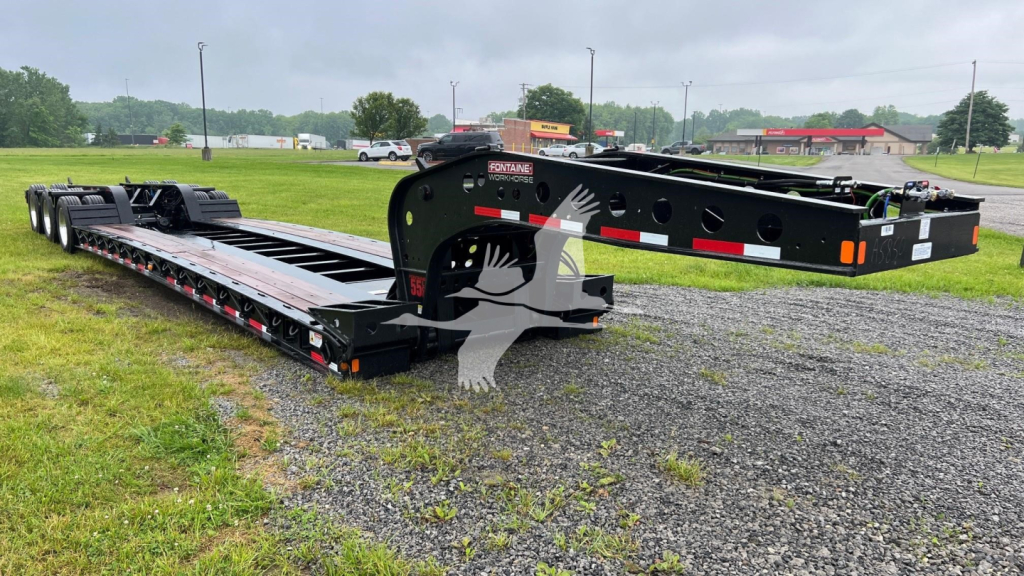
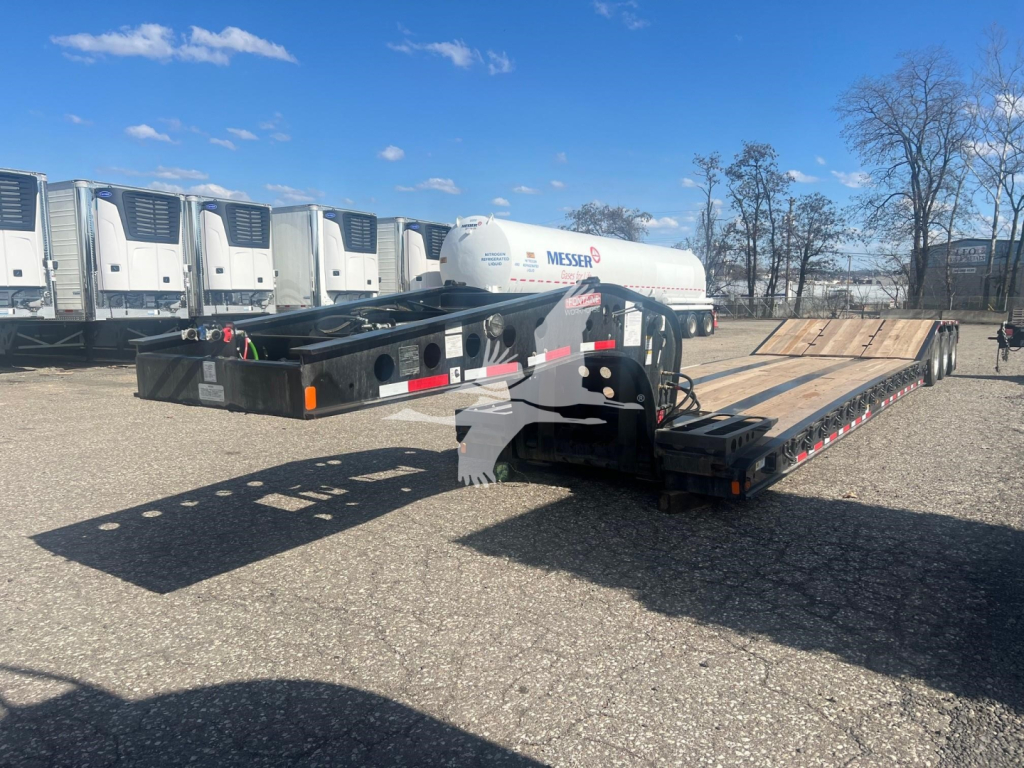
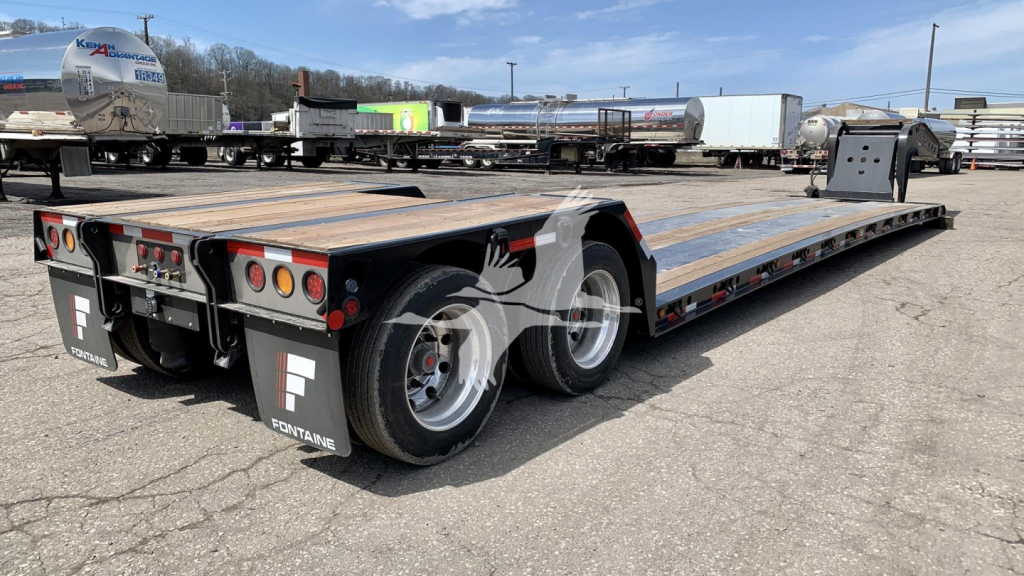
Showing 1 to 28 of 45 results
Selling a 2027 fontaine lowboy trailer? List your 2027 fontaine lowboy trailer for sale and reach thousands of commercial buyers.
2027 Fontaine Lowboy Trailers
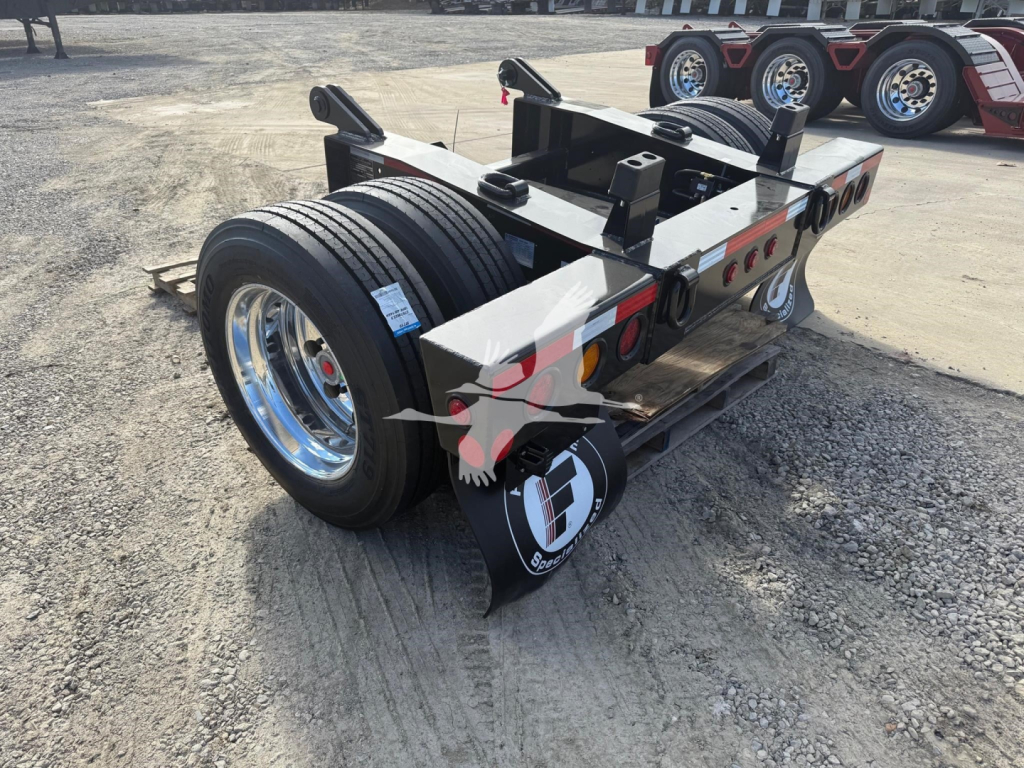
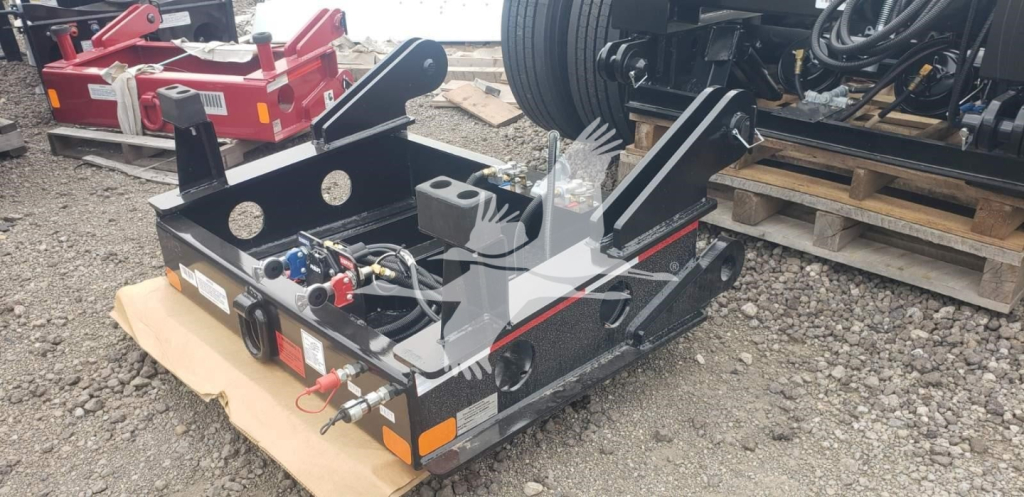
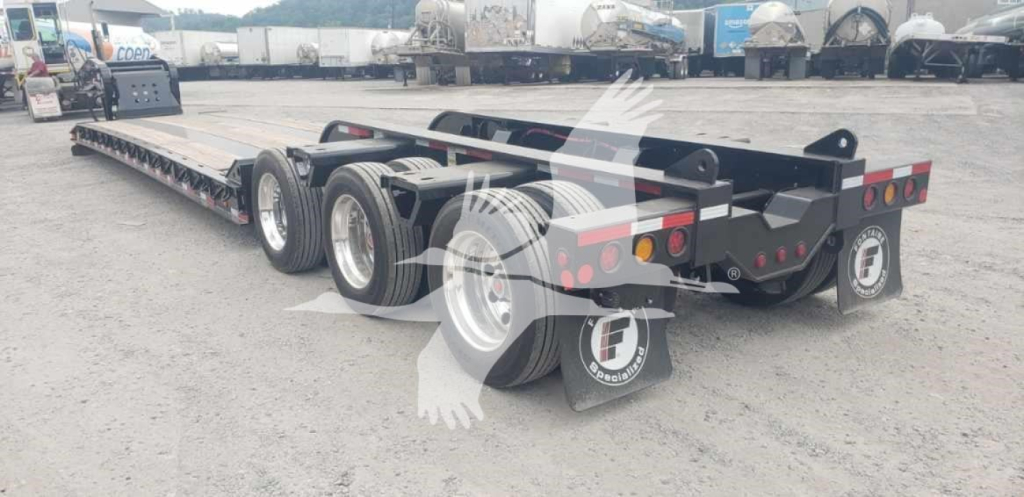
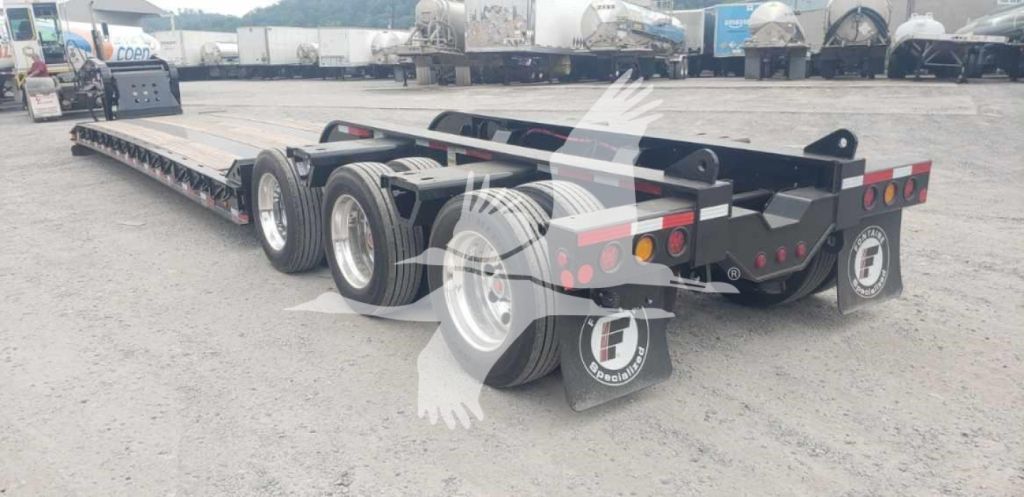
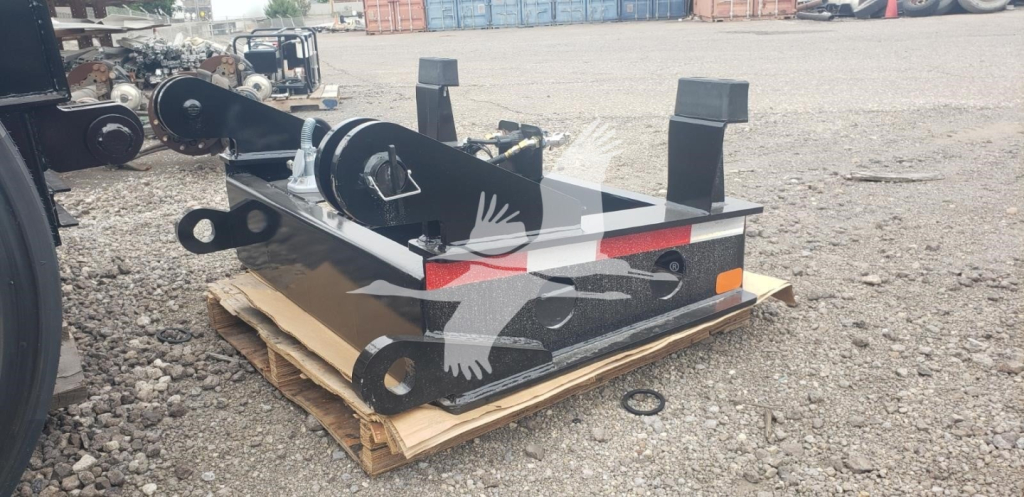
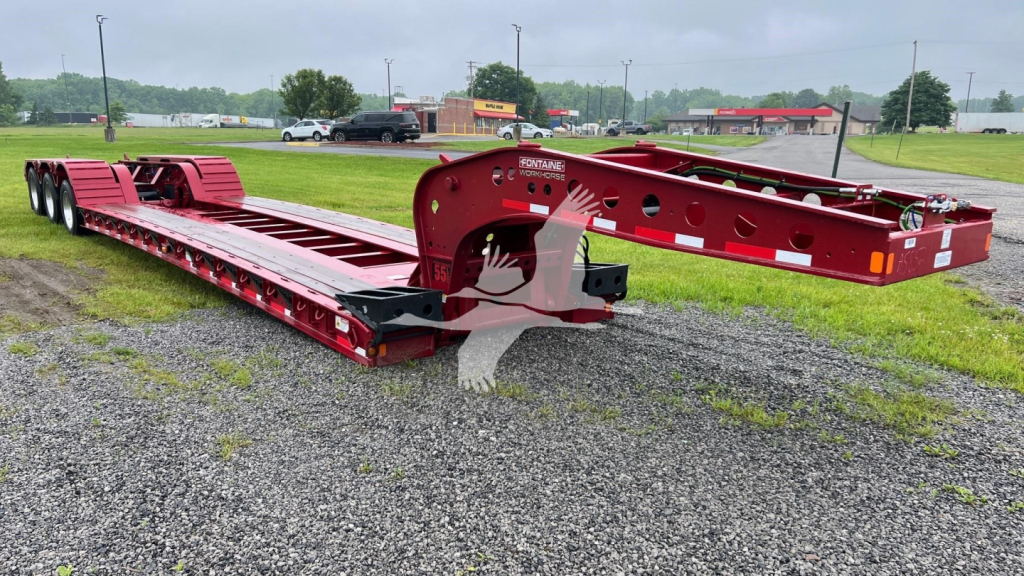
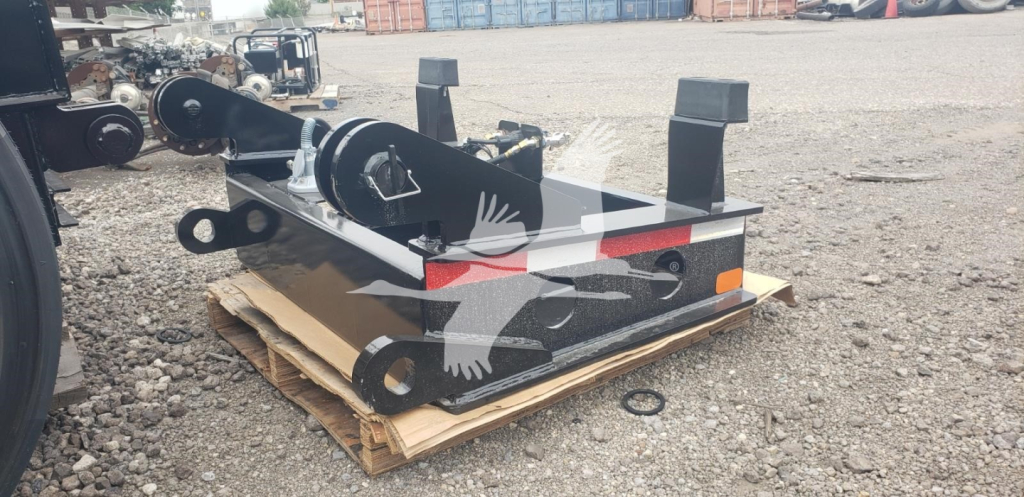
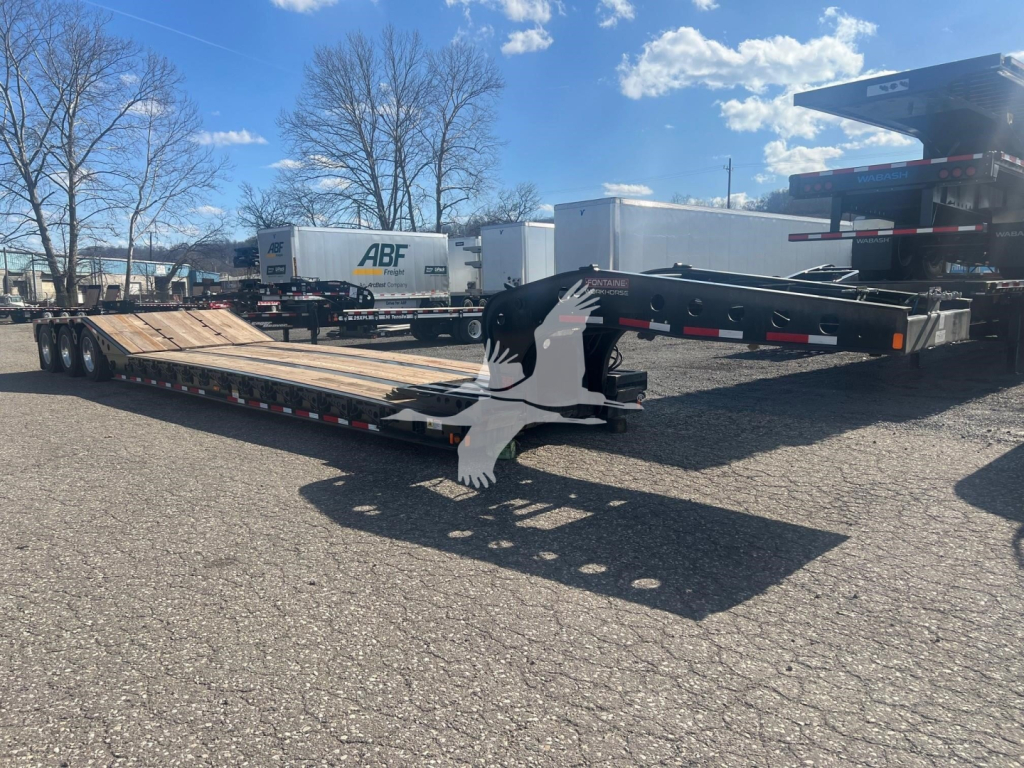
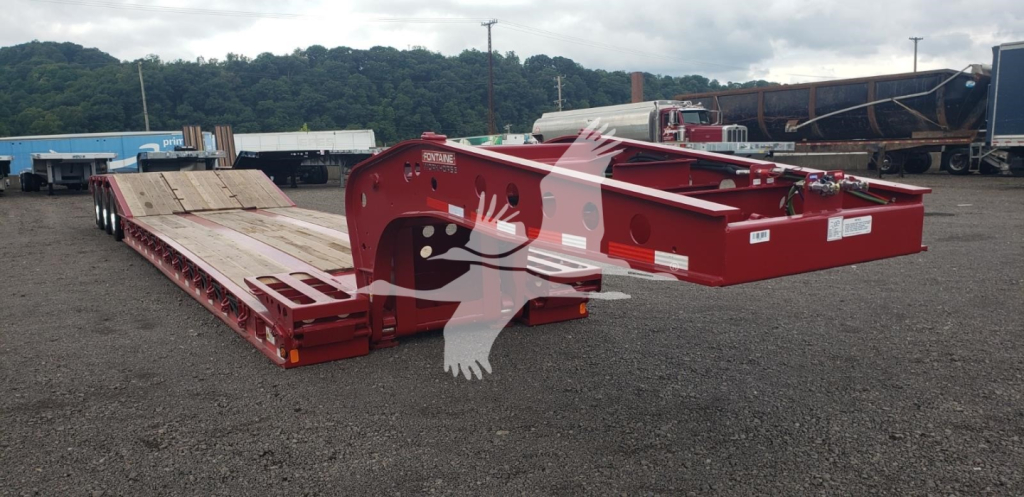
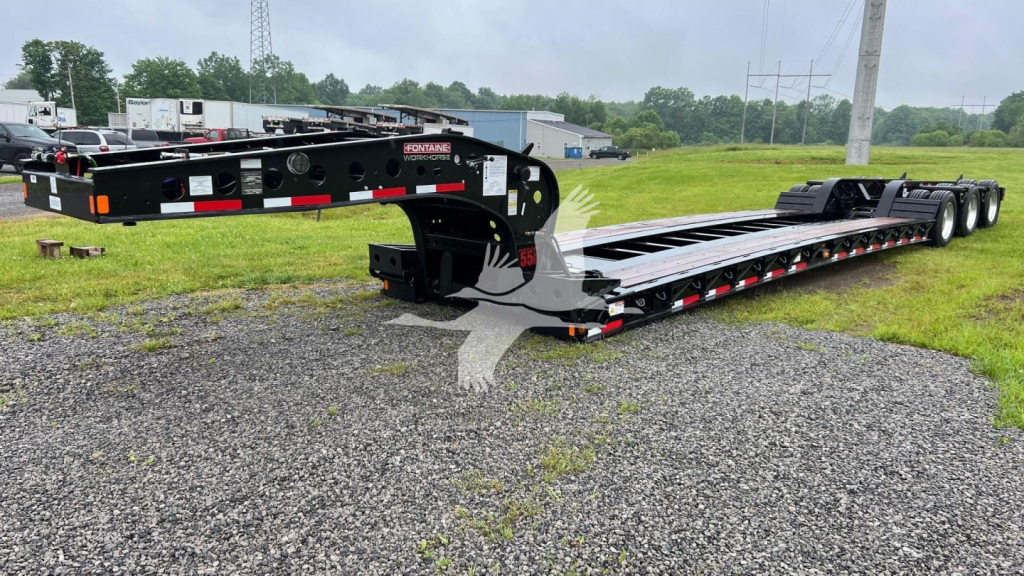
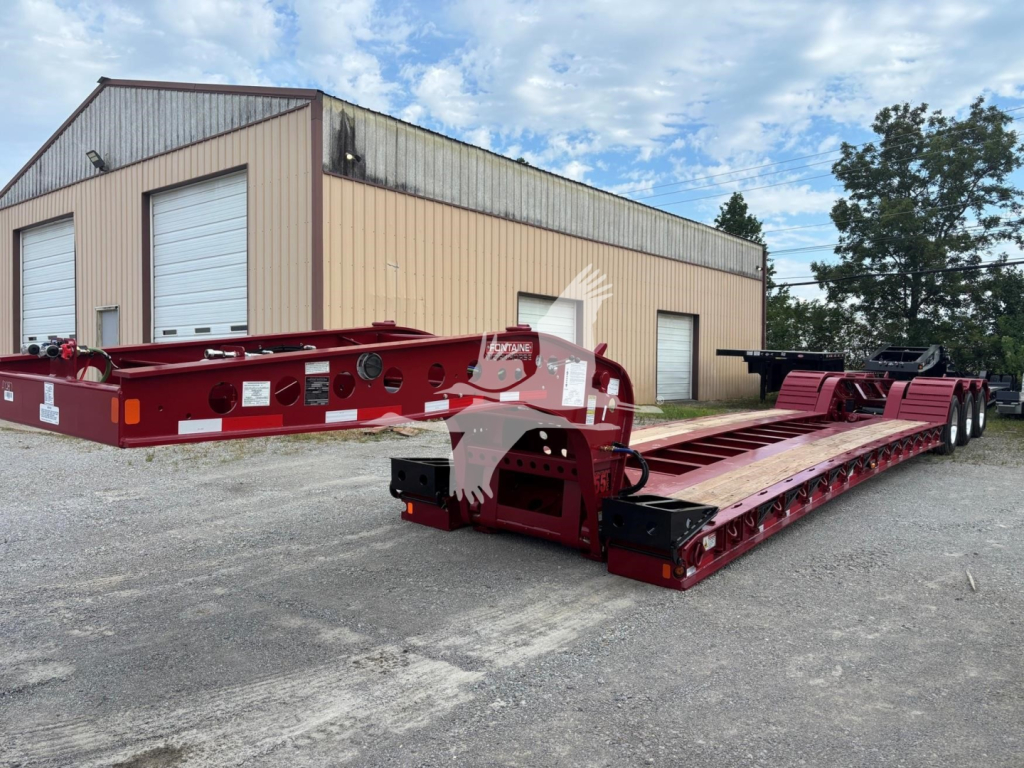
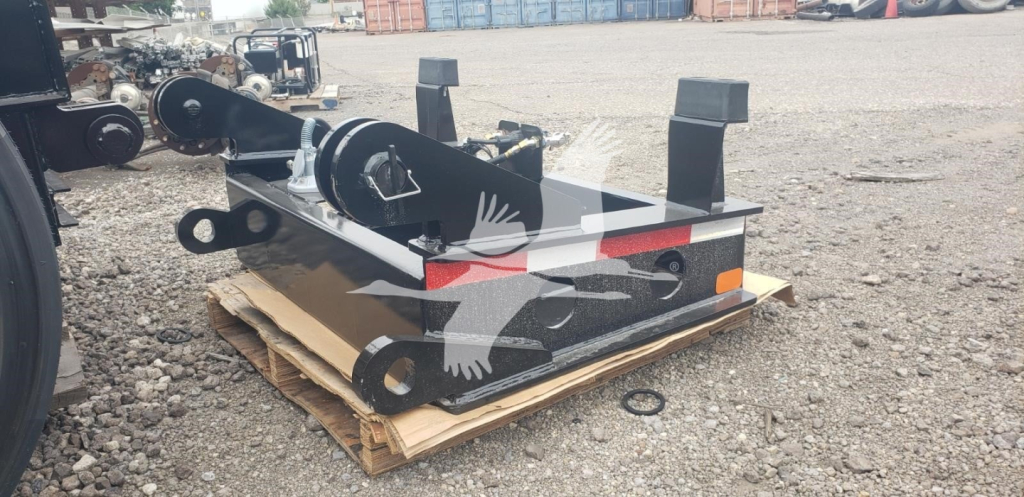
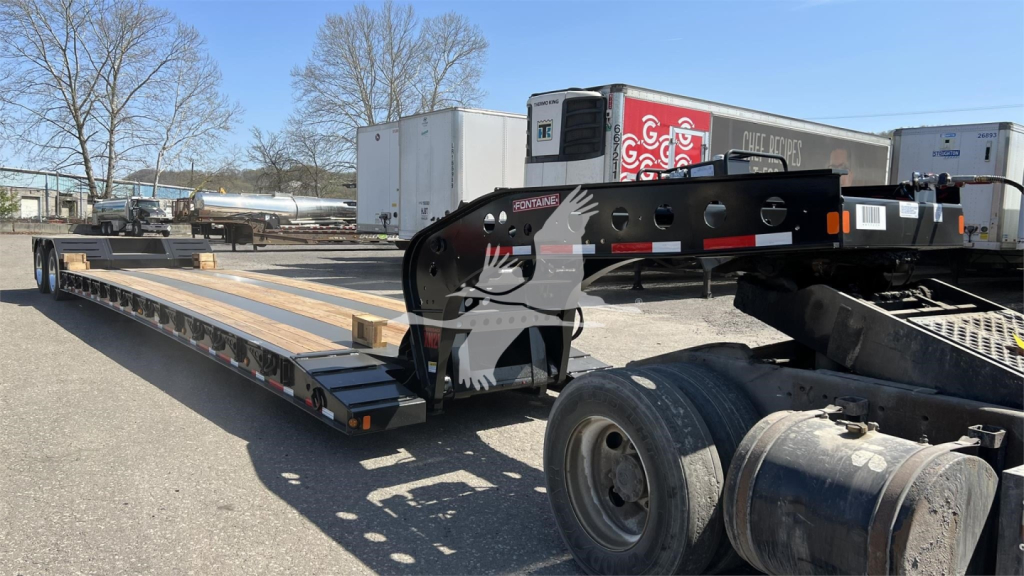
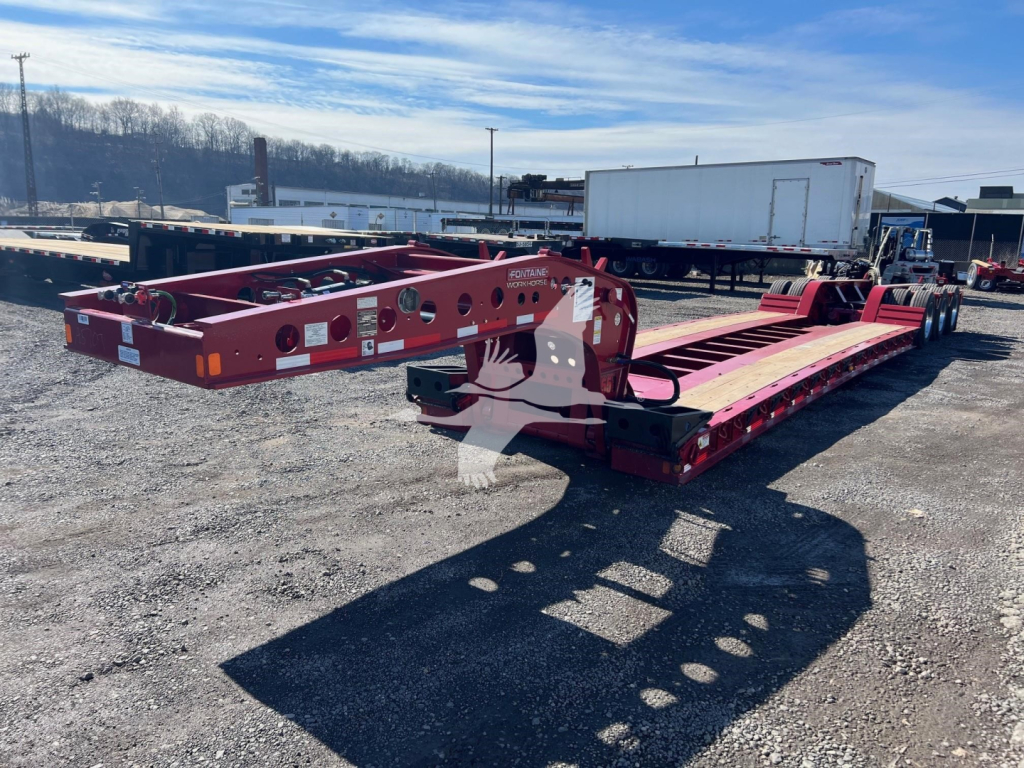
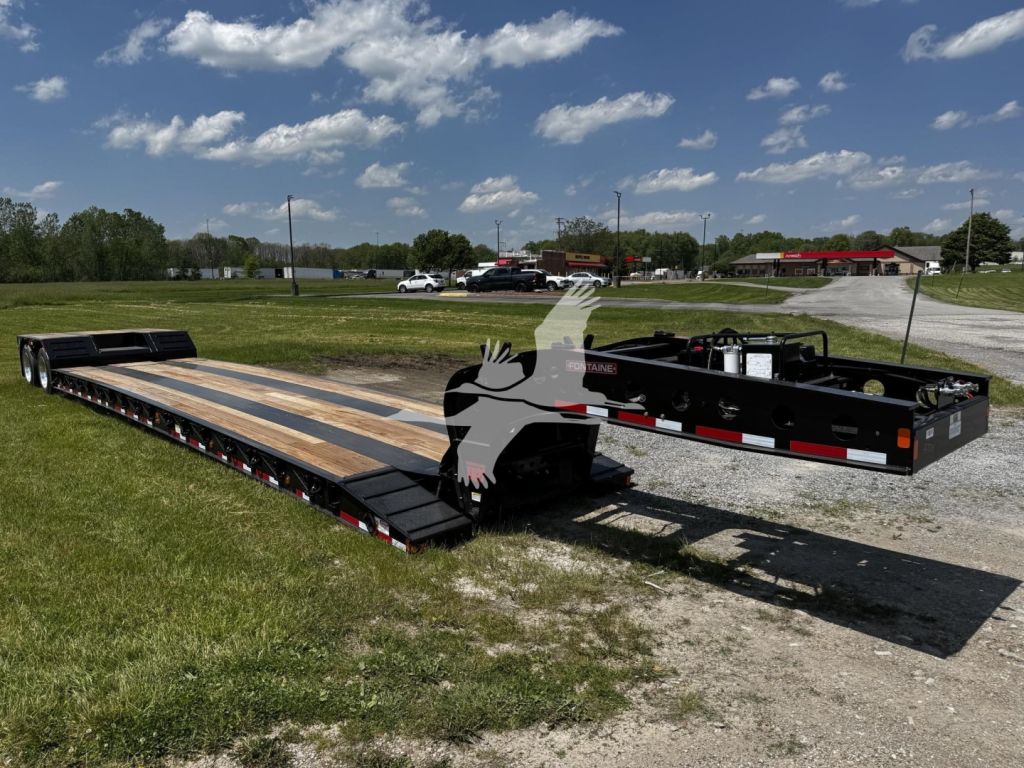
A close look at deck layout matters more than brand decals on this class of trailer. Fontaine lowboys commonly show up with main deck lengths in the mid-20-foot range, top decks around 11 to 12 feet, and rear decks that support different loading and balance needs. Hydraulic detachable goosenecks are common, including non-ground-bearing necks and pony motor setups that let the trailer be detached without depending entirely on tractor hydraulics. Buyers should compare rated capacity in the well, deck length at full rating, ground clearance, and axle configuration. A 40-ton trailer and a 55-ton tri-axle may look similar in photos, but the difference in beam design, concentrated load handling, and permit strategy is significant.
Fontaine has a strong reputation in specialized hauling because the details are usually work-focused. Features often seen on these lowboys include Apitong flooring, removable swing-out outriggers, D-rings, boom wells or bucket troughs, air ride suspension, ride height control, lift axles or flip axle compatibility, and aluminum outer wheels to trim tare weight. Roller paver and low-clearance designs use tapered beams and gentle load angles to help prevent dragging on loading. If your freight includes paving equipment, compactors, or machines with long overhangs, the load angle and deck transition can be just as important as the gross rating.
For buyers comparing 2027 Fontaine lowboy trailers for sale, the smart approach is to match the trailer to the heaviest machine, the longest machine, and the route conditions you deal with most often. Check axle spacing, kingpin setting, loaded fifth wheel height, suspension type, and whether the trailer is set up to accept a flip axle or booster if your operation grows into heavier permitted loads. Also pay attention to empty weight, because every pound of trailer tare affects payload and permit flexibility. A well-spec'd Fontaine lowboy can serve as a daily equipment hauler or a more specialized heavy haul trailer, depending on neck style, deck design, and rear bogie configuration.
Frequently Asked Questions about 2027 Fontaine Lowboy Trailers
What is a Fontaine lowboy trailer used for?
A Fontaine lowboy trailer is used to haul heavy construction and paving equipment that requires a low deck height and a stronger concentrated load rating than a standard equipment trailer. Common freight includes excavators, bulldozers, pavers, rollers, loaders, and other machines that are tall, heavy, or have low ground clearance. The low profile helps manage legal height, and the detachable gooseneck design improves loading for tracked and wheeled equipment.
What should I compare first on a lowboy trailer: ton rating, deck length, or axle setup?
Start with the actual machine dimensions and axle weights you need to haul. Ton rating is important, but it only tells part of the story because the rating is usually tied to a specific well length and load distribution. Deck length determines whether the machine fits correctly, and axle setup affects bridge law compliance, maneuverability, and permit options. A buyer should compare all three together, then verify deck height, load angle, and tare weight before making a final decision.
Why do many Fontaine lowboys have a pony motor?
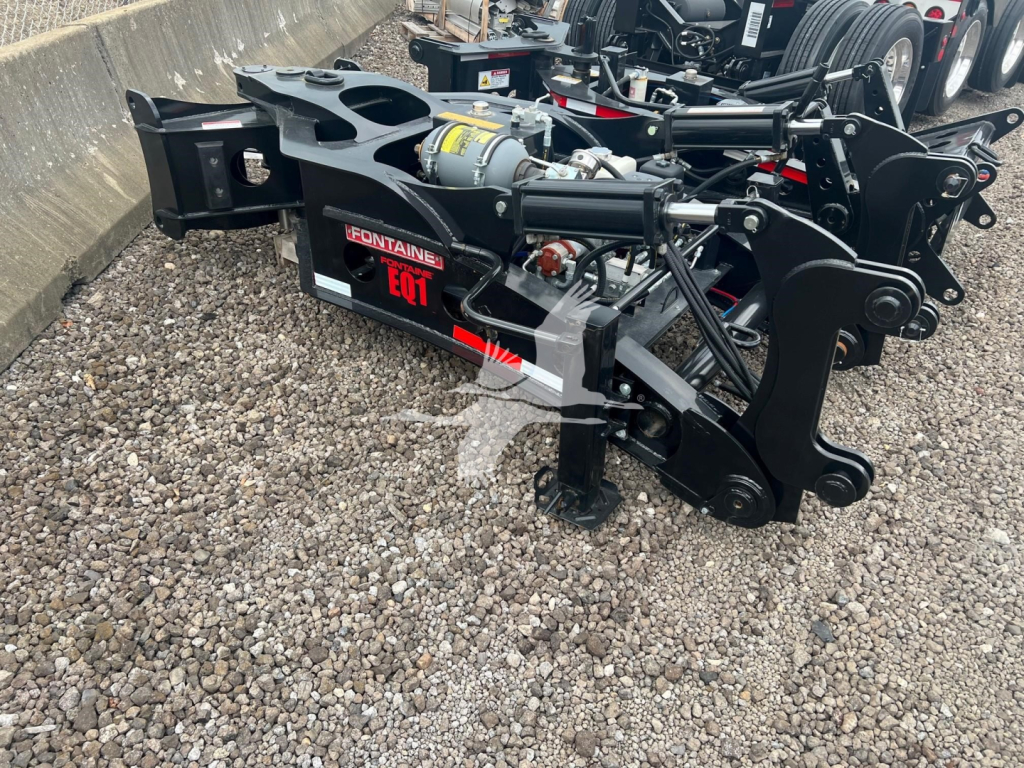
A pony motor powers the hydraulic detachable gooseneck system without relying completely on the truck's wet kit. That can simplify fleet compatibility when multiple tractors may pull the trailer or when a dedicated hydraulic setup is not available on every truck. It also gives the operator more flexibility in the field during detach and reattach procedures. For some operations, a pony motor can reduce downtime and make trailer assignment easier.
What is the advantage of a roller paver or low-clearance lowboy design?
A roller paver style lowboy is designed for equipment with limited ground clearance and long, low frames. These trailers often use tapered beams and gentler loading angles so equipment is less likely to bottom out during loading or unloading. That makes them a practical choice for asphalt rollers, pavers, and similar machines that can be difficult to load on a conventional lowboy with a steeper approach angle.
How important is trailer empty weight on a Fontaine lowboy?
Empty weight is very important because it directly affects legal payload, axle loading, and permit flexibility. Two lowboys with similar capacity ratings can have noticeably different tare weights depending on deck construction, axle count, outriggers, wheel materials, and options such as flip axle prep or boom troughs. A lighter trailer can improve payload margin, but buyers still need to balance tare weight against durability and the real-world demands of the freight they move.