
Dry Van Trailers For Sale
Dry van trailers for sale: compare floor ratings, door openings, wall construction, and new versus used inspection needs for US and Canadian freight.
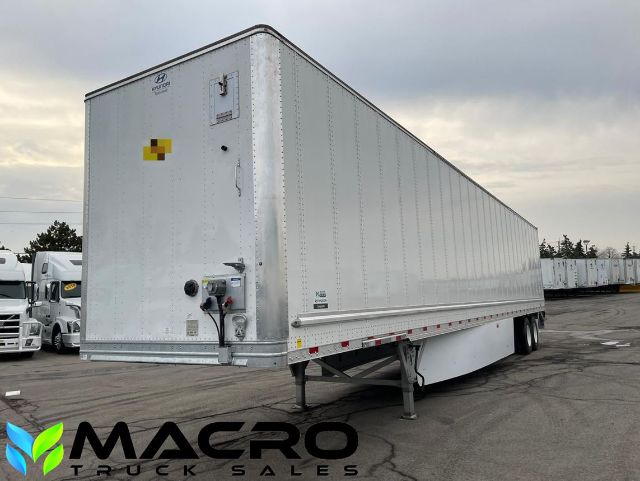
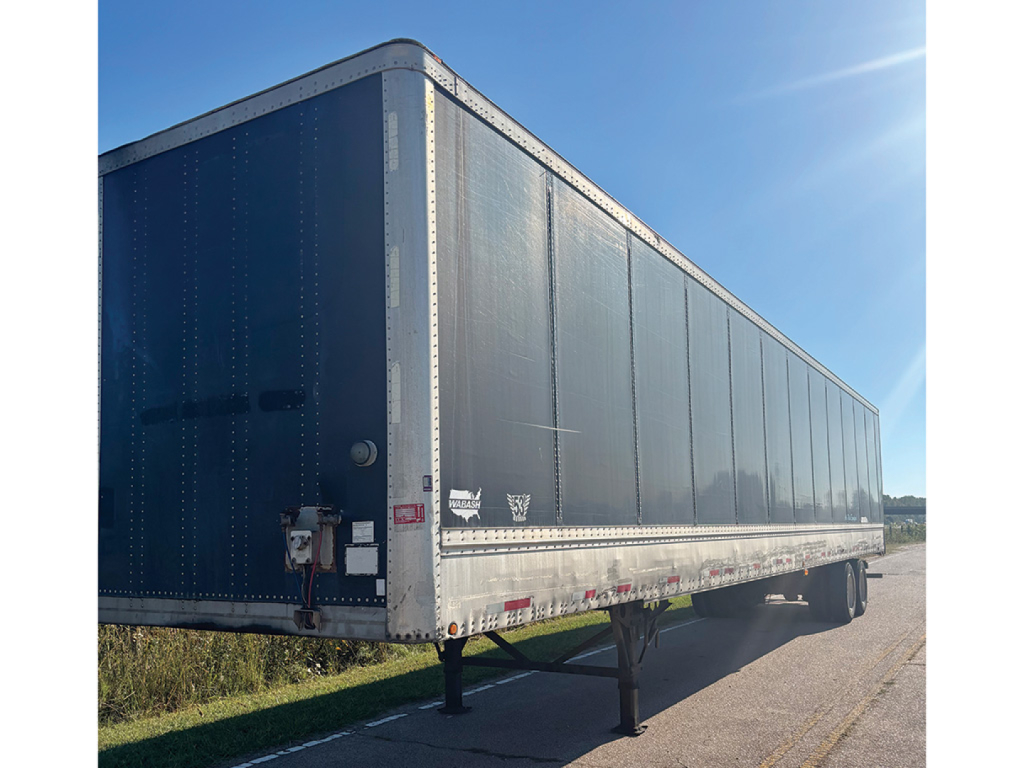
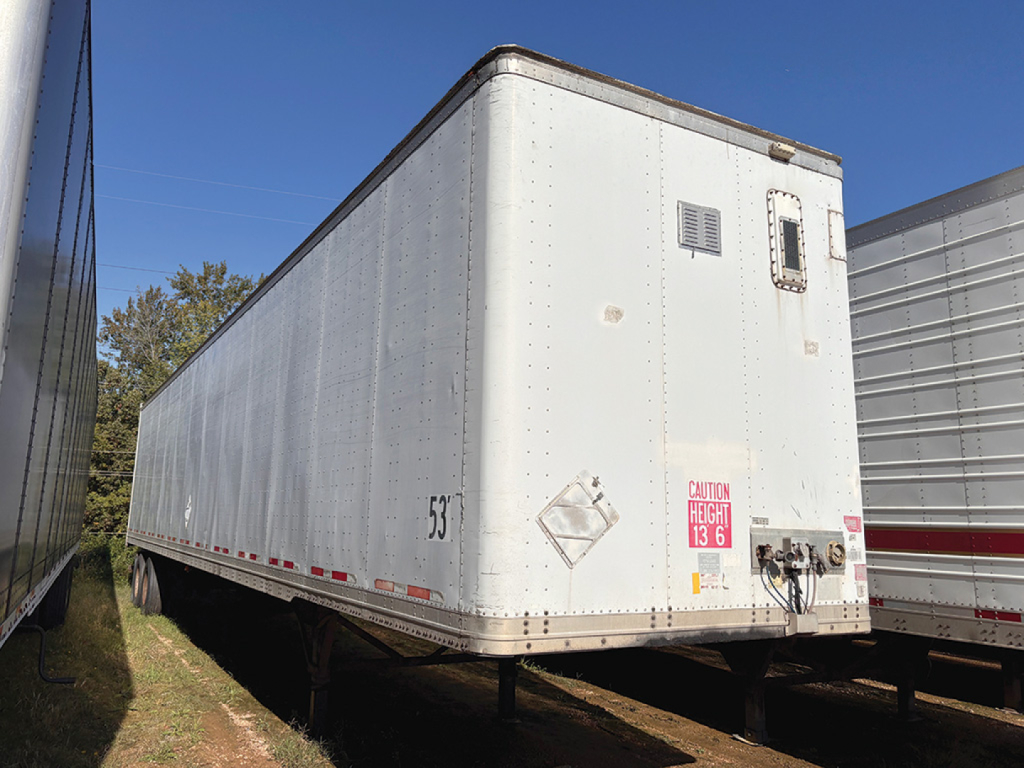
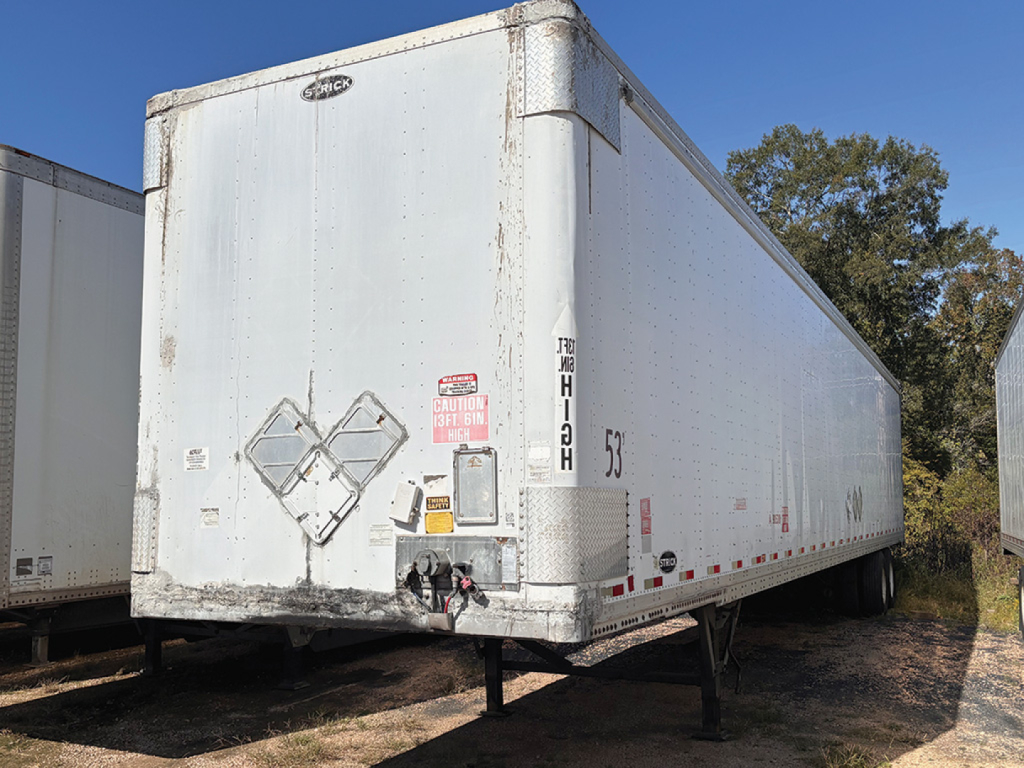
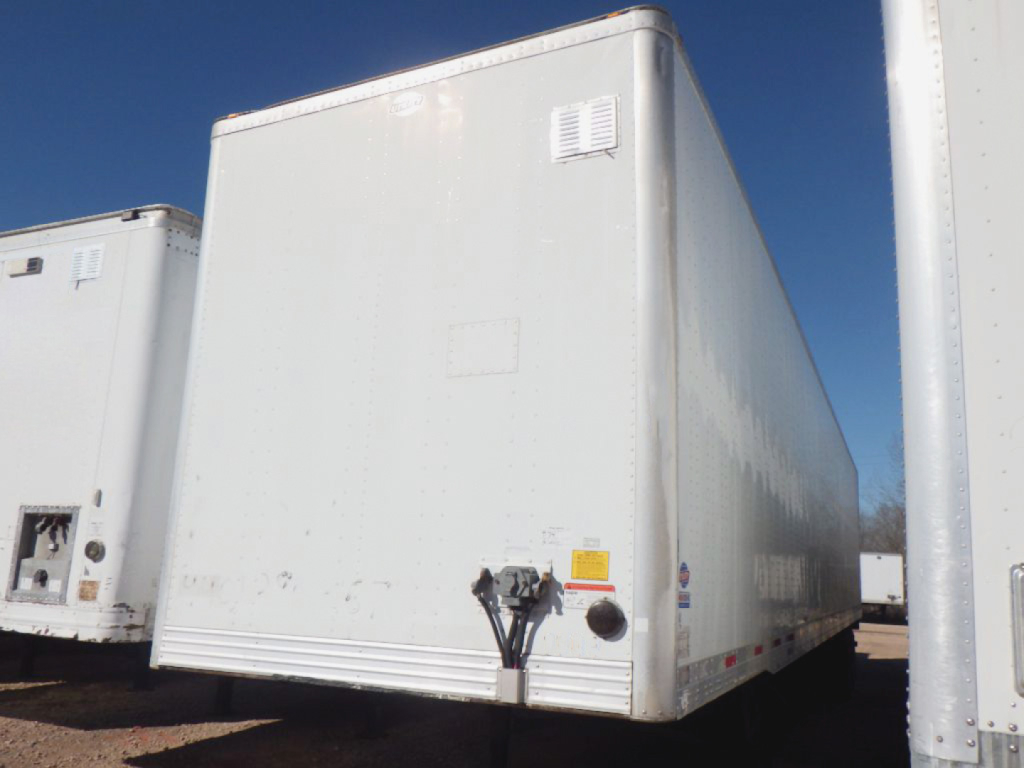
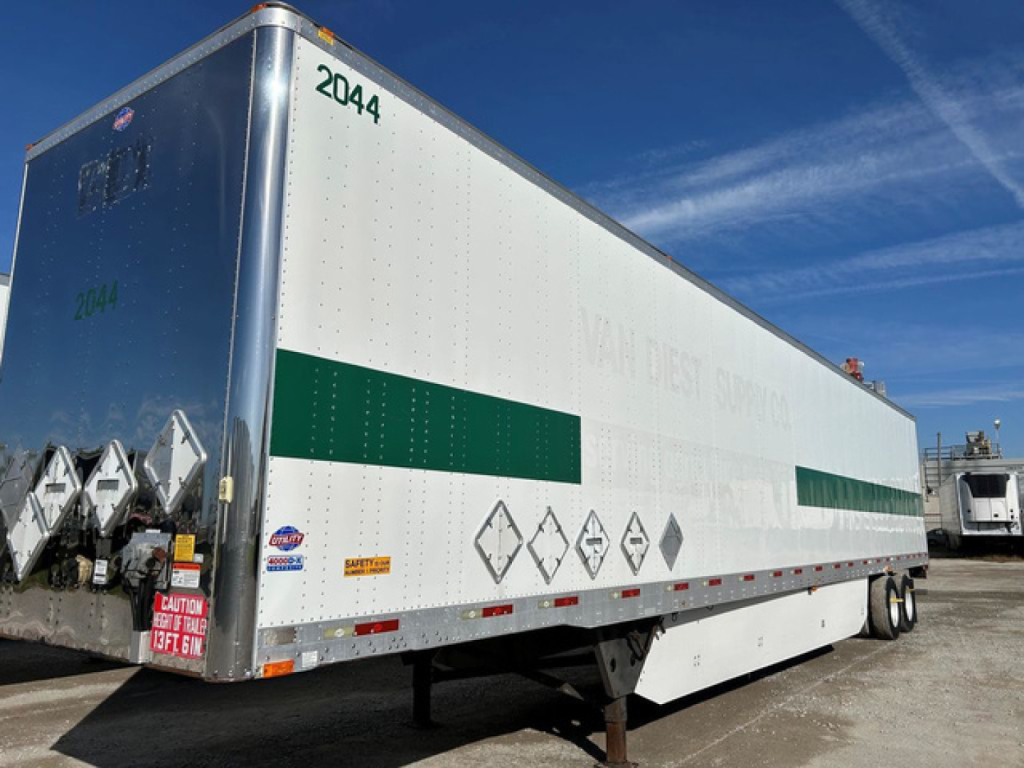
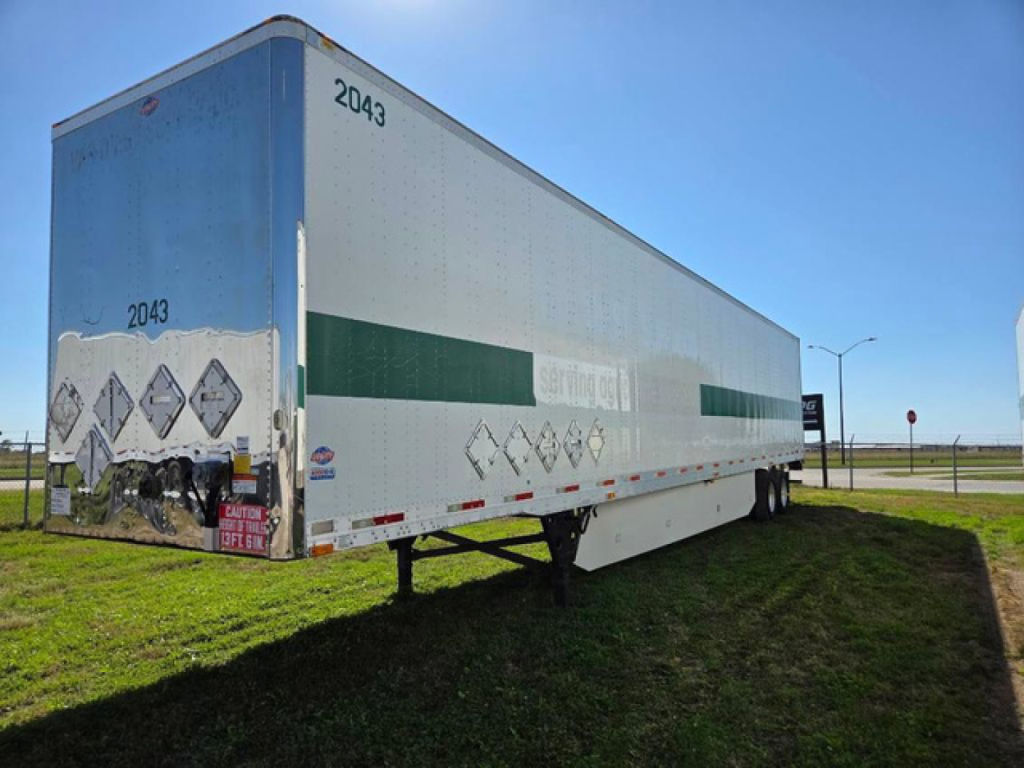
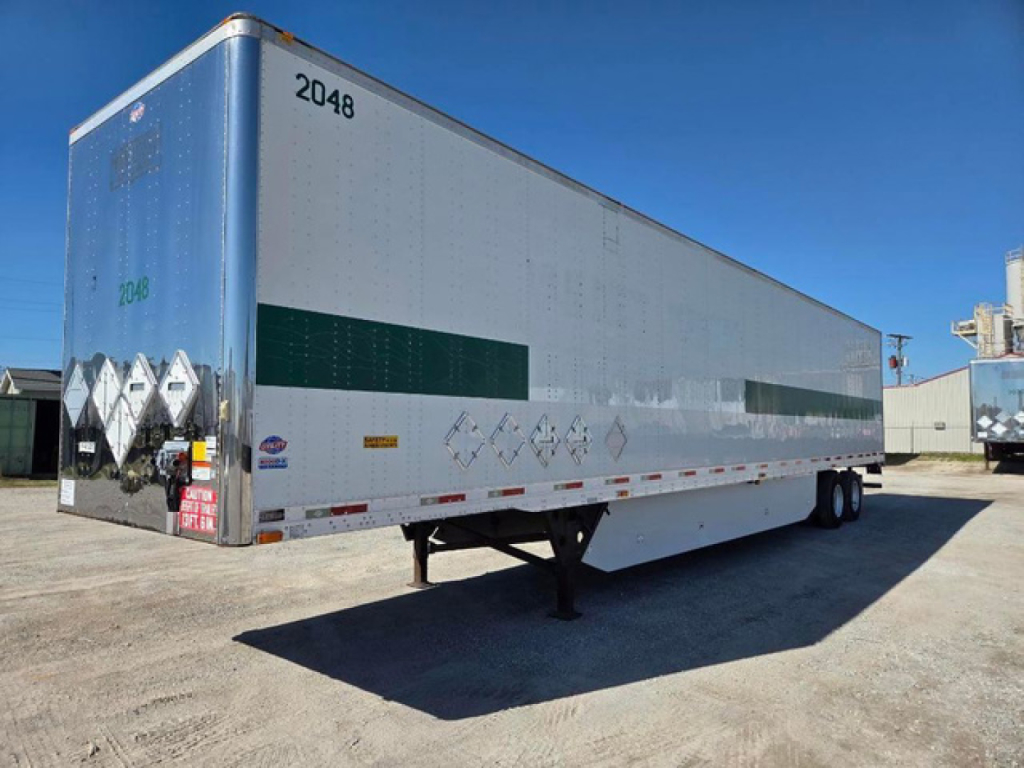
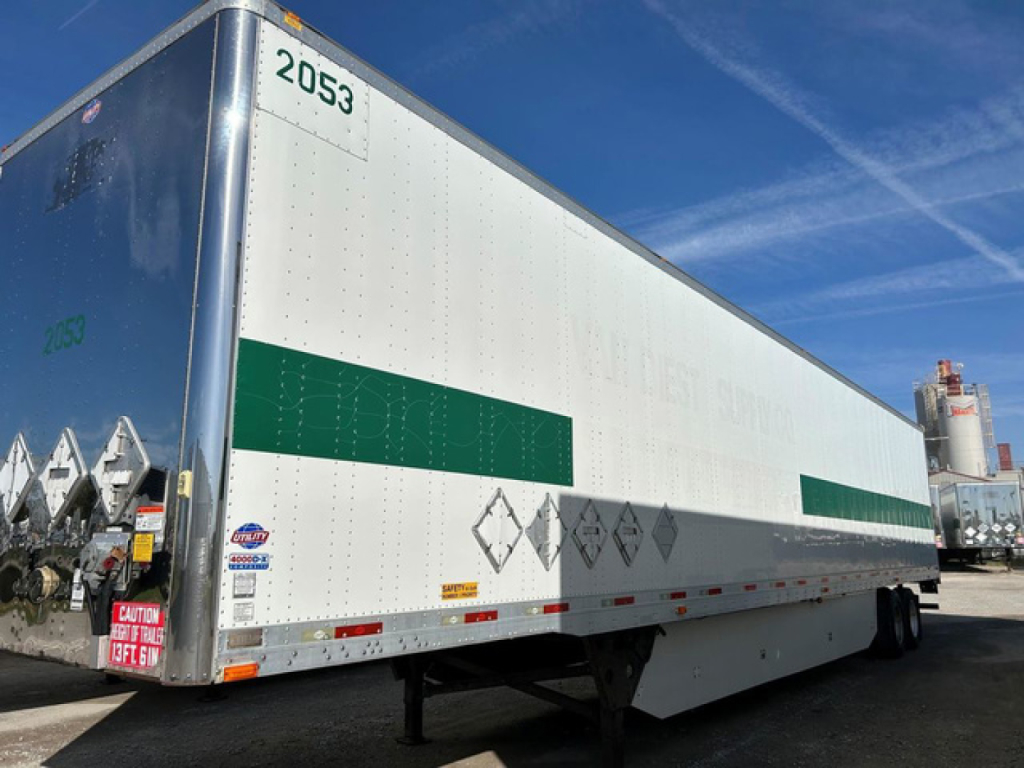
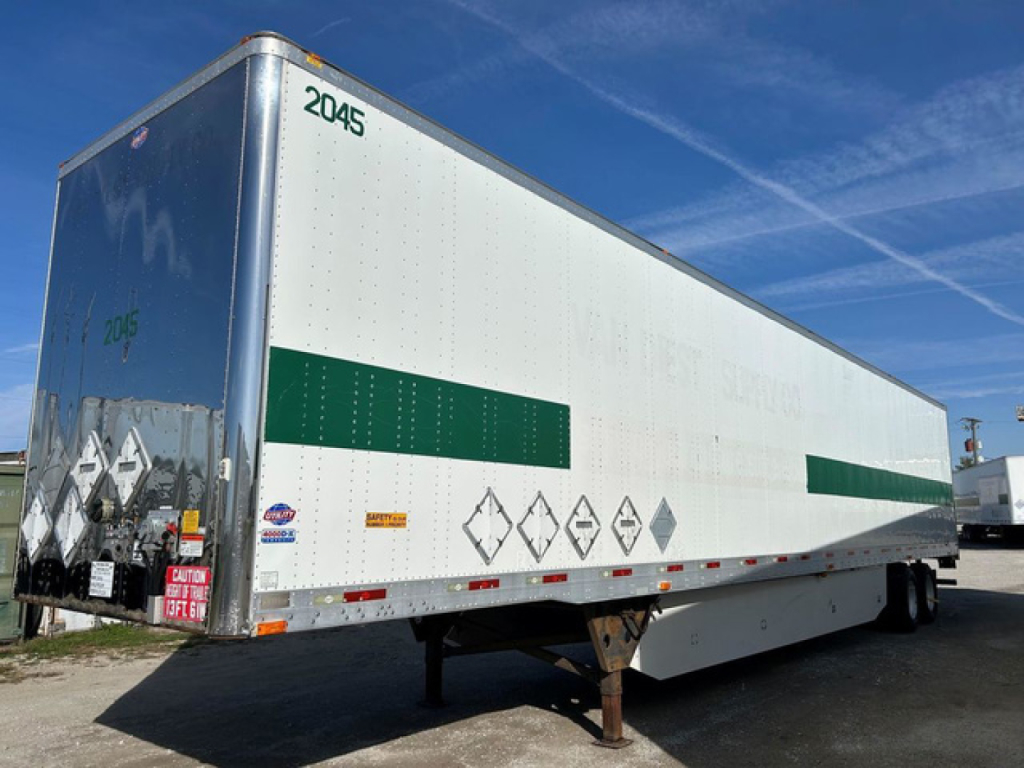
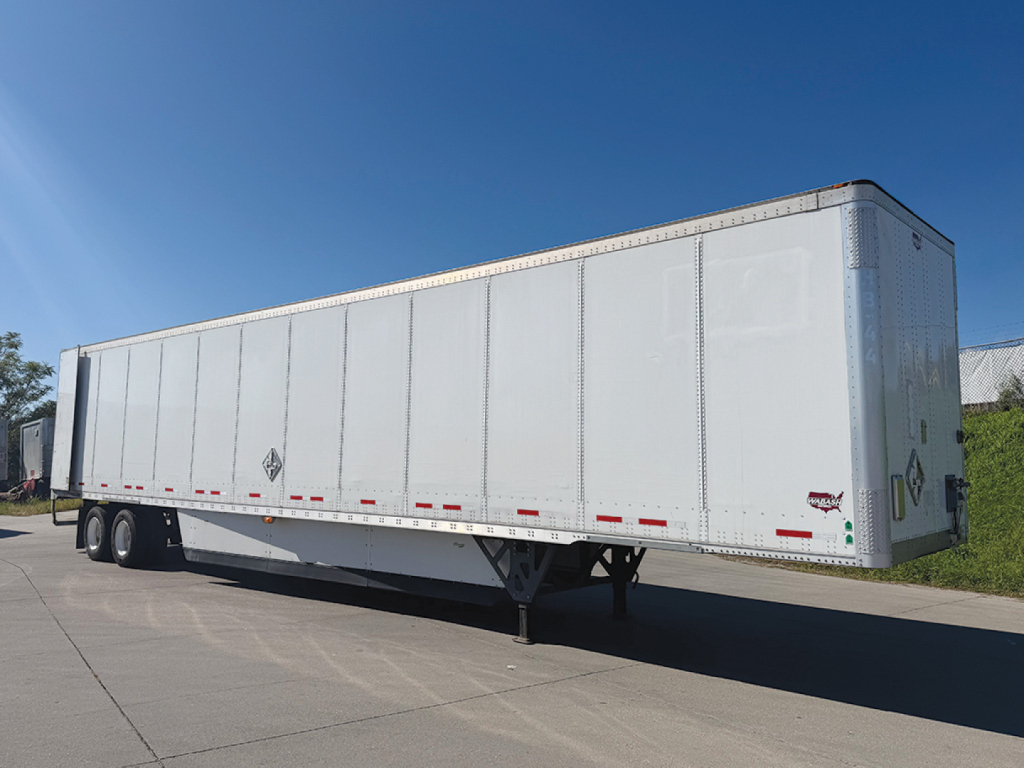
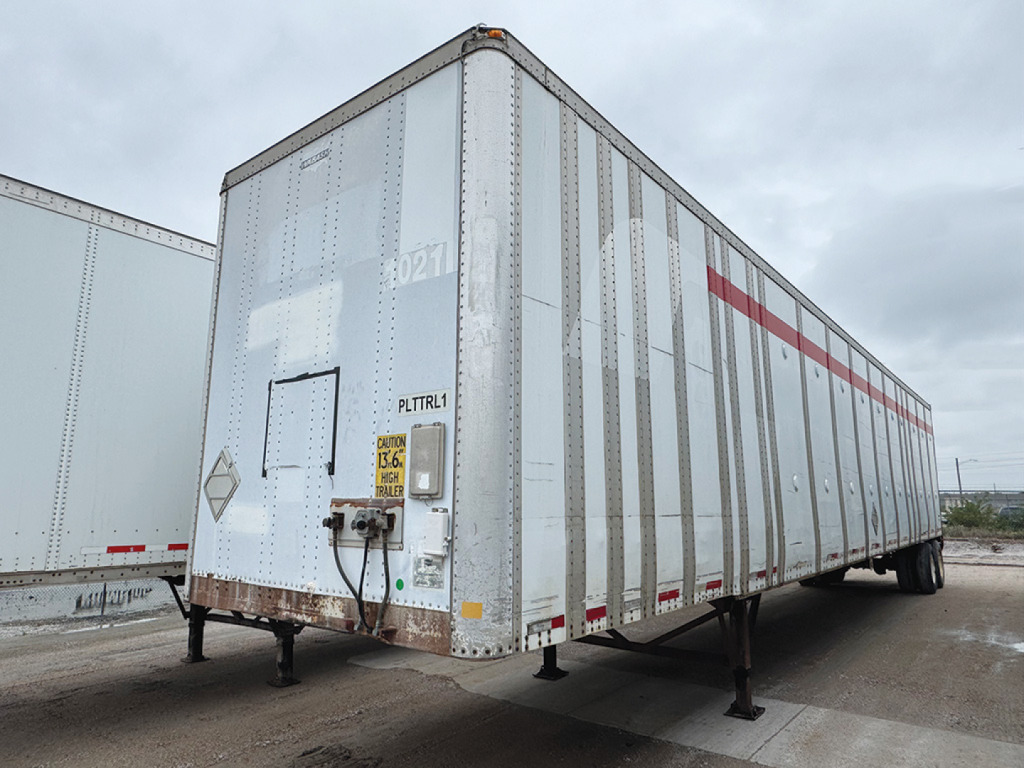
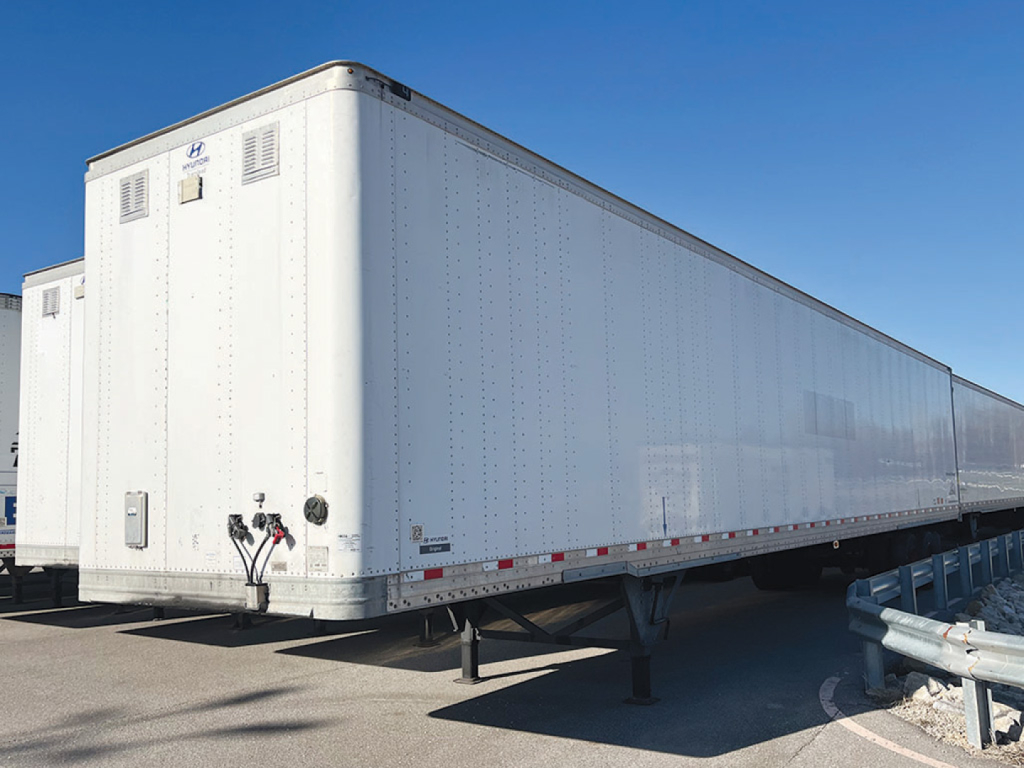
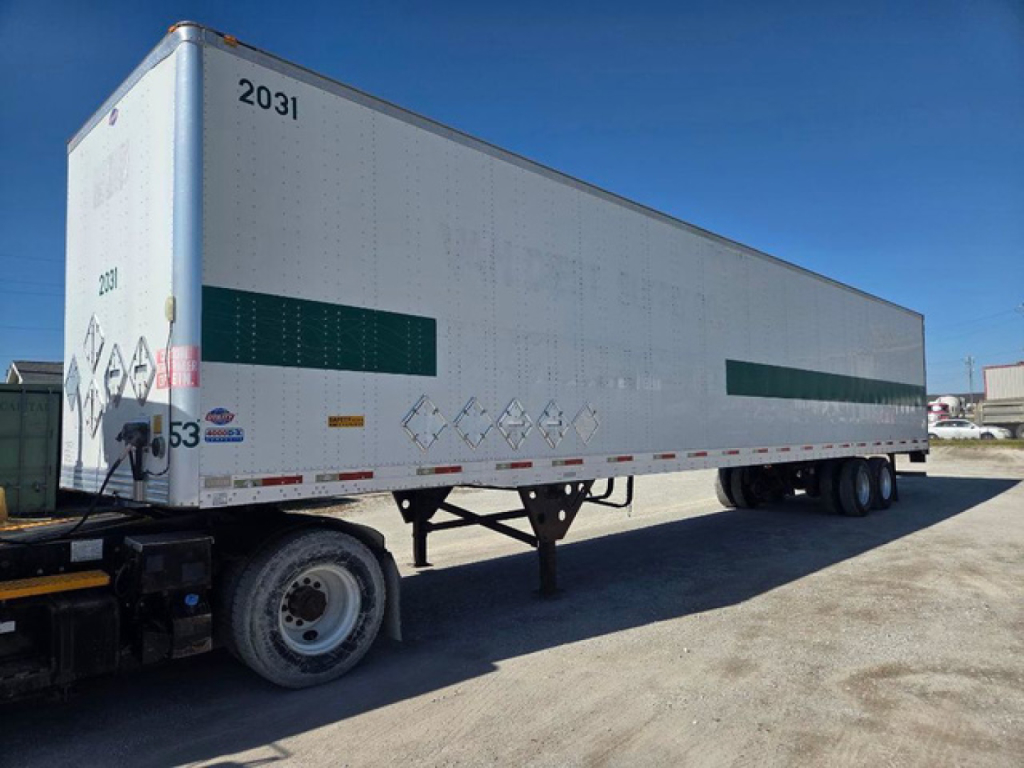
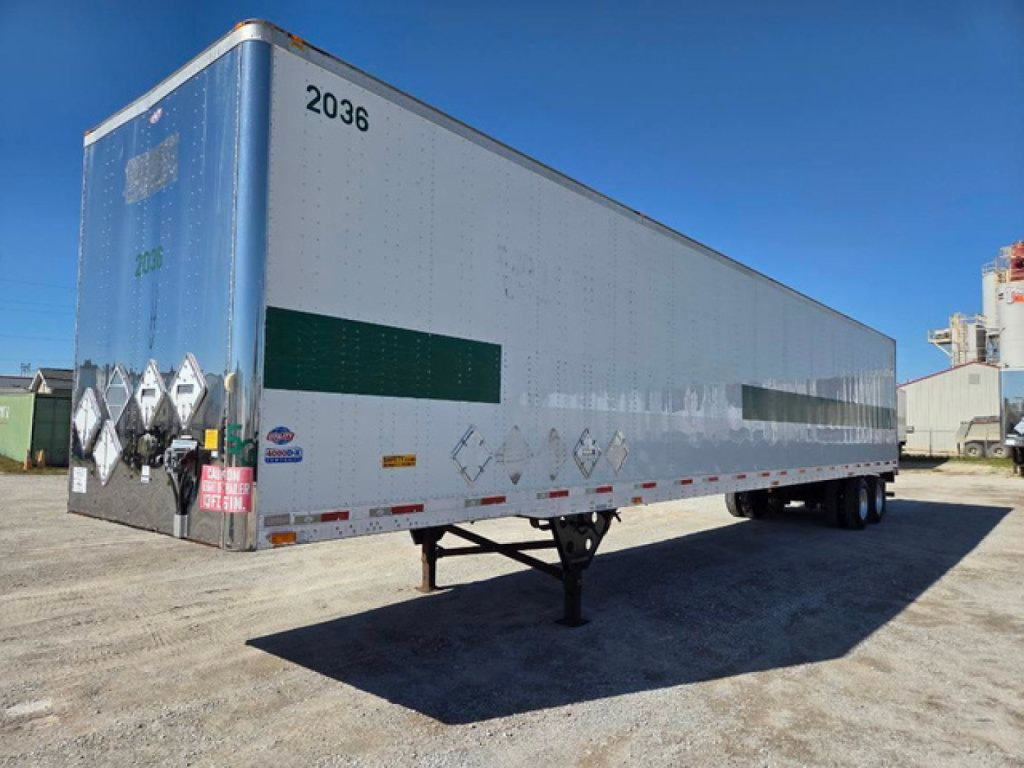
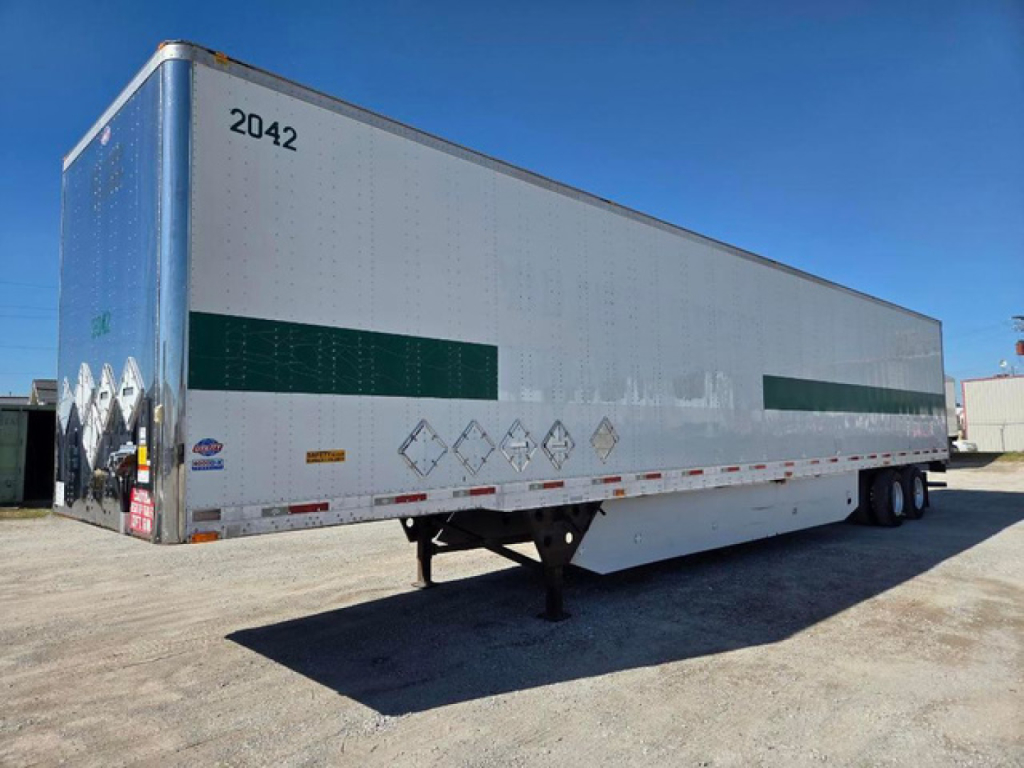
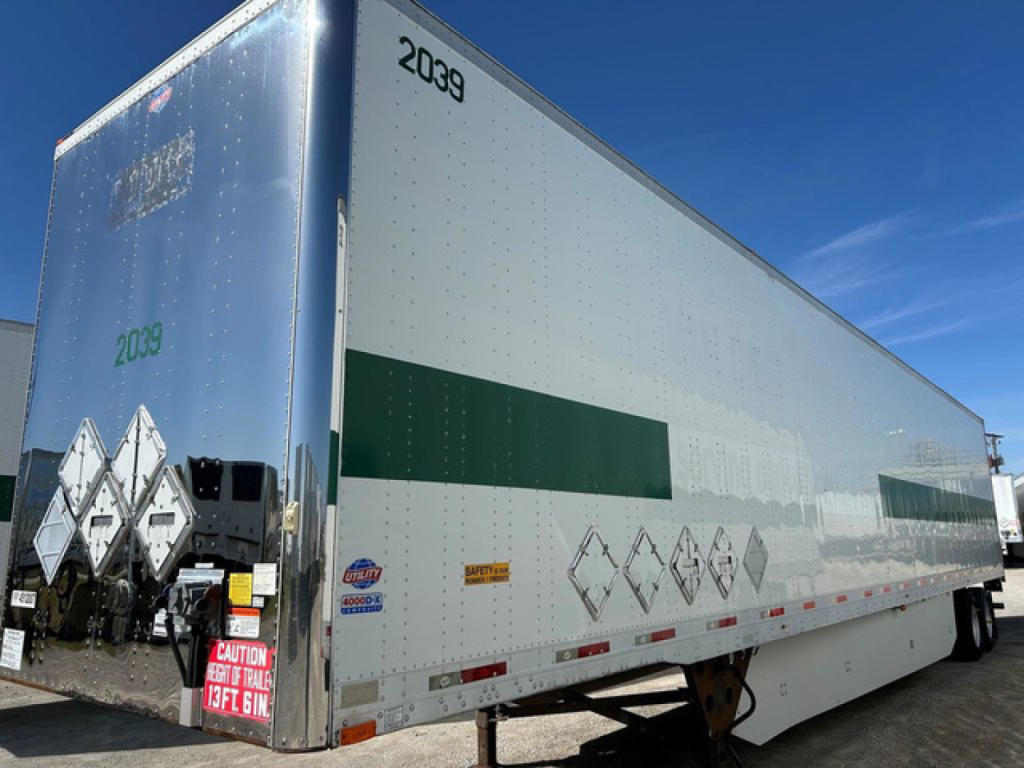
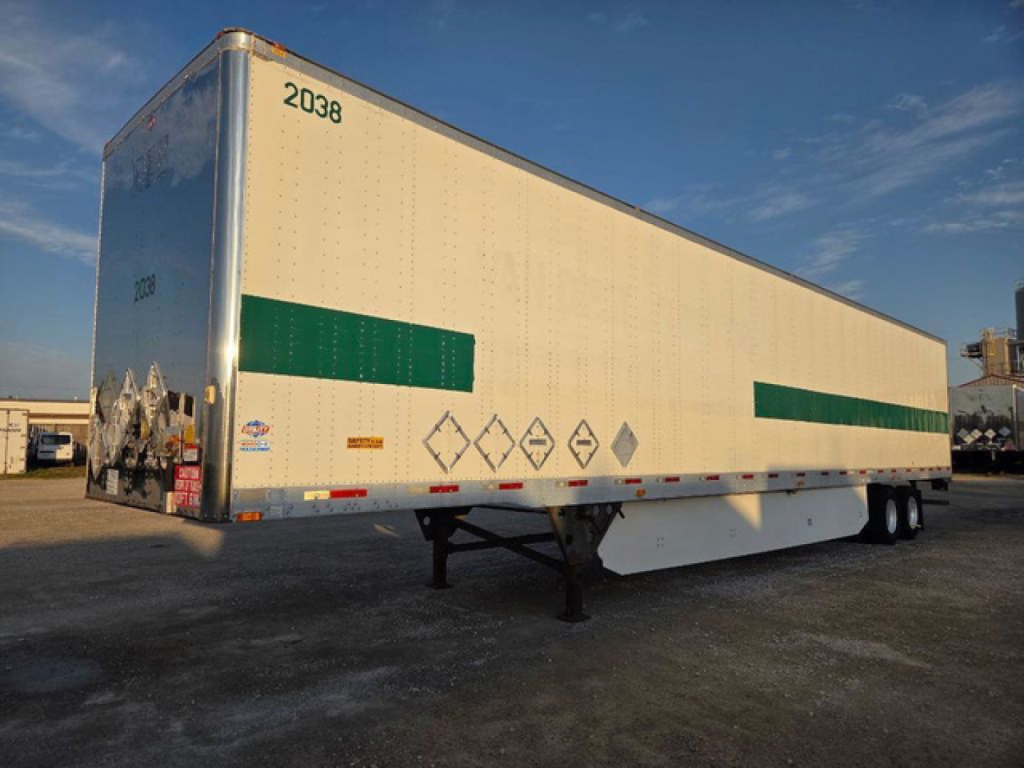
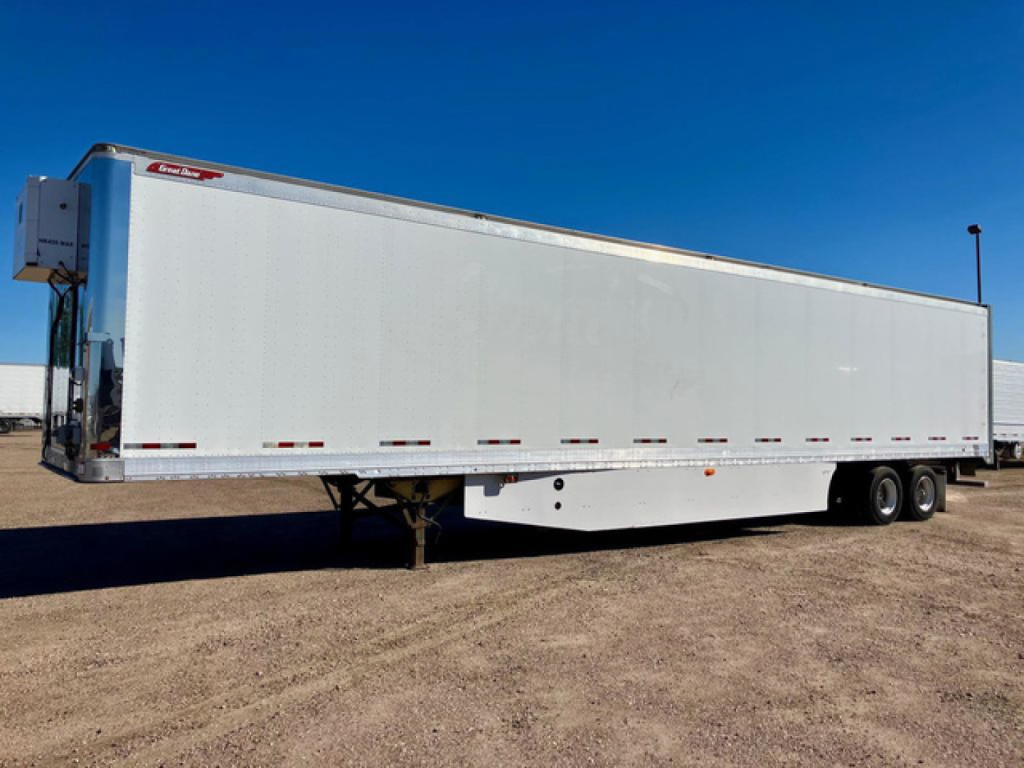
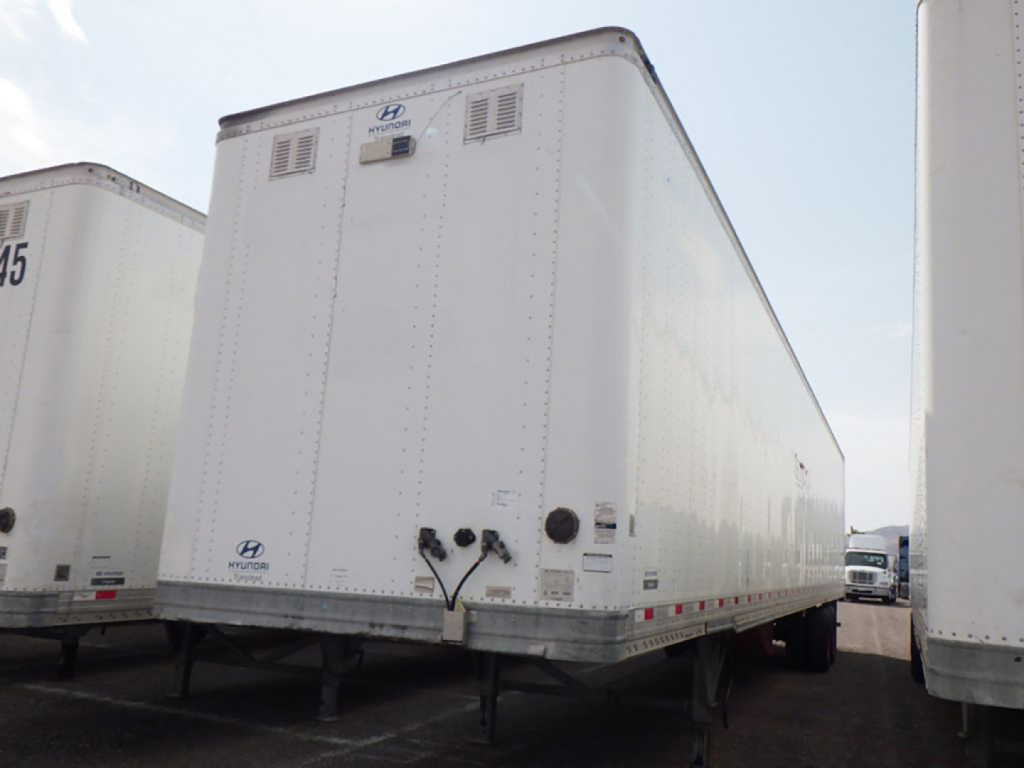
Showing 1 to 28 of 451 results
Selling a dry van trailer? List your dry van trailer for sale and reach thousands of commercial buyers.
Dry Van Trailers
Older trailers deserve particular scrutiny for frame corrosion and prior structural repairs, especially after Snow Belt or Canadian winter service. For new trailers, confirm floor and body warranty terms and coverage exclusions; qualifying new heavy trailers sold in the United States generally incur 12% federal excise tax. Check state and provincial axle weights, tandem position limits, and route restrictions rather than treating trailer GVWR as legal payload.
Also known as: Van Trailer, Dry Freight Trailer, Box Trailer
Frequently Asked Questions about Dry Van Trailers
How much weight can a 53-foot dry van trailer legally carry?
Legal payload is the permitted combination weight minus the operating weight of the tractor and dry van trailer, including fuel and equipment. On most U.S. Interstate routes, the standard gross combination limit is 80,000 pounds, subject to axle and bridge-formula limits. A trailer's GVWR does not override those restrictions. Canadian limits vary by province, axle configuration, spacing, and route, so calculate payload for the actual combination and lanes.
Which way do I slide dry van tandems to adjust axle weight?
Move a dry van trailer's tandems forward to increase trailer-axle weight, or rearward to increase tractor-drive weight. Sliding redistributes weight but does not reduce total combination weight. Verify that every locking pin fully engages, then reweigh the loaded combination. Maximum kingpin-to-rear-axle distances and other state or provincial restrictions can limit the adjustment available, making freight repositioning necessary.
How do I check a used dry van trailer for water leaks?
Inspect a used dry van trailer in daylight with the doors closed, then use a controlled exterior water test to check suspect seams and seals. Look for daylight at roof damage, staining along wall joints, swollen plywood, and soft flooring near the rear threshold. Examine roof patches and upper corner joints closely. A dry interior on inspection day does not prove the trailer remains watertight in rain.
Is air ride better than spring suspension on a dry van trailer?
Air ride is usually the better dry van suspension choice for freight requiring reduced vibration, while spring suspension offers fewer pneumatic components to maintain. Air ride requires inspection of air bags, leveling valves, lines, and shock absorbers. Spring suspensions need checks for broken leaves, worn bushings, and hanger damage. Cargo requirements and shipper specifications should guide the choice rather than suspension type alone.
How often does a dry van trailer need a DOT inspection?
Dry van trailers used in U.S. interstate commercial service generally require a documented periodic inspection at least every 12 months under 49 CFR 396.17. That requirement is separate from routine maintenance and driver inspection responsibilities. For Canadian operation, verify the applicable provincial or territorial inspection schedule and documentation requirements. Cross-border operators should confirm that the inspection program and records are recognized in the jurisdictions where the trailer will operate.