
Dry Van Trailers For Sale in Colorado
Compare dry van trailers for sale in Colorado by brake condition, floor rating, door clearance, and corrosion resistance for mountain and interstate hauling.
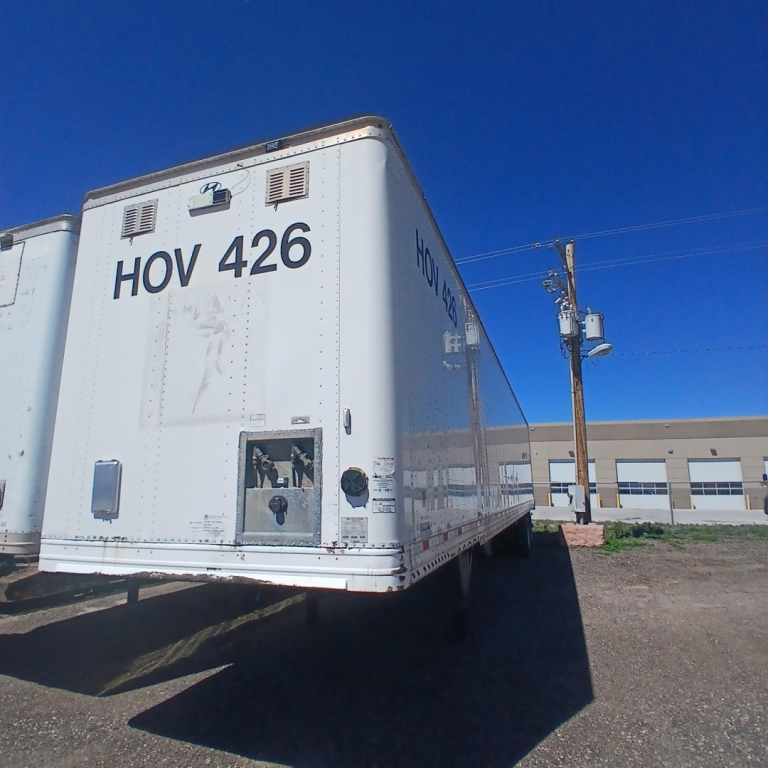
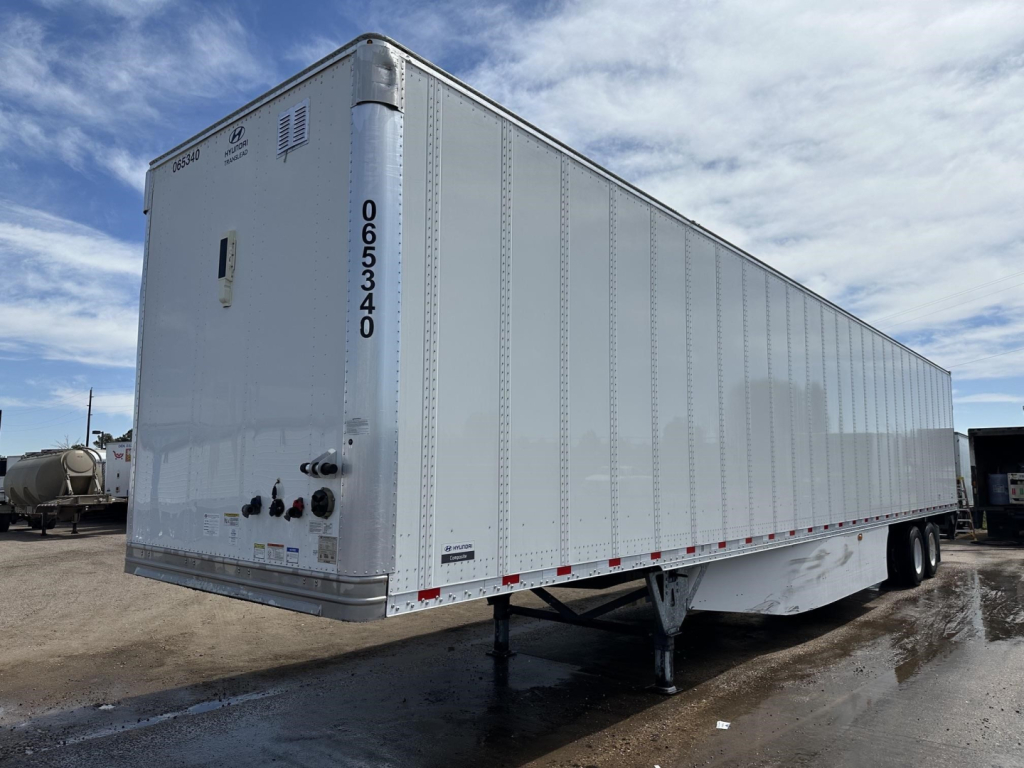
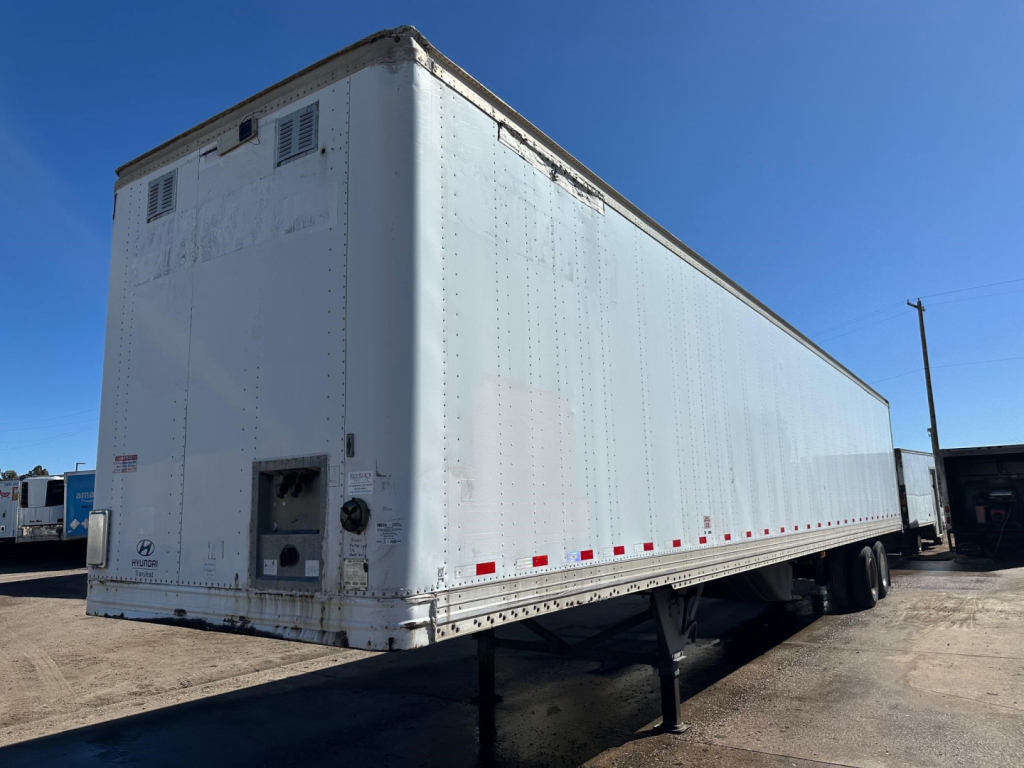
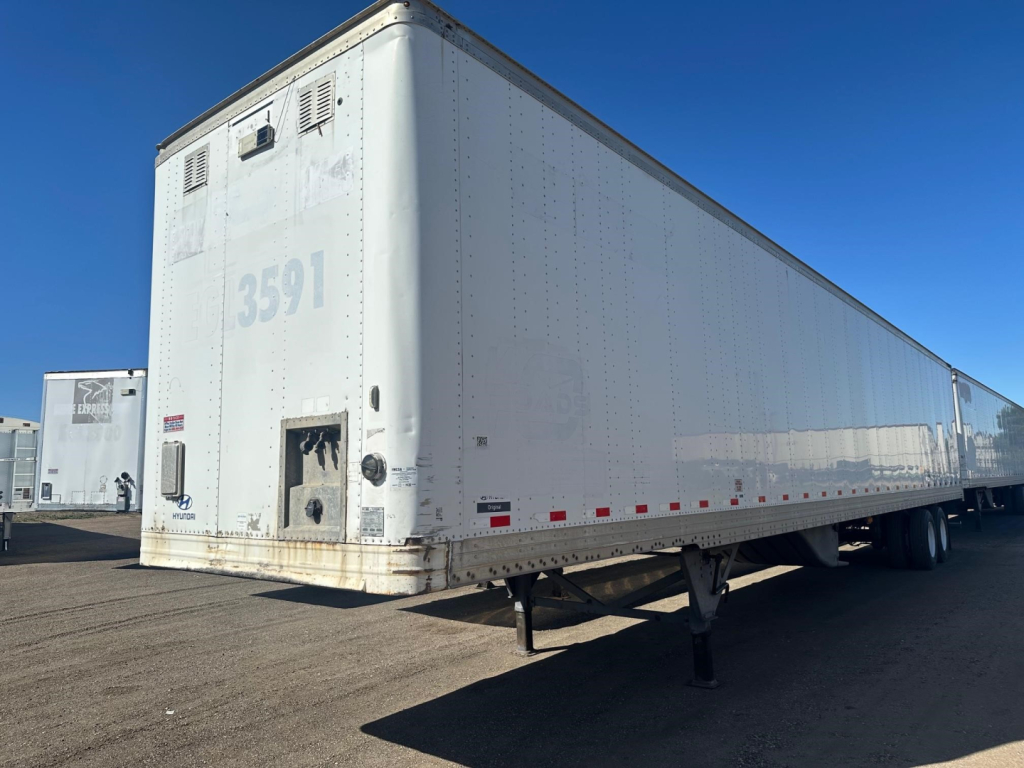
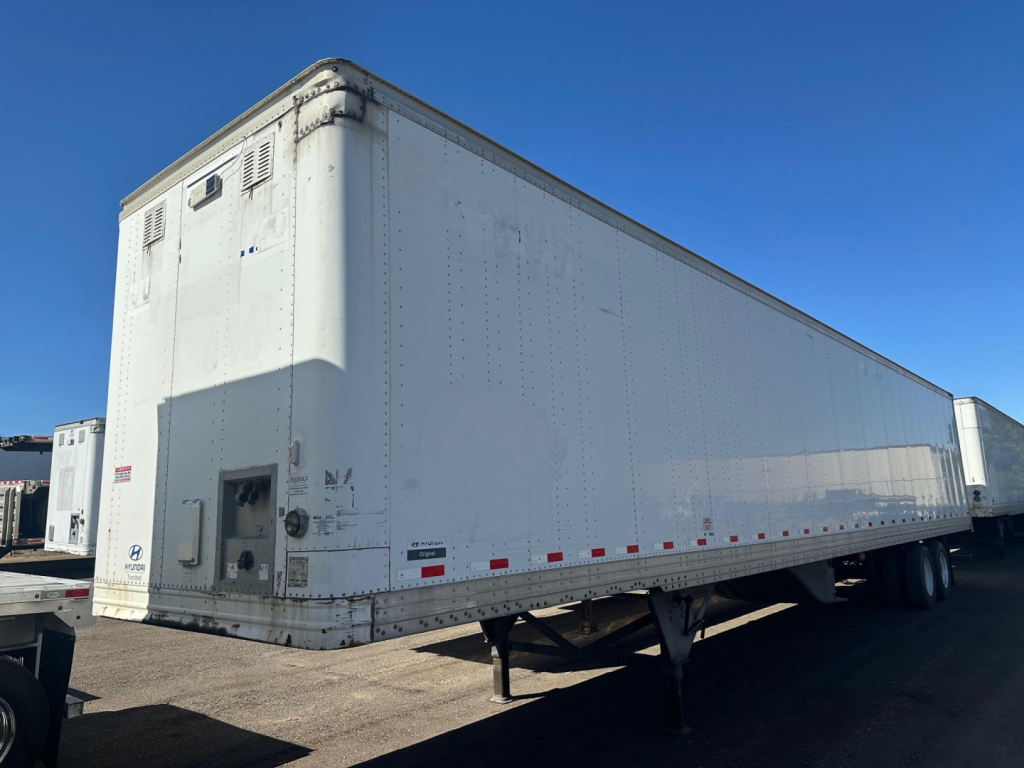
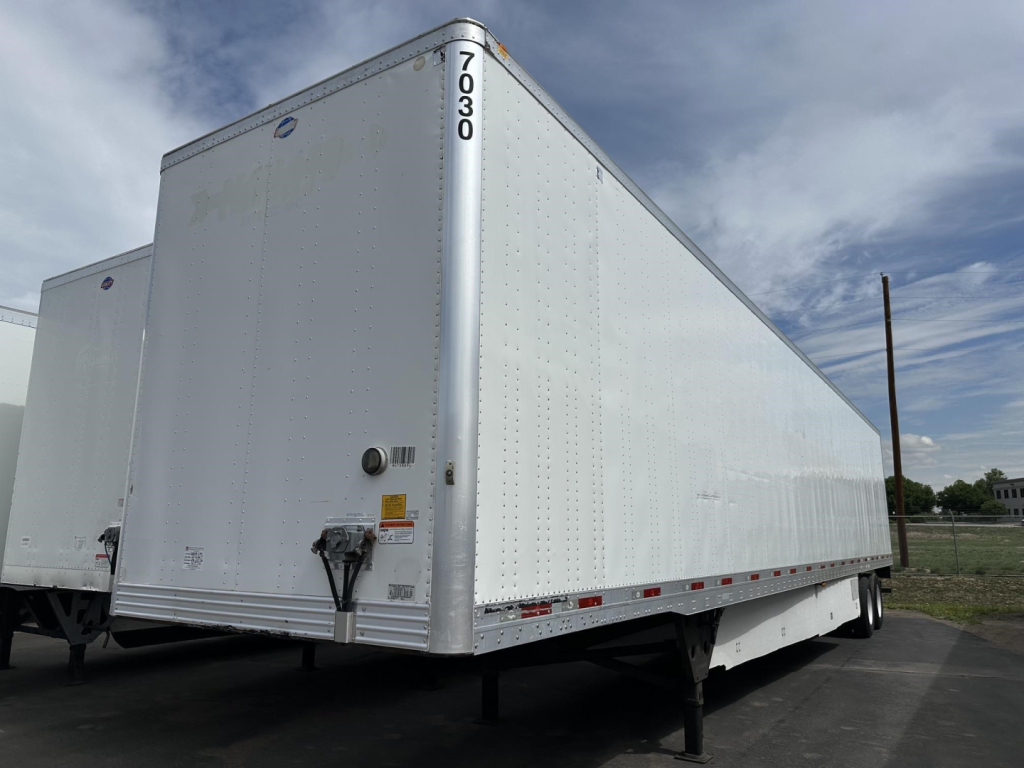
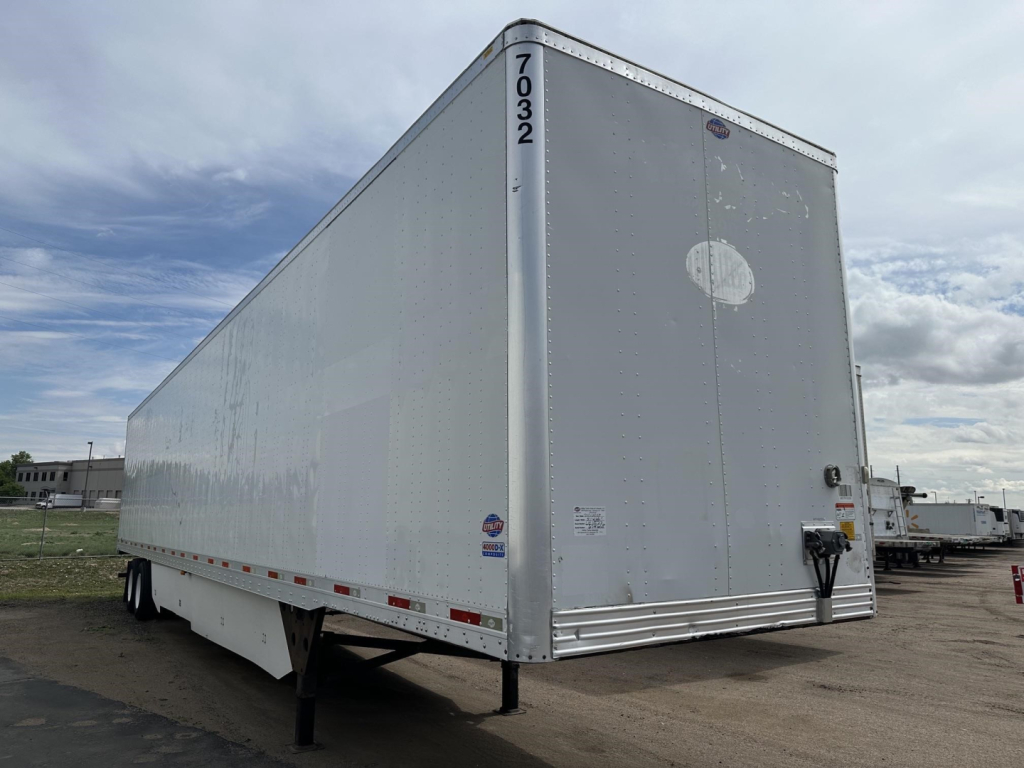
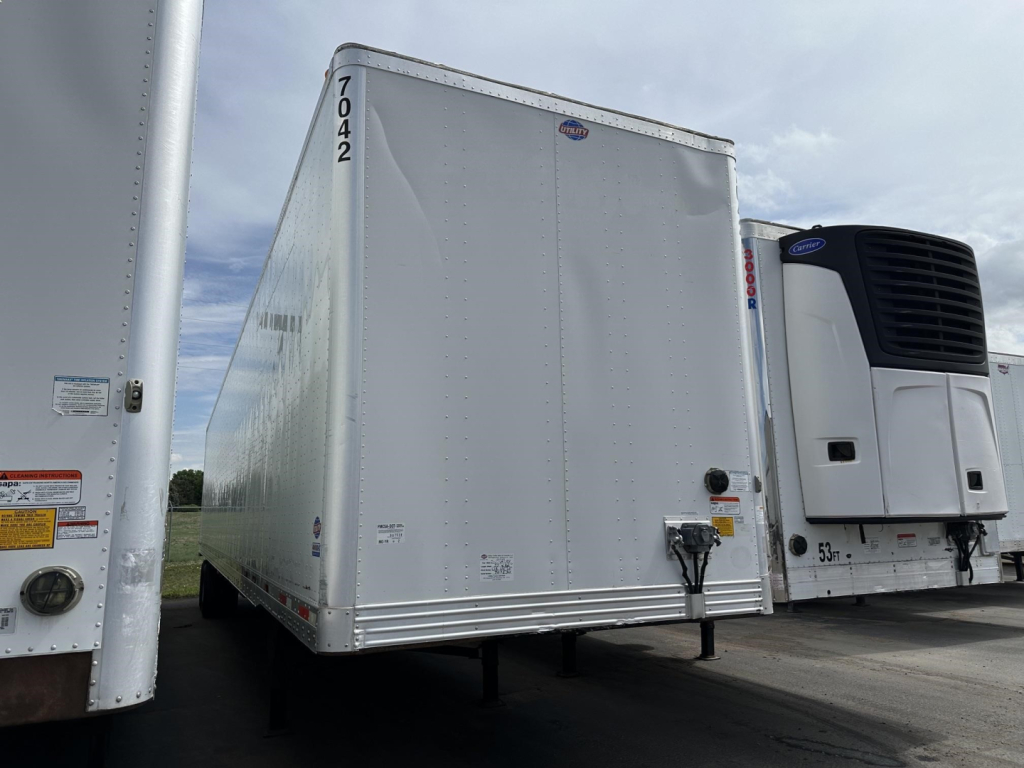
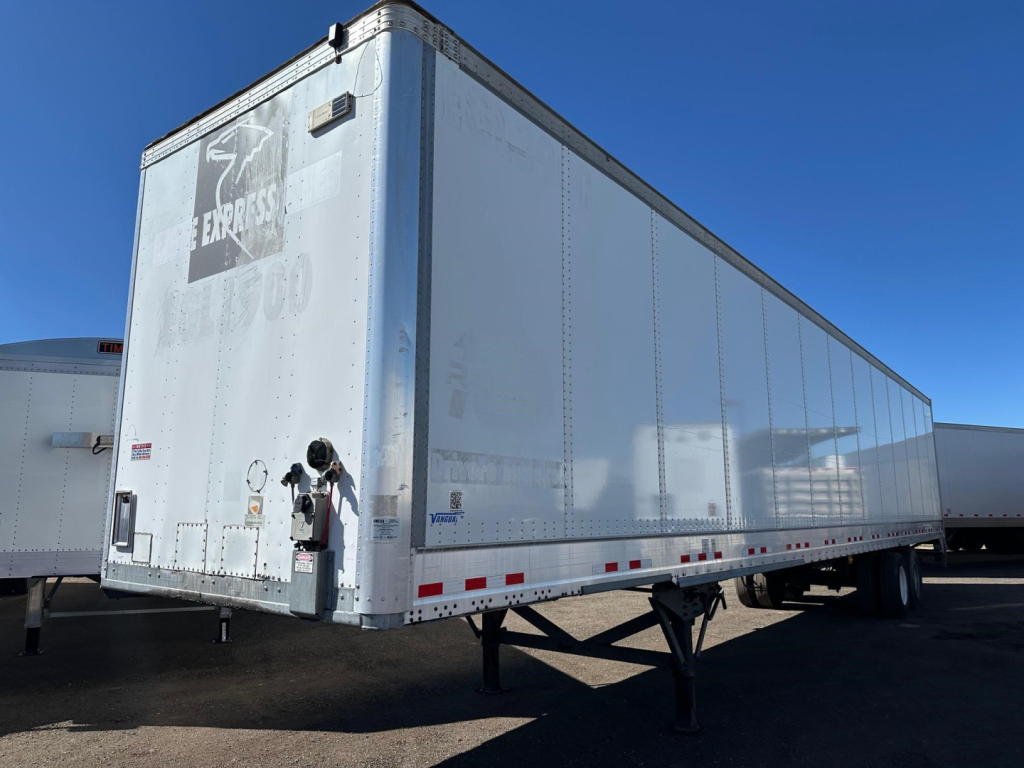
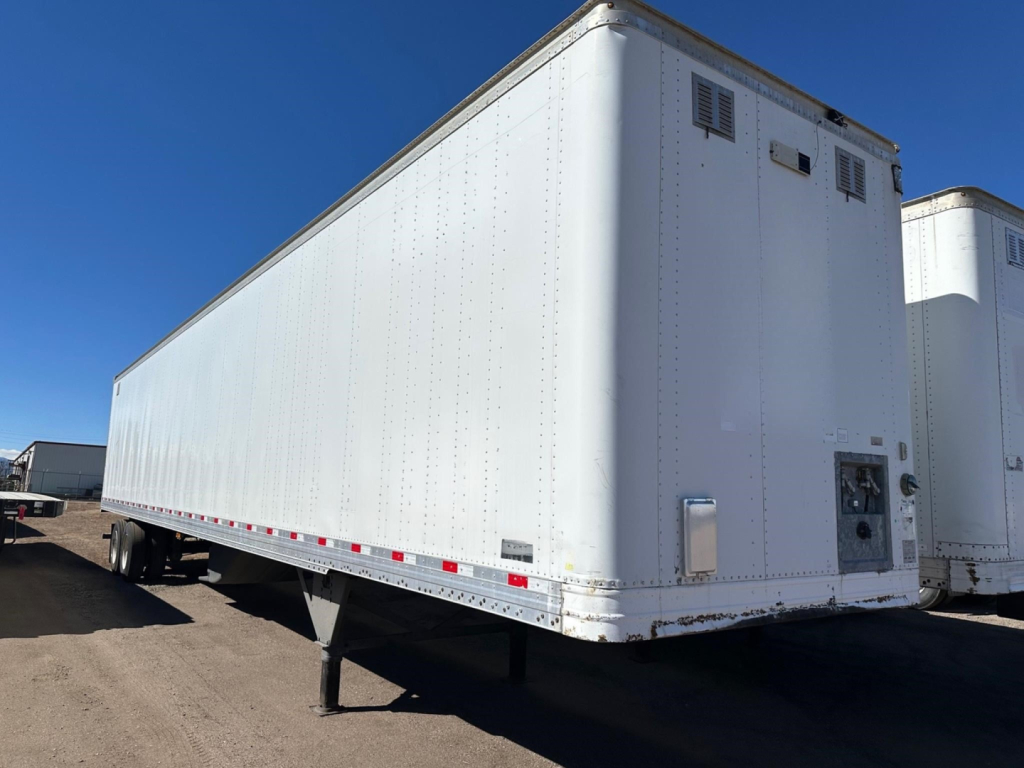
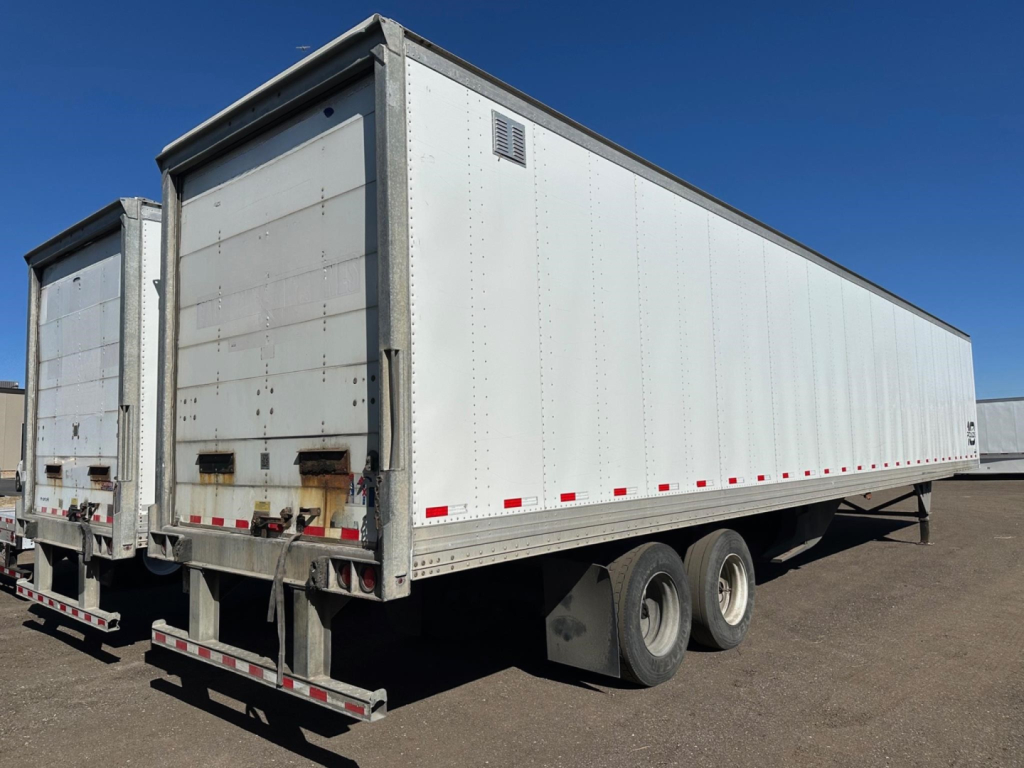
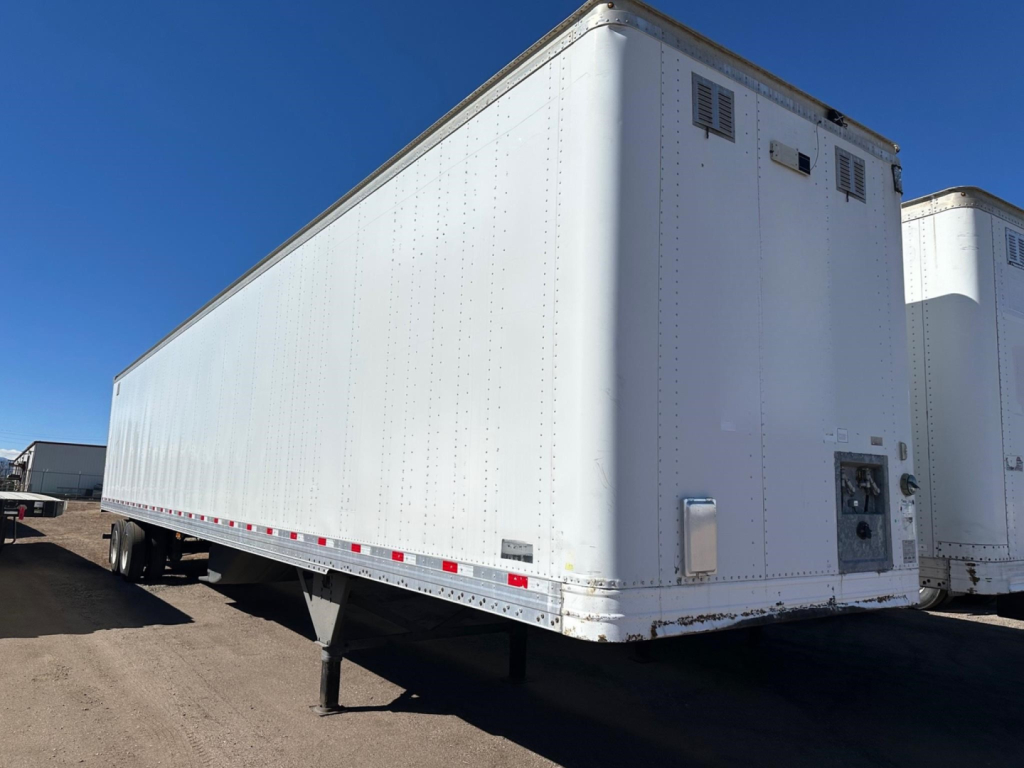
2017 Vanguard Roll Door Dry Van
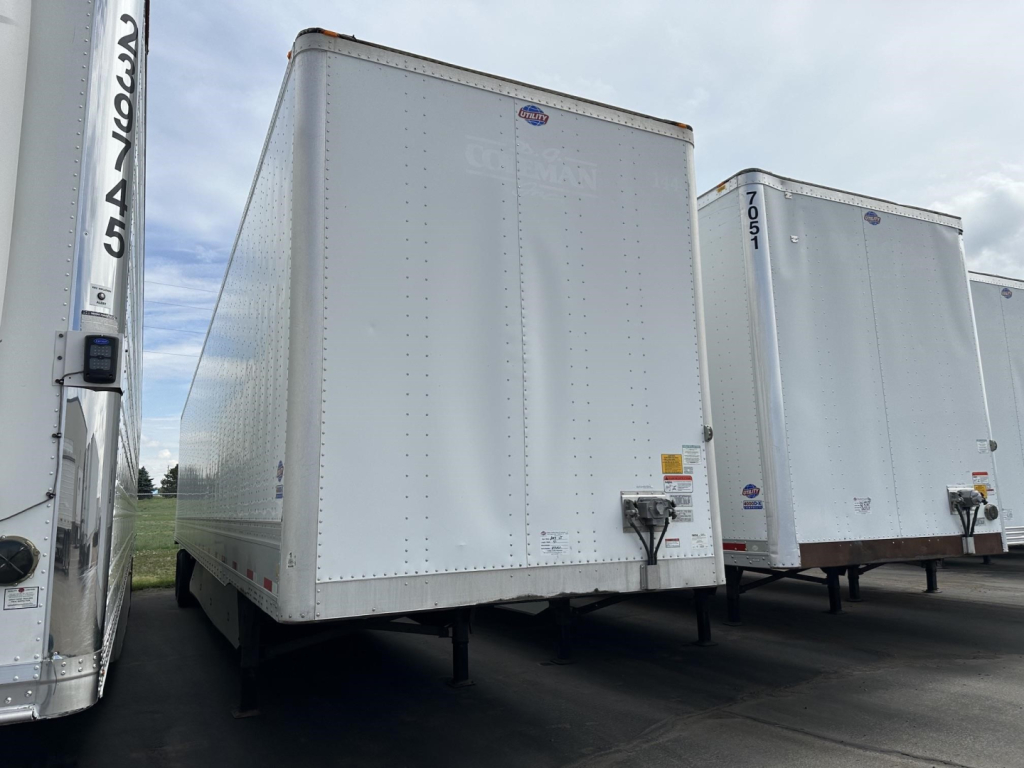
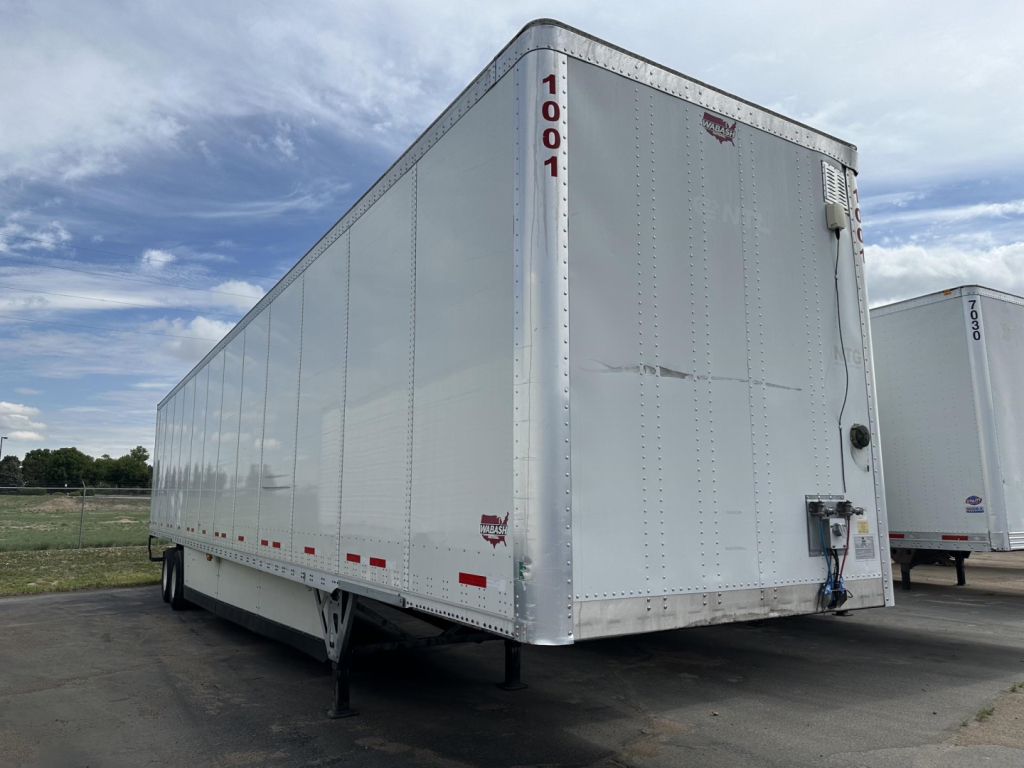
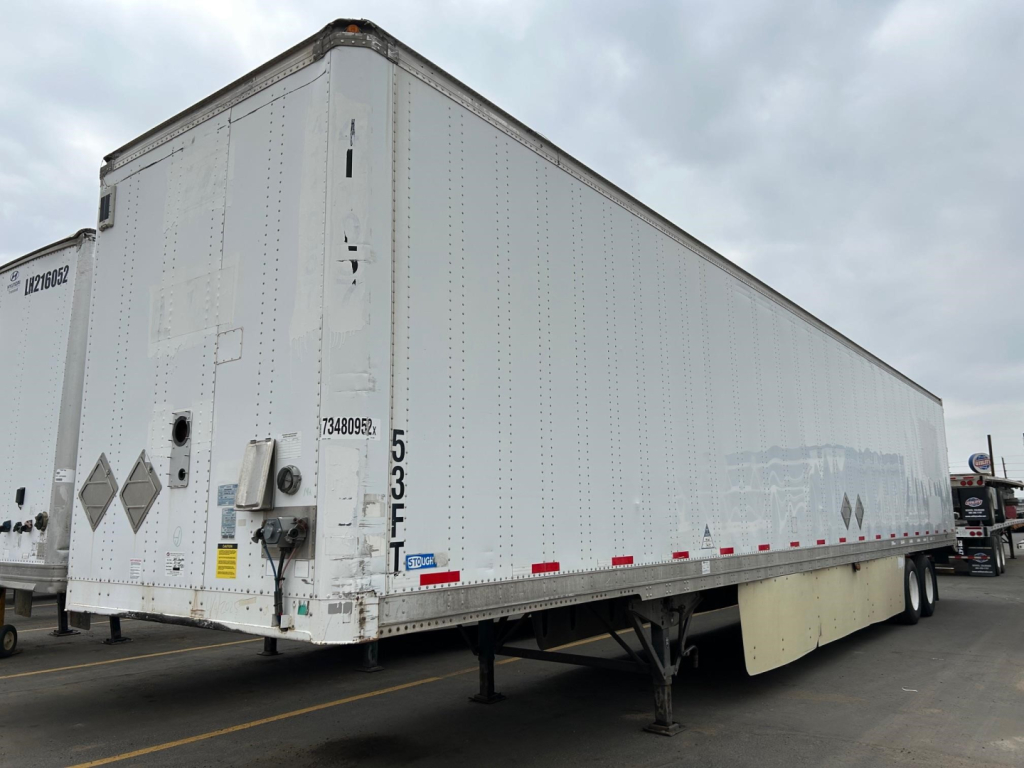
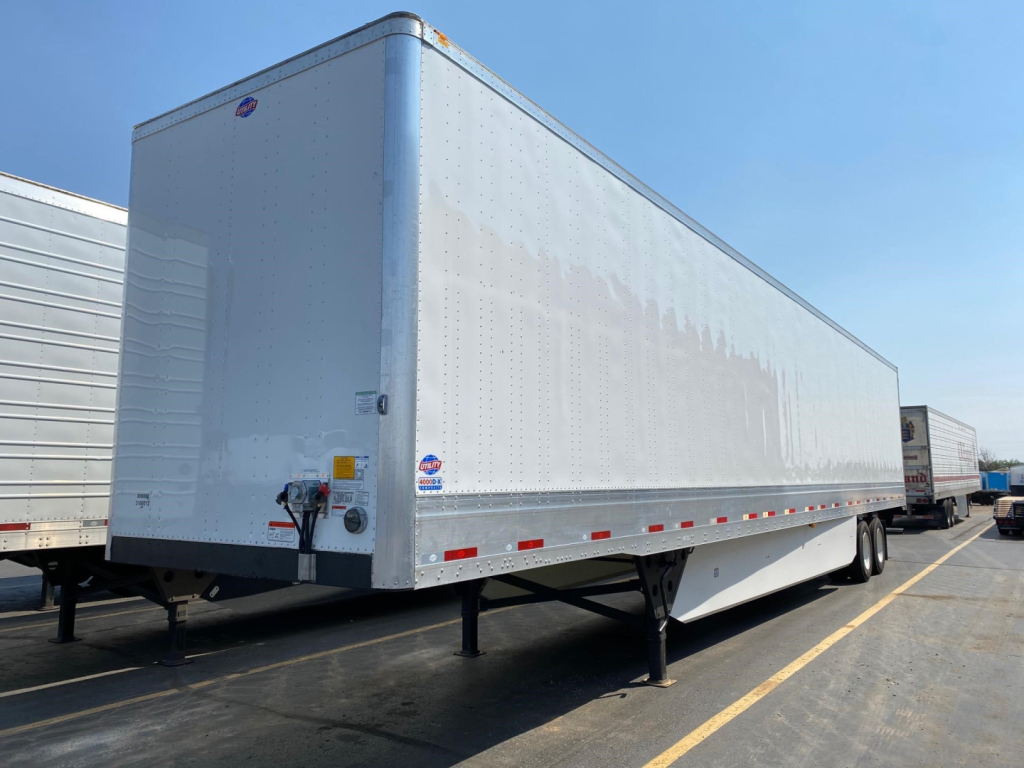
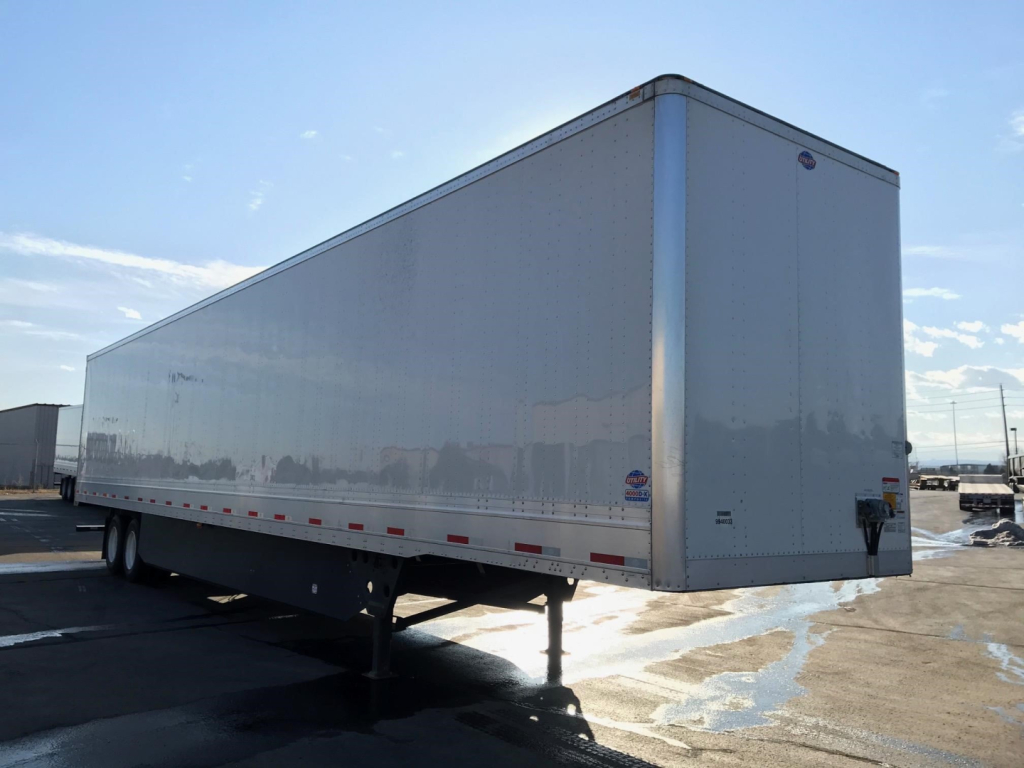
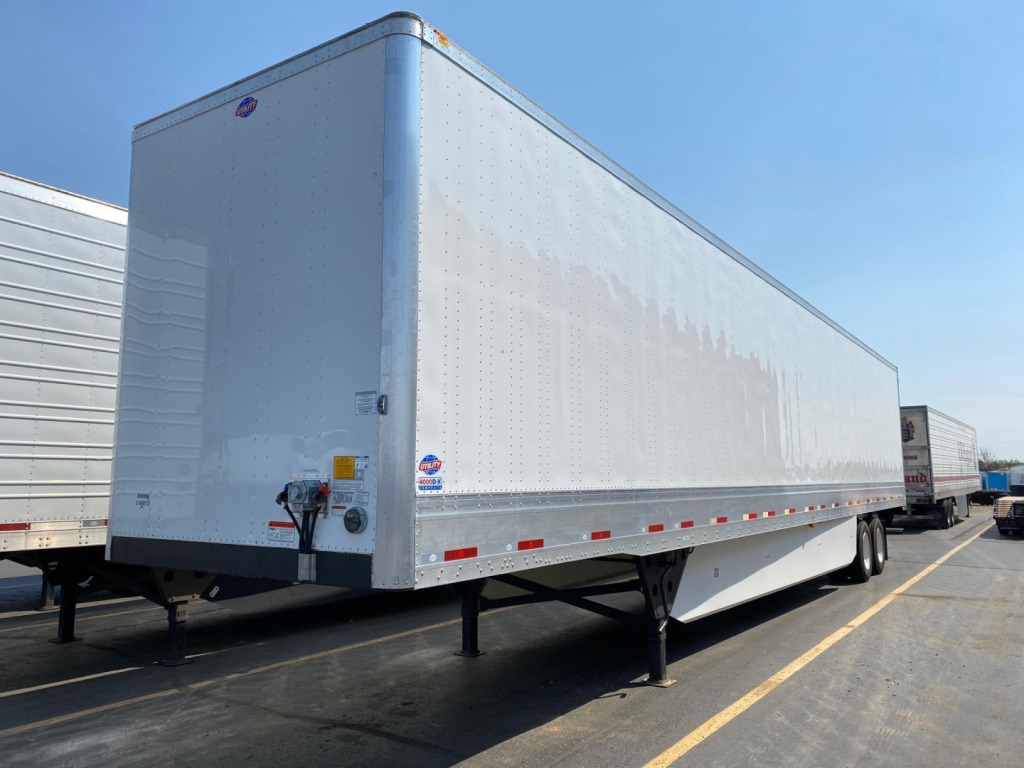
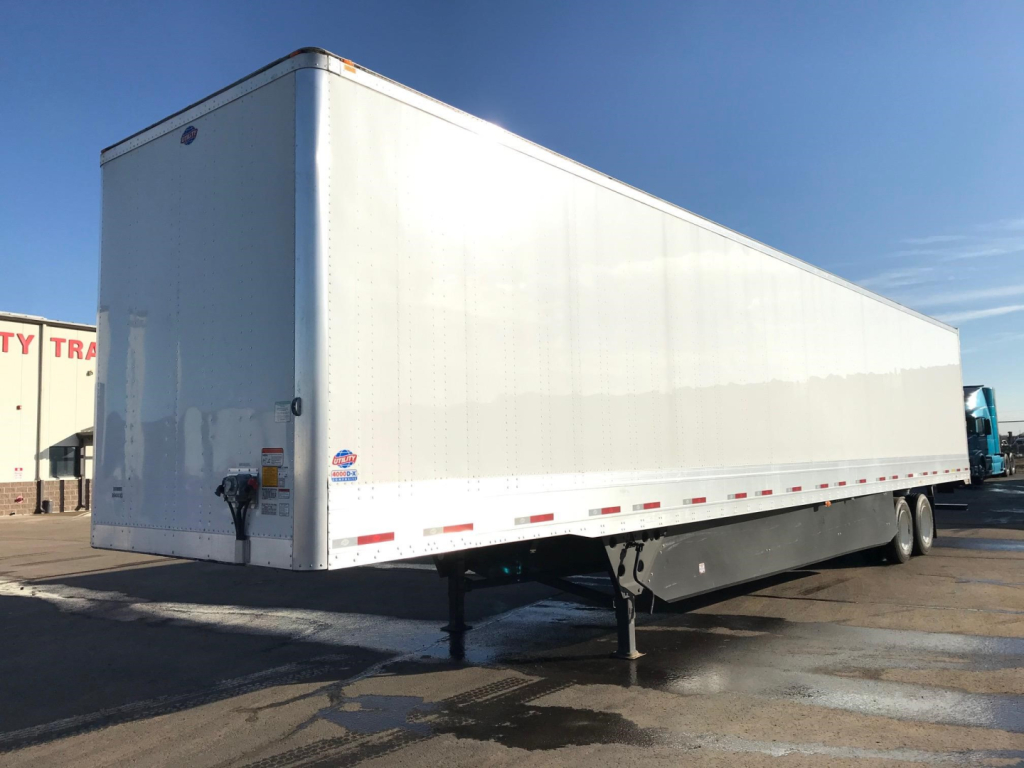
Selling a dry van trailer? List your dry van trailer for sale and reach thousands of commercial buyers.
Dry Van Trailers in Colorado
Frequently Asked Questions about Dry Van Trailers in Colorado
Should I buy a dry van with swing doors or a roll-up door?
Swing doors usually provide more usable rear opening, while roll-up doors suit frequent delivery stops and docks where opening swing doors is difficult. Compare actual clear opening dimensions against your tallest pallet or equipment load. On a roll-up dry van, inspect tracks, rollers, springs, and overhead clearance. On a swing-door van, inspect hinges, locking rods, seals, and door-frame alignment.
How do I know whether a dry van floor can handle my forklift?
The manufacturer's forklift axle-load rating, not the trailer's total payload rating, determines whether a dry van floor suits your loading operation. Compare that rating with the loaded forklift's axle weight and confirm any wheel-contact assumptions. Inspect the rear threshold, floor fasteners, crossmembers, and underside for damage or repairs. A sound-looking wood surface can conceal weakened supports, especially near the rear loading area.
What weight limits apply to a dry van trailer in Colorado?
A standard five-axle dry van combination on Colorado Interstate highways is normally limited to 80,000 pounds gross, 20,000 pounds on a single axle, and 34,000 pounds on a tandem. Federal bridge-formula limits can reduce allowable weight based on axle spacing. Trailer GVWR, tire ratings, and component ratings remain separate limits. Check posted bridge restrictions and rules for non-Interstate routes before setting payload and tandem position.
Do I need chains to pull a dry van across Colorado mountain passes?
Yes, when Colorado's commercial vehicle chain law is in effect, a dry van combination needs approved traction equipment in the required positions. Seasonal chain-carry requirements also apply on designated corridors even when pavement is dry. Check current CDOT route and axle-placement rules before dispatch, and confirm that the combination has correctly sized equipment. A dry van's ABS and fresh tires do not exempt the combination from chain requirements.
Will a dry van keep freight from freezing during a Colorado winter?
A standard dry van protects freight from precipitation but does not reliably prevent freezing during Colorado winter transport or overnight parking. Packaged beverages, liquid products, and other temperature-sensitive cargo may need an insulated trailer with controlled heating or a refrigerated trailer capable of maintaining the required temperature. Confirm the shipper's temperature limits and expected dwell time rather than treating intact walls and door seals as thermal protection.