
2020 Dry Van Trailers For Sale in Colorado
Compare 2020 dry van trailers for sale in Colorado by door clearance, suspension, brake condition, and corrosion exposure before choosing a freight trailer.
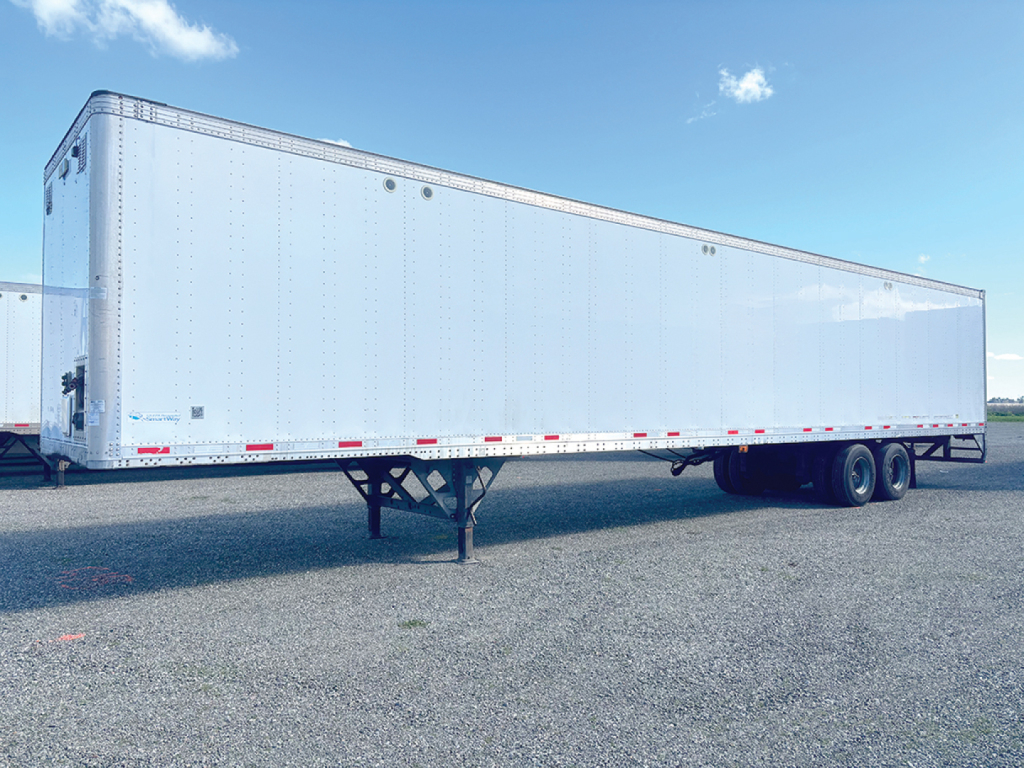
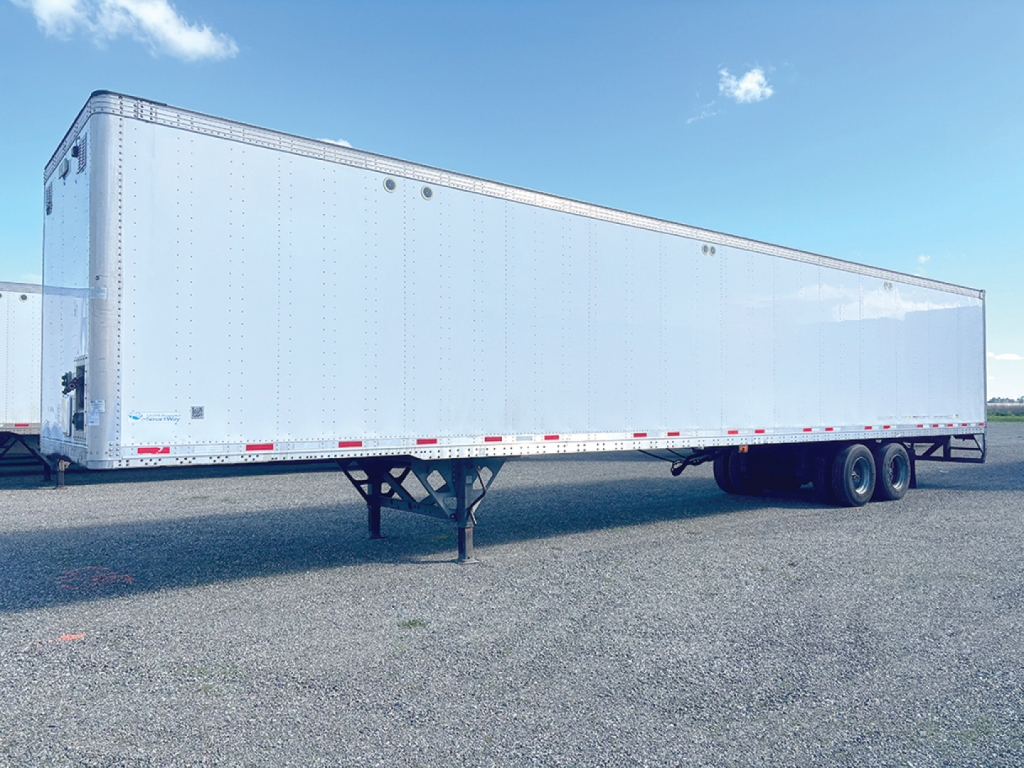
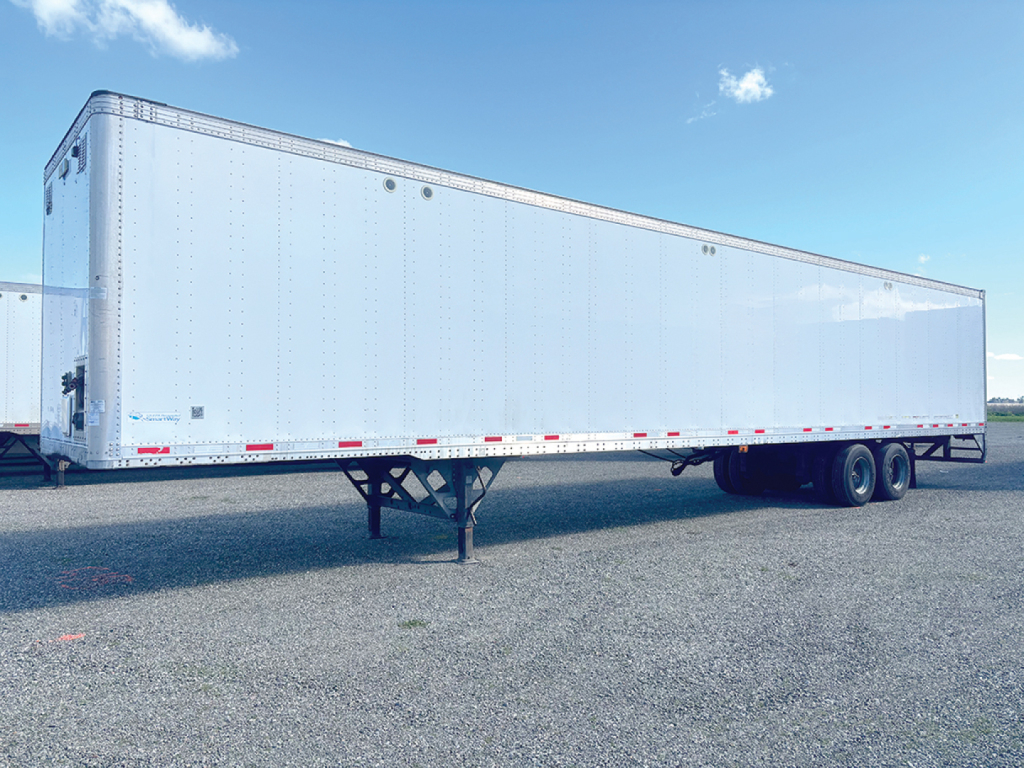
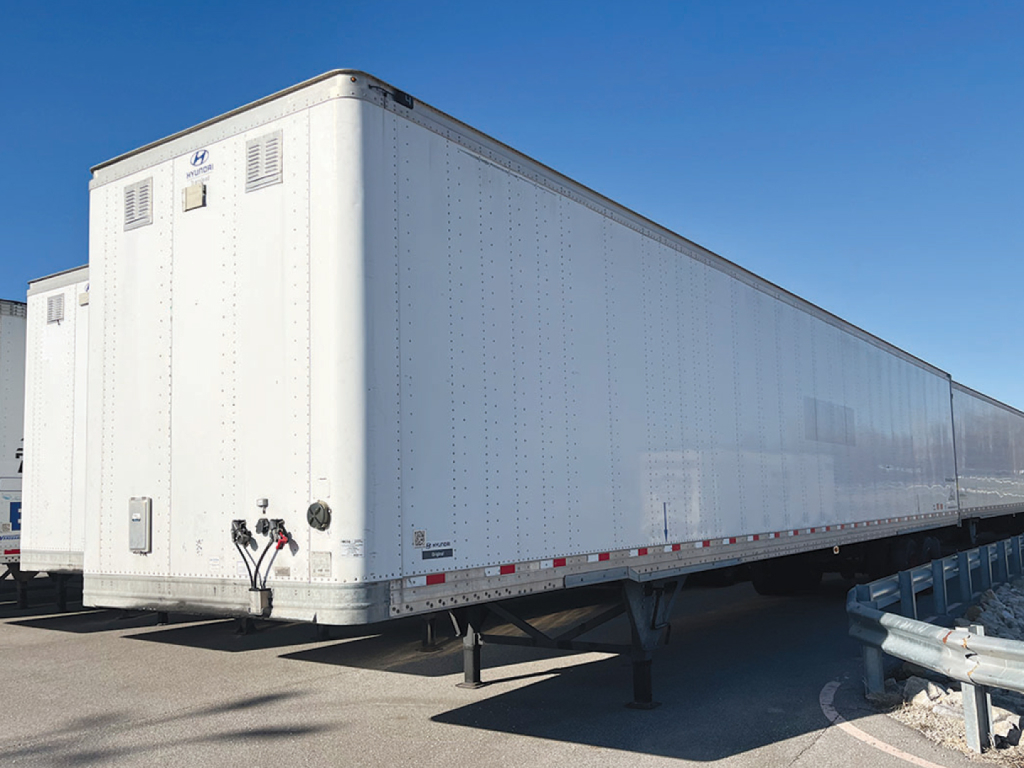
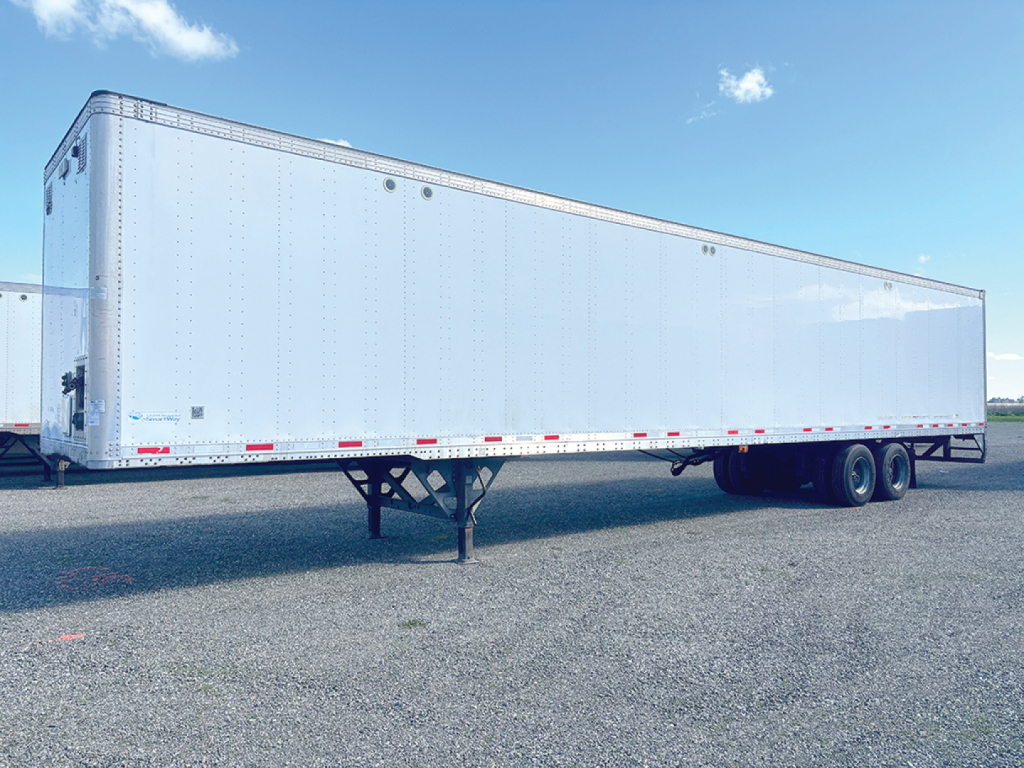
Selling a 2020 dry van trailer? List your 2020 dry van trailer for sale and reach thousands of commercial buyers.
2020 Dry Van Trailers in Colorado
Frequently Asked Questions about 2020 Dry Van Trailers in Colorado
Should I choose roll-up or swing doors on a 2020 dry van?
Swing doors usually provide more usable rear opening height, while roll-up doors suit frequent delivery stops and docks with limited door-swing space. On a 2020 dry van, measure the actual opening against your tallest loaded pallet. Inspect roll-up door tracks, cables, rollers, and counterbalance hardware, or check swing-door hinges, locking rods, and seals. Neither door style guarantees a particular interior height.
Is air ride better than spring suspension for Colorado dry van work?
Air ride is usually the better choice for dry van freight requiring a smoother ride, while spring suspension eliminates airbags and height-control plumbing. For Colorado routes, inspect air lines and valves for leakage and corrosion, and check spring packs, hangers, and bushings on mechanical suspensions. Customer freight requirements may dictate air ride regardless of route length.
How much weight can a 2020 dry van legally haul in Colorado?
A standard five-axle tractor-trailer on Colorado Interstate highways is normally limited to 80,000 pounds gross, not 80,000 pounds of cargo. Legal payload is the permitted combination weight minus the actual tractor, trailer, fuel, and equipment weight. Federal bridge limits, axle spacing, tandem loading, tire ratings, and posted restrictions can reduce the allowable load. A trailer's GVWR alone does not establish legal payload.
What maintenance records should I request for a used 2020 dry van?
Request annual inspection reports, brake measurements, wheel-end service records, and structural repair documentation for a used 2020 dry van. Match the records to the trailer VIN and compare recorded repairs with the physical condition. Ask for an ABS diagnostic check, including stored faults where supported. A current inspection sticker does not establish floor capacity, roof integrity, or the quality of previous collision repairs.
What should I verify before buying a new, unused 2020 dry van?
Written warranty start dates and first-retail-sale tax status are essential checks on a new, unused 2020 dry van. The 12% federal excise tax generally applies to the first retail sale of qualifying heavy trailers, even when the model year is older. Confirm manufacturer coverage directly and inspect tires, seals, brake components, and bearings for deterioration during storage; unused equipment is not necessarily maintenance-free.