
Forklifts For Sale
Compare forklifts for sale by rated capacity, mast height, tires, and power source. Learn what to inspect on used lift trucks and specify on new models.
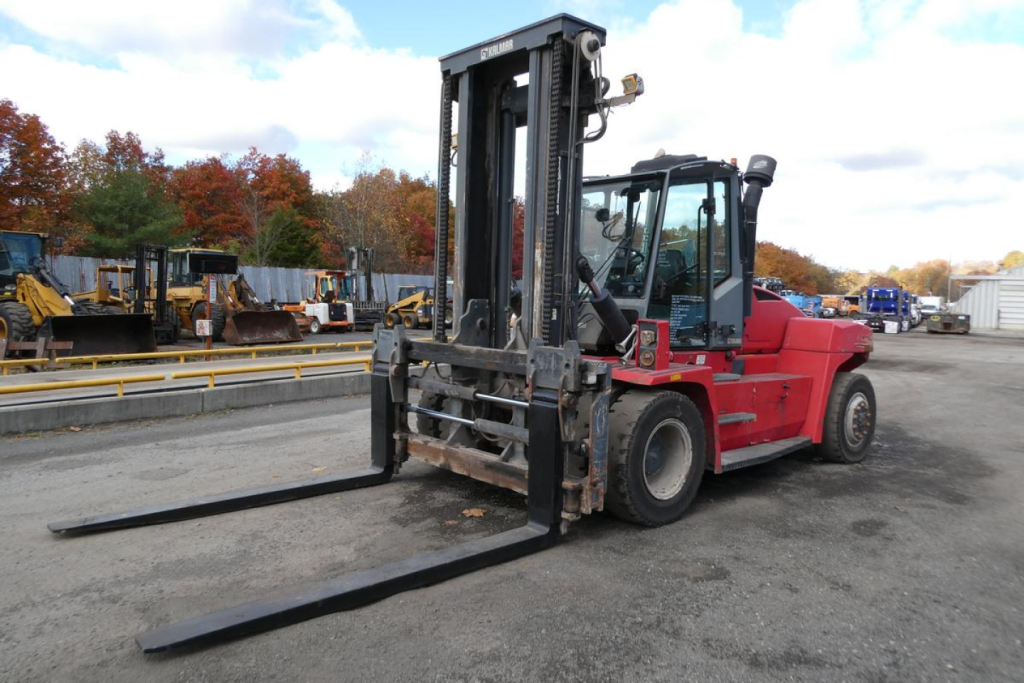
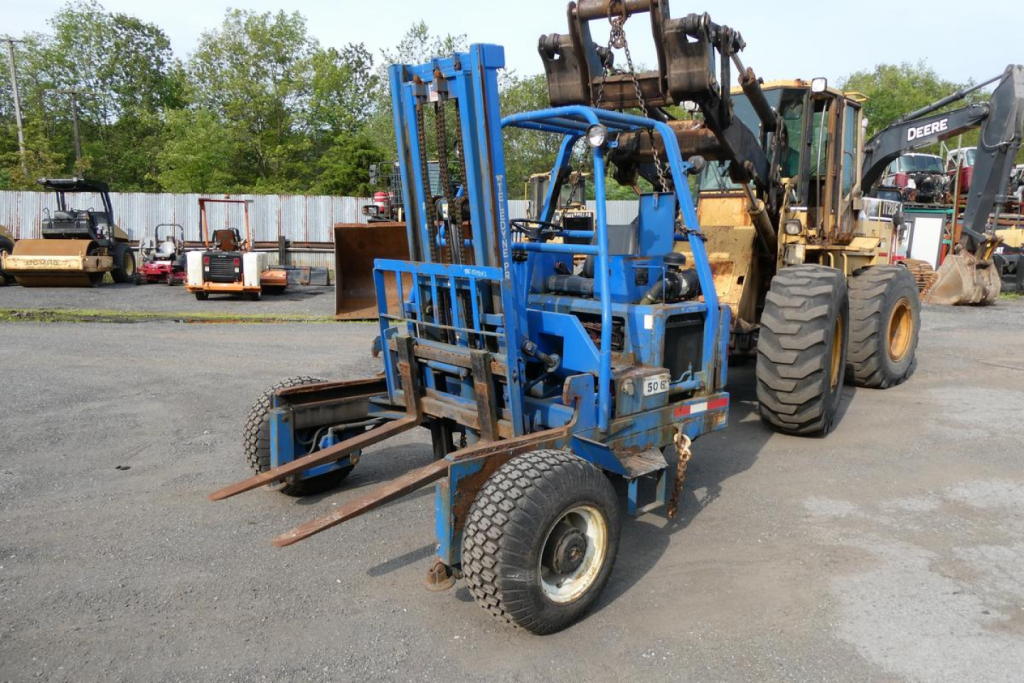
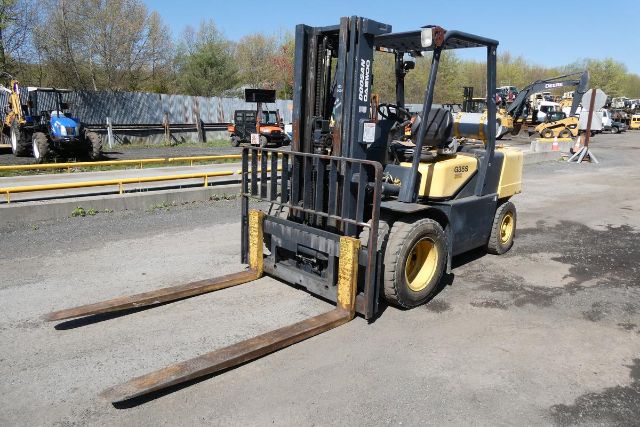
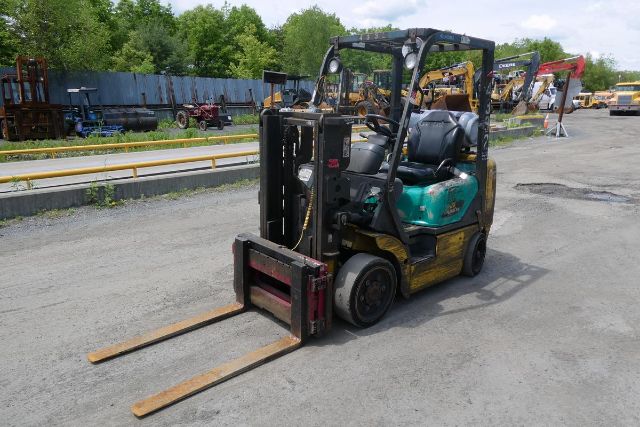
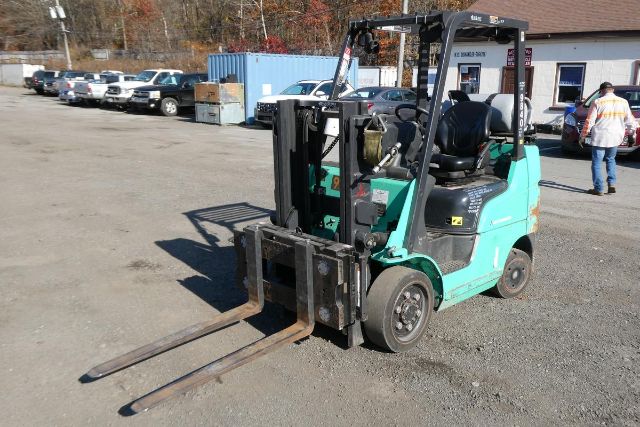
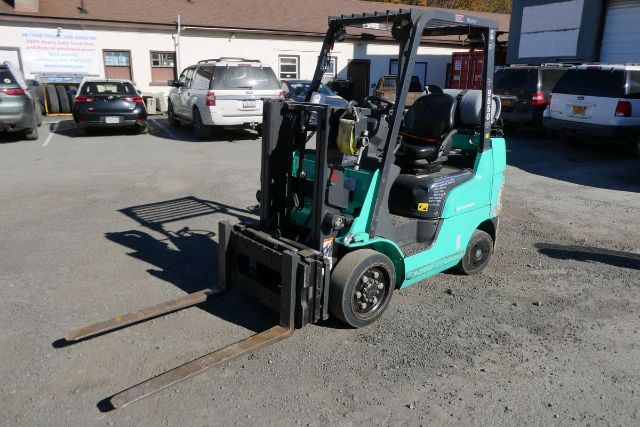
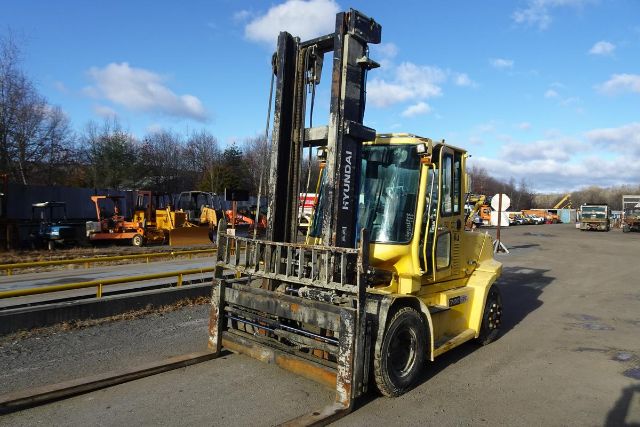
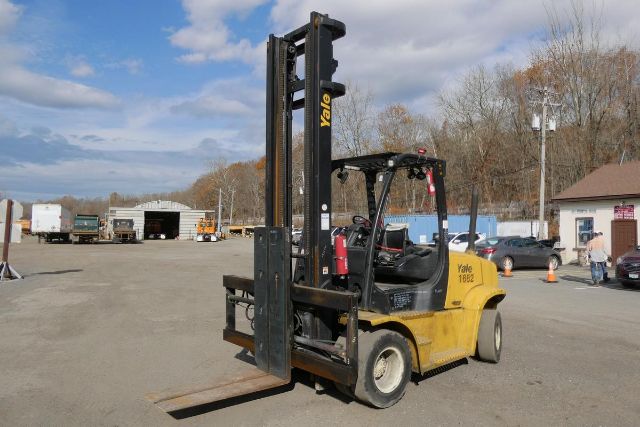
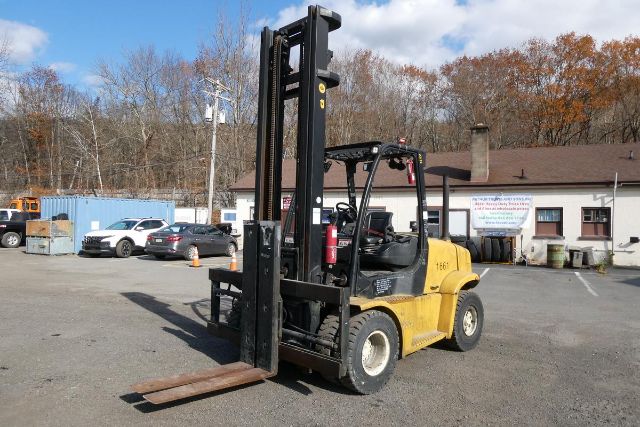
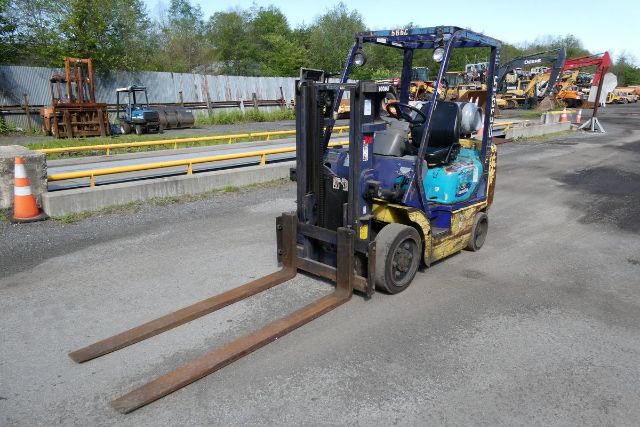
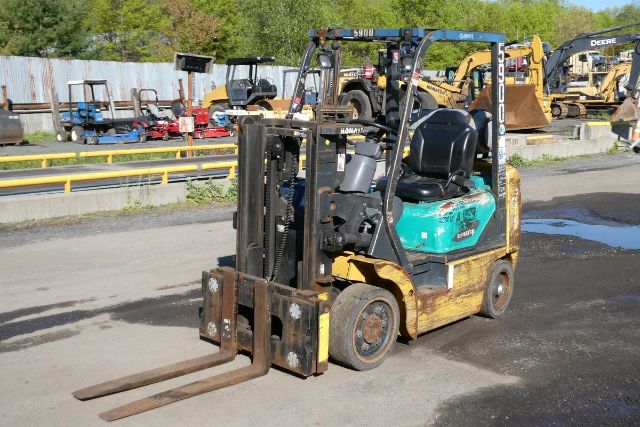
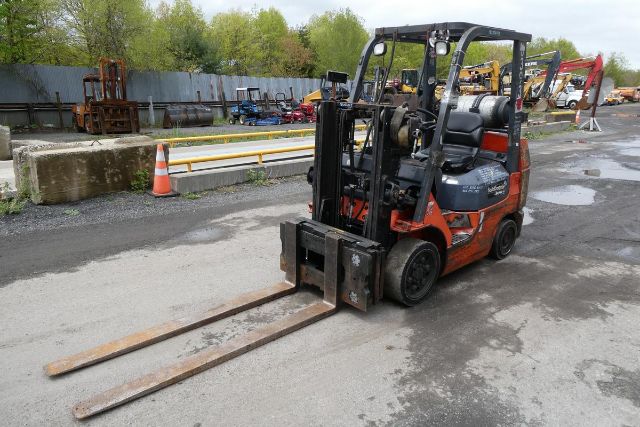
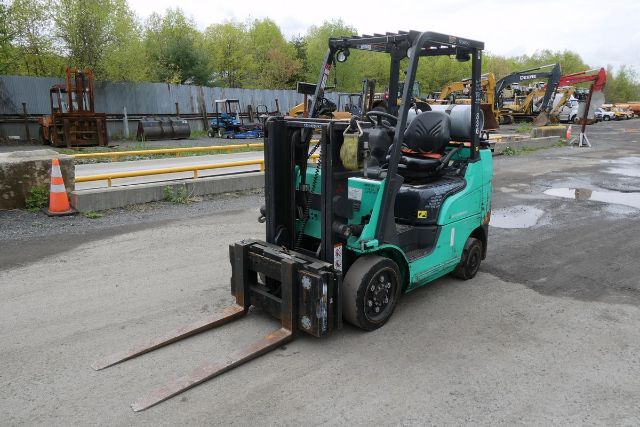
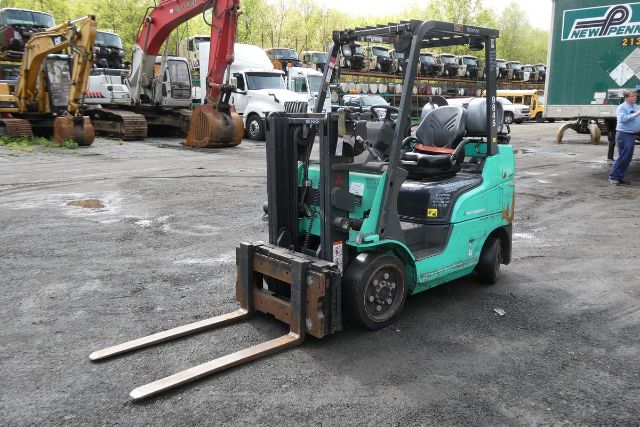
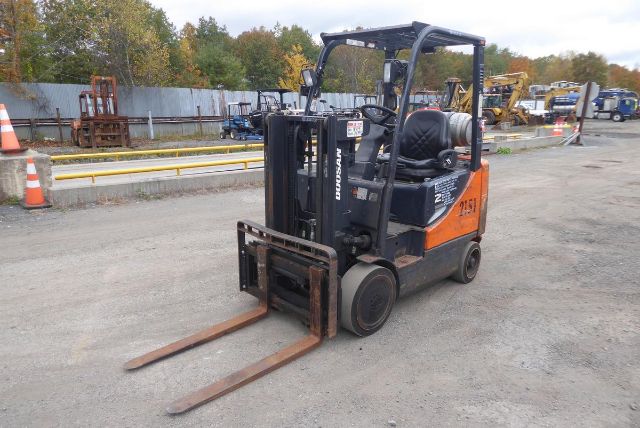
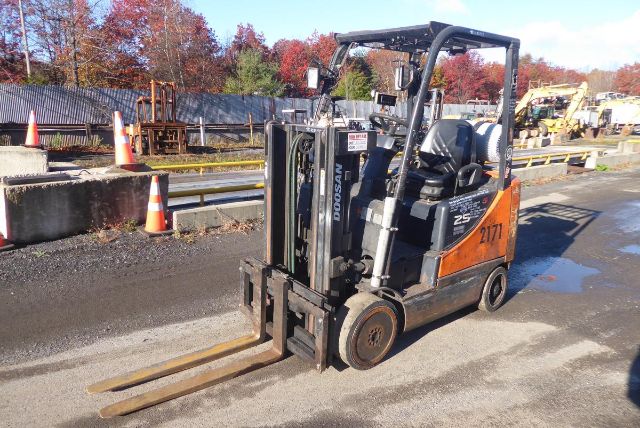
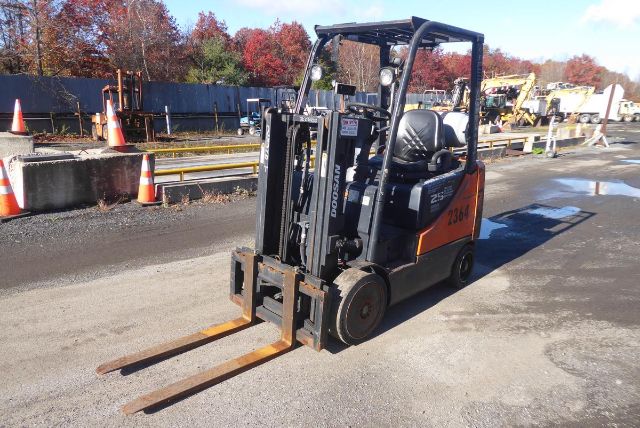
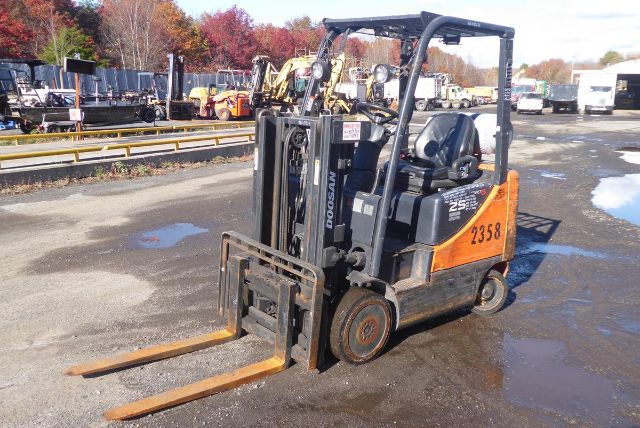
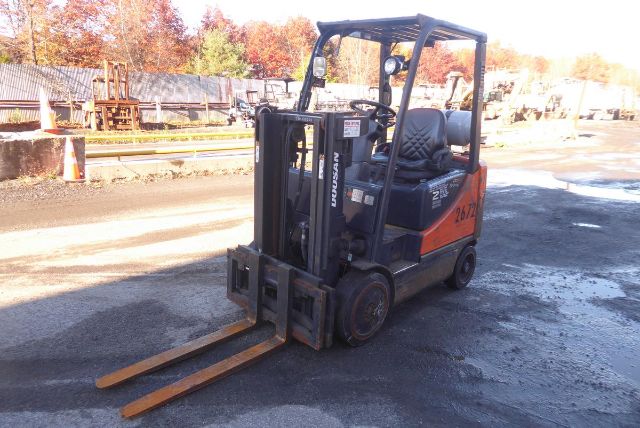
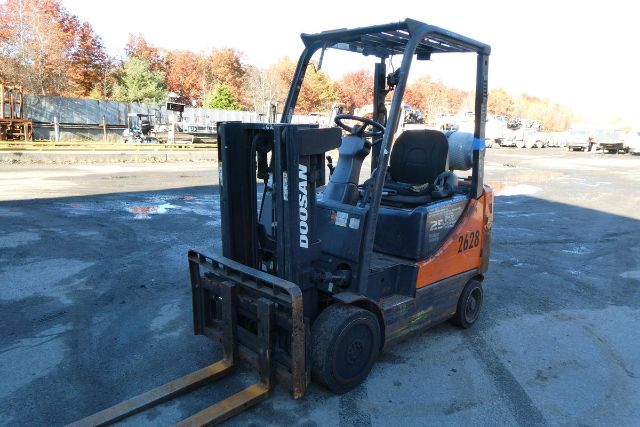
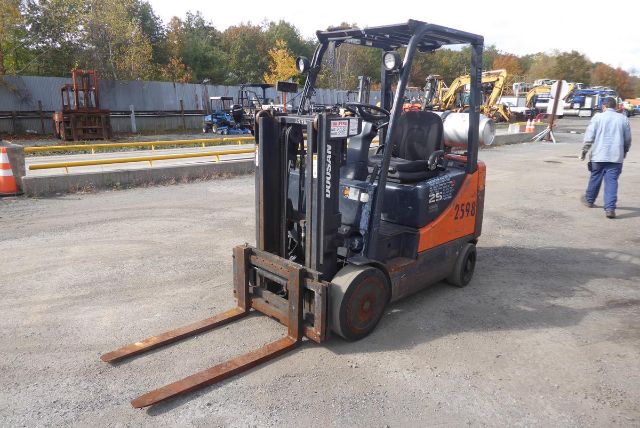
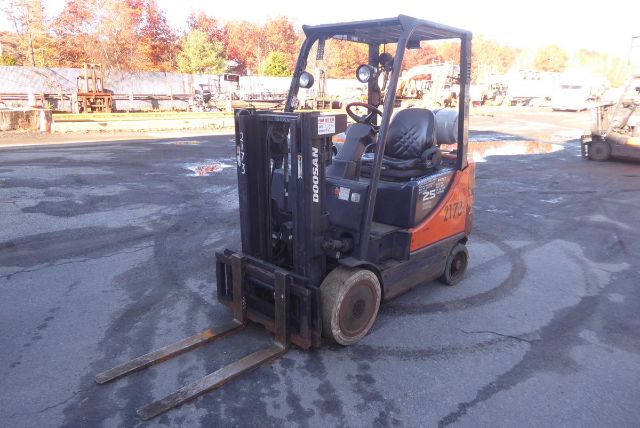
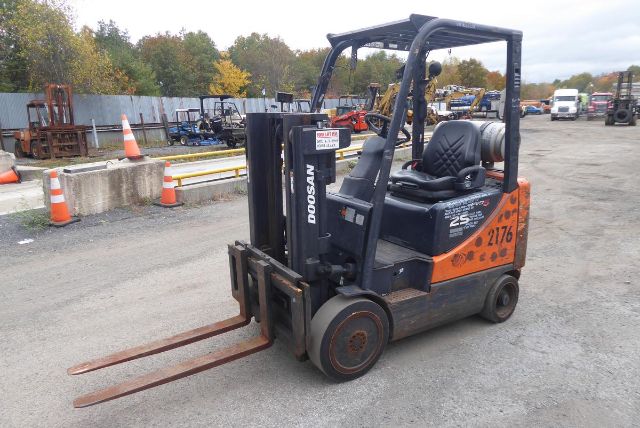
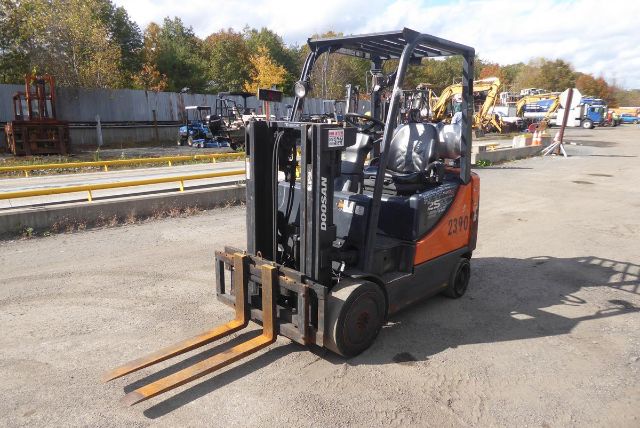
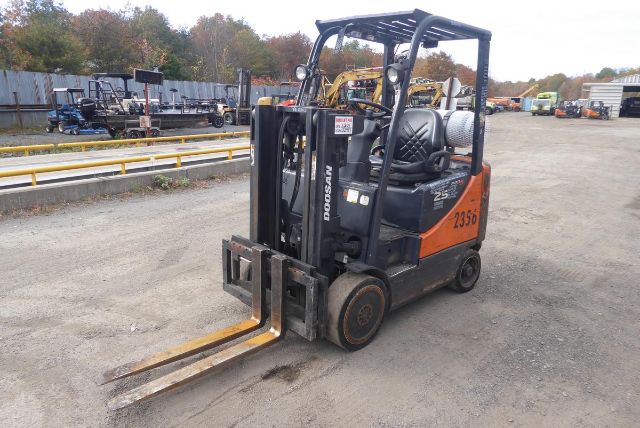
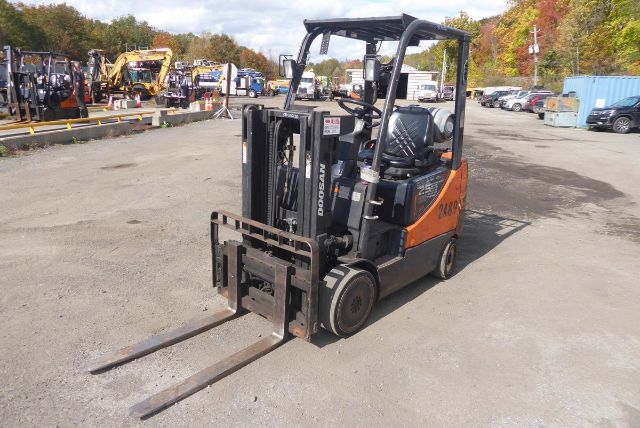
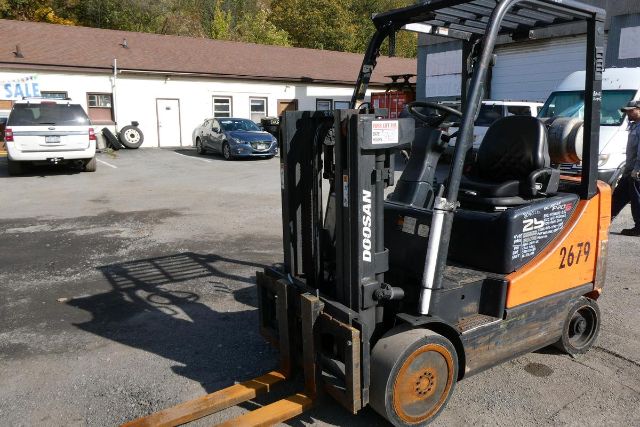
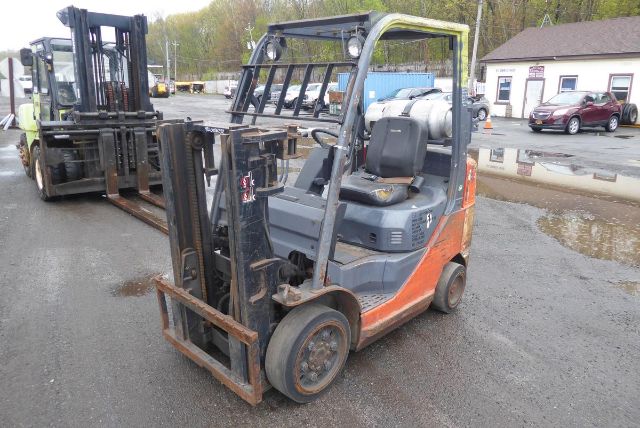
Showing 1 to 28 of 87 results
Selling a forklift? List your forklift for sale and reach thousands of commercial buyers.
Forklifts
Cushion tires fit smooth indoor floors; pneumatic-tire chassis suit outdoor yards, with air-filled tires or manufacturer-approved solid pneumatic replacements. Electric forklifts eliminate engine exhaust at the point of use and require compatible batteries, chargers, and electrical service. LPG models allow quick fuel changes but still require ventilation indoors; diesel suits outdoor, heavy-duty work. Toyota 7FGCU25 and 8FGCU25 models pair LPG four-cylinder engines with torque-converter transmissions. Legacy Doosan GC models are also familiar propane machines. Hyster and Yale offer internal-combustion and electric lines, while Crown and Raymond are established warehouse lift-truck makes.
Measure door openings, rack heights, and working aisles before choosing a mast and wheelbase. Lowered mast height determines doorway clearance, while free lift allows the forks to rise without immediately extending the mast. Check the manufacturer's right-angle stacking aisle requirement for the intended pallet and fork length. For a new forklift, specify auxiliary hydraulic functions, attachment capacity, and tire type before ordering. Obtain written warranty terms for the truck, battery, and charger, including hour limits and coverage exclusions.
Hour meters can be replaced, so compare indicated hours with service invoices and ECM or controller records where available. Test a used machine cold and fully warm under a controlled load within its rated capacity; check oil pressure, transmission engagement, steering, brakes, mast-chain wear, carriage rollers, and hydraulic drift. Inspect fork heels for thinning and overhead guards for damage. Older machines need close attention to hoses, seals, wiring, and parts support; later diesel models may carry Tier 4 exhaust aftertreatment. Verify emissions equipment by engine family rather than applying highway-truck model-year rules.
Cold-weather operation across the United States and Canada demands attention to battery temperature, hydraulic oil, starting systems, and traction. Road salt carried into loading areas accelerates corrosion on frames, brake components, and electrical connections. Confirm that ventilation, operator training, and equipment emissions meet applicable US, state, provincial, and local requirements. Snow, grades, and loose gravel can rule out a cushion-tire warehouse machine.
Also known as: Lift Truck, Fork Truck, Forklift Truck
Frequently Asked Questions about Forklifts
Does a 5,000-pound forklift rating apply to long loads?
No, a 5,000-pound forklift rating at a 24-inch load center does not automatically apply when the load's center of gravity moves farther forward. A simple load-moment comparison suggests about 4,000 pounds at 30 inches, but that calculation is not an approved capacity rating. Use the manufacturer's capacity chart and correct attachment plate for the actual lift height and configuration.
How much fork wear is too much on a used forklift?
A 10% loss of fork-blade thickness is a removal-from-service threshold under ISO 5057, unless the manufacturer specifies a stricter limit. That amount of wear can reduce fork strength by roughly 20%. Have a qualified inspector measure the forks against their original dimensions, inspect heels and hooks for cracks, and verify that both forks form a matched, correctly rated pair.
How do I test a used electric forklift battery before buying?
A documented discharge-capacity test gives a better picture of a used electric forklift battery than a dashboard charge reading. Have a qualified battery technician test the pack under the manufacturer's procedure. For lead-acid batteries, inspect cell voltages, electrolyte condition, and corrosion; for lithium batteries, review battery-management-system faults and cycle records. Confirm that the supplied charger supports the battery's voltage and chemistry.
What training is required to operate a forklift in the US and Canada?
US employers must train and evaluate forklift operators under OSHA's powered industrial truck rule, with a performance evaluation at least every three years. Refresher training is also required after specified unsafe events or relevant workplace changes. Canadian requirements are set by the applicable provincial or territorial authority. A training card alone does not replace an employer's responsibility to establish competence on the assigned forklift and worksite.
What trailer do I need to haul a forklift?
Choose a trailer rated for the forklift's actual operating weight, including its battery or fuel system, not its lifting capacity. Check trailer payload, axle ratings, deck point-load limits, ramp capacity, and loading angle. Forklift weight is concentrated over relatively small tire contact areas. Verify mast clearance and use approved securement points, with tiedowns meeting the cargo-securement rules applicable to the route.