
2016 Forklifts For Sale
Compare 2016 forklifts for sale by rated capacity, mast height, tire type, and power source. Check service history, battery condition, and emissions equipment.
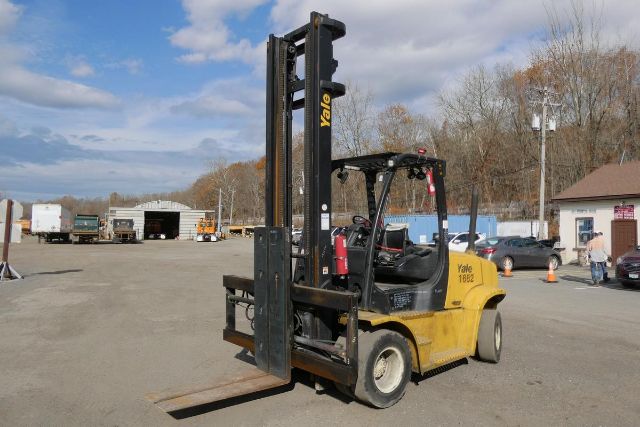
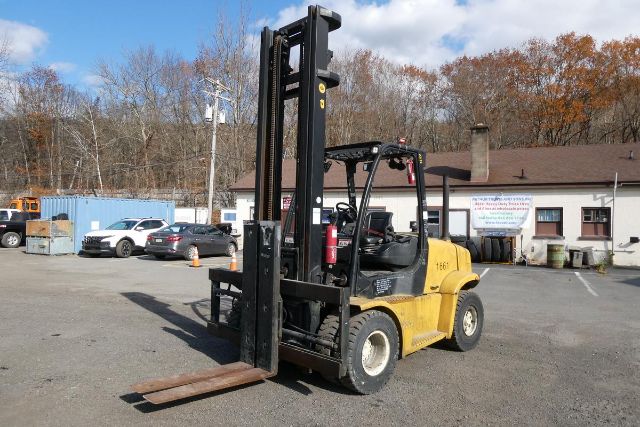
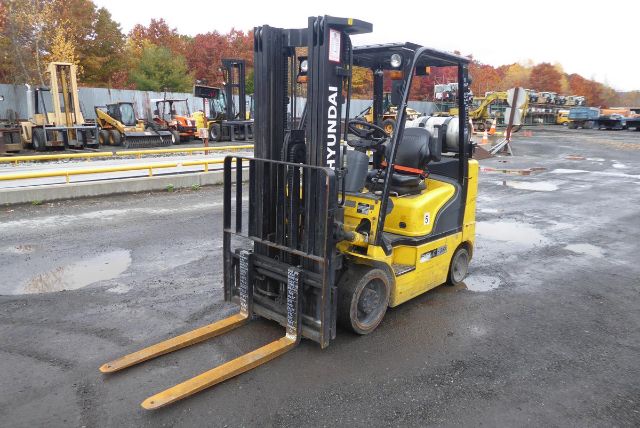
Selling a 2016 forklift? List your 2016 forklift for sale and reach thousands of commercial buyers.
2016 Forklifts
For used 2016 models, inspect fork heels, mast rollers, chains, hydraulic leaks, steering play, and transmission engagement under load. Review service records and controller or ECM hours where accessible; electric trucks also need a battery capacity test and charger check. For a new, unused 2016 truck, confirm attachment compatibility, storage maintenance, component aging, and warranty coverage and start date before ordering modifications. Diesel emissions equipment varies by engine, so confirm the emissions label and installed aftertreatment. Across the United States and Canada, check cold-start performance for winter yards and corrosion from salt exposure, and confirm local workplace ventilation requirements for indoor combustion-engine use.
Frequently Asked Questions about 2016 Forklifts
Can a 2016 forklift lift its rated capacity with longer forks?
Longer forks do not increase a forklift's rated capacity, and loads carried farther forward can reduce allowable capacity. A truck rated at a 24-inch load center cannot automatically carry the same weight at a 30-inch load center. Check the load's center of gravity, attachment weight, and manufacturer-approved capacity plate before handling oversized pallets or machinery.
How much fork wear is too much on a used 2016 forklift?
Forks with 10% thickness loss at the heel should be removed from service. Measure wear against the original thickness using the manufacturer's inspection procedure, rather than judging the forks by appearance. A qualified inspection should also check cracks, bent blades, uneven tip heights, and damaged retaining locks. Replacement forks must match the carriage class and required capacity.
How do I evaluate the battery in a 2016 electric forklift?
A controlled battery capacity test is more useful than a dashboard charge reading when evaluating a 2016 electric forklift. Confirm the battery's manufacturing date, service history, voltage, amp-hour rating, and required weight range. Inspect lead-acid batteries for corrosion, damaged connectors, and uneven cell performance. Verify charger compatibility and the facility's electrical supply before planning a full-shift application.
Does every 2016 diesel forklift have a DPF?
No, not every 2016 diesel forklift has a diesel particulate filter; aftertreatment varies by engine family and power rating. Tier 4 compliance alone does not establish which exhaust components are installed. Identify the engine and emissions label, then confirm the manufacturer's configuration. Where a DPF is fitted, review regeneration faults, cleaning records, and any evidence of emissions-system tampering.
Do operators need certification to drive a 2016 forklift?
Forklift operators need workplace-specific training and evaluation, not just a driver's license. In the United States, OSHA requires employers to certify powered industrial truck operator training and evaluate operator performance at least once every three years. Canadian requirements follow provincial or territorial occupational safety rules. A previous operator card does not eliminate the need to assess competence with the actual forklift, attachments, and worksite hazards.