
2005 Forklifts For Sale
Compare 2005 forklifts for sale by rated capacity, mast clearance, fuel type, and inspection needs for warehouse or yard work across the US and Canada.
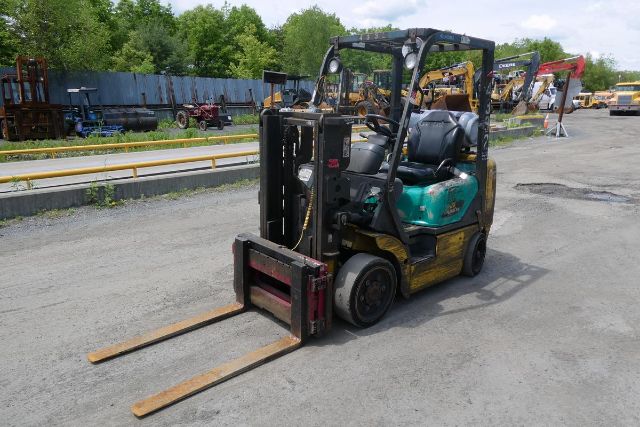
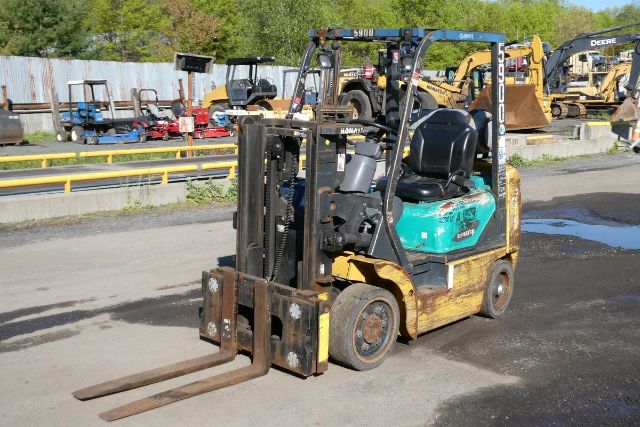
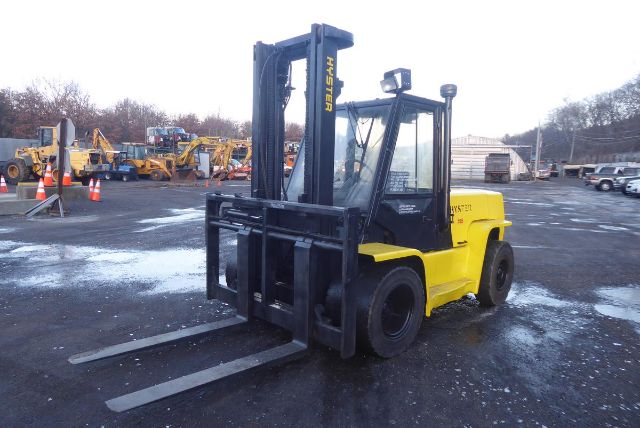
Selling a 2005 forklift? List your 2005 forklift for sale and reach thousands of commercial buyers.
2005 Forklifts
At more than 20 years old, a 2005 fork truck needs a loaded demonstration of mast travel, steering, braking, and forward/reverse engagement. Inspect fork heels, lift chains, mast rollers, hydraulic hoses, and drive-axle leaks; compare recorded hours with service history and available controller or ECM data. Electric models need battery capacity testing, not just a voltage reading. For any machine described as new, verify unused status, storage maintenance, and written warranty terms. A rebuilt forklift is not newly manufactured, and prolonged storage can leave seals, tires, and electrical connections needing attention.
Frequently Asked Questions about 2005 Forklifts
Does a side shifter reduce the capacity of a 2005 forklift?
A side shifter can reduce a 2005 forklift's usable capacity, so the attachment-specific data plate must govern loading. Attachments add weight and can move the load forward, increasing the overturning moment. Longer forks do not increase capacity. Obtain manufacturer-approved capacity information for the actual mast, attachment, and load center rather than calculating a safe rating from the model name.
Does a 2005 diesel forklift need a DPF?
The 2007 on-highway diesel emissions standards do not apply to forklift engines. A 2005 diesel forklift falls under nonroad engine rules, with original emissions equipment determined by engine certification, power category, and market. Identify the engine's emissions label and check workplace or local retrofit requirements. An older diesel forklift can still face indoor exhaust restrictions even when no particulate filter was originally fitted.
How much fork wear is too much on a used 2005 forklift?
A 10% loss of original fork-blade thickness is a commonly used removal-from-service threshold for industrial forklifts. Have a qualified inspector measure wear against original dimensions and check heel cracks, tip alignment, locking pins, and permanent bending. Welded repairs require particular scrutiny. Replacement forks for a 2005 forklift must match the carriage mounting, rated capacity, blade length, and manufacturer's requirements.
Do I need a licence to operate a 2005 forklift?
US workplace forklift operation requires employer-provided training and evaluation, not a driver's licence or CDL solely because the machine is a forklift. OSHA requires operator performance evaluation at least every three years, with refresher training triggered by specified safety issues or operating changes. Canadian requirements are governed by provincial or territorial workplace rules. A 2005 forklift's age does not exempt its operator from training requirements.
How do I check the battery on a 2005 electric forklift?
A battery discharge-capacity test is the most useful check of whether a 2005 electric forklift can complete the intended shift. For lead-acid packs, inspect cell condition, electrolyte levels, connector damage, cable heating, and corrosion around the battery compartment. Confirm that the charger matches the battery voltage, capacity, and chemistry, and that your building supplies the required input power. Resting voltage alone does not establish usable battery capacity.