
Toyota Forklifts For Sale
Compare Toyota forklifts for sale by LPG or electric power, tire type, rated capacity, and mast clearance, with inspection tips for older lift trucks.
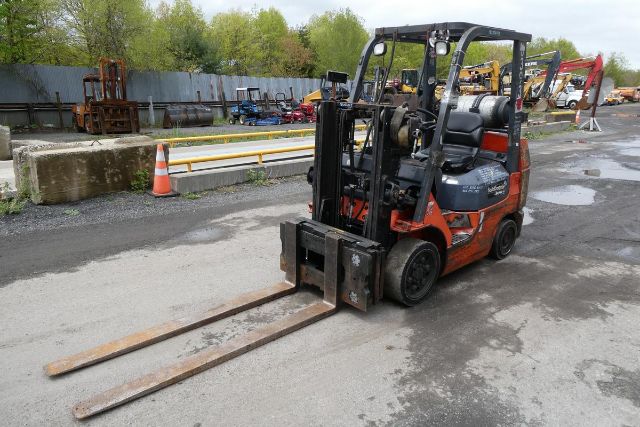
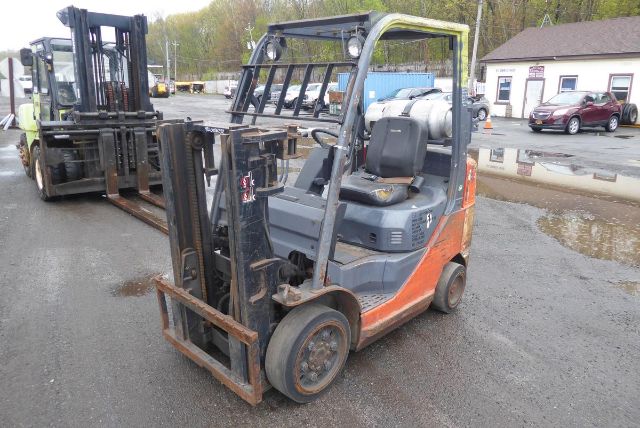
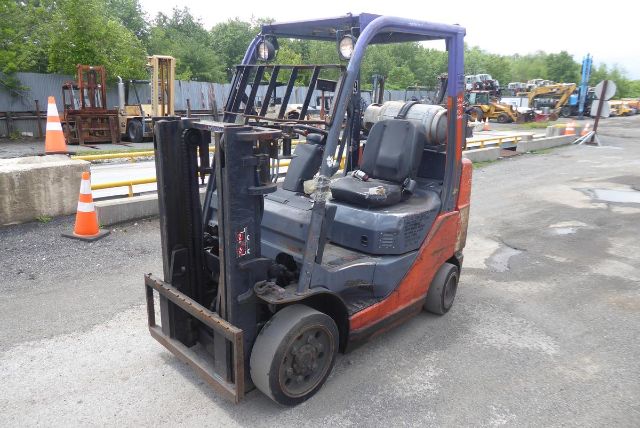
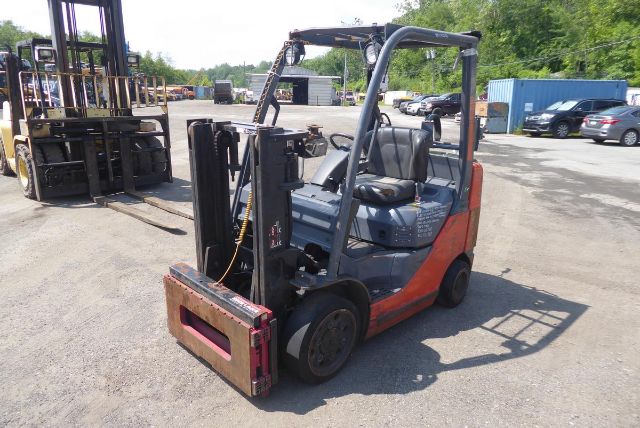
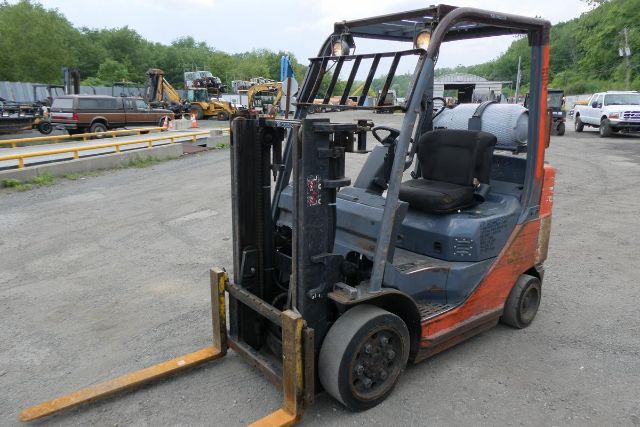
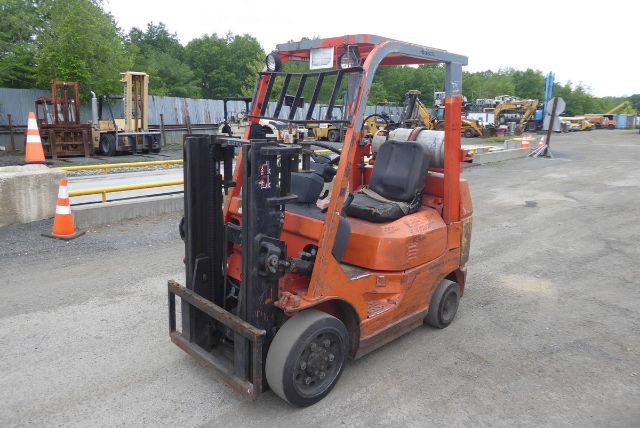
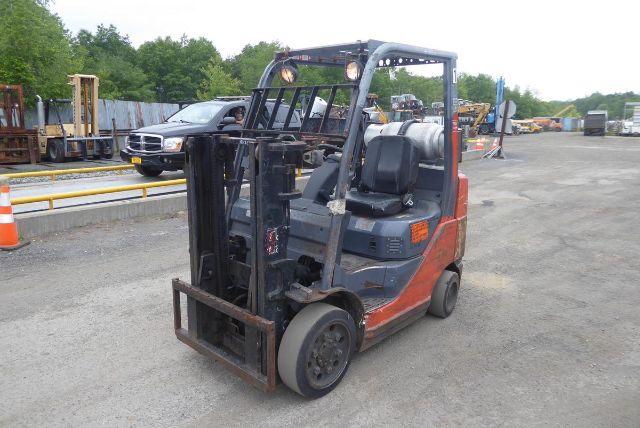
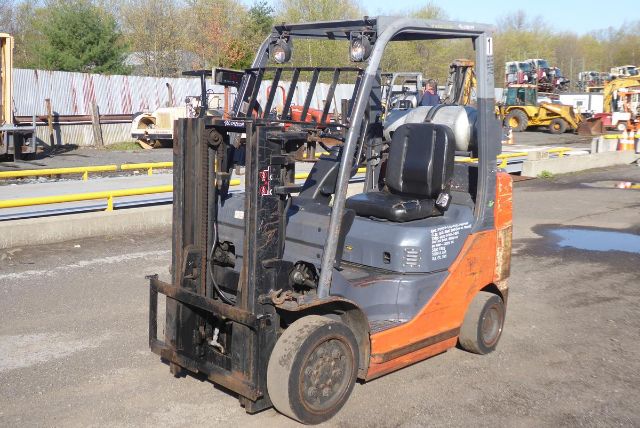
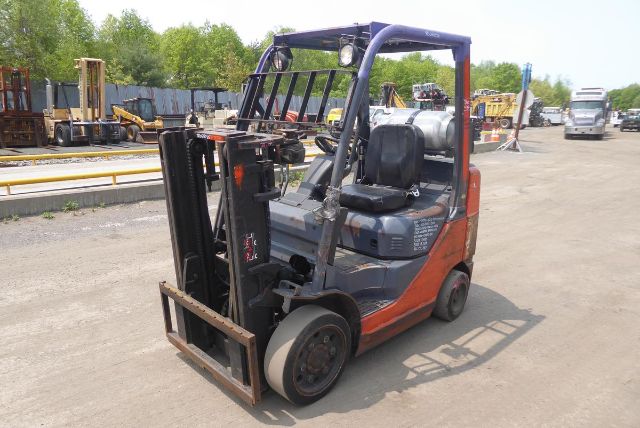
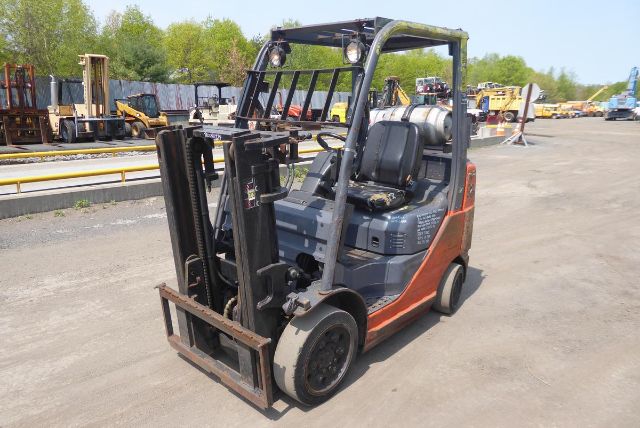
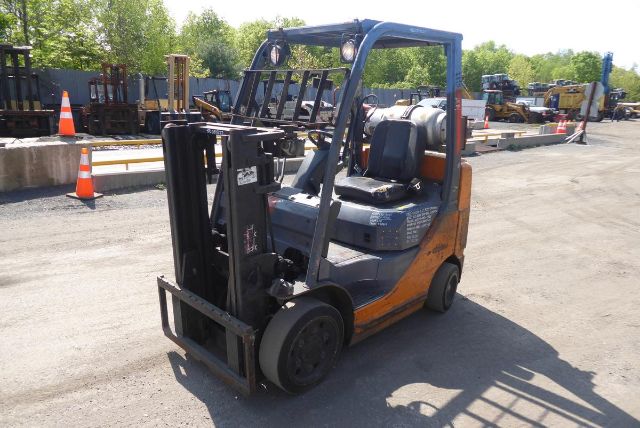
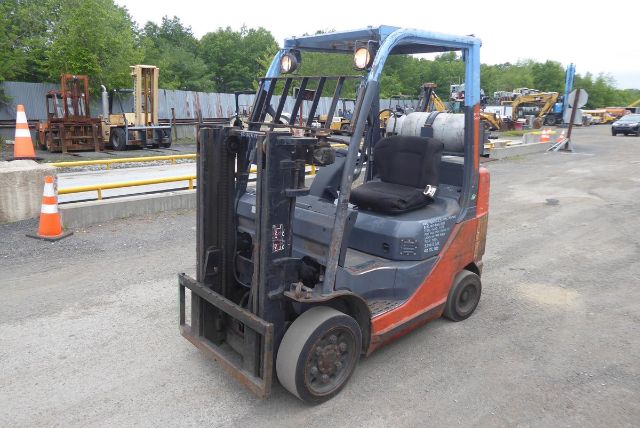
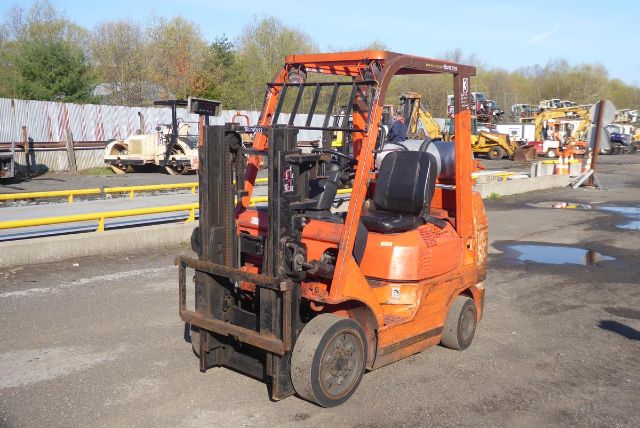
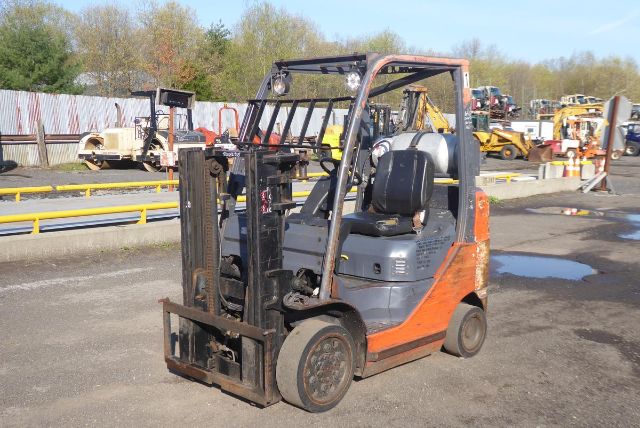
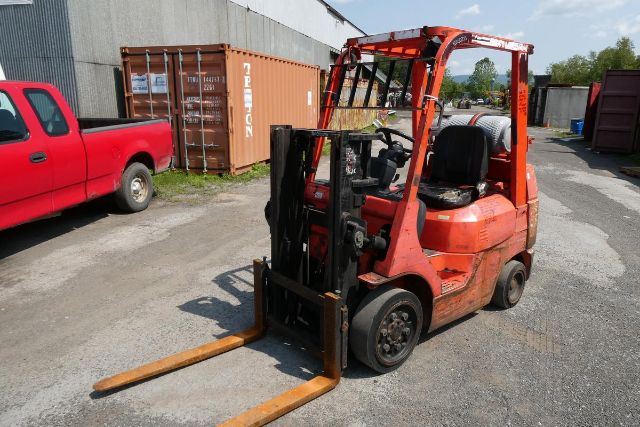
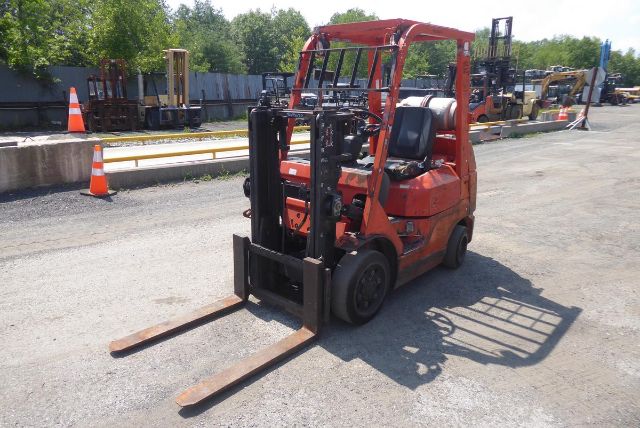
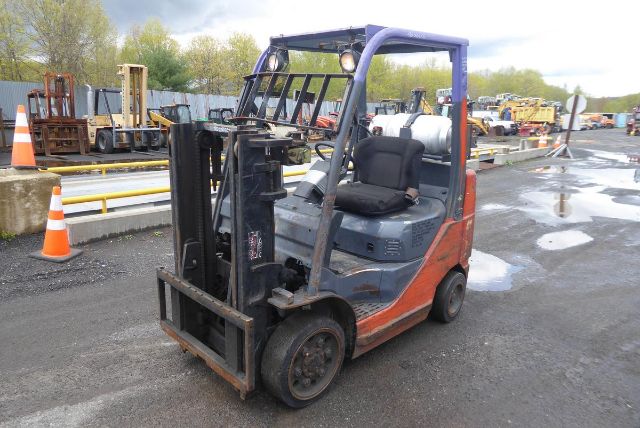
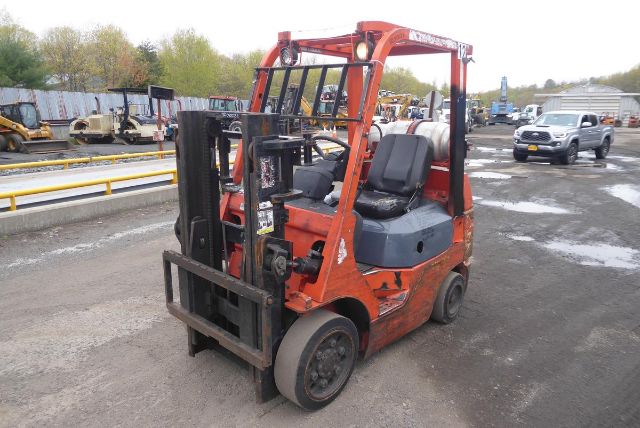
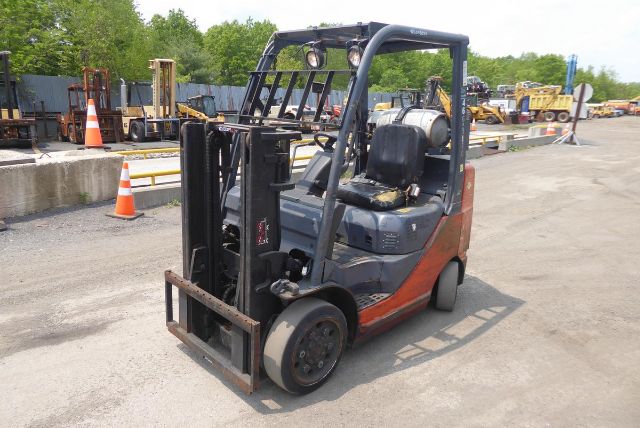
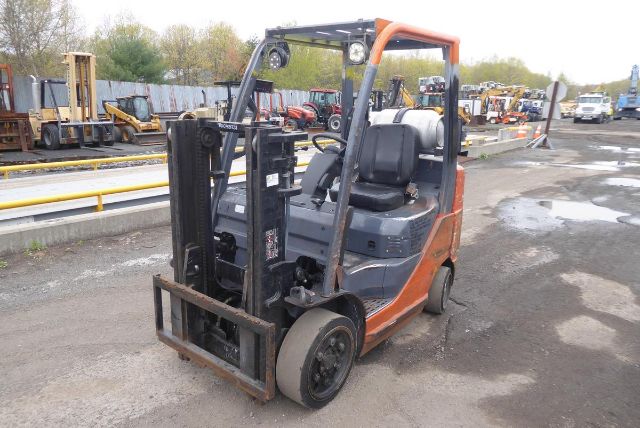
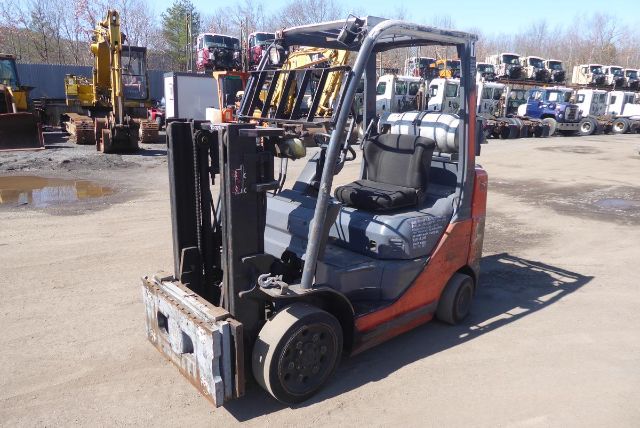
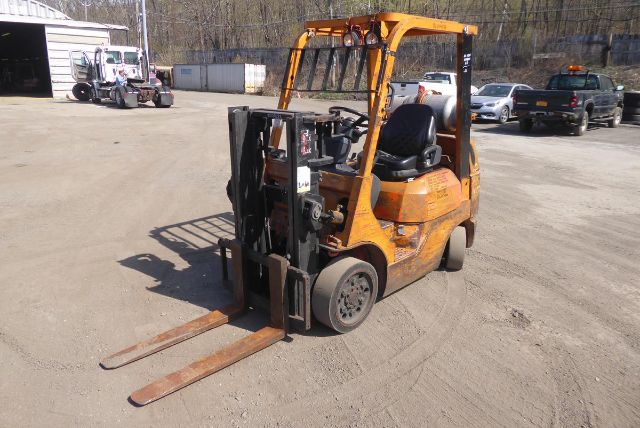
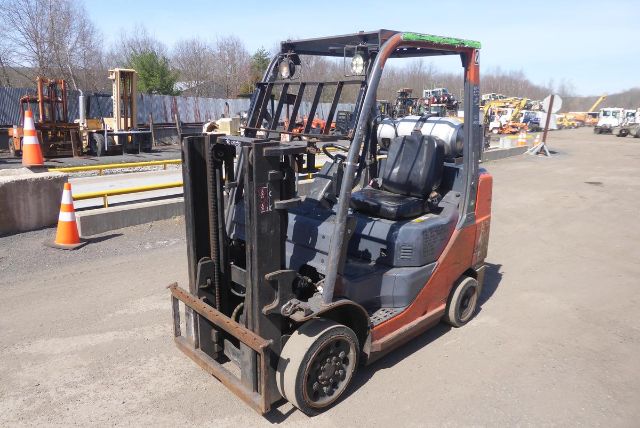
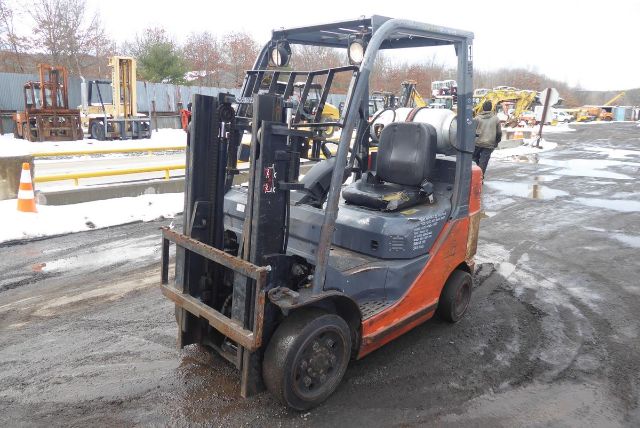
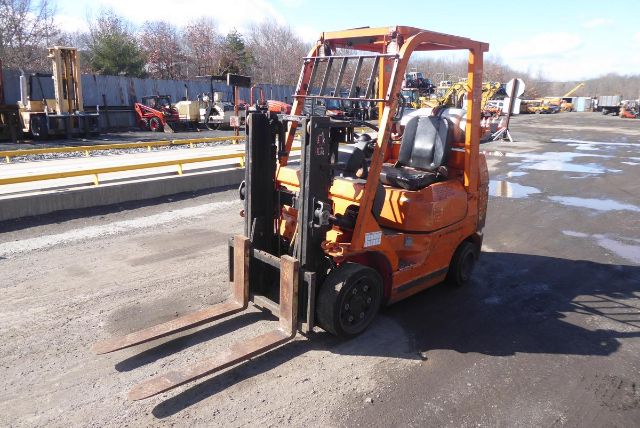
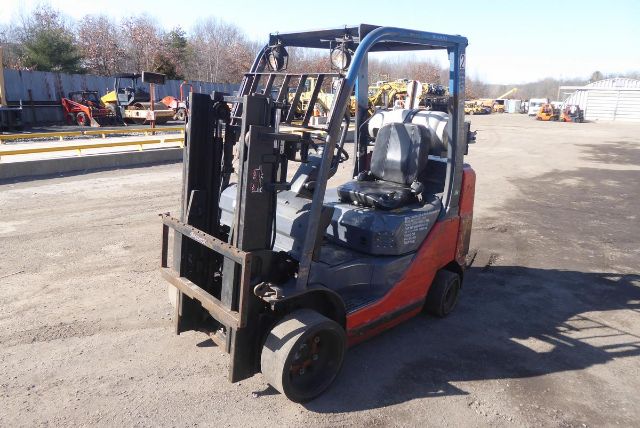
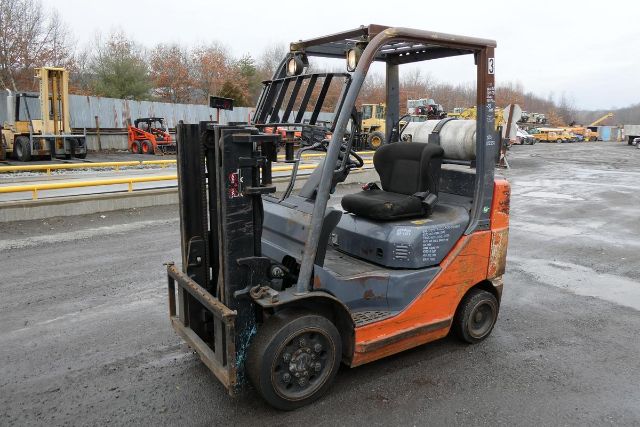
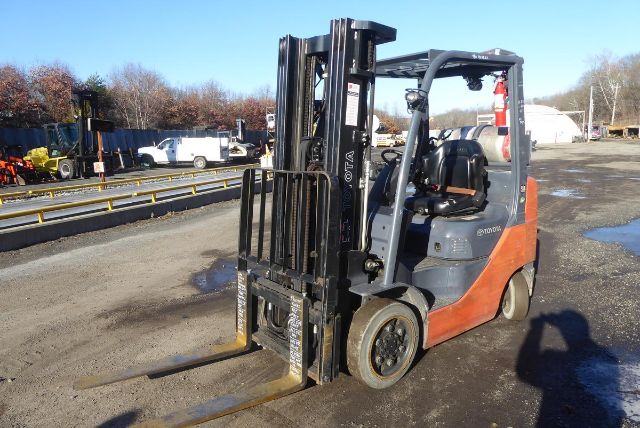
Showing 1 to 28 of 30 results
Selling a toyota forklift? List your toyota forklift for sale and reach thousands of commercial buyers.
Toyota Forklifts
Choose cushion tires for smooth concrete and suitable pneumatic-tire configurations for paved yards or maintained gravel, not unimproved terrain. A Toyota reach truck can serve narrow-aisle racking but is not a substitute for a yard forklift. Check the capacity plate for the installed mast and attachments at the specified load center and lift height. Side shifters, clamps, and longer loads can reduce usable capacity. Measure lowered mast height, overhead-guard height, free lift, and working aisle width against doors, trailers, and racks; maximum lift height alone does not establish clearance.
On used Toyota fork trucks, maintenance records and a loaded operating test matter more than the hour meter alone. Compare recorded hours with pedal, seat, steering, and carriage wear, and review ECM fault history where available. Test cold starting, hot restarting, forward and reverse engagement, service brakes, parking brake, and hydraulic operation after warm-up. Inspect fork heels, mast rollers, chains, cylinder rods, steer-axle pivots, and frame repairs. Older LPG trucks deserve checks of ignition components, fuel regulators, hoses, and cooling systems; electronically controlled generations also need proper fault diagnosis. Toyota's System of Active Stability, fitted to many sit-down models, needs functional checks rather than assumptions based on the badge.
For a new Toyota lift truck, specify the mast, fork length, attachments, tires, and required residual capacity together. Confirm warranty coverage separately for the truck, battery, charger, and attachments, including hour limits and maintenance requirements. An electric forklift order should identify battery chemistry, charging schedule, and an approved battery weight range because the battery contributes to stability. A used electric truck needs those same compatibility checks before any battery replacement.
Across the United States and Canada, winter yards, cold storage, dusty plants, and continuous warehouse shifts impose different requirements. Salt exposure warrants inspection of brake components, electrical connections, and the underside; cold environments affect battery performance and LPG fuel delivery. Confirm charger voltage and phase against the facility's electrical supply, and verify applicable electrical approvals. Match the forklift's equipment designation to any hazardous-location requirements, and check state or provincial workplace rules before assigning a truck to the job.
Frequently Asked Questions about Toyota Forklifts
Can I use a Toyota propane forklift inside a warehouse?
Yes, a Toyota LPG forklift can work indoors where ventilation and exposure controls keep exhaust contaminants within workplace limits. Propane exhaust can still contain carbon monoxide, particularly when the engine is poorly maintained. Evaluate ventilation, monitor exposure as required, and maintain the fuel and ignition systems. An electric Toyota forklift avoids engine exhaust but still requires appropriate battery-charging safeguards.
Do I need a CDL to operate a Toyota forklift?
A CDL is normally unnecessary for operating a Toyota forklift inside a private warehouse or yard, but workplace operator training and evaluation are required. In the United States, OSHA requires an operator performance evaluation at least once every three years, with refresher training triggered by specified events. Canadian requirements follow provincial or territorial rules. Public-road operation introduces separate licensing and vehicle requirements.
How do I check the battery on a used Toyota electric forklift?
A documented capacity test is the strongest evidence of a used Toyota electric forklift battery's remaining working capacity. Have a qualified technician inspect the battery and test performance under an appropriate load; resting voltage alone cannot establish usable runtime. For lead-acid batteries, check cell condition, electrolyte maintenance, corrosion, and connector heating. For lithium batteries, review battery-management fault records and confirm truck and charger compatibility.
What trailer do I need to transport a Toyota forklift?
Size the trailer and tow vehicle around the Toyota forklift's actual transport weight, not its rated lifting capacity. Include the mast, attachments, battery, and other equipment carried with the load. Check trailer payload, deck strength, ramp ratings, axle loading, and loaded height. Use appropriate securement points and rated restraints, and verify the complete combination's legal weight and securement requirements before transport.
When should I replace the forks on a used Toyota forklift?
Forks on a Toyota forklift should be removed from service when heel thickness has worn by 10% from the original dimension. A qualified inspection should also check cracks, blade straightness, tip alignment, hooks, and positioning locks. Confirm original dimensions rather than estimating wear visually. Replacement forks must match the carriage mounting and required capacity, and damaged forks should not receive unauthorized welding repairs.