
2001 Forklifts For Sale
Compare 2001 forklifts for sale by rated load capacity, mast clearance, tire type, and age-related wear to choose a lift truck suited to your operation.
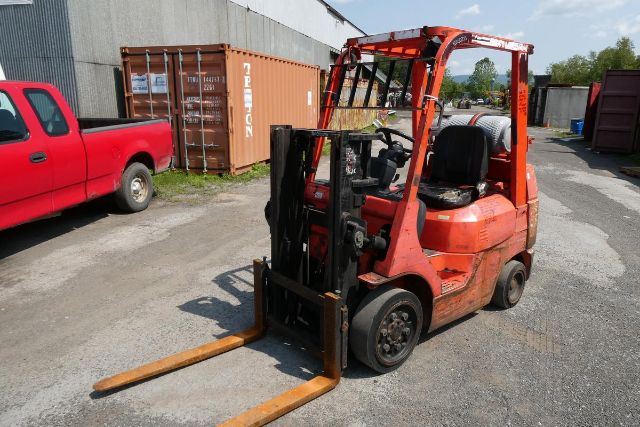
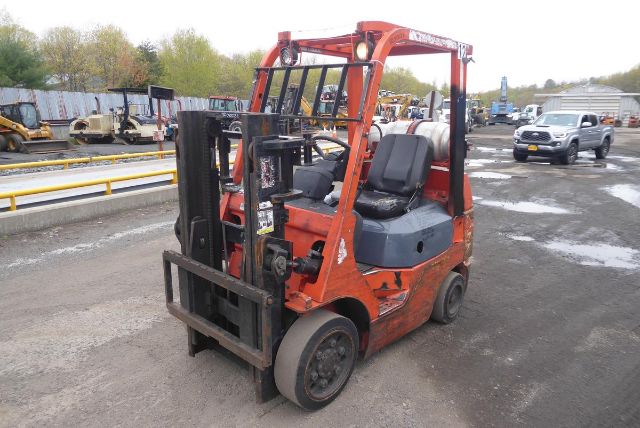
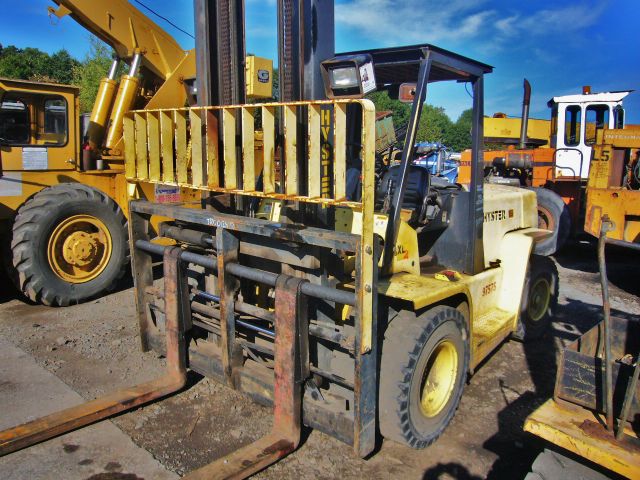
Selling a 2001 forklift? List your 2001 forklift for sale and reach thousands of commercial buyers.
2001 Forklifts
On a used 2001 machine, inspect fork heels, mast channels, chain elongation, carriage rollers, steer-axle pivots, brakes, and hydraulic drift under a controlled load test. Test transmission engagement cold and hot on engine-powered trucks. Check electric trucks for battery corrosion, cable damage, weak cells, and controller faults. Reconcile service records with hour-meter readings and electronic operating data where available. Any 2001 forklift represented as new or unused still needs inspection for storage-related seal, hose, tire, and battery deterioration, plus written confirmation of warranty coverage.
For United States and Canadian yard work, inspect salt-exposed chassis and hydraulic lines, and verify cold-weather starting aids and hydraulic performance. Cushion tires need firm surfaces, and pneumatic-style tires do not make a warehouse truck suitable for rough terrain. A 2001 diesel forklift generally predates modern DPF and SCR equipment; verify engine identity and local nonroad emissions requirements rather than applying highway-truck rules.
Frequently Asked Questions about 2001 Forklifts
How much fork wear is too much on a 2001 forklift?
The ANSI/ITSDF B56.1 wear limit is a 10% loss of original fork blade or shank thickness. Forks reaching that limit on a 2001 forklift should be removed from service. Measure with a fork-wear gauge using an unworn reference section, and follow manufacturer inspection instructions. Cracks, damaged mounting hooks, excessive tip-height differences, or unauthorized welding can also condemn forks that pass the thickness check.
Can I use a 2001 propane forklift indoors?
Yes, an LPG-powered 2001 forklift can operate indoors where ventilation and exposure controls keep exhaust contaminants within applicable workplace limits. Propane exhaust still contains carbon monoxide, so a clean-running engine is not proof that a space is safe. Have the engine tuned and emissions checked, assess ventilation under actual workloads, and confirm that the truck's designation is suitable for any classified hazardous area.
What charger do I need for a 2001 electric forklift?
The battery's voltage, chemistry, and amp-hour rating determine the correct charger for a 2001 electric forklift. A 48-volt battery requires a compatible 48-volt charger with the appropriate charging profile and capacity range. Verify connector compatibility, polarity, and the charger's required electrical supply, including phase. Match the charger to the installed battery rather than assuming the original battery specification still applies.
Does a 2001 forklift require operator certification?
Yes, a 2001 forklift remains subject to operator training and evaluation requirements regardless of its age. In the United States, OSHA requires employer-provided formal and practical training, with operator performance evaluated at least every three years. A training card alone does not replace workplace-specific instruction and evaluation. Canadian requirements vary by jurisdiction, so employers must confirm the applicable provincial or territorial rules rather than applying the US evaluation interval automatically.
Can I haul a 2001 forklift on a 14,000-pound equipment trailer?
A 14,000-pound trailer cannot carry a 14,000-pound forklift because trailer GVWR includes the trailer's own weight. Use the 2001 forklift's verified operating weight, including its battery or fuel, forks, and attachments, then compare that weight with trailer payload, axle ratings, and tow-vehicle limits. Concentrated wheel loads also require adequate deck strength, suitable ramps, and securement points rated for the machine.