
Hyundai Dry Van Trailers For Sale in Colorado
Compare Hyundai dry van trailers for sale in Colorado by door clearance, floor capacity, corrosion condition, and brake readiness for mountain routes.
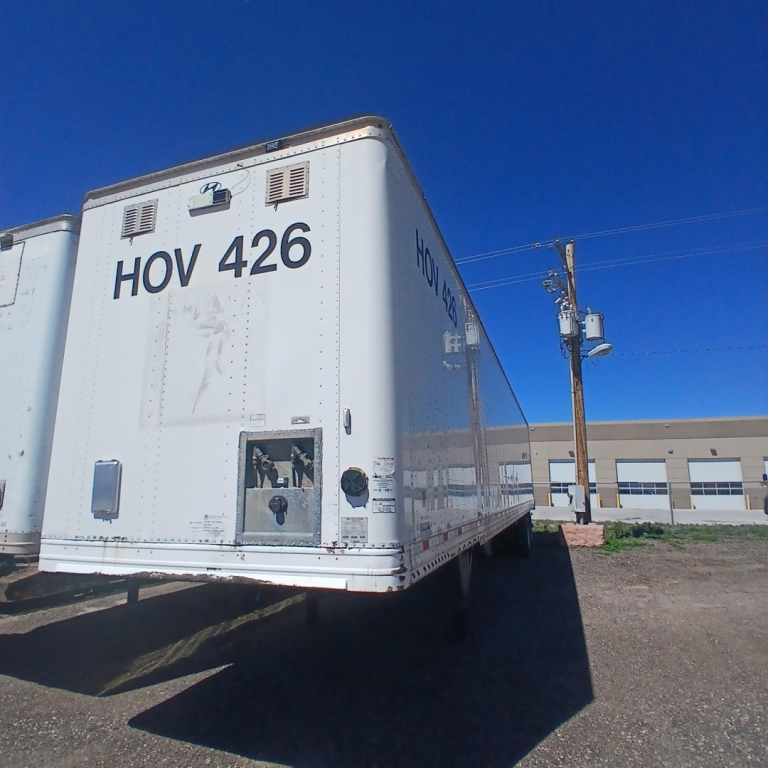
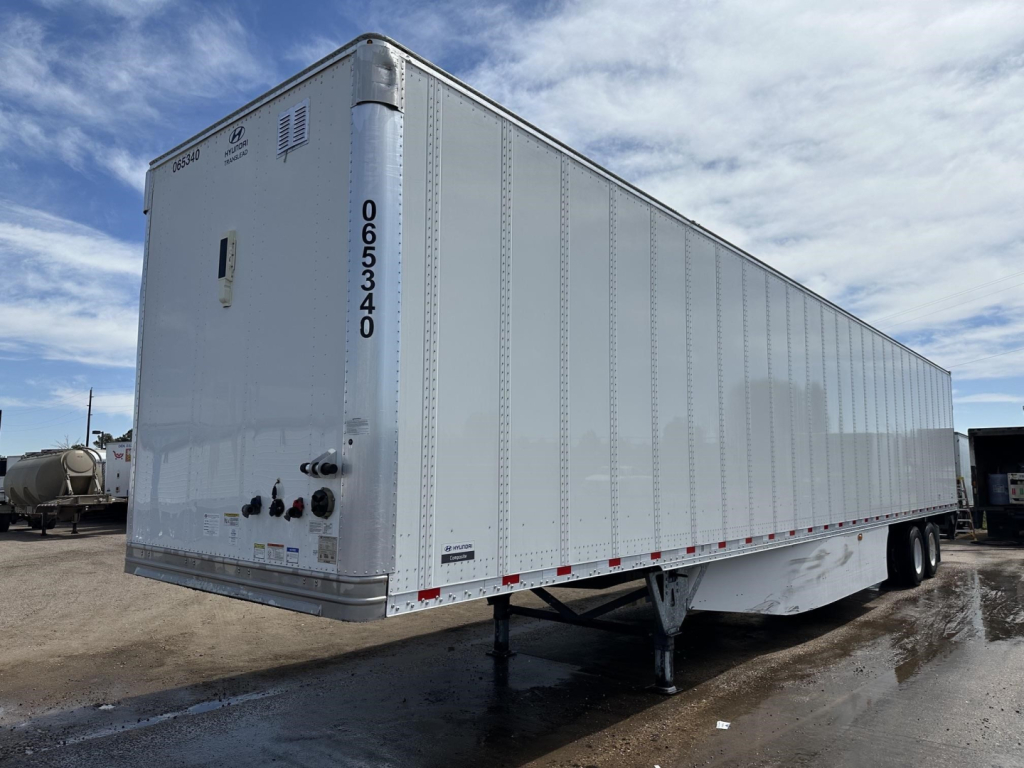
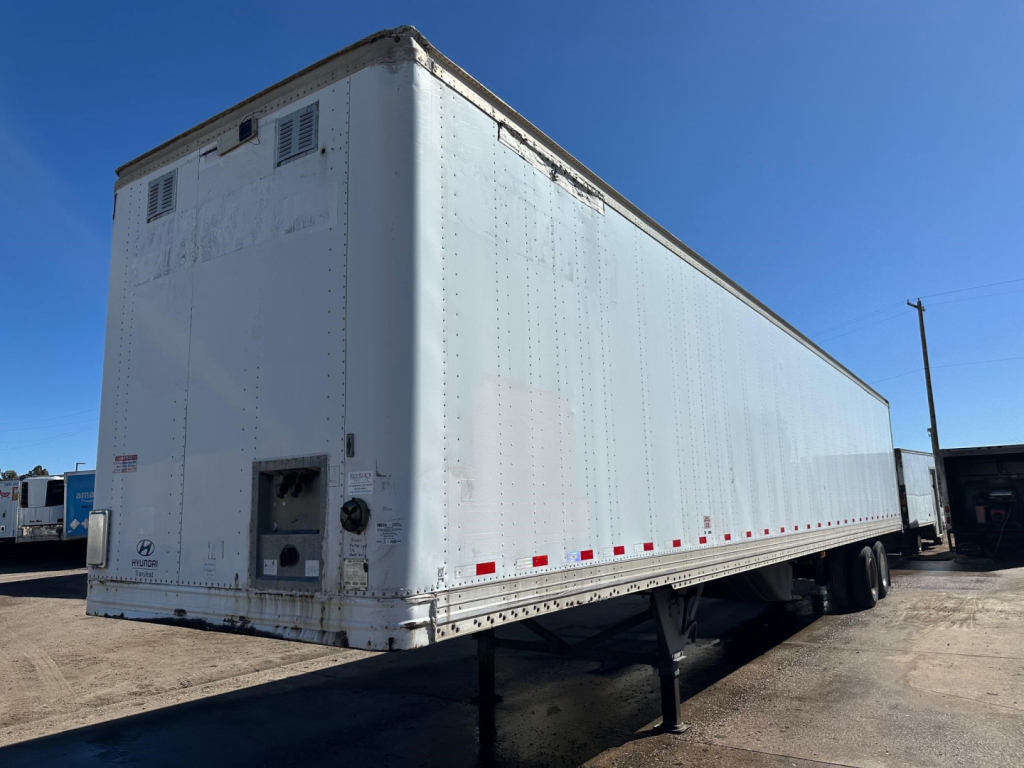
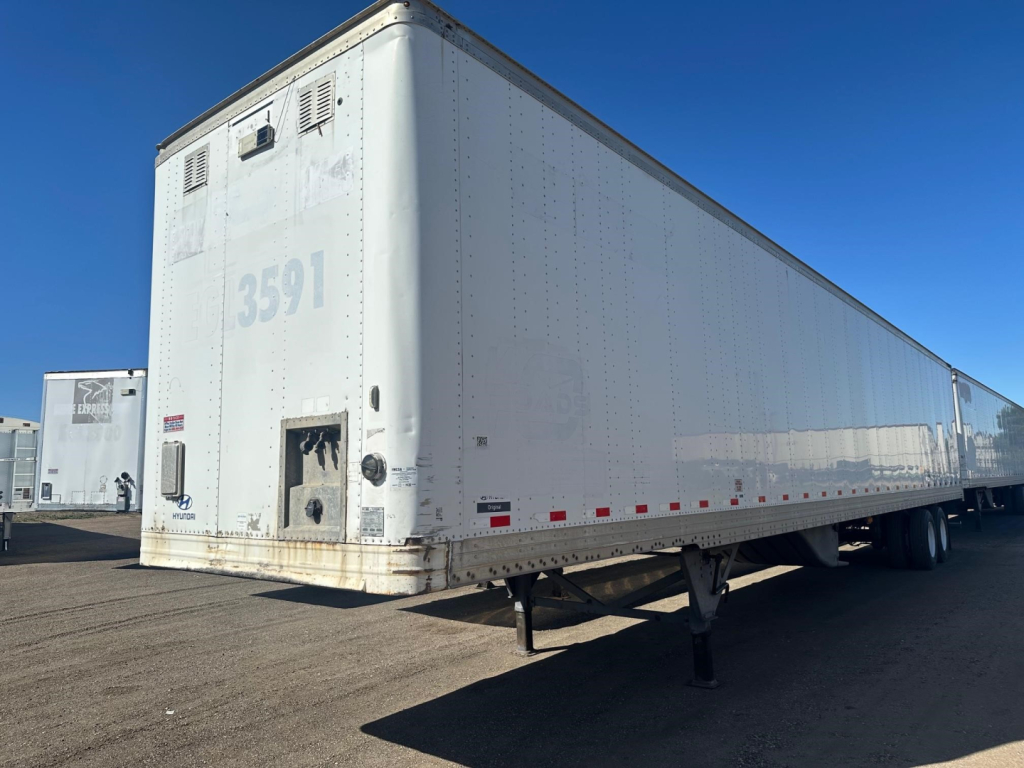
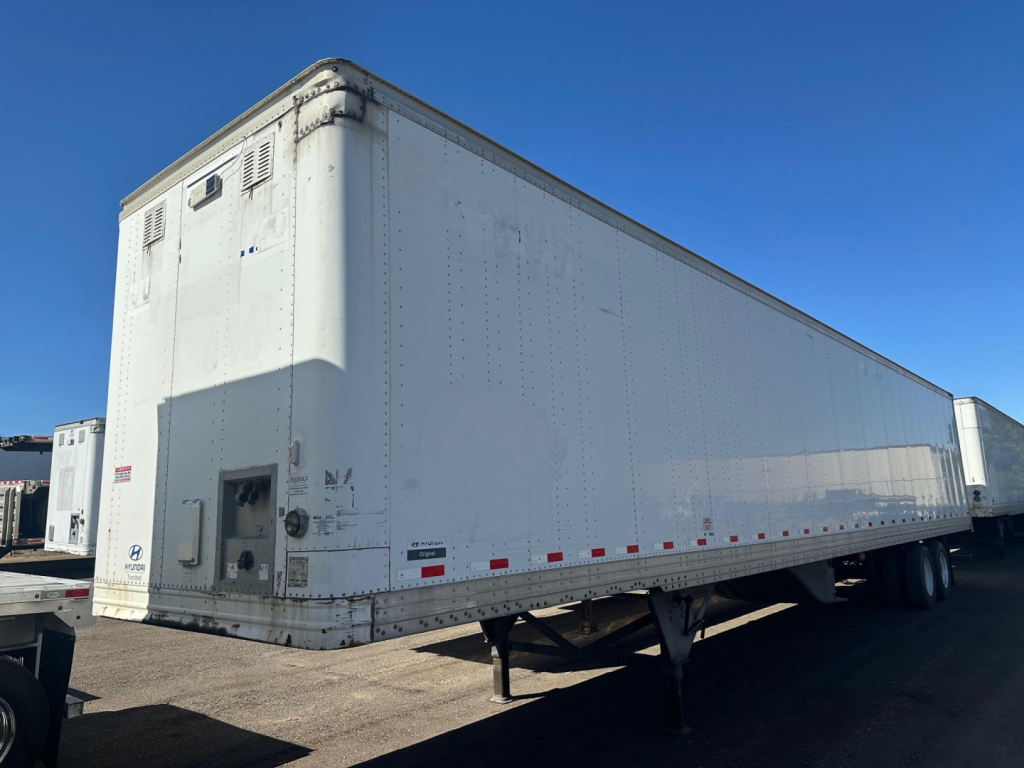
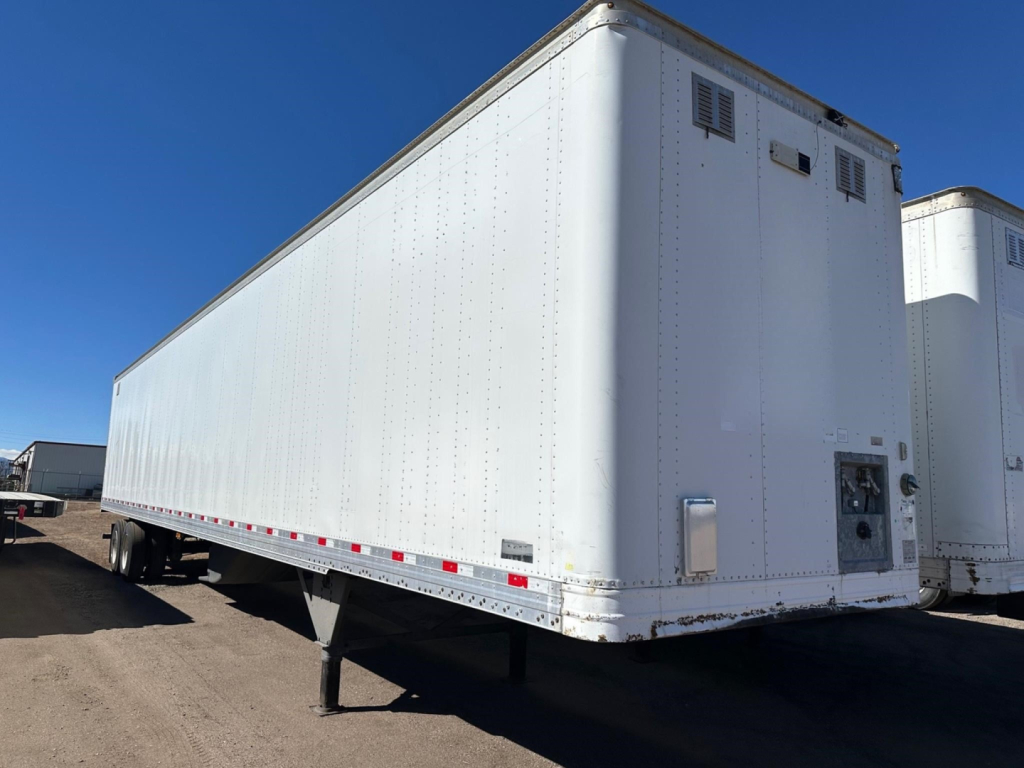
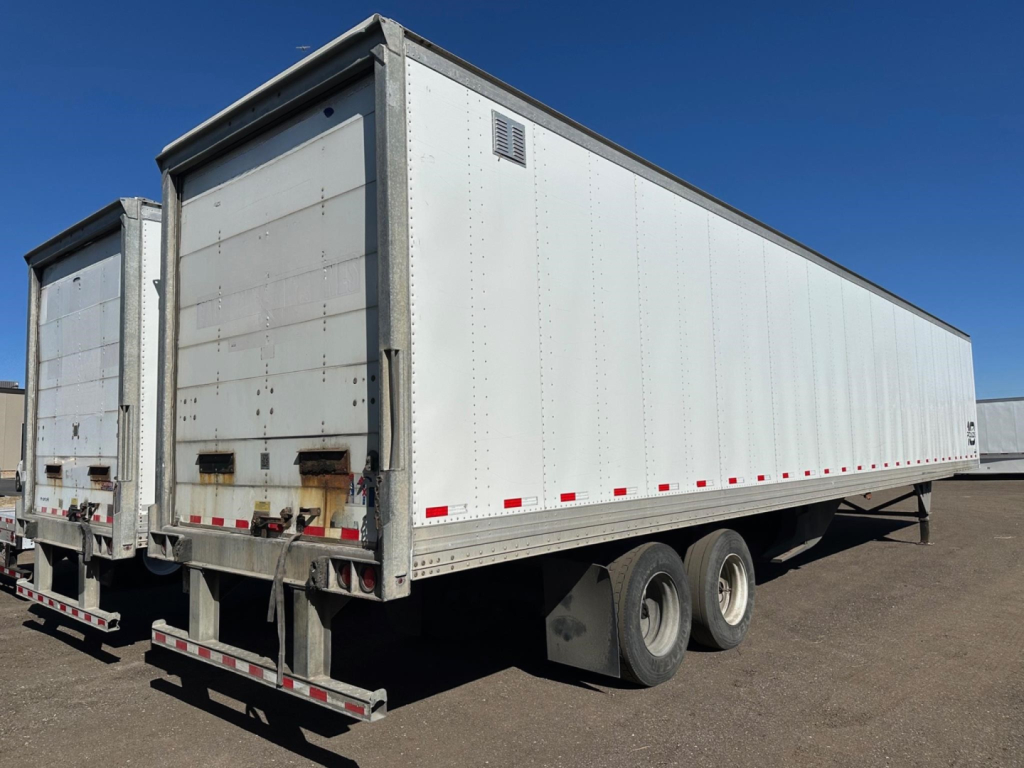
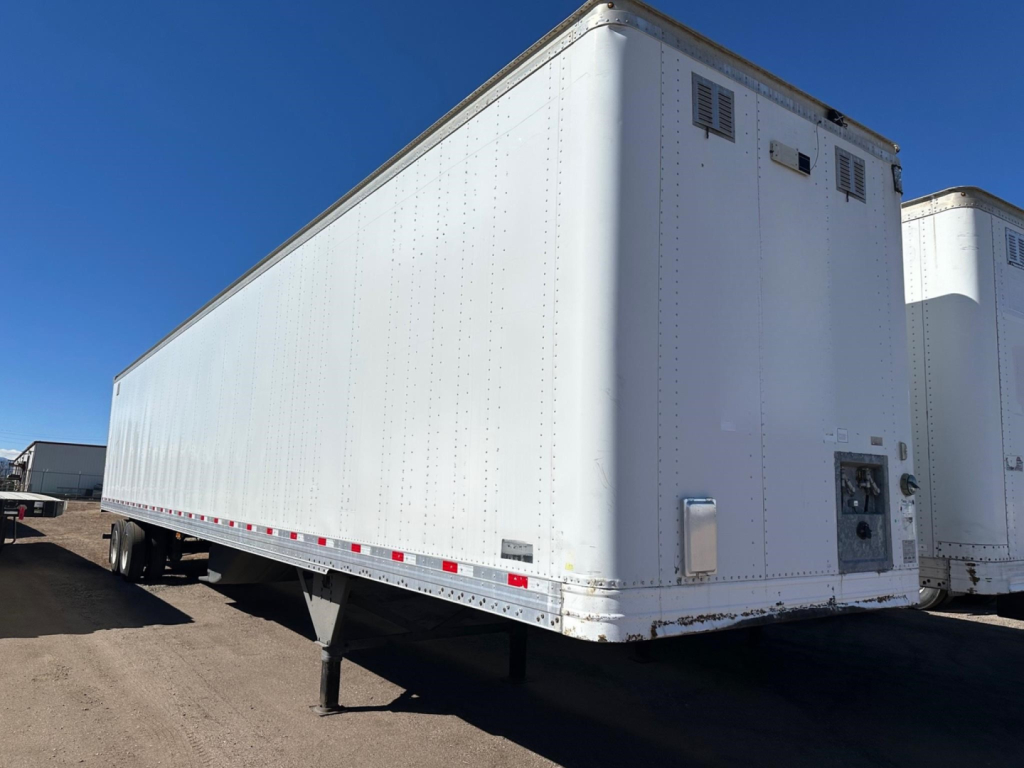
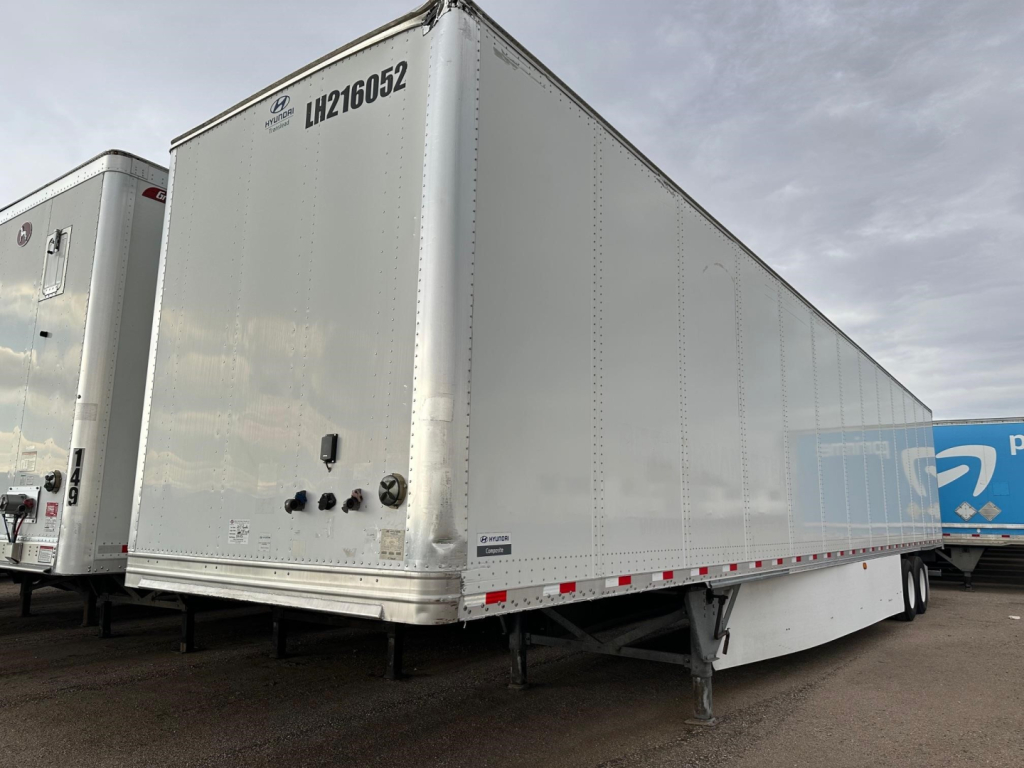
Selling a hyundai dry van trailer? List your hyundai dry van trailer for sale and reach thousands of commercial buyers.
Hyundai Dry Van Trailers in Colorado
Match rear doors to the delivery cycle: roll-up doors suit frequent dock stops, while swing doors generally preserve more clear opening height. Compare actual interior dimensions, floor ratings, E-track or logistics posts, and scuff liners rather than judging by exterior length alone. On used Hyundai vans, inspect floor softness, crossmember corrosion, roof seams, rear frame squareness, and landing gear mounts. Operate the slider and confirm every locking pin seats fully. Review brake and wheel-end service records, check ABS operation, and test air bags and tire inflation plumbing for leaks. Older equipment deserves particular scrutiny for accumulated dock impacts and water intrusion.
For a new trailer, specify floor capacity, door clearance, cargo restraint hardware, and tire inflation before ordering. Colorado mountain service rewards protected wiring, corrosion protection, and serviceable brake components. Confirm written structural and component warranty terms, including exclusions for impact damage and maintenance. Qualifying new highway trailers sold in the United States are generally subject to the 12% federal excise tax; tax exemptions should be documented, not assumed.
Frequently Asked Questions about Hyundai Dry Van Trailers in Colorado
How much weight can a Hyundai dry van haul legally in Colorado?
Standard Interstate limits for a Hyundai dry van combination in Colorado are 80,000 pounds gross, 20,000 pounds on a single axle, and 34,000 pounds on a tandem. The federal bridge formula, axle spacing, equipment ratings, and posted restrictions can reduce allowable loading. Trailer GVWR is not payload capacity; subtract tractor and trailer tare weight and verify actual axle weights on a scale.
How do I check whether a Hyundai dry van floor can handle my forklift?
Compare the Hyundai dry van's documented floor rating with the loaded forklift's front axle weight and the rating's specified loading conditions. A forklift concentrates weight through small tire contact areas, so total trailer payload capacity does not establish floor suitability. Request the floor specification using the trailer serial number, and verify that replacement boards and previous repairs preserve the required capacity.
Can I use a 53-foot Hyundai dry van on every Colorado delivery route?
A 53-foot Hyundai dry van is not suitable for every Colorado delivery route, even when the highway portion permits that configuration. Check local truck restrictions, customer yard dimensions, dock approach angles, and mountain-road switchbacks before assigning the trailer. Tractor wheelbase and tandem position affect offtracking, while steep driveway transitions can create clearance problems around landing gear and rear structures.
Can a damaged Hyundai composite dry van sidewall be repaired?
A Hyundai composite dry van sidewall can often be repaired, but structural damage needs a manufacturer-approved repair method rather than a cosmetic patch. Inspect adjacent posts, panel joints, floor connections, and roof rails to establish the full damage area. On FRP construction, trapped moisture and separation between panel layers can extend beyond the visible impact, so request repair documentation and inspect both sides of the wall.