
Hyundai Dry Van Trailers For Sale
Compare Hyundai dry van trailers for sale by wall construction, forklift floor rating, door clearance, and corrosion checks for US and Canadian service.
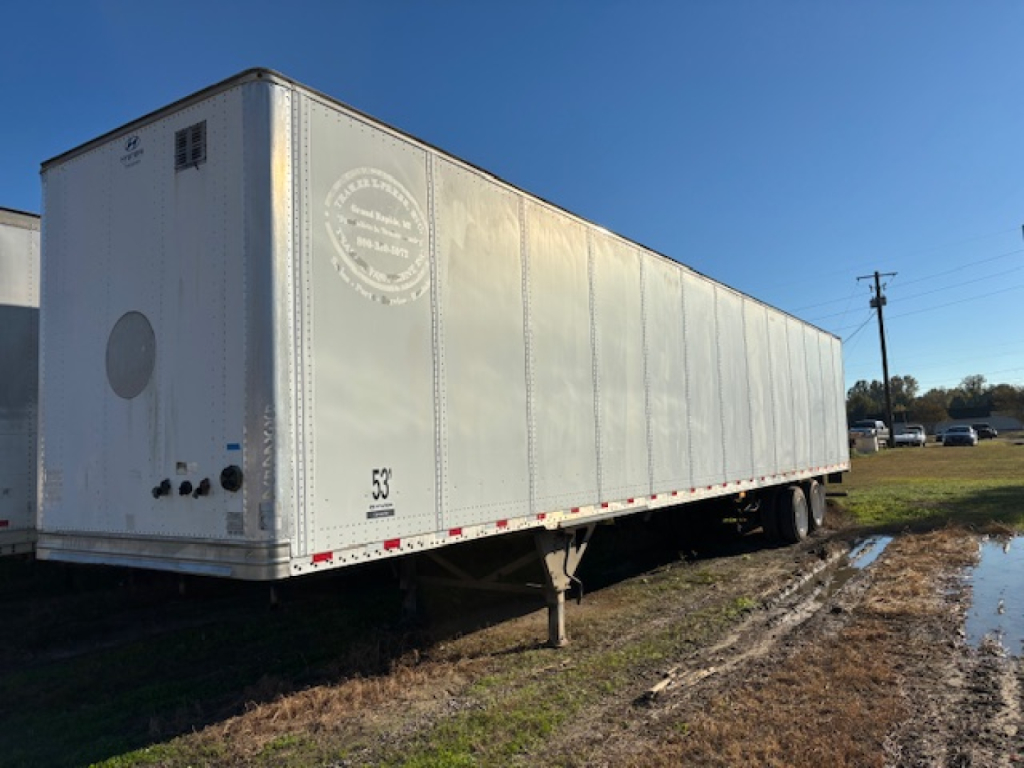
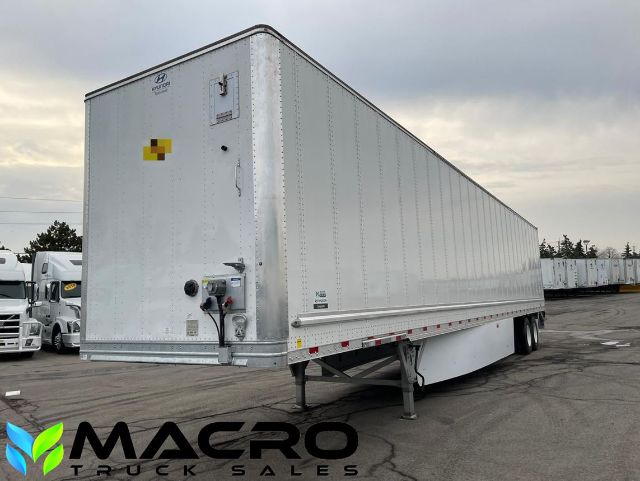
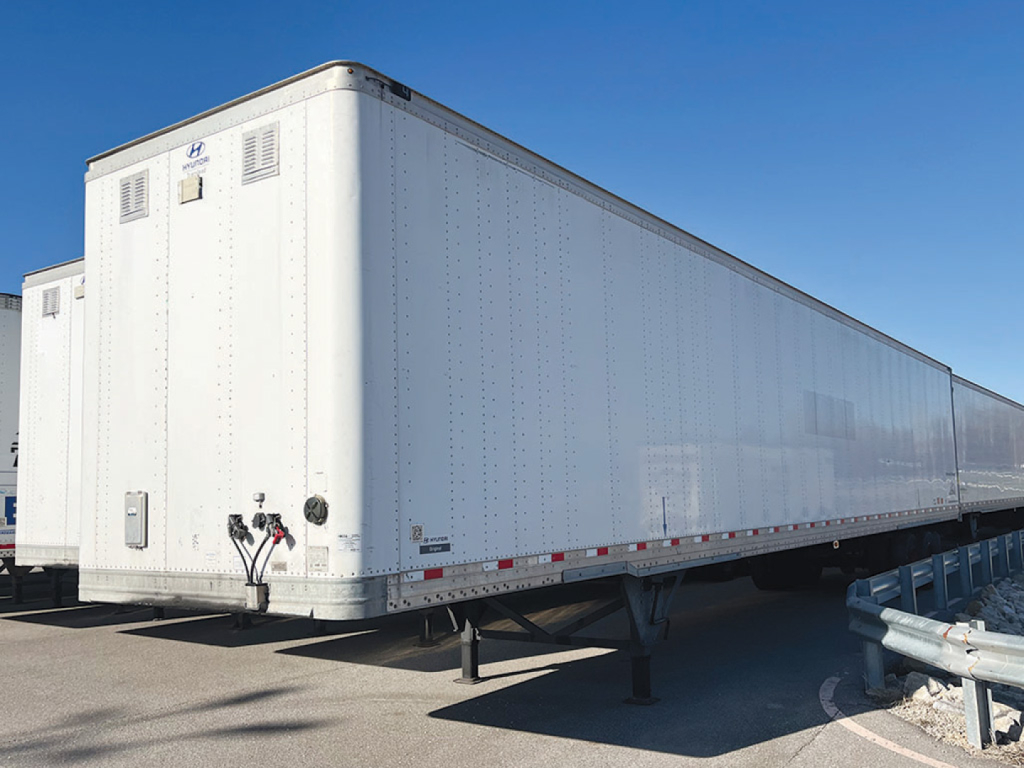
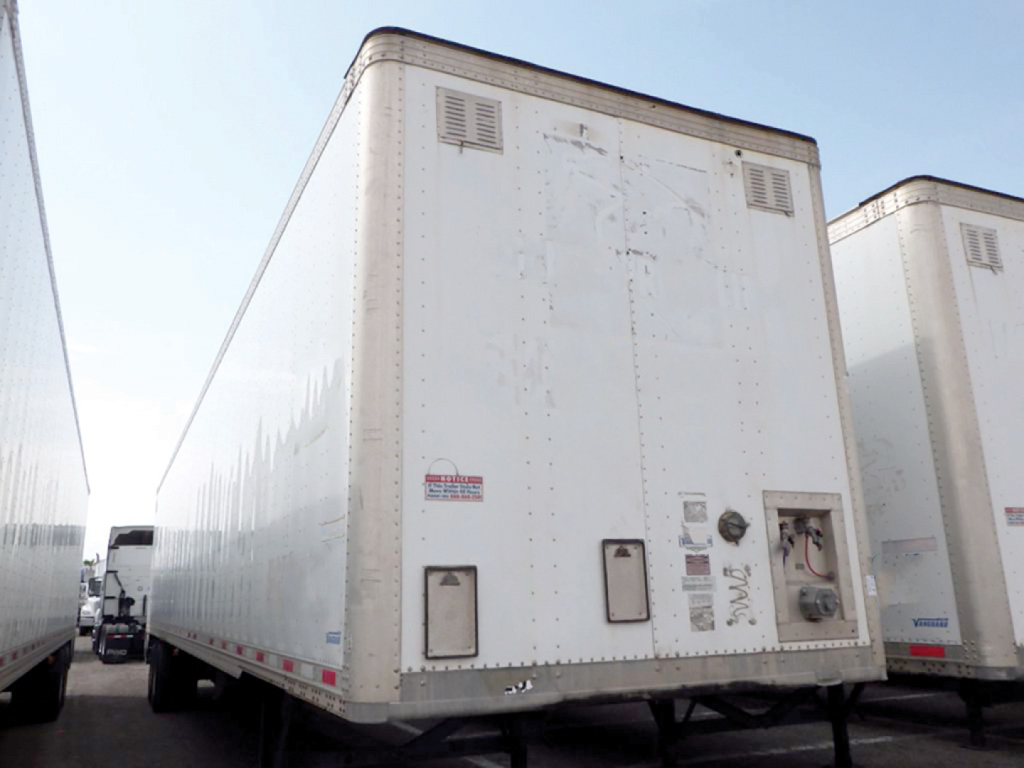
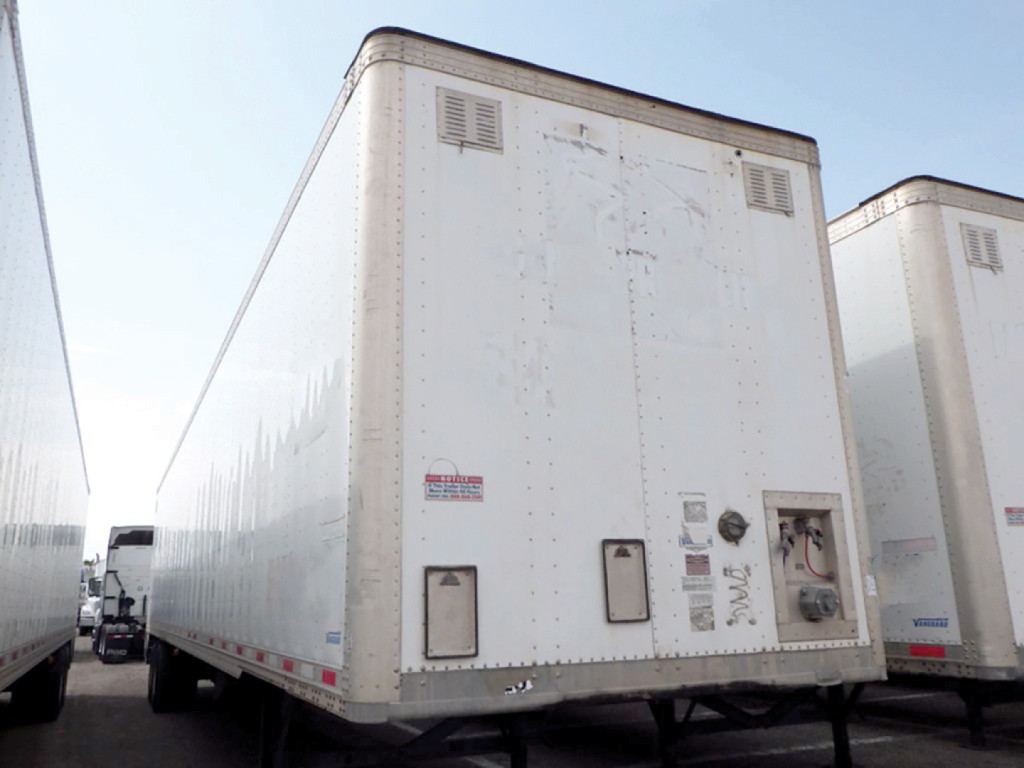
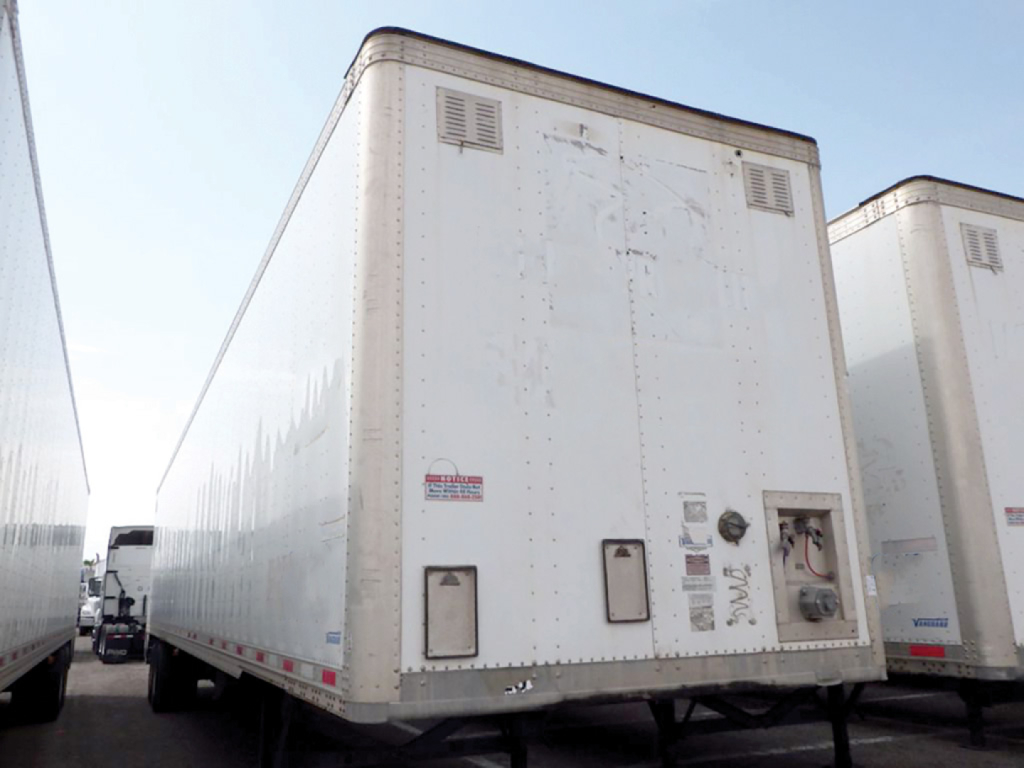
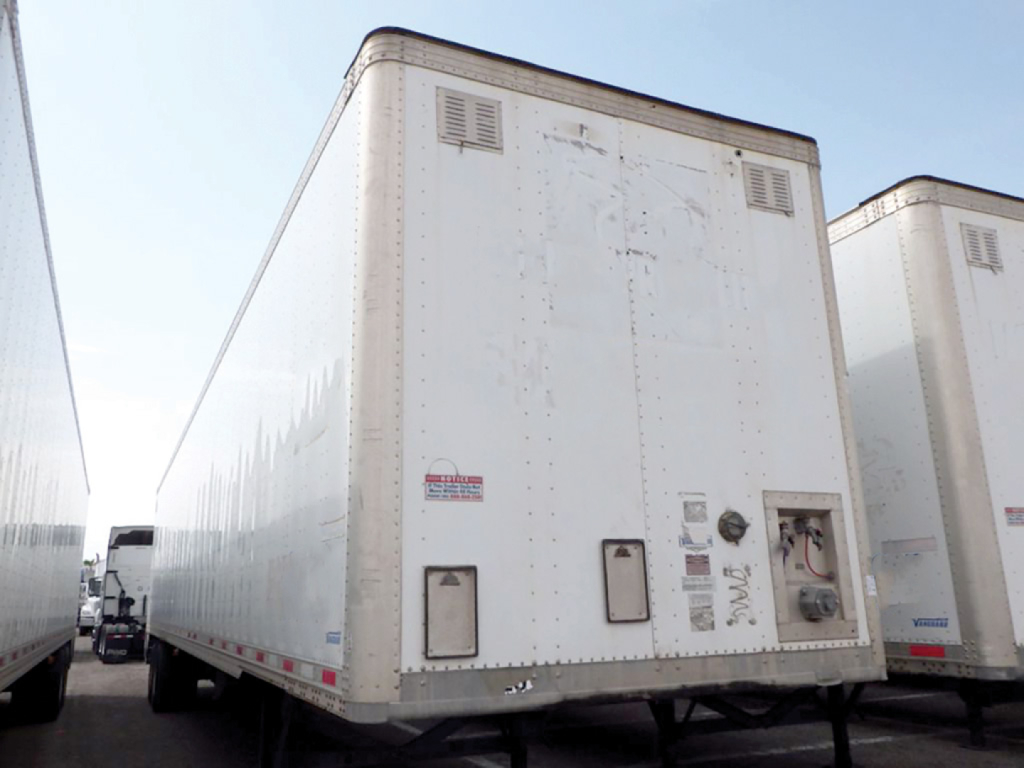
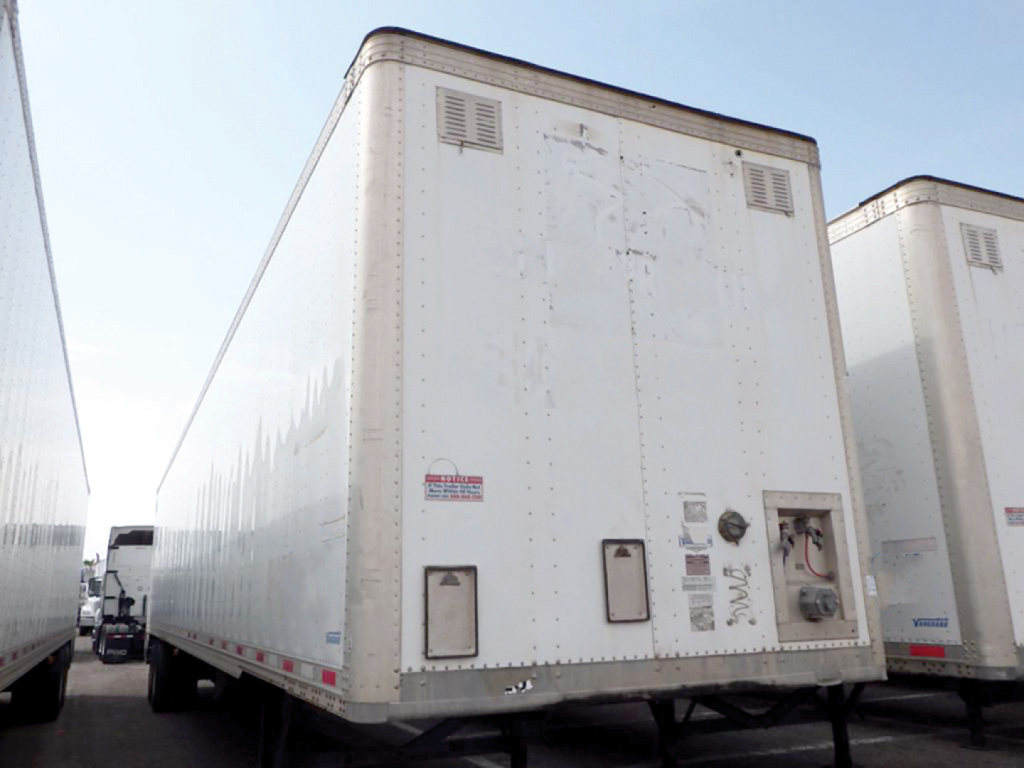
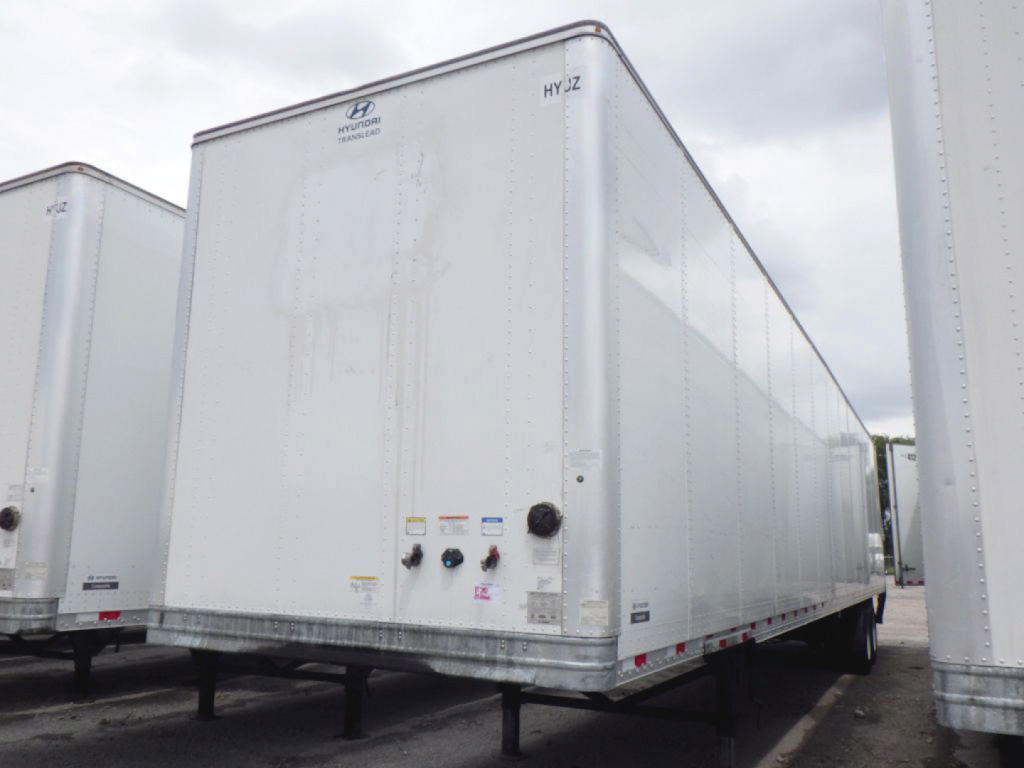
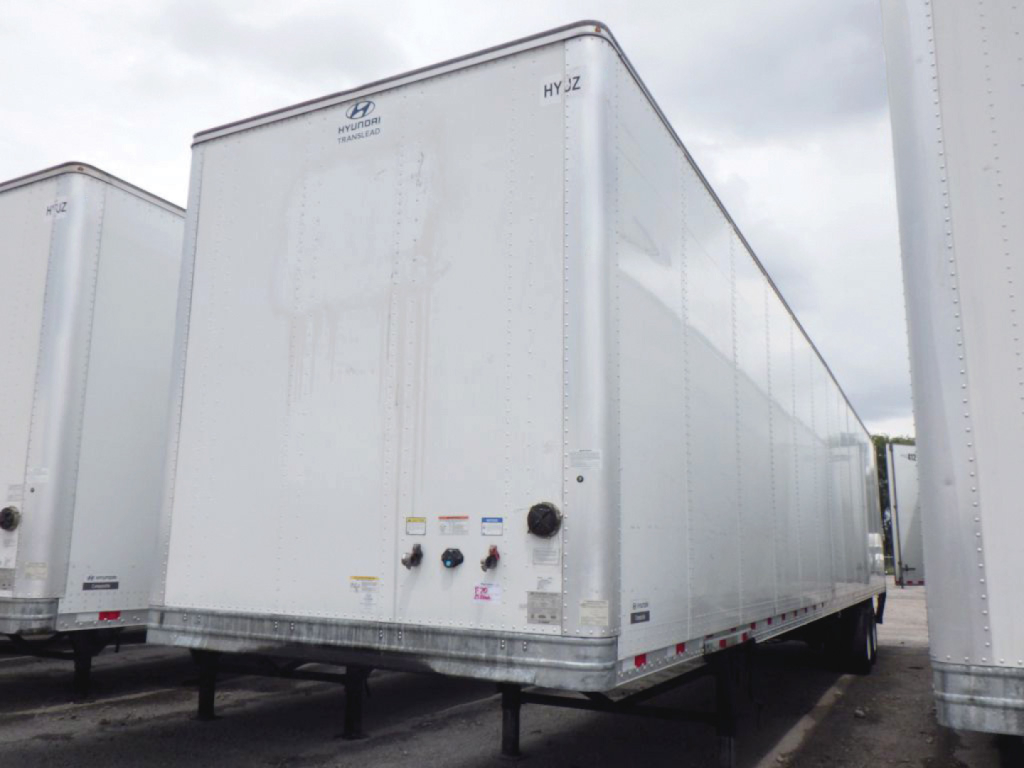
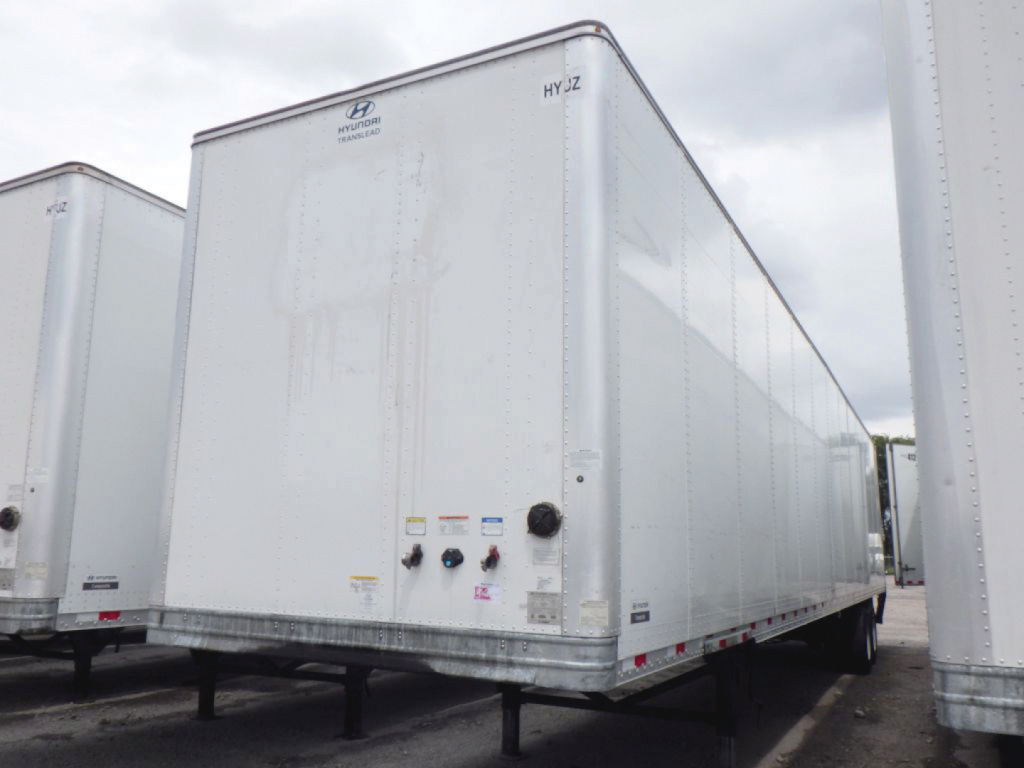
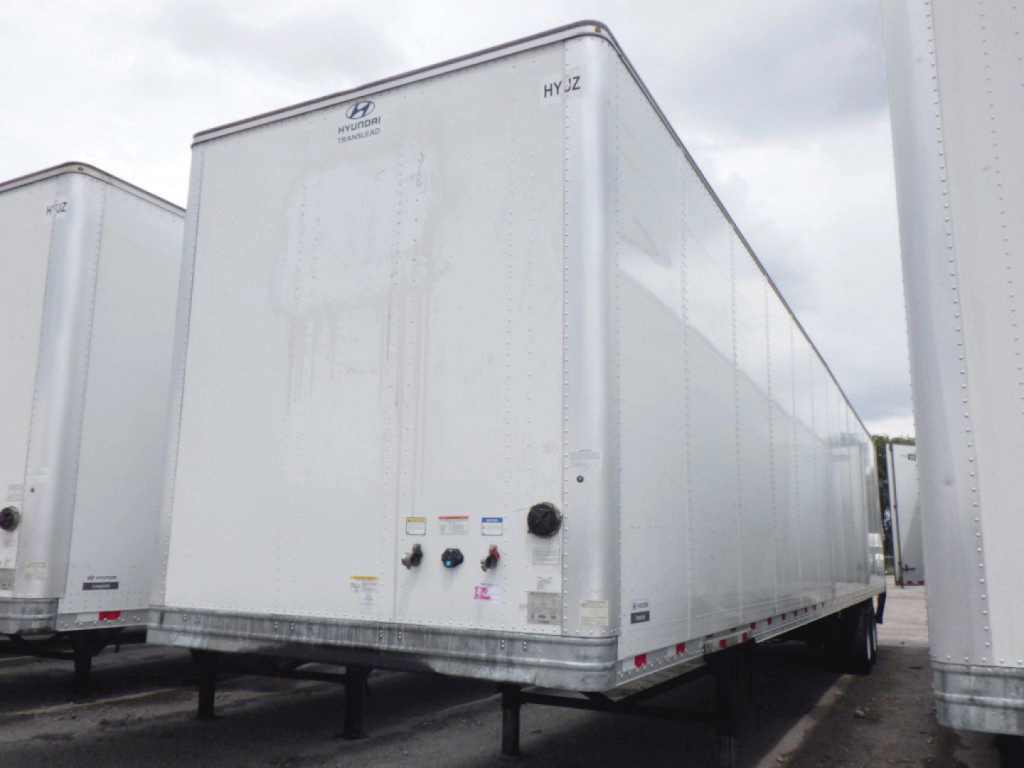
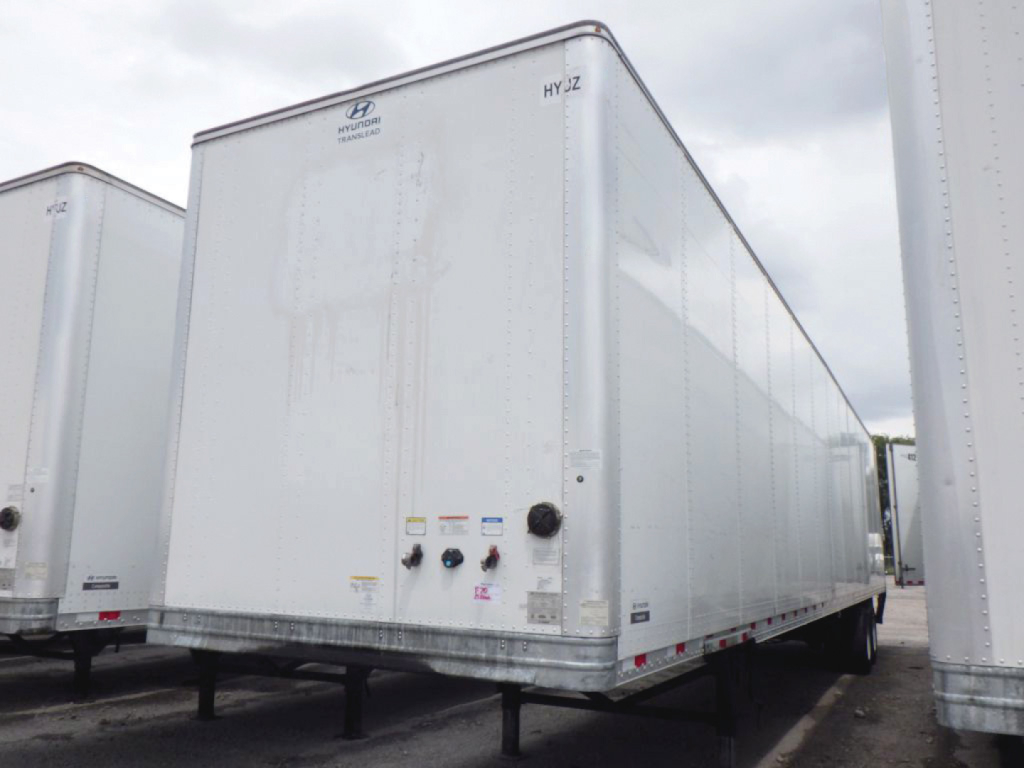
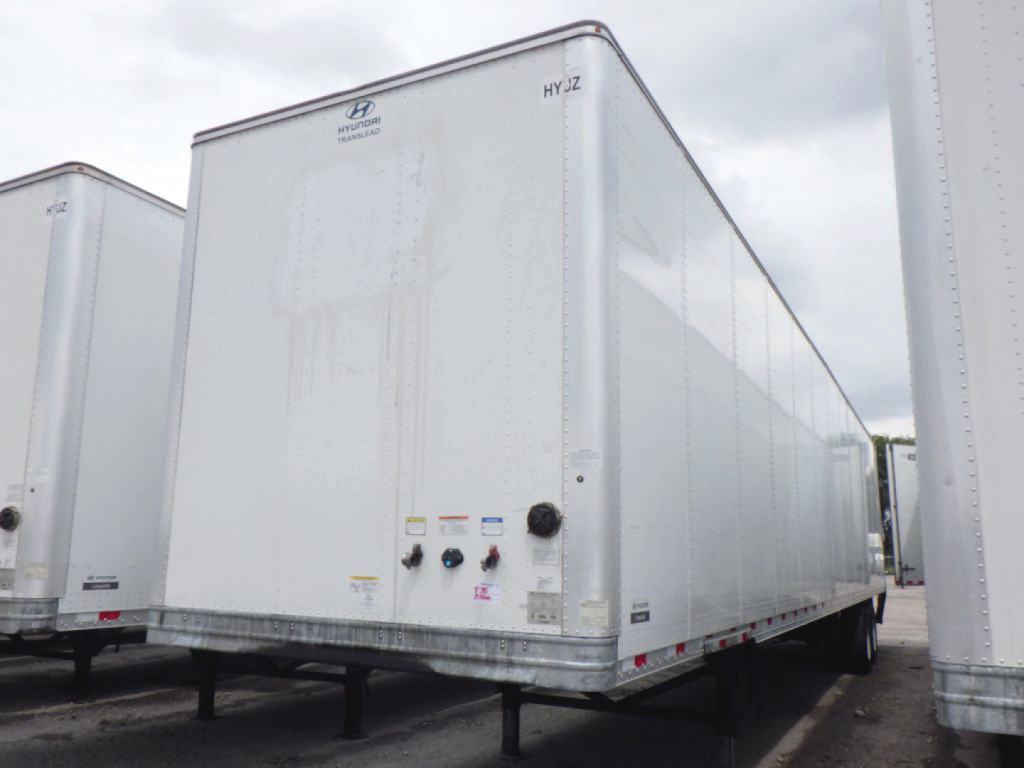
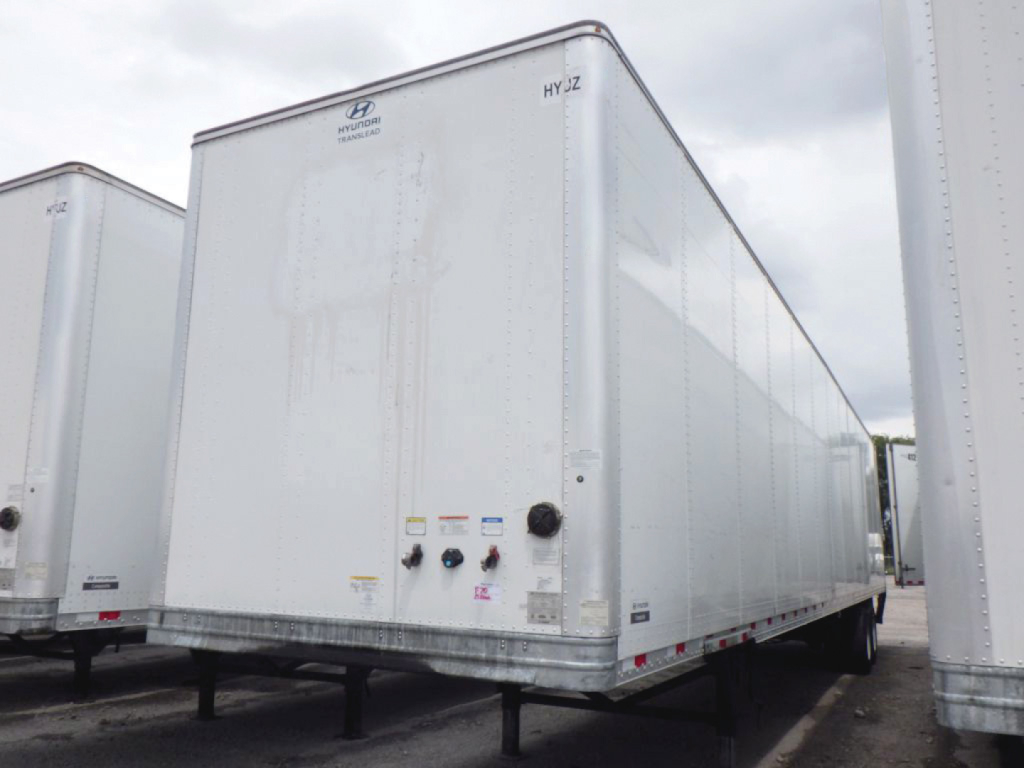
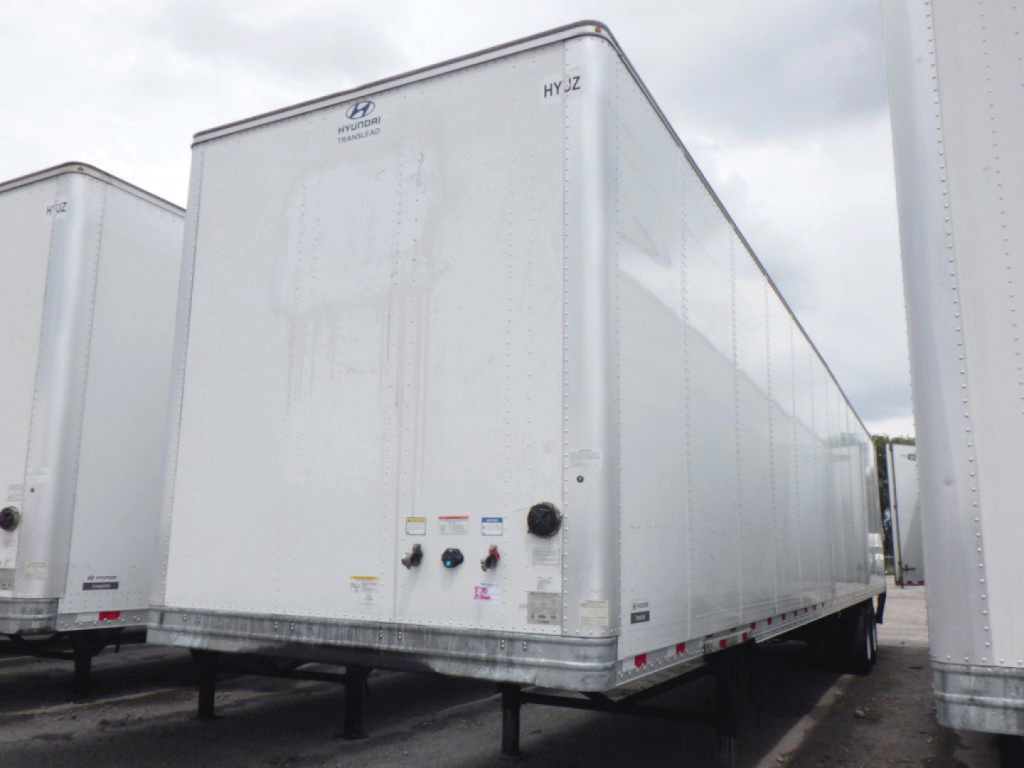
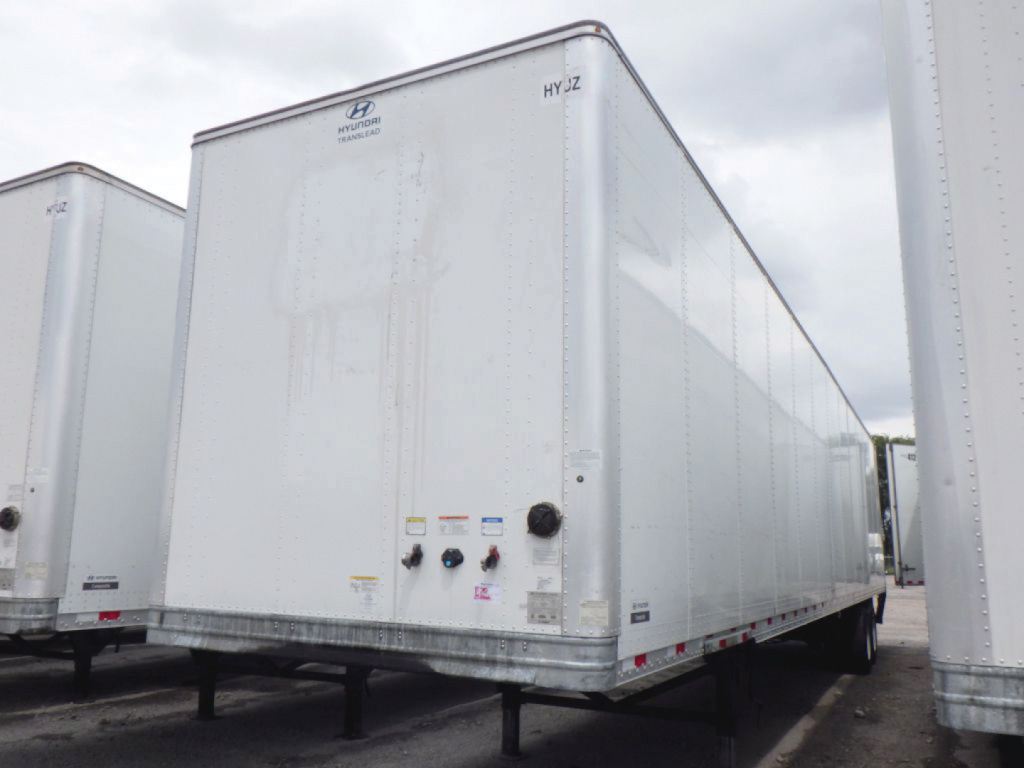
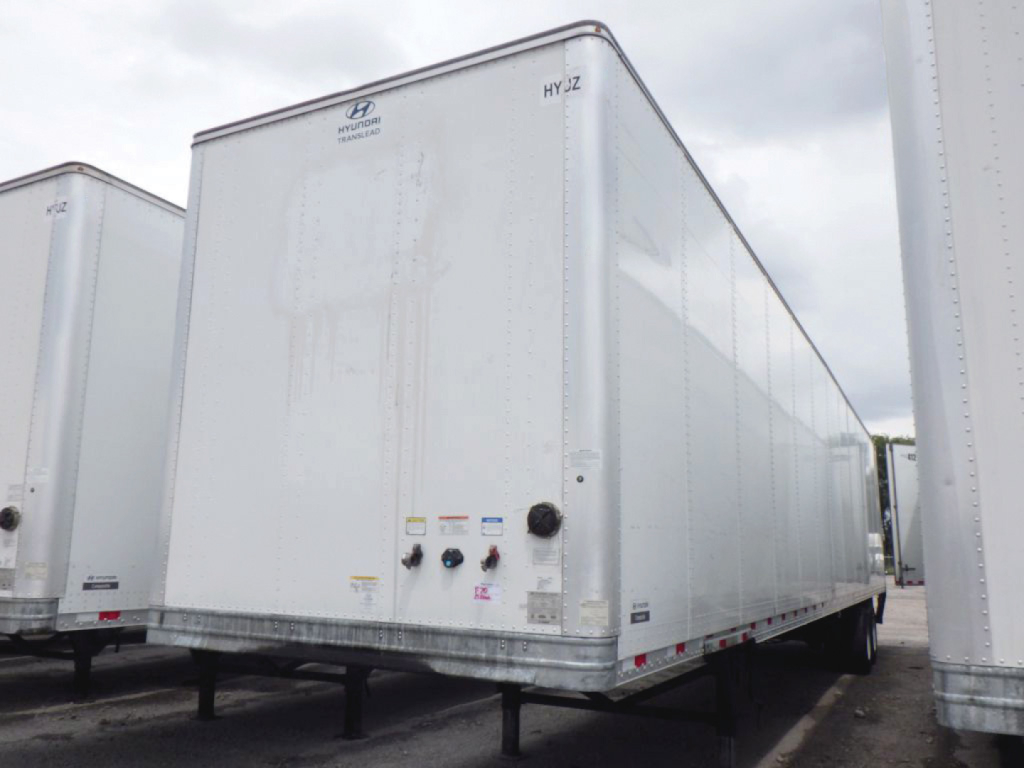
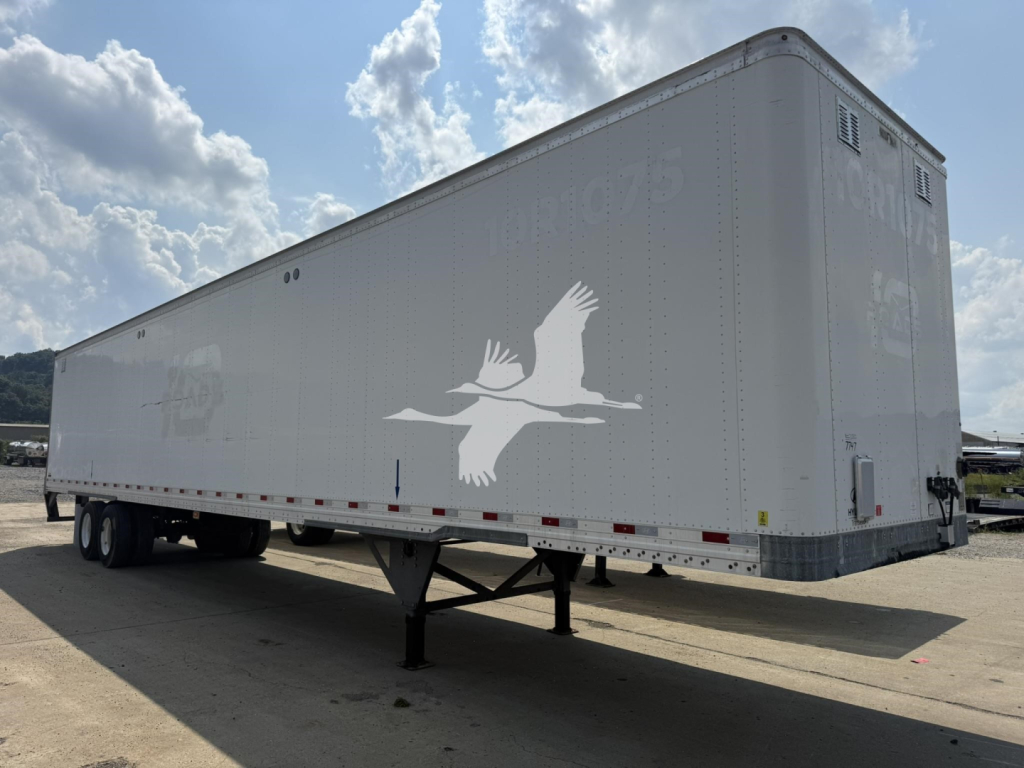
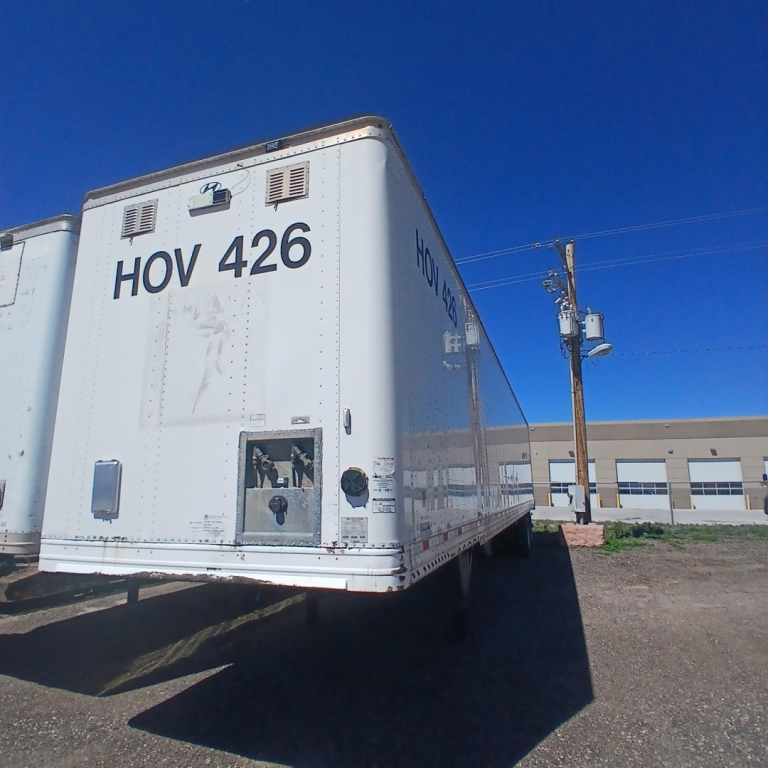
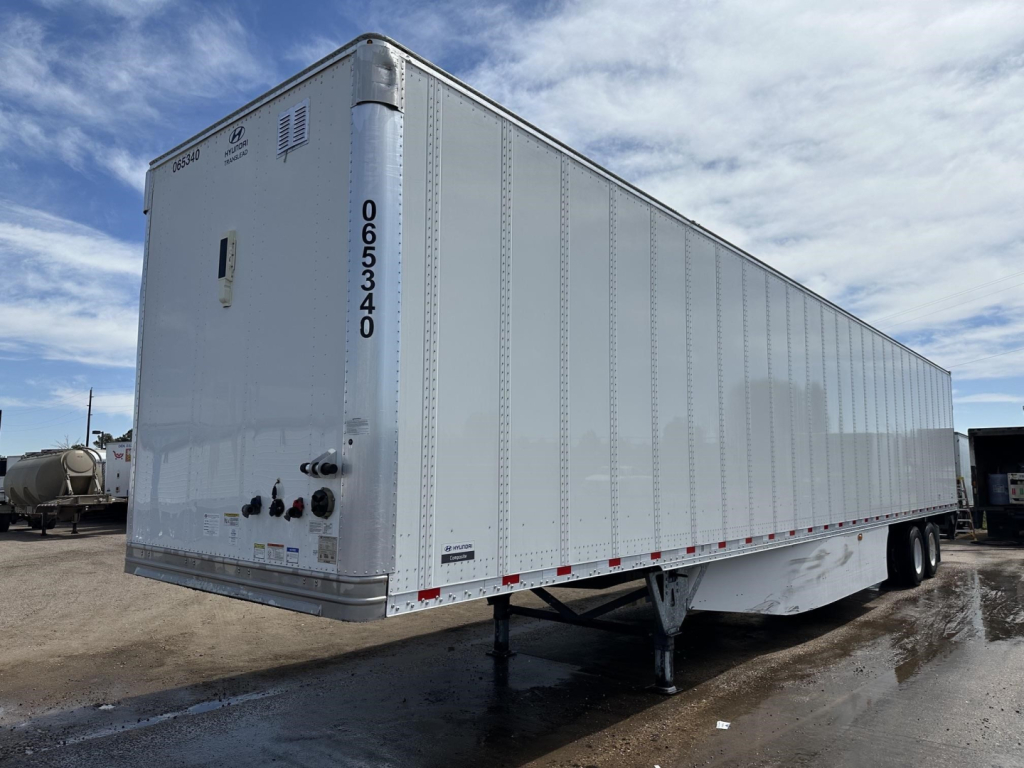
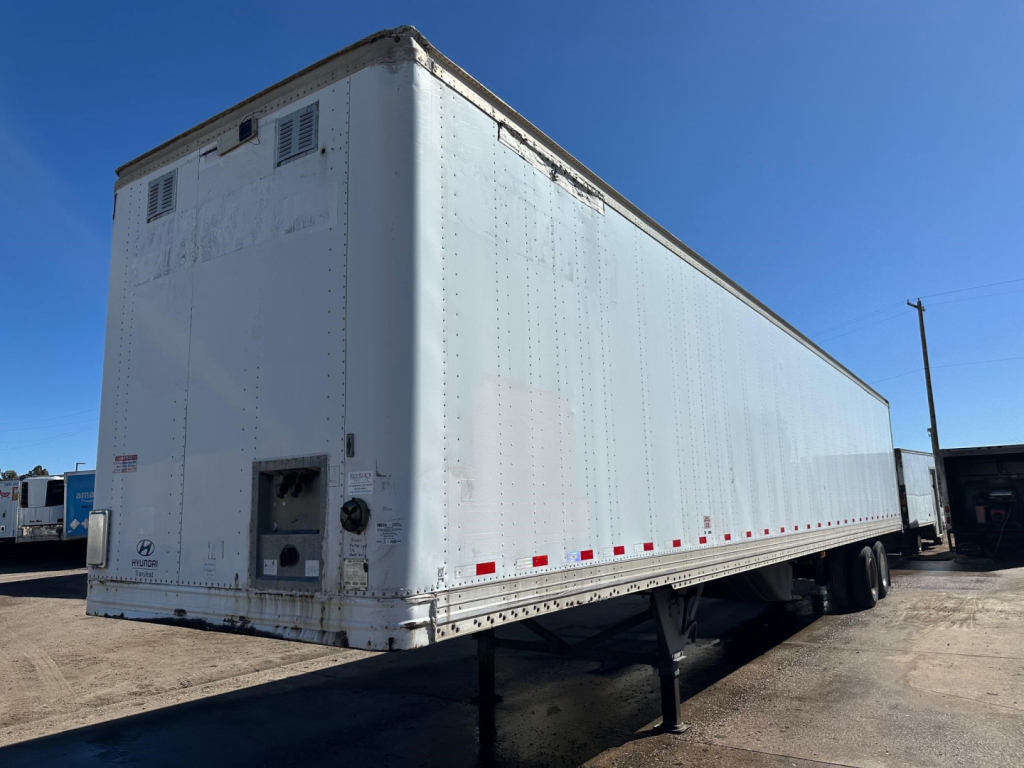
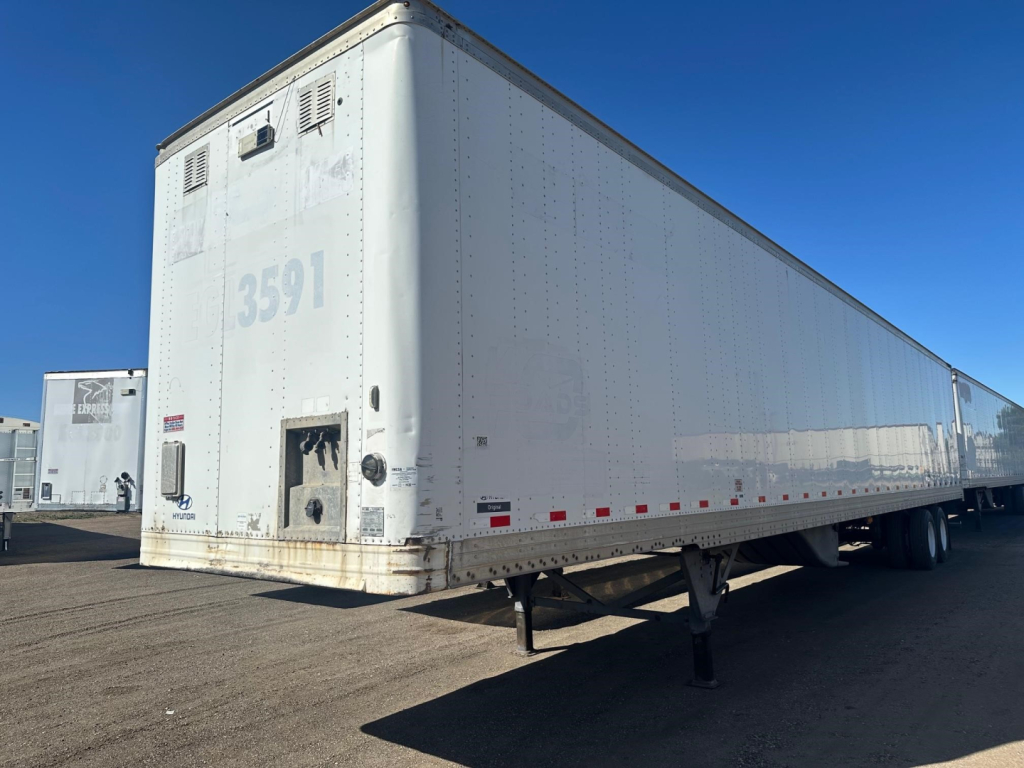
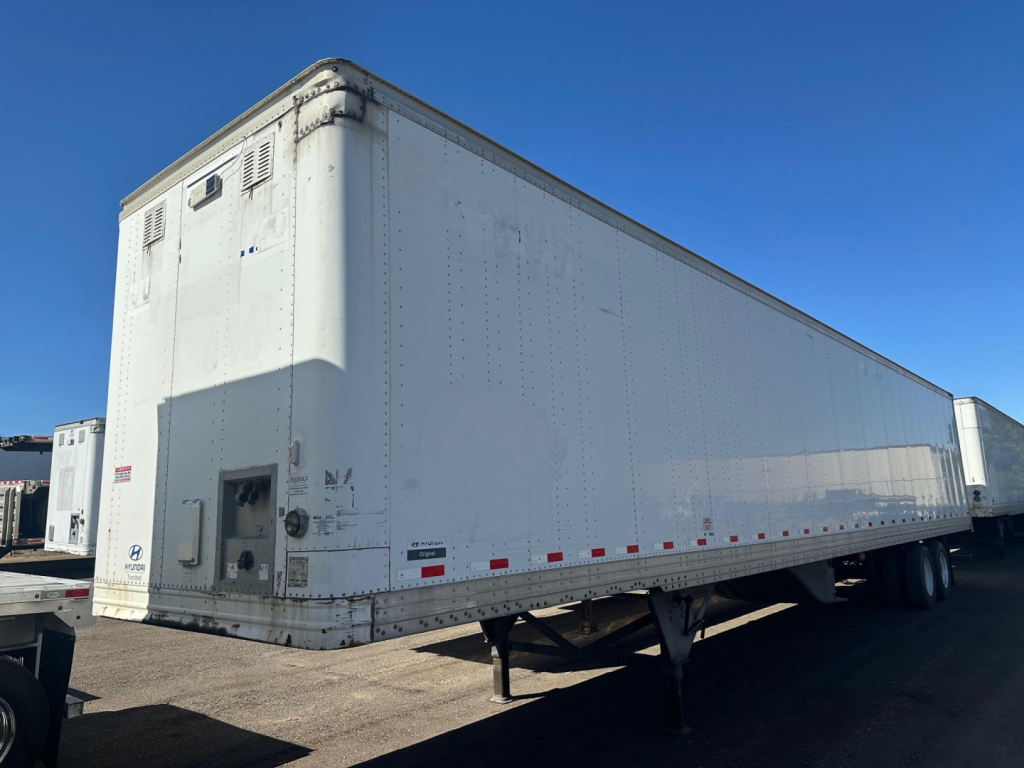
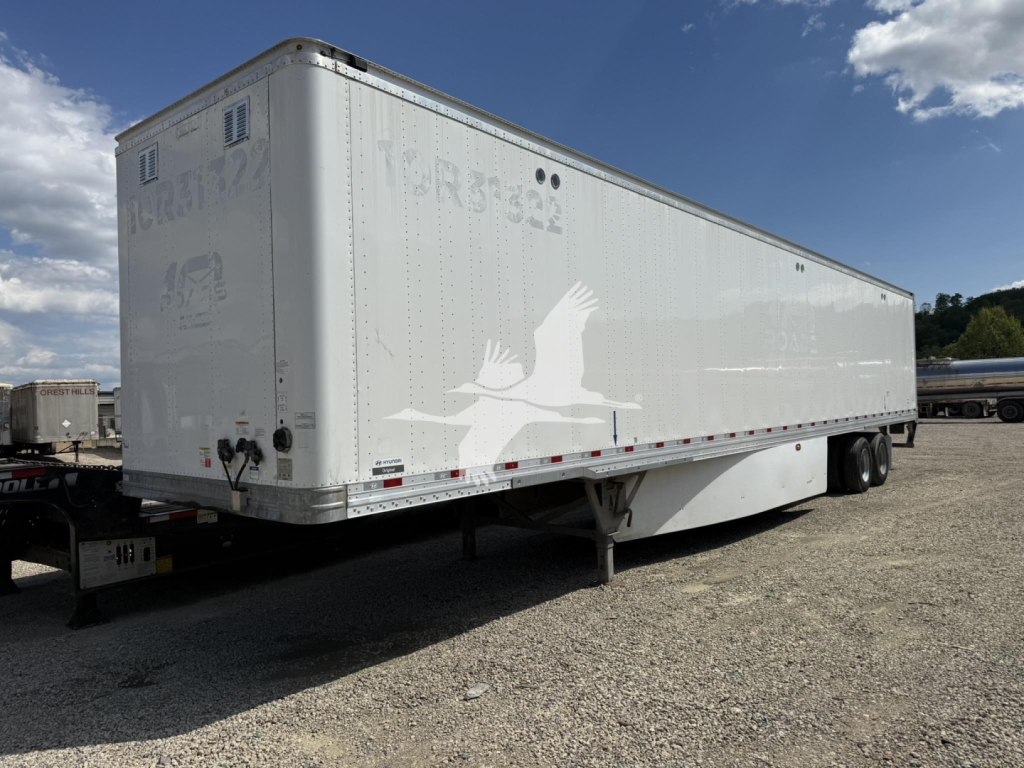
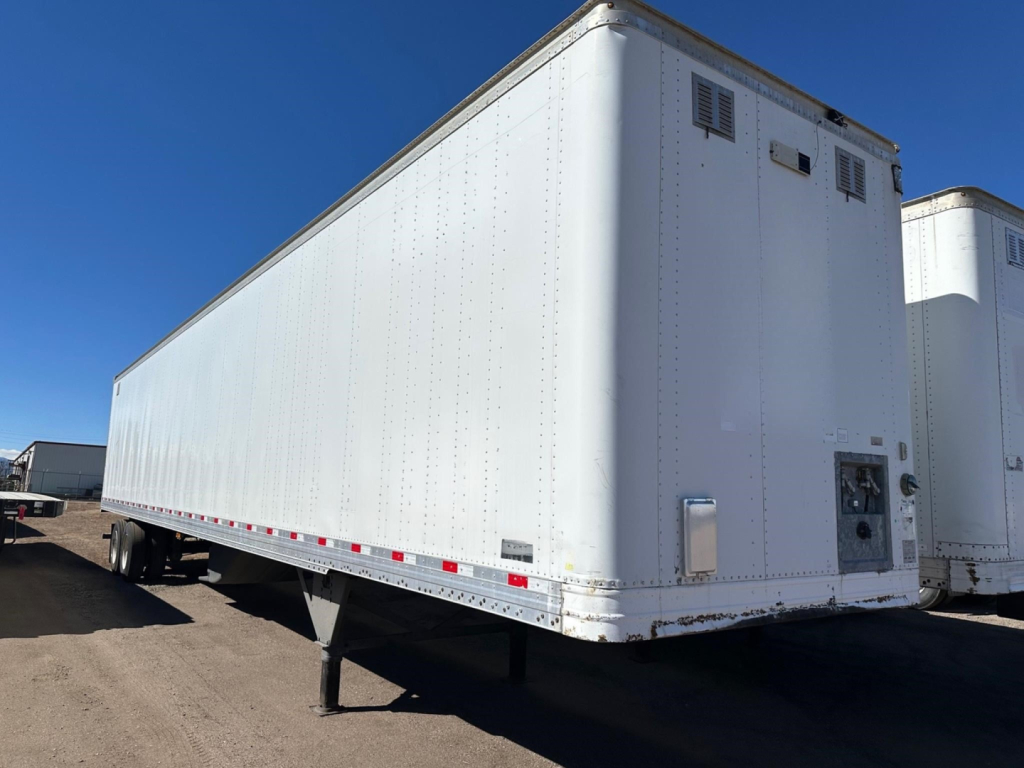
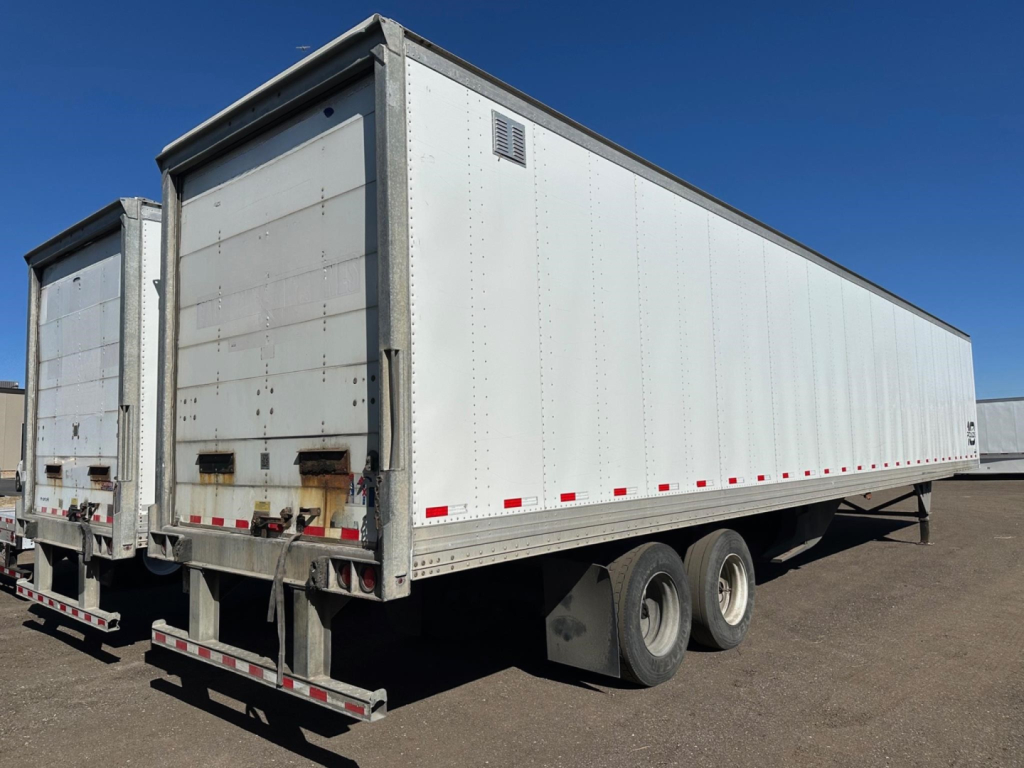
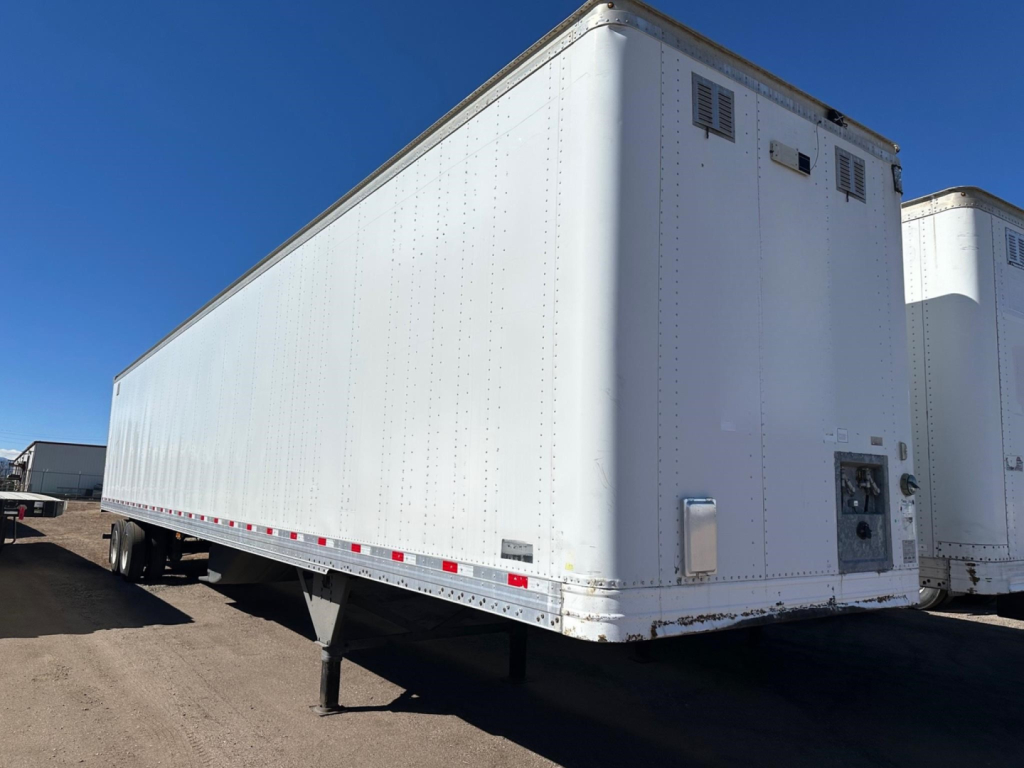
Showing 1 to 28 of 39 results
Selling a hyundai dry van trailer? List your hyundai dry van trailer for sale and reach thousands of commercial buyers.
Hyundai Dry Van Trailers
Match floor capacity, door style, and suspension to the loading operation: swing doors favor maximum rear opening clearance, while roll-up doors simplify frequent dock stops but reduce usable opening height. Confirm the floor's forklift rating against loaded forklift axle weight, not trailer payload alone. Hyundai vans span both air ride and spring suspension configurations, so verify the build specification rather than treating model year as an equipment package.
On used Hyundai vans, inspect roof seams, upper rails, front corners, and door seals for leaks before evaluating cosmetics. Check floor softness, crossmember corrosion, kingpin wear, landing gear operation, and slider pin engagement. Galvanized components are a Hyundai design feature, but damaged coatings, weld repairs, and trapped road salt still warrant close inspection. Request maintenance records and an ABS diagnostic check, then test brakes, air lines, suspension components, and any tire inflation system. Older trailers need particular attention to rubber deterioration and accumulated forklift damage; newer trailers still need inspection for collision repairs and hard dock service.
For new trailers, specify kingpin setback, axle ratings, floor rating, cargo securement, and door dimensions in writing, and confirm warranty coverage for the body and separately supplied components. Qualifying new heavy trailers sold in the United States generally carry a 12% federal excise tax. Across the United States and Canada, match tandem positions and loaded axle weights to the states or provinces traveled. Snow Belt service warrants corrosion checks, while cross-border purchases require confirmation of import admissibility and applicable trailer safety standards.
Frequently Asked Questions about Hyundai Dry Van Trailers
Can I load a heavy forklift into a Hyundai dry van?
Only a Hyundai dry van with a verified floor rating adequate for the loaded forklift should be used for that operation. Obtain the manufacturer's rating and confirm how the load is distributed across the forklift's front tires and trailer crossmembers. A trailer's GVWR does not establish its floor capacity. Replaced floorboards, damaged crossmembers, and narrow solid forklift tires can create problems even when total trailer payload is within limits.
How do I tell if a used Hyundai dry van has structural damage?
Misaligned doors, buckled rails, and cracked crossmembers are warning signs of structural damage in a used Hyundai dry van. Check whether the rear frame is square and inspect the upper coupler area for cracks or distorted metal. Uneven tire wear can indicate axle alignment problems rather than ordinary tire aging. Ask for repair documentation and have questionable welds or frame repairs evaluated before accepting the trailer for service.
What weight limits apply to a 53-foot Hyundai dry van?
A typical five-axle tractor and Hyundai dry van combination on US Interstate highways is subject to an 80,000-pound gross limit, with 20,000 pounds on a single axle and 34,000 pounds on a tandem. Federal Bridge Formula limits and state exceptions also matter. The trailer's rated capacity does not authorize those weights on every route. Canadian provincial rules can differ substantially, so confirm the actual axle spacing and route before dispatch.
Is air ride worth choosing on a Hyundai dry van used for dock deliveries?
Air ride is the stronger choice for ride-sensitive freight, but dock work requires attention to suspension movement during loading. On a Hyundai dry van, verify whether the air suspension has a dump function or an anti-dock-walk system and confirm the manufacturer's loading procedure. Spring suspension eliminates air bags and leveling valves from the maintenance list. Neither suspension replaces proper brakes, wheel restraints, landing gear support, or any required support stands when loading an uncoupled trailer.
Does a tire inflation system eliminate tire maintenance on a Hyundai dry van?
No, an automatic tire inflation system on a Hyundai dry van does not replace pressure checks, tread inspections, or puncture repairs. Confirm the system's pressure setting matches the tire specification and inspect wheel-end hoses, fittings, and warning indicators. Persistent inflation activity may signal a leak that needs repair rather than normal operation. When comparing ownership costs, include system maintenance alongside tire wear and emergency road-service exposure.