
Hyundai Dry Van Trailers For Sale in Illinois
Compare Hyundai dry van trailers for sale in Illinois by wall construction, floor rating, tandem setup, and corrosion condition for Midwest freight.

Selling a hyundai dry van trailer? List your hyundai dry van trailer for sale and reach thousands of commercial buyers.
Hyundai Dry Van Trailers in Illinois
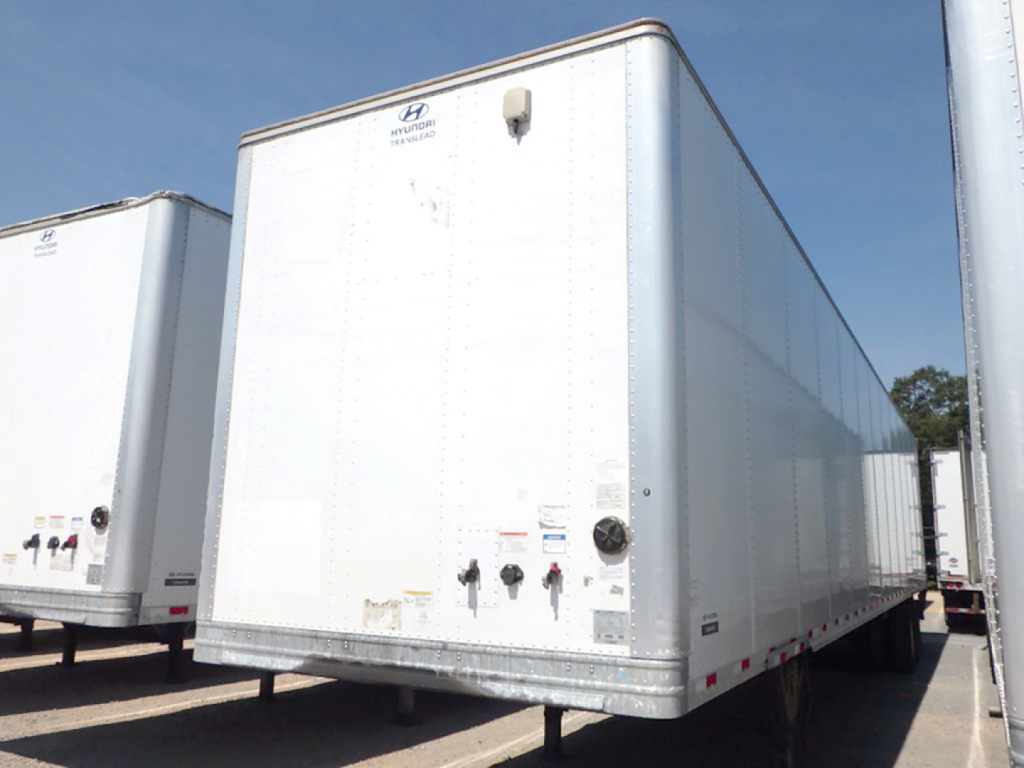
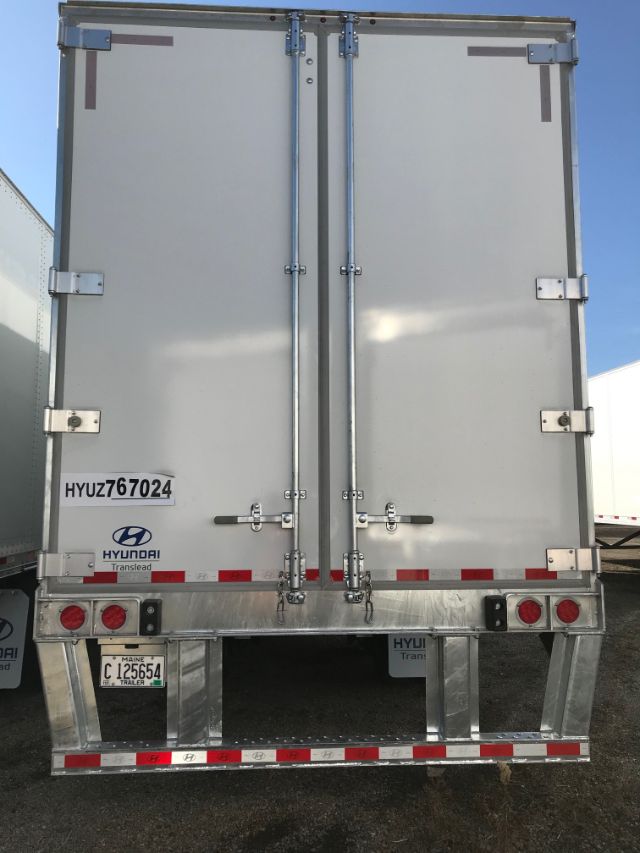
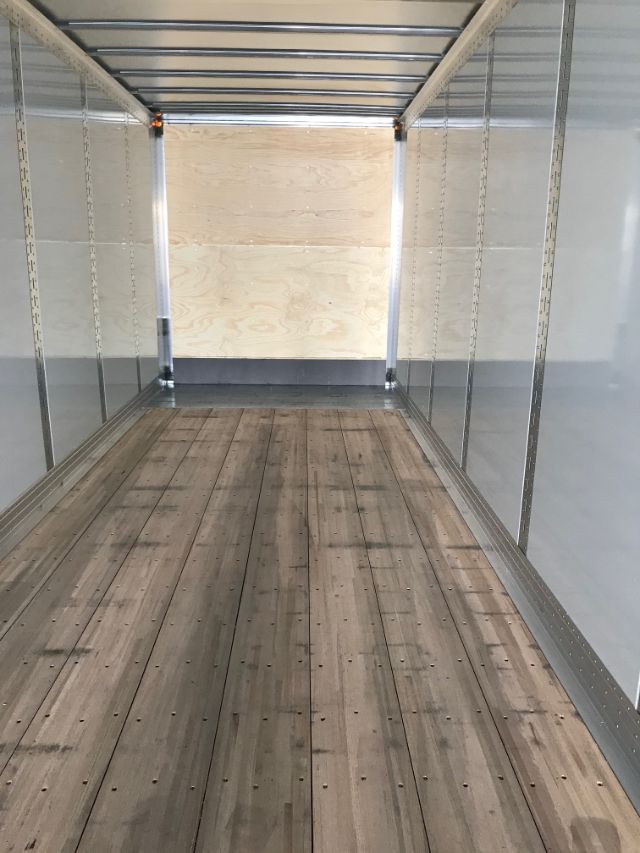
Hyundai Translead HY-Plate vans use plate-wall construction; conventional sheet-and-post designs use interior posts and liners that affect clear loading width. Common highway dimensions are 53 feet long, 102 inches wide, and 13 feet 6 inches high, but exterior dimensions do not establish usable interior space. Compare rear opening height, interior width, scuff protection, logistics posts, and floor rating against the actual freight. Swing doors suit full-width dock loading, while roll-up doors serve frequent delivery stops with some loss of opening height. Galvanized components are a Hyundai Translead design feature, not a substitute for corrosion inspection.
Payload planning starts with trailer tare weight, axle ratings, and loaded weight distribution, not cubic capacity alone. Sliding tandems help balance tractor and trailer axle loads, but Illinois routes still require compliance with applicable gross weight, axle weight, bridge, and access limits. Check kingpin setback, tractor clearance, slider travel, and lock-pin engagement before choosing a configuration for heavy pallet loads or restricted delivery sites.
Used vans of any model year need inspection underneath the floor, especially around crossmembers, landing gear mounts, suspension hangers, and the rear threshold. Look for roof leaks, soft flooring, forklift damage, distorted door frames, and patched sidewalls that may conceal structural damage. Check air springs, brake chambers, wheel ends, slider rails, and tire wear with the trailer connected to air and electrical power. Maintenance records should document brake work, bearing service, alignment, and structural repairs. Recent model years still need accident-history checks; older trailers warrant closer scrutiny of fatigue cracks, corrosion, wiring deterioration, and cumulative floor wear.
For a new Hyundai van, specify floor capacity, wall construction, cargo securement, door style, suspension, and tire inflation equipment before ordering. Match those choices to dock practices and loaded axle weights rather than copying another fleet's specification. Confirm warranty coverage separately for the structure, running gear, and installed components, including exclusions and claim requirements. The 12% federal excise tax generally applies to qualifying new heavy trailers sold in the United States. A documented used-trailer inspection and a written new-trailer specification provide different, equally necessary protections against a poor fit.
Frequently Asked Questions about Hyundai Dry Van Trailers in Illinois
What floor rating do I need for a Hyundai dry van hauling pallets?
The required floor rating is driven by the loaded forklift's axle load, not just the freight's total weight. Obtain the forklift's weight, maximum carried load, and axle loading, then compare those figures with the Hyundai dry van's documented floor rating and loading conditions. Tire contact area also matters, and damaged floorboards or crossmembers can make the original rating an unreliable guide to current condition.
Can a 53-foot Hyundai dry van run on every Illinois road?
No, a 53-foot Hyundai dry van cannot be assumed legal on every Illinois road. Check Illinois designated truck routes, permitted access, local restrictions, and posted bridge limits for the complete trip. Verify the trailer's kingpin-to-rear-axle measurement where applicable, along with loaded axle weights. A legal interstate configuration can still encounter restrictions on the final miles to a warehouse or manufacturing plant.
How do I check the ABS on a used Hyundai dry van?
An ABS warning lamp that remains illuminated after the required self-check or wheel movement needs diagnosis before purchase. Connect the Hyundai dry van to a compatible tractor with proper electrical power, retrieve available fault codes, and inspect sensor wiring, connectors, and mounting points. Confirm that the warning lamp actually works, since a missing or disconnected lamp can conceal an ABS fault.
Does automatic tire inflation replace tire inspections on a Hyundai dry van?
No, automatic tire inflation does not replace pressure checks or physical tire inspections on a Hyundai dry van. An inflation system can maintain pressure while masking a slow leak that still needs repair. Inspect hoses, rotary connections, warning indicators, tread, and sidewalls, and verify the system's pressure setting. Inflation equipment cannot correct mismatched tires, alignment problems, damaged casings, or uneven brake wear.