
Utility Dry Van Trailers For Sale in Colorado
Compare Utility dry van trailers for sale in Colorado by floor strength, tandem setup, winter corrosion, and brake condition for mountain freight.
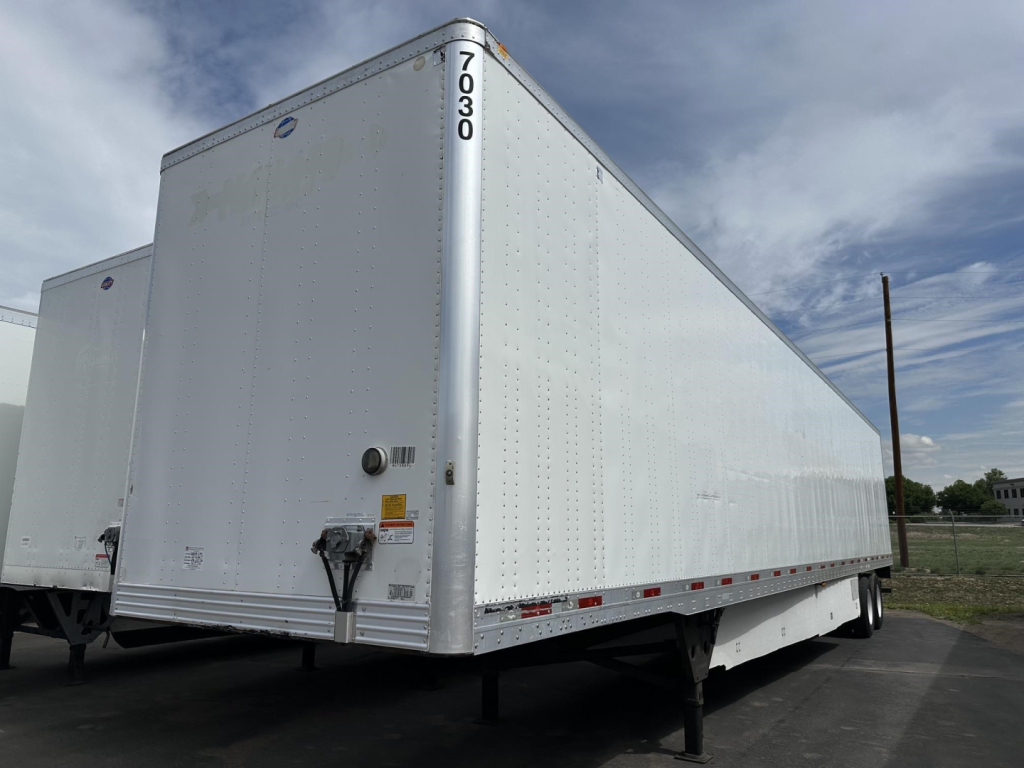
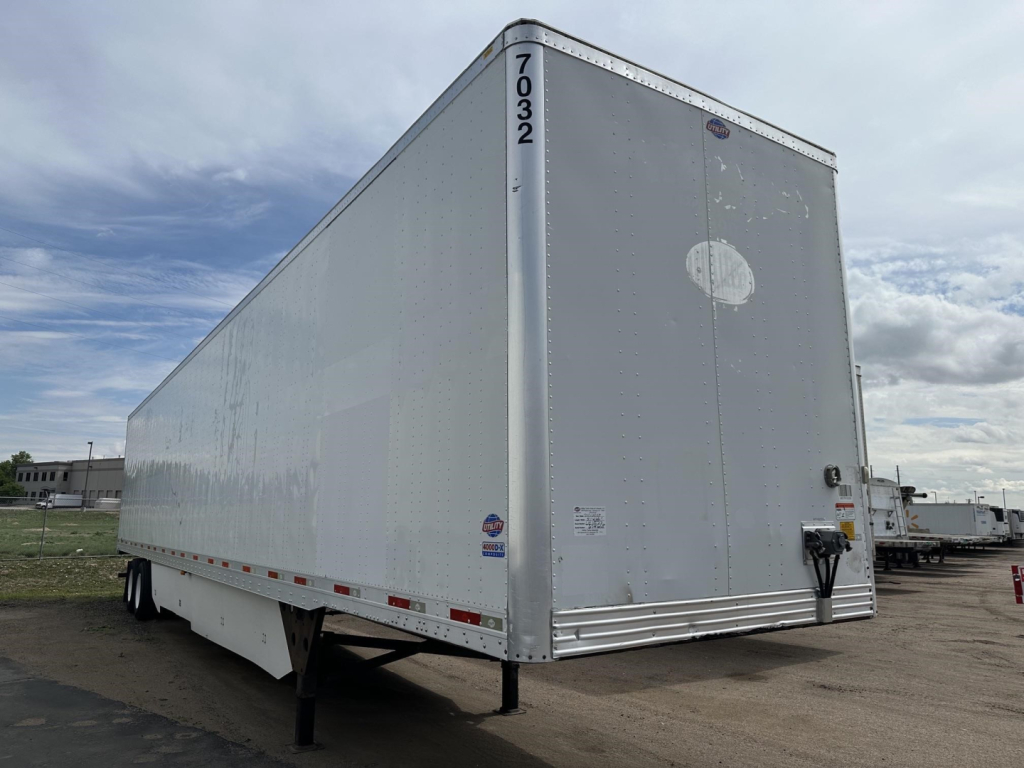
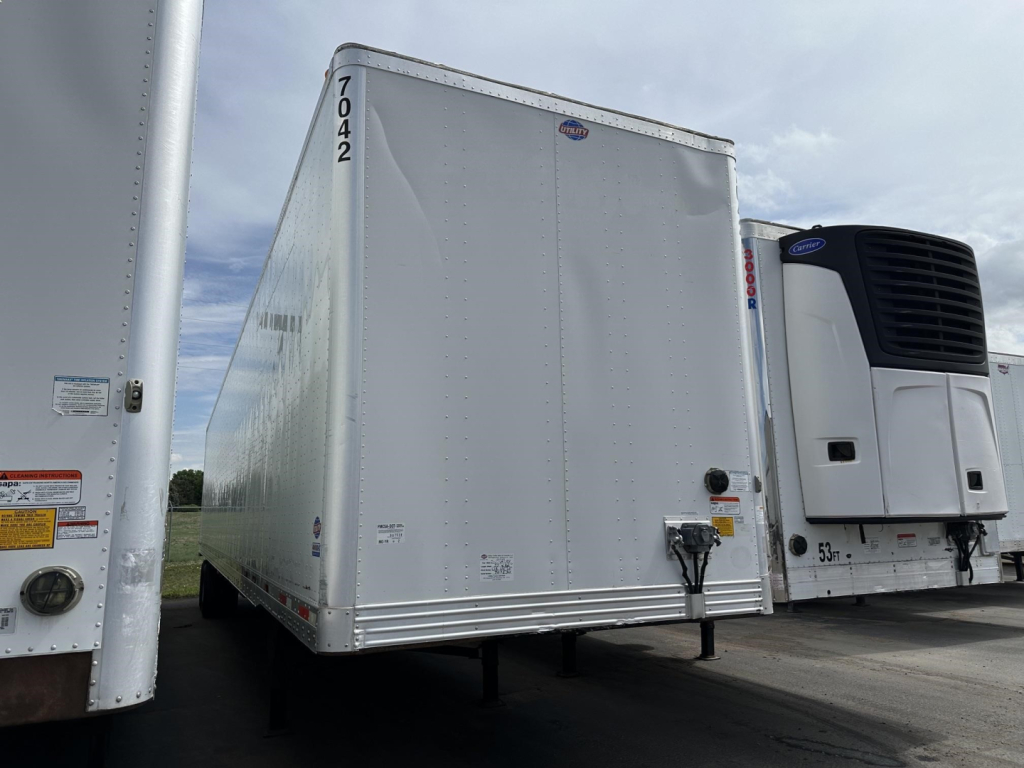
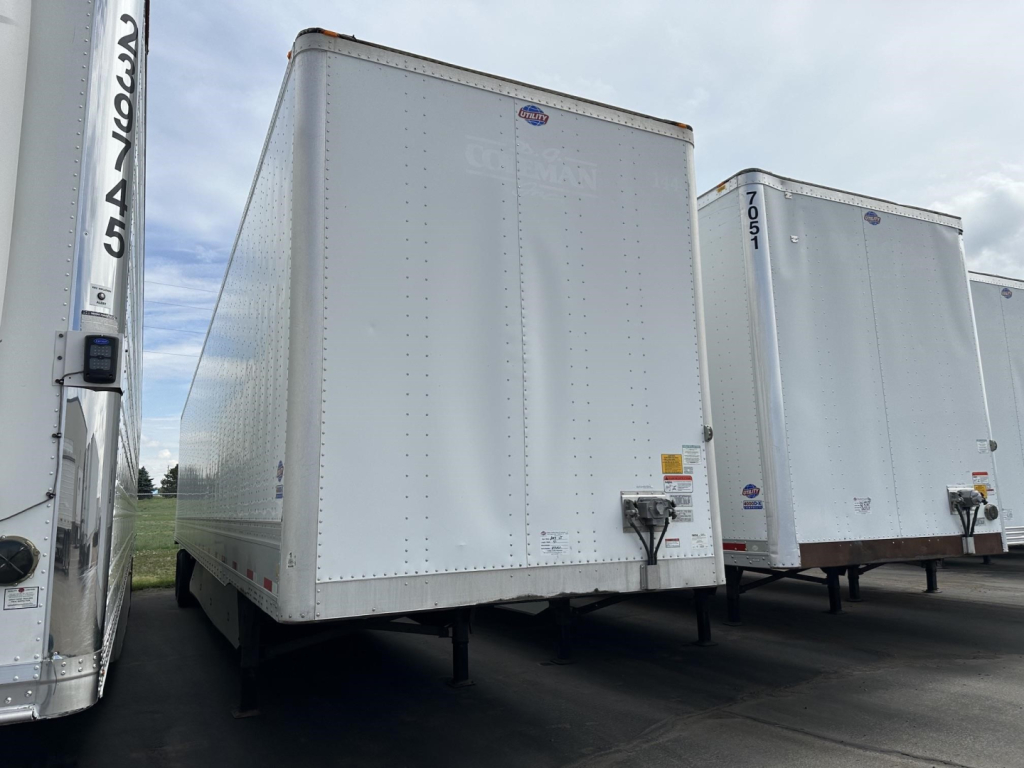
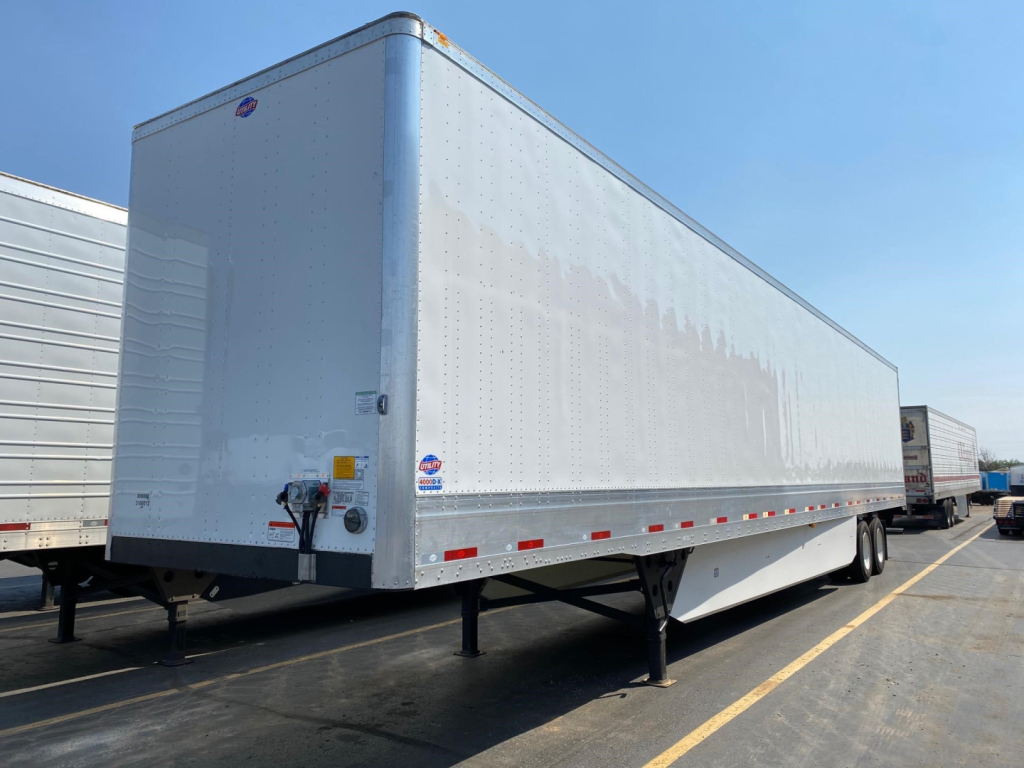
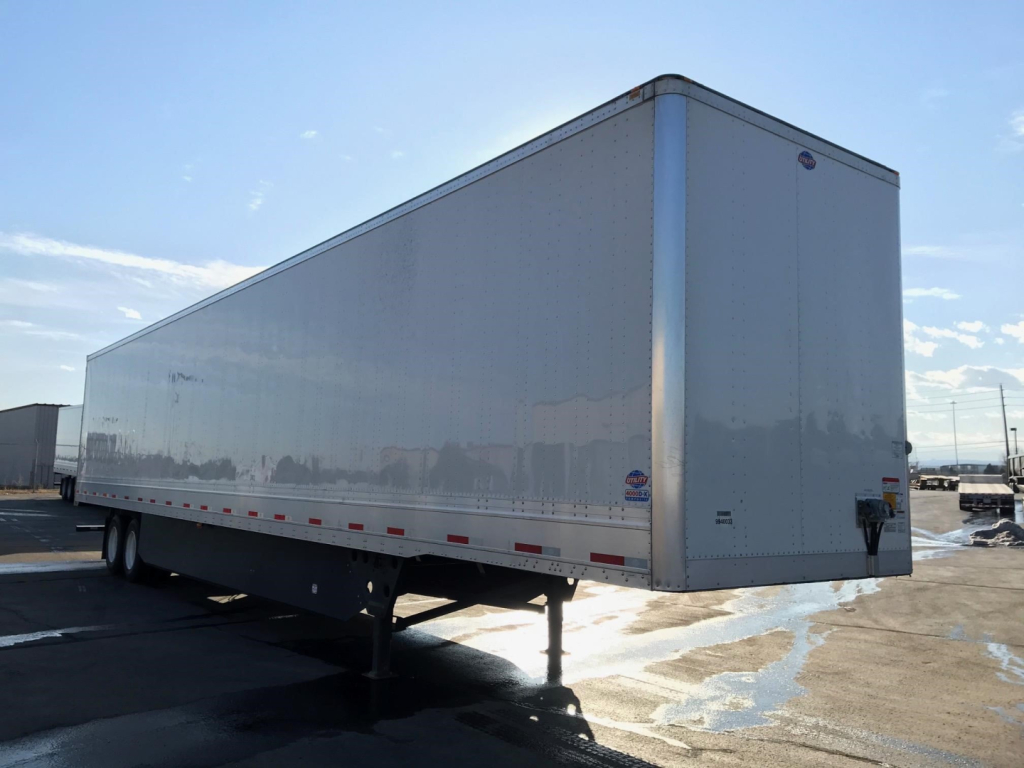
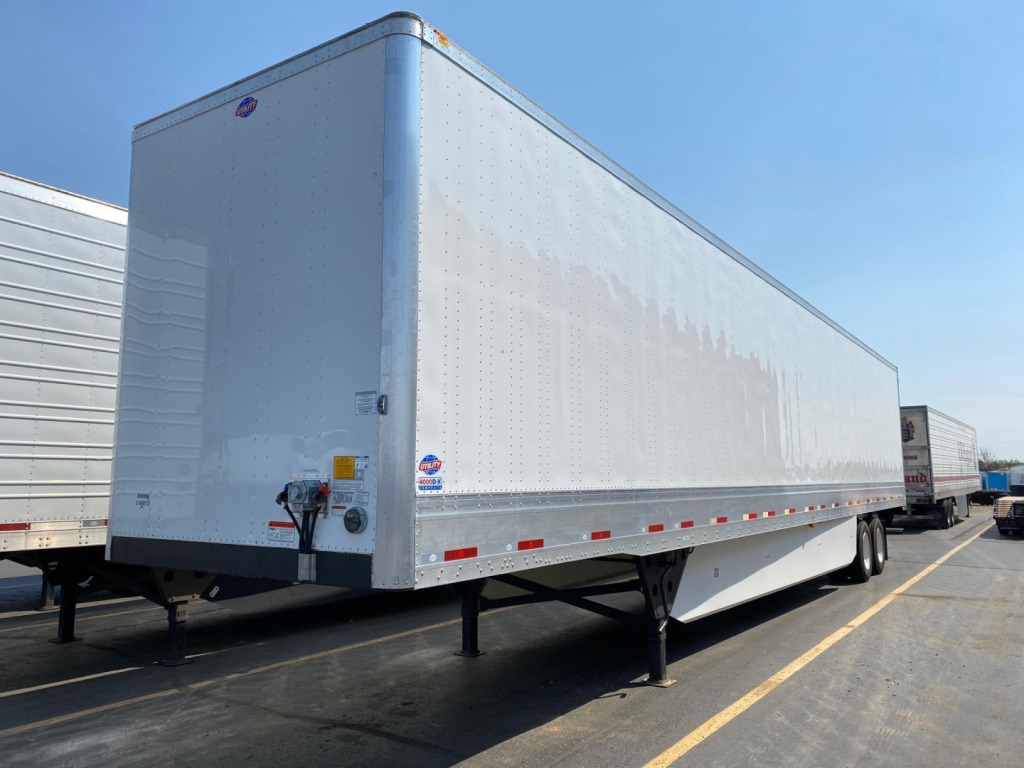
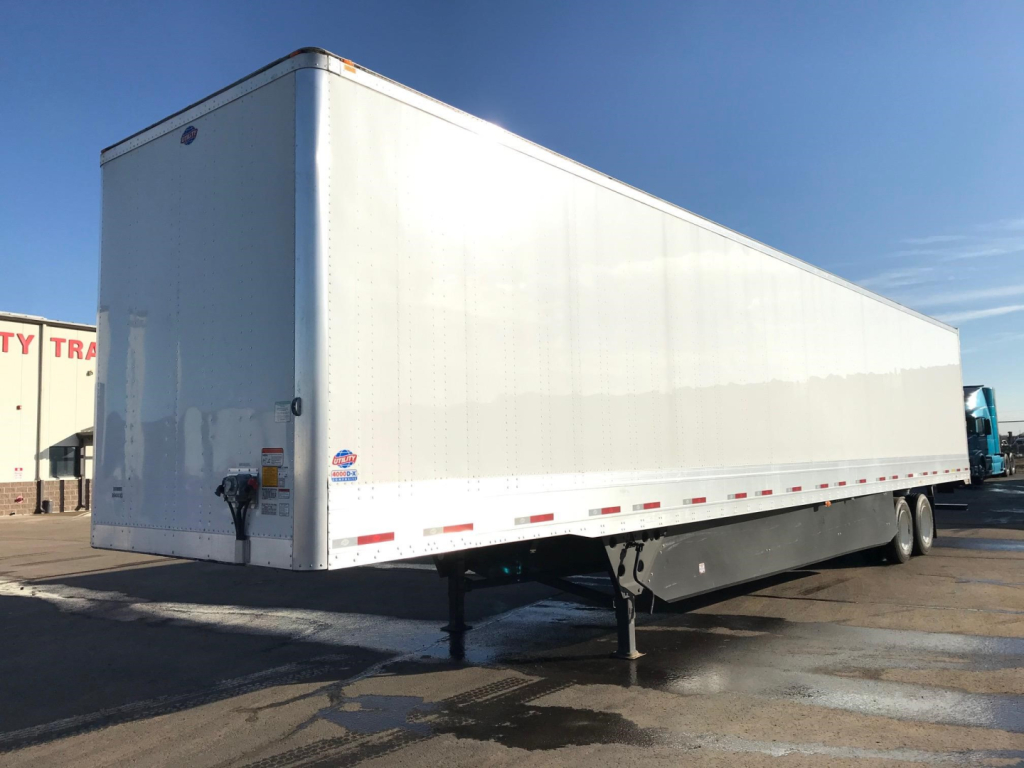
Selling a utility dry van trailer? List your utility dry van trailer for sale and reach thousands of commercial buyers.
Utility Dry Van Trailers in Colorado
On used box trailers, inspect floor undersides, crossmembers, landing-gear mounts, slider locks, and brake components for damage or corrosion. Colorado hail also makes roof seams and previous roof repairs worth checking for leaks. Check air bags and height-control valves, and cycle the slider through its locking positions. Review annual inspection records, axle alignment, tire wear, and repairs rather than judging an older trailer by model year alone. For new Utility vans, specify floor capacity and cargo securement, obtain written structural and component warranty terms, and account for the 12% federal excise tax on qualifying new heavy trailers.
Frequently Asked Questions about Utility Dry Van Trailers in Colorado
How much can I legally haul in a 53-foot Utility dry van in Colorado?
The usual Interstate limit is 80,000 pounds gross combination weight, not 80,000 pounds of cargo. Subtract the tractor, Utility dry van, fuel, and equipment weight to determine potential payload. Federal limits normally include 20,000 pounds on a single axle and 34,000 pounds on a tandem, subject to bridge-formula spacing. Confirm Colorado route restrictions and equipment ratings before loading.
Does a trailer tire inflation system handle Colorado elevation changes?
Only an inflate-and-deflate system can actively release excess tire pressure; an inflation-only system cannot. On a Utility dry van running Colorado mountain routes, verify the installed system's capabilities and approved pressure setting rather than assuming all automatic systems work alike. Check cold tire pressures manually, inspect hoses and wheel-end connections, and investigate frequent inflation cycles that may indicate a leak.
How do I know a Utility dry van floor will handle my forklift?
The loaded forklift's axle load, not just total cargo weight, determines whether a Utility dry van floor is suitable. Obtain the manufacturer's floor rating for the actual trailer specification and compare it with the forklift's loaded front-axle weight and wheel arrangement. Small, hard tires concentrate force, while damaged boards or crossmembers can undermine an otherwise adequate original floor specification.
Should an older Utility dry van have ABS?
Air-braked Utility semitrailers manufactured on or after March 1, 1998, are required to have ABS for U.S. operation. Verify the manufacturing date rather than relying solely on the advertised model year. During inspection, confirm the trailer ABS warning lamp functions correctly and have faults diagnosed through the controller. Damaged sensor wiring, wheel-speed sensors, and exciter rings deserve attention on older equipment.
Can a Utility dry van carry freeze-sensitive freight through Colorado in winter?
A standard Utility dry van cannot maintain a controlled cargo temperature. Use a refrigerated trailer when product specifications require protection against freezing or a defined temperature range. Weather-tight composite walls keep precipitation out but do not provide active heating or cooling. For packaged beverages, chemicals, or other sensitive freight, confirm the shipper's temperature requirements before assigning a dry freight trailer.