
Vanguard Dry Van Trailers For Sale in Colorado
Vanguard dry van trailers for sale in Colorado: compare door clearance, floor ratings, corrosion checks, and axle setup for mountain and Front Range freight.
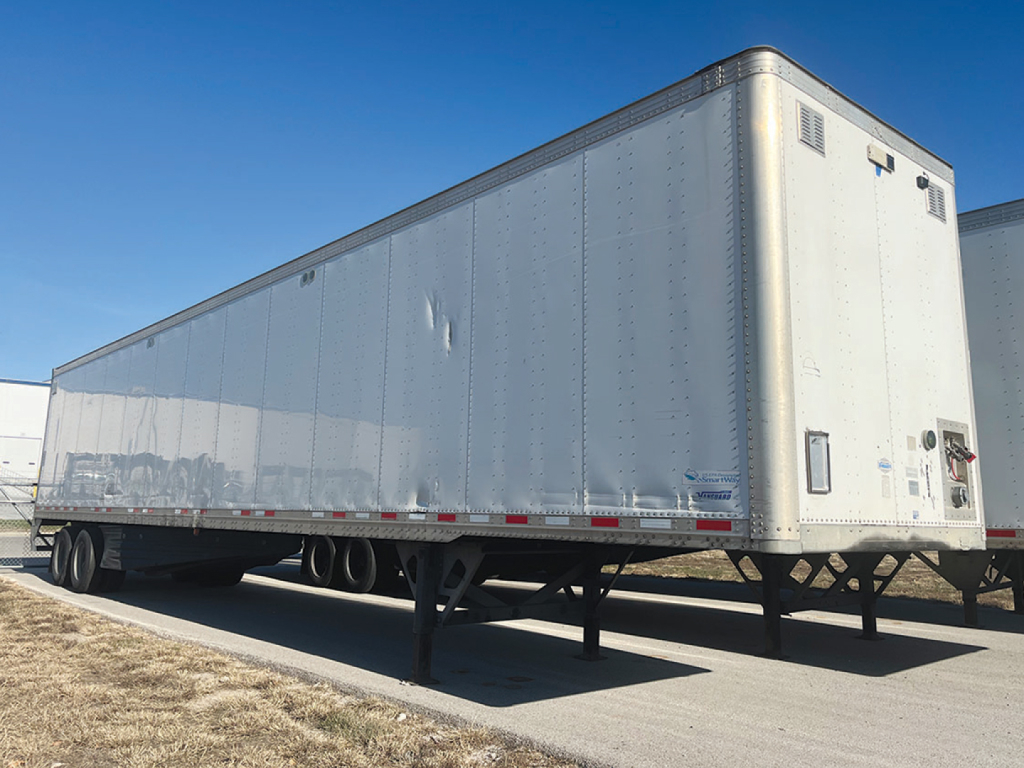
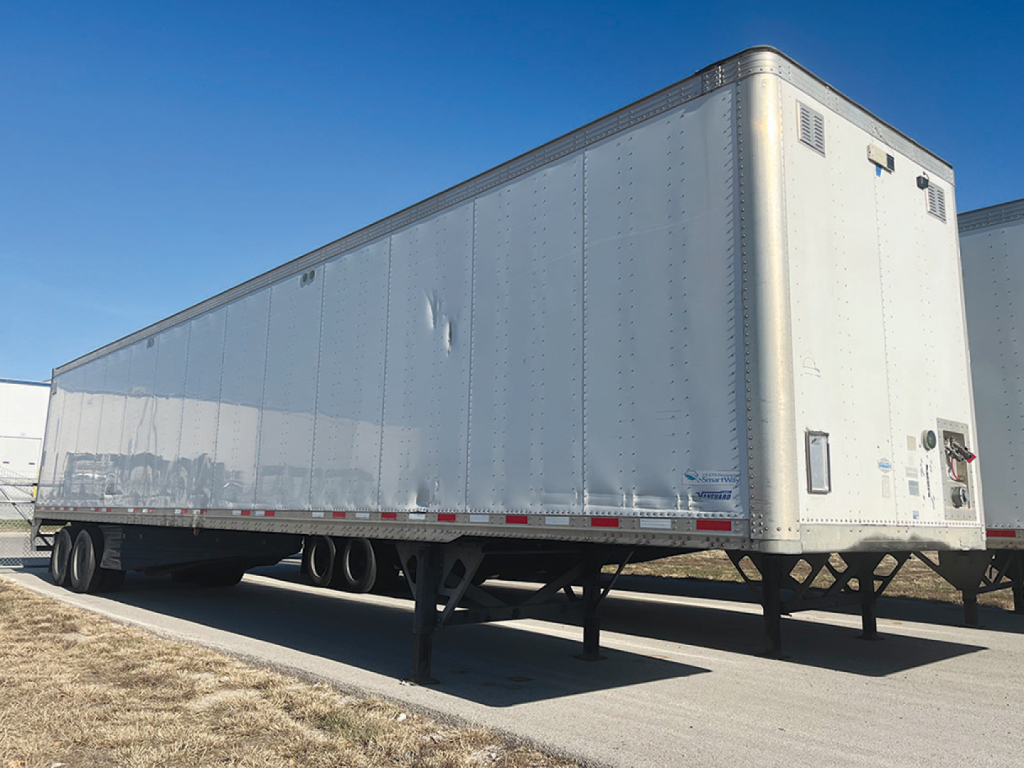
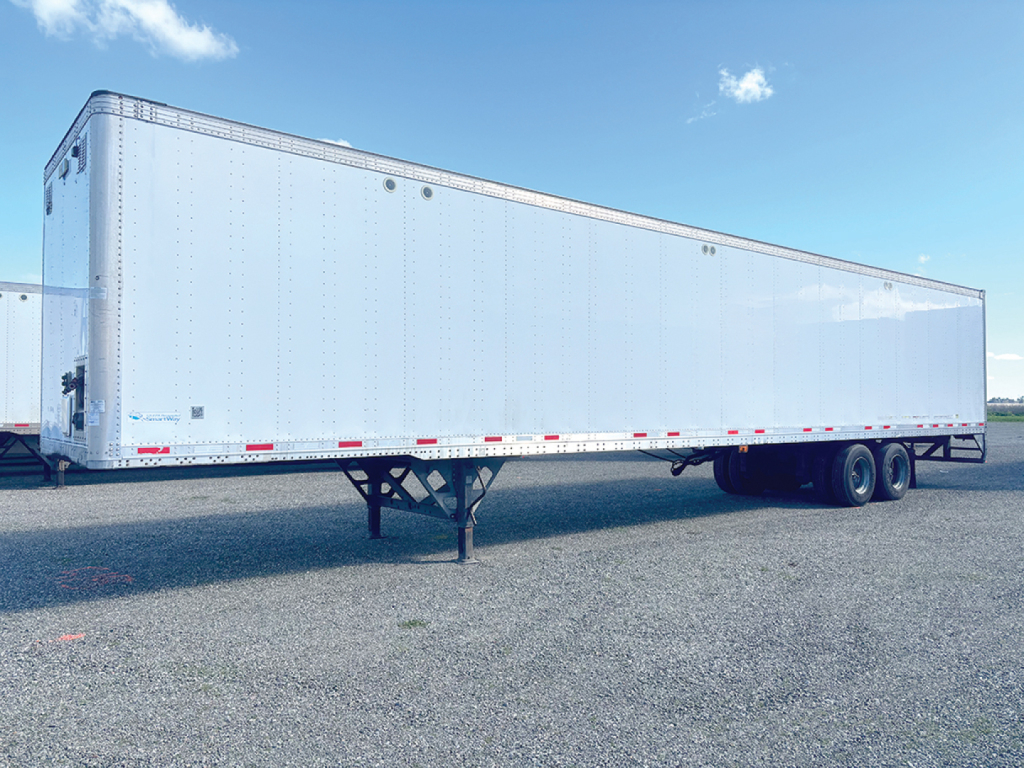
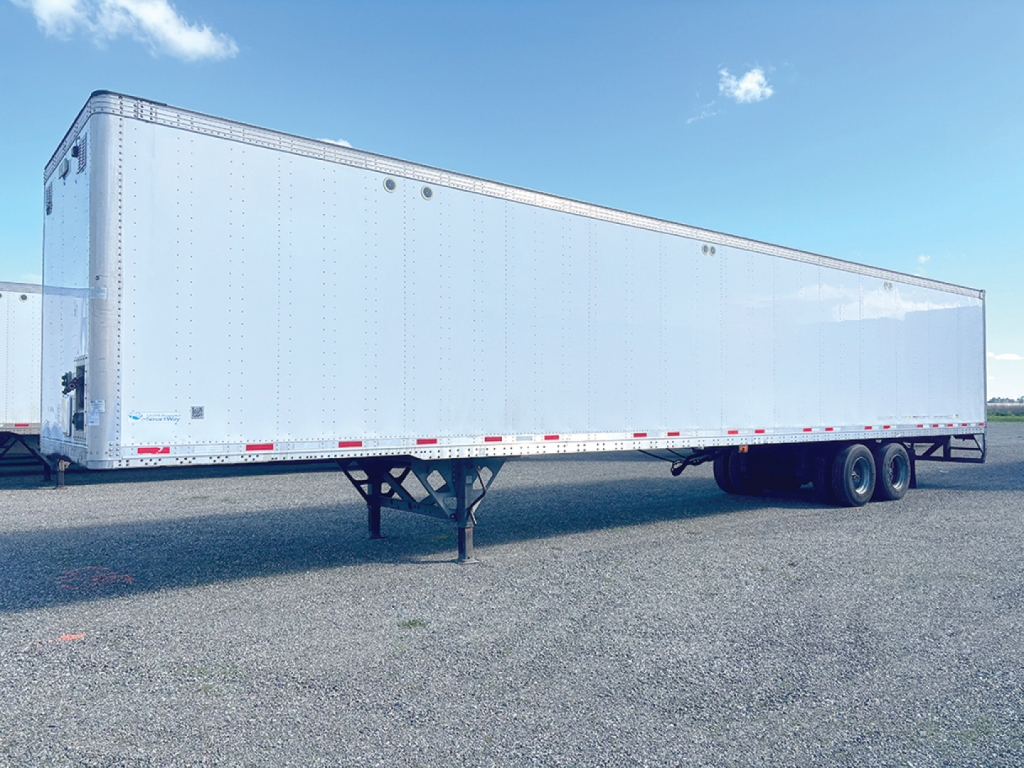
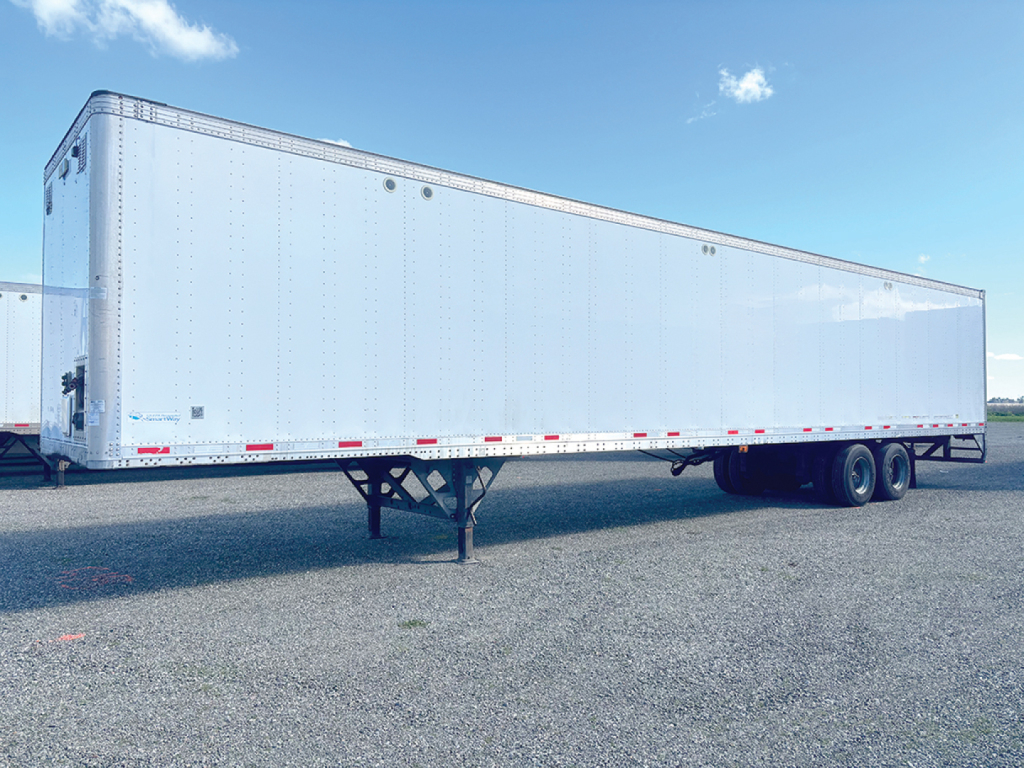
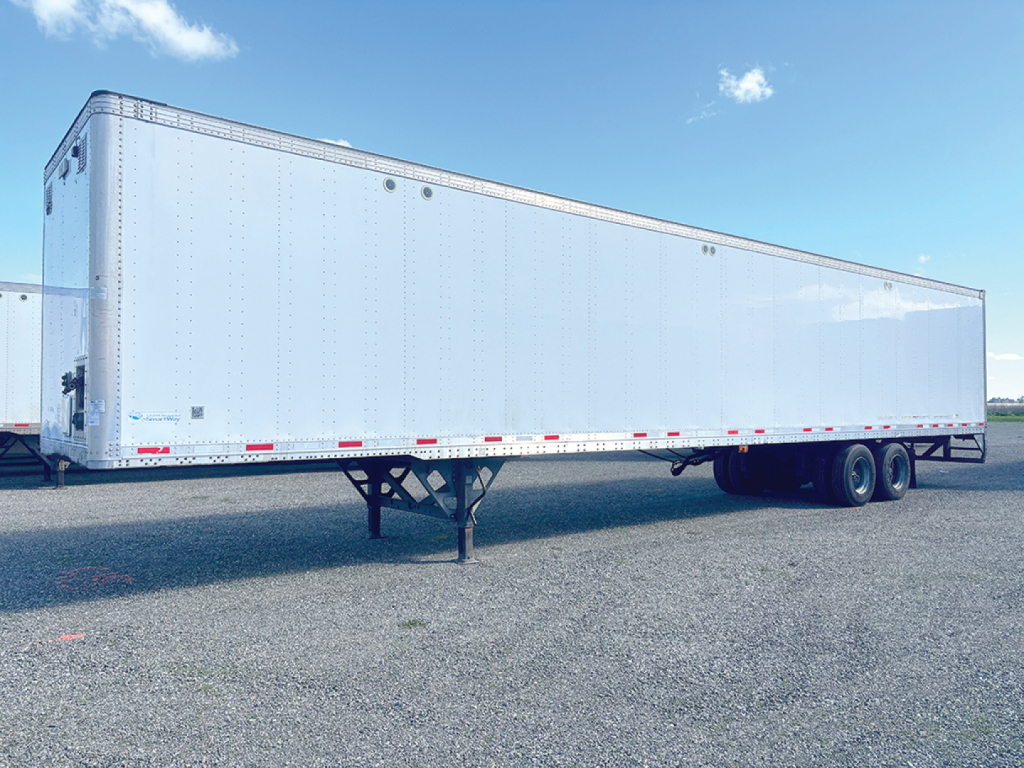
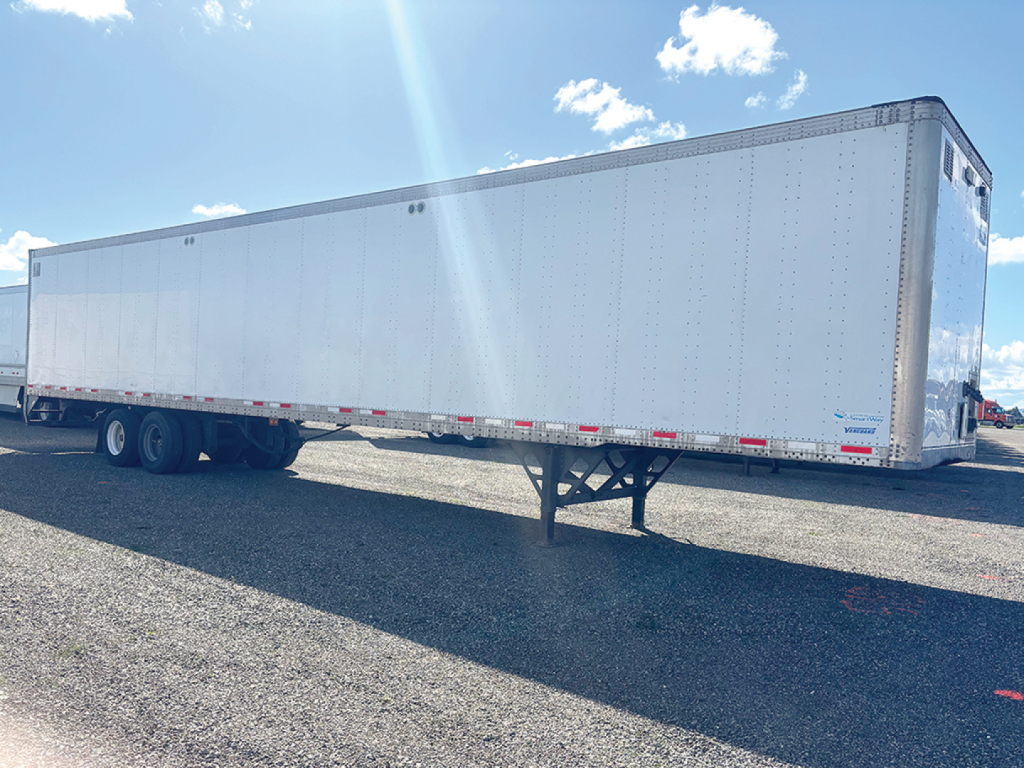
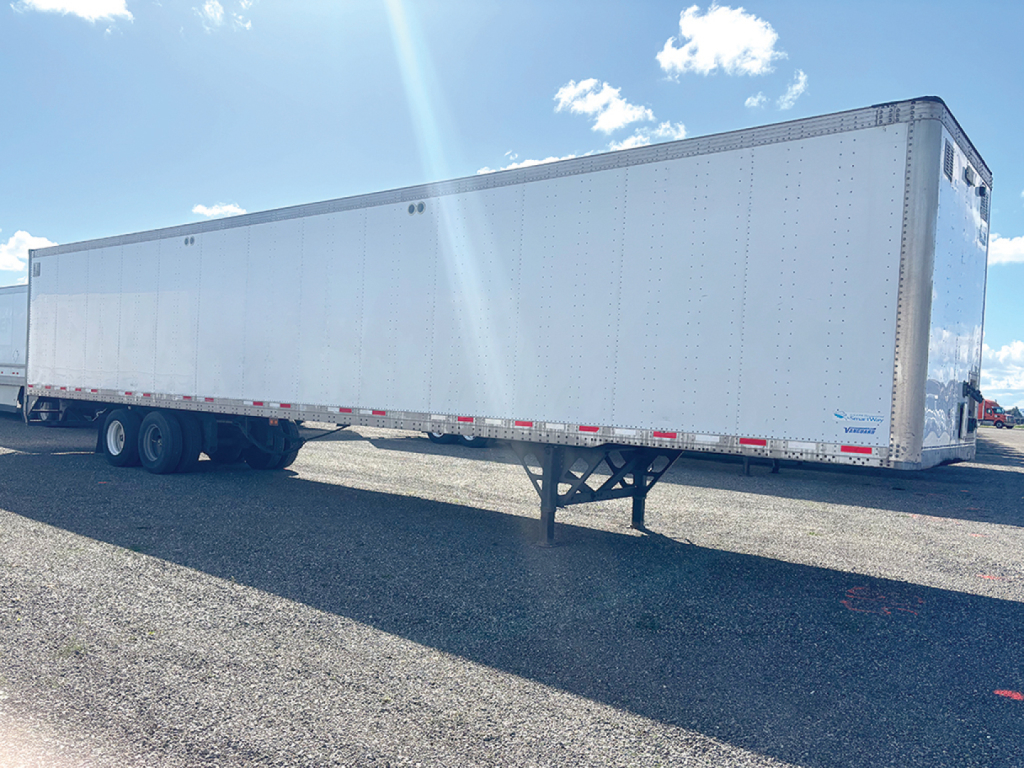
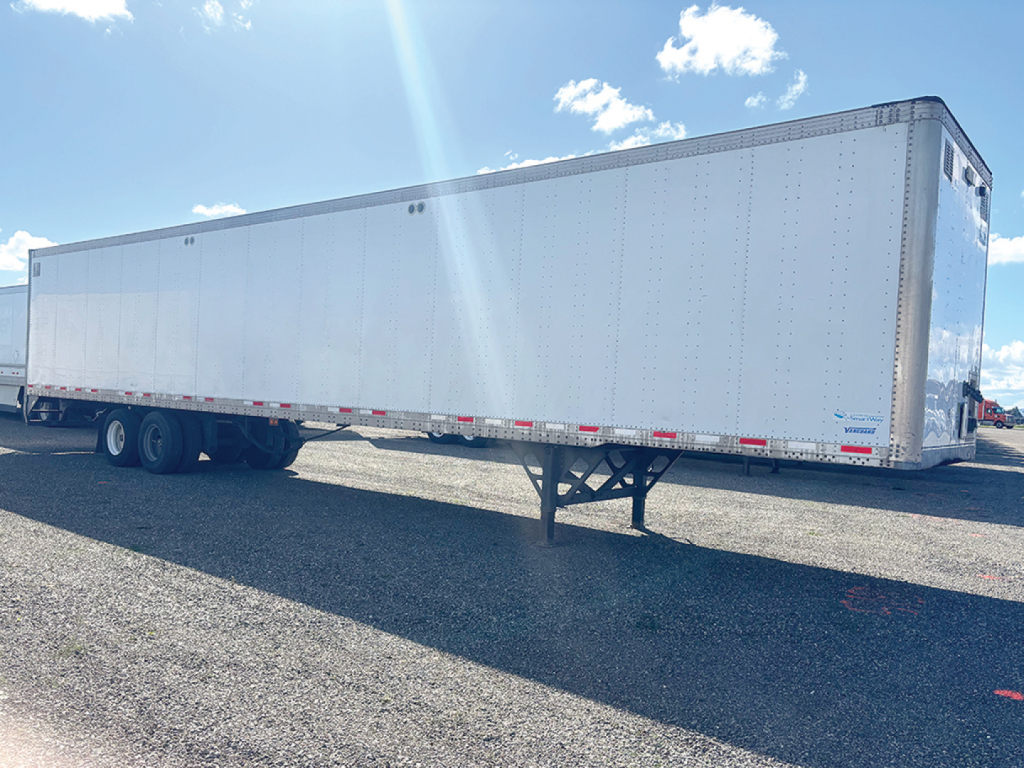
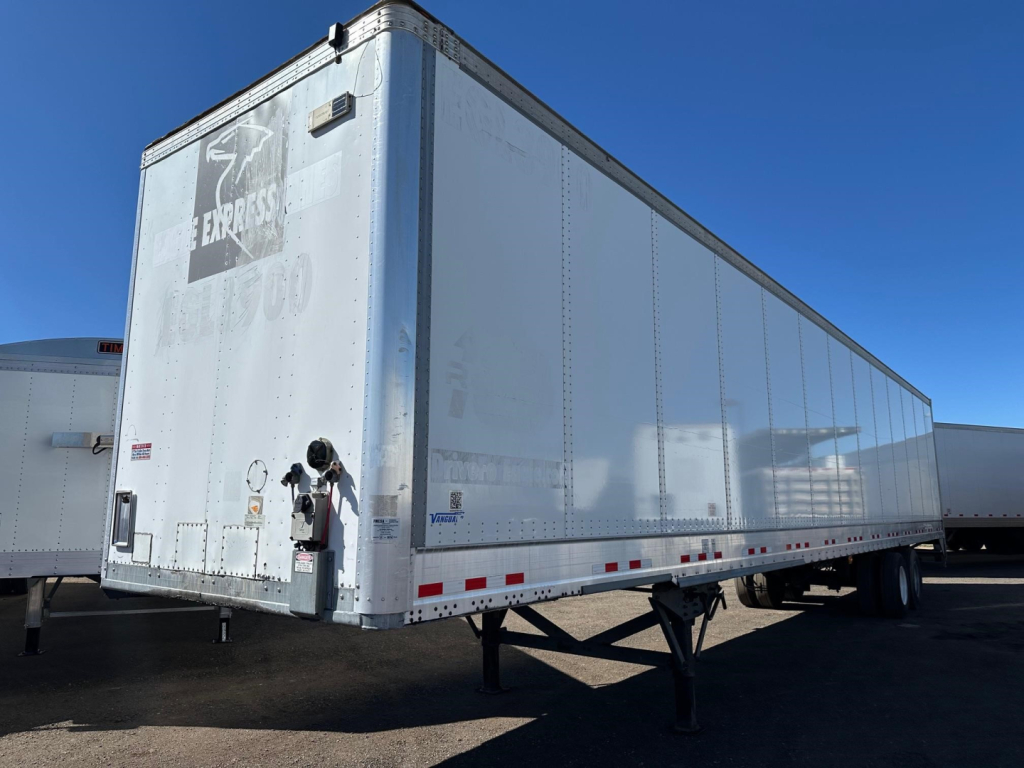

Selling a vanguard dry van trailer? List your vanguard dry van trailer for sale and reach thousands of commercial buyers.
Vanguard Dry Van Trailers in Colorado
Deicing chemicals and winter moisture make underbody inspection essential on used vans from Colorado service. Inspect crossmembers, landing gear mounts, tandem rails, and suspension hangers for section loss, cracks, and repairs; galvanized rear framing does not eliminate corrosion at adjoining steel components. Check roof seams, front corners, door seals, and floor edges for water intrusion, then inspect the threshold and floor for forklift damage. Mountain operation also warrants close examination of brake linings, drums or rotors, wheel seals, and tire wear. Confirm that sliding tandem pins fully engage and review brake, wheel-end, and suspension maintenance records.
New Vanguard specifications should match concentrated forklift loads, cargo securement needs, and dock clearances, not just cubic capacity. Confirm warranty terms for the structure, corrosion protection, axles, and purchased components, since coverage can differ. Include the 12% federal excise tax on qualifying new heavy trailers in acquisition planning, and verify axle weights and route restrictions before assigning either a new or used van.
Frequently Asked Questions about Vanguard Dry Van Trailers in Colorado
How many pallets fit in a 53-foot Vanguard dry van?
A 53-foot Vanguard dry van typically accommodates 26 standard 48-by-40-inch pallets loaded straight, with two pallets across and 13 rows lengthwise. Confirm usable interior length, rear-door clearance, and any cargo overhang before planning the load. Dense palletized freight can reach legal axle or gross weight limits before filling the trailer.
What weight limits matter when loading a Vanguard dry van in Colorado?
Standard Interstate limits are 80,000 pounds gross combination weight, 20,000 pounds on a single axle, and 34,000 pounds on a tandem, subject to the Federal Bridge Formula. A Vanguard dry van must also stay within its component ratings. Colorado route restrictions, posted bridges, and permit conditions can impose different limits, so legal payload requires more than subtracting empty weight from 80,000 pounds.
Does a used Vanguard dry van need a current DOT inspection?
A Vanguard dry van used in interstate commercial service must pass a periodic inspection at least once every 12 months under 49 CFR 396.17. Obtain the inspection documentation and verify the trailer identification matches. An inspection decal does not replace a purchase inspection, especially when evaluating concealed floor damage, roof leaks, or structural repairs.
Will a Vanguard dry van keep freight from freezing on Colorado mountain routes?
A standard uninsulated Vanguard dry van cannot reliably protect freeze-sensitive freight during Colorado winter service. A sealed box keeps precipitation out but does not maintain cargo temperature during prolonged exposure or overnight parking. Freight requiring controlled temperatures needs equipment specified for that requirement, such as an appropriately insulated, heated, or refrigerated trailer.
Is automatic tire inflation worth specifying on a Vanguard dry van?
Automatic tire inflation can reduce underinflation-related tire wear on a Vanguard dry van, especially in fleets with frequent trailer swaps. Colorado temperature swings still require cold-pressure checks against the tire manufacturer's load guidance. Inspect inflation-system hoses, rotary unions, and warning indicators, because the system cannot correct damaged tires, major leaks, or improper pressure settings.