
2021 Dry Van Trailers For Sale in Colorado
Compare 2021 dry van trailers for sale in Colorado by door clearance, floor rating and corrosion risk to match Front Range delivery or mountain freight.
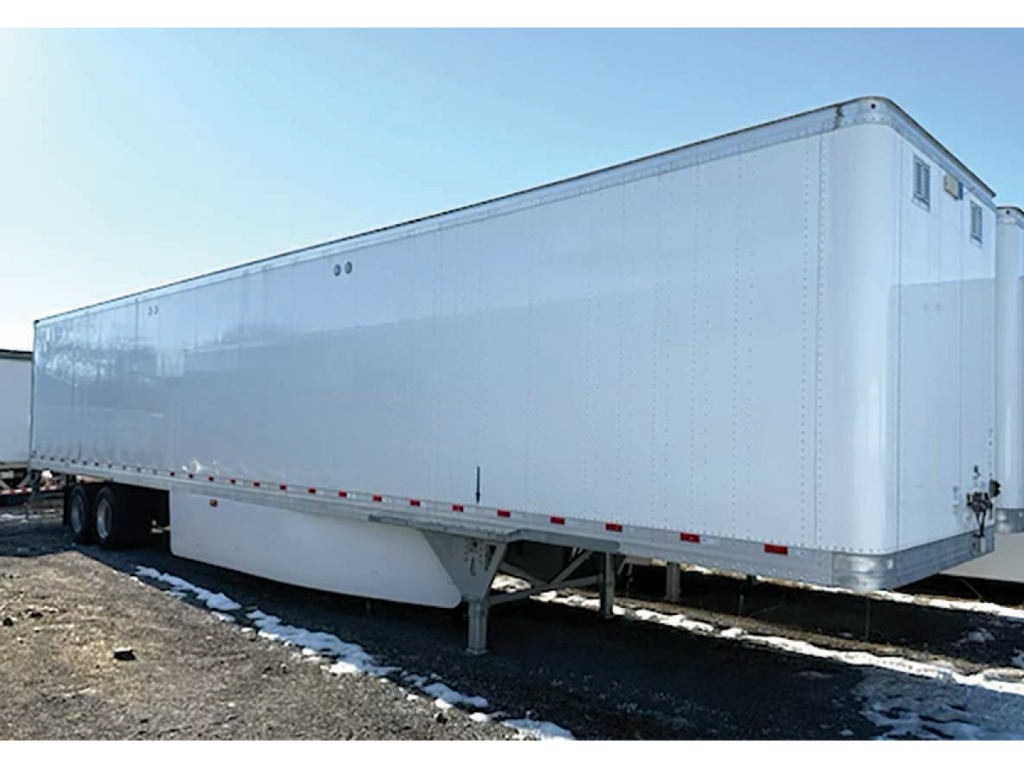
Selling a 2021 dry van trailer? List your 2021 dry van trailer for sale and reach thousands of commercial buyers.
2021 Dry Van Trailers in Colorado
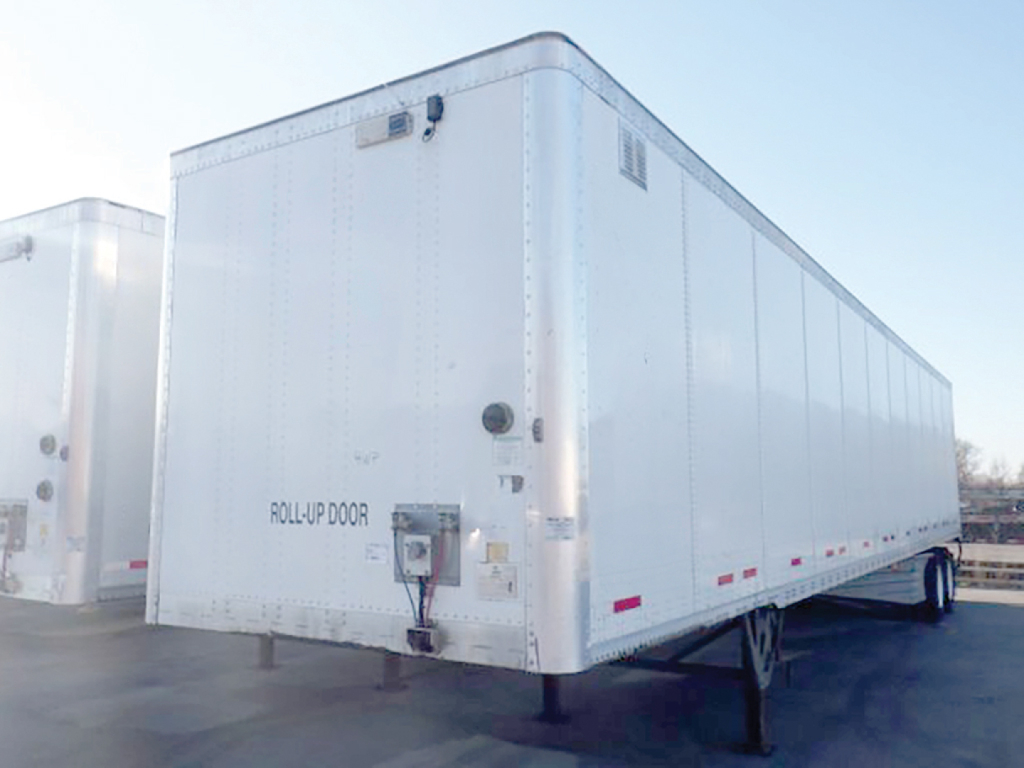
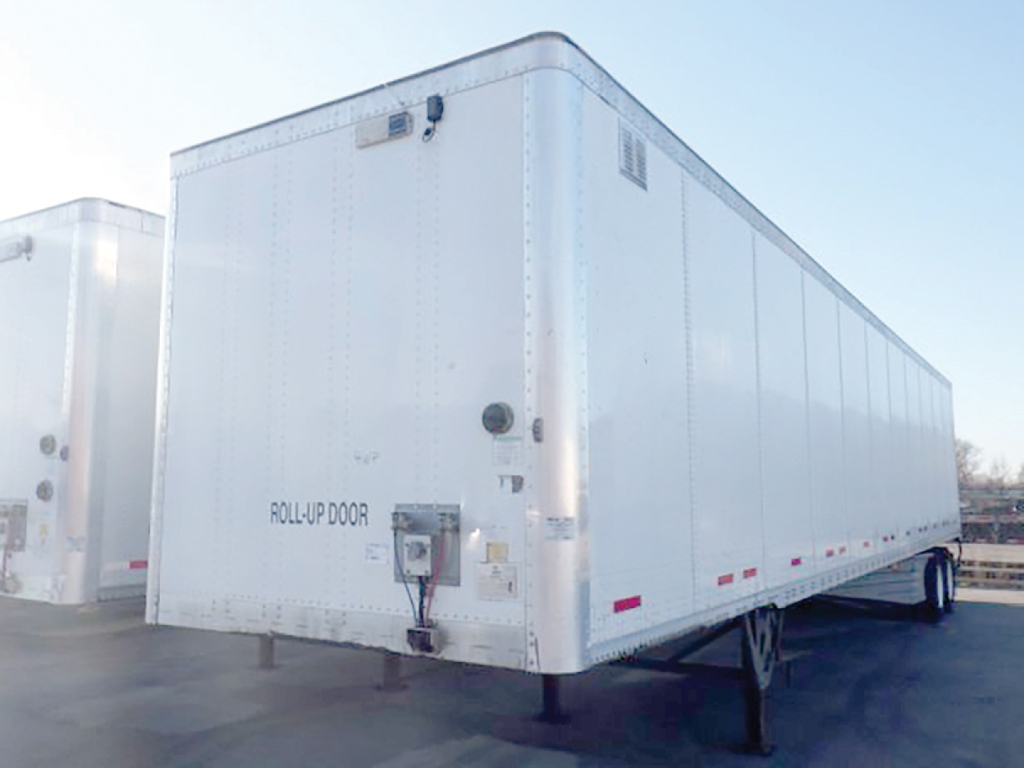
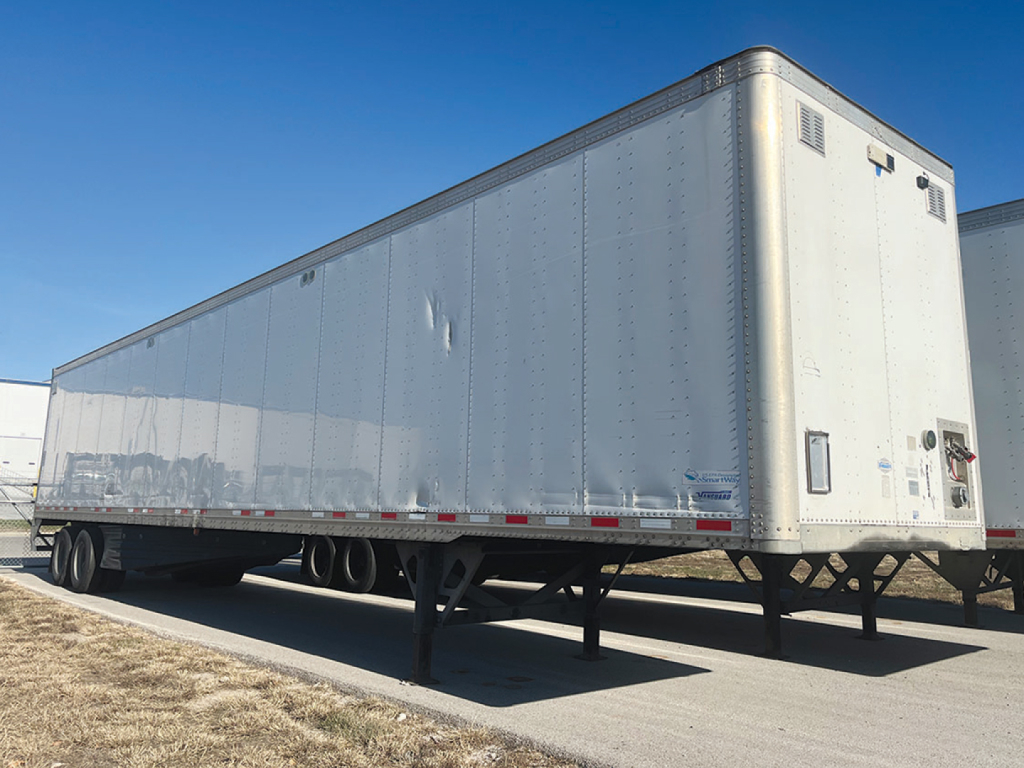
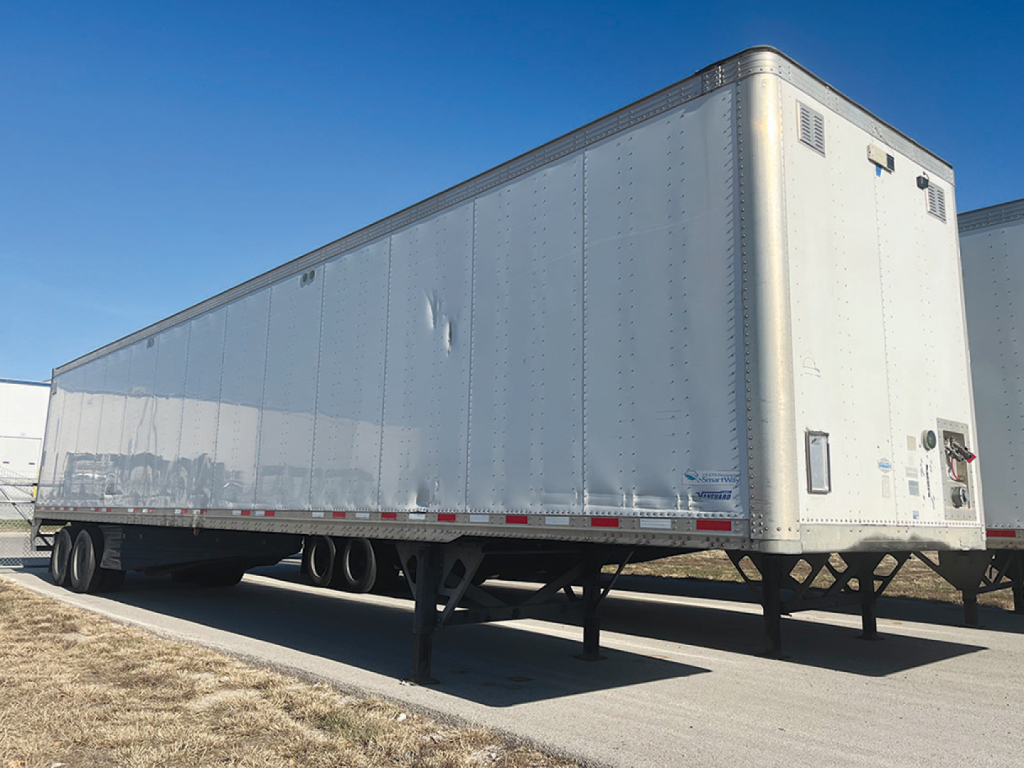
The 2021 model year includes established composite-panel and aluminum sheet-and-post construction, with equipment differences driven heavily by the original fleet specification. Wabash DuraPlate composite walls and aluminum-bodied designs from manufacturers such as Vanguard and Hyundai illustrate those construction choices. Compare interior width, wall repair methods, scuff protection and logistics-track placement across makes. Verify the floor's forklift axle-load rating against the loading equipment, not just the freight weight. Air ride, sliding tandems, lift axles and tire inflation systems require individual confirmation rather than assumptions based on year.
A used 2021 dry freight trailer needs a structural inspection before cosmetic condition earns much credit. Check the upper coupler, kingpin, landing-gear mounts, crossmembers and rear sill for cracks, distortion or plated-over repairs. Probe suspect wood flooring and inspect roof seams, corner caps and wall joints for water entry. Colorado hail can damage roof sheets, while winter road treatments can corrode steel components and electrical connections. Inspect beneath galvanized areas and around dissimilar-metal joints. Request maintenance records, annual inspection documentation and ABS fault information, then check brake wear, wheel-end leakage, suspension bushings and tandem-slider locking pins.
Mountain descents make balanced brakes and sound tires especially important, while Eastern Plains crosswinds reward secure doors, intact roof attachments and properly maintained suspension. Check tire age and sidewall cracking even when tread remains substantial. For Colorado freight lanes, calculate axle loading with the intended tractor, kingpin position and tandem setting; trailer GVWR alone does not establish legal payload. Confirm the loaded combination meets applicable axle, bridge and route limits, particularly when delivery work takes the trailer off Interstate highways.
For any unused 2021 trailer represented as new, verify storage history, original specifications and the manufacturer's warranty start date in writing. Unused tires, seals and air-system components can still deteriorate during storage. Specify required door, cargo-restraint and dock-interface changes before purchase, and confirm whether modifications affect warranty coverage. A qualifying first retail sale of a new heavy trailer can carry the 12% federal excise tax; model year alone does not determine tax treatment.
Frequently Asked Questions about 2021 Dry Van Trailers in Colorado
How many pallets fit in a 53-foot dry van trailer?
A typical 53-foot dry van accommodates 26 standard 48-by-40-inch pallets in a straight-loaded, single-layer arrangement. That layout places two pallets across and 13 rows lengthwise, with the 48-inch dimension running along the trailer. Verify usable floor length, interior width and door clearance, especially with rollup doors or interior equipment. Pallet capacity does not establish payload capacity; dense freight may reach legal axle weights before filling the floor.
What should the ABS warning light do on a 2021 dry van trailer?
The trailer-mounted ABS warning lamp should illuminate during its power-up check and then go out when the system detects no active fault. A lamp that stays on, or never illuminates, requires diagnosis rather than assuming the brakes are satisfactory. Some faults require wheel movement before the controller completes its checks. On a 2021 dry van, inspect sensor wiring, tone rings, connectors and the ABS controller using the manufacturer's diagnostic procedure.
How much weight can I legally haul in a dry van in Colorado?
Standard Interstate limits are generally 80,000 pounds gross combination weight, 20,000 pounds on a single axle and 34,000 pounds on a tandem, subject to the federal bridge formula. Legal dry van payload is the remaining capacity after accounting for the tractor, trailer, fuel, equipment and occupants. Axle spacing, tire ratings, posted restrictions and permit eligibility can reduce or otherwise change the allowable load. Weigh the loaded combination rather than relying on trailer GVWR.
Do I need chains to pull a dry van trailer across Colorado?
Colorado commercial-vehicle chain requirements apply to tractor-trailers on designated mountain routes, including I-70. Required equipment and chain placement depend on the vehicle configuration and applicable restrictions. Check current CDOT seasonal carrying requirements, active chain-up notices and approved traction devices before dispatch. A dry van trailer's automatic tire inflation system does not replace required traction equipment, and summer tread condition alone does not establish winter compliance.
Will a dry van protect freight from freezing during a Colorado winter?
A standard dry van does not provide controlled freeze protection, even with its doors closed. Aluminum or composite walls enclose the load but do not maintain a safe cargo temperature during a prolonged Colorado cold spell. Temperature-sensitive products may require a refrigerated trailer with suitable heating capability or another validated temperature-controlled solution. Confirm the shipper's minimum temperature, exposure limits and monitoring requirements before assigning an unheated dry freight trailer.