
Fruehauf Dry Van Trailers For Sale
Compare Fruehauf dry van trailers for sale by aluminum or plate construction, floor capacity, door clearance and inspection needs for older freight vans.
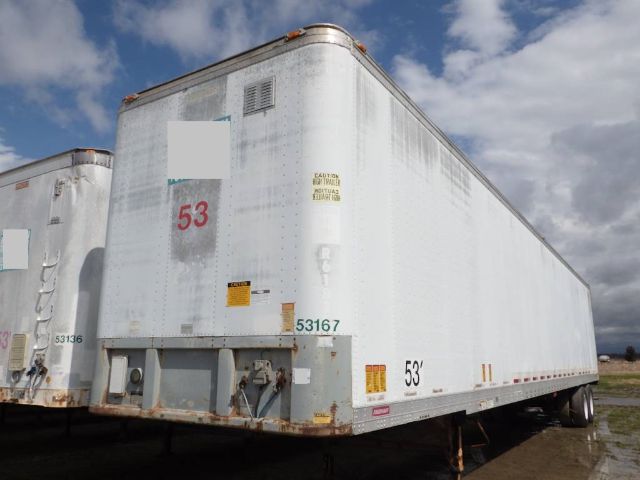
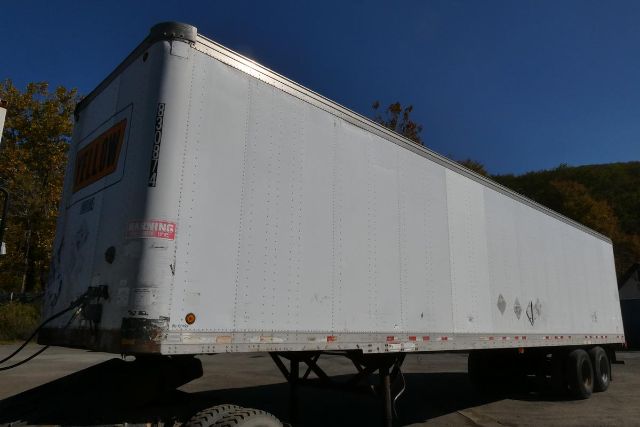
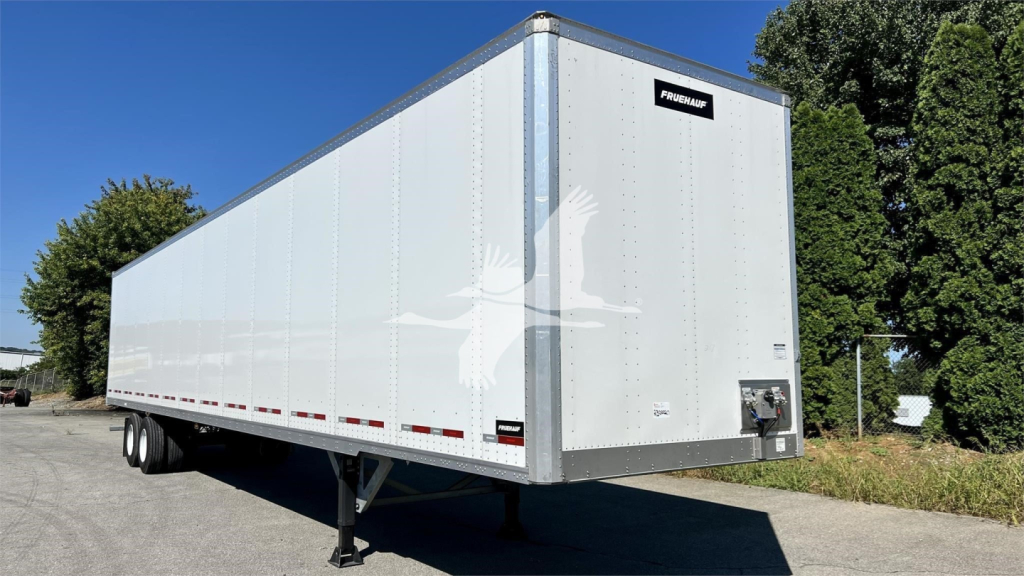
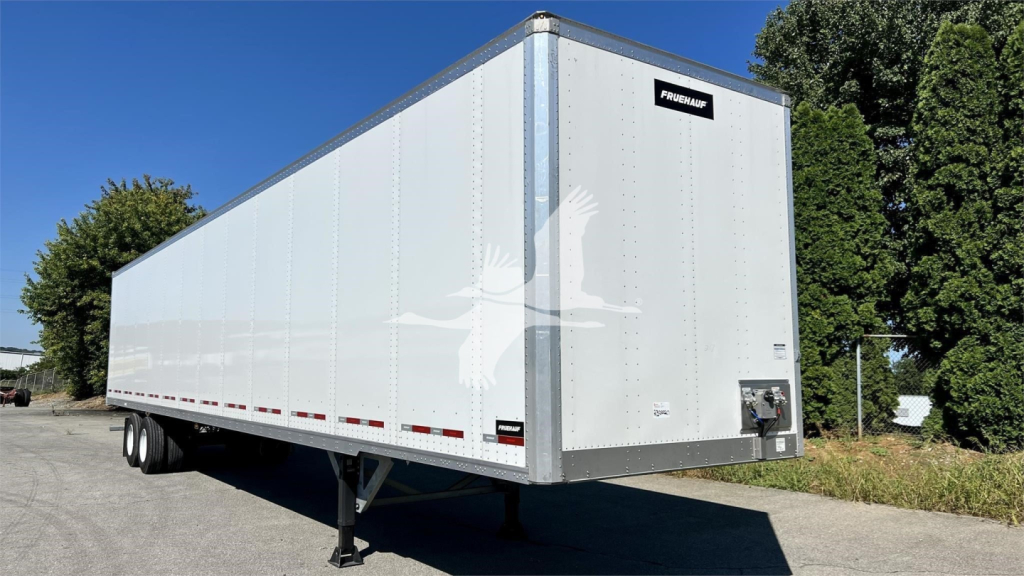
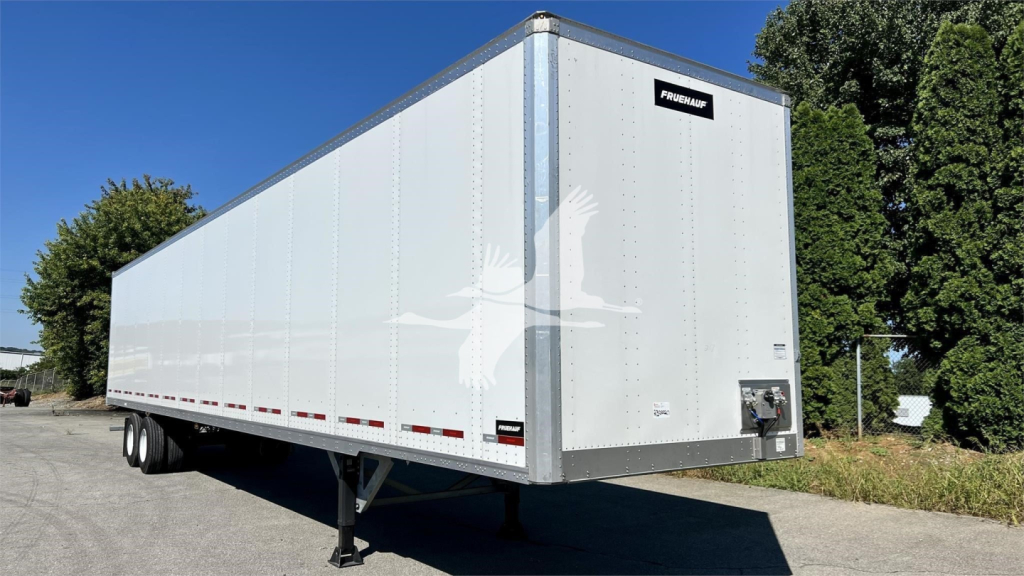
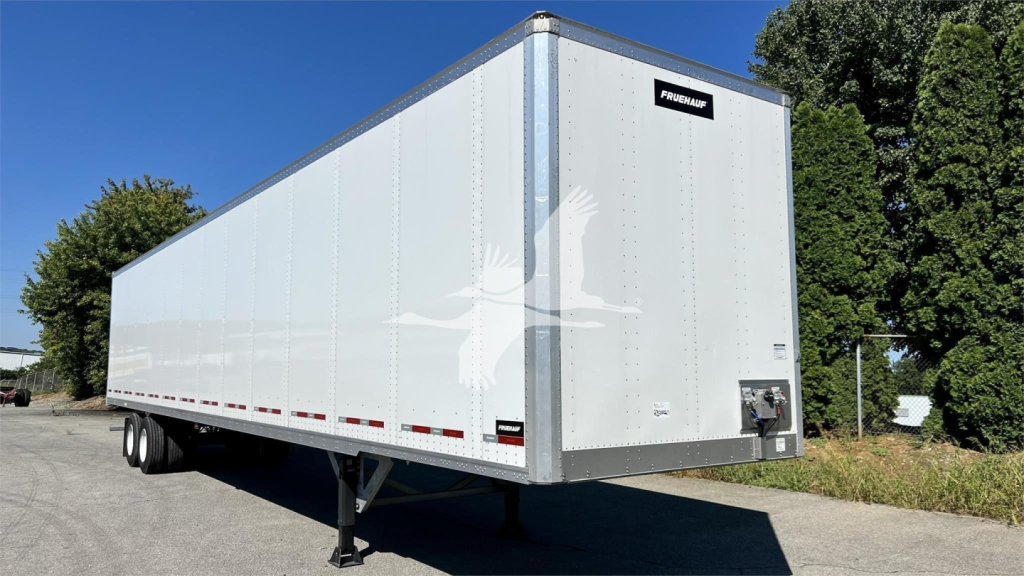
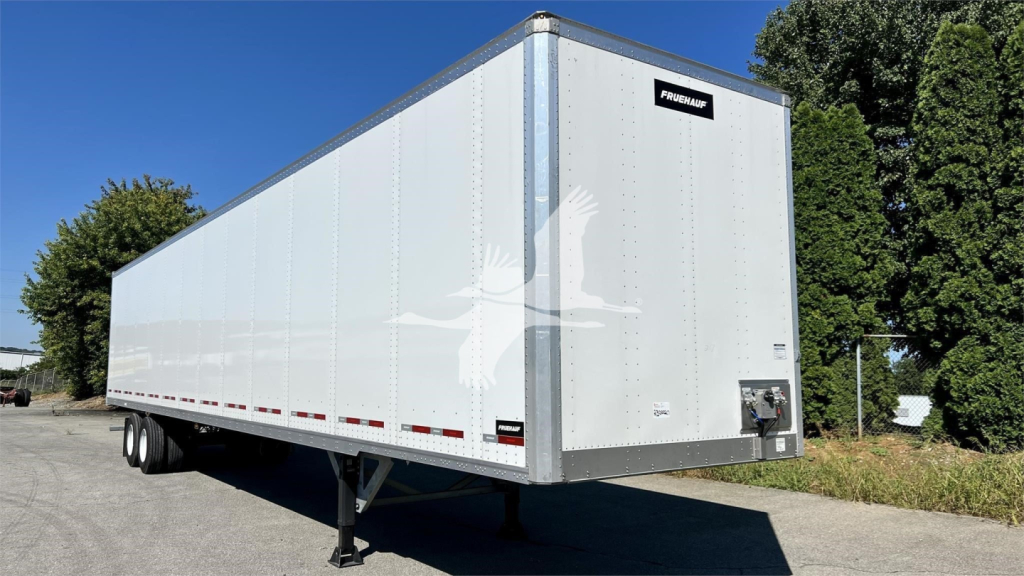
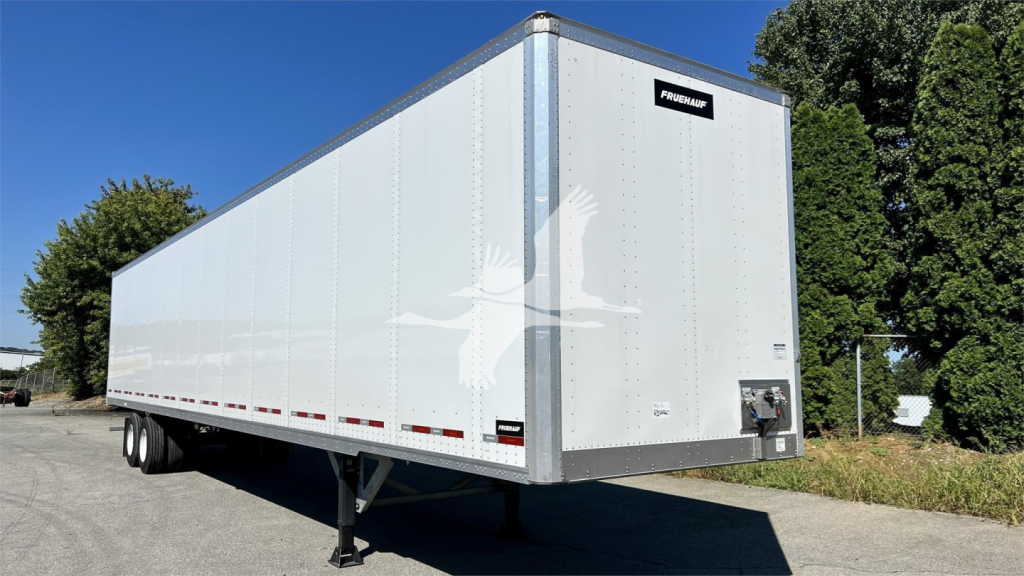
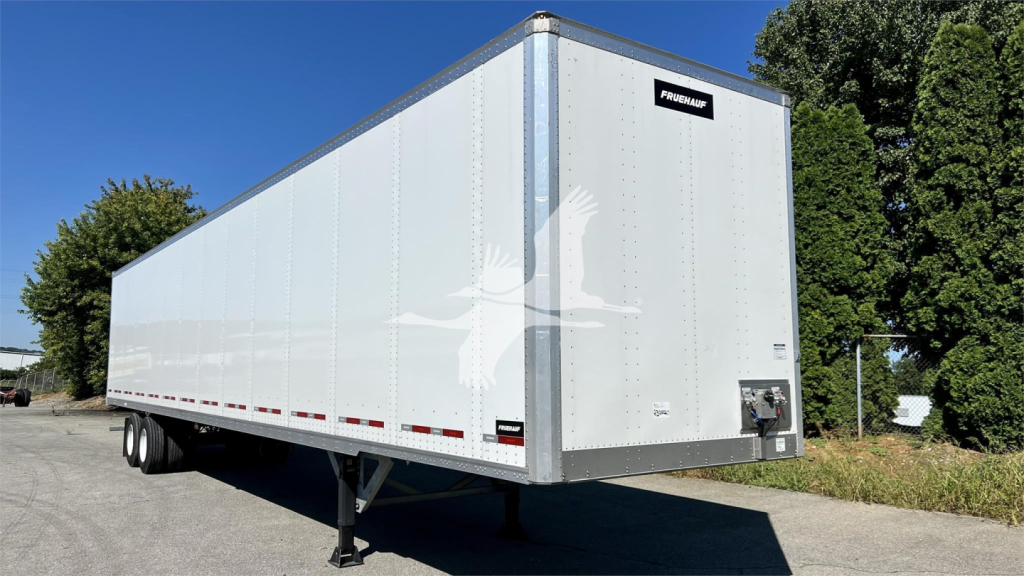
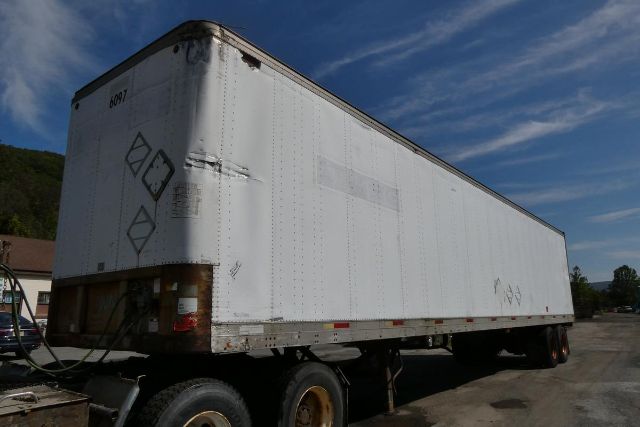
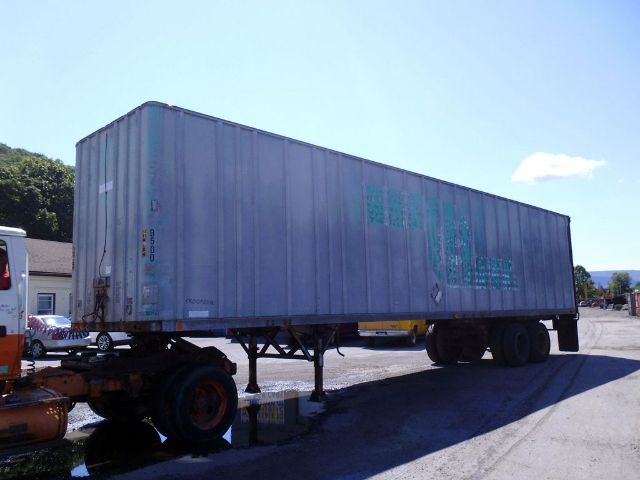

Selling a fruehauf dry van trailer? List your fruehauf dry van trailer for sale and reach thousands of commercial buyers.
Fruehauf Dry Van Trailers
Swing doors usually preserve more usable rear opening than roll-up doors, but roll-up doors suit frequent delivery stops with limited room to swing doors. Measure clear opening, interior width and dock height; exterior dimensions do not establish usable cube. Specify the floor for loaded forklift axle weight, not just total payload, and inspect threshold plates, crossmembers and cargo-control attachment points.
Inspect used Fruehauf vans for roof leaks, soft flooring, loose rivets, cracked rails and damage around the kingpin plate, landing gear and rear frame. Exercise the tandem slider and confirm every locking pin engages fully. Older trailers need particular attention to deteriorated wiring, seized hardware and undocumented structural repairs; newer plate vans still need panel joints and dock-impact areas checked. Request maintenance records for brakes, wheel ends and suspension rather than relying on an inspection decal. Salt exposure in northern U.S. states and Canada makes steel undercarriage corrosion a priority, even on aluminum-bodied vans.
For a new Fruehauf van, put floor rating, suspension, cargo-control spacing and tire specifications in the written order. Verify warranty coverage and exclusions for the structure, floor and supplied components. Qualifying new highway trailers generally incur the 12% U.S. federal excise tax; Canadian tax treatment differs. Before assigning a route, confirm state or provincial length, axle-weight and kingpin-to-rear-axle requirements, since sliding tandems do not make every axle position legal.
Frequently Asked Questions about Fruehauf Dry Van Trailers
Is air ride or spring suspension better on a Fruehauf dry van?
Air ride is usually the better choice for a Fruehauf dry van carrying freight sensitive to vibration, while spring suspension offers a simpler system for less sensitive loads. Inspect air springs, height-control valves and trailing-arm bushings on air-ride vans. On spring-equipped vans, check leaf packs, hangers, equalizers and axle alignment. Neither suspension compensates for inadequate cargo securement.
Does an older Fruehauf dry van need ABS?
U.S. federal manufacturing rules require ABS on air-braked trailers built on or after March 1, 1998. Earlier Fruehauf dry vans are not subject to a blanket federal ABS retrofit requirement solely because of age. On an ABS-equipped trailer, verify warning-lamp operation and retrieve fault codes with compatible diagnostic equipment; disconnected wiring or missing sensors can conceal an unresolved fault.
Can a Fruehauf dry van rated at 68,000 pounds carry 68,000 pounds of freight?
No, a 68,000-pound trailer GVWR includes the Fruehauf dry van's own weight, not just its cargo. Subtract actual empty trailer weight to establish the rating-based payload ceiling, then check tractor capacity, individual axle loads and legal combination weight. Most U.S. Interstate combinations operate under an 80,000-pound federal gross limit, subject to exceptions and bridge-formula limits; Canadian limits vary by province and configuration.
How do I identify replacement parts for an older Fruehauf dry van?
Component identification tags and measured dimensions are the most reliable starting points for older Fruehauf dry van parts. Record the trailer VIN and build plate, plus axle, suspension, landing-gear and wheel-end identifiers. A trailer may have replacement components that differ from its original build. Match ratings, mounting patterns and brake dimensions before ordering; the Fruehauf name alone does not establish interchangeability.
Can I use a retired Fruehauf dry van as a storage trailer?
Yes, a retired Fruehauf dry van can serve as stationary storage if its floor, structure and weather sealing remain sound. Set the trailer on firm, level ground and establish rated support arrangements for detached loading, especially with a forklift. Inspect roof seams, door seals and pest-entry points. Storage suitability does not establish roadworthiness, and any highway move still requires compliant running gear and documentation.