
Dry Van Trailers For Sale in North Carolina
Dry van trailers for sale in North Carolina: compare floor ratings, door styles, corrosion risks, and axle setup for furniture and packaged freight.
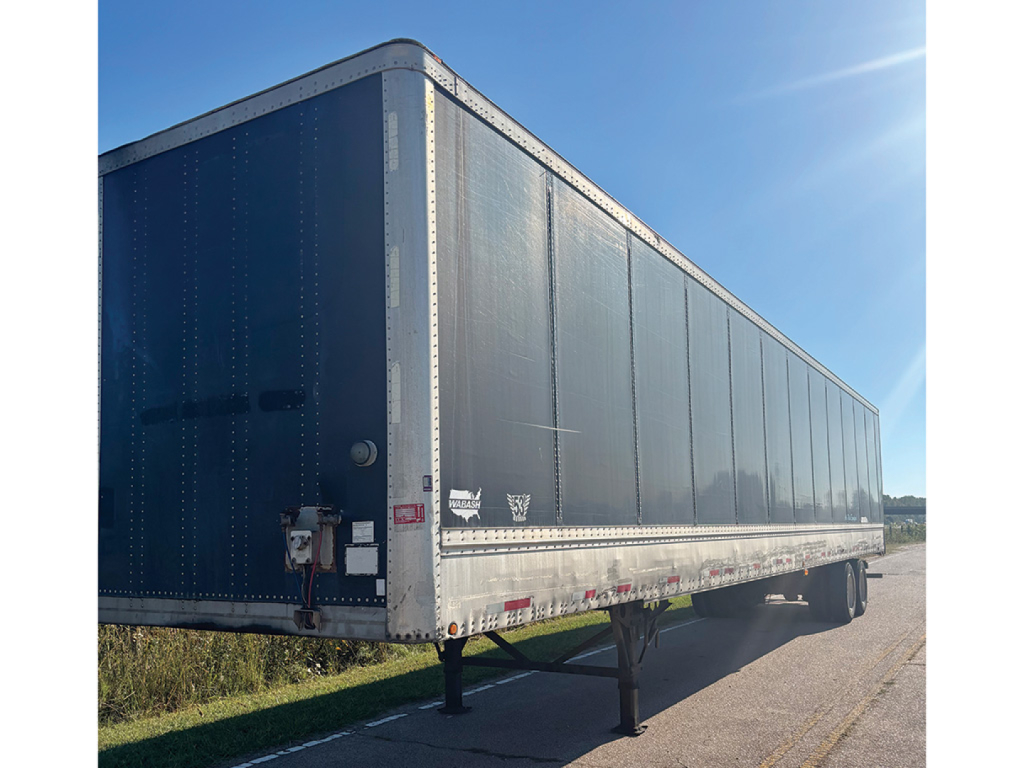
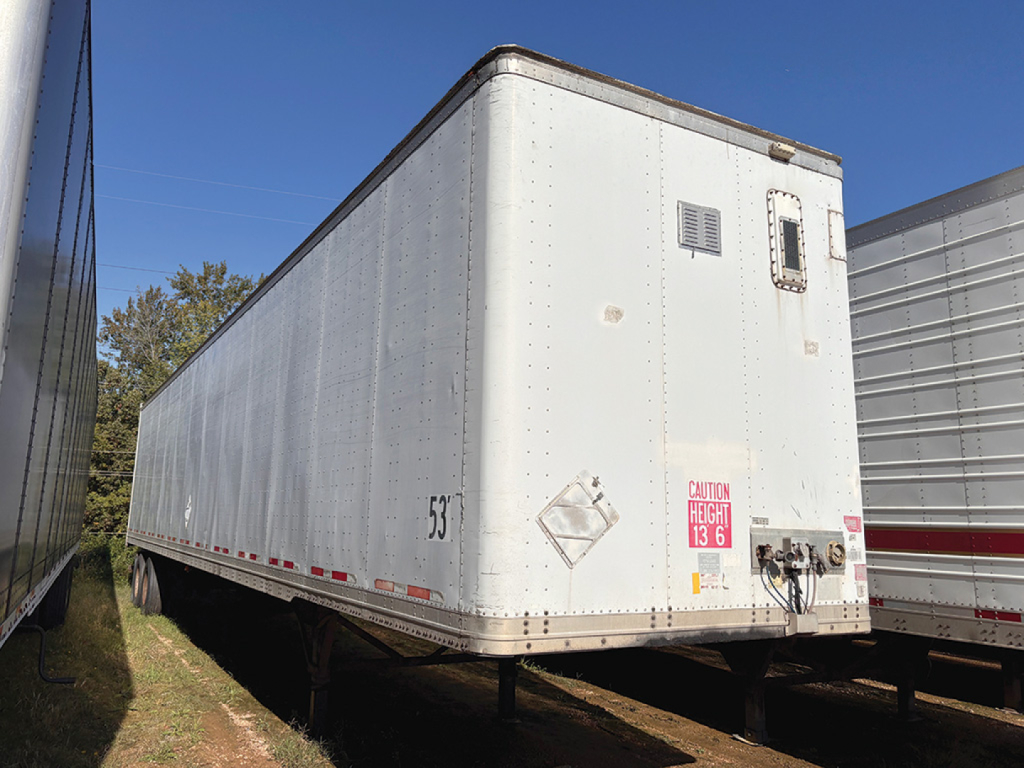
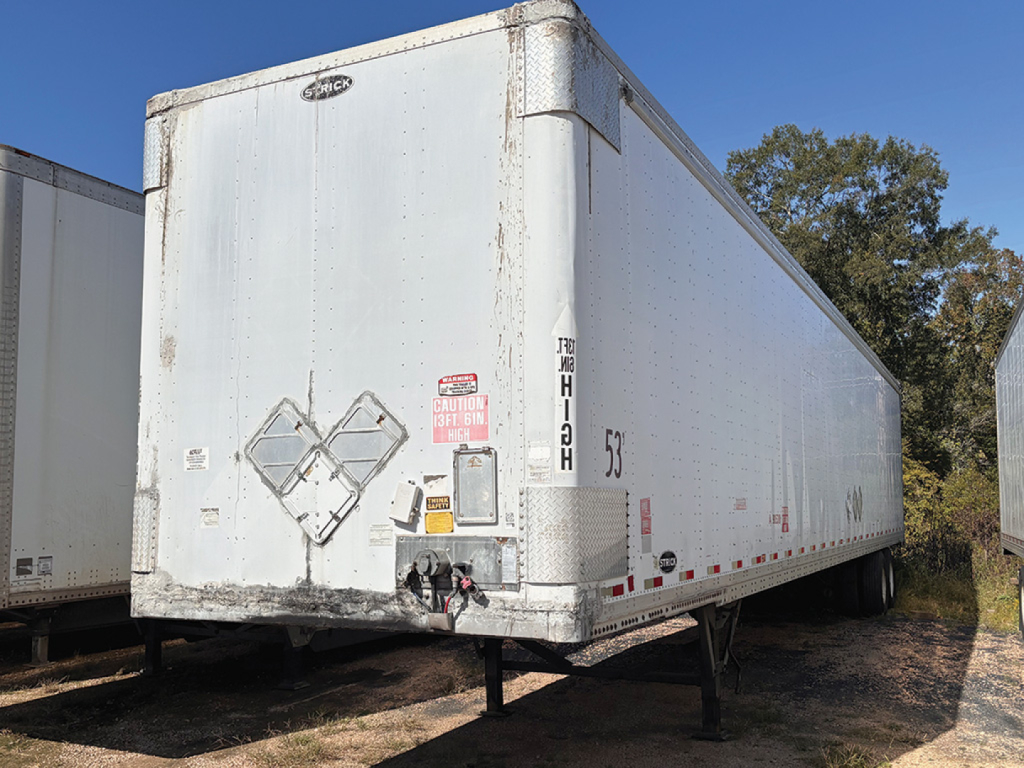
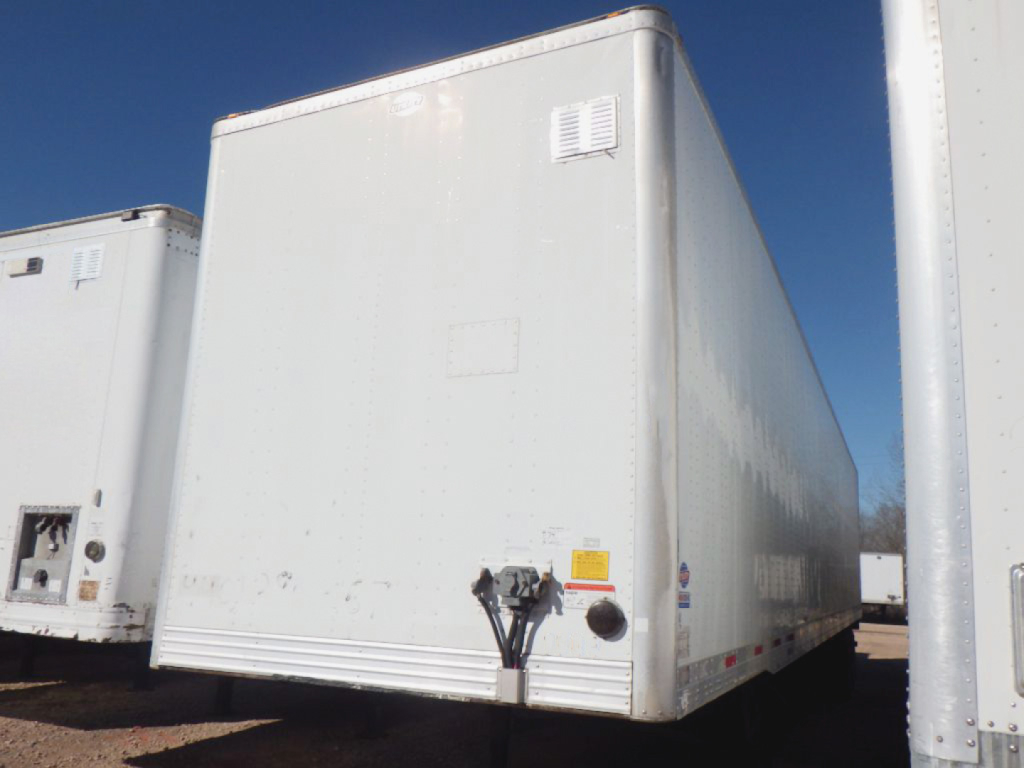
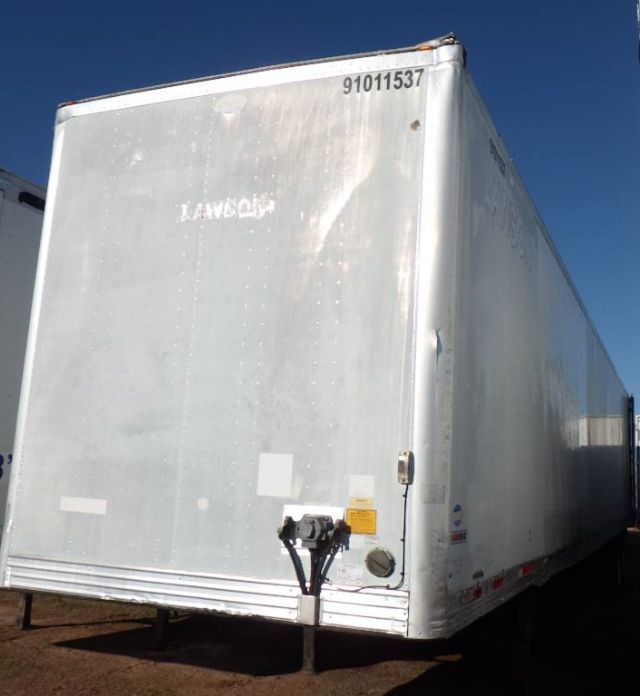
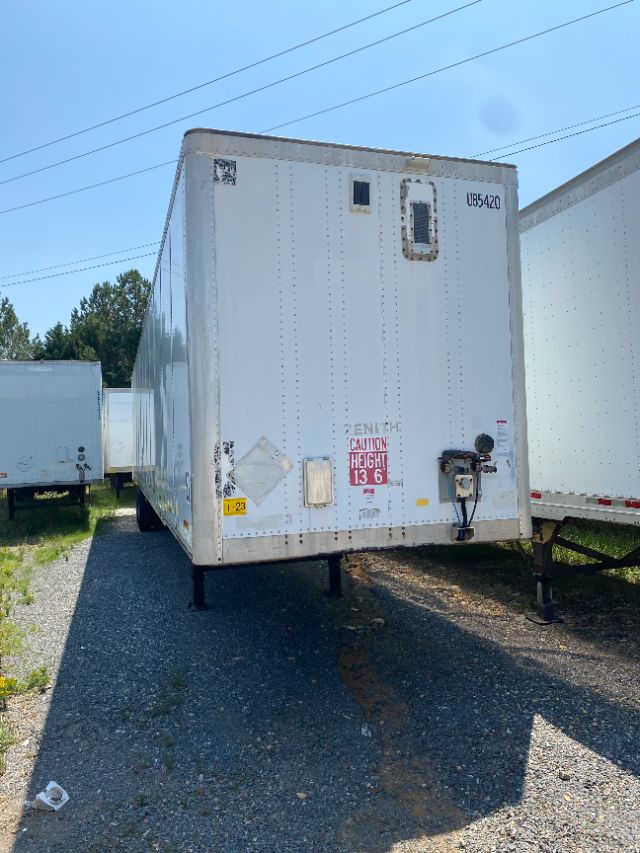
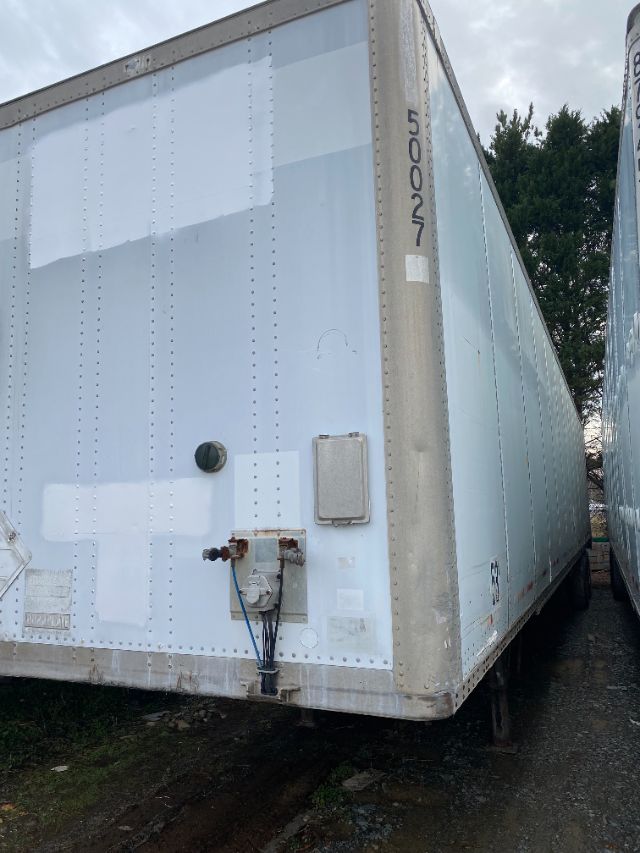
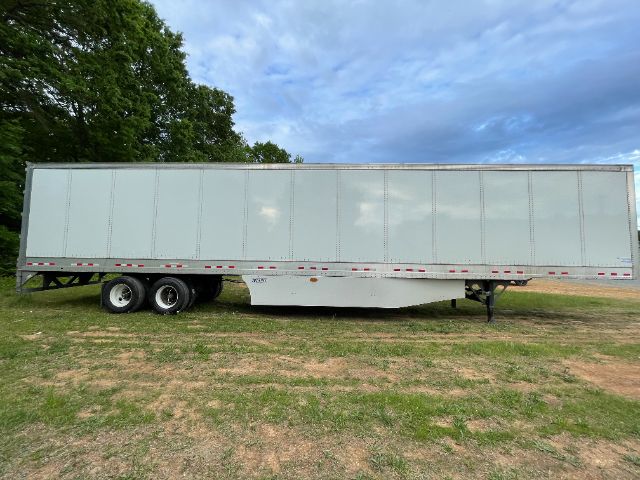

Selling a dry van trailer? List your dry van trailer for sale and reach thousands of commercial buyers.
Dry Van Trailers in North Carolina
Compare Wabash DuraPlate, Great Dane, Utility, and Vanguard dry vans by wall construction, interior dimensions, logistics-post spacing, and repairability rather than brand alone. Specify new trailers with a floor rating suited to loaded forklifts and adequate scuff protection, then review structural warranty terms and wear-item exclusions. Qualifying new heavy trailers are subject to the 12% federal excise tax. On used equipment, review maintenance and annual inspection records, then inspect crossmembers, landing-gear mounts, kingpin attachment, sliding tandems, and rear impact guards. Older trailers warrant close checks for accumulated structural repairs, roof leakage, and swollen or delaminated flooring.
Humidity and coastal exposure make roof seams, door seals, and underbody corrosion particular concerns in North Carolina. Western mountain routes demand sound brakes and tires, while tight delivery sites can dictate a shorter trailer or different axle placement. Check trailer length, kingpin-to-axle dimensions, bridge-formula compliance, and access restrictions against the intended route before relying on a tandem-slider setting. A clean exterior does not establish structural soundness.
Frequently Asked Questions about Dry Van Trailers in North Carolina
How much weight can a dry van legally haul in North Carolina?
An eligible five-axle tractor and dry van combination is ordinarily limited to 80,000 pounds gross on North Carolina Interstate highways. Federal limits also generally cap a single axle at 20,000 pounds and a tandem at 34,000 pounds, subject to the bridge formula. Payload is the permitted gross weight minus the actual tractor, trailer, fuel, and equipment weight. Posted bridges, other roads, and equipment ratings can impose lower limits.
What floor rating do I need for forklift loading in a dry van?
A dry van floor must be rated for the loaded forklift's axle load, not just the freight weight. Obtain the forklift's loaded front-axle weight and tire contact dimensions, then compare them with the trailer manufacturer's floor-rating criteria. Concentrated wheel loads can damage an otherwise sound floor. Loading plates, rear sill condition, crossmember spacing, and previous floor repairs also affect safe dock loading.
Can a used dry van haul packaged food in North Carolina?
Yes, a used dry van can haul packaged food when the cargo space meets the shipper's sanitation requirements and protects the product from contamination. A seller's food-grade description is not proof of suitability. Review prior cargo and cleaning records, inspect for pests, odors, moisture, and chemical residue, and confirm any written requirements for seals, washouts, or dedicated food service before accepting the trailer.
How do I know whether a dry van will fit my tractor?
Fifth-wheel height, kingpin position, and turning clearance determine whether a dry van is compatible with a tractor. Verify the trailer's coupling-height specification and check clearance between the tractor frame, landing gear, trailer nose, and cab throughout a turn. Confirm air and electrical connections, ABS operation, and loaded axle weights. A compatible kingpin alone does not establish safe coupling or adequate clearance.