
2008 Dry Van Trailers For Sale
Compare 2008 dry van trailers for sale by floor strength, door clearance, tandem condition, and age-related repairs for US and Canadian freight work.
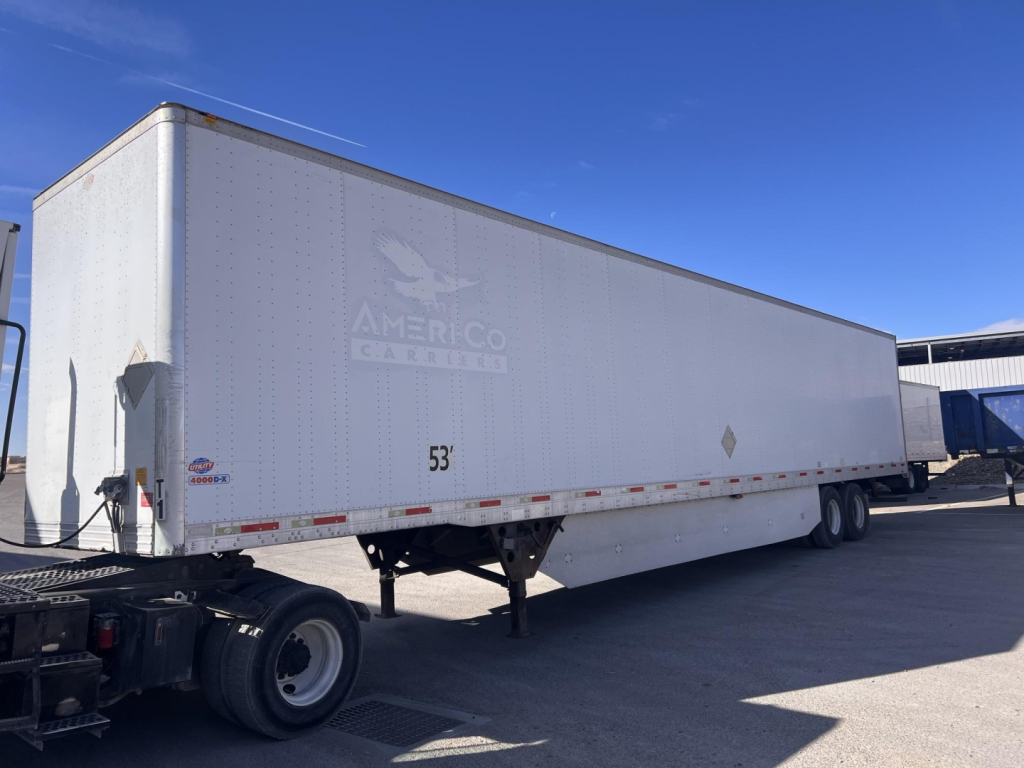
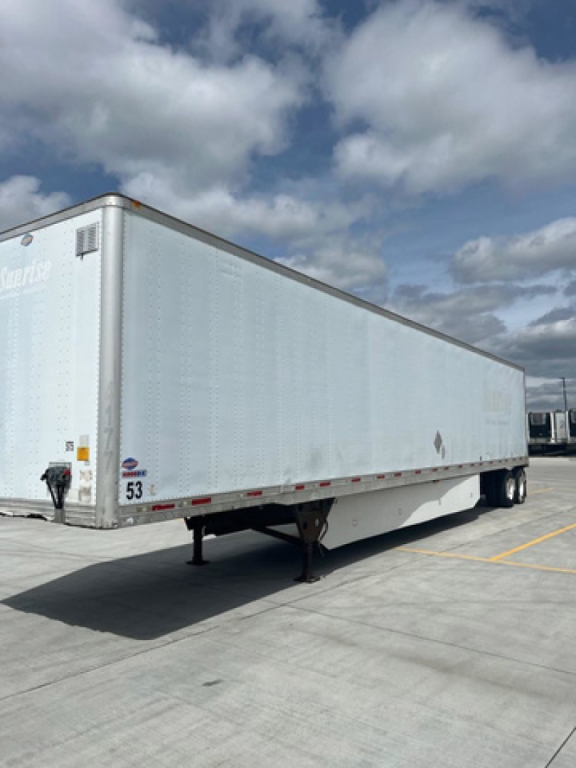
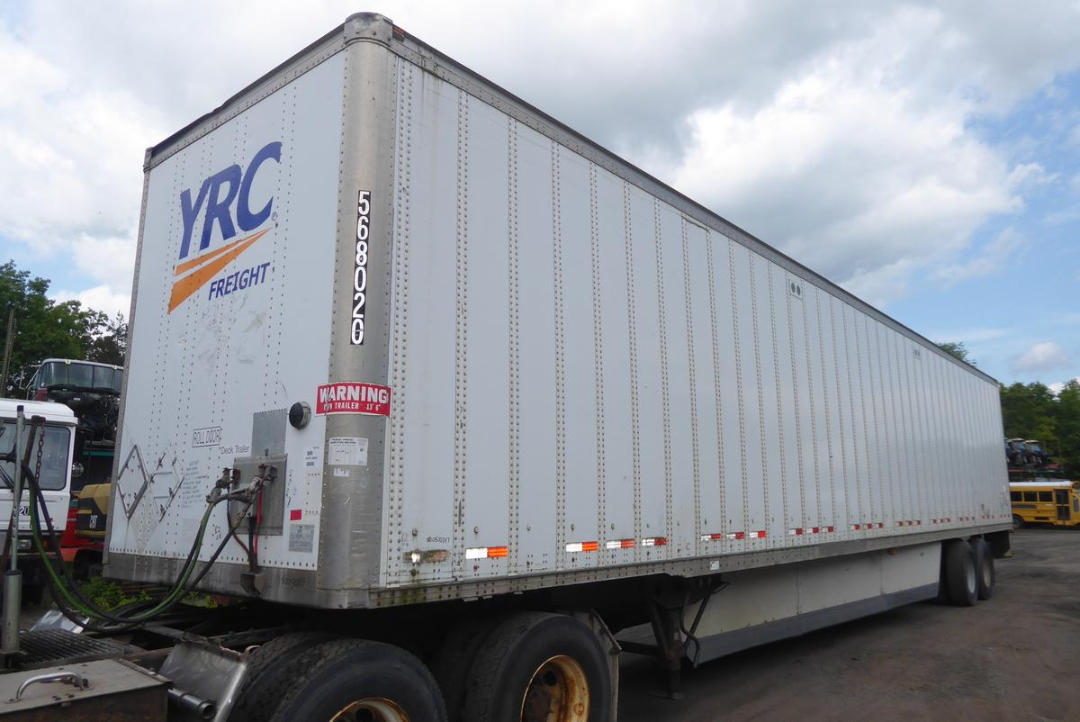
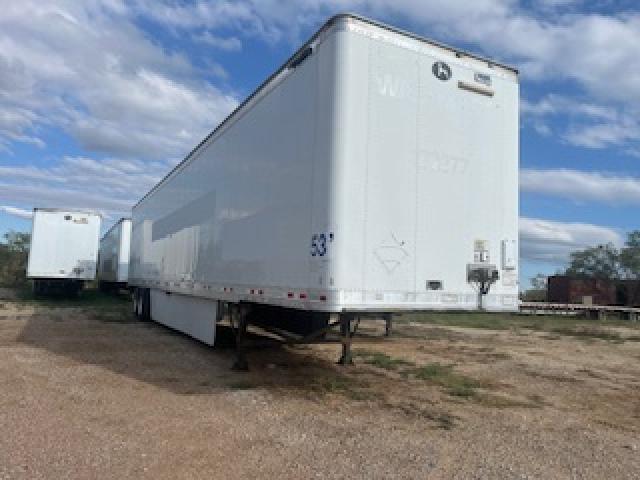
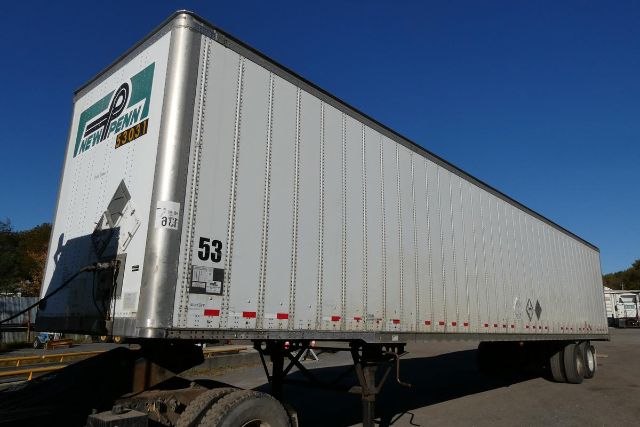
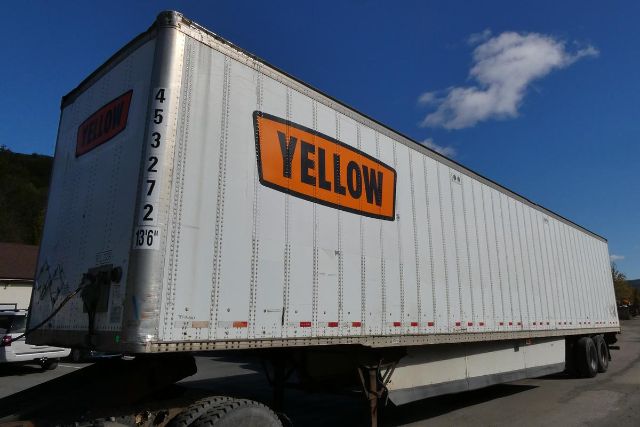
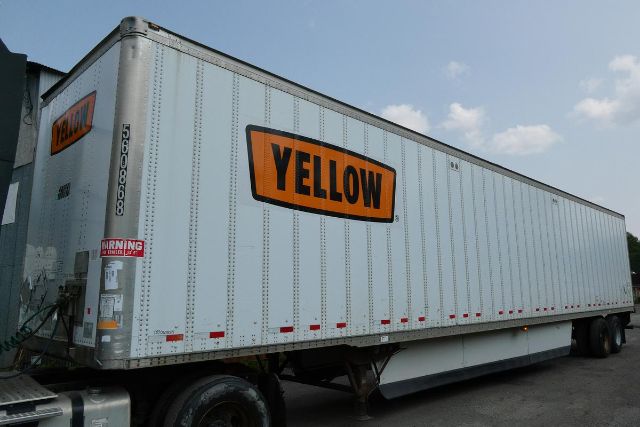
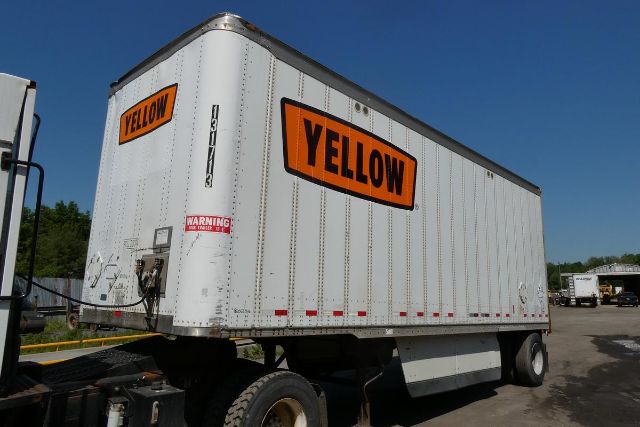
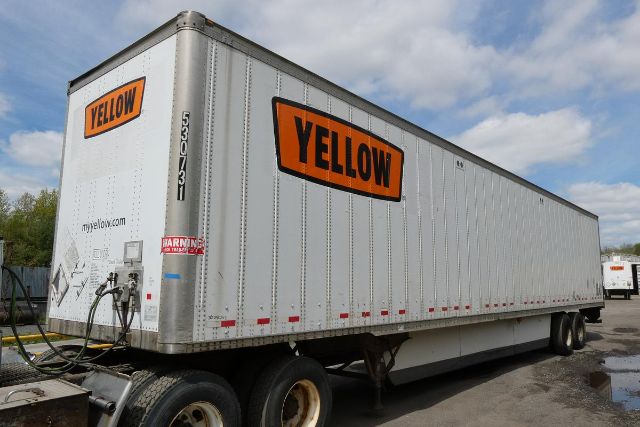
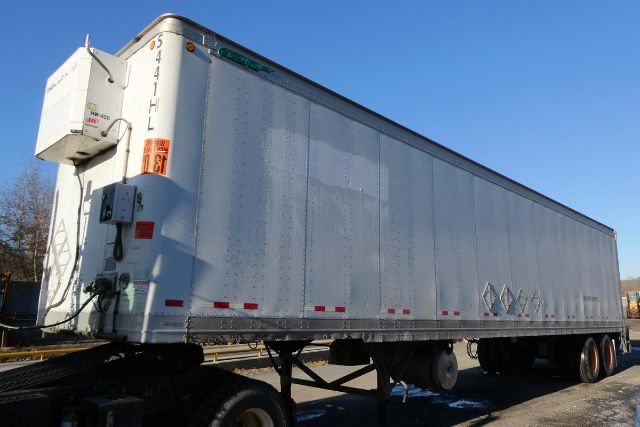
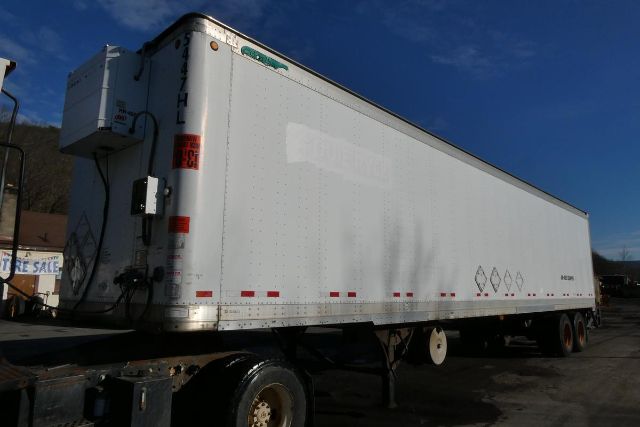
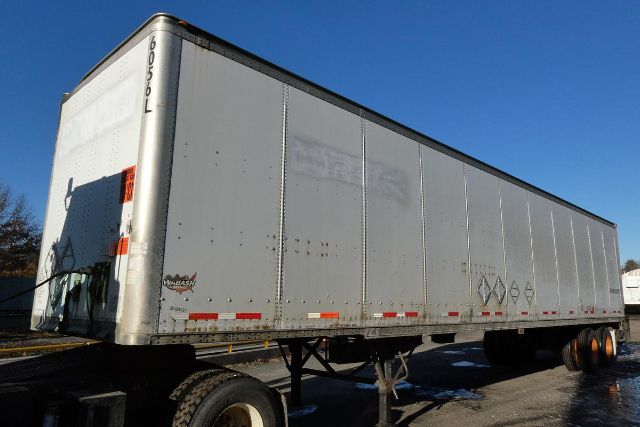
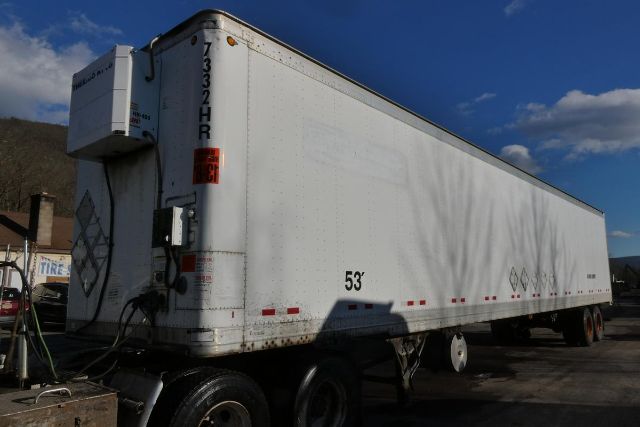
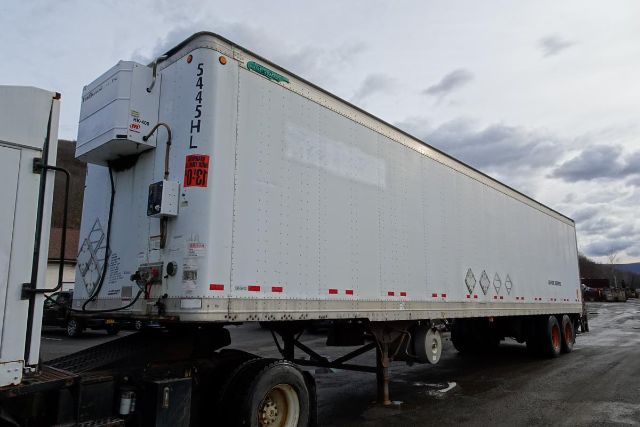
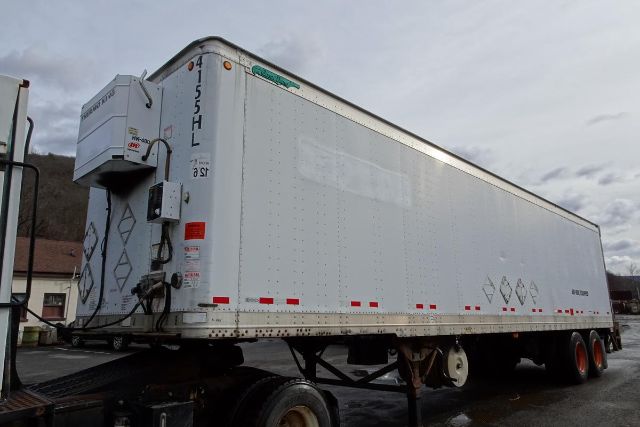
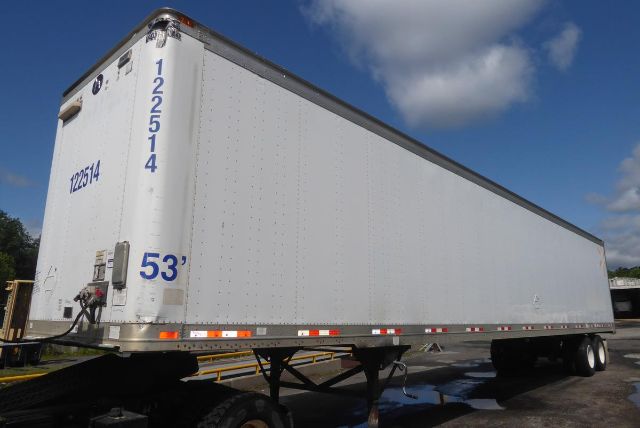
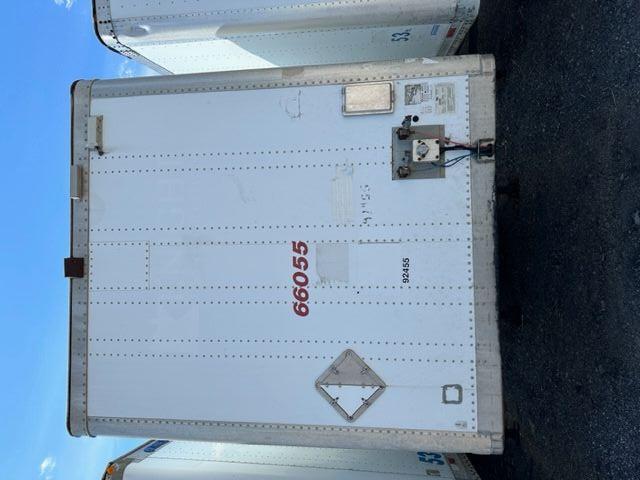

Showing 1 to 28 of 36 results
Selling a 2008 dry van trailer? List your 2008 dry van trailer for sale and reach thousands of commercial buyers.
2008 Dry Van Trailers
Compare wall construction rather than judging by make alone. Wabash DuraPlate composite-panel vans and conventional sheet-and-post designs from manufacturers such as Great Dane offer different interior widths, repair methods, and cargo-securement layouts. Measure between liners, posts, and scuff panels, then measure the rear door opening separately. Swing doors generally preserve more loading clearance than roll-up doors, whose tracks and header occupy space. Check logistics-post attachment points and confirm that floor condition and the manufacturer's forklift loading rating suit the actual dock equipment.
A thorough used-trailer inspection starts underneath the floor, not inside the box. Examine crossmembers, bottom rails, landing-gear mounts, upper coupler structure, and the rear frame for corrosion, cracks, or poorly executed repairs. Water staining, soft wood, separated floor joints, and damaged threshold plates deserve closer investigation before forklift loading. Inspect roof seams and patches for leaks, and operate the doors through their full travel. Review maintenance records for wheel-end service, brake work, suspension repairs, and collision damage. Test slider pins, air lines, brake chambers, lights, and any tire inflation system rather than relying on a previous inspection sticker.
Salt exposure across northern US states and Canadian provinces can leave substantial corrosion beneath an otherwise presentable body. Air-ride suspensions need sound bags, height-control valves, and bushings; spring suspensions need intact leaves, hangers, and equalizers. Choose suspension for cargo sensitivity and duty cycle, not appearance. Verify axle ratings, tire capacity, tare weight, and tandem travel against the intended routes. US bridge-formula limits, state kingpin-to-rear-axle restrictions, and Canadian provincial weight rules can limit legal operation below the trailer's stated GVWR. Liftgates also add tare weight and require clearance checks at docks.
A 2008 trailer described as new or unused still requires storage-age inspection; unused does not mean recently manufactured. Confirm warranty eligibility in writing, establish whether the trailer has previously entered retail service, and determine whether the 12% US federal excise tax applies to a qualifying first retail sale. Specify any replacement floor, door, suspension, or liftgate work against the original trailer's structural ratings.
Frequently Asked Questions about 2008 Dry Van Trailers
What floor rating do I need for a forklift in a 2008 dry van?
The loaded forklift's axle and wheel loads, not the trailer's GVWR, determine the floor rating you need. Obtain the 2008 dry van's original floor specification and compare it with the forklift's loaded axle weights and wheel spacing. A forklift's lifting capacity alone is insufficient. Replacement floorboards do not restore rated capacity if supporting crossmembers or their connections are weakened.
Does a 68,000-pound GVWR mean a 2008 dry van can legally carry that much freight?
No. A 68,000-pound GVWR is the trailer's rated total weight, including the trailer itself, not its cargo allowance. Standard US Interstate limits generally include 80,000 pounds for the combination and 34,000 pounds on a tandem, subject to bridge-formula requirements and exceptions. Tractor weight, trailer tare, load placement, and route restrictions reduce usable payload. Canadian limits must be checked by province and axle configuration.
Does a 2008 dry van need aerodynamic equipment to operate in California?
California's Tractor-Trailer Greenhouse Gas Regulation covers many 53-foot-or-longer dry van trailers, including older model years. Covered trailers generally need compliant aerodynamic equipment and low-rolling-resistance tires unless an exemption applies. Verify the requirements for the trailer's configuration and operation before dispatching into California. Existing side skirts alone do not establish compliance, and the trailer requirements are separate from the tractor's diesel emissions requirements.
How should I check the ABS on a 2008 dry van trailer?
A 2008 air-braked dry van should have functioning trailer ABS, verified through a warning-lamp check and diagnostic scan. Inspect the power supply, controller wiring, wheel-speed sensors, and tone rings, then investigate active and stored faults. A lamp that stays dark is not proof of a healthy system. ABS controller data can supplement maintenance records, but should not be treated as a complete service history.
Can a heated 2008 dry van replace a refrigerated trailer?
No, a heater-equipped dry van cannot replace a refrigerated trailer for freight that needs active cooling. Heated vans can protect suitable cargo from freezing, but temperature performance depends on insulation, heater output, airflow, and outdoor conditions. Verify the shipper's temperature requirements and test the heater under load. Inspect fuel lines, exhaust routing, controls, and insulation before assigning temperature-sensitive freight.