
Dry Van Trailers For Sale in New York
Compare dry van trailers for sale in New York with guidance on salt corrosion, trailer length, door openings, and specs for regional freight routes.
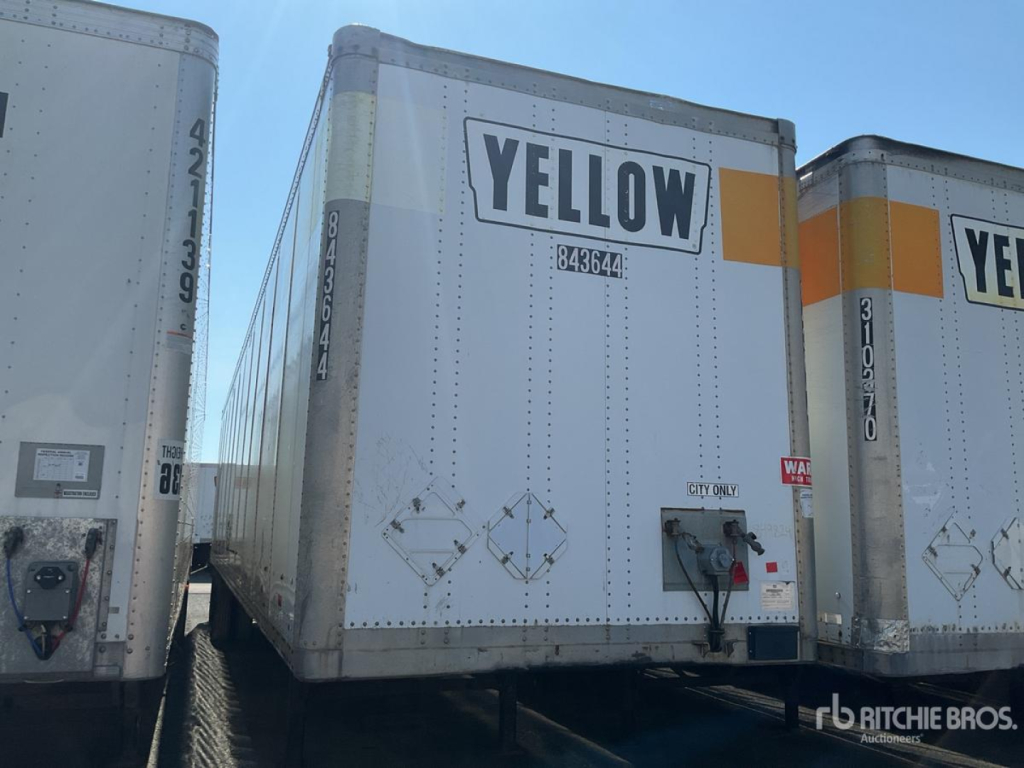
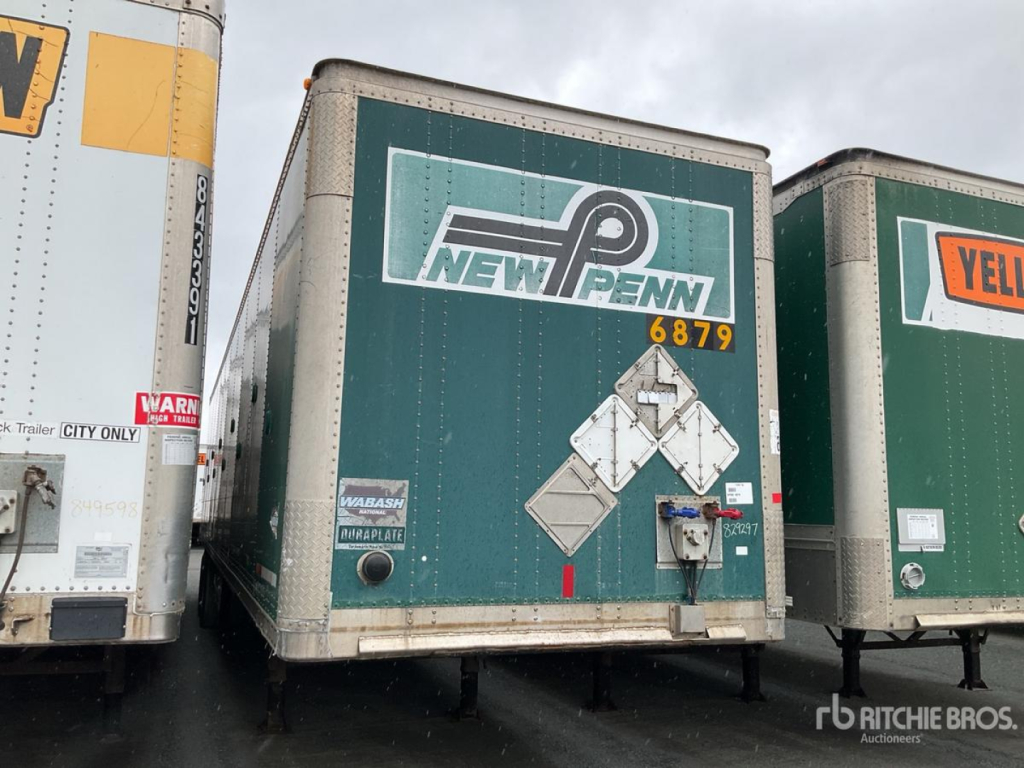
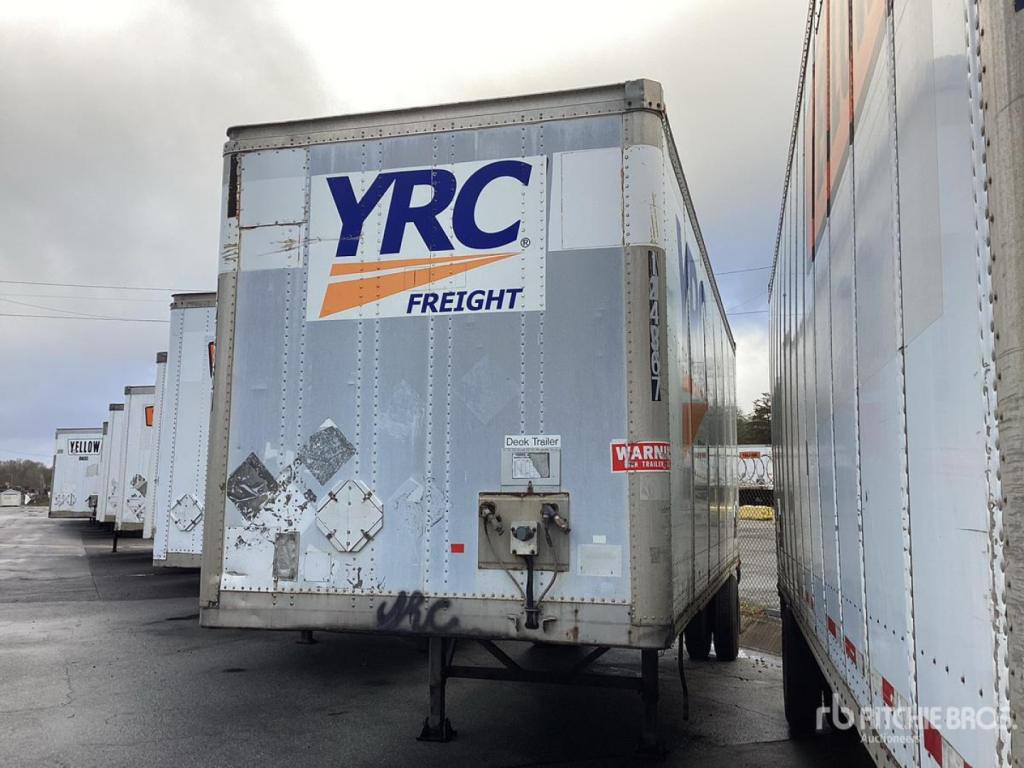
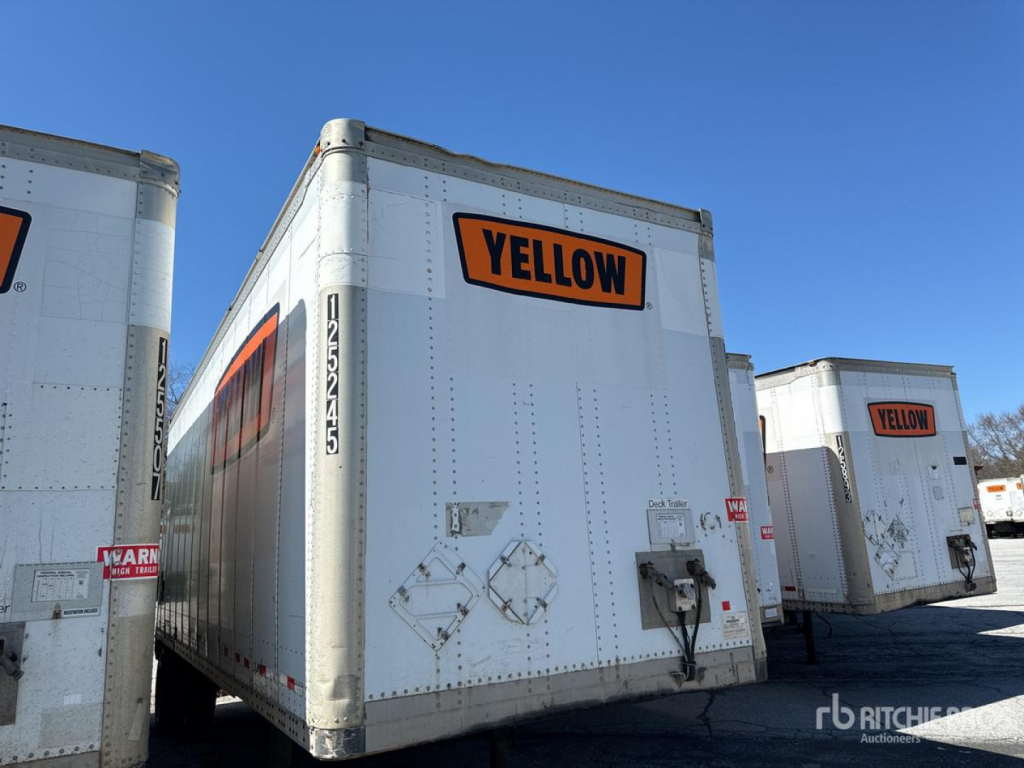
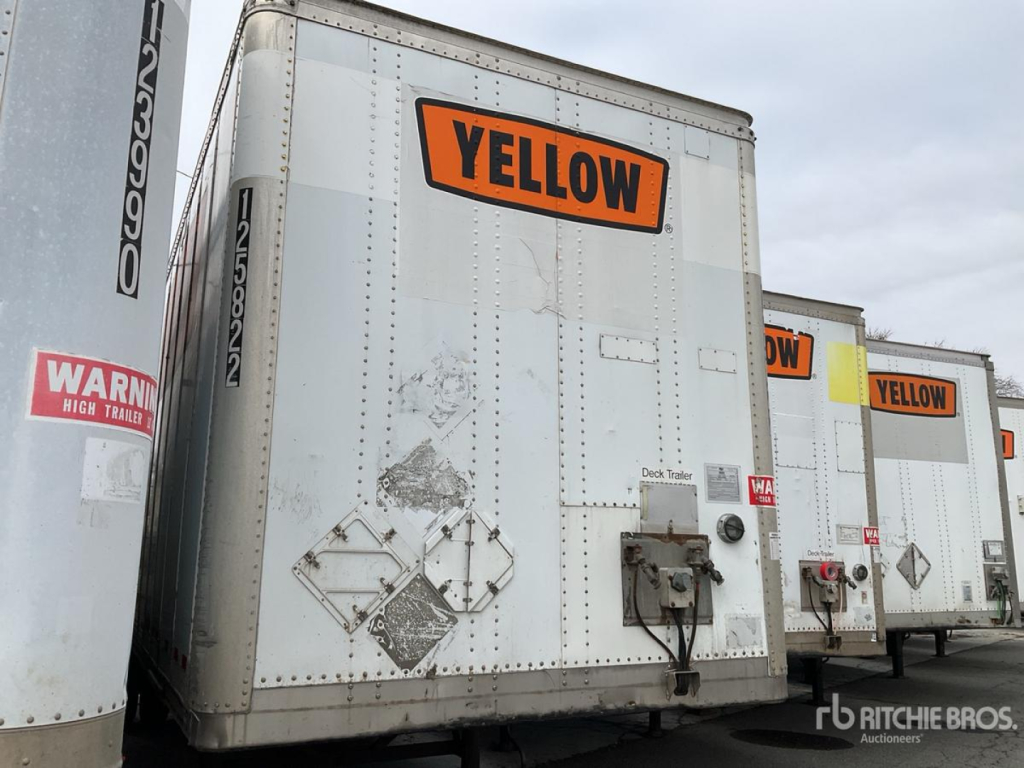
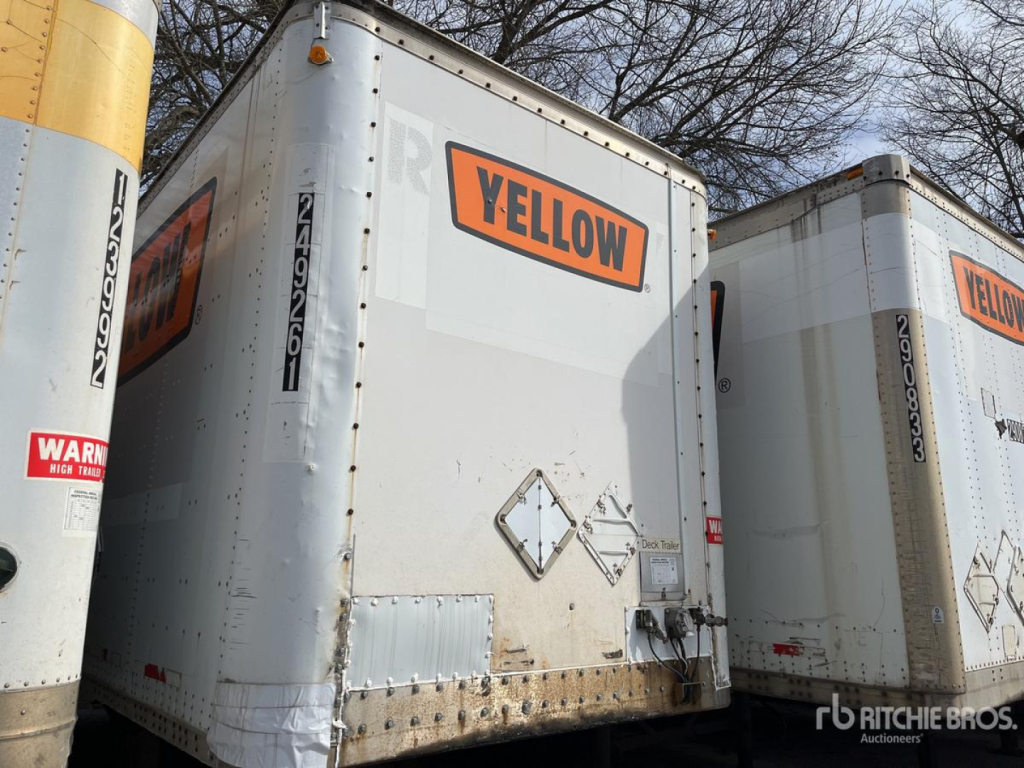
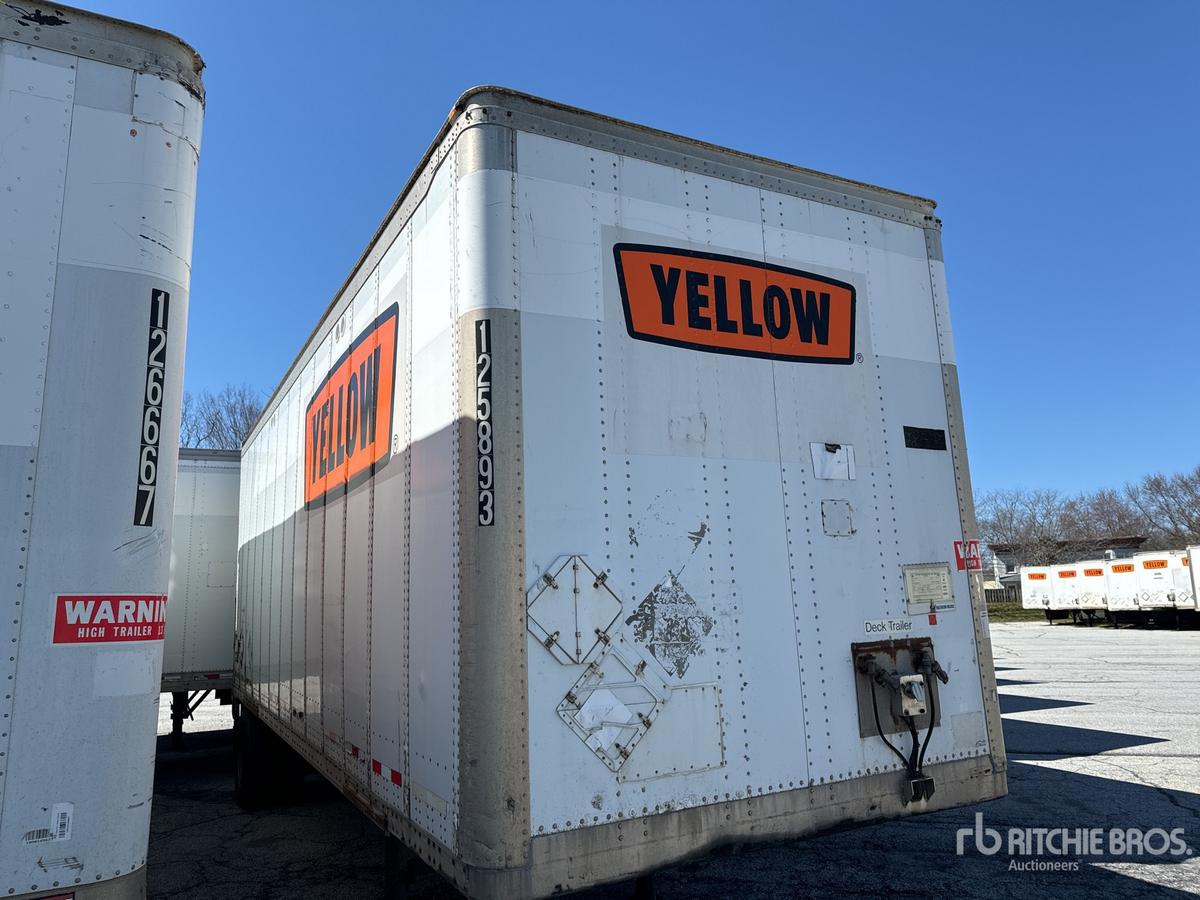
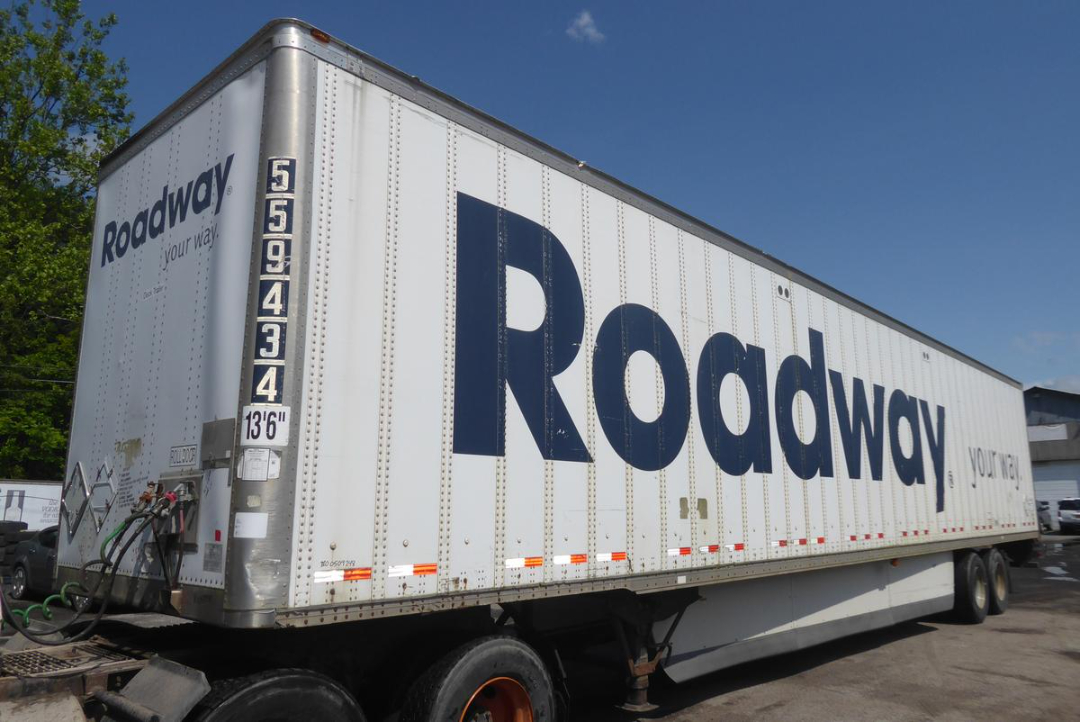
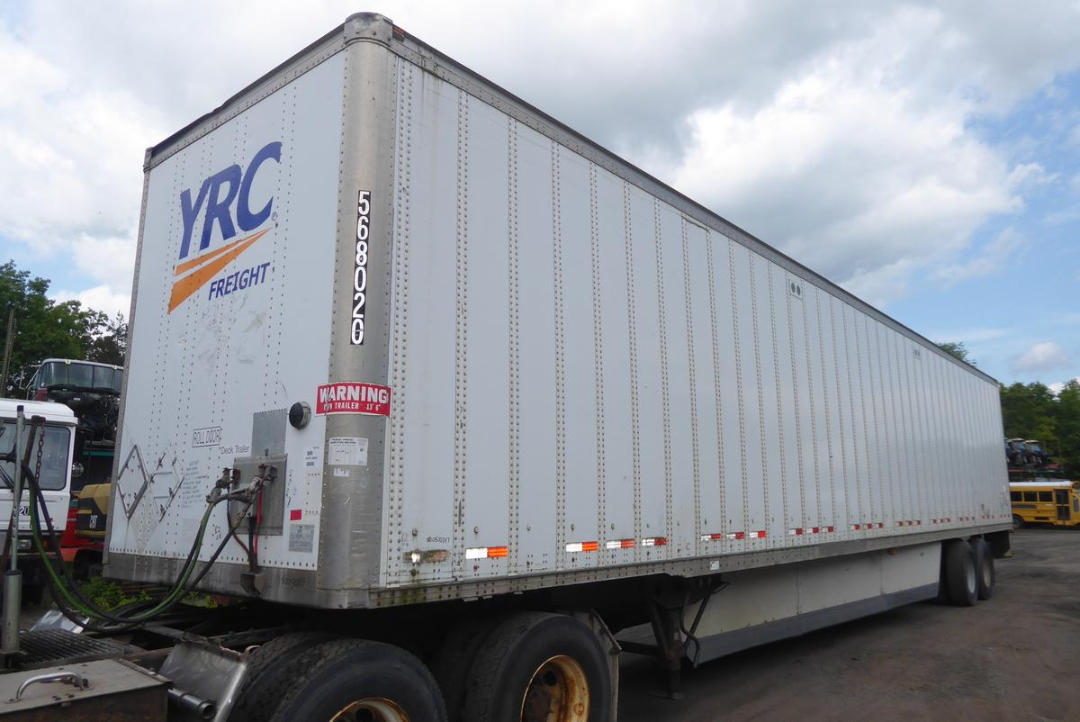
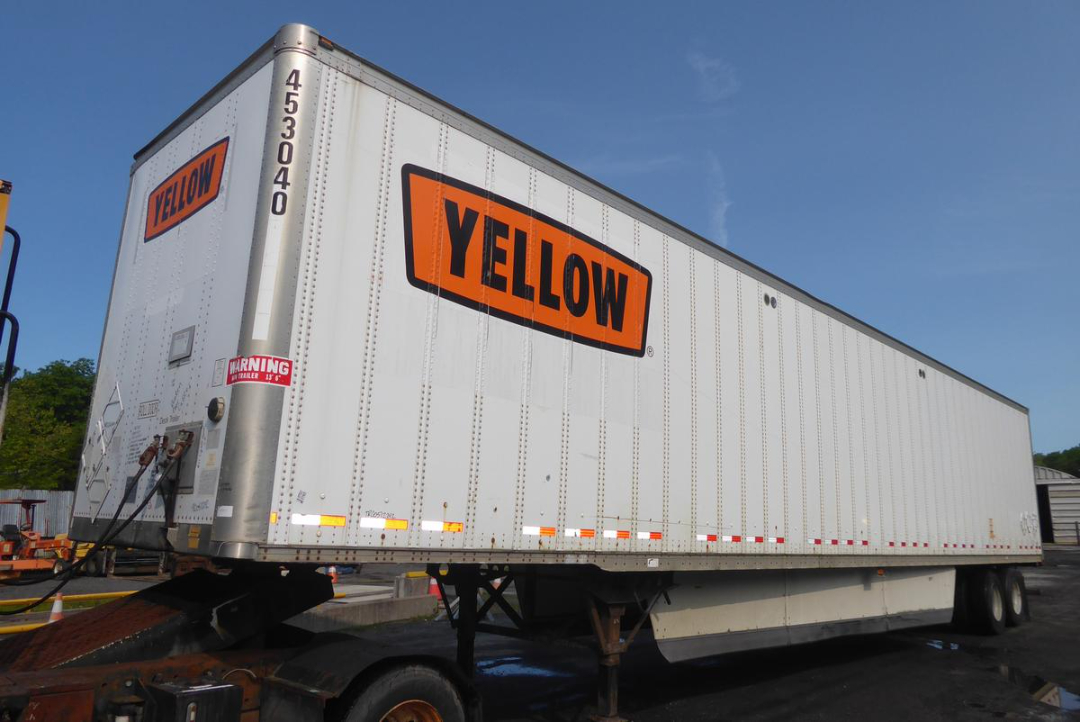
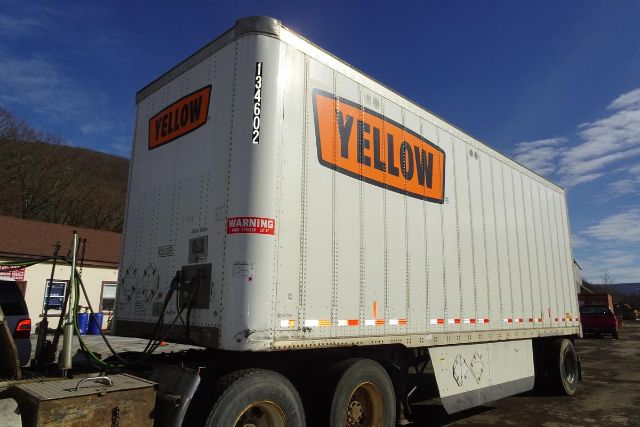
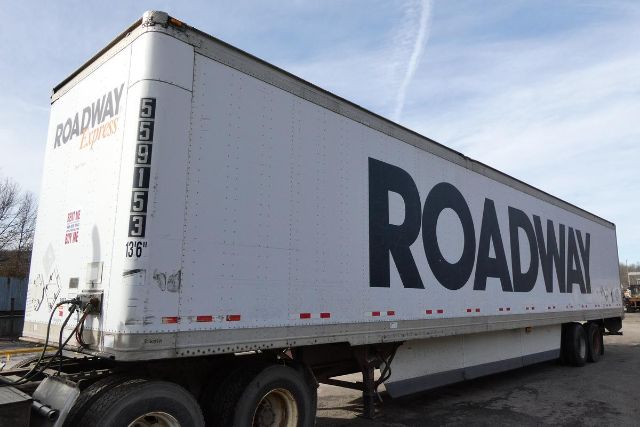
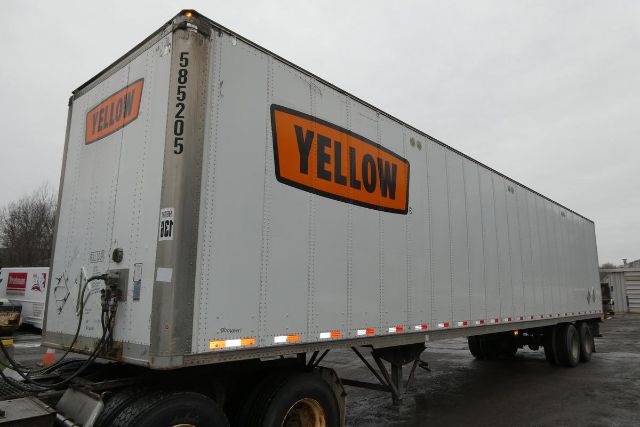
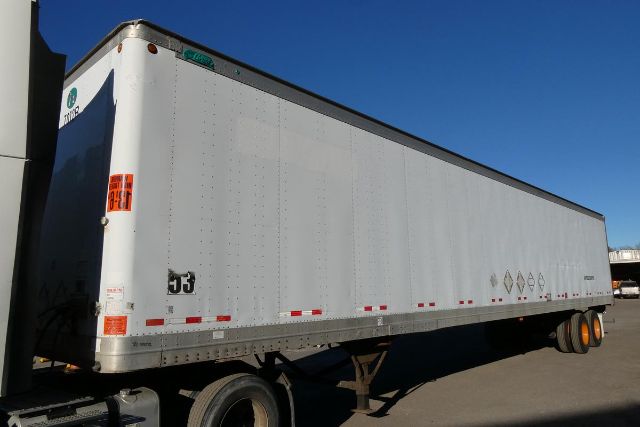
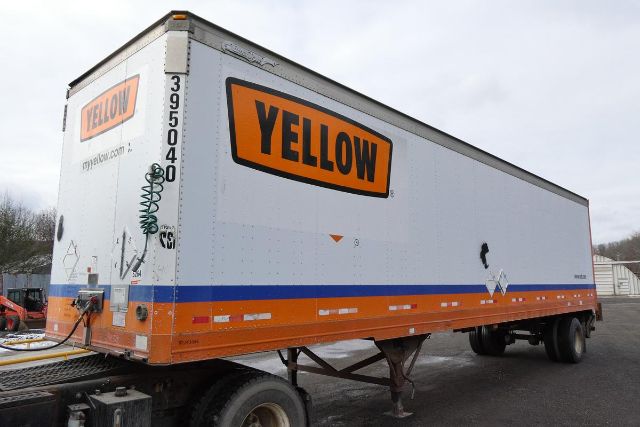
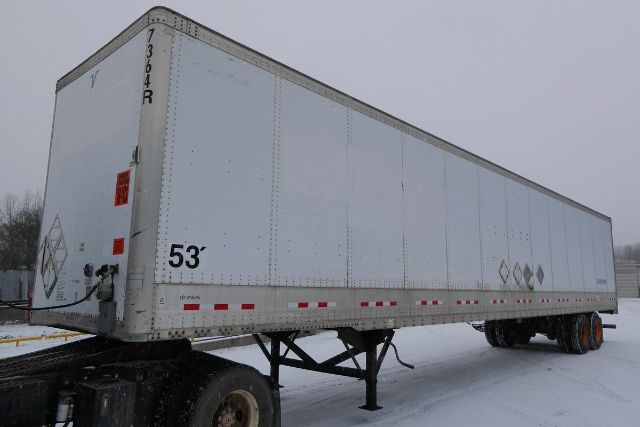
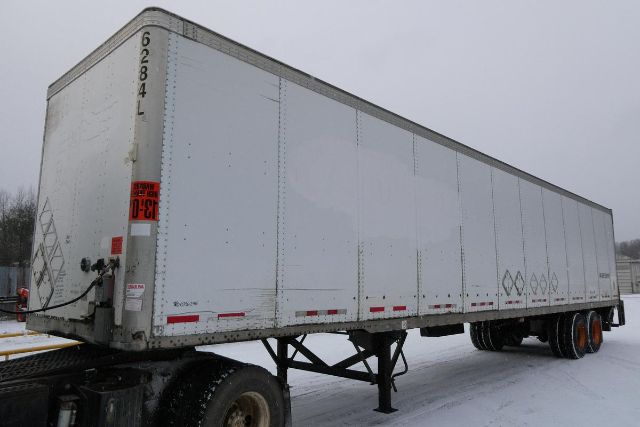
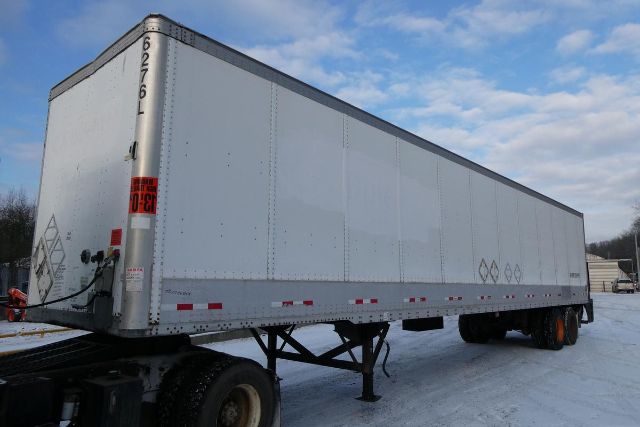
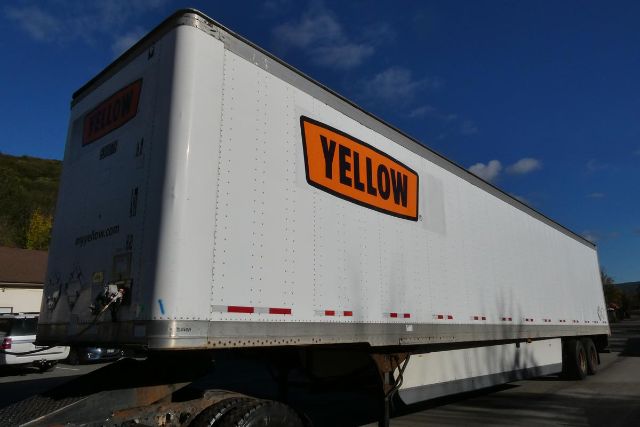
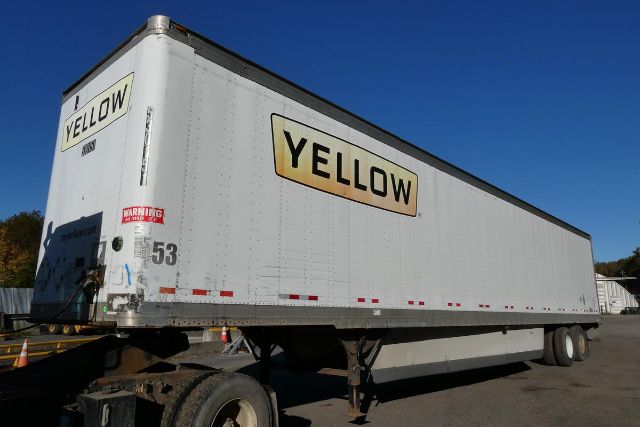
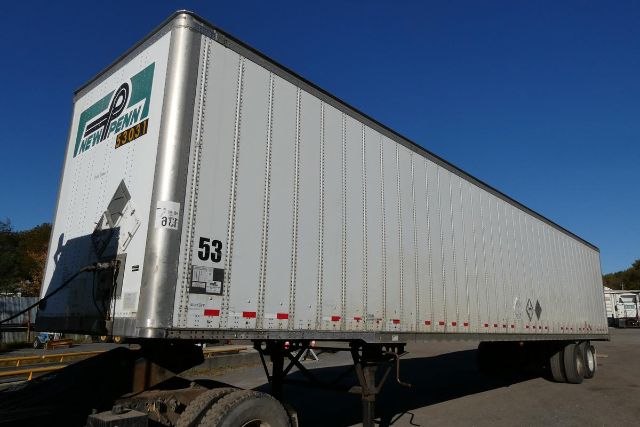
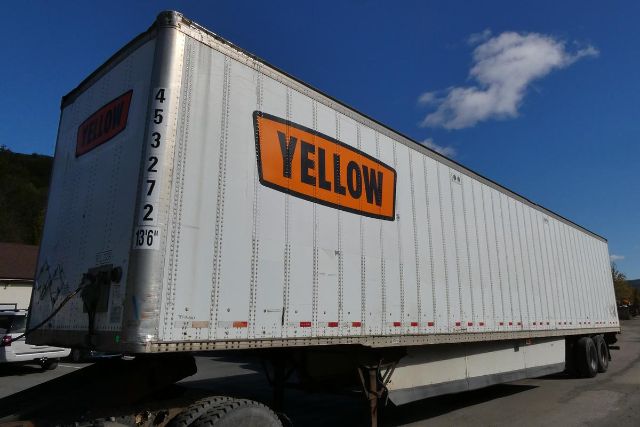
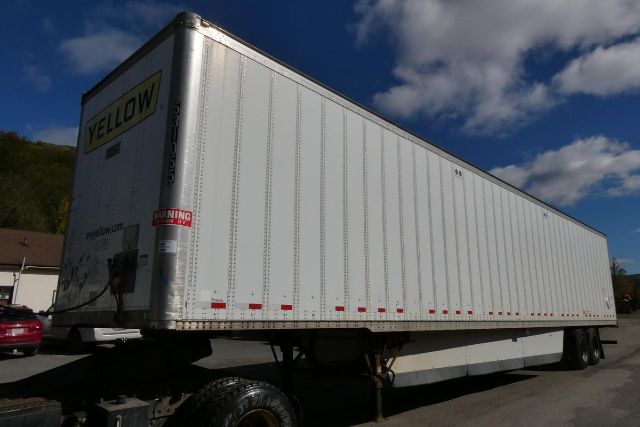
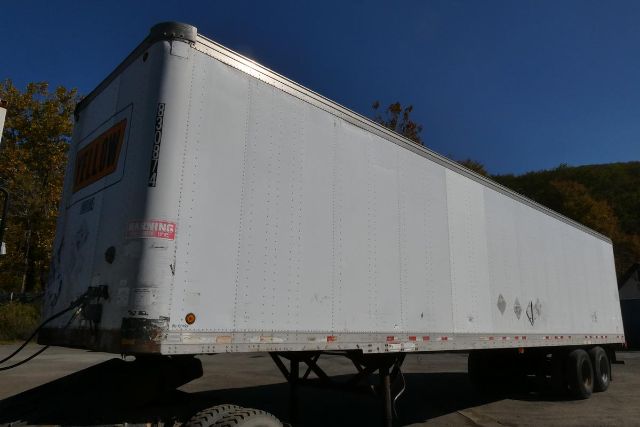
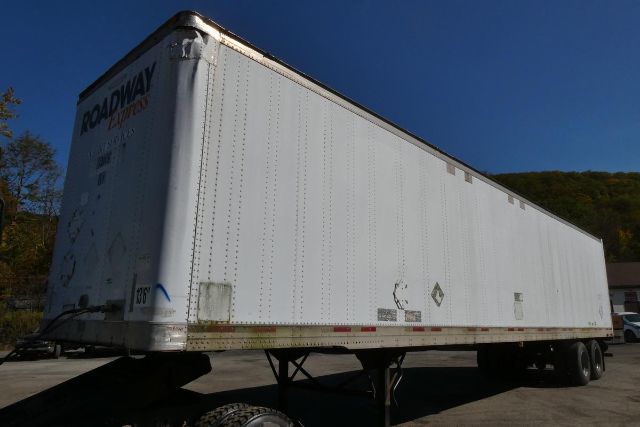
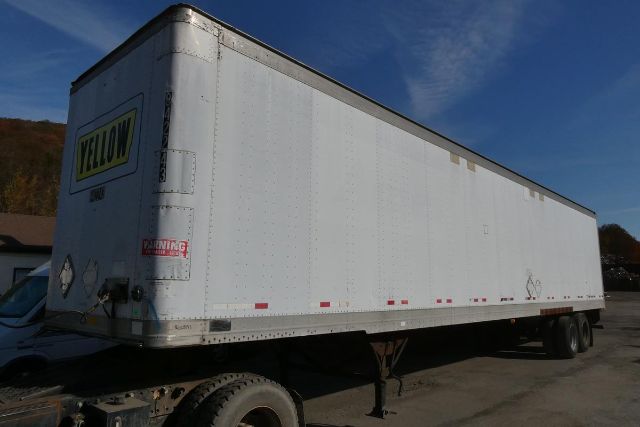
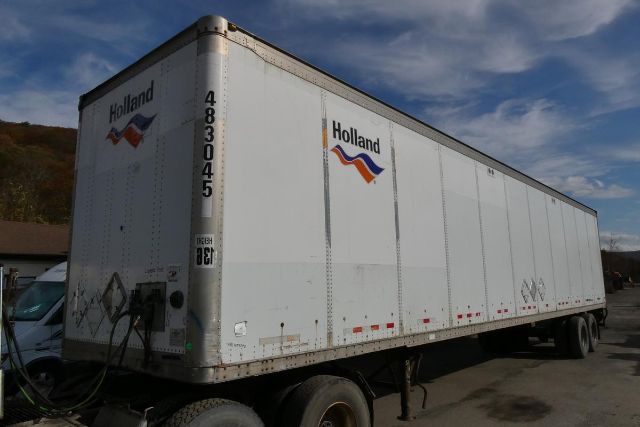
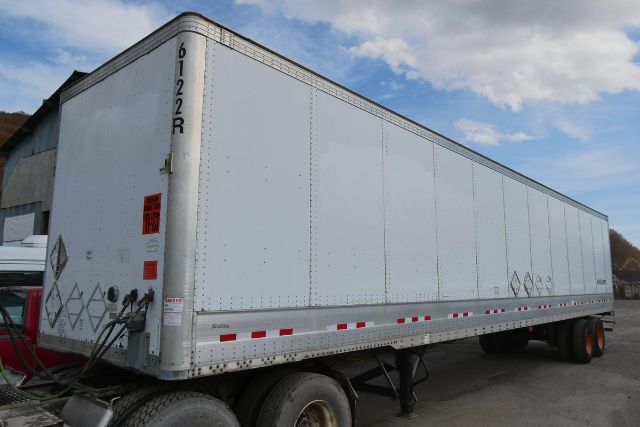
Showing 1 to 28 of 223 results
Selling a dry van trailer? List your dry van trailer for sale and reach thousands of commercial buyers.
Dry Van Trailers in New York
Used dry freight trailers need an underbody inspection for corrosion at crossmembers, suspension hangers, slider rails, landing gear, and rear frames. Check roof seams for leaks, floor damage, kingpin wear, brakes, ABS faults, and maintenance records; verify parts support on older box trailers. Compare aluminum sheet-and-post and composite construction by interior width, damage resistance, and repairability. Roll-up doors suit frequent dock stops but reduce clear opening height; swing doors usually provide a larger loading opening. For new vans, specify floor capacity for loaded forklift axle weights, cargo securement, suspension, and corrosion protection before ordering. Confirm warranty coverage and exclusions, plus applicability of the 12% federal excise tax on qualifying new heavy trailers.
Frequently Asked Questions about Dry Van Trailers in New York
Can I deliver anywhere in New York City with a 53-foot dry van?
New York City restricts 53-foot dry van trailers to designated highway routes rather than its general local truck-route network. Confirm the current NYC DOT restrictions for the complete trip, including the destination approach. A warehouse appointment or a truck navigation recommendation does not establish legal access for a 53-foot combination.
Should I choose air ride or spring suspension for a dry van trailer?
Air ride is usually the better choice for damage-sensitive freight, while spring suspension offers simpler maintenance for less-sensitive loads. Customer requirements can make air ride mandatory regardless of route length. On a used dry van trailer, inspect air springs, height-control valves, and air leaks, or spring packs, hangers, and equalizers before choosing either system.
Does a 68,000-pound trailer GVWR mean I can haul 68,000 pounds of cargo?
No, a 68,000-pound dry van trailer GVWR is not a 68,000-pound cargo allowance. Trailer empty weight counts against that rating, and the tractor-trailer combination must also meet legal gross, axle, and bridge limits. The standard federal Interstate gross combination limit is 80,000 pounds, subject to exceptions. Calculate payload using actual empty weights and the most restrictive applicable limit.
How do I check a used dry van trailer for water leaks?
A controlled water test, combined with an interior inspection, is more reliable than checking a dry van trailer only on a sunny day. Look for stained flooring, swollen liners, corrosion beneath roof joints, and daylight around door seals. Test roof seams and front corners without using pressure high enough to force water through otherwise sound seals.
Do older dry van trailers have to have ABS?
Air-braked dry van trailers manufactured on or after March 1, 1998 generally require ABS under federal manufacturing standards. Earlier trailers were not subject to that same manufacturing requirement. Use the manufacture date on the certification label rather than assuming the advertised model year settles the question, and inspect required ABS equipment for proper warning-lamp operation and diagnostic faults.